옛날농장
옛날농장 sits in Gangnam's Yeoksam district, where the tradition of Korean barbecue is practiced in its older, more deliberate register. The name translates roughly to 'old-style farm,' signalling an orientation toward heritage cuts and cooking methods that predate the streamlined grill-and-go format now common across the neighbourhood. For visitors tracking authentic Korean grill culture alongside Seoul's more decorated dining rooms, it occupies a distinct position in the city's meat-forward canon.
Pearl is the En Primeur Club membership app — saves, bookings, and concierge access live there. Same editors, same standards.
- Address
- 강남구 테헤란로33길 11 (역삼점), 역삼1동, 서울특별시, 서울특별시, 06141
 Saves & bookings on Pearl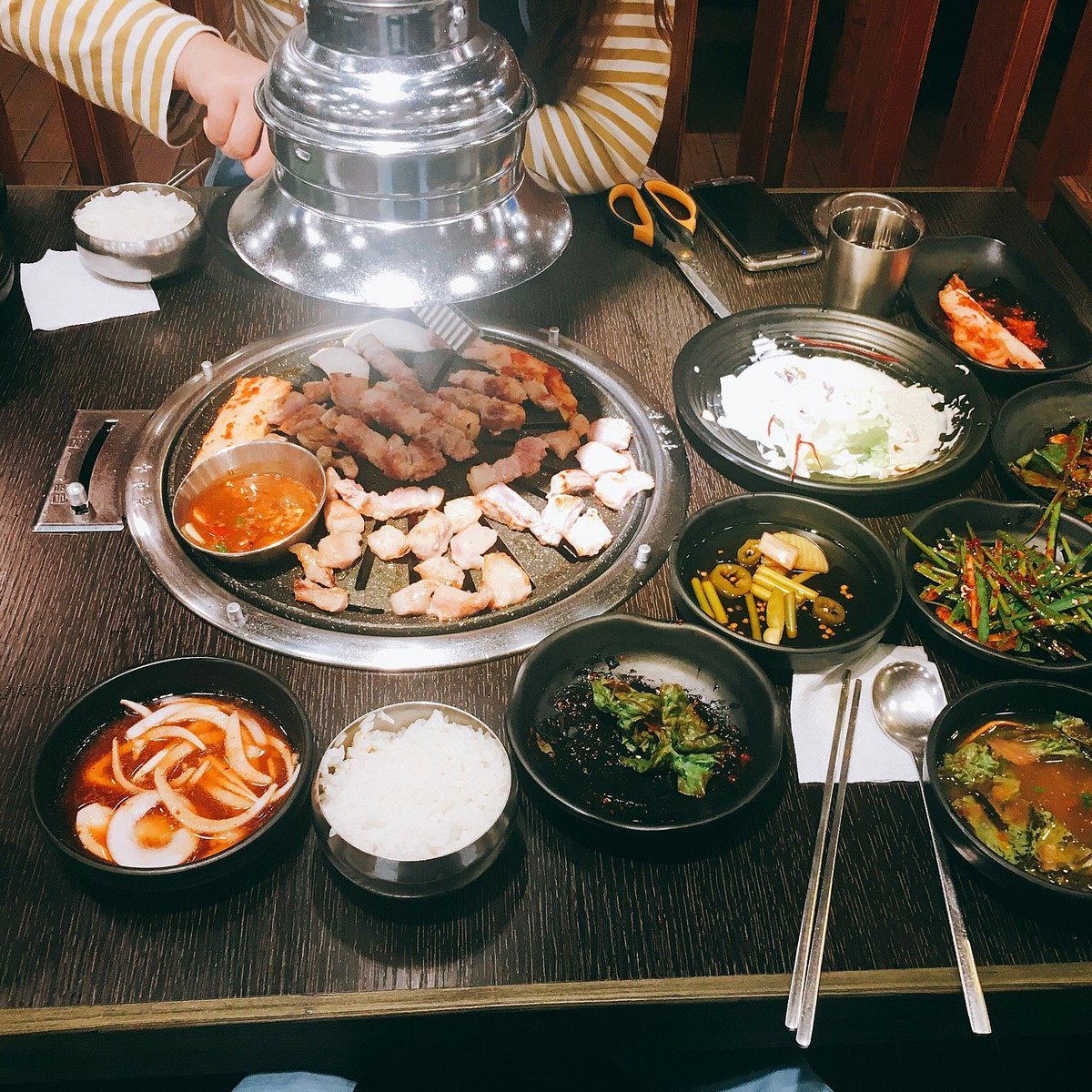
The Yeoksam Grid and What It Tells You About Seoul's Grill Culture
Gangnam's Teheran-ro corridor is not where you come looking for quiet. The avenue that runs from Gangnam Station eastward through Yeoksam and into Samseong is one of Seoul's commercial spines: office towers, after-work crowds, and a density of restaurants calibrated to feed people efficiently between meetings. Inside that grid, Korean barbecue functions as an everyday part of neighbourhood life before the city's more formal dining rooms enter the conversation. 옛날농장, at Teheran-ro 33-gil 11 in Yeoksam-dong, operates within that context. The address itself places it just off the main artery, a step removed from the highest-traffic strip.
Korean barbecue has split, over the past decade, into at least two recognisable commercial registers. One is the high-throughput, design-forward format, vented tables, curated meat programs, reservation-required dining that has migrated successfully into international markets and draws comparisons to Seoul's more ambitious kitchens, including the tasting-menu tier represented by Mingles and Jungsik. The other register is older and more neighbourhood-bound: places whose authority comes from continuity and repetition rather than concept-driven differentiation. 옛날농장's name, which translates roughly as 'old-style farm', positions it explicitly in the second category. That is a positioning choice as much as a description.
What 'Old-Style' Actually Means at the Table
The cultural logic behind the 'old farm' framing runs deeper than nostalgia branding. Korean barbecue, in its pre-commercialised form, was tied to specific agricultural rhythms: pork and beef cuts reflecting what was available seasonally, cooking methods passed through family and regional practice rather than standardised kitchen training, and side dishes that functioned as preservation techniques as much as flavour additions. The sprawling banchan spread, kimchi, doenjang-based pastes, pickled vegetables, was not decorative. It was the framework within which grilled protein made sense nutritionally and economically.
Restaurants that invoke that heritage are making an implicit claim about sourcing orientation and preparation approach. Venues in the 옛날 (old-style) register tend to foreground specific cuts, wood or charcoal as cooking medium, and accompaniments that reflect regional tradition rather than menu innovation. This contrasts with the contemporary Korean dining scene that platforms like Kwonsooksoo, Soigné, and alla prima represent, places where Korean ingredients and technique are reframed through a fine-dining lens. Both traditions have legitimacy; they answer different questions about what Korean food is and who it is for.
Seoul's Meat-Centric Dining Tier: Where 옛날농장 Sits
Within the Korean restaurant spectrum, the neighbourhood grill house occupies a middle tier that is often the hardest to evaluate from outside. It sits above fast-casual and below the destination dining rooms that attract international critical attention. The comparable set for a Yeoksam-area grill restaurant with a heritage positioning includes places like Gobojeong Galbi #1 in Suwon and Doosoogobang, venues whose reputations are built on the consistency of a specific product over time rather than on chef recognition or tasting-menu architecture. Across Korea, that tier extends to Jeju Island's celebrated pork culture, where restaurants like 88돼지 and Black Pork BBQ in Seogwipo have built durable local followings around a single ingredient category.
The distinction matters for how you think about a Seoul itinerary. If your reference points are the decorated Korean tasting menus that have earned international attention, including the work coming out of Seoul kitchens now recognised in New York contexts like Atomix, then 옛날농장 answers a different need. It is the kind of place that contextualises why those refined formats have the cultural vocabulary they draw from. The grill tradition is the foundation; the tasting-menu interpretations are the superstructure.
Reading the Gangnam Grill Scene
Yeoksam-dong's dining character is shaped by its function as a business district. Lunch trade runs fast, dinner runs later, and the restaurants that survive over time in this pocket of Gangnam tend to be those with a reliable core product and a local following that does not depend on tourism cycles. The side streets off Teheran-ro have a different tempo from the main artery. For a venue with 옛날농장's heritage framing, that geography fits. Old-style Korean grill houses in Seoul's business districts have historically functioned as the setting for the kind of extended meals that accompany professional relationships: long enough to support soju rounds, structured enough around the shared-grill format to keep conversation central.
For broader regional context on Korean dining traditions worth tracking alongside Seoul, the food culture at Mori in Busan and the preserved-grain specialities at Gyeongju Wonjo Kongguk reflect how deeply regional the country's food identity runs. Seoul consolidates many of those traditions but does not replace them. 옛날농장's positioning within that national conversation is as a Gangnam-district carrier of an older Seoul grill idiom.
Know Before You Go
The Essentials
Comparable venues nearby, for context on price, style, and recognition.
| Venue | Cuisine | Price | Notes |
|---|---|---|---|
| 옛날농장This venue — the venue you are viewing | Gangnam, Korean BBQ | $$ | Not listed |
| MapleTree House | 이태원동, Korean BBQ | $$ | Not listed |
| 영동설렁탕 | Not listed | $$ | Jamwon-dong, Seocho-gu, Traditional Korean Seolleongtang |
| Miro Sikdang | 연남동, Modern Korean Pub Classics | $$ | Not listed |
| Seoseo Myeongdong Galbi | Myeongdong, Standing Korean Galbi BBQ | $$ | Not listed |
| ë§í 르 | 압구정동, korean | Not listed | Not listed |
Continue exploring
More in Seoul
Restaurants in Seoul
Browse all →
At a Glance
- Rustic
- Cozy
- Group Dining
- Casual Hangout
- Late Night
- Open Kitchen
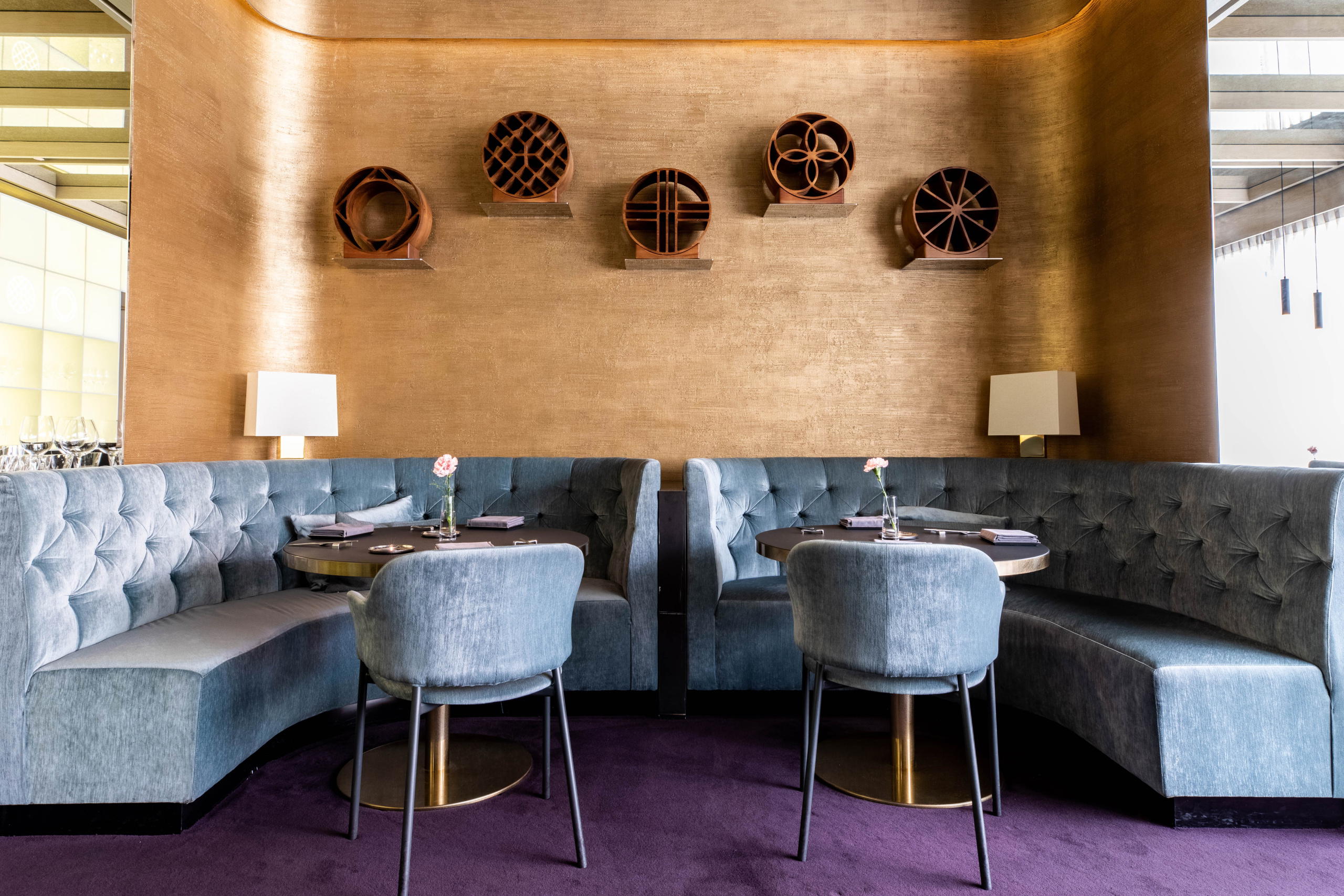
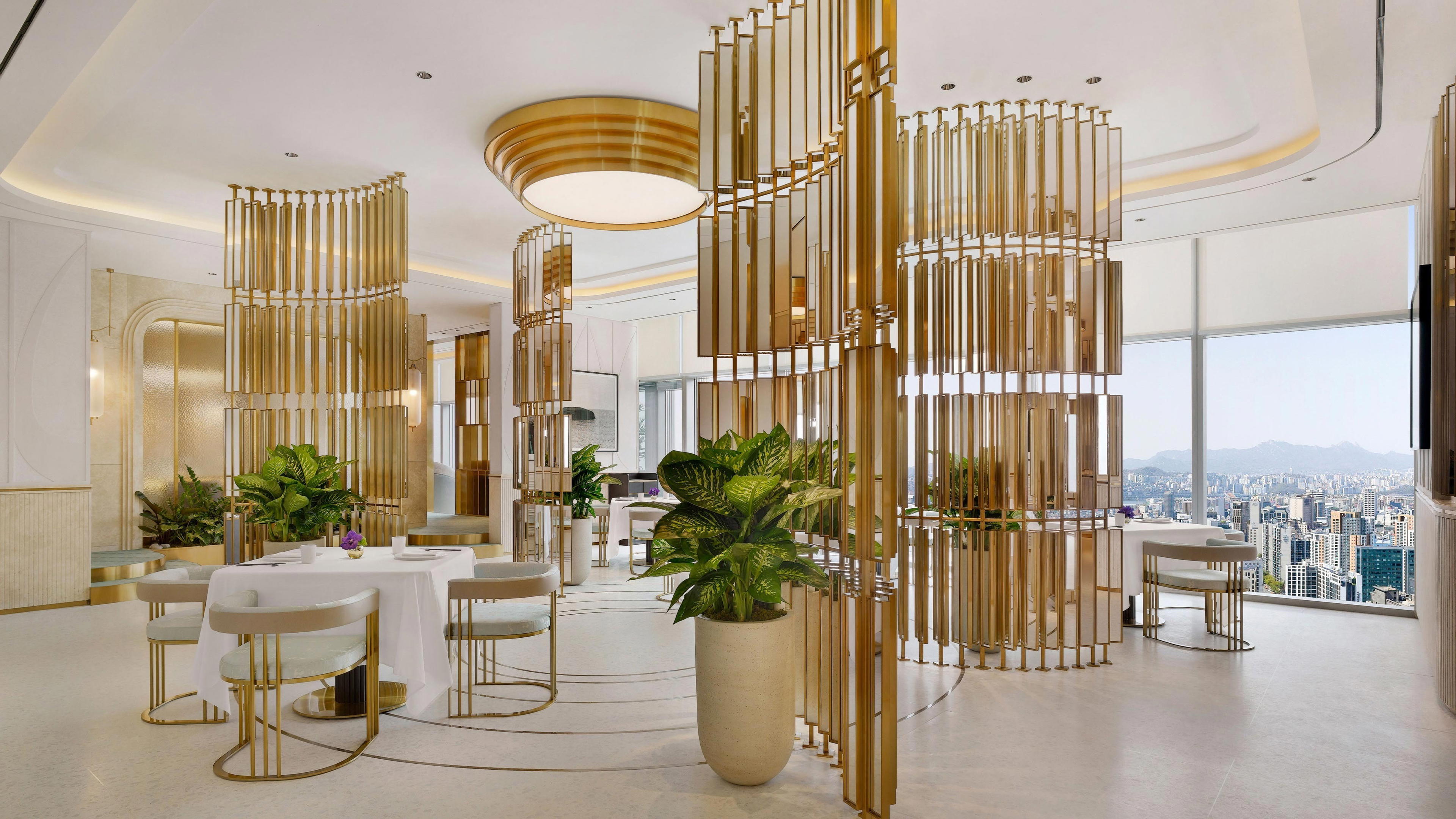
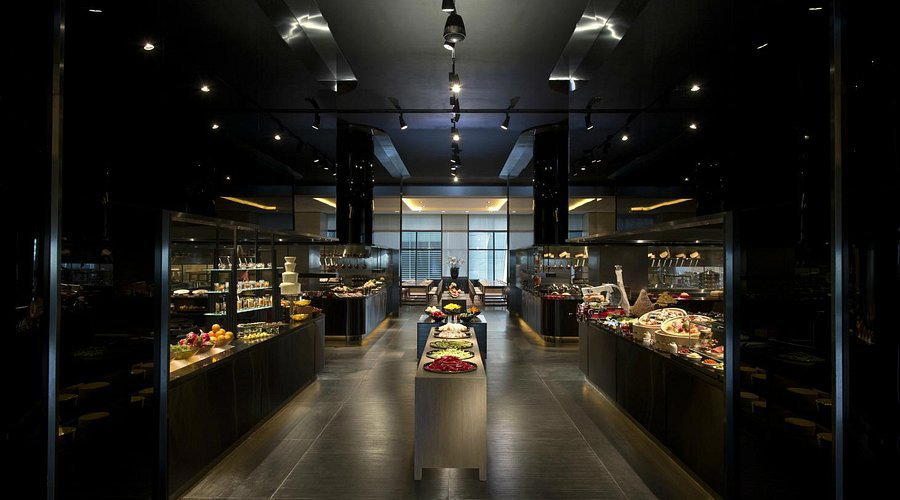
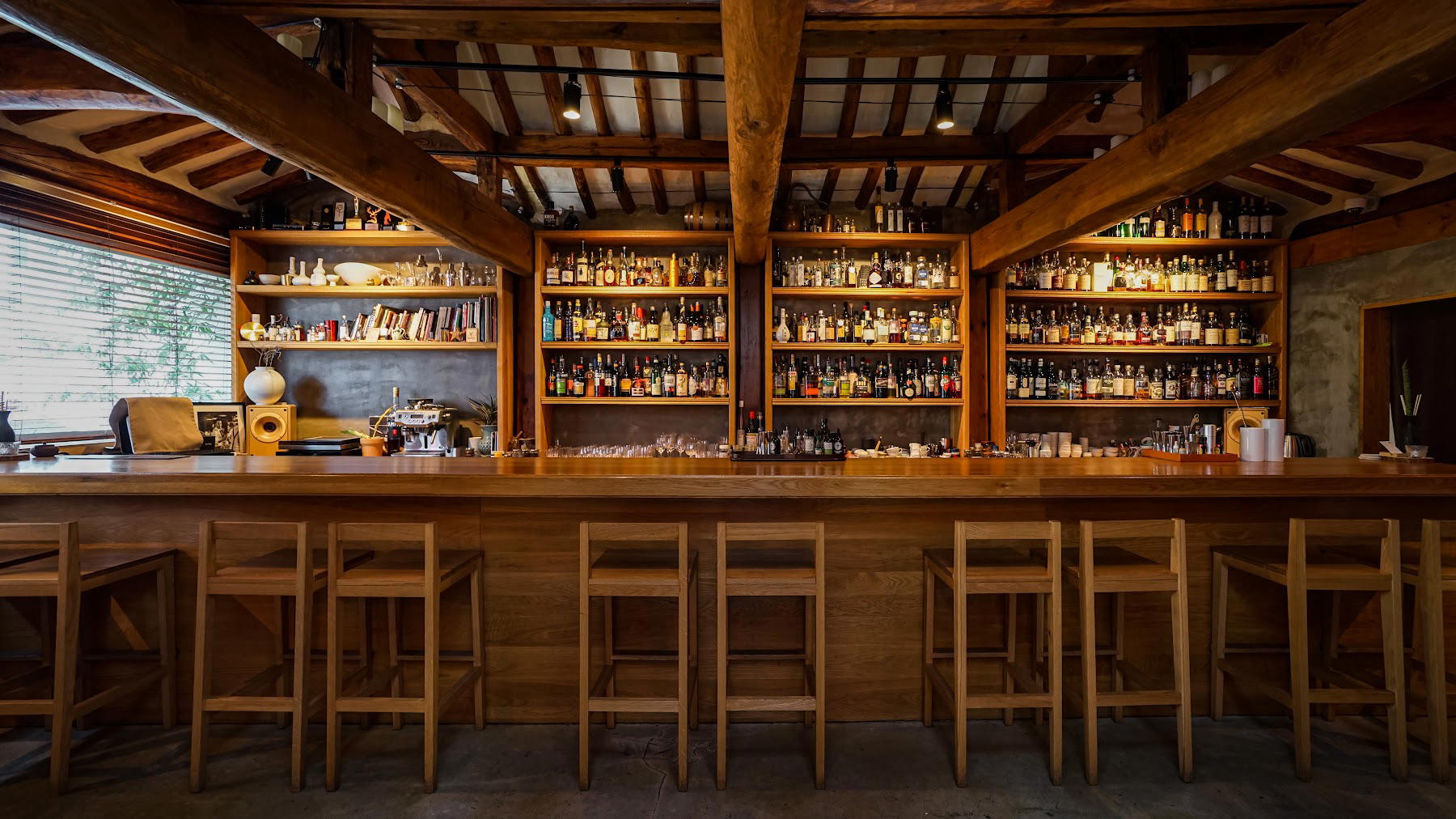
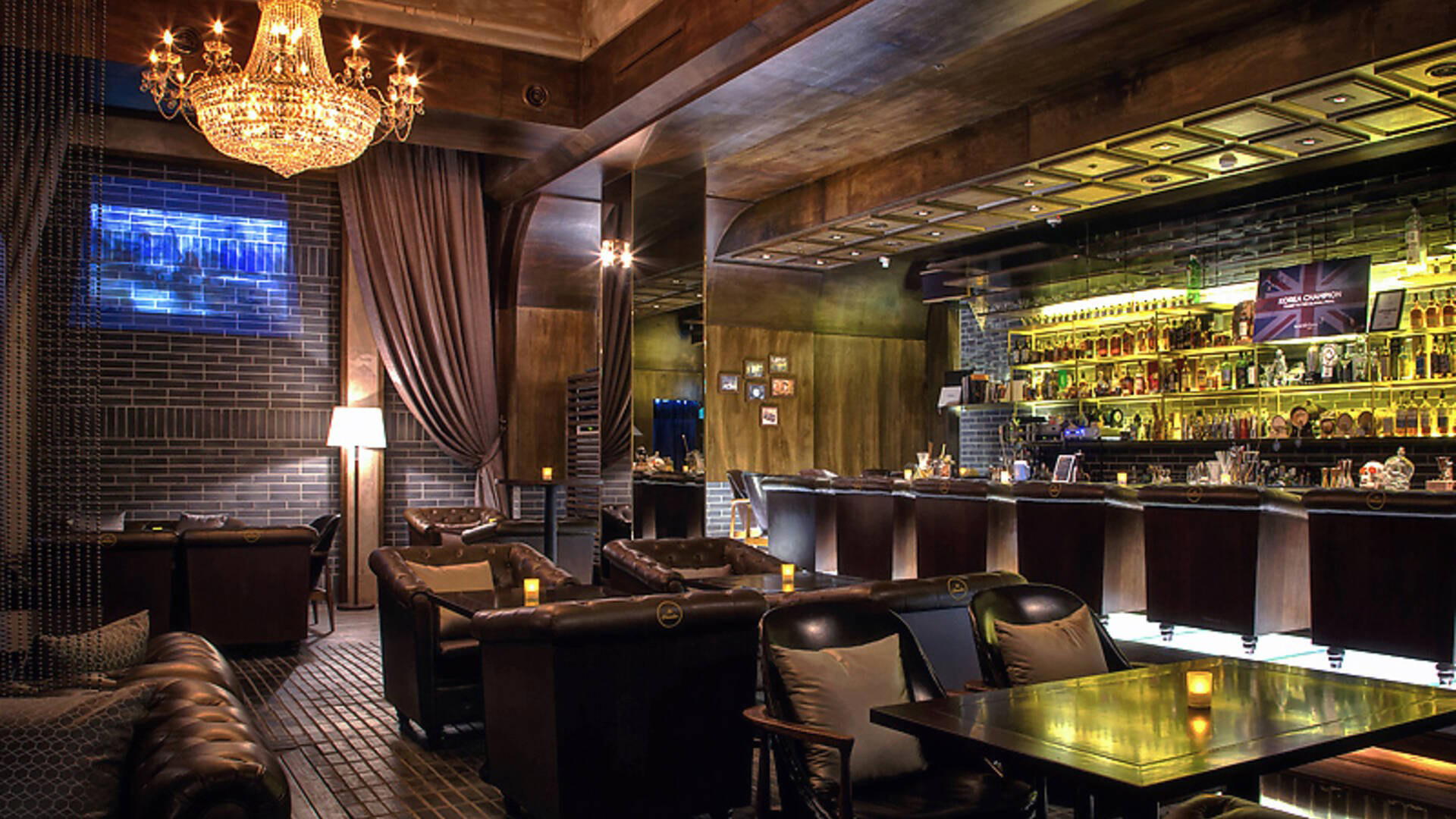
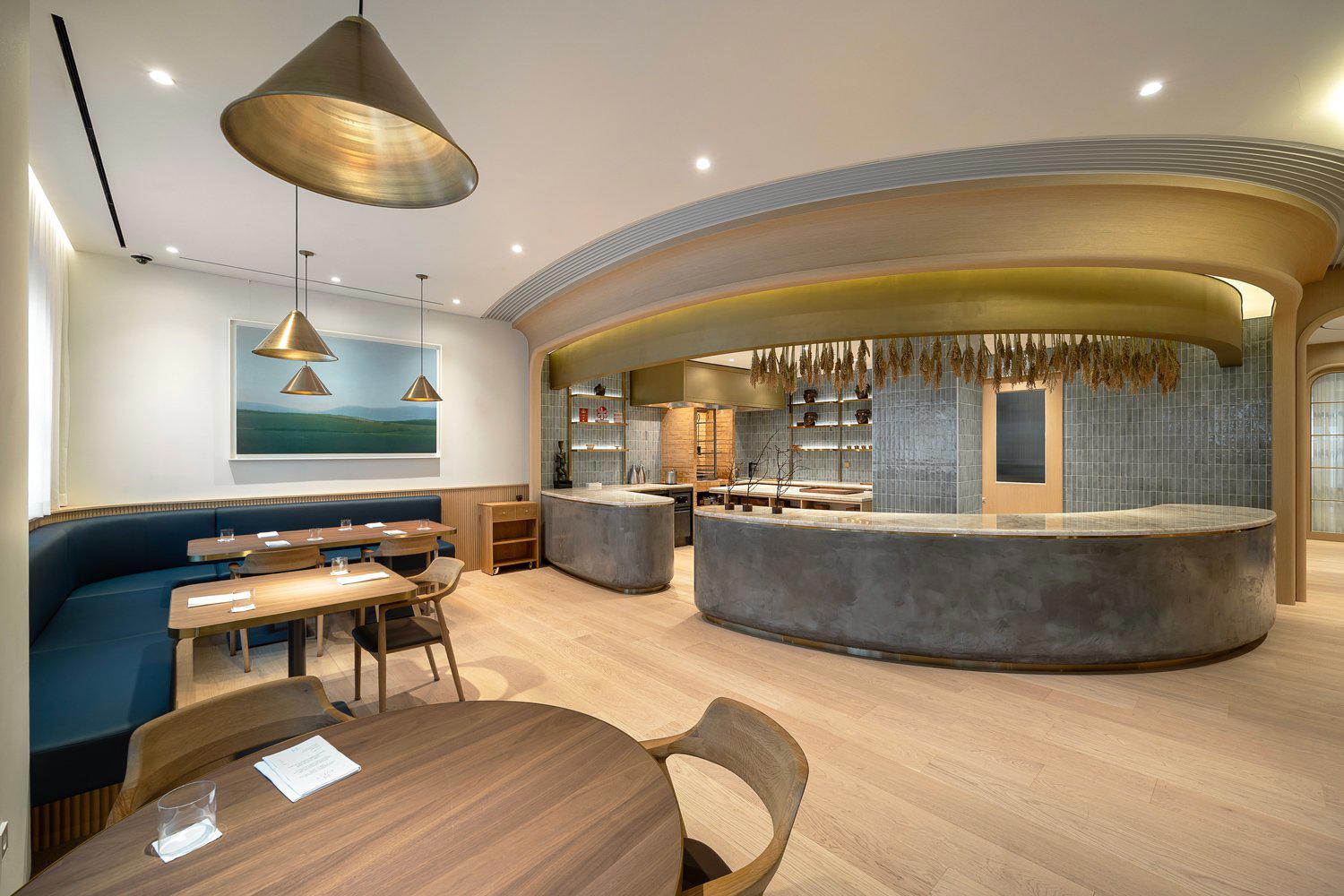
Casual and welcoming atmosphere suitable for groups and late-night dining with efficient grilling service.