Our verdict
Located in Kasuga, Fukuoka Prefecture, è鮨 sits within a residential neighbourhood that places it firmly outside the city-centre dining circuit — a position that, in Japan's regional restaurant culture, often signals deliberate intent rather than oversight.

Pearl is the En Primeur Club membership app — saves, bookings, and concierge access live there. Same editors, same standards.
- Address
- 3 Chome-51-3 Kasugakoen, Kasuga, Fukuoka 816-0811, Japan
- Phone
- +81925750718
- Hours
- Mon–Sat 11:30 AM–1:30 PM, 2–4 PM, 6–8 PMSun Closed
- Website
- kikuzushi.org
- Directions
- Get directions
- Booking
- Book on the venue's website
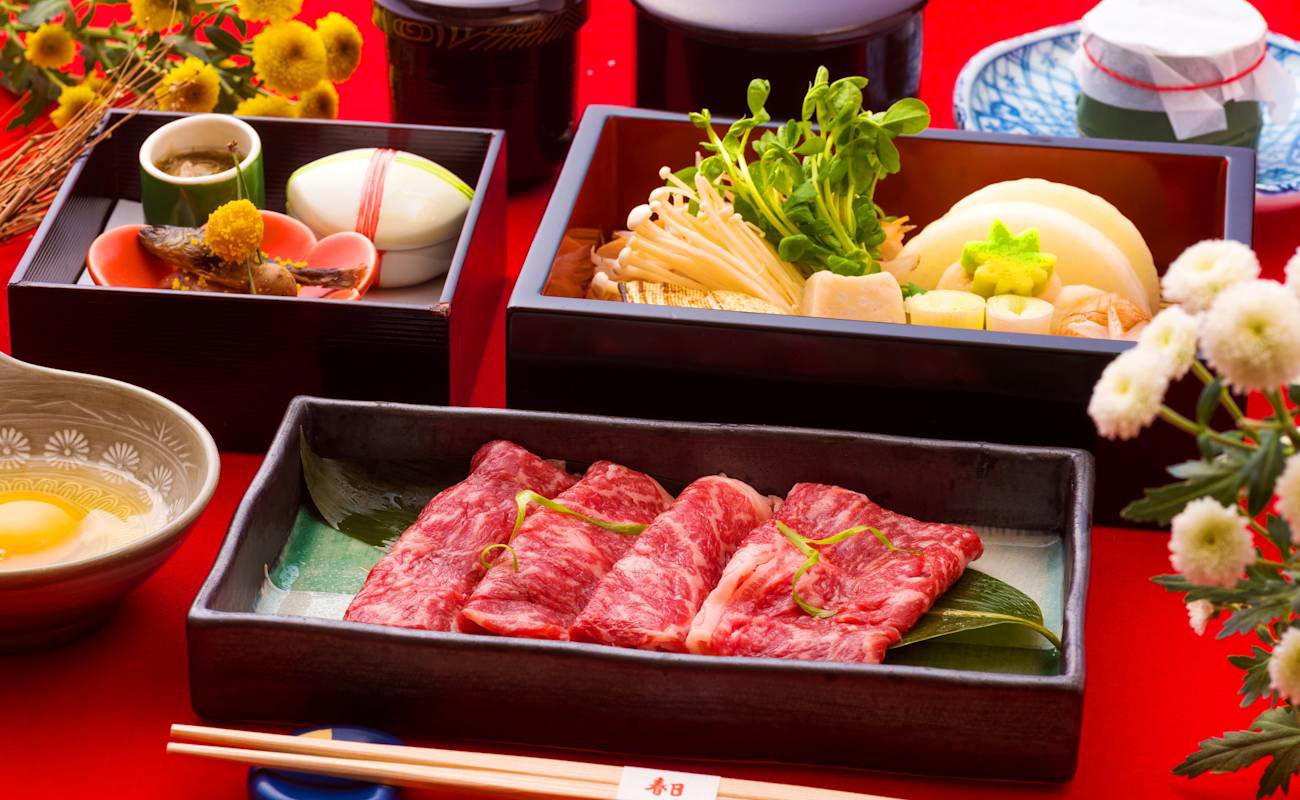
Kasuga and the Quiet Edge of Fukuoka's Dining Map
Fukuoka's reputation as one of Japan's most food-serious cities rests on a particular kind of density: ramen counters, yakitori stalls, and kappo dining rooms concentrated in Tenjin and Nakasu, a circuit well-mapped by both domestic food media and international visitors. But the city's broader urban geography extends into quieter residential municipalities, and Kasuga — a small city directly adjacent to Fukuoka's northern boundary — occupies that quieter register. Dining in places like Kasuga follows a different logic than the central restaurant districts. Word-of-mouth carries further than review aggregators, and the absence of a venue from mainstream platforms is not necessarily evidence of absence. For context on what the broader Fukuoka Prefecture dining scene offers, see our full Kasuga restaurants guide.
What the Address Tells You
The address, Kasugakoen, the park district of Kasuga, places this restaurant in a leafy residential quarter rather than a commercial strip. In Japanese dining culture, this positioning carries meaning. Some of the country's most rigorous kitchens operate precisely in these kinds of neighbourhoods: away from foot traffic, dependent on a returning clientele, and structured around the assumption that guests have made a deliberate choice to be there. The approach from the street, in settings like this, tends to be unhurried. You are not stumbling in.
This geographic pattern appears across the country. Goh in Fukuoka operates within the broader city fabric but away from its obvious tourist corridors. akordu in Nara draws on its own city's quieter character to frame a European-inflected menu. Residential or semi-residential positioning, in Japan particularly, is often a signal of a kitchen that has earned its audience rather than inherited it from passing traffic.
Ingredient Sourcing and the Kyushu Pantry
Kyushu's agricultural and coastal geography gives any serious kitchen in this region an extraordinary raw-material base to draw from. The island produces some of Japan's most prized wagyu, Miyazaki and Kagoshima cattle are the most documented, alongside a fishing tradition along the Genkai Sea and Ariake Bay that supplies everything from seasonal fish to the distinctive hamaguri clams associated with the bay's brackish waters. For a restaurant in Kasuga, the local sourcing logic is direct: proximity to Fukuoka's Yanagibashi market, one of the city's oldest wholesale food markets, gives kitchens in this part of Fukuoka Prefecture access to catch and produce that arrives with minimal supply-chain distance.
This matters in the context of how Japan's most careful regional restaurants operate. At Aji Arai in Oita, the kitchen's sourcing is rooted in Oita Prefecture's own coastal and mountain produce. Amegen in Saga works within Saga's well-documented agricultural specificity, a prefecture known for both its wagyu and its rice. The pattern across serious regional Japanese restaurants is consistent: the sourcing perimeter tends to be tight, the relationship with suppliers tends to be long-standing, and the menu reflects what is available rather than what is constant.
What this means in practice for a Kasuga restaurant is that a visitor eating here is, almost by definition, eating what is correct for this specific part of Fukuoka at this specific moment in the season. That is a different proposition from a city-centre restaurant that maintains a year-round signature menu regardless of what the market is offering.
Placing Kasuga in a Broader Regional Reading
Japan's regional dining circuit has, over the past decade, become significantly more visible to international audiences, partly through the Michelin Guide's expansion beyond Tokyo and Kyoto into Fukuoka, Hiroshima, and other cities, and partly through the increased documentation of regional kitchens by food media. Fukuoka City received its own Michelin Guide coverage, which accelerated interest in the wider metropolitan area. Restaurants in adjacent municipalities like Kasuga exist in an interesting position relative to this coverage: close enough to benefit from the general increase in food-curious visitors to the region, but not always captured directly by the Guide's city-specific scope.
For comparison, HAJIME in Osaka and Harutaka in Tokyo represent the high-recognition end of Japan's restaurant spectrum, three-star and two-star operations respectively, within major urban centres with full booking infrastructure and international visibility. Gion Sasaki in Kyoto operates in one of Japan's most densely documented dining districts. Kasuga is a different register entirely, and understanding that register is part of what makes dining here its own kind of proposition.
Internationally, the contrast is even starker. Le Bernardin in New York City and Lazy Bear in San Francisco operate within highly legible fine-dining frameworks, with public menus, clear booking systems, and established critical records. A neighbourhood restaurant in Kasuga asks something different of its guests: a degree of prior local knowledge, and comfort with ambiguity around what they will find.
Planning a Visit
Kasuga is served by the Nishitetsu Tenjin Omuta Line, with Kasuga Station connecting to Fukuoka's central Tenjin area in approximately fifteen minutes by direct train, a practical detail that makes the restaurant accessible from Fukuoka City without requiring a car. Given the absence of a listed website or phone number in public-facing records, approaching this restaurant through a Japanese-language concierge service or a Fukuoka-based local contact is likely to be more productive than attempting direct online booking. This is a common pattern for smaller Japanese restaurants operating without English-language digital infrastructure, and it is not unusual to find that local knowledge is the most reliable booking channel.
For those building a broader Kyushu itinerary, the region offers considerable range: Abon in Ashiya, affetto akita in Akita, aki nagao in Sapporo, Akakichi in Imabari, Amaki in Aichi, Ajidocoro in Yubari District, and anchoa in Kanagawa each represent distinct regional approaches worth considering alongside a Fukuoka-area visit. Arakawa in Hyogo rounds out the Kansai comparison set for those moving between regions.
Frequently asked questions
Is è鮨 okay with children?
The restaurant is located in Kasugakoen, a residential park district in Kasuga — a setting that generally skews toward quiet, local clientele rather than family-oriented dining. Smaller neighbourhood restaurants in this kind of area in Japan often have limited space and an atmosphere oriented toward adult diners, though no formal policy is confirmed. If travelling with children, contacting the venue directly before visiting is the practical approach.
Where is è鮨 in Kasuga?
è鮨 is located at 3 Chome-51-3 Kasugakoen, Kasuga, Fukuoka 816-0811, Japan, Kasuga.
Do they take walk-ins at è鮨?
Reservations are recommended for è鮨 in Kasuga. Confirm current policy via the venue's official channels.
How would you describe the vibe at è鮨?
The address in Kasugakoen — Kasuga's leafy park quarter, well removed from Fukuoka City's commercial dining strips — signals something deliberately low-key. Restaurants in this kind of residential pocket in Japan tend to run at their own pace: no background hum of tourist foot traffic, no rush-turnover pressure. Expect a setting oriented toward regulars and neighbourhood dining rather than occasion-event crowds.
Comparison Snapshot
Comparable venues nearby, for context on price, style, and recognition.
| Venue | Cuisine | Price | Awards | Notes |
|---|---|---|---|---|
| 菊鮨This venue — the venue you are viewing | Edomae Omakase | $50–100 | Not listed | Not listed |
| Higashi India Bengal Ryori Senmon Ten Indian Spice Factory | East Indian / Bengali Cuisine | $20–30 | Tabelog 100 #52 | Noborimachi |
| Nana Kamado | Authentic Japanese Cuisine | $30–50 | Not listed | Takamibaba |
| 和食晴ル | Kyoto Kappo Izakaya | $50–100 | Not listed | Shinkyō-chō, Shimogyō-ku |
| Wagyu Kurosawa Otaru Main Store (和牛黒澤 本店) | Japanese Wagyu Sukiyaki | Not listed | Not listed | Ironai |
| ginmi | Kyushu Izakaya | Not listed | Not listed | Chūō |
Details
- Elegant
- Intimate
- Sophisticated
- Date Night
- Special Occasion
- Chefs Counter
- Open Kitchen
- Sake Program
- Local Sourcing
- Omakase
- Counter Dining
- Sake
Current opening hours
- Monday
- 11:30 AM–1:30 PM, 2–4 PM, 6–8 PM
- Tuesday
- 11:30 AM–1:30 PM, 2–4 PM, 6–8 PM
- Wednesday
- 11:30 AM–1:30 PM, 2–4 PM, 6–8 PM
- Thursday
- 11:30 AM–1:30 PM, 2–4 PM, 6–8 PM
- Friday
- 11:30 AM–1:30 PM, 2–4 PM, 6–8 PM
- Saturday
- 11:30 AM–1:30 PM, 2–4 PM, 6–8 PM
- Sunday
- Closed
Hours can change for holidays and private events. Last verified .
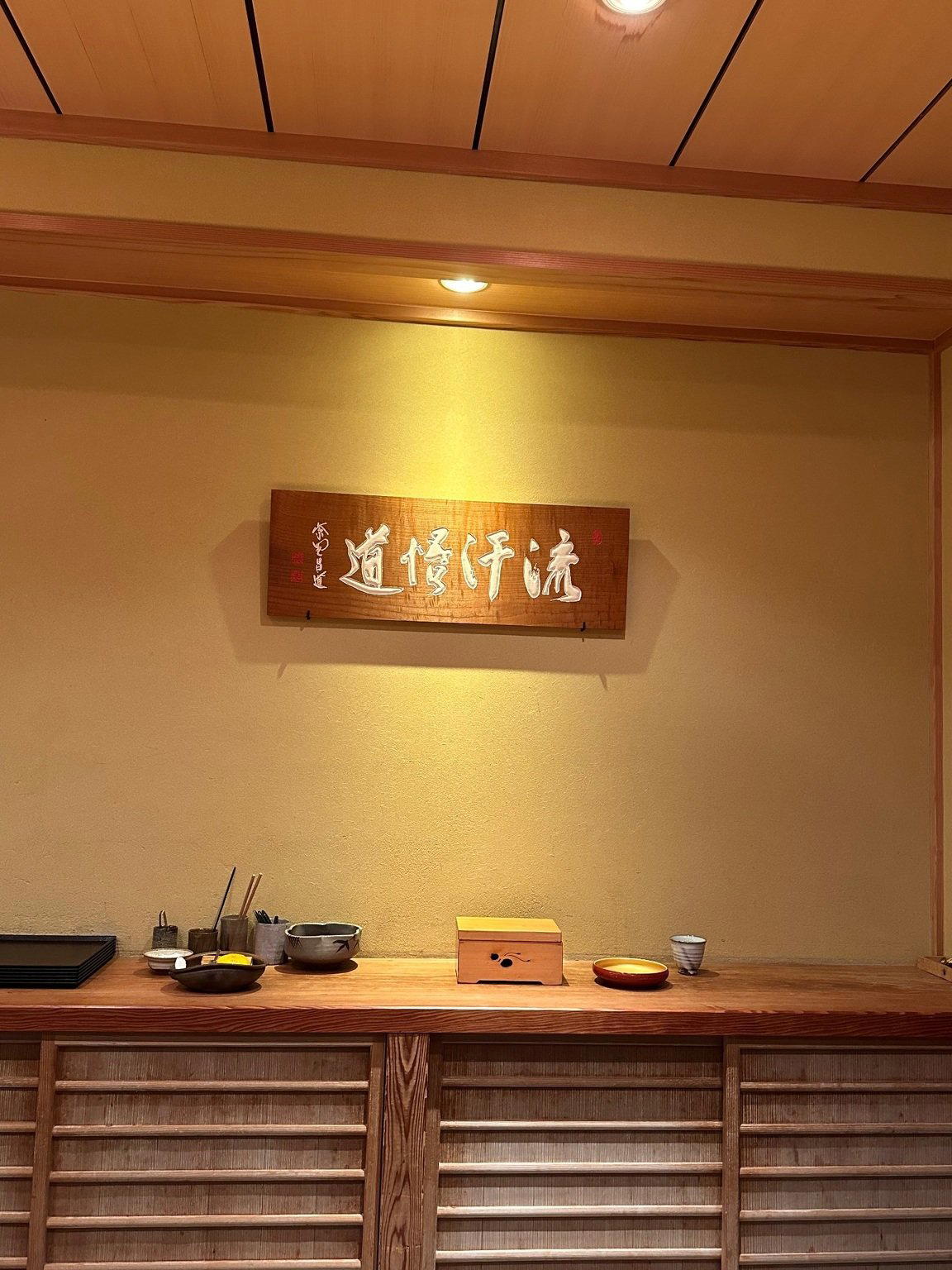
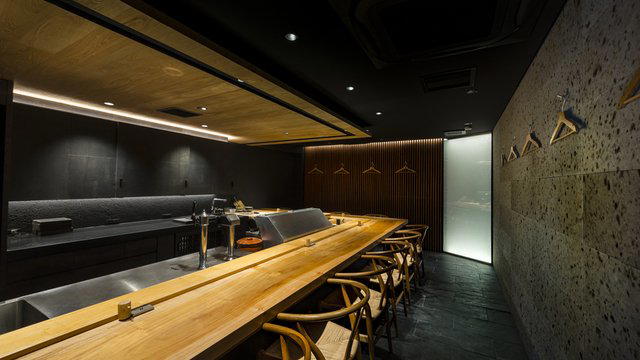
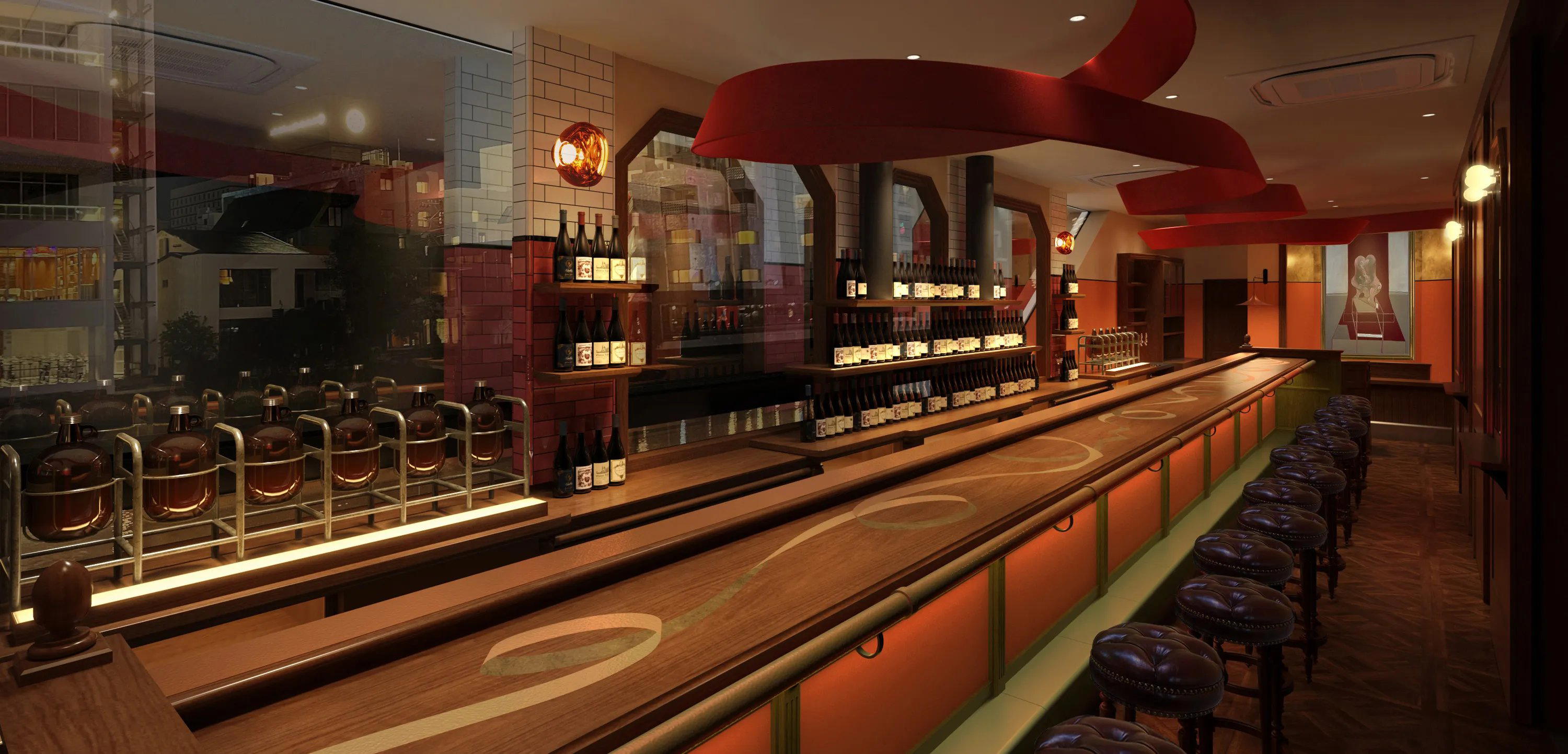
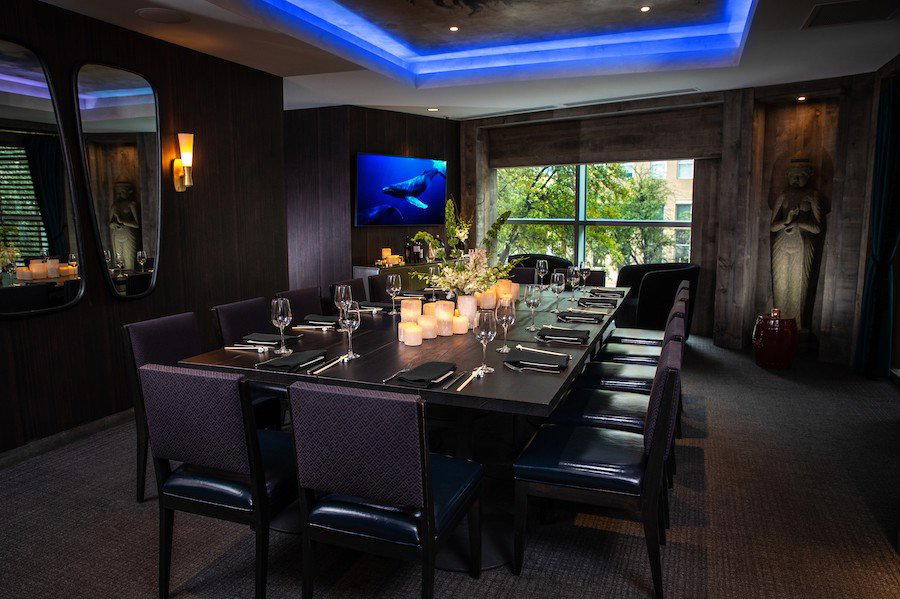
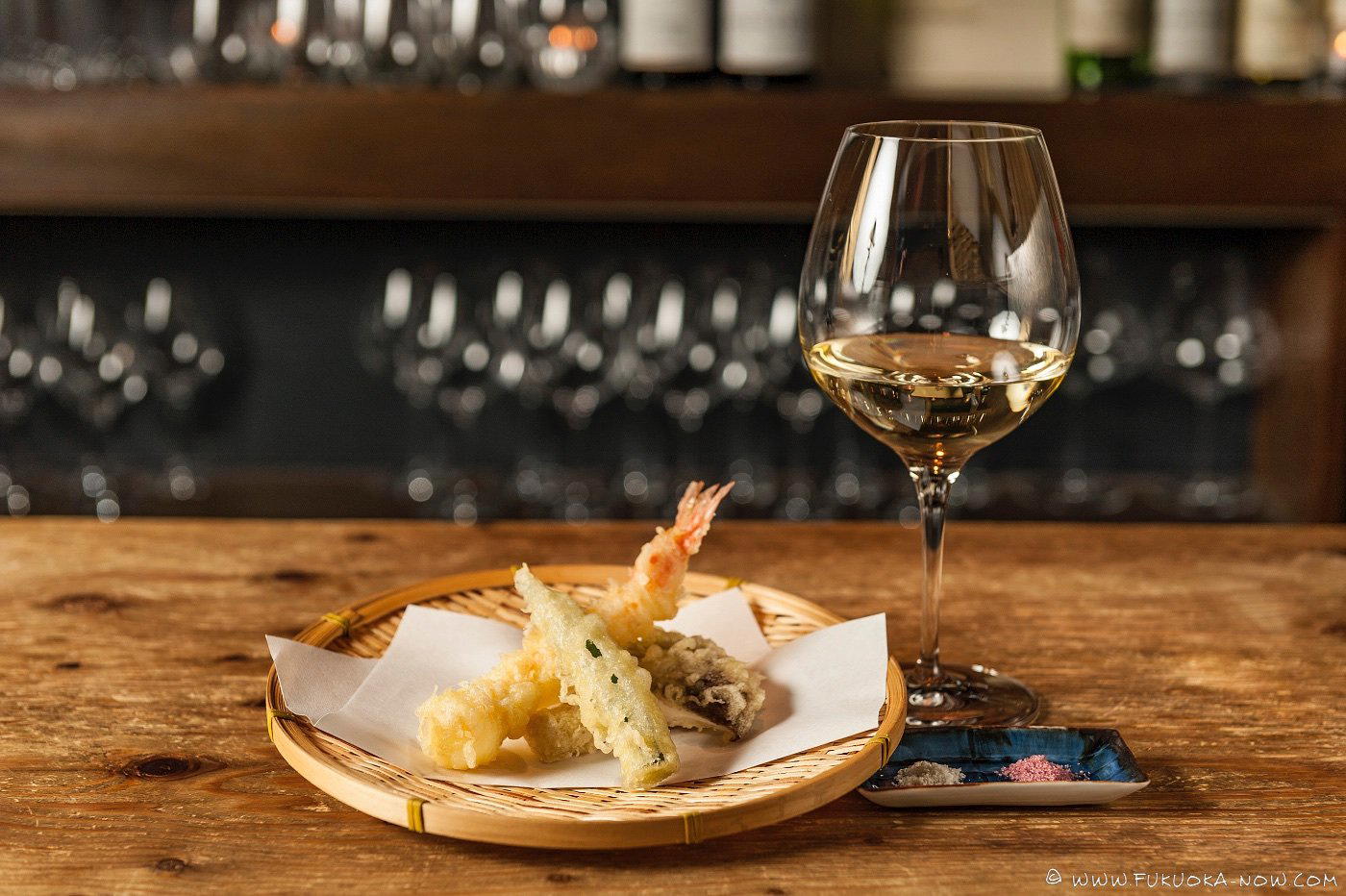
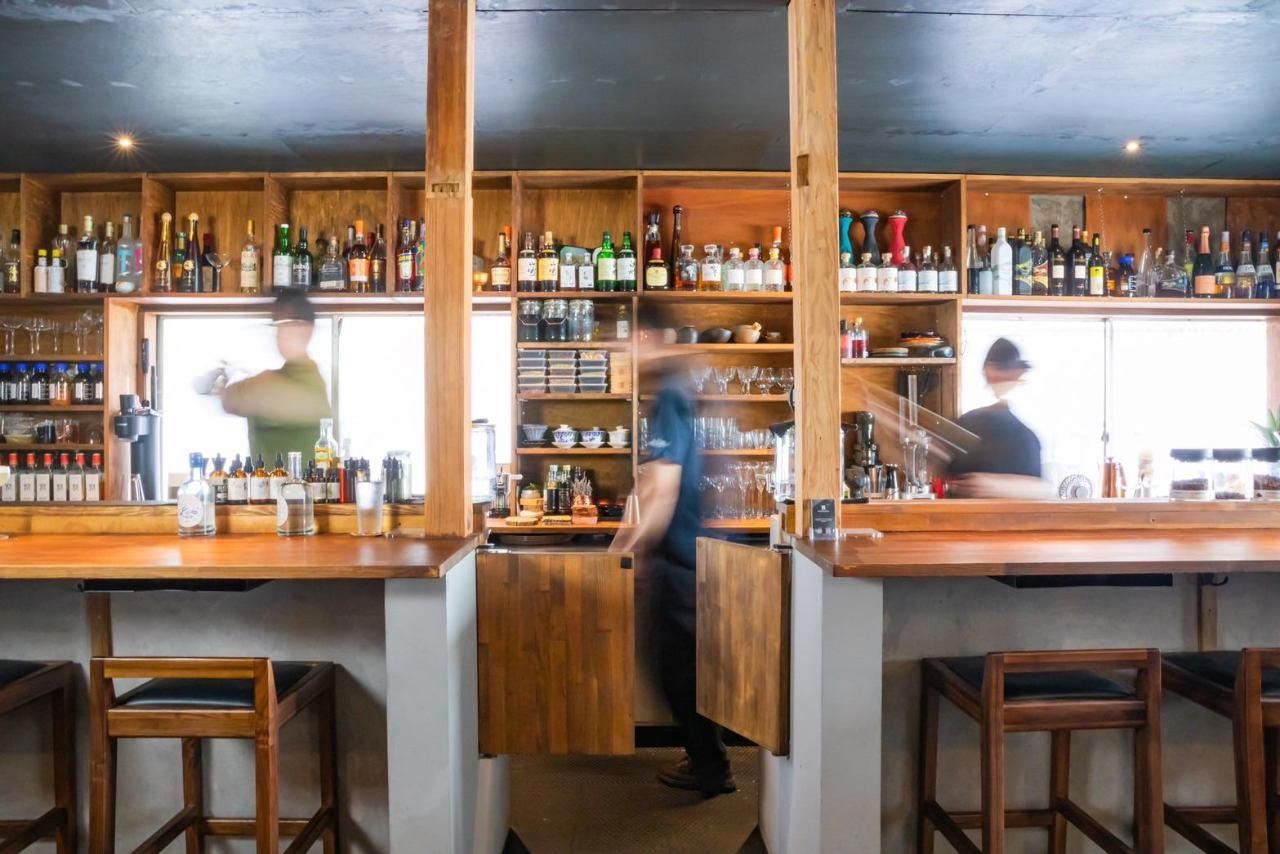
Minimalist wooden counter with warm lighting and a focus on the chef's precise movements; quiet, meditative atmosphere emphasizing the sushi-making craft.