クレスト・オブ・ザ・ウェイヴ 立岩
Our verdict
On Suō-Ōshima island in Yamaguchi Prefecture, クレスト・オブ・ザ・ウェイヴ 立岩 occupies a stretch of the Seto Inland Sea coast where the food and the water are in constant conversation. The island's fishing traditions and agricultural character set the terms for what ends up on the plate, placing this address firmly in the current of rural Yamaguchi dining — unhurried, ingredient-led, and difficult to replicate in a city setting.

Pearl is the En Primeur Club membership app — saves, bookings, and concierge access live there. Same editors, same standards.
- Address
- 577-1 Higashiagenosho, Suō-Ōshima, Oshima District, Yamaguchi 742-2805, Japan
- Phone
- +81820770300
- Directions
- Get directions
The menu
What to order
- 海鮮丼
Where the Seto Inland Sea Sets the Menu
Suō-Ōshima sits in Yamaguchi Prefecture's southern arc, a rural island connected to the mainland by bridge but operating on rhythms that have little to do with urban dining culture. The sea is close enough to matter — the Seto Inland Sea runs through this stretch of western Honshu with some of Japan's most productive fishing grounds, and the local agricultural land fills in the rest of the picture. Restaurants in this part of Japan do not typically draw their identity from a chef's résumé or a particular cooking school. They draw it from place, and the question worth asking of any address out here is how faithfully that translation from land and sea to table is being made.
クレスト・オブ・ザ・ウェイヴ 立岩, located at 577-1 Higashiagenosho in Suō-Ōshima, sits inside that tradition rather than outside it. The name — Crest of the Wave, Tateishi, signals both the marine orientation and a specific attachment to locality. 立岩 (Tateishi) refers to a standing rock formation, the kind of fixed coastal landmark that coastal Japanese communities have long used as orientation points. It is the kind of name that places a venue in a geography rather than in an abstraction. For our full overview of the area's dining options, see our full Oshima District restaurants guide.
The Sourcing Logic of Island Cooking
The editorial angle worth applying to any restaurant on Suō-Ōshima is ingredient sourcing, specifically, what the Seto Inland Sea provides and how an island kitchen uses it. This is one of Japan's most celebrated inland sea environments, sheltered by surrounding islands from open-ocean weather, and its fish supply reflects that: fugu (blowfish) is a Yamaguchi specialty of national standing, sea bream is abundant, and the seasonal haul shifts through the year in ways that force menus to move with it rather than against it.
Island cooking at this latitude tends toward simplicity by necessity and by tradition. The techniques that do most of the work, grilling over charcoal, careful simmering, precise raw preparation, are not flourishes but functional responses to ingredient quality. When the fish is fresh off a small-scale local boat, additional intervention is often counterproductive. This is the opposite logic from the elaborate tasting-menu kitchens of Japan's major cities, where technique itself becomes part of the conversation. At HAJIME in Osaka or Harutaka in Tokyo, the sourcing is exceptional but the frame is metropolitan and highly structured. Rural Yamaguchi dining operates on a different register entirely, one where the sourcing is the structure.
Yamaguchi Prefecture has a specific food identity that rewards some unpacking. It is the westernmost region of Honshu proper, historically a gateway between the Japanese mainland and Kyushu, and its food culture absorbed influences from both. Fugu is the prestige product, Shimonoseki, the prefecture's major port city, processes the vast majority of Japan's fugu supply, but the broader seafood range is wide. Seasonal vegetables from the island's agricultural plots, citrus from the coastal slopes, and the particular mineral character of Seto Inland Sea shellfish all contribute to a cuisine that has regional depth without necessarily having the recognition it deserves in national food media.
How This Address Fits the Wider Yamaguchi Dining Pattern
Rural Japanese restaurant culture outside the major cities has developed along lines that differ sharply from urban kaiseki or high-end sushi. The price structure is different, the booking culture is different, and the expectations around formality are different. Venues in communities like Suō-Ōshima often operate as family-run establishments where the menu reflects what was available that morning rather than what was planned that week. This is a feature rather than a limitation: it is exactly the kind of cooking that urban chefs increasingly claim to want to do but rarely can, given the supply chain demands of city restaurant operation.
For comparison, consider the sourcing commitments at Gion Sasaki in Kyoto or akordu in Nara, both venues that work hard to maintain ingredient traceability within a more structured fine-dining context. The effort required in those settings to approximate what rural island restaurants do naturally says something important about the structural advantages of proximity to the source.
Island restaurants along the Seto Inland Sea circuit also sit in a broader travel context that is worth flagging. The area increasingly draws visitors doing the Setouchi circuit, combining Hiroshima, the art islands of Naoshima (see Cafe Naoshima Konichiwa), Ōshima, and the westward run toward Yamaguchi city and Shimonoseki. Within that circuit, food stops on Suō-Ōshima represent a detour into working coastal Japan rather than curated cultural tourism. The experience sits closer to the register of Goh in Fukuoka in terms of regional commitment, even if the format and scale are entirely different.
Getting There and Planning Your Visit
Suō-Ōshima is accessible by road across the Ōshima Bridge from the Yamaguchi mainland, and by ferry connections from nearby port towns. The island is not a quick trip from any of Japan's major population centers: from Hiroshima, the drive runs roughly two hours along the coastal route; from Fukuoka, expect closer to three. This is not a venue you visit on a whim from a city base, it fits leading into a longer Yamaguchi or Setouchi itinerary, ideally with at least one night on the island or in the surrounding area.
Given the rural location and the nature of island restaurant operations in Japan, confirming hours and availability directly before visiting is the standard practice. Seasonal closures, limited operating days, and small-group capacity are all common features of this category of dining address. Visitors coming specifically for this experience should build in flexibility and treat the visit as the anchor of a half-day or full-day excursion rather than one stop among many.
Other comparable dining addresses in the wider Chugoku and Setouchi region, including Denko Sekka in Hiroshima, offer a useful reference point for the regional food character before or after an island visit. For broader Japanese regional comparisons, the cooking traditions documented at 一本木 長川製 in Nanao, 湖畔荘庵 in Takashima, and 羽根屋 in Nishikawa Machi each reflect the same underlying logic: regional ingredients, local tradition, and the particular authority that comes from cooking close to the source.
Frequently asked questions
Can I bring kids to クレスト・オブ・ザ・ウェイヴ 立岩?
The venue is located in a rural setting at 577-1 Higashiagenosho on Suō-Ōshima, which suggests a relaxed pace typical of island dining in Yamaguchi Prefecture rather than a formal urban environment. Rural Japanese restaurants of this kind tend to be more accommodating of families than high-end city establishments, though the specific children's policy has not been confirmed publicly. Contacting the venue directly before visiting with young children is advisable.
What should I expect atmosphere-wise at クレスト・オブ・ザ・ウェイヴ 立岩?
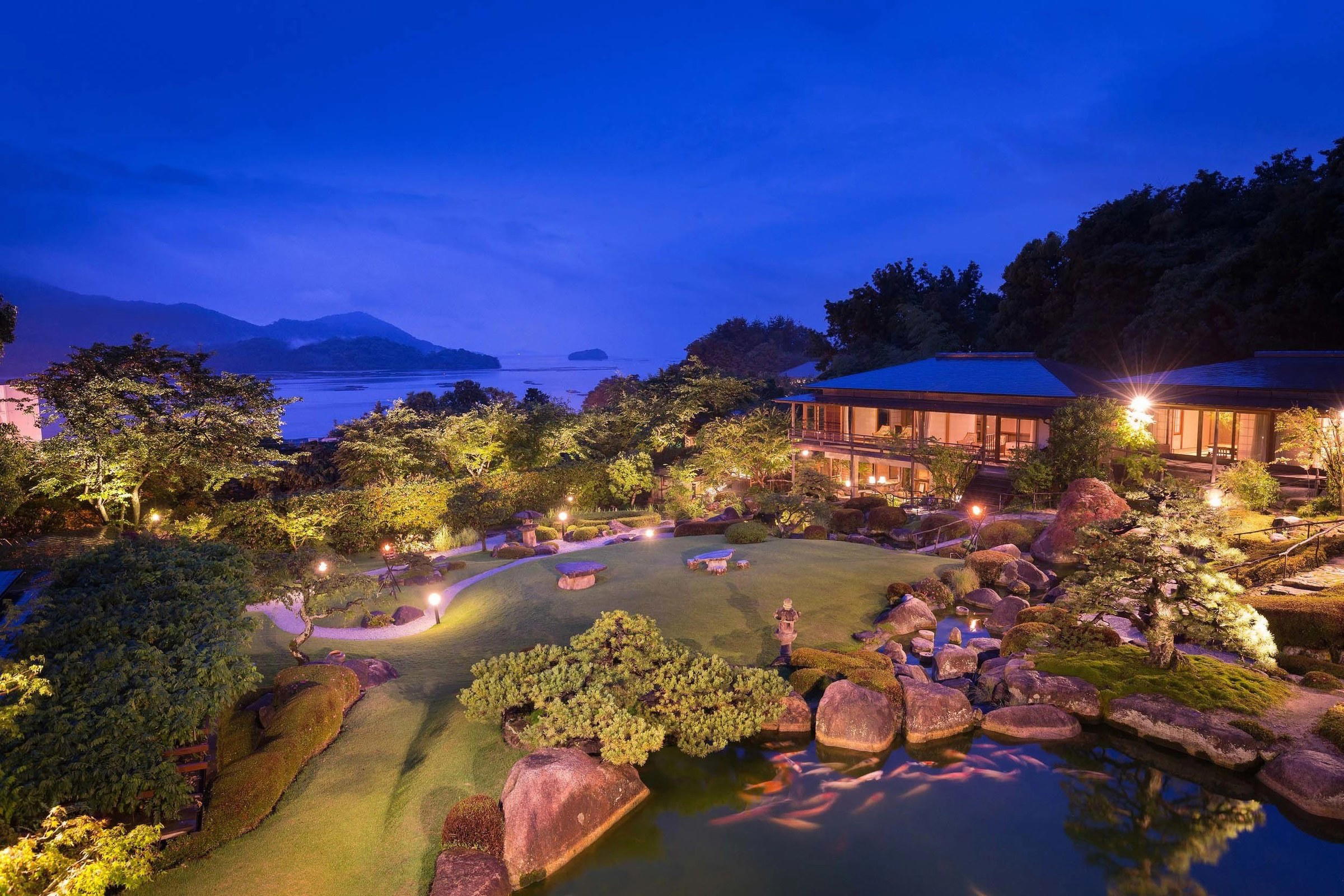
Suō-Ōshima operates on a quieter register than Yamaguchi's mainland dining scenes, and an address at 577-1 Higashiagenosho places this venue away from any tourist concentration. Expect the unhurried tempo characteristic of island restaurants in rural Yamaguchi Prefecture, where the surrounding Seto Inland Sea landscape tends to set the mood more than interior design cues. Specific décor and seating details have not been documented publicly.
Is クレスト・オブ・ザ・ウェイヴ 立岩 worth the trip from mainland Yamaguchi?
Suō-Ōshima is accessible by road across the Ōshima Bridge, making the crossing from the Yamaguchi mainland straightforward for anyone already in the prefecture. The island sits in the Seto Inland Sea and draws visitors specifically for the kind of produce-driven, locally rooted cooking that urban Yamaguchi restaurants cannot replicate at the same proximity to source. The case for making the trip is strongest for those prioritising ingredient provenance and the distinct rhythm of island dining over city convenience.
What should I eat at クレスト・オブ・ザ・ウェイヴ 立岩?
Suō-Ōshima's position within the Seto Inland Sea corridor makes locally caught fish and shellfish the logical focus for any restaurant operating on the island. The sourcing logic of island cooking in this region typically follows what the sea offers seasonally, so the menu will shift based on the catch rather than a fixed format.
Fast Comparison
| Venue | Cuisine | Price | Awards | Notes |
|---|---|---|---|---|
| クレスト・オブ・ザ・ウェイヴ 立岩This venue — the venue you are viewing | Japanese Kaiseki with Seto Inland Sea Views | $30–50 | Not listed | Not listed |
| HAJIME | Avant-Garde Japanese Fine Dining | $300–500 | 3 Michelin Stars · World's 50 Best #83 | French, Innovative |
| Harutaka | Edo-Style Omakase Sushi | $200–300 | 3 Michelin Stars · World's 50 Best #76 | Sushi |
| L'Effervescence | Modern French with Japanese Influences | $200–300 | 3 Michelin Stars · World's 50 Best #69 | French |
| RyuGin | Modern Kaiseki | $500+ | 3 Michelin Stars · World's 50 Best #41 | Kaiseki, Japanese |
| Crony | Modern French with Japanese Influences | $150–200 | 2 Michelin Stars · World's 50 Best #34 | Innovative, French |
Continue exploring
More in Oshima District
Restaurants in Oshima District
Browse all →
Bars in Oshima District
Browse all →
Details
- Scenic
- Elegant
- Cozy
- Special Occasion
- Date Night
- Waterfront
- Local Sourcing
- Waterfront
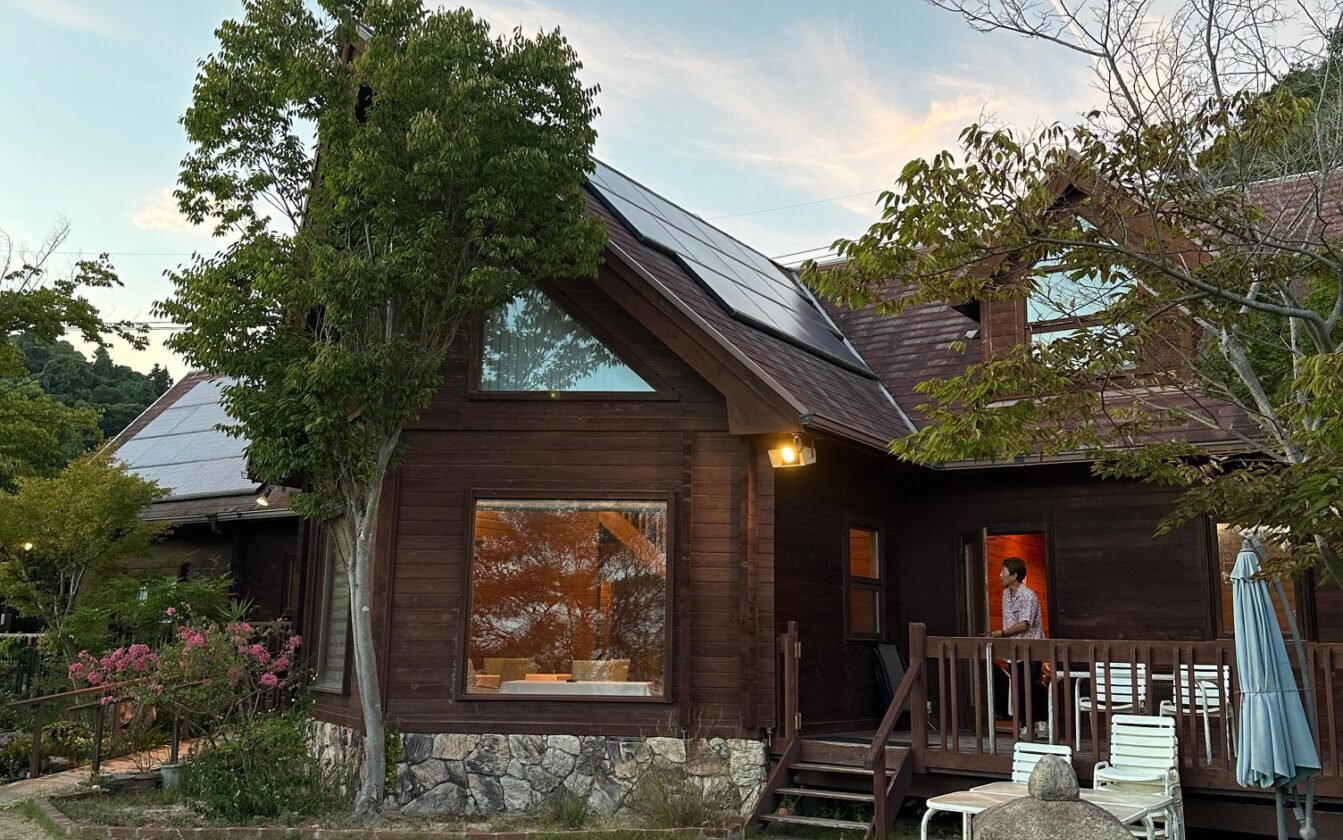
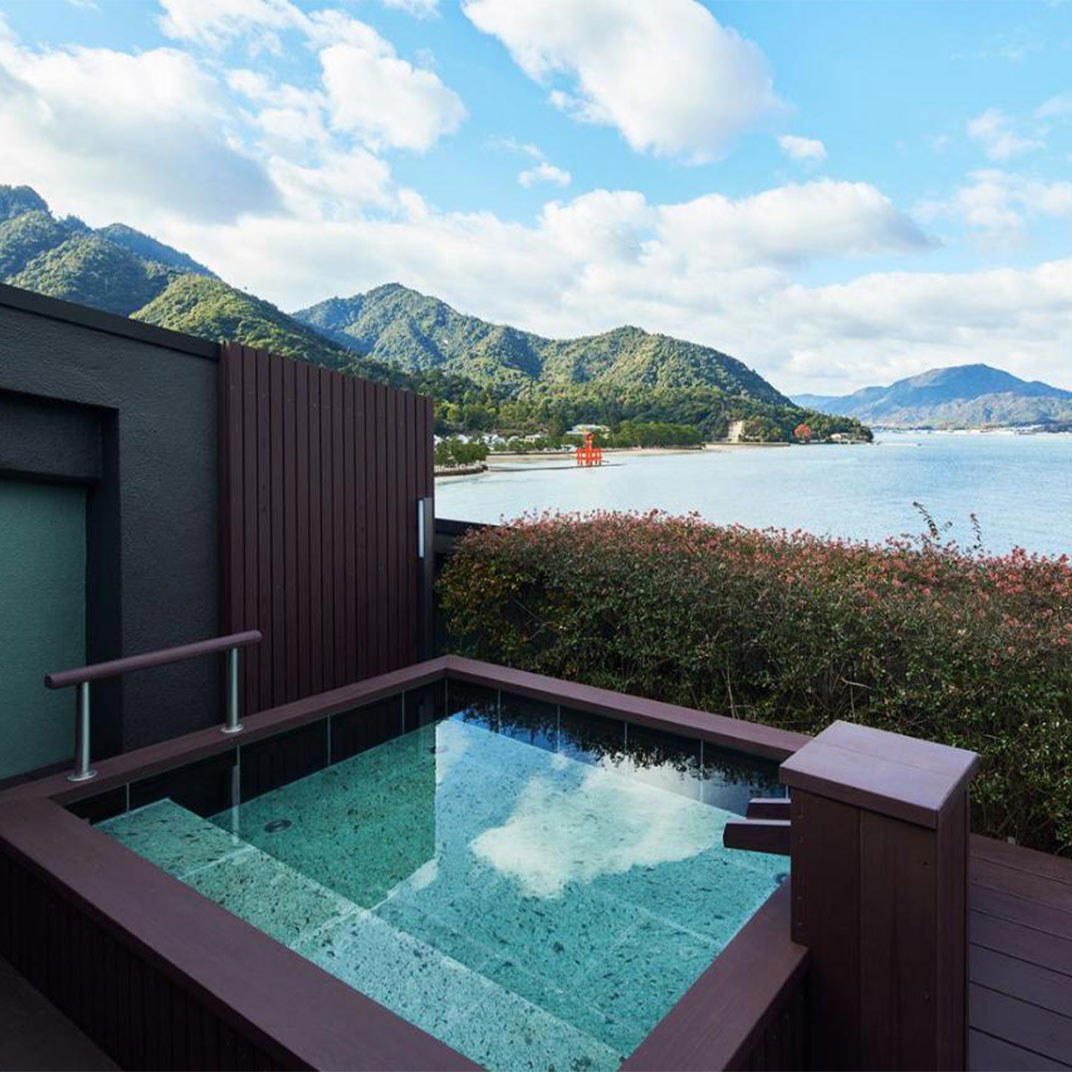
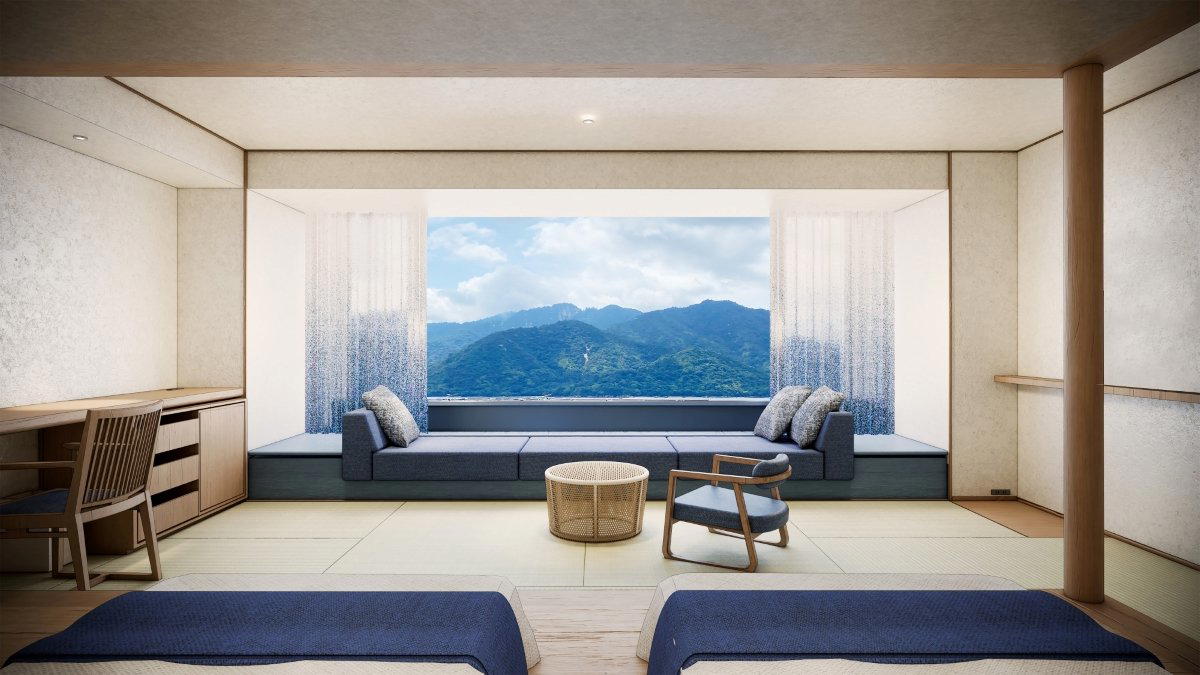
Relaxed log house atmosphere with panoramic sea views, well-suited for leisurely meals.