
Tabelog Bronze #321
Our verdict
In Matsuyama's Chifunemachi district, Namae no Nai Italia Ryori Ten occupies a particular niche in Japan's Italian restaurant scene, where Western technique meets the sourcing discipline of Ehime prefecture. The name itself — roughly 'Italian restaurant with no name' — signals a certain deliberate restraint. For a city better known for its kaiseki and sushi counters, this is a restaurant that warrants attention from visitors looking beyond the obvious.

Pearl is the En Primeur Club membership app — saves, bookings, and concierge access live there. Same editors, same standards.
- Address
- Japan, 〒790-0011 Ehime, Matsuyama, Chifunemachi, 4 Chome−1−4 ヒラキビル 1F
- Phone
- +81899433003
- Hours
- Mon–Sat 11:30 AM–2 PM, 6–10:30 PMSun 11:30 AM–2 PM, 6–9 PM
- Website
- tabelog.com
- Directions
- Get directions
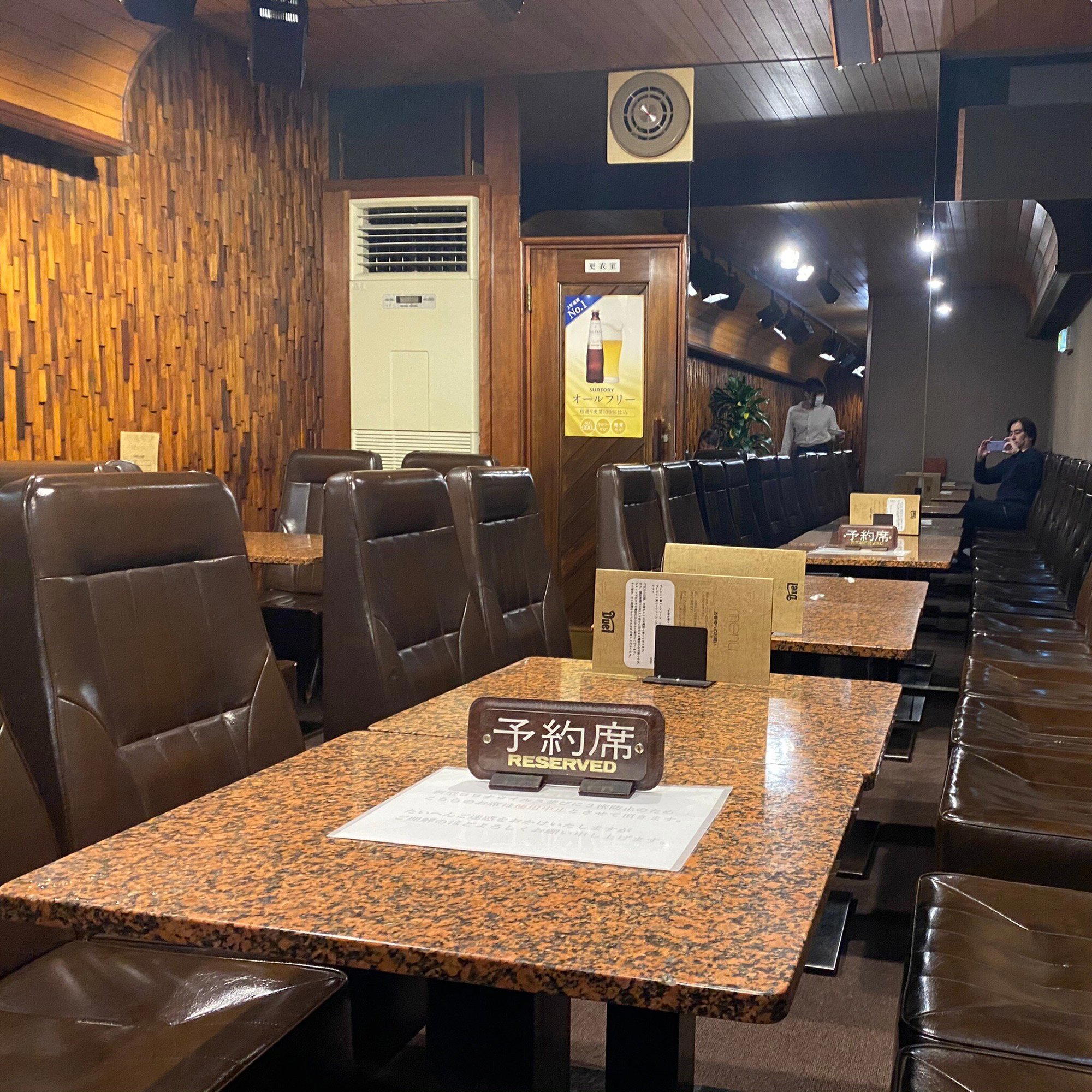
Italian Cooking in a City Built for Japanese Tradition
Matsuyama is not the city most travellers associate with Italian cuisine. Ehime prefecture draws visitors for its castles, hot springs, and the seafood-heavy cooking that defines western Shikoku. Yet the presence of a restaurant like Namae no Nai Italia Ryori Ten — a name that translates loosely as 'Italian restaurant with no name' — points to a broader pattern in Japanese regional dining: the willingness to import European culinary frameworks and apply them with the same rigour that the country brings to its own traditions. This is not fusion in the soft, compromised sense. It is Italian cooking practised in a country that takes technique seriously at every price tier.
Chifunemachi, the address neighbourhood, sits within central Matsuyama and reflects the city's mixed dining character, intimate restaurants operating below the visibility threshold of national food media, alongside the more established names that dominate guidebook coverage. The restaurant occupies this quieter register. The self-deprecating name removes it from the promotional vocabulary of destination dining, which, in Japan, can itself be a signal of confidence. Restaurants that do not need to announce themselves often have a reason for that assurance.
Where European Technique Meets Shikoku Sourcing
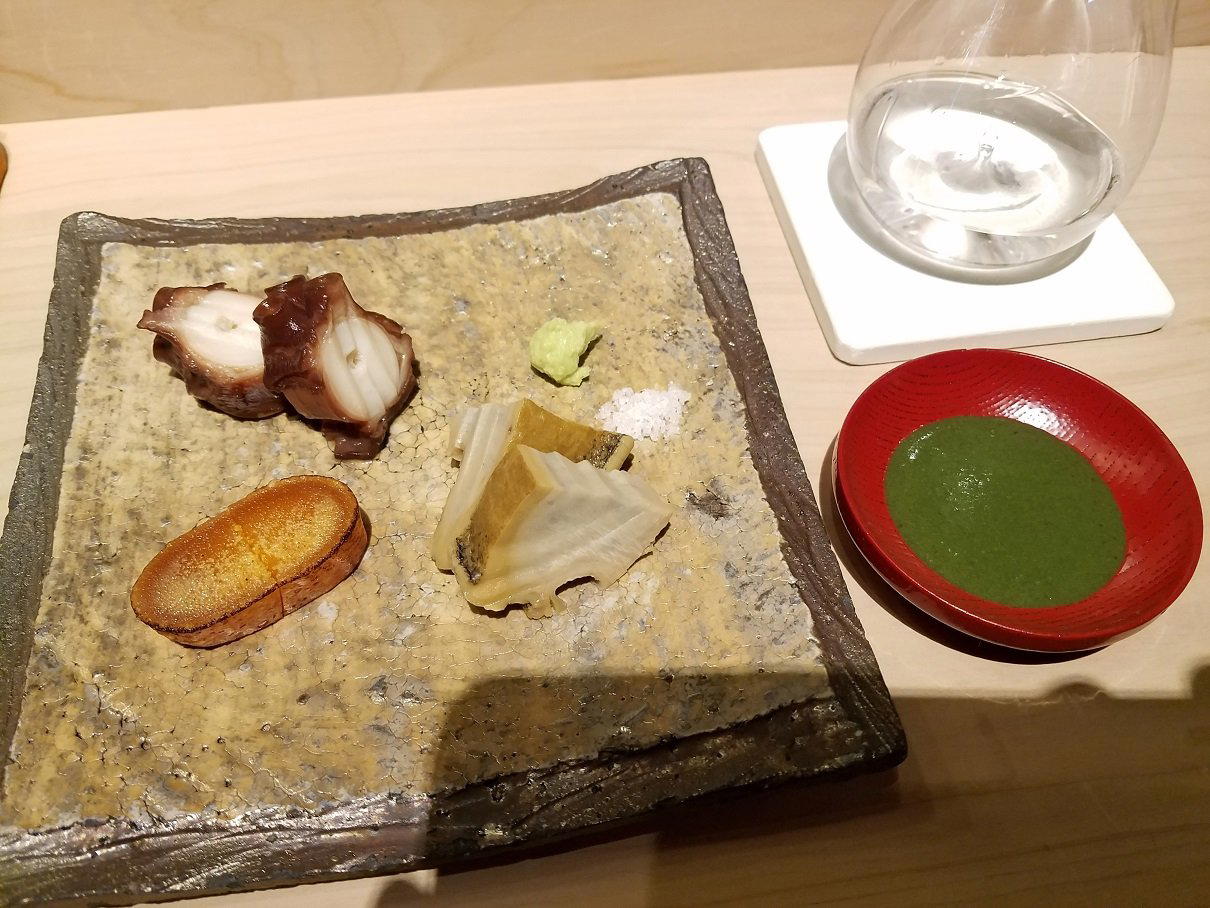
The premise of Italian cooking in provincial Japan raises an immediate question about ingredients. In the major urban centres, Italian restaurants resolve this through import networks: San Marzano tomatoes, Sicilian capers, aged Parmigiano from established importers. In a regional city like Matsuyama, the calculus shifts. The Seto Inland Sea, which Ehime faces, produces fish and shellfish of genuine quality, sea bream, octopus, small crustaceans, that translate reasonably well into preparations borrowed from Italian coastal cooking.
This sourcing logic matters because it explains why Italian cooking in Japan's regions can arrive at a different result from both traditional Italian and from the imitative versions common in large hotel restaurants. The ingredient base is neither Italian nor identifiably Japanese; it is specifically local. When that works, the food reflects place in a way that direct Italian cooking cannot, because the place is Shikoku rather than Liguria. The comparison venues in Matsuyama, including Dogo Kaishu (Japanese Cuisine) and Bettei Oborozukiyo, work within Japanese frameworks where sourcing from Ehime is an understood given. Italian formats make that same sourcing logic more visible, because it sits against an expectation of European ingredients.
The Broader Italian-in-Japan Scene
Japan has one of the world's most sophisticated Italian restaurant cultures outside Italy itself. This is not a recent development: Italian cooking began appearing seriously in Tokyo in the 1980s, and the country now has Italian-trained chefs operating at multiple Michelin stars. HAJIME in Osaka demonstrates what the country's top tier looks like, rigorous, technically precise, and deeply absorbed into Japanese notions of seasonality. That level of integration filters downward through the tiers. A regional Italian restaurant in Matsuyama operates within this inherited seriousness, even if it sits at a different scale from the Osaka or Tokyo flagships.
For comparison, the Korean-influenced fine dining at Atomix in New York City or the seafood precision at Le Bernardin in New York City illustrate how European frameworks get reimagined through different cultural filters. In Japan, Italian cooking has undergone its own sustained transformation, shaped by the country's ingredient discipline, service culture, and obsessive attention to seasonal specificity. What emerges at the regional level is less dramatic than the top-tier examples but follows the same underlying logic.
Within Matsuyama, the Italian option occupies a different position from the city's sushi counters like Kurumasushi or from broader Japanese formats represented by Ino and No Name. It addresses a different appetite, the desire for a European-format meal in a city where that option is not the default. Travellers spending more than two nights in Matsuyama will naturally exhaust the immediate Japanese options they are most drawn to, and at that point a considered Italian restaurant becomes practically useful rather than merely an interesting alternative. For those crossing into Japan's wider regional circuit, it is worth mapping alongside places like Goh in Fukuoka or Gion Sasaki in Kyoto to understand how seriously Japan's non-Tokyo regional cities take cooking of all traditions.
Planning a Visit
Chifunemachi is accessible from central Matsuyama and sits within reasonable distance of the Dogo Onsen district, where most visitors to the city base themselves. The restaurant's address in the 4-chome block of Chifunemachi places it in a neighbourhood of mixed commercial and residential use, the kind of location common to the quieter category of Japanese destination restaurants that rely on reputation rather than foot traffic. This is standard practice for smaller independently operated restaurants in Japanese regional cities, where English-language booking infrastructure is less consistent than in Tokyo or Osaka. Travellers visiting Shikoku as part of a broader circuit that includes stops in Nara or further afield would do well to consult akordu in Nara for another reference point on European cooking in a Japanese regional city context.
For a full picture of what Matsuyama's restaurant scene offers across Japanese and international formats, our full Matsuyama restaurants guide maps the city's main dining options by category and price tier, including the full range from refined kaiseki to the kind of neighbourhood Italian that Namae no Nai Italia Ryori Ten represents.
Frequently asked questions
Is Namae no Nai Italia Ryori Ten okay with children?
No children's menu details are publicly confirmed for this Chifunemachi address. Italian dining in provincial Japanese cities of Matsuyama's scale tends toward adult-oriented table service rather than family-casual formats, so it is worth contacting the restaurant directly before arriving with young children.
How would you describe the vibe at Namae no Nai Italia Ryori Ten?
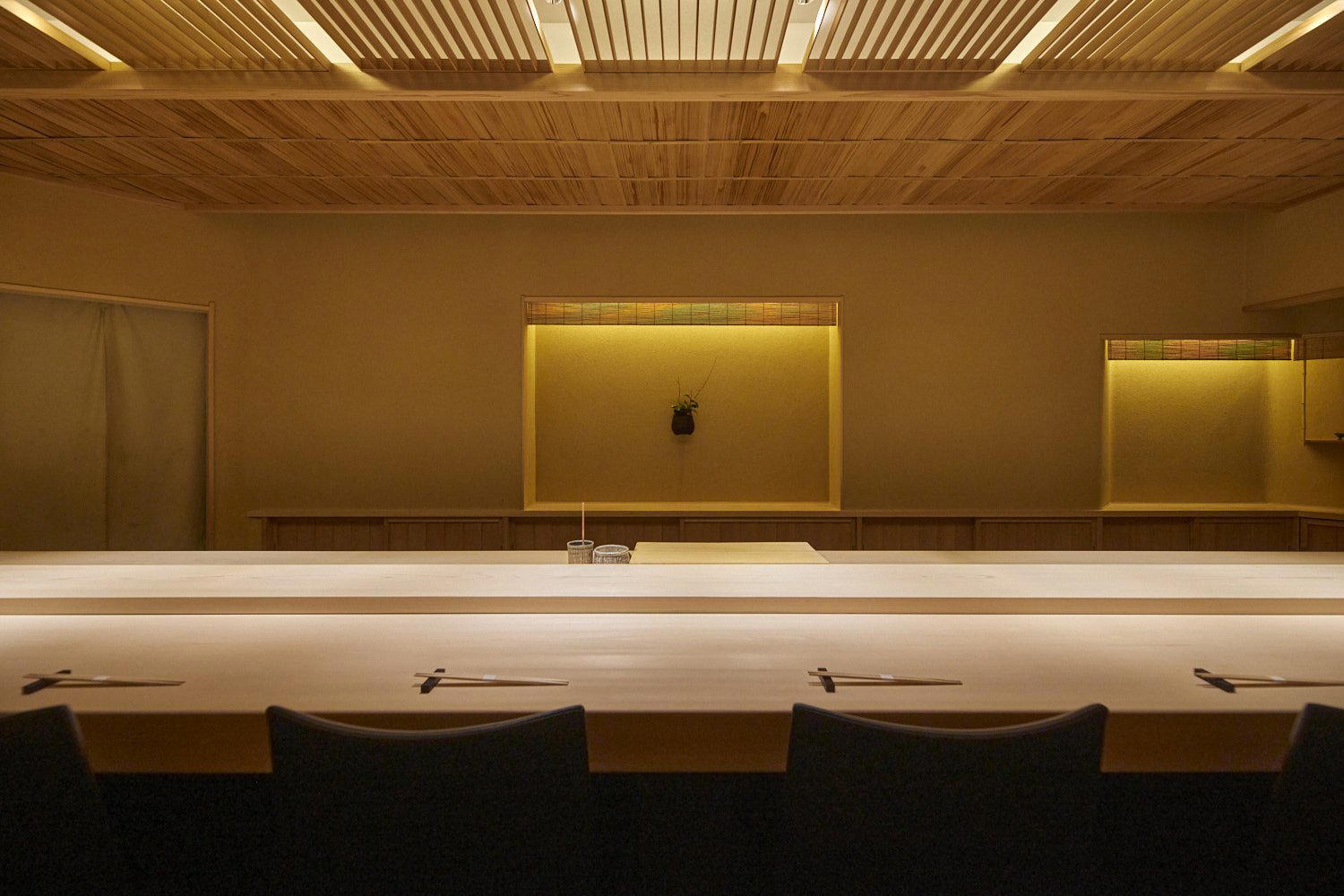
The name itself — which translates roughly as 'Italian restaurant with no name' — signals a deliberate restraint that likely carries into the room. Set in Chifunemachi, a district within a city defined by Dogo Onsen and Matsuyama Castle rather than a competitive dining scene, the atmosphere reads as local and considered rather than destination-driven. Expect something closer to a neighbourhood trattoria sensibility than a showcase restaurant.
Why does an Italian restaurant operate under a nameless identity in Matsuyama?
The venue's name — Namae no Nai Italia Ryori Ten — literally means 'Italian cooking shop with no name,' a self-aware choice that positions the food rather than the brand at the centre. This approach has precedent in Japanese chef-driven dining culture, where anonymity or understatement is sometimes used to deflect hype and let the cooking speak. In Matsuyama, a city in Ehime prefecture where Italian dining is a rarity rather than a category, the name also functions as a candid description of what the place is.
What do people recommend at Namae no Nai Italia Ryori Ten?
What is consistent across the Italian-in-Japan genre at this scale is a reliance on local sourcing — Ehime is known for its citrus, seafood from the Seto Inland Sea, and regional vegetables — so the menu likely reflects what Shikoku's markets are offering seasonally.
Where is Namae no Nai Italia Ryori Ten in Matsuyama?
Namae no Nai Italia Ryori Ten is located at Japan, 〒790-0011 Ehime, Matsuyama, Chifunemachi, 4 Chome−1−4 ヒラキビル 1F, Matsuyama.
Comparison Snapshot
Comparable venues nearby, for context on price, style, and recognition.
| Venue | Cuisine | Price | Awards | Notes |
|---|---|---|---|---|
| Namae no Nai Italia Ryori TenThis venue — the venue you are viewing | Italian (French influences) | $100–150 | Tabelog Bronze #321 | Not listed |
| Sushi Kawanaka | Edomae Sushi Omakase | $100–150 | Tabelog 100 #44 | Okaido |
| Dogo Kaishu | Setouchi Kaiseki | $150–200 | Tabelog Bronze #155 | Dogo Onsen |
| Shanghai Tenshin Yoen | Casual Dim Sum & Chinese Comfort Food | $20–30 | Tabelog 100 #29 | .null |
| Bettei Oborozukiyo | Traditional Japanese Kaiseki Ryokan Dining | Not listed | Not listed | Dogo Onsen |
| Sumishin | Traditional Yakitori & Chicken Dishes | $50–100 | Tabelog 100 #51 | Okaido |
Recognition history
Dated appearances from independent guides and award organizations, with the underlying list record or original source where available.
Tabelog Bronze #321
Tabelog
Full recognition history (3 entries)
Tabelog Bronze
Tabelog
Tabelog 100 #72 · No. 72
Tabelog · Tabelog 100 - Italian - WEST - 2025
Continue exploring
More in Matsuyama
Restaurants in Matsuyama
Browse all →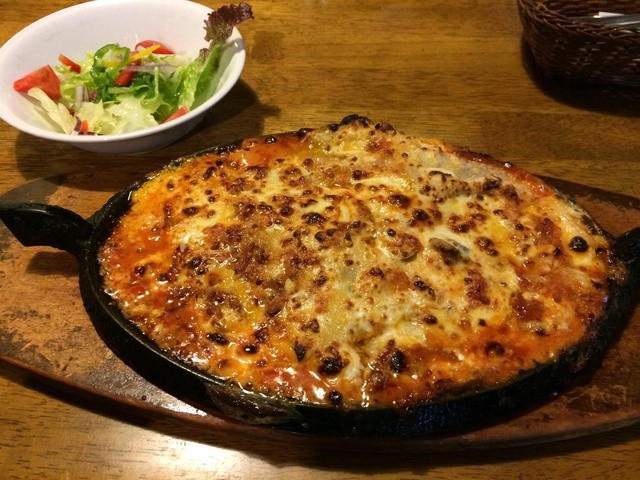
Details
- Elegant
- Sophisticated
- Intimate
- Date Night
- Special Occasion
- Private Dining
- Sake Program
- Local Sourcing
- A La Carte
- Wine
- Cocktails
Current opening hours
- Monday
- 11:30 AM–2 PM, 6–10:30 PM
- Tuesday
- 11:30 AM–2 PM, 6–10:30 PM
- Wednesday
- 11:30 AM–2 PM, 6–10:30 PM
- Thursday
- 11:30 AM–2 PM, 6–10:30 PM
- Friday
- 11:30 AM–2 PM, 6–10:30 PM
- Saturday
- 11:30 AM–2 PM, 6–10:30 PM
- Sunday
- 11:30 AM–2 PM, 6–9 PM
Hours can change for holidays and private events. Last verified .
Sophisticated and intimate atmosphere suitable for special occasions with non-smoking environment.