Our verdict
In Kyoto's Okazaki district, 京、静華 represents a strand of Chinese-inflected fine dining that has quietly taken root in a city more associated with kaiseki. The address, 左京区岡崎, places it among temples and cultural institutions, and the cooking draws on ingredient sourcing logic that mirrors the seasonal rigour Kyoto's Japanese traditions demand. A considered choice for those tracking where the city's fine dining reaches beyond its own culinary canon.

Pearl is the En Primeur Club membership app, where members save venues, book tables and use the concierge.
The menu
What to order
- 春巻き
- 麻婆豆腐
- フカヒレ姿煮
- 北京ダック
Okazaki and the Ingredients That Define It
Kyoto's Okazaki district occupies a particular register in the city's geography. Flanked by Heian Shrine, the municipal art museum, and a canal that carries flat-bottomed boats in the warmer months, the neighbourhood has the unhurried quality of a cultural precinct that does not need to perform. Restaurants here tend to attract a local professional crowd rather than the temple-circuit tourist flow that saturates Higashiyama. The approach to 京、静華 at 左京区岡崎円勝寺町36-3 carries that same quality of deliberate quietness, the kind of address you look up rather than stumble upon.
That geographical context matters because it shapes the sourcing logic of the cooking. In Kyoto, proximity to Nishiki Market, to the growers of 京野菜 (Kyoto vegetables), and to the fishing networks that supply the city's high-end kitchens is not incidental. It is the structural condition that allows a kitchen to operate at serious fine-dining level. The ingredients that move through this part of 左京区arrive with the same seasonal precision that governs kitchens like Kikunoi Honten and Hyotei, two of the city's most studied kaiseki addresses. The difference at 京、静華 is that this sourcing discipline is applied to a cooking grammar that traces a different lineage.
Where Chinese Technique Meets Kyoto's Seasonal Logic
Kyoto has a longer relationship with Chinese culinary influence than most Western diners appreciate. The city's Buddhist temple cooking, shojin ryori, absorbed Chinese vegetarian technique over centuries, and the formal kaiseki tradition itself carries structural debts to Chinese banquet formats. What establishments like 京、静華 represent is a more direct engagement with that influence, one in which the sourcing standards of Kyoto's premium ingredient networks are applied to a Chinese fine-dining framework rather than a Japanese one.
This matters when thinking about what the kitchen actually has to work with. Kyoto vegetables, those protected varieties grown in the city's surrounding farmland, include items like kujo negi (a thick-stalked green onion), kamo eggplant, and mizuna that are grown to specifications that mainstream produce markets do not demand. The growers who supply serious Kyoto kitchens operate on relationships built over years, with delivery timed to the week rather than the season in broad terms. A kitchen drawing on those networks can work with produce at a stage of maturity and flavour density that supermarket supply chains cannot replicate. For a Chinese fine-dining kitchen in this city, the question is always whether the technique honours what the ingredient arrives with rather than overriding it.
That calibration, technique in service of the ingredient rather than against it, is where the most interesting Kyoto Chinese kitchens distinguish themselves from their counterparts in Osaka or Tokyo. Compare it to the approach at HAJIME in Osaka, where the driving logic is more explicitly the chef's conceptual framework. In Kyoto, the city's own ingredient culture exerts a gravitational pull that tends to moderate culinary ego in favour of product clarity.
The Broader Fine-Dining Context in 左京区
Kyoto's fine-dining addresses are not evenly distributed. The highest concentration of Michelin-recognised kaiseki sits in Gion and Higashiyama, where venues like Gion Sasaki and Mizai operate in proximity to the city's most visited historic fabric. 左京区, which includes Okazaki, runs at a different frequency. The area's dining scene rewards knowledge over browsing. Addresses in this part of the city tend to be booked through recommendation networks, and the clientele is weighted toward Kyoto residents with an established relationship with the kitchen rather than international visitors on a single visit.
For those coming from outside the city, the practical approach is to treat 左京区 dining as a secondary itinerary layer rather than a primary attraction, planning it alongside visits to Nanzenji or the Kyoto National Museum of Modern Art rather than treating the restaurant as the destination's anchor. The neighbourhood itself has no shortage of context to occupy the surrounding hours, and kitchens in this area tend to operate at lunch and dinner hours that align comfortably with a half-day in Okazaki.
The competitive reference set for 京、静華 is not the kaiseki tier of Isshisoden Nakamura or the Italian fine dining of cenci. In Tokyo, Harutaka represents how premium Japanese ingredient sourcing elevates a different culinary category. The logic at 京、静華 is analogous but rooted in the specific agricultural and cultural geography of Kyoto rather than Tokyo's market networks. For further context on how the city's fine-dining spans culinary traditions, our full Kyoto restaurants guide maps the full range.
Planning a Visit
The address at 左京区岡崎円勝寺町36-3 is most easily reached by taxi from central Kyoto or by the Tozai subway line to Higashiyama station, from which the walk through the Okazaki precinct takes approximately ten minutes. The neighbourhood does not have the density of nearby attractions that would make it a natural drop-in stop, so visits reward advance planning. Kyoto's serious fine-dining kitchens in this bracket typically require reservation, and the booking window at comparably positioned addresses in the city runs from several weeks to several months depending on season. Spring (late March to early May) and autumn (mid-October to late November) represent peak demand periods across Kyoto's fine-dining tier, and those travelling during these windows should treat advance reservation as a precondition rather than a preference. Venues at this level in Kyoto's 左京区 generally do not accommodate walk-ins at peak periods.
For those building a broader Japan fine-dining itinerary, the regional context extends naturally to akordu in Nara and Goh in Fukuoka, both of which represent how ingredient-led cooking operates in smaller Japanese cities outside the primary Tokyo-Osaka-Kyoto axis. The comparison is useful for understanding how much of the quality signal in venues like 京、静華 derives from city-specific ingredient infrastructure versus kitchen technique alone.
Frequently asked questions
Is 京、静華 child-friendly?
京、静華 occupies a refined dining register in Kyoto's Okazaki district, where the format and pace are oriented toward adult diners with an interest in considered, technique-driven cooking. Families with young children would likely find the setting and service tempo better suited to older teenagers or adults. No dedicated children's menu is documented.
What should I expect atmosphere-wise at 京、静華?
The address at 岡崎円勝寺町36-3 places the restaurant within Okazaki's quieter institutional corridor, neighboured by Heian Shrine and the municipal canal rather than Gion's foot traffic. That geography shapes the register: expect a composed, unhurried dining environment rather than the high-energy scene found in central Kyoto's entertainment districts. The surrounding neighbourhood signals discretion over spectacle.
How does 京、静華 differ from Kyoto's kaiseki restaurants in the same neighbourhood?
While Kyoto's highest concentration of Michelin-recognised kaiseki sits in Gion and Higashiyama, 京、静華 operates in Okazaki's quieter 左京区 and applies Chinese culinary frameworks rather than the Japanese kaiseki structure, making it a distinct alternative in the city's fine-dining map. The seasonal logic is consistent with Kyoto's ingredient-led tradition, but the technique set draws from a separate culinary lineage. This positions the restaurant in a narrow category: Kyoto-seasonal cooking executed through a Chinese rather than kaiseki idiom.
What dish is 京、静華 famous for?
The restaurant's identity is shaped by the intersection of Chinese culinary technique and Kyoto's seasonal ingredient cycle, a combination that distinguishes it within Kyoto's 左京区 fine-dining context. Visiting without preconceptions about a single dish is advisable; the kitchen's approach is rooted in what the season dictates.
Where is 京、静華 located?
京、静華 is located at 左京区岡崎円勝寺町36-3, 京都市, 京都府, 606-8344, Kyoto.
Comparison Snapshot
| Venue | Cuisine | Price | Awards | Notes |
|---|---|---|---|---|
| 京、静華This venue (the venue you are viewing) | Modern Chinese Fine Dining | $200–300 | Not listed | Not listed |
| Gion Sasaki | Modern Kaiseki | $300–500 | 3 Michelin Stars · La Liste Top Restaurants | Kaiseki, Japanese |
| cenci | Innovative Italian-Japanese Fusion | $100–150 | 1 Michelin Star · World's 50 Best #76 | Italian |
| Ifuki | Sumibi Kappo Kaiseki | $200–300 | 2 Michelin Stars · La Liste Top Restaurants | Kaiseki |
| Kyokaiseki Kichisen | Kyoto Kaiseki | $200–300 | 2 Michelin Stars · La Liste Top Restaurants | Japanese |
| Kyo Seika | Modern Chinese Fine Dining | $150–200 | 1 Michelin Star · Tabelog Bronze #216 | Chinese |
Continue exploring
More in Kyoto
Restaurants in Kyoto
All restaurants in Kyoto →
Bars in Kyoto
All bars in Kyoto →
Hotels in Kyoto
All hotels in Kyoto →

Wineries in Kyoto
Browse all →
Details
- Elegant
- Sophisticated
- Intimate
- Special Occasion
- Date Night
- Business Dinner
- Chefs Counter
- Open Kitchen
- Sake Program
- A La Carte
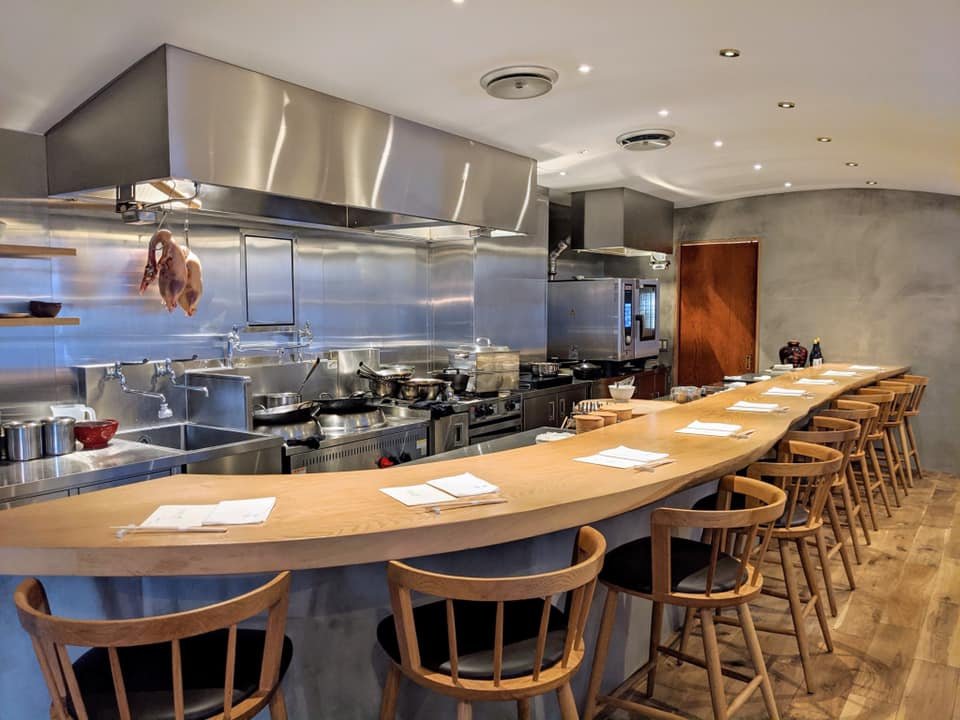
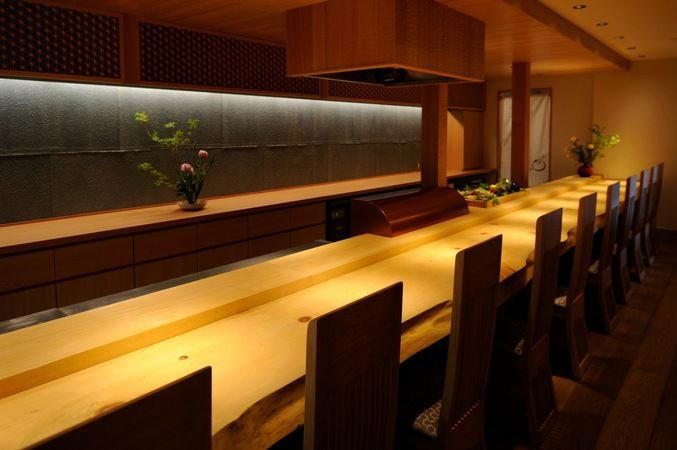
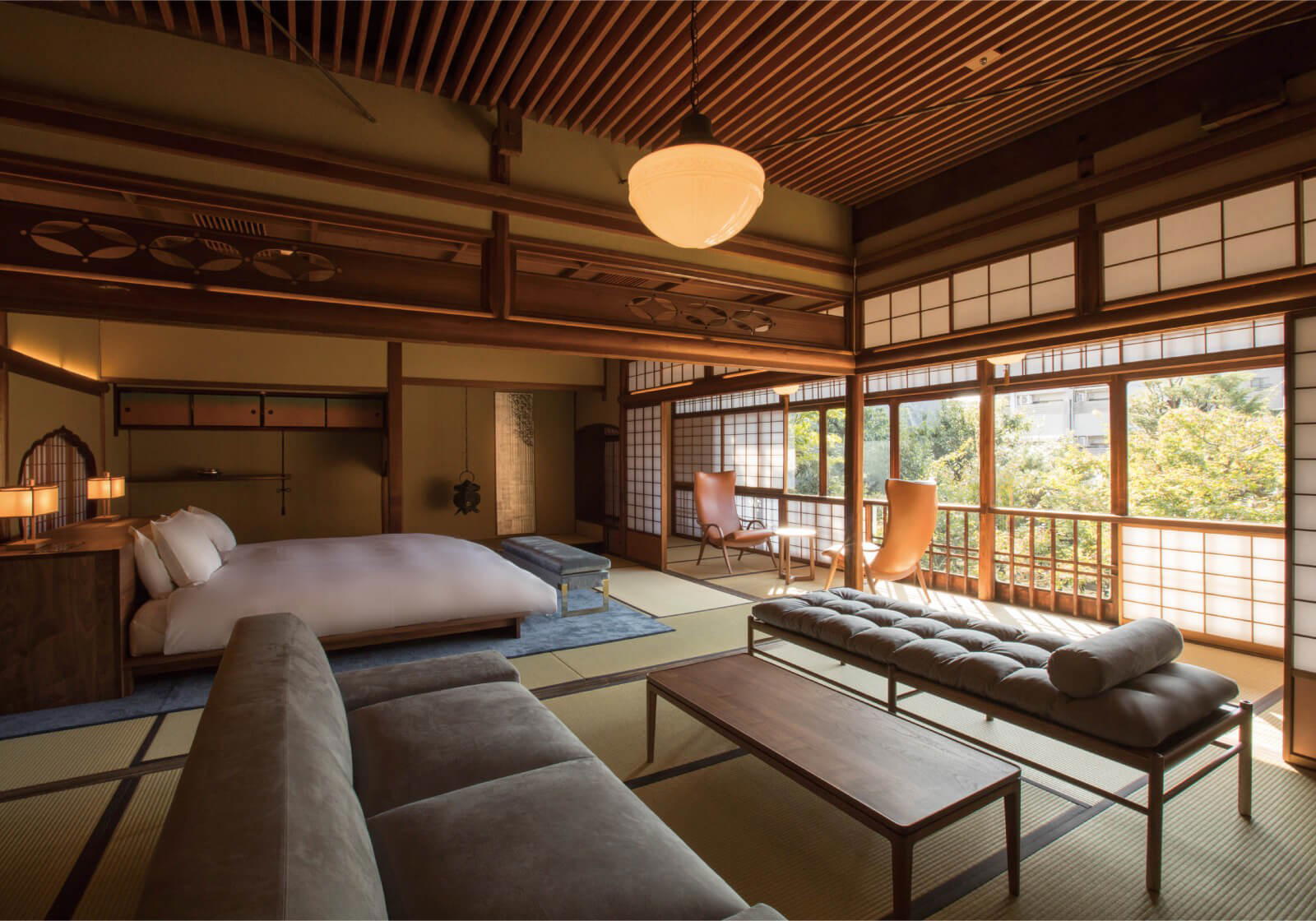
カウンター中心の親密な空間で、中華鍋の臨場感ある音と上品な照明が洗練された雰囲気を演出