
The Best Chef One Knife
Our verdict
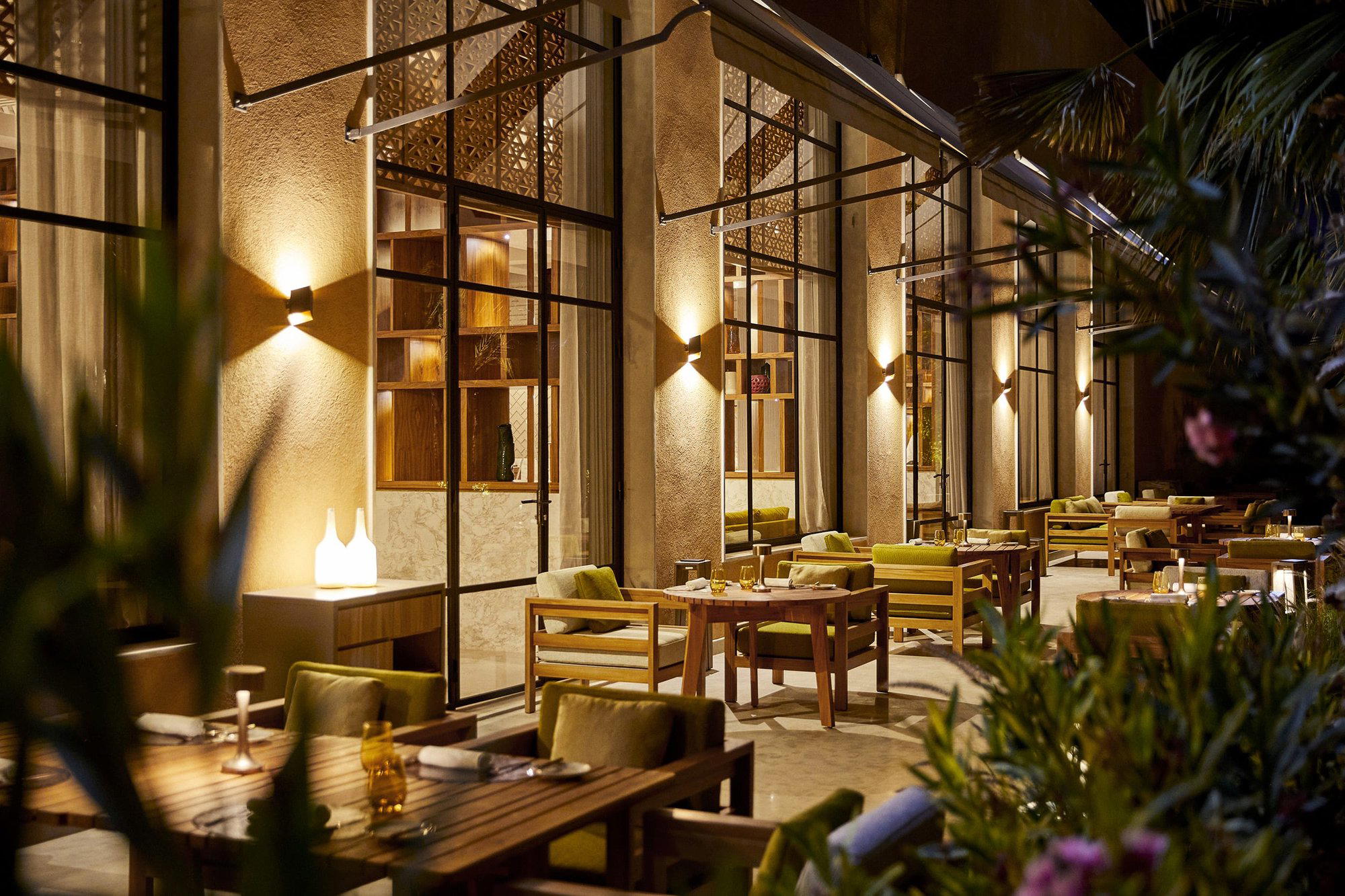
Tfaya sits within the Al Maaden district of Marrakesh, where chef Issam Rhachi works within a tradition of Moroccan cooking that has become increasingly precise at this tier of the city's dining circuit. The restaurant's name references one of Morocco's most layered tagine preparations, signalling an intention to work from the inside of the tradition outward rather than dressing it up for export.

Pearl is the En Primeur Club membership app — saves, bookings, and concierge access live there. Same editors, same standards.
- Address
- Al Maaden, Marrakesh 40000, Morocco
- Phone
- +212 7 75 75 75 35
- Hours
- Daily 7–11 AM, 7 PM–1 AM
- Website
- hyatt.com
- Directions
- Get directions
The menu
What to order
- Tangia Marrakchia
- Trompe-l'oeil date
- Dakhla octopus lacquered with chermoula
Al Maaden and the Geography of Marrakesh Fine Dining
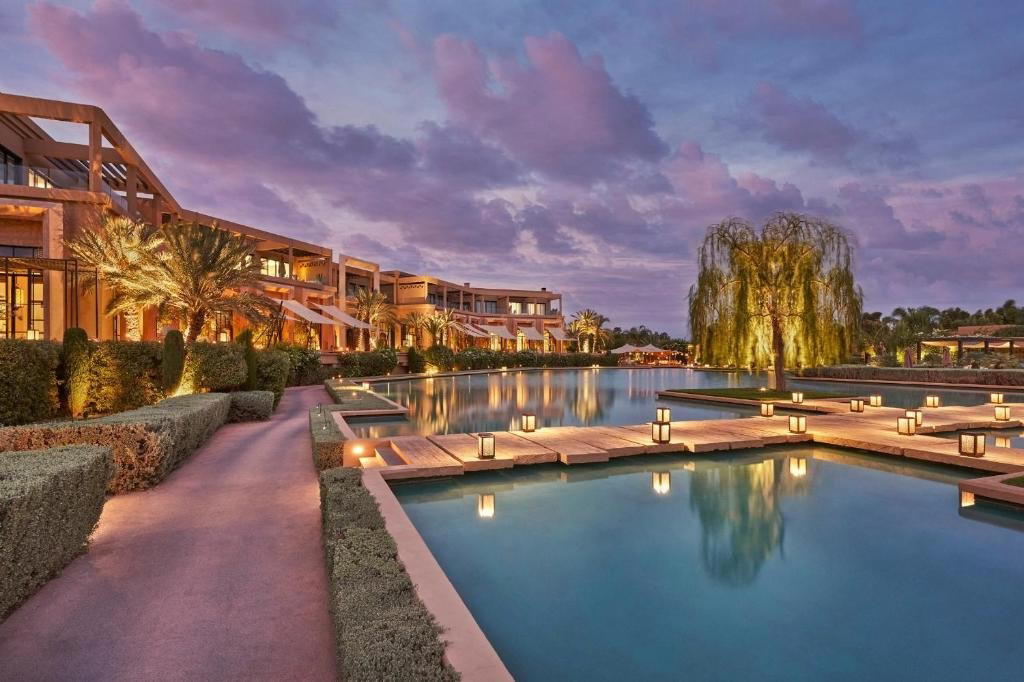
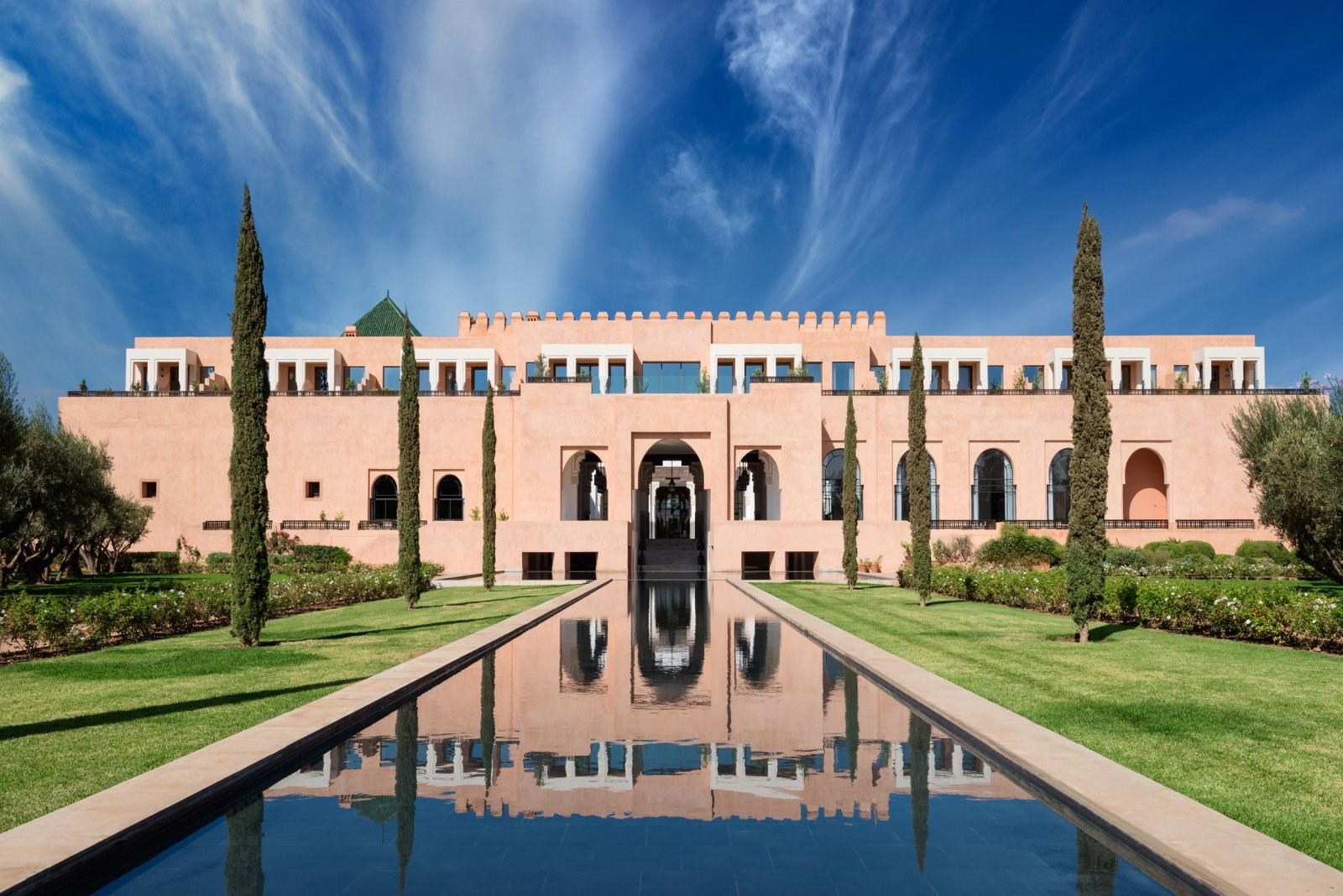
The Al Maaden district sits at a remove from the medina's density, in a part of Marrakesh where the city's newer hospitality infrastructure has taken shape around golf courses, private residences, and properties that trade on space rather than historical character. Arriving here, the sensory register shifts: wider roads, cooler air in the evenings, the kind of considered quiet that doesn't come cheaply in Morocco's most visited city. It is in this environment that Tfaya operates, and the setting matters because it frames the kind of dining the restaurant is able to pursue — one that is less about theatrical riad backdrops and more about what arrives at the table.
Marrakesh's premium dining circuit has never been simple to read from the outside. The city has long exported an image of abundance — of tiles, lantern light, and communal platters, and that image has shaped a tier of restaurants that perform Moroccan cuisine as spectacle. The more interesting question, for any serious traveller, is what exists on the other side of that performance. Tfaya's placement in the Al Maaden area, and its association with chef Issam Rhachi, positions it within the smaller cohort of addresses where the cooking is the subject rather than the décor.
The Name as a Signal
Tfaya is the Moroccan term for a slow-cooked preparation of caramelised onions, raisins, and warm spice, the kind of base that appears beneath lamb or chicken in one of the country's most demanding tagine traditions. It is not an ingredient that shortcuts well. The reduction requires time, attention to heat, and a willingness to let sweetness and depth develop without intervention. Naming a restaurant after this preparation is, in effect, a declaration of patience and of rootedness in technique. It is the opposite of the kind of pan-regional menu that Marrakesh's more internationally oriented properties tend to build for their broadest possible audience.
In the context of the city's dining hierarchy, this matters. Addresses like La Grande Table Marocaine at the Royal Mansour operate at the intersection of Moroccan culinary tradition and the resources of one of the world's most capitalized luxury hotel groups. Dar Moha has spent years building its reputation inside a historic riad setting. La Grande Brasserie by Hélène Darroze brings a French fine dining framework to the city. Tfaya's proposition is different from all three: it leans into a single culinary idea drawn from the Moroccan kitchen and asks whether that is enough to carry an entire dining experience at this level.
Chef Issam Rhachi and the Question of Lineage
In Moroccan fine dining, chef lineage has become one of the more reliable orientation signals available to a reader who cannot simply call ahead and ask. The country's restaurant culture at the premium end is still small enough that a handful of kitchens account for a disproportionate share of formative training.
It is also distinct from the medina's more established names. Rhachi's work at Tfaya appears to be pitched at a reader who already knows Moroccan cuisine well enough to be curious about how a chef interprets it from within, rather than how it has been refracted through a European culinary framework. For comparison, the dynamic at work here has parallels elsewhere in the country: at Gayza in Fès, the attempt to build fine dining credibility around a single city's culinary tradition has produced a similarly specific and less broadly marketed kind of address.
The Wine Question in a Moroccan Fine Dining Context
Morocco is a wine-producing country, and that fact is still underweighted in how the country's restaurants are discussed internationally. The Meknes region, anchored by estates like Château Roslane, produces Grenache and Syrah-dominant reds with enough structure to hold alongside the kind of braised and spiced preparations that define the Moroccan kitchen. The question of how a restaurant at Tfaya's level approaches its list is not merely practical, it is a signal of editorial intent. A list built around domestic production, with attention to vintage and terroir, reads very differently from one assembled to satisfy international guests expecting French or Italian anchors.
For restaurants working at the intersection of Moroccan cuisine and serious hospitality, the wine list has become a marker of sophistication in a way that is specific to this moment. Across the country, from Heure Bleue Palais in Essaouira to Hôtel Le Doge in Casablanca, the restaurants that have moved furthest from the tourist-facing model are often those that have invested most deliberately in their approach to Moroccan viticulture. At L'Oliveraie in El Hajeb, the proximity to agricultural production has shaped a list that leans heavily on regional expression.
The pairing logic is not simple. Tagine-based preparations, heavily reduced, sweet in the case of tfaya itself, layered with preserved lemon or dried fruit, require a different kind of wine thinking than a French menu does. The question of how to work with domestic Grenache alongside these flavours, or whether to look to the more structured Carignan-based blends from cooler Moroccan sub-appellations, is the kind of problem that a kitchen as intentional as Tfaya's name suggests would not leave unaddressed.
Situating Tfaya Within the City's Dining Trajectory
Marrakesh's dining scene has been in transition for the better part of a decade. The city's hospitality economy historically rewarded spectacle and scale: the long medina dinner with entertainment, the rooftop with a view, the riad table that photographs well. The more recent shift, visible across the premium tier, has been toward restaurants that ask to be taken seriously on culinary terms. This is the same shift that produced the current profile of Le Petit Cornichon and that has repositioned some of the city's older fine dining addresses. Tfaya's location in Al Maaden, outside the medina's visual and commercial density, is consistent with a restaurant that is not relying on the city's tourist infrastructure to generate its audience.
The comparison to high-end addresses in other culinary contexts is instructive here. At the level of technical ambition and format, the serious cooking that happens in concentrated urban fine dining environments, the kind represented at scale by addresses like Le Bernardin in New York or Atomix, demonstrates what a kitchen focused entirely on a single culinary tradition can achieve when it stops trying to be legible to the widest possible audience. Tfaya's premise, in its local context, points in the same direction.
Planning a Visit
Tfaya is located at Al Maaden, Marrakesh 40000, Morocco. The Al Maaden district is most practically reached by taxi or private transfer from the medina or from the newer hotel belt along the Palmeraie corridor; the address is not within walking distance of the city's central tourist geography. Given the limited publicly available information on booking method, hours, and pricing, the most reliable approach is to contact the restaurant directly or work through a concierge at one of Marrakesh's established properties, several of which are covered in our full Marrakesh hotels guide. For the wider picture of the city's restaurants, bars, and experiences, our full Marrakesh restaurants guide, our full Marrakesh bars guide, and our full Marrakesh experiences guide provide the broader context. Morocco's wine production is addressed in our full Marrakesh wineries guide.
Frequently asked questions
Where do I go for Tfaya?
Tfaya is located at Al Maaden, Marrakesh 40000, Morocco, Marrakesh.
Does Tfaya have a Michelin star or similar recognition?
Tfaya has received recognition including: Chef: Issam Rhachi document.addEventListener("DOMContentLoaded", function { var el = document.getElementById("Achievements_chefs"); if (el && el.parentNode) { el.parentNode.removeChild(el); } });.
What's the best thing to order at Tfaya?
The restaurant's name points directly to its culinary orientation: tfaya, the Moroccan slow-cooked preparation of caramelised onions, raisins, and warm spice, is the conceptual anchor of the menu. Dishes built around that base — typically lamb or couscous preparations — are the ones most likely to reflect what chef Issam Rhachi is doing at his most considered. Specific current menu items are best confirmed directly with the restaurant at Al Maaden.
Who runs the kitchen at Tfaya?
The chef associated with Tfaya is Issam Rhachi.
What's the best way to book Tfaya?
Tfaya is located at Al Maaden, Marrakesh 40000, Morocco. No direct booking link or phone number is currently listed in public directories, so the most reliable approach is to contact the Al Maaden estate or your hotel concierge, who will have an operational contact. For visitors staying outside the district, securing a reservation before arrival is advisable given the limited dining options in that part of the city.
What's the defining dish or idea at Tfaya?
The venue's name is its clearest statement of intent. Tfaya — slow-cooked caramelised onions with raisins and spice — is a preparation that appears across Moroccan home cooking and traditional cooking alike, but rarely receives this kind of dedicated positioning in a fine dining context. Under chef Issam Rhachi at Al Maaden, it signals a kitchen that is working with classical Moroccan technique rather than around it.
How does Tfaya handle allergies?
No published allergy policy is available for Tfaya. Traditional Moroccan cooking at this level frequently involves nuts, wheat-based preparations, and slow-cooked meat stocks, so guests with serious dietary restrictions should communicate requirements directly when making their reservation through the Al Maaden estate or a hotel concierge.
What It’s Closest To
Comparable venues nearby, for context on price, style, and recognition.
| Venue | Cuisine | Price | Awards | Notes |
|---|---|---|---|---|
| TfayaThis venue — the venue you are viewing | Modern Moroccan Brasserie | $50–100 | The Best Chef One Knife | Not listed |
| Nomad Marrakech | Modern Moroccan | $30–50 | Not listed | Marrakech-Médina |
| La Maison Arabe | Authentic Moroccan Fine Dining | $100–150 | Not listed | Marrakech-Médina |
| La Cour des Lions - Es Saadi | Traditional Moroccan Fine Dining | $50–100 | La Liste Top Restaurants | Gueliz |
| Palais Ronsard | Modern Moroccan Fine Dining | Not listed | Relais Chateaux Award | Annakhil |
| Le Marocain - La Mamounia | Traditional Moroccan | $150–200 | La Liste Top Restaurants | Marrakech-Médina |
Recognition history
Dated appearances from independent guides and award organizations, with the underlying list record or original source where available.
The Best Chef One Knife
The Best Chef
Continue exploring
More in Marrakech
Restaurants in Marrakech
Browse all →
Bars in Marrakech
Browse all →
Hotels in Marrakech
Browse all →
Wineries in Marrakech
Browse all →
Details
- Warm
- Lively
- Elegant
- Sophisticated
- Date Night
- Group Dining
- Special Occasion
- Family
- Hotel Restaurant
- A La Carte
- Vegetarian Friendly
Current opening hours
- Monday
- 7–11 AM, 7 PM–1 AM
- Tuesday
- 7–11 AM, 7 PM–1 AM
- Wednesday
- 7–11 AM, 7 PM–1 AM
- Thursday
- 7–11 AM, 7 PM–1 AM
- Friday
- 7–11 AM, 7 PM–1 AM
- Saturday
- 7–11 AM, 7 PM–1 AM
- Sunday
- 7–11 AM, 7 PM–1 AM
Hours can change for holidays and private events. Last verified .
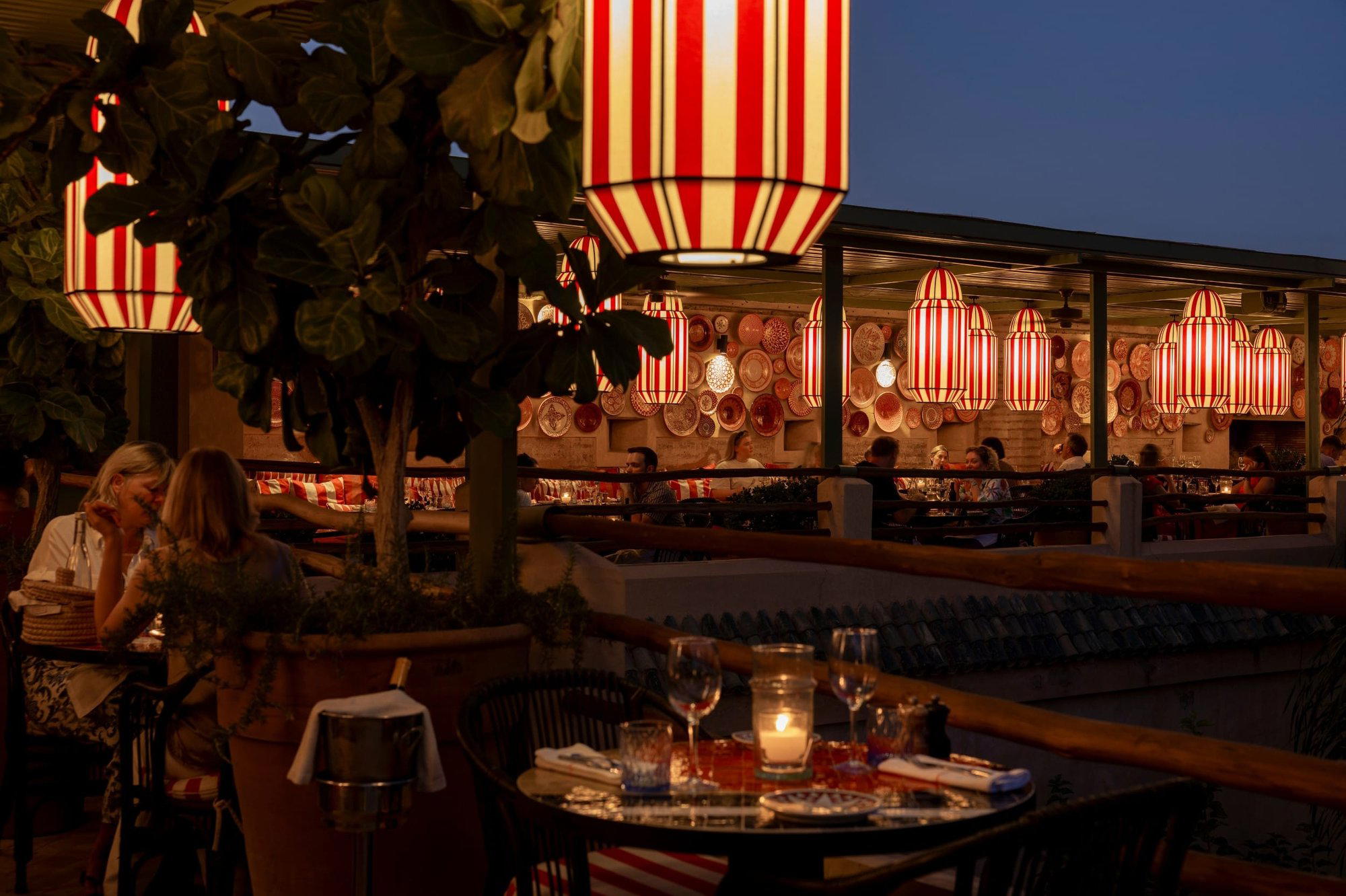
Warm, festive atmosphere with elegant lighting and sophisticated Moroccan hospitality.