食堂たのし occupies the second floor of the Shin Daibiru building in Osaka's Dojimahama district, a part of Kita Ward where business-district formality and casual dining traditions have long coexisted. The name translates roughly as 'joyful dining hall,' signalling a register that sits below kaiseki ceremony but above everyday teishoku. Specific details on pricing, booking, and hours are best confirmed directly with the venue.
Pearl is the En Primeur Club membership app — saves, bookings, and concierge access live there. Same editors, same standards.
- Address
- Japan, 〒530-0004 Osaka, Kita Ward, Dojimahama, 1 Chome−2−1 新ダイビル 2階
- Phone
- +81663426343
- Directions
- Get directions
 Saves & bookings on Pearl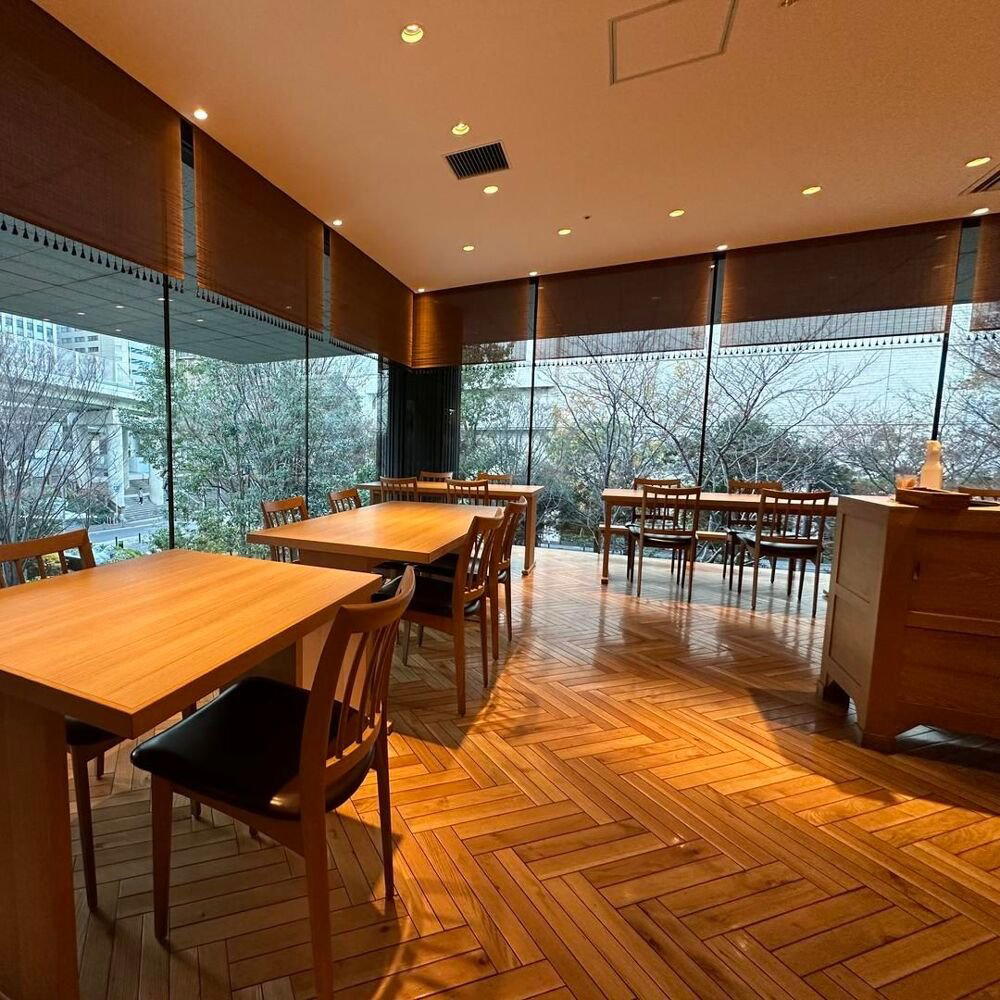
Dojimahama and the Art of Midrange Seriousness
Osaka's Kita Ward contains multitudes. Within a few minutes' walk of Dojimahama, you find offices, upmarket department store dining floors, and the kind of low-key lunch counters that attract the same regulars for decades. The Shin Daibiru building, where 食堂たのし occupies the second floor, sits inside this layered neighbourhood, a modern commercial address that nonetheless inherits Osaka's long tradition of treating the midday and evening meal as a civic institution rather than a transaction. It is the kind of setting where the food, not the room, is expected to do the work.
That expectation defines a specific tier of Osaka dining. Unlike the Michelin-starred kaiseki rooms around Kitahama or the yakitori specialists south toward Namba, venues in this register, calling themselves shokudo, or dining halls, often with deliberately informal naming, communicate something deliberate: skill without ceremony, attention without performance. Across the Kansai region, that combination has historically produced some of Japan's most compelling eating.
The Tasting Arc: How a Meal Tends to Build Here
In Japan's better shokudo and dining-hall-format restaurants, the progression of a meal follows a logic that differs from Western tasting menus but shares their underlying architecture. In Osaka's food culture, this often means a dashi-forward preparation, a broth, a chilled dish, or a single ingredient treated with enough confidence to stand alone.
What follows, in kitchens that take this format seriously, is a gradual accumulation of weight and complexity. Grilled or simmered preparations tend to arrive mid-sequence, when the palate has been calibrated by lighter courses but still has capacity for concentration. The Osaka tradition leans toward bold flavour, this is a city that prizes kuidaore, or eating oneself to ruin, as a cultural virtue, but the better kitchens understand that boldness without structure becomes noise. The distinction between a kitchen that merely delivers richness and one that builds toward it is the difference between satisfaction and memory.
Finishing courses in this format typically soften rather than climax. Rice, pickles, and a clear soup signal closure in a way that Western dessert courses rarely manage: they return the diner to a baseline, grounded rather than overwhelmed. HAJIME in Osaka represents the upper end of that spectrum, while counters like Ajihei Sonezaki show how precision operates in more intimate formats.
Where 食堂たのし Sits in Osaka's Dining Hierarchy
Osaka's restaurant scene has always been more egalitarian than Tokyo's. The city's dining culture rewards the neighbourhood place that earns repeat business through consistency, not the destination restaurant that trades on spectacle. Within Kita Ward specifically, the competition is dense: kaiseki rooms with deep Michelin histories, French-influenced contemporary kitchens, and long-established specialists in everything from fugu to shabu-shabu. Venues like Ajikitcho Bunbuan and Aka to Shiro demonstrate how differently kitchens in this ward can interpret the relationship between tradition and contemporary taste.
In this context, a venue with a shokudo identity operates as a deliberate counterpoint. The name 食堂たのし, combining the word for dining hall with a word meaning enjoyable or pleasurable, positions the restaurant against the gravity and formality of its more decorated neighbours. That positioning is common across Kansai: serious cooking housed inside deliberately approachable framing. Gion Sasaki in Kyoto and Goh in Fukuoka offer reference points for how different cities handle the balance between accessibility and ambition.
Calendrier and Az, both of which illustrate how Osaka's contemporary dining rooms are evolving the relationship between French technique and Japanese ingredient logic. The shokudo format sits apart from both, emphasising a different set of values.
The Shin Daibiru Address and What It Signals
The Shin Daibiru building in Dojimahama is a contemporary commercial structure with the kind of polished lobby that can feel at odds with informal dining ambitions. But in Osaka, the gap between container and content is often the point. Some of the city's most focused kitchens occupy floors of office buildings or department store annexes, relying entirely on word of mouth and repeat custom rather than street-level visibility. The second-floor location of 食堂たのし follows that logic.
Kita Ward's Dojimahama district sits close to the Dojima River, a part of the city that developed along its water infrastructure and retains a density and layering that newer districts lack. Harutaka in Tokyo or akordu in Nara is instructive, each city produces distinct relationships between location, format, and culinary identity.
Know Before You Go
- Address: 新ダイビル 2階, 1 Chome-2-1 Dojimahama, Kita Ward, Osaka 530-0004, Japan
- Floor: Second floor of the Shin Daibiru building
- Pricing: Midrange
- Hours: Mon to Sat 5 to 11 PM; Sunday closed
- Nearest transport: Dojimahama is accessible from Osaka Station (JR/Hankyu/Hanshin) and Higashi-Umeda Station (Tanimachi Line), both within walking distance
Peers You’d Cross-Shop
Comparable venues nearby, for context on price, style, and recognition.
| Venue | Cuisine | Price | Notes |
|---|---|---|---|
| 食堂たのしThis venue — the venue you are viewing | Modern Japanese Izakaya | $$ | Not listed |
| 月泉 | Japanese Izakaya | Not listed | Kita |
| Yakiniku Masachan | Traditional Yakiniku & Horumon | $$ | Nishinari |
| 台処 かみ谷 | Japanese Izakaya | $$$ | Nishi |
| 鮨 三心 | Kushikatsu | Not listed | Chūō |
| Az | Japanese Teppanyaki Steakhouse | Not listed | Kita |
Continue exploring
More in Osaka
Restaurants in Osaka
Browse all →




Bars in Osaka
Browse all →




Hotels in Osaka
Browse all →




Wineries in Osaka
Browse all →
At a Glance
- Cozy
- Trendy
- Casual Hangout
- After Work
- Open Kitchen
- Sake Program
Current opening hours
- Monday
- 5–11 PM
- Tuesday
- 5–11 PM
- Wednesday
- 5–11 PM
- Thursday
- 5–11 PM
- Friday
- 5–11 PM
- Saturday
- 5–11 PM
- Sunday
- Closed
Hours can change for holidays and private events. Last verified .
Stylish decor with a friendly, green-surrounded atmosphere that feels unexpectedly serene in the city center, balancing sophistication and warmth.