Atlantis operates from a stand at Kutschkermarkt (Stand 4A) in Vienna's 18th district, placing it within the city's market-rooted dining culture rather than its formal restaurant tier. With limited data available, the address and market setting are the sharpest signals: this is a venue shaped by proximity to seasonal produce and the rhythms of a neighbourhood market rather than by white-tablecloth convention.
Pearl is the En Primeur Club membership app — saves, bookings, and concierge access live there. Same editors, same standards.
- Address
- Getrudplatz 3, Kutschkermarkt Stand/4A, 1180 Wien, Austria
- Phone
- +436604353232
- Website
- atlantisfisch.at
- Directions
- Get directions
 Saves & bookings on Pearl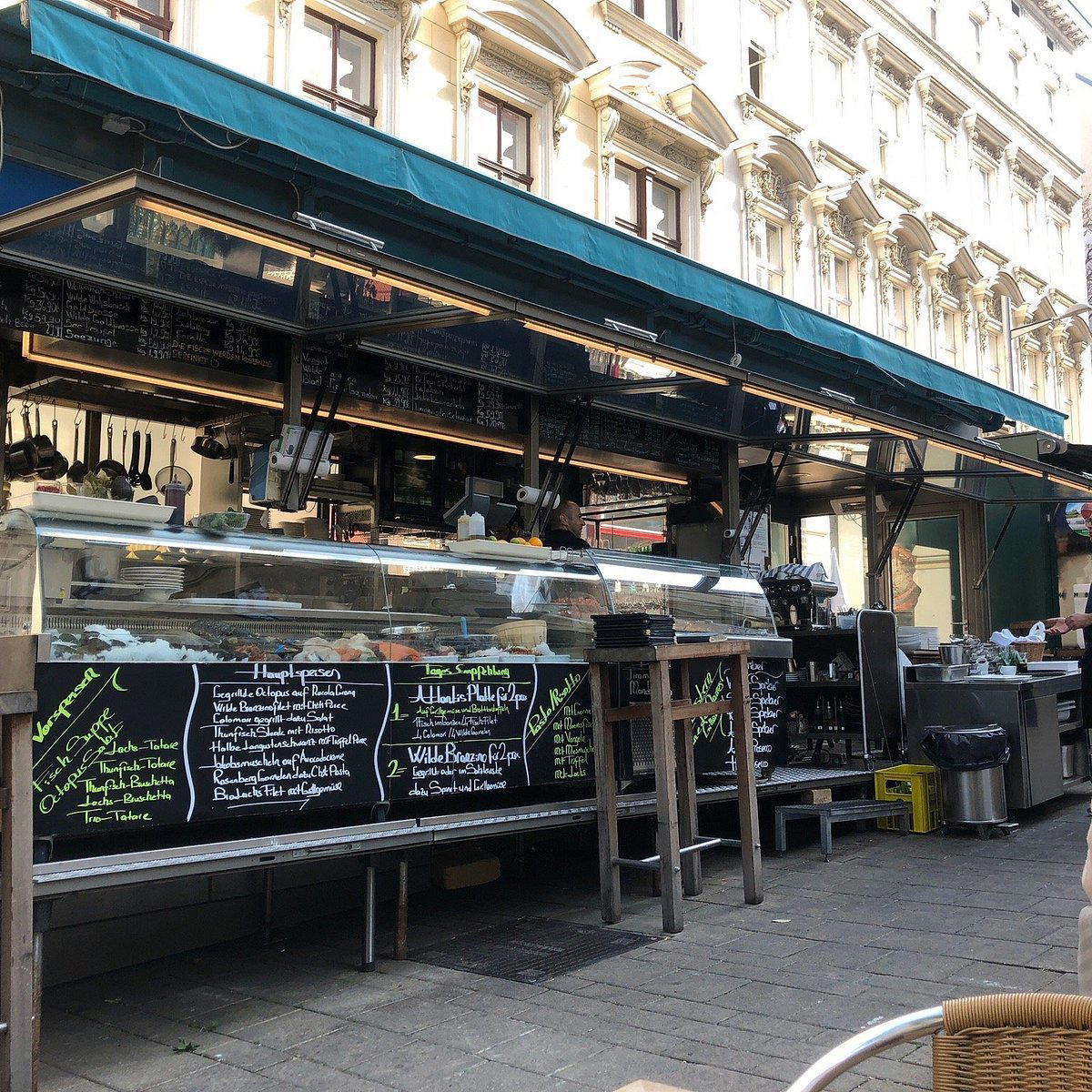
Market Stands and Dining Principles: Where Kutschkermarkt Fits in Vienna's Food Culture
Atlantis is a restaurant at Kutschkermarkt Stand 4A, Getrudplatz 3, 1180 Wien, Austria, serving fresh seafood Mediterranean cuisine at a price of about $25 per person. Vienna's relationship with its markets is longer and more complicated than the city's fine-dining reputation suggests. While venues like Steirereck im Stadtpark and Konstantin Filippou occupy the formal upper tier of Austrian cuisine, a separate tradition runs through the city's district markets: cooking that answers directly to what arrived that morning, priced and scaled for the neighbourhood rather than the expense account. Kutschkermarkt, in the 18th Bezirk (Währing), belongs to this second tradition. It is a working market with a loyal local catchment, and Atlantis, operating from Stand 4A at Getrudplatz 3, is embedded in that ecosystem rather than standing apart from it.
The address matters more than it might first appear. Market-stand dining in Vienna carries a specific set of expectations: the sourcing window is narrow, the menu shifts with supply, and the relationship between operator and supplier tends to be direct in a way that larger restaurant kitchens rarely achieve. That structure, whatever the precise format at Atlantis, places the venue within a sustainability conversation that Austrian dining has been having for some time, not as a marketing position, but as an operational fact of market life.
The Ethics of Proximity: Sourcing, Waste, and the Market Model
Across Austria's more thoughtful restaurant tier, the past decade has seen a shift toward sourcing transparency and waste reduction that goes beyond seasonal menus. Kitchens at Mraz & Sohn and Amador have built reputations partly on how carefully they use the whole product, not just the premium cuts or photogenic vegetables. Outside Vienna, operations like Döllerer in Golling an der Salzach and Landhaus Bacher in Mautern an der Donau have long anchored their menus to regional producers, treating proximity to source as a culinary value rather than a logistics convenience.
A market stand operates with an even tighter version of this logic. There is no cold-chain buffer, no central purchasing system averaging out seasonal variation. What is available at Kutschkermarkt on a given morning is, effectively, the menu. This imposes a discipline that formal restaurants approximate through intention but that market operators inherit by necessity. The environmental case for this model is not abstract: shorter supply chains reduce transport emissions, purchasing at market scale discourages over-ordering, and the public visibility of a stand encourages honesty about provenance in a way that a kitchen tucked behind a dining room does not.
For context on how this plays out at the ambitious end of Austrian dining, Kräuterreich by Vitus Winkler in Sankt Veit im Pongau has built an entire identity around herb cultivation and hyper-local sourcing, while Ois in Neufelden operates on a similarly compressed geographic sourcing radius. Atlantis, from its market stand, shares the underlying logic of these approaches even if the price point and format sit in a different register entirely.
The 18th District and What It Expects from Its Eating Places
Währing is not a tourist district. It is a residential area with a educated, local-facing population that tends to reward consistency and penalise pretension. Kutschkermarkt is its anchor food destination: a place for Saturday morning shopping, mid-week produce runs, and the kind of standing-up lunch that requires no reservation and charges no cover. The market draws from producers across Lower Austria and the broader Vienna Basin, and the stands that survive there do so by maintaining quality across seasons rather than staging a single impressive moment.
This is a different competitive set from Doubek or the formal tasting-menu houses. The relevant comparison is with other market operators and neighbourhood spots that have built repeat custom through transparency and value rather than through critical acclaim. That said, the market-stand model and the fine-dining model are not entirely separate conversations in Vienna: Taubenkobel in Schützen am Gebirge has demonstrated that a deeply regional, producer-first approach can attract serious critical attention, and internationally, places like Lazy Bear in San Francisco have shown that informal formats can carry ambitious culinary thinking. The market stand is not inherently a lesser format; it is a different one, with its own set of constraints and, when those constraints are handled well, its own integrity.
Planning Your Visit to Kutschkermarkt
Kutschkermarkt operates on market hours, which in Vienna typically means morning through early afternoon on weekdays and Saturday, with reduced or no activity on Sundays and public holidays. Stand 4A sits within the covered and open-air sections of the market at Getrudplatz 3 in the 18th district; the area is accessible by tram from the city centre (lines 40 and 41 serve Währing) with a journey time of roughly twenty minutes from the Ringstrasse.
Because Atlantis is a market-stand operation rather than a reservation-based restaurant, the appropriate planning approach is to arrive during market hours rather than to book ahead.
For those building a wider Austrian itinerary, the country's serious dining outside Vienna includes Obauer in Werfen, Gourmetrestaurant Tannenhof in Sankt Anton am Arlberg, Stüva in Ischgl, Schwarzer Adler in Hall in Tirol, and Restaurant 141 by Joachim Jaud in Mieming, all of which represent the regional, producer-rooted approach that Austrian cuisine has increasingly made its international identity. Atlantis and these venues share a country but operate in entirely different registers. Internationally, the shift toward sourcing-led, low-waste dining formats is visible at venues as different in scale and price as Le Bernardin in New York City, where fish sourcing has been a deliberate and documented part of the kitchen's identity for decades.
Price and Recognition
Comparable venues nearby, for context on price, style, and recognition.
| Venue | Cuisine | Price | Notes |
|---|---|---|---|
| AtlantisThis venue — the venue you are viewing | Wahring, Fresh Seafood Mediterranean | $$ | Not listed |
| Süsswasser | Not listed | $$ | Hofburg, Austrian Freshwater Fish & Seafood |
| Lieblingsfisch | Not listed | $$ | Praterstern Wien Nord, Fresh Seafood Deli & Bistro |
| Cervenka Fischgeschäft & Imbiss | Not listed | $ | Ottakring, Traditional Austrian Fish Imbiss |
| Fischrestaurant Kaj | Praterstern Wien Nord, Croatian Seafood | $$$ | Not listed |
| Kornat | Stephansdom, Croatian-Dalmatian Seafood | $$$ | Not listed |
Continue exploring
More in Vienna
Restaurants in Vienna
Browse all →
Bars in Vienna
Browse all →

Hotels in Vienna
Browse all →


At a Glance
- Lively
- Cozy
- Family
- Terrace
- Sustainable Seafood
Current opening hours
- Monday
- 9 AM–10 PM
- Tuesday
- 9 AM–10 PM
- Wednesday
- 9 AM–10 PM
- Thursday
- 9 AM–10 PM
- Friday
- 11 AM–10 PM
- Saturday
- 9 AM–10 PM
- Sunday
- 11 AM–10 PM
Hours can change for holidays and private events. Last verified .
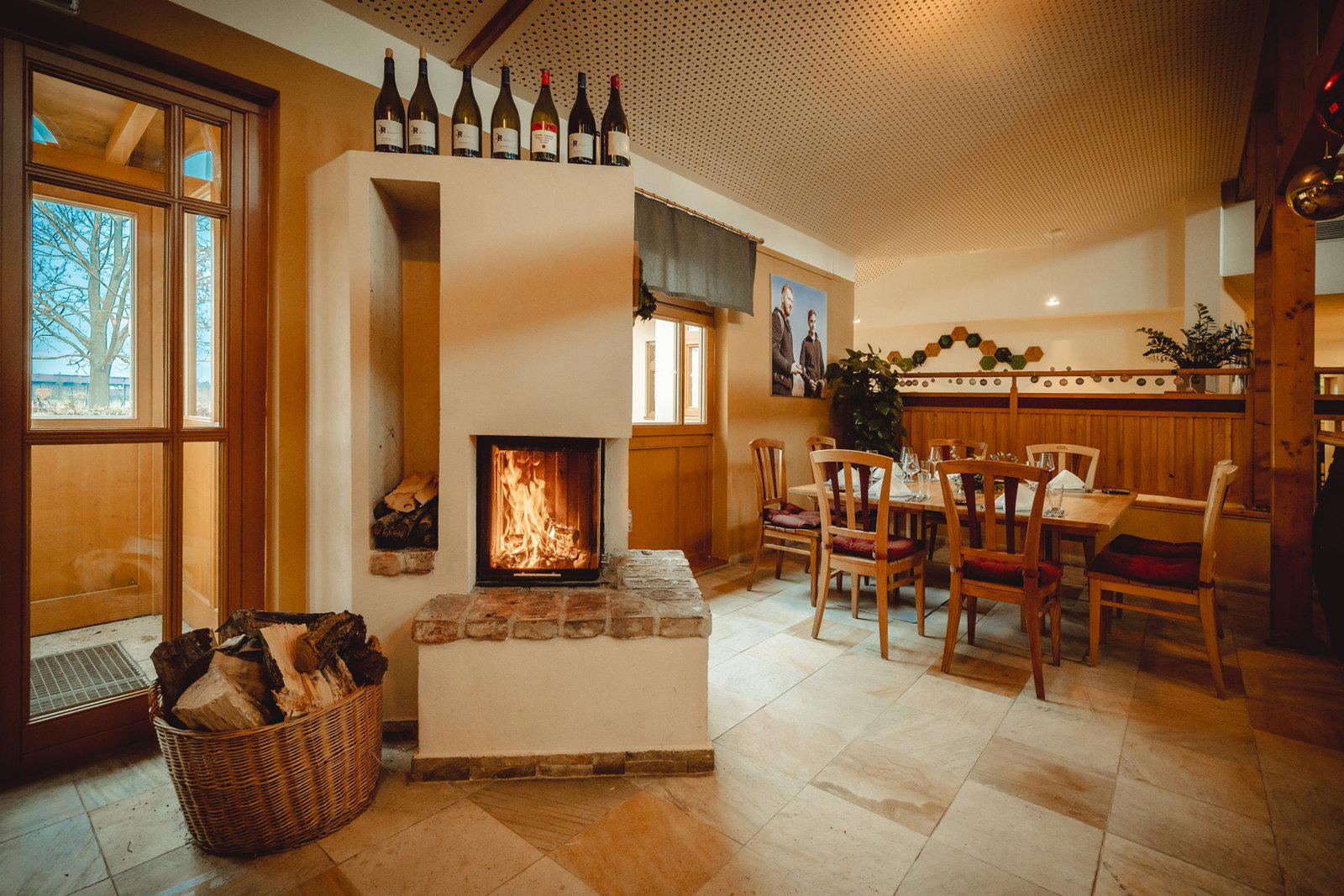
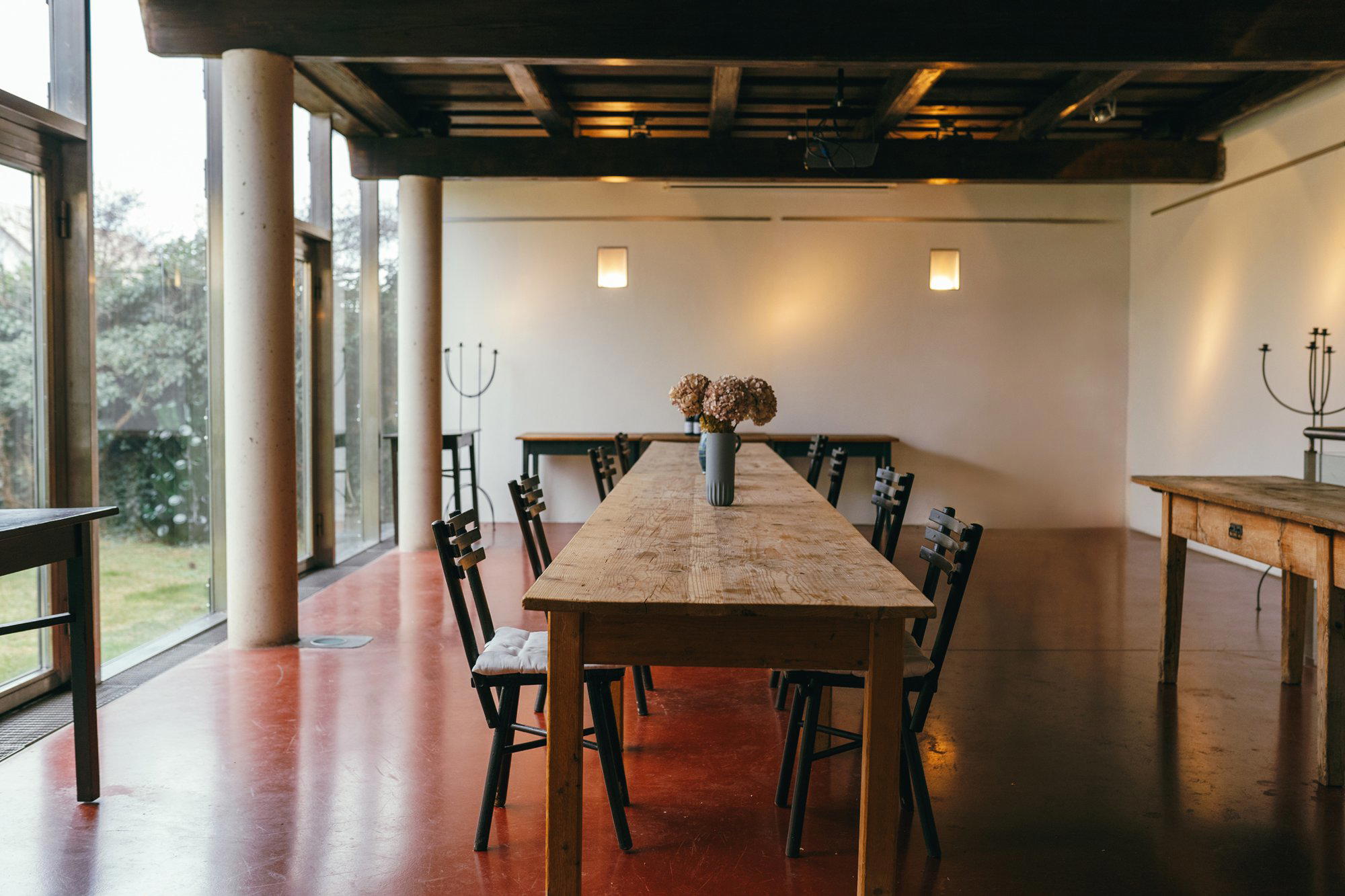
Beautiful ambience with lively market atmosphere and cosy pub garden.