A fish-focused address in Vienna's second district, Fischrestaurant Kaj at Fugbachgasse 9 sits within one of the city's most culturally layered neighbourhoods. The Leopoldstadt setting places it alongside a growing constellation of serious independent restaurants that have reshaped Vienna's dining geography over the past decade. For visitors oriented around seafood and freshwater fish in a city better known for its meat-heavy Bürgerküche, it occupies a specific and considered niche.
Pearl is the En Primeur Club membership app — saves, bookings, and concierge access live there. Same editors, same standards.
- Address
- Fugbachgasse 9, 1020 Wien, Austria
- Phone
- +434312166495
- Website
- fischrestaurant-kaj.at
- Directions
- Get directions
 Saves & bookings on Pearl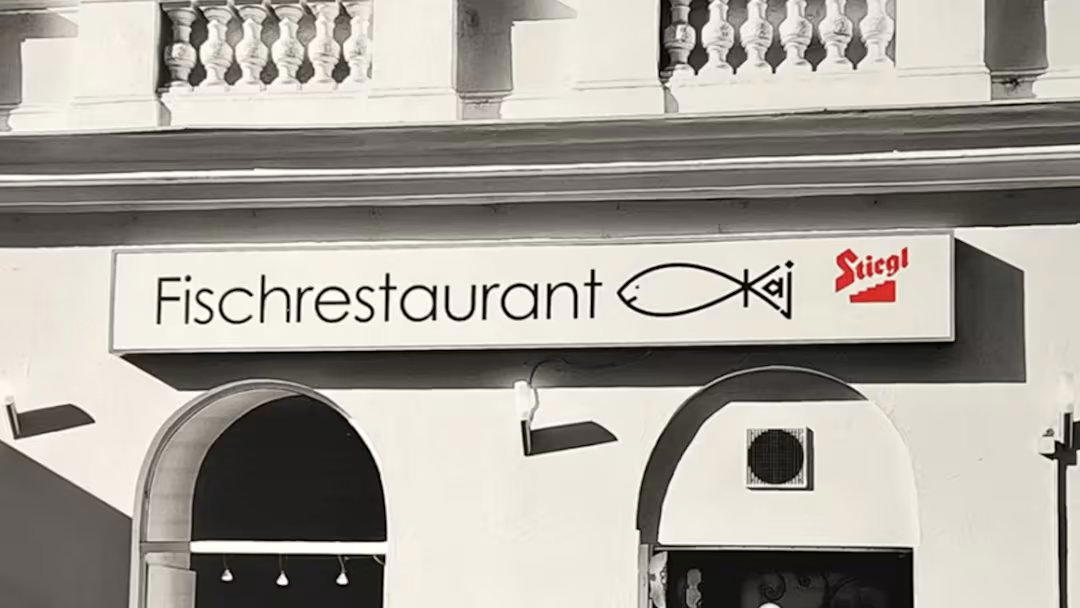
Vienna's Quiet Commitment to Fish
Landlocked capitals rarely develop strong fish cultures without deliberate effort. Vienna is the exception that proves the rule: the city sits at the confluence of centuries-old trade routes along the Danube, and its culinary history has always included freshwater fish, particularly carp, pike, and zander, as fixtures of the bourgeois table. The Beisl tradition may be defined by Tafelspitz and Wiener Schnitzel in the popular imagination, but fish has held a parallel place in Viennese dining since the Habsburg court kept dedicated fishponds and brought live carp to market through the winter months. Fischrestaurant Kaj, at Fugbachgasse 9 in the second district, sits within that longer tradition.
The Second District as a Dining Address
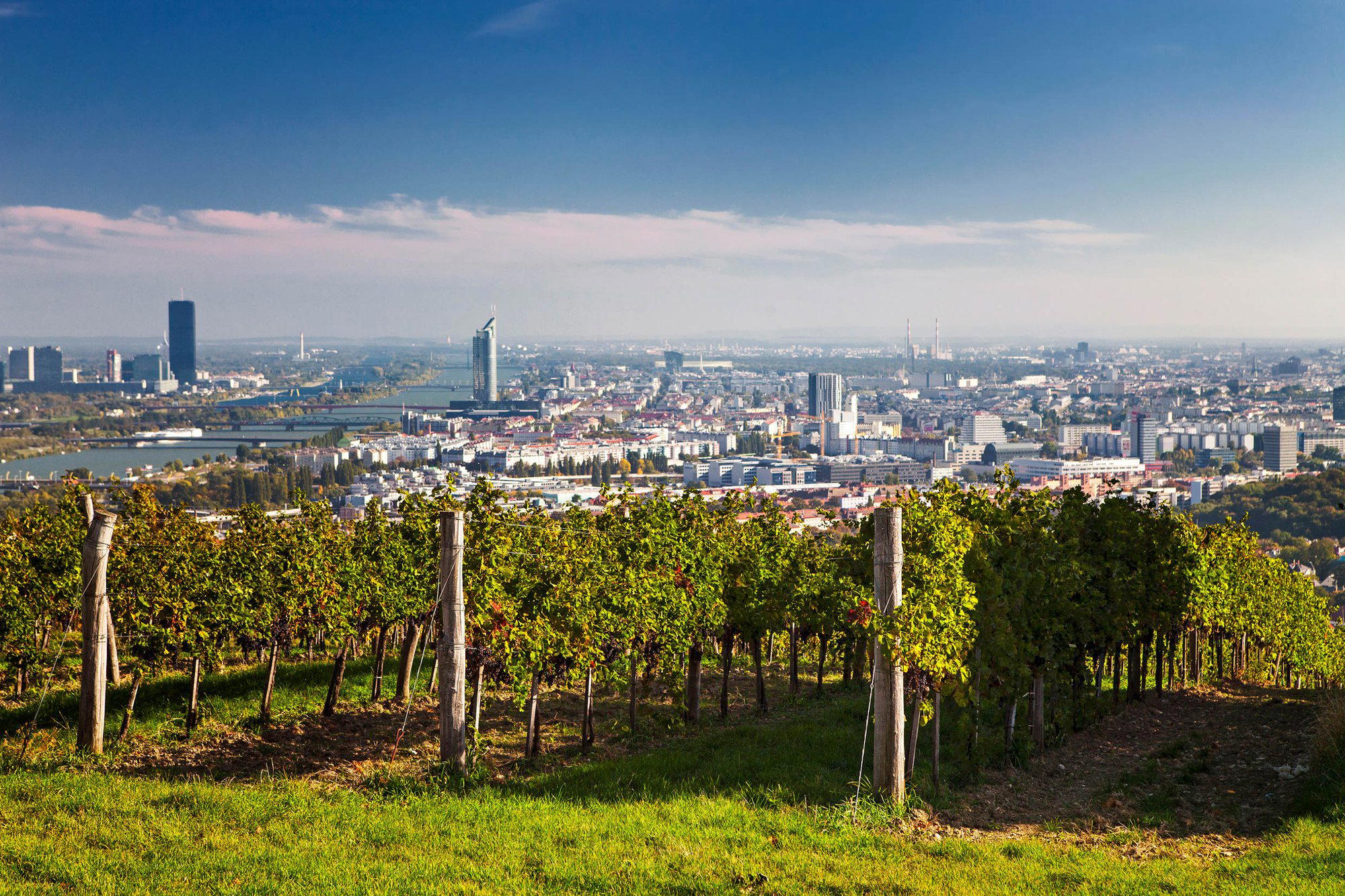
Leopoldstadt, Vienna's second district, has undergone a sustained shift in its restaurant character over the past decade. Long associated with the Prater and the Naschmarkt's eastern edge, the neighbourhood now holds a more varied and independently minded dining scene than the first or fourth districts, where tourist density and high rents tend to constrain ambition. The street-level premise on Fugbachgasse places Fischrestaurant Kaj within a residential texture that suits a fish-specialist format: this is not a venue designed for passing foot traffic but for guests who seek it out. That dynamic, common to the better independent restaurants across European mid-city neighbourhoods, tends to correlate with focused menus and a regular clientele rather than broad generalist programming.
Vienna's dining geography is worth mapping clearly for anyone arriving with serious culinary intentions. The first district holds several of the city's highest-profile addresses, including Konstantin Filippou, which operates in the modern European register at the summit of the market. The Stadtpark corridor is anchored by Steirereck im Stadtpark, the city's most discussed creative restaurant. The second district's contribution is different in character: more neighbourhood-scaled, with a different economic relationship to the city's premium tier. Doubek and, in a different register, Amador demonstrate that the city's serious independent restaurants distribute themselves across multiple districts rather than clustering in a single hospitality zone.
Fish Cuisine in Central Europe: The Broader Frame
The cultural context for a Viennese fish restaurant reaches further than the Danube. Austria's geography gives it access to alpine lakes producing char and trout, river systems carrying pike-perch and grayling, and proximity to Adriatic supply chains that have historically fed the country's coastal-influenced cooking, a legacy of the empire's Adriatic territories. That supply diversity means a serious fish kitchen in Vienna operates with raw material variety that coastal cities sometimes underestimate. The question for any fish specialist in this context is which of those traditions it draws on: the freshwater-focused Bürgerküche lineage, the more technique-intensive Austrian fine dining approach seen at places like Mraz & Sohn, or a more Mediterranean-inflected reading of the same ingredients.
Beyond Vienna, Austria's fish cooking appears in concentrated form at a handful of regional destinations. Landhaus Bacher in Mautern an der Donau has long incorporated Wachau-region fish into a menu that sits at the more formal end of Austrian country cooking. Obauer in Werfen and Döllerer in Golling an der Salzach both operate in the alpine register where freshwater fish appears alongside game. In that national context, a Vienna-based fish specialist occupies a relatively specific position: urban access without alpine sourcing proximity, but with the compensation of direct supply routes and a cosmopolitan customer base.
Globally, the fish-specialist restaurant format has evolved considerably. Le Bernardin in New York City established the benchmark for technique-driven seafood at the fine dining tier; in San Francisco, Lazy Bear represents a different genre where provenance and narrative framing carry equal weight to execution. Vienna's fish restaurants operate in a less codified market, where the specialist format itself remains a distinguishing factor rather than a crowded category.
What the Address Suggests
Particularly honest assessment is contextual. A fish restaurant at this address in the second district positions itself in a neighbourhood where independent restaurants have historically operated with lower overheads and greater menu focus than their first-district counterparts. The Leopoldstadt setting also connects the restaurant to Vienna's Jewish culinary heritage, in which carp and freshwater fish played a central role in the observant kitchen, particularly around the high holidays. Whether that history is explicit or implicit in the restaurant's approach, the neighbourhood carries that association.
For comparison, the premium Austrian restaurant tier currently occupied by Mraz & Sohn, Amador, and Steirereck price at the €€€€ bracket. A fish specialist in the second district is unlikely to position at that level, which would place it in a more accessible tier, competing on focus and ingredient quality rather than on formal prestige. That is, in several European cities, the more interesting competitive position: restaurants that win on specificity rather than spectacle. For the broader Austrian context, including alpine and regional options, our full Vienna restaurants guide maps the city's dining spread in more detail, alongside regional references such as Taubenkobel in Schützen am Gebirge and Restaurant 141 by Joachim Jaud in Mieming.
Planning Your Visit
Address: Fugbachgasse 9, 1020 Wien, in Vienna's second district (Leopoldstadt). Reservations are essential. Open Tue to Sun from 6 to 11 PM; closed Mon. Regional context: Visitors spending time beyond Vienna should note Ois in Neufelden, Kräuterreich by Vitus Winkler in Sankt Veit im Pongau, Gourmetrestaurant Tannenhof in Sankt Anton am Arlberg, and Stüva in Ischgl for serious dining outside the capital, and Schwarzer Adler in Hall in Tirol for a Tyrolean reference point.
What It’s Closest To
Comparable venues nearby, for context on price, style, and recognition.
| Venue | Cuisine | Price | Notes |
|---|---|---|---|
| Fischrestaurant KajThis venue — the venue you are viewing | Croatian Seafood | $$$ | Not listed |
| Kornat | Croatian-Dalmatian Seafood | $$$ | Stephansdom |
| Lubin | Traditional Croatian Seafood | $$$ | Wien-Mitte |
| Fischrestaurant Luka's & Co | Croatian-Mediterranean Seafood | $$$ | Prater |
| Süsswasser | Austrian Freshwater Fish & Seafood | $$ | Hofburg |
| Das Bootshaus | Seafood Riverside | $$$ | Kaisermuehlen |
Continue exploring
More in Vienna
Restaurants in Vienna
Browse all →
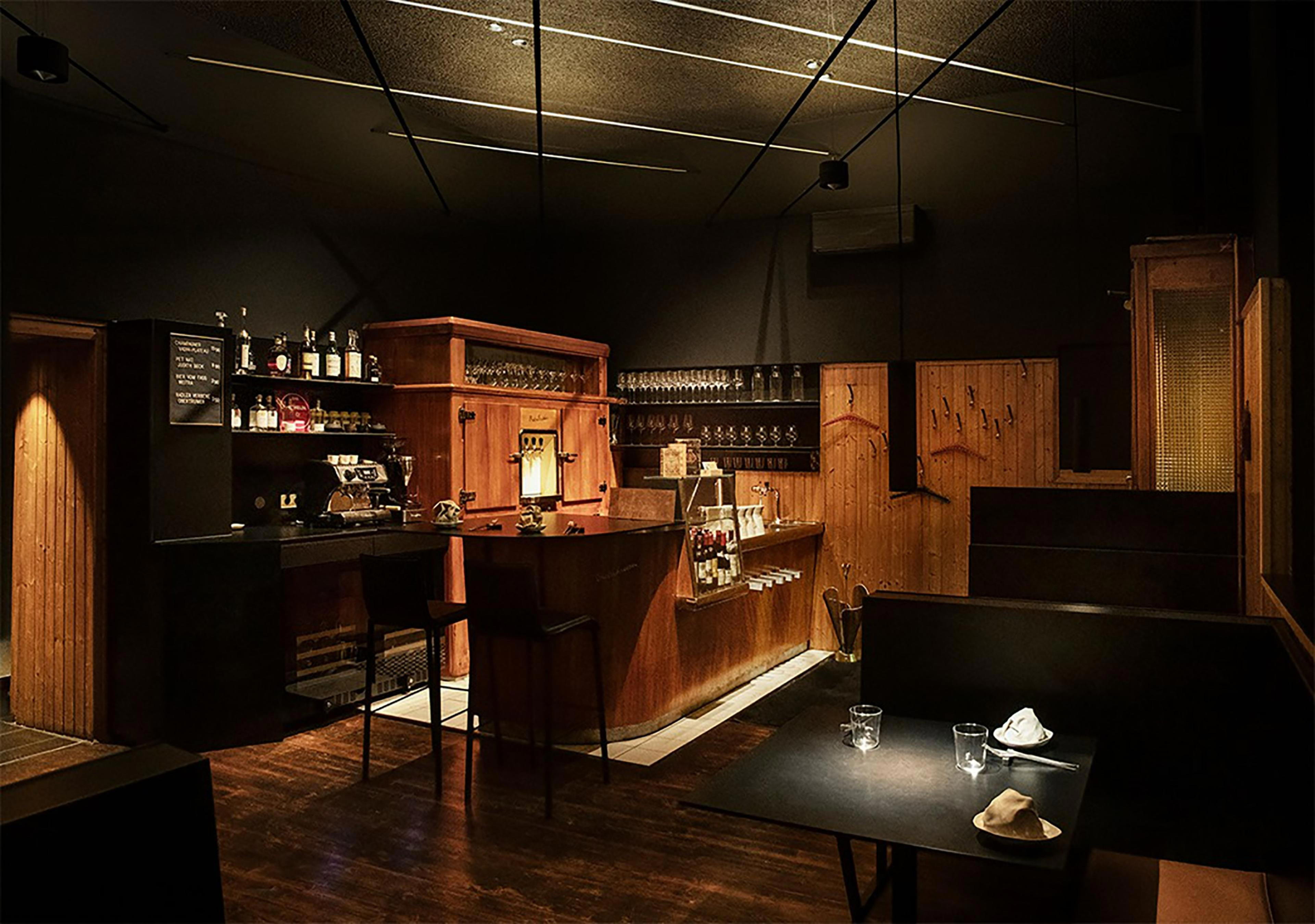
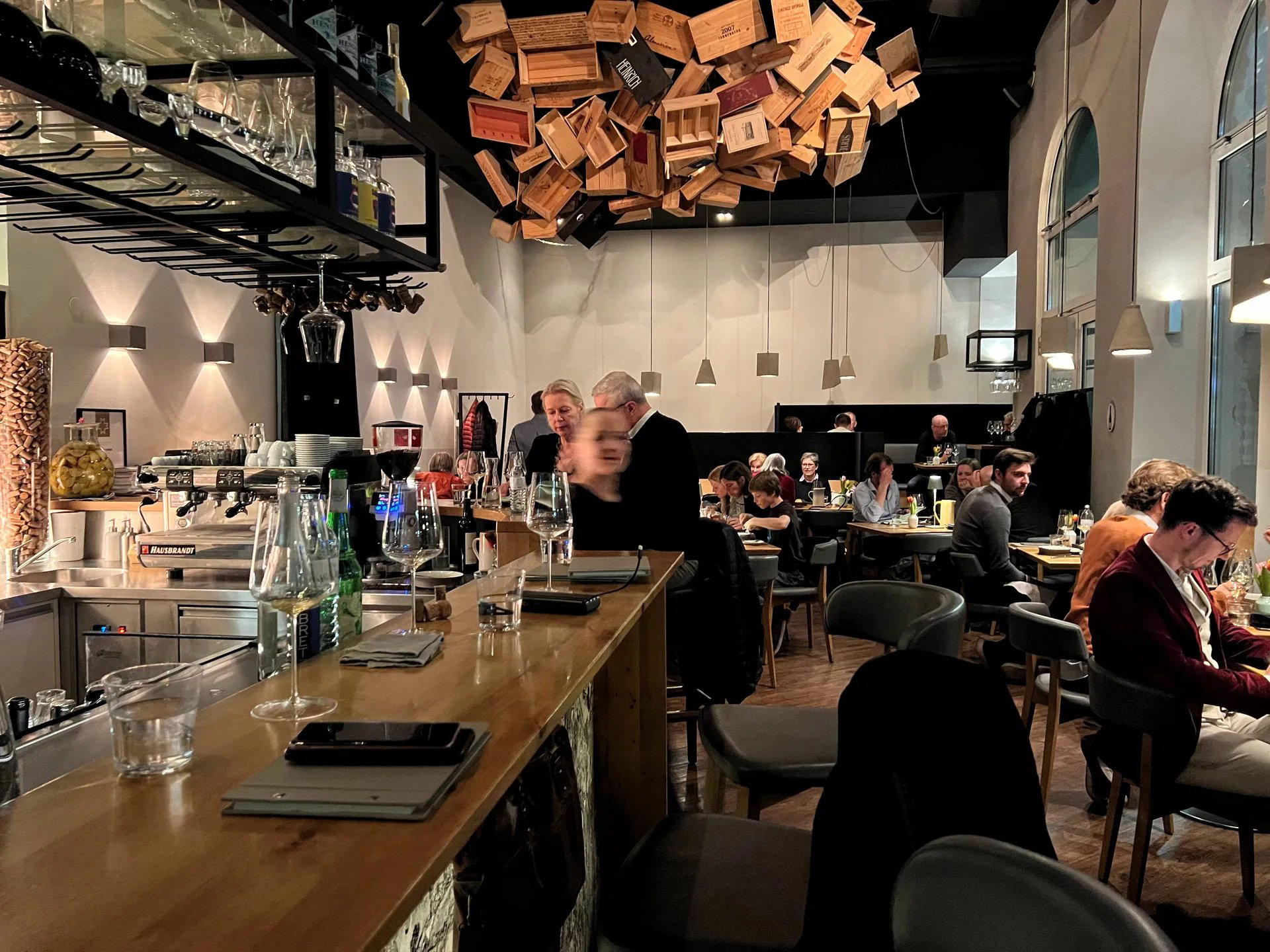
Bars in Vienna
Browse all →
Hotels in Vienna
Browse all →
At a Glance
- Cozy
- Classic
- Intimate
- Date Night
- Special Occasion
- Standalone
- Extensive Wine List
- Sustainable Seafood
Current opening hours
- Monday
- Closed
- Tuesday
- 6–11 PM
- Wednesday
- 6–11 PM
- Thursday
- 6–11 PM
- Friday
- 6–11 PM
- Saturday
- 6–11 PM
- Sunday
- Closed
Hours can change for holidays and private events. Last verified .
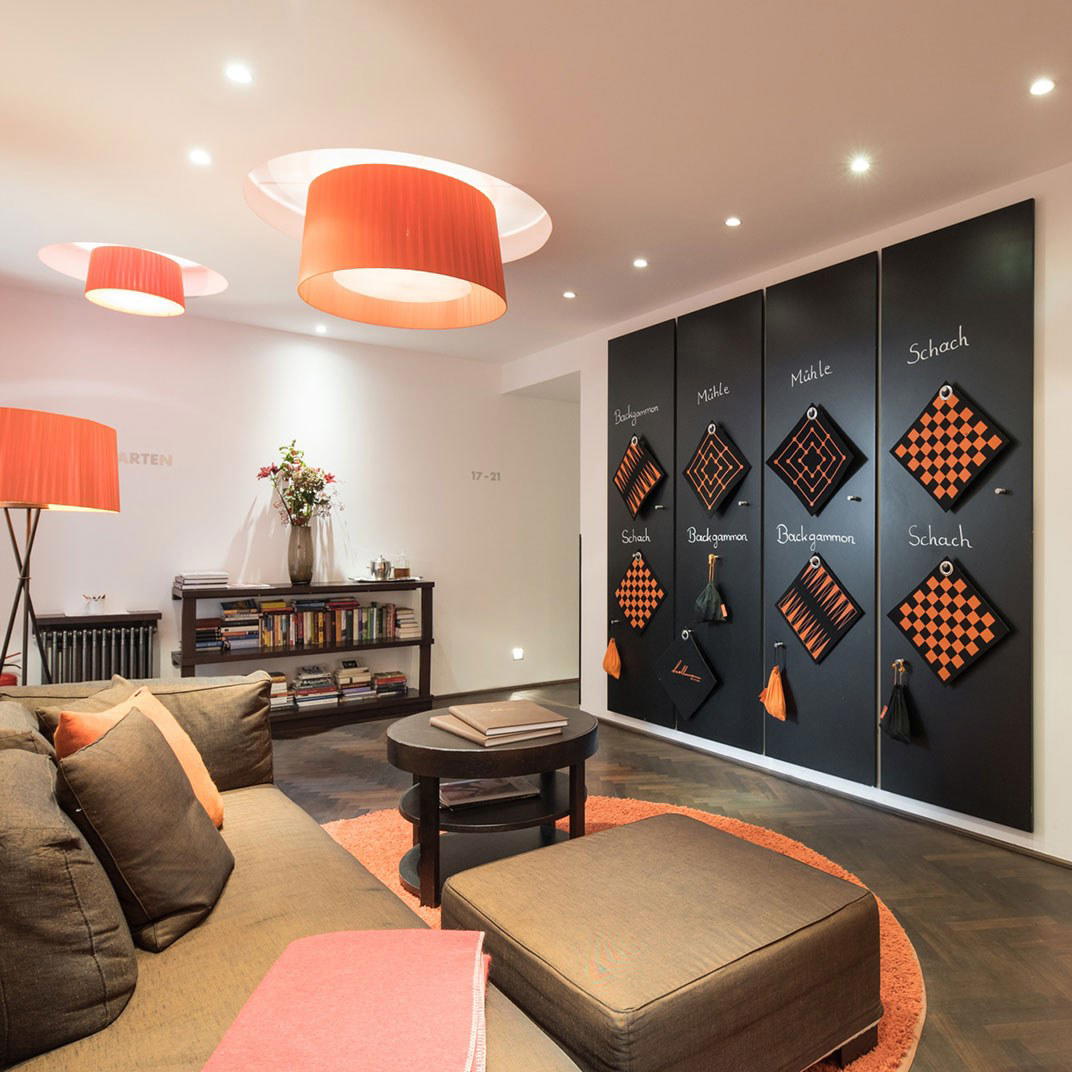
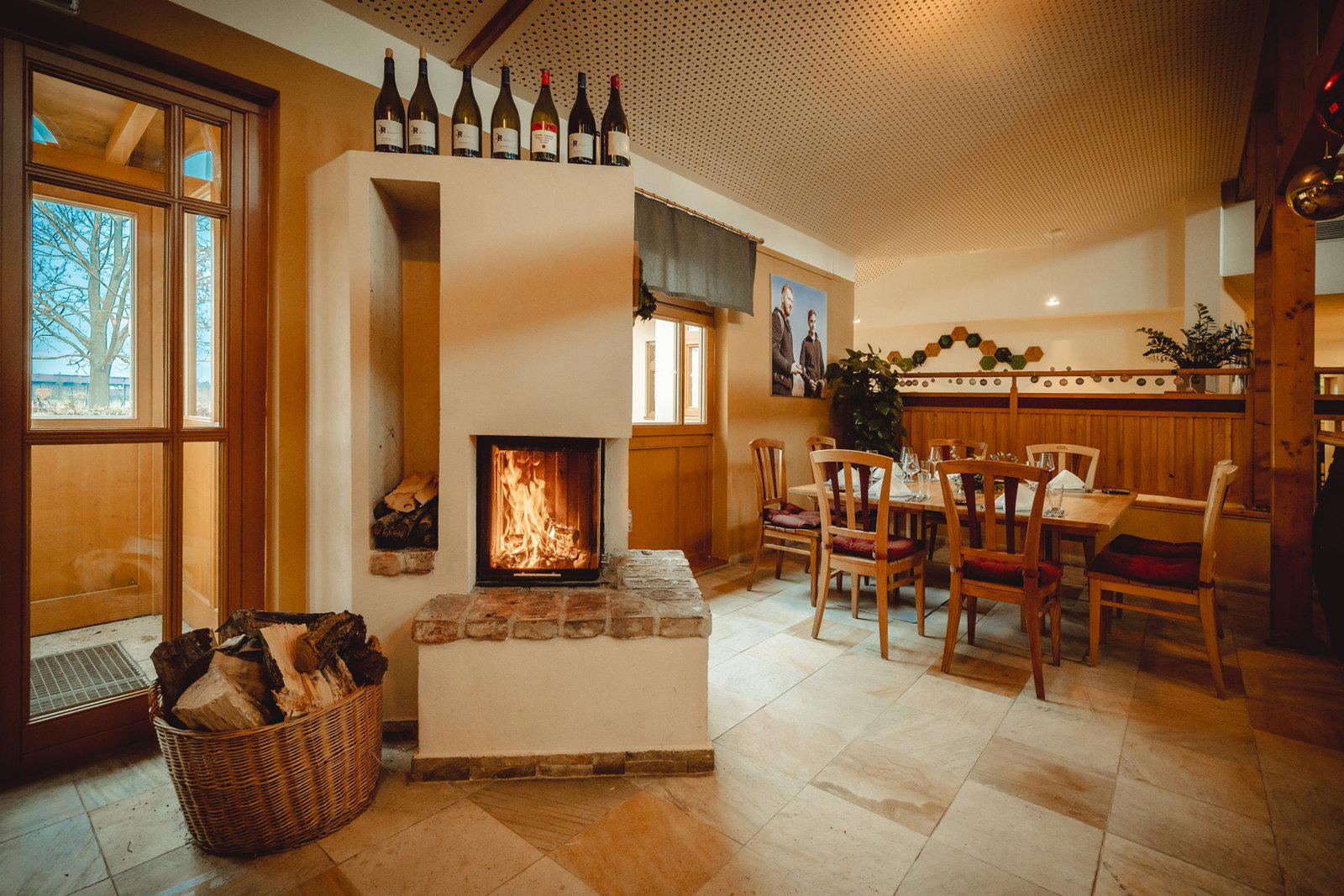
Warm, comfortable, and charming old Viennese eatery atmosphere.