
Tabelog 100 #39
Our verdict
Kyoto’s dessert counter culture has become a serious dining category, and ASSEMBLAGES KAKIMOTO sits in the small-format end of it: cake, chocolate, creative pastry, wine, and counter service rather than casual tea-room grazing. Its repeated Tabelog Sweets 100 selections make it a useful marker for travellers comparing Kyoto sweets with the city’s more familiar kaiseki and sushi reservations.

Pearl is the En Primeur Club membership app — saves, bookings, and concierge access live there. Same editors, same standards.
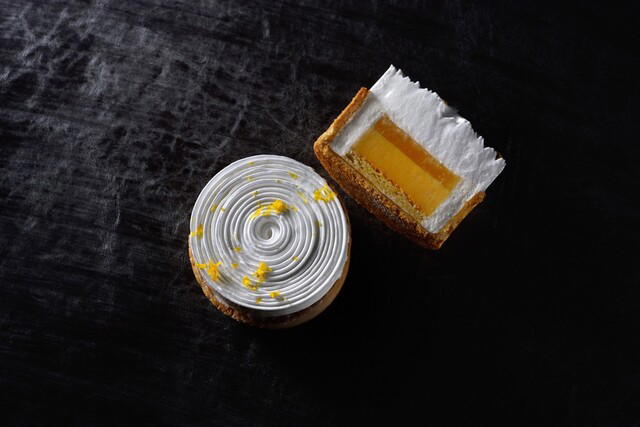
The menu
What to order
- Dinner course by patissier Kakimoto
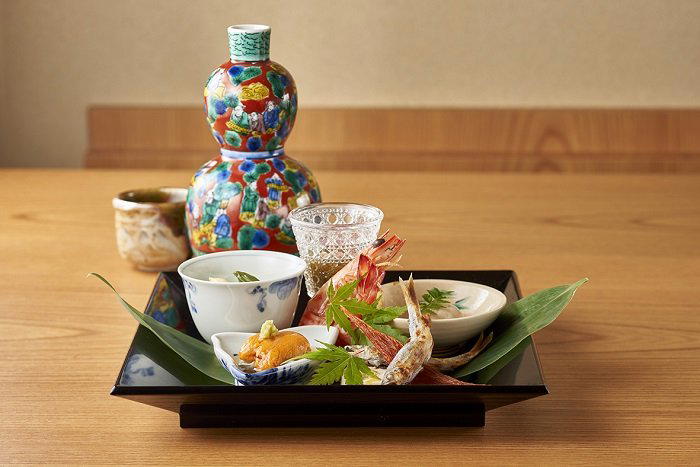
- Chocolate-focused plated desserts
- Seasonal fruit and chocolate assemblages
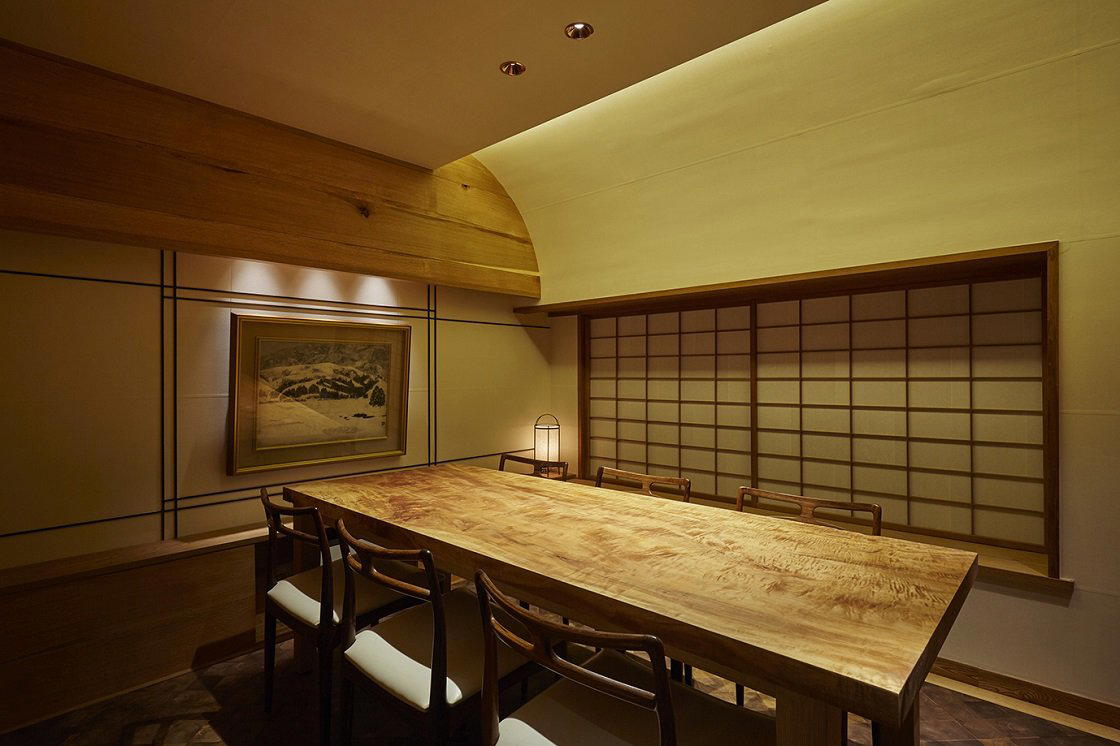
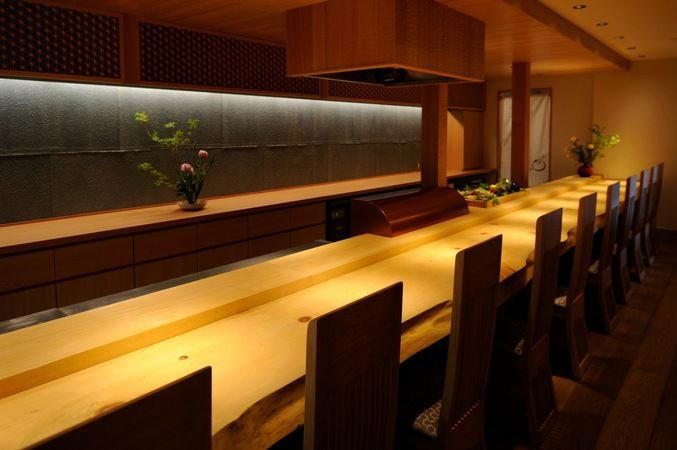
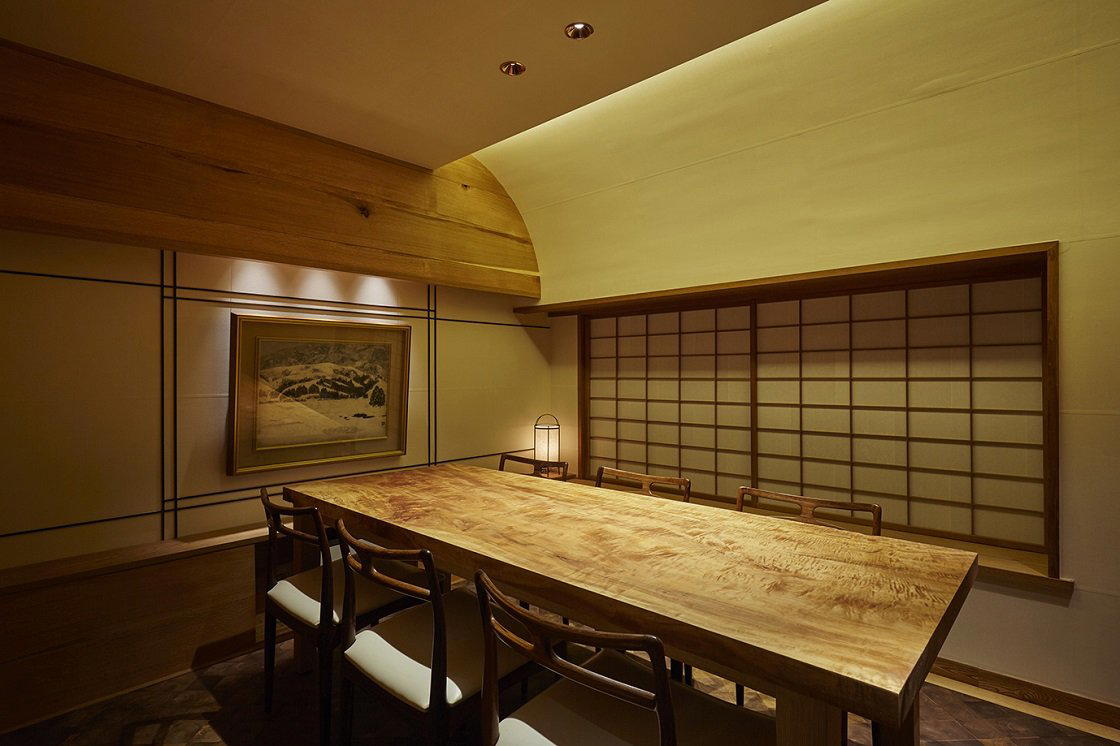
The room tells you what kind of Kyoto sweet shop this is before the first order is placed: counter seating, close range, and a format that treats pastry less as a takeaway errand than as a seated tasting. Kyoto has long had a serious sweets culture, from wagashi served with tea to French-influenced patisserie clustered around central shopping streets, but the newer counter-dessert tier asks for a different kind of attention. It is slower, more deliberate, and closer to a restaurant than a cake case.
ASSEMBLAGES KAKIMOTO belongs to that category. The listing is under cake, chocolate, and creative sweets, yet the presence of wine and a counter-only room shifts the expectation away from a casual afternoon stop. Regulars return for that combination: pastry technique with enough structure to justify sitting down, and a format intimate enough that repeat visits feel shaped by rhythm rather than novelty. In a city where many travellers plan around temples by day and kaiseki by night, this is the kind of address that explains why Kyoto’s sweets scene deserves its own slot on an itinerary.
Kyoto pastry, treated with restaurant discipline
The city’s dessert culture is not a side note to its dining culture. Kyoto has the formal wagashi tradition, department-store confectionery, French patisserie, chocolate specialists, and café formats that blur into light meals. The counter-dessert model occupies a narrower lane: it borrows the focus of an omakase counter without pretending to be sushi or kaiseki. That distinction matters. The pleasure is not only in sugar work or cocoa, but in pacing, portion, drink pairing, and the way a small room changes the tempo of a sweet course.
Recognition helps separate serious dessert counters from photogenic café traffic. ASSEMBLAGES KAKIMOTO was selected for Tabelog Sweets WEST “Tabelog 100” in 2023, with earlier selections listed across 2017, 2018, 2019, 2020, and 2022. That continuity is more persuasive than a single-year appearance because sweets rankings can swing with trend cycles. Repeated selection suggests that local demand has held beyond opening curiosity and social-media lift.
The format also changes the comparison set. This is not competing with Kyoto’s casual snack culture, nor with a quick pork bun stop such as 551蓬莱. It sits closer to the city’s specialist dining rooms, where a narrow category is handled with intent. A traveller mapping one serious Kyoto day might put it in conversation with restaurant-led addresses such as 3TOKU6MI Shijo karasuma ten, [ki:], or Abbesses, not because they serve the same food, but because they reward planning around a defined point of view.
Why regulars come back to a counter, not a cake case
Regular clientele in Kyoto often forms around repeatable rituals: the same seasonal confection before tea, the same counter seat for sushi, the same small bar after dinner. Dessert counters work when they create that habit without becoming static. The draw is not a single named item; it is the expectation that cake, chocolate, and composed sweets will be handled with enough precision to merit another visit. The unwritten menu, in this context, is trust in the category rather than loyalty to one dish.
That is where the wine detail becomes important. Dessert with wine is a different proposition from dessert with coffee, and Kyoto has enough serious dining traffic to support that distinction. Pairing sweets with wine pushes texture, bitterness, acidity, and sweetness into a restaurant register. It also attracts guests who might otherwise end a meal elsewhere, then use a specialist counter as a second act rather than a substitute dinner.
Kyoto’s central dining geography helps. Nakagyo-ku sits between the tourist-heavy east and the commercial spine around Karasuma and Kawaramachi, which makes specialist stops easier to fold into a day without turning the schedule into a commute. For travellers building a wider food map, Our full Kyoto restaurants guide gives the broader restaurant context, while Our full Kyoto bars guide is useful for seeing how the city handles after-dinner drinking. For a stay built around access rather than scenery alone, Our full Kyoto hotels guide helps frame which neighbourhoods make this kind of scheduling easier.
How to place it in a Kyoto food day
The smartest way to read ASSEMBLAGES KAKIMOTO is as a specialist chapter in Kyoto dining, not as a sweet add-on after every other decision has been made. If the day is built around traditional confections, pair it mentally with long-running snack culture such as Aburi Mochi Honke Nemoto Kazariya. If the day is built around contemporary restaurants, treat it as a compact, dessert-led counter experience that can hold its own against more savoury reservations.
Comparison within Kyoto should stay category-aware. Sushi and Japanese restaurants such as 寿司 深川龍丈, Totoyoshi, Tagawa, Mita, and Sokkon Fujimoto operate in different traditions, but they show the city’s appetite for focused rooms where format is part of the value. Dessert counters belong to that same Kyoto logic: small capacity, narrow specialization, and a clientele that understands why a limited format can be more compelling than a broad one.
For travellers extending the trip beyond Kyoto, the useful comparison is not cuisine but specificity. Japan rewards focused addresses, from.cafe in Osaka to.know in Kumamoto, (Shoku) Vietnam in Kawasaki, [Curry Senmon Ten] Maruyama Kyoju. in Sapporo. 鮪と炭火焼き うお炭 秋葉原店 in Tokyo, and -Grilled beef Sukiyaki- KAMAKURA TANUKIAN 鎌倉 たぬき庵 in Kamakura. The same principle applies abroad at tightly defined Japanese-leaning addresses such as Jōdo Saké Bar in Los Angeles and Onigiri Time in Pasadena: the narrower the promise, the more the details matter.
Kyoto’s food culture is also inseparable from what surrounds the table. A visitor planning around sweets may want tea, craft, temple routes, or sake context around the meal; Our full Kyoto experiences guide and Our full Kyoto wineries guide help fill those gaps without treating dessert as an isolated errand. The verdict is simple: this is a repeat-visit address for travellers who understand that Kyoto’s serious dining vocabulary includes sugar, cocoa, wine, and silence at a counter.
Frequently asked questions
How do I find ASSEMBLAGES KAKIMOTO?
ASSEMBLAGES KAKIMOTO is located in Kyoto.
Is ASSEMBLAGES KAKIMOTO expensive?
Pricing at ASSEMBLAGES KAKIMOTO is listed as JPY 15,000 - JPY 19,999 JPY 2,000 - JPY 2,999.
Do they take walk-ins at ASSEMBLAGES KAKIMOTO?
Reservations are unavailable, and the venue operates with 10 counter seats only at 京都府京都市中京区竹屋町通寺町西入ル松本町587-5. Its posted hours run from 12:00 on Mon, Thu to Sun, with Tuesday and Wednesday closed.
What's the standout thing about ASSEMBLAGES KAKIMOTO?
The clearest marker is its Tabelog Sweets WEST 100 selection for 2023, backed by repeat appearances in earlier years. Add the 10-seat counter and the cake, chocolate, creative focus, and it reads as a serious Kyoto sweets stop rather than a casual café.
A Credentials Check
Comparable venues to anchor price and recognition.
| Venue | Cuisine | Price | Awards | Notes |
|---|---|---|---|---|
| ASSEMBLAGES KAKIMOTOThis venue (the venue you are viewing) | Innovative Dessert-Forward French–Japanese Fusion | $100–150 | Tabelog 100 #39 | Not listed |
| Gion 245 | Japanese-Italian Fine Dining in a Gion Townhouse | $100–150 | Tabelog 100 #30 | Higashiyama |
| こぴゑ | Modern Japanese Izakaya with Italian Fusion | $50–100 | Michelin Plate | Shimogyo Ward, Inokuma-dori area (near Gojo/Shijo-Omiya) |
| Yakiniku Yamachan | Premium Wagyu Yakiniku with Japanese Fusion | $100–150 | Tabelog 100 #17 | Nakagyo-ku |
| Bar K6 | Cocktail & whisky bar | $30–50 | Tabelog 100 #39 | Nakagyō |
| Chez Moi | French Fine Dining | $50–100 | Tabelog 100 #11 | Nakagyō |
Recognition history
Dated appearances from independent guides and award organizations, with the underlying list record or original source where available.
Tabelog 100 #39 · No. 39
Tabelog · Tabelog 100 - Sweets - WEST - 2023
Continue exploring
More in Kyoto
Restaurants in Kyoto
All restaurants in Kyoto →
Bars in Kyoto
All bars in Kyoto →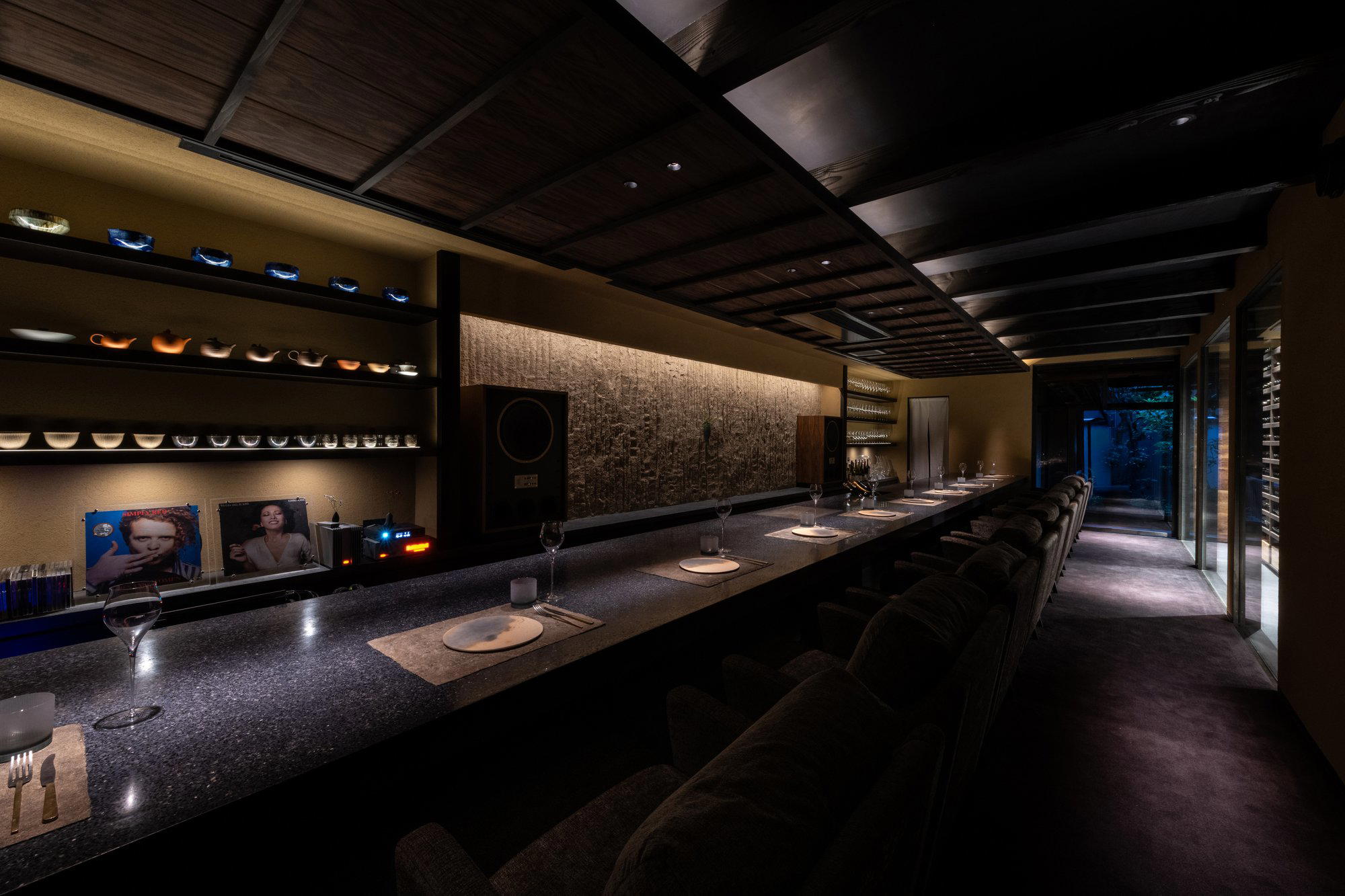
Hotels in Kyoto
All hotels in Kyoto →
Wineries in Kyoto
Browse all →
ASSEMBLAGES KAKIMOTO
The wine
- Wine program
- Curated wine list
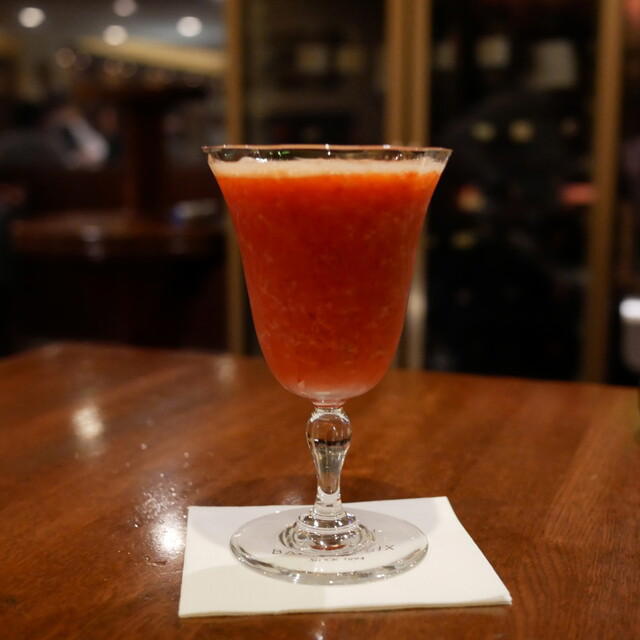
- Craft cocktails
Details
- Elegant
- Intimate
- Sophisticated
- Modern
- Whimsical
- Date Night
- Special Occasion
- Celebration
- Solo
- Chefs Counter
- Design Destination
- Historic Building
- Standalone
- Craft Cocktails
- Tasting Menu
- Prix Fixe
- Counter Dining
- Set Menu
- Wine
- Cocktails
- Tea
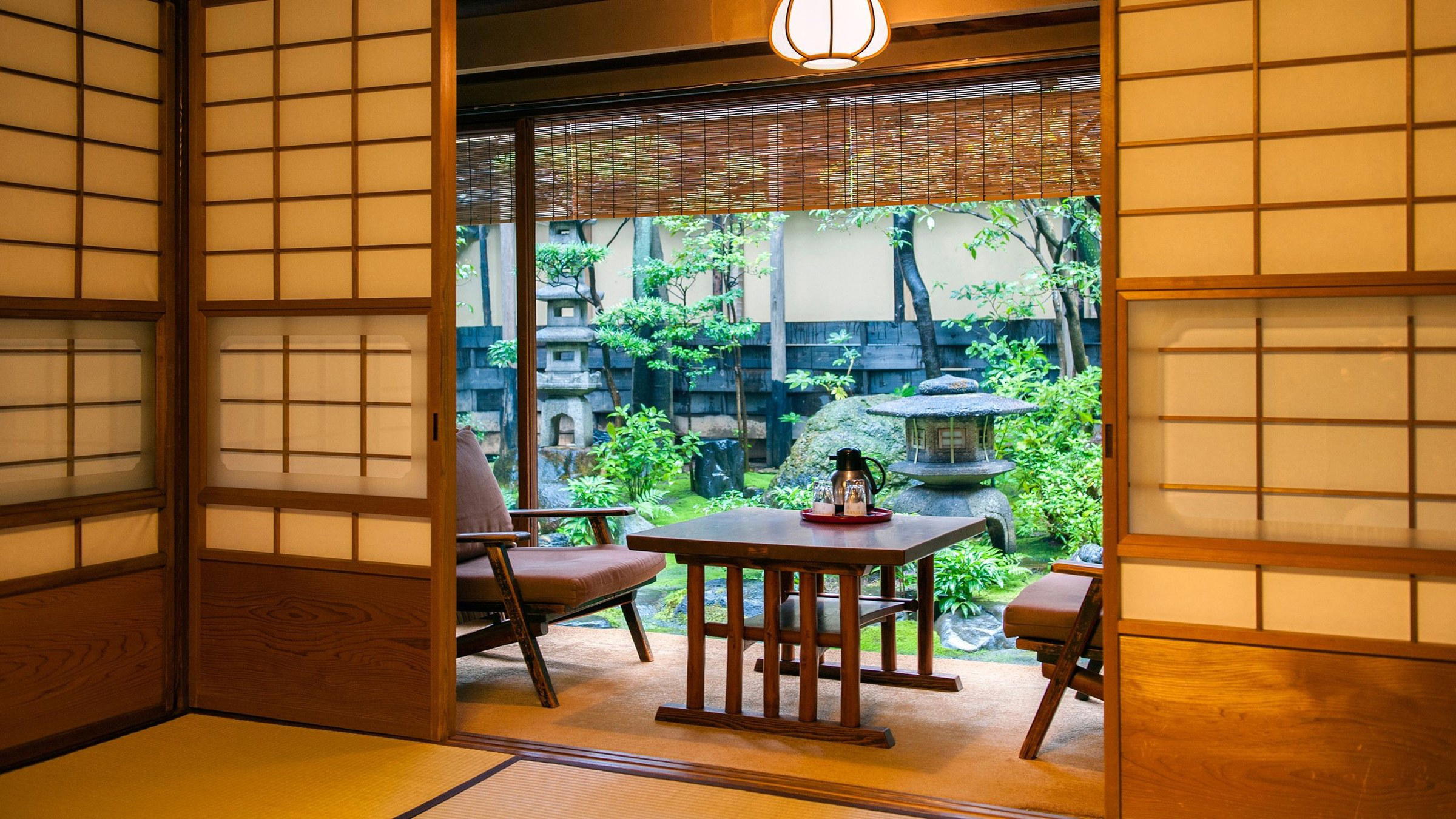
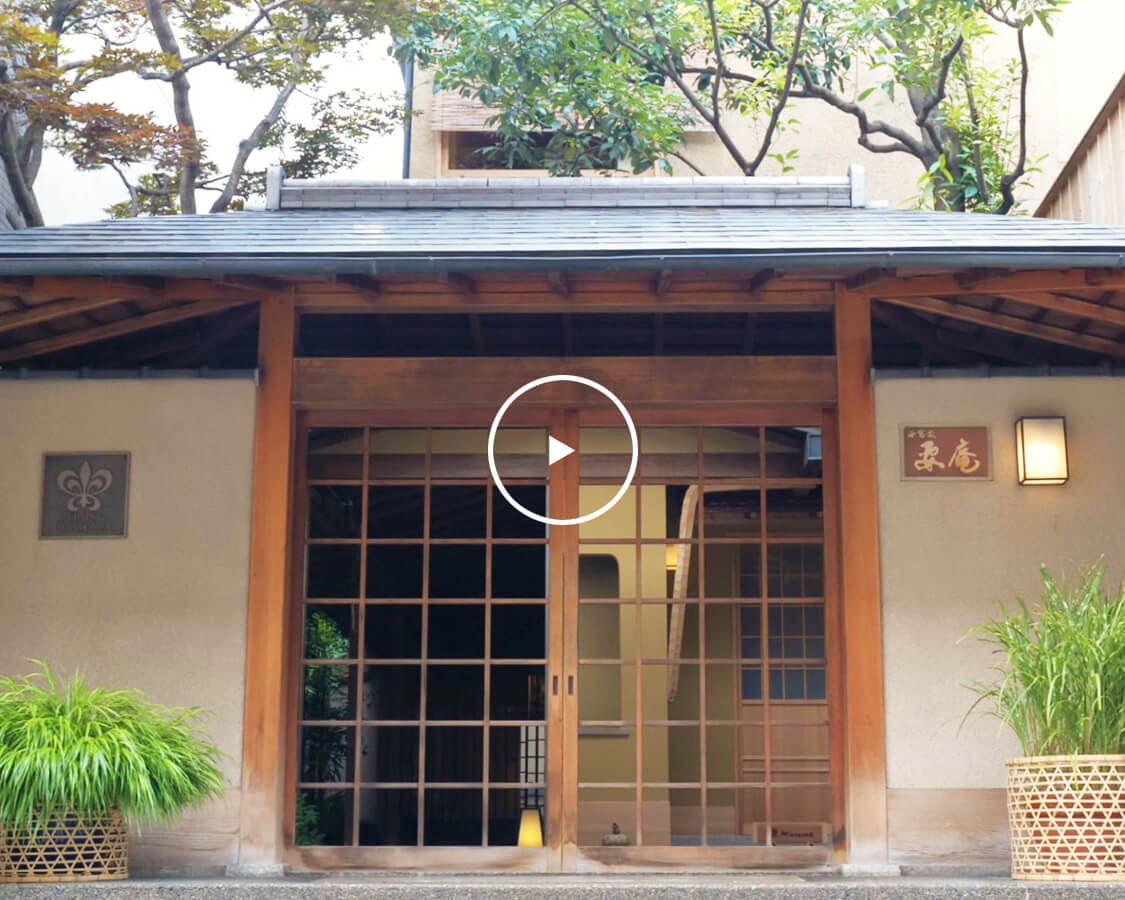
Set inside a traditional Kyoto machiya south of the Imperial Palace, the space feels like a refined adult hideaway with a small counter, quiet atmosphere and meticulously plated avant‑garde desserts and course dishes.