
Tabelog 100 #30
Our verdict
Gion 245 sits in Kyoto’s small but serious Japanese-Italian lane, where imported technique meets local produce and fish-led cooking. Its Tabelog Italian WEST “Tabelog 100” selections in 2021, 2023, and 2025 place it among the region’s more closely watched Italian addresses, with a compact counter-and-table format suited to diners who want precision rather than spectacle.

Pearl is the En Primeur Club membership app, where members save venues, book tables and use the concierge.
The menu
What to order
- Kuroge Wagyu course
- Seasonal fish course
- Pasta using Kyoto ingredients
- Omakase-style multi-course dinner
Kyoto is not only a city of loud restaurant corridors. The approach to a serious dinner can feel narrow, low-lit, and domestic in scale, the kind of setting where a meal begins before the first course, with the city’s older rhythms pressing against contemporary dining habits. In that setting, a restaurant listed across Italian, French, and steak categories can make particular sense. Kyoto has long absorbed outside influences without surrendering its own sense of season and form; the sharper question is whether a restaurant can use a broader European vocabulary without flattening the city into a cosmopolitan template.
Gion 245 belongs to that Kyoto category: not easily reduced to a single orthodox label, and not best read as a novelty hybrid, but as a restaurant officially categorized across Italian, French, and steak. Its Tabelog Hyakumeiten recognition in 2025 is a useful signal because this is a crowded regional field. Kyoto has restaurants that lean deeply into different Japanese and international registers, from sushi and kaiseki to counter formats and contemporary dining. Within that spread, a Kyoto restaurant working across Italian, French, and steak categories has to justify itself through control: pacing, focus, and the ability to make the crossover feel deliberate rather than decorative.
Kyoto dining through an Italian and French lens
The defining idea here is the meeting point between Kyoto’s dining culture and a menu identity that includes Italian, French, and steak. Those listed categories point to a restaurant that works across Western formats rather than a single narrow script. That says something about the current Kyoto dining mood: pairings and structures no longer need to obey national borders. European technique can sit beside a Kyoto setting; a dining room can feel rooted in the city without being confined to one orthodox genre.
That matters because Kyoto’s dining identity is often described too narrowly from the outside. Kaiseki remains a major reference point, but the city’s more interesting contemporary restaurants often work in translation. A place such as Yukifuran Sato keeps the kaiseki conversation close to the center, while Sushi Rakumi occupies the high-discipline sushi lane. Mizuno reflects a different Japanese register. Against those categories, Gion 245 reads as a cross-cultural answer to the same local question: how much technique can be imported before the meal stops feeling rooted in Kyoto?
The answer depends less on novelty than restraint. Kyoto rewards quiet decisions: a sense of season, product treated as a primary argument rather than garnish, and cooking that does not drown the meal’s center of gravity. The “Japanese Italian” label can be weak when it becomes a slogan. Here, the stronger editorial frame is category tension. European structure is part of the vocabulary; Kyoto provides the pressure test.
A Kyoto room in the city's specialist tier
Focused dining changes the meal’s stakes. In a serious restaurant, service, timing, and kitchen confidence come under scrutiny. Kyoto has plenty of ceremonial dining rooms, but specialist formats are more exposed: plating, conversation, and pacing happen within a tighter editorial frame. That suits a restaurant working across Italian, French, and steak categories because the format can keep the meal from drifting into generalist territory.
The restaurant’s positioning also signals how Kyoto’s premium restaurants serve mixed audiences. Business dinners, small family occasions, and visiting diners often look for polish without losing the feeling of a Kyoto meal. The line between local regularity and destination dining is especially thin in Kyoto, where restaurants can feel either intensely civic or over-adapted for visitors. Gion 245 sits better in the former conversation when read as a measured, specialist dinner rather than a checklist stop.
For a broader read on where this fits, Our full Kyoto restaurants guide maps the city’s range beyond the expected kaiseki shorthand. Nearby and related contrasts help sharpen the picture: other Kyoto dining rooms sit in the city’s wider European conversation, contemporary restaurants point toward other readings of the city, and casual and specialist formats can coexist in the same dining ecosystem.
How to read the meal within a Kyoto itinerary
This is not the slot for diners chasing a single famous dish name. It is better understood as a dinner for people interested in Kyoto’s modern translation work: a restaurant listed across Italian, French, and steak references in a city better known abroad for more classical forms. The Tabelog score of 3.63 is not the headline on its own, but paired with Tabelog Hyakumeiten recognition in 2025, it gives a credible signal of regional attention.
Kyoto rewards itinerary contrast. A day might move from old confectionery traditions to a casual local staple, then into a composed dinner where Italian and French categories frame a different side of the city. The city’s hospitality culture also extends beyond restaurants: Our full Kyoto hotels guide, Our full Kyoto bars guide, Our full Kyoto wineries guide, and Our full Kyoto experiences guide are useful for building the rest of the trip around the same level of specificity.
For readers comparing Japanese dining across cities, the point is range rather than hierarchy. Other dining rooms in Japan frame beef, seafood, casual sweets, curry, and cross-cultural cooking through very different regional lenses. Even outside Japan, Japanese formats travel in distinct directions. Gion 245 is best understood within that broader pattern of adaptation: not as a universal template, but as one Kyoto answer to how outside forms can be absorbed without erasing local character.
The sharper recommendation is simple: choose this for a Kyoto dinner when the interest is not a purist category, but the friction between them. Gion 245 is compelling because it sits at that seam, where Kyoto, Italian and French categories, and the steak designation have to argue their way into the same room.
Frequently asked questions
What time does Gion 245 open and close?
Published hours can change, so check the venue's official channels or Tabelog before visiting.
What's the address for Gion 245?
Kyoto.
What does dinner at Gion 245 typically cost?
Pricing at Gion 245 is listed as JPY 15,000 - JPY 19,999.
What's the defining dish or idea at Gion 245?
The clearest idea here is its Kyoto setting and its listed categories: Italian, French, and steak. Gion 245 was recognized by Tabelog Hyakumeiten in 2025, which places it in a defined regional conversation rather than an anonymous neighborhood room.
How does Gion 245 handle allergies?
Those details are not published in the provided venue facts. Check the venue's official channels or contact the restaurant directly for the latest details.
Is Gion 245 good for families?
Specific family-policy details are not included in the provided venue facts. Check the venue's official channels before booking, especially if visiting with children.
Price Lens
Comparable venues for context, by category and price tier.
| Venue | Cuisine | Price | Awards | Notes |
|---|---|---|---|---|
| Gion 245This venue (the venue you are viewing) | Japanese-Italian Fine Dining in a Gion Townhouse | $100–150 | Tabelog 100 #30 | Not listed |
| Kara Semi Tei (空蝉亭) | Specialty Tonkatsu with Aged Pork | $30–50 | Tabelog 100 #50 | Kamigyo-ku, Specialty Tonkatsu with Aged Pork |
| 食堂みやざき | Refined Kyoto Omakase | $50–100 | Not listed | Kawaramachi, Kiyamachi, Ponto-cho, Traditional Japanese Omakase |
| Dessert Cafe Chourakukan | Not listed | $30–50 | Tabelog 100 #7 | Higashiyama, Dessert Cafe / French-Style Patisserie |
| Junshin An | Creative Kyoto steakhouse with Japanese-style Western cuisine | $100–150 | Tabelog 100 #18 | Higashiyama, Creative Kyoto steakhouse with Japanese-style Western cuisine |
| Kuchibashi Modern | Modern Yakitori Omakase | $50–100 | Tabelog 100 #62 | Shimogyō, Modern Yakitori Omakase |
Recognition history
Dated appearances from independent guides and award organizations, with the underlying list record or original source where available.
Tabelog 100 #30 · No. 30
Tabelog · Tabelog 100 - Italian - WEST - 2025
Continue exploring
More in Kyoto
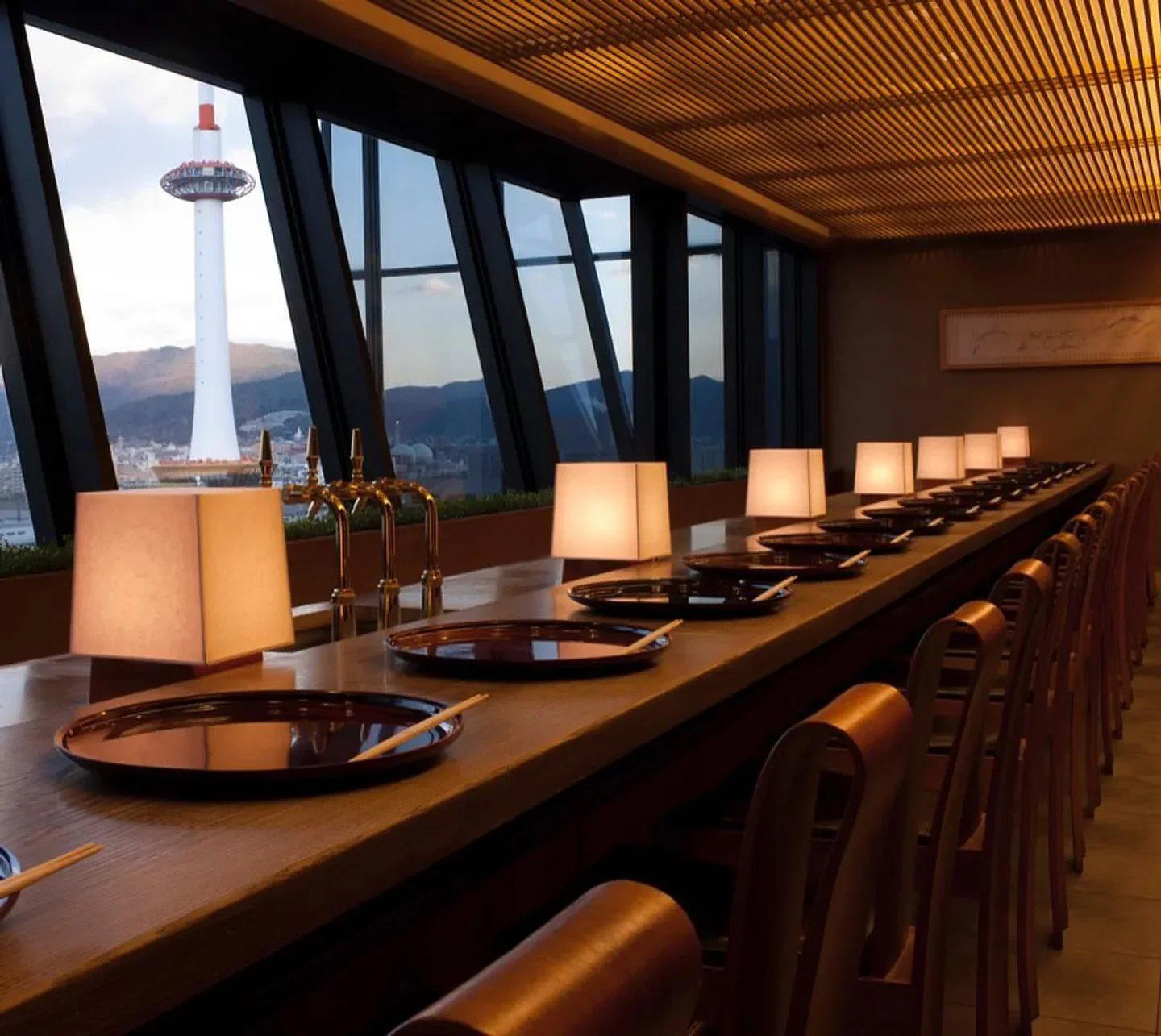
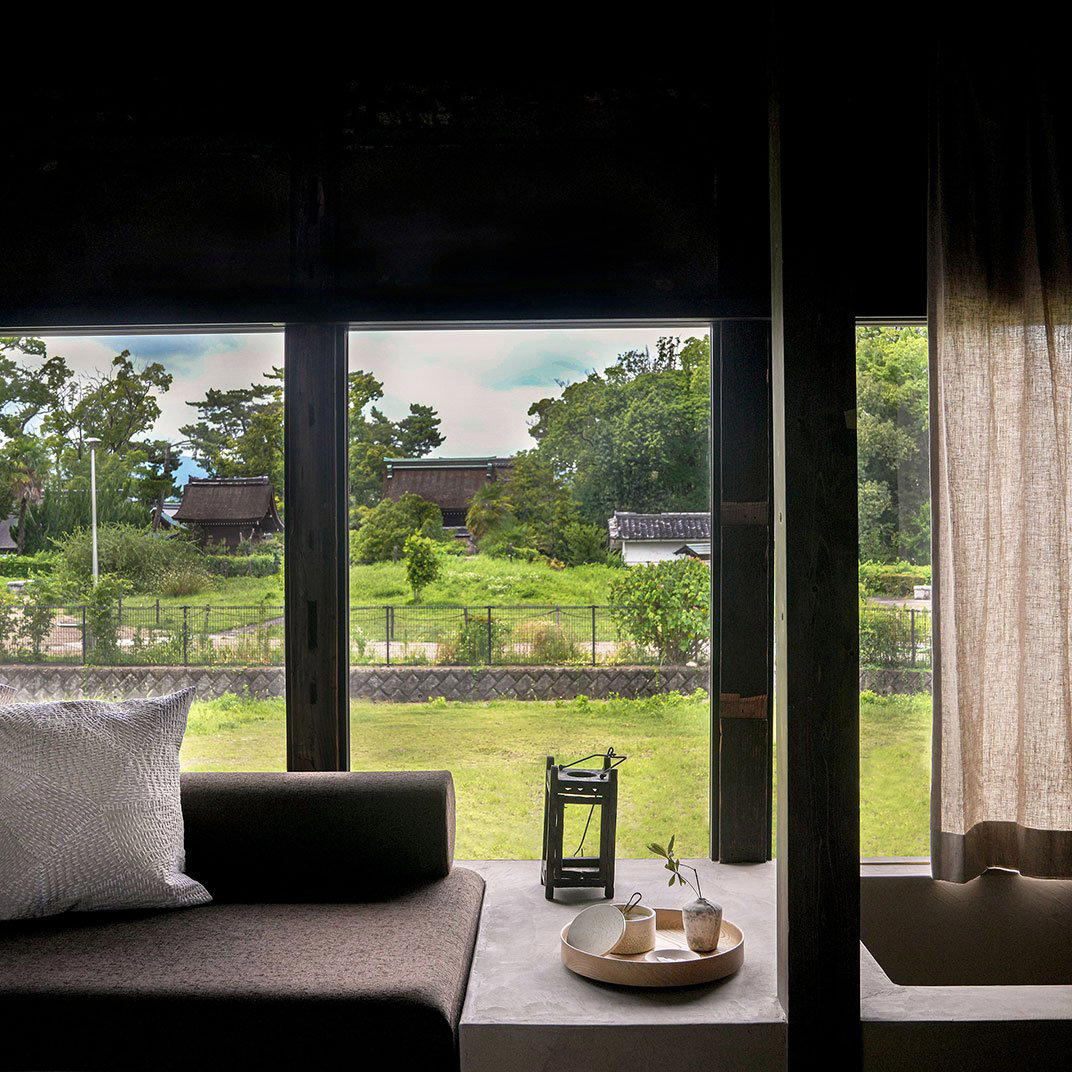
Restaurants in Kyoto
All restaurants in Kyoto →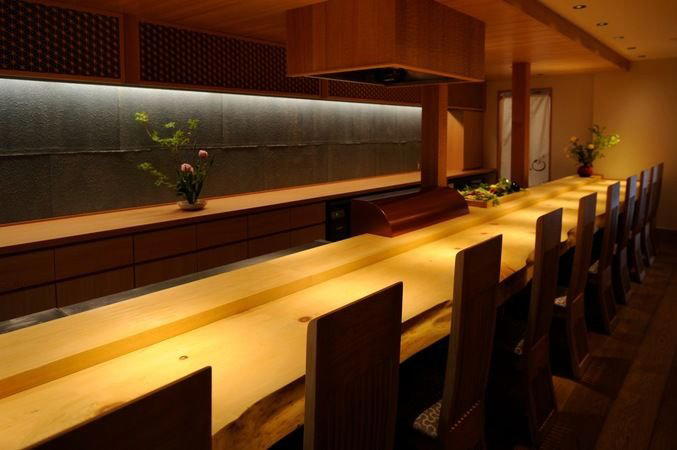
Bars in Kyoto
All bars in Kyoto →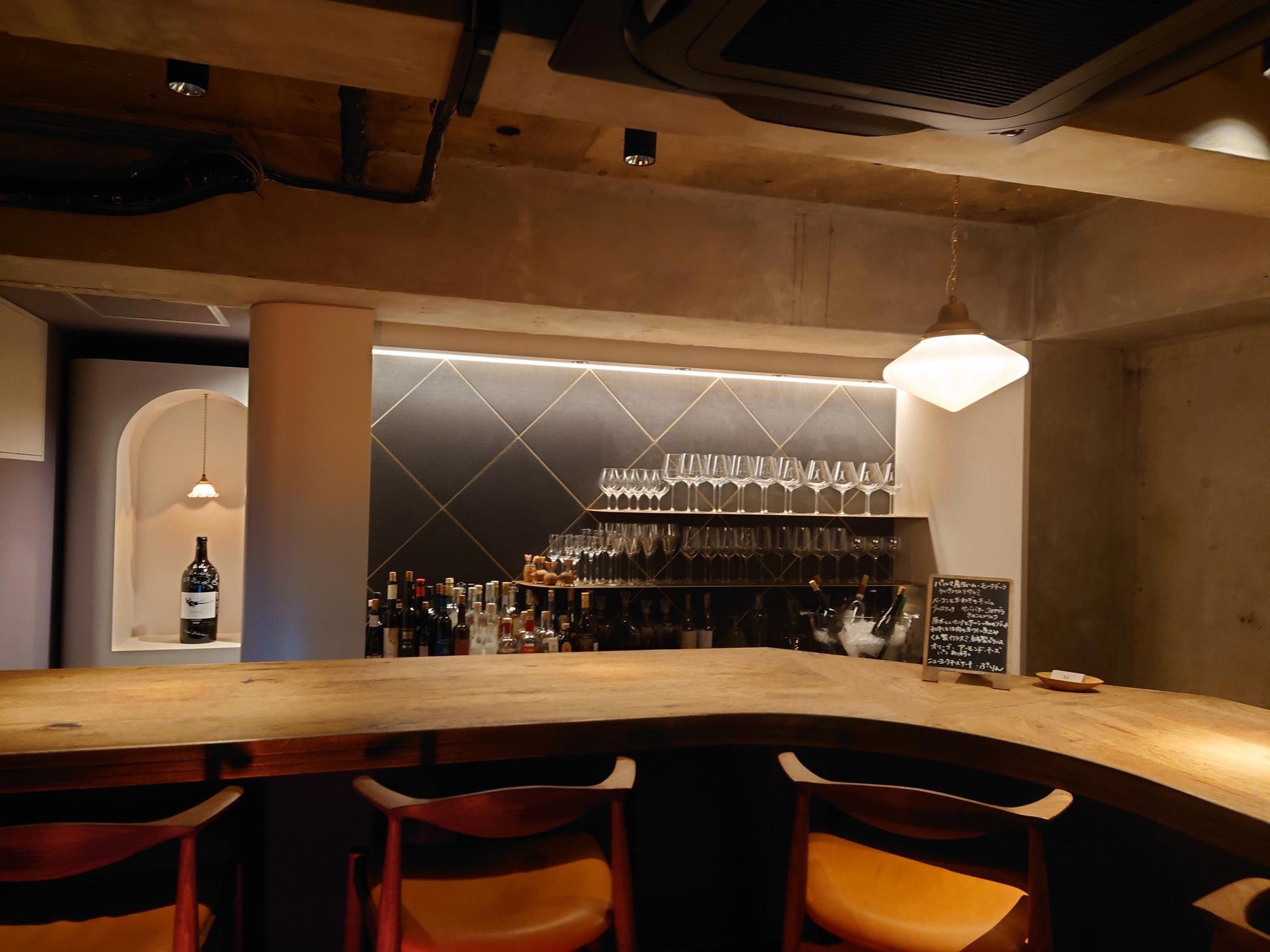

Hotels in Kyoto
All hotels in Kyoto →
Wineries in Kyoto
Browse all →
Details
- Elegant
- Cozy
- Intimate
- Romantic
- Date Night
- Special Occasion
- Business Dinner
- Group Dining
- Private Event
- Solo
- Chefs Counter
- Design Destination
- Historic Building
- Standalone
- Private Dining
- Extensive Wine List
- Local Sourcing
- Sustainable Seafood
- Tasting Menu
- Set Menu
- A La Carte
- Wine
- Cocktails
- Pescatarian Friendly
Current opening hours
- Monday
- 5–11 PM
- Tuesday
- 5–11 PM
- Wednesday
- 5–11 PM
- Thursday
- 5–11 PM
- Friday
- 5–11 PM
- Saturday
- 5–11 PM
- Sunday
- 5–11 PM
Hours can change for holidays and private events. Hours as of .
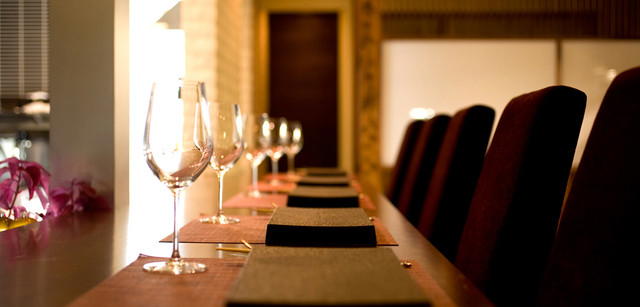
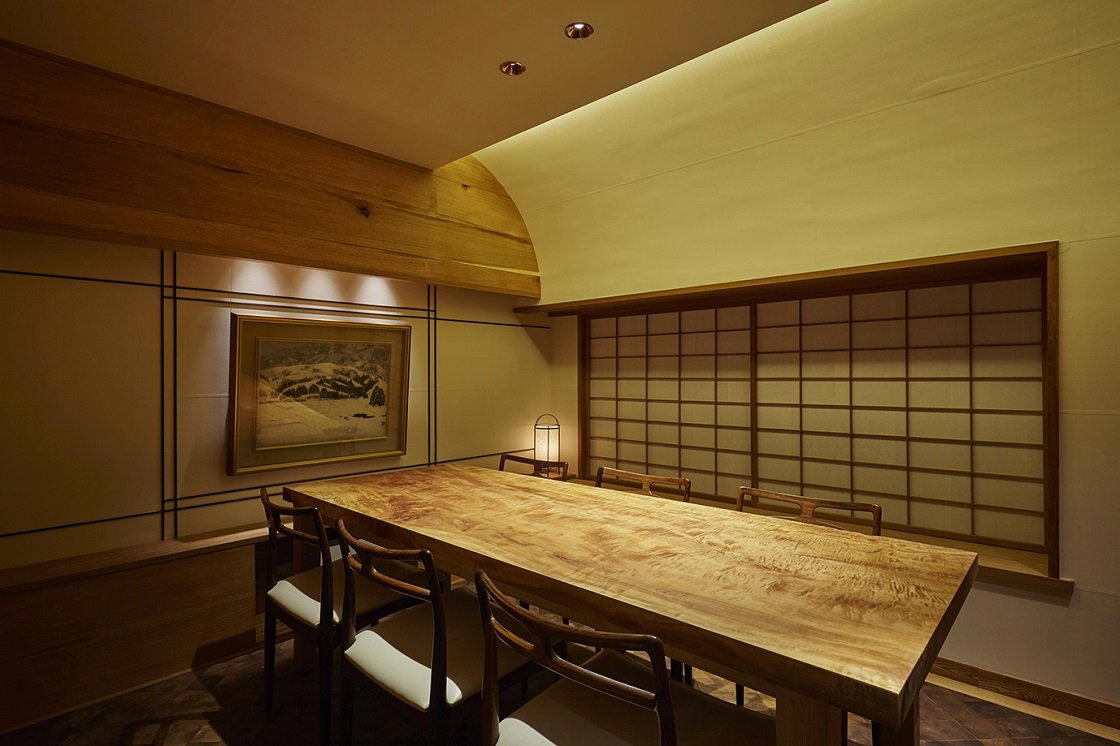
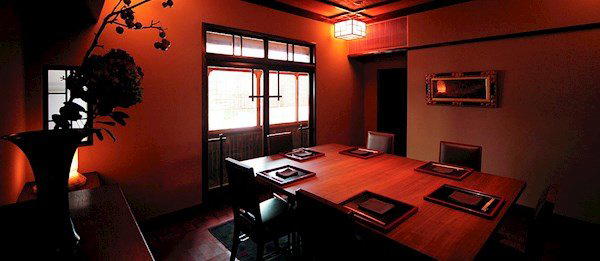
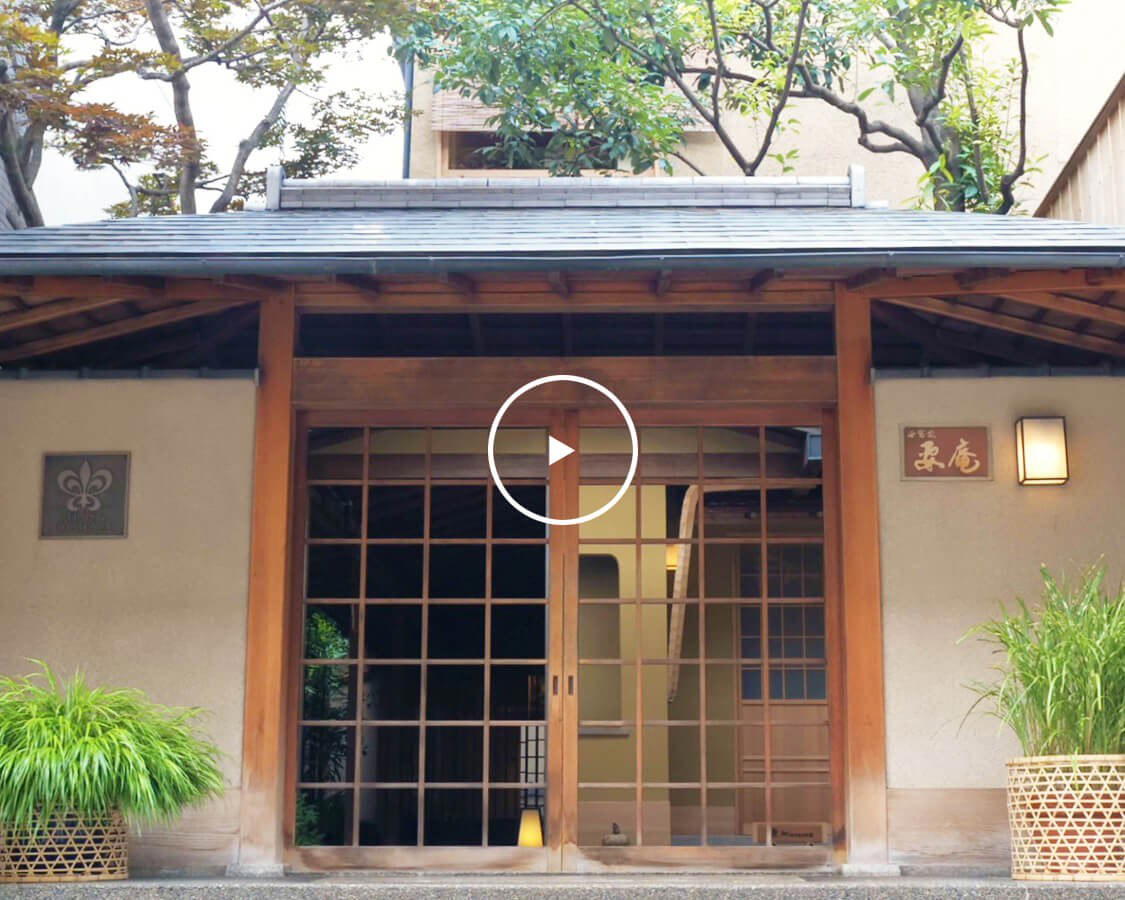
An intimate Kyoto townhouse setting in Gion with a calm, refined atmosphere, softly lit counter and table seating, and a relaxed but upscale feel suited to leisurely multi-course dinners.