
Michelin Bib Gourmand
Our verdict
A Michelin Bib Gourmand recipient for 2024 and 2025, Oudon Yomogi in Osaka's Fukushima Ward operates as a sister project to the Japanese restaurant Miyamoto, bringing kappo-style atmosphere to an à la carte udon format. House-made noodles and a clear, light broth anchor both lunch and dinner service, with dinner structured around an appetiser and hassun before the udon arrives, a sequencing that places noodles in the role usually reserved for rice or soba.

Pearl is the En Primeur Club membership app, where members save venues, book tables and use the concierge.
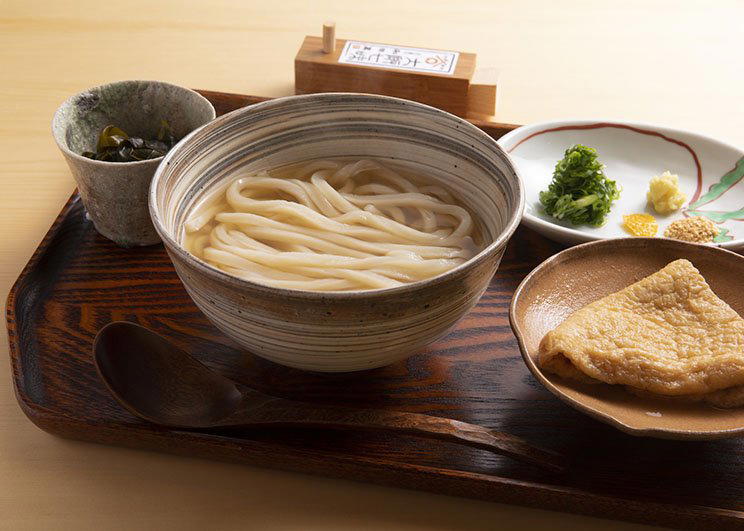
A Counter Where Noodles Close the Meal
In Osaka's Fukushima Ward, the plain-wood counter and bamboo accents of Oudon Yomogi read less like a casual noodle shop and more like a small kappo room that happens to have udon at its centre. That framing is deliberate. The restaurant is a project connected to the Japanese restaurant Miyamoto, and it carries that lineage in how the space is composed and how the meal is structured, particularly at dinner, where a set offering of appetiser and hassun precedes the udon itself.
That sequencing matters. Across Osaka's broader noodle culture, udon is almost always a standalone proposition: you sit, you order, you leave. The decision to open a dinner service that moves through several courses before arriving at noodles positions Oudon Yomogi inside a different conversation, closer to the rhythm of a kaiseki progression than to the speed of a street-level udon counter. Closing with udon rather than soba or rice is the restaurant's most legible editorial statement about what it thinks udon can be.
Where This Sits in Osaka's Restaurant Tier
Osaka's fine-dining tier is anchored by restaurants like HAJIME (French, Innovative) and La Cime (French), both operating at the ¥¥¥¥ level with multi-course formats calibrated to international recognition. Oudon Yomogi operates at ¥¥, which places it in a different bracket entirely, but the Michelin Bib Gourmand in both 2024 and 2025 confirms that its value-to-quality ratio has drawn sustained institutional attention. The Bib Gourmand designation, awarded by Michelin to restaurants offering good cooking at moderate prices, is a meaningful signal in a city where inspectors cover enormous ground.
Within the udon category specifically, the Fukushima Ward address puts Oudon Yomogi in a neighbourhood with a reputation for dining density. Peer restaurants like Ogimachi Udonya Asuro and Udondokoro Shigemi operate in the same city, and the format differences between them are worth understanding before you book. Oudon Yomogi's dinner structure, with its appetiser and hassun lead-in, suggests a longer, more considered visit than a lunchtime counter run. At lunch, the format opens to à la carte, which allows a faster, more direct experience of the house-made noodles and their light, clear broth.
For context on how this style of udon sits within the wider Kansai region, Gion Yorozuya in Kyoto offers another reference point, while Hyun Udon in Seoul shows how the format travels across the region. Further afield, the approach to measured, ingredient-focused cooking visible in places like Gion Sasaki in Kyoto or akordu in Nara reflects how Japan's mid-tier dining scene has consistently found ways to bring structural seriousness to formats that other markets treat as casual.
The Role of Sake and Side Dishes
Oudon Yomogi's editorial angle on the assigned topic of drinks and beverage curation is worth addressing directly. The restaurant includes sake and side dishes as part of the dining arc at dinner, a choice that reflects how seriously Kansai restaurants take the pairing of nihonshu with food that is technically simple but texturally precise. Light, clear broths of the kind served here are notoriously difficult to pair without overwhelming them. The broth sets the parameters: the sake selected alongside it needs restraint, low acidity, and enough umami alignment to support rather than compete with the noodle's delicacy.
In the broader range of Japanese sake service, this is a sensibility found more often at kappo counters and kaiseki rooms than at casual noodle shops, which loops back to the kappo aesthetic the space is deliberately projecting.
For reference on how other Osaka restaurants at different price points handle drinks programming, Aozora Blue offers a contrasting approach in the city's broader dining scene.
House-Made Noodles and Broth: The Technical Foundation
The claim that deserves the most attention in any udon restaurant is whether the noodles are made in-house. At Oudon Yomogi, they are. House-made udon shifts the operational logic of the kitchen considerably: it requires daily production, sensitivity to temperature and humidity, and a decision about how thick, how chewy, and how smooth the noodle should be on any given service. The broth described as light and clear aligns with a Kansai style that differs sharply from the heavier, darker broths found in some Kanto preparations.
This regional distinction is not cosmetic. Osaka's food culture has historically privileged dashi clarity and restraint, and a broth described as light and clear at a Bib Gourmand-level restaurant signals that the kitchen is working within that tradition with some precision. The ingredients behind such a broth, typically kombu, katsuobushi, and careful temperature control, are the invisible architecture of the dish. You taste the noodle and the finish rather than the broth's weight.
Planning Your Visit
The address is in Fukushima Ward at 2 Chome-10-6 Sagisu, Osaka. Both lunch and dinner service are available, with lunch operating à la carte and dinner typically beginning with a set sequence of appetiser and hassun before the udon course. The ¥¥ price range makes this one of Osaka's more accessible Michelin-recognised experiences, particularly for visitors already tracking the city's mid-tier dining options.
| Venue | Cuisine | Price Range | Michelin Recognition | Format |
|---|---|---|---|---|
| Oudon Yomogi | Udon | ¥¥ | Bib Gourmand 2024, 2025 | À la carte (lunch); Set + à la carte (dinner) |
| Ogimachi Udonya Asuro | Udon | Not listed | Not listed | Counter dining |
| Udondokoro Shigemi | Udon | Not listed | Not listed | Counter dining |
| HAJIME | French, Innovative | ¥¥¥¥ | Michelin-starred | Tasting menu |
| La Cime | French | ¥¥¥¥ | Michelin-starred | Tasting menu |
For broader trip planning across the city, see our full Osaka restaurants guide, our full Osaka hotels guide, our full Osaka bars guide, our full Osaka wineries guide, and our full Osaka experiences guide. If you are building a wider Japan itinerary, Harutaka in Tokyo and Goh in Fukuoka represent the kind of technically grounded, mid-to-high-end Japanese cooking that sits in a similar register of seriousness. For more experimental reference points, 1000 in Yokohama and 6 in Okinawa extend the itinerary further.
at Oudon Yomogi?
What the record does confirm is that house-made udon noodles with a light, clear broth are the structural anchor of every meal, and that the dinner sequence builds toward them through an appetiser and hassun. Given that architecture, the dinner format is the fuller expression of what the kitchen is doing, the sake and side dishes that precede the noodles are part of the argument, not a prelude to skip. At lunch, the à la carte format offers direct access to the noodles themselves, which is the appropriate entry point for a first visit or a shorter stop. The Bib Gourmand recognition across two consecutive years gives a reliable signal that the core offering, at both meal periods, holds up under repeated scrutiny.
Frequently asked questions
Where is Oudon Yomogi in Osaka?
Oudon Yomogi is located at Japan, 〒553-0002 Osaka, Fukushima Ward, Sagisu, 2 Chome−10−6 10番地6号, Osaka.
Does Oudon Yomogi have a Michelin star or similar recognition?
Oudon Yomogi has received recognition including: This à la carte udon shop is a project of the proprietress of the Japanese restaurant Miyamoto. The plain-wood counter and bamboo accents lend the restaurant a kappo feel. À la carte dining is available for both lunch and dinner, while dinn….
What's the best thing to order at Oudon Yomogi?
House-made noodles in a light, clear broth are the centrepiece, and at dinner, they arrive last, after appetiser, hassun, sake, and side dishes, which is the defining sequence the Michelin Bib Gourmand (2024, 2025) recognises. Ordering the full dinner service rather than à la carte lunch gives that progression its full context.
How It Stacks Up
A quick peer list to put this venue’s basics in context.
| Venue | Cuisine | Price | Awards | Notes |
|---|---|---|---|---|
| Oudon YomogiThis venue (the venue you are viewing) | Elegant Japanese Udon with Kaiseki Influences | $50–100 | Michelin Bib Gourmand | Not listed |
| HAJIME | Avant-Garde Japanese Fine Dining | $300–500 | 3 Michelin Stars · World's 50 Best #83 | French, Innovative |
| La Cime | Modern French with Japanese Ingredients | $150–200 | 2 Michelin Stars · World's 50 Best #13 | French |
| Kashiwaya Osaka Senriyama | Seasonal Kaiseki Omakase | $200–300 | 3 Michelin Stars · La Liste Top Restaurants | Japanese |
| Taian | Traditional Japanese Kaiseki Omakase | $150–200 | 3 Michelin Stars · La Liste Top Restaurants | Kaiseki, Japanese |
| Fujiya 1935 | Modern Japanese with European influences | $100–150 | 2 Michelin Stars · La Liste Top Restaurants | Innovative |
Recognition history
Dated appearances from independent guides and award organizations, with the underlying list record or original source where available.
Michelin Bib Gourmand
Michelin
Full recognition history (3 entries)
Michelin Bib Gourmand
Michelin
Michelin Bib Gourmand
Michelin
Continue exploring
More in Osaka
Restaurants in Osaka
All restaurants in Osaka →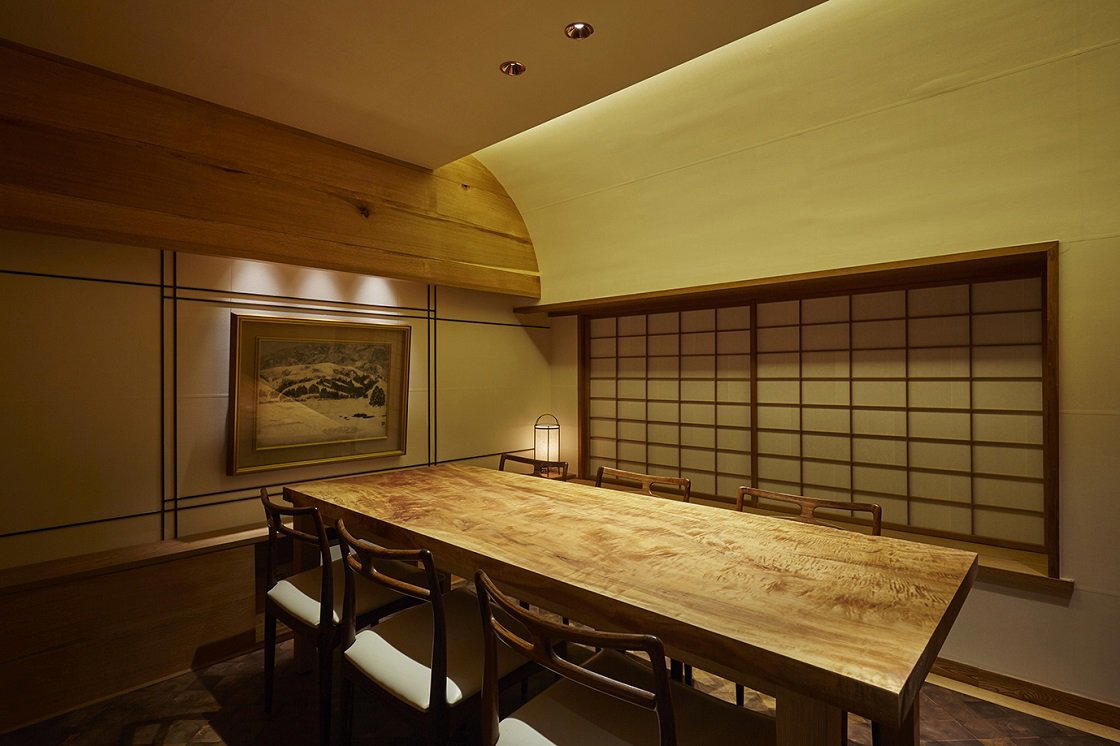


Bars in Osaka
All bars in Osaka →



Hotels in Osaka
All hotels in Osaka →



Wineries in Osaka
Browse all →
Details
- Cozy
- Intimate
- Elegant
- Relaxed
- Date Night
- Solo
- Family
- Sake Program
- A La Carte
- Sake
Current opening hours
- Monday
- 5:30–9:30 PM
- Tuesday
- 5:30–9:30 PM
- Wednesday
- Closed
- Thursday
- Closed
- Friday
- 5:30–9:30 PM
- Saturday
- 12–2:30 PM, 5:30–9:30 PM
- Sunday
- 12–2:30 PM, 5:30–9:30 PM
Hours can change for holidays and private events. Hours as of .
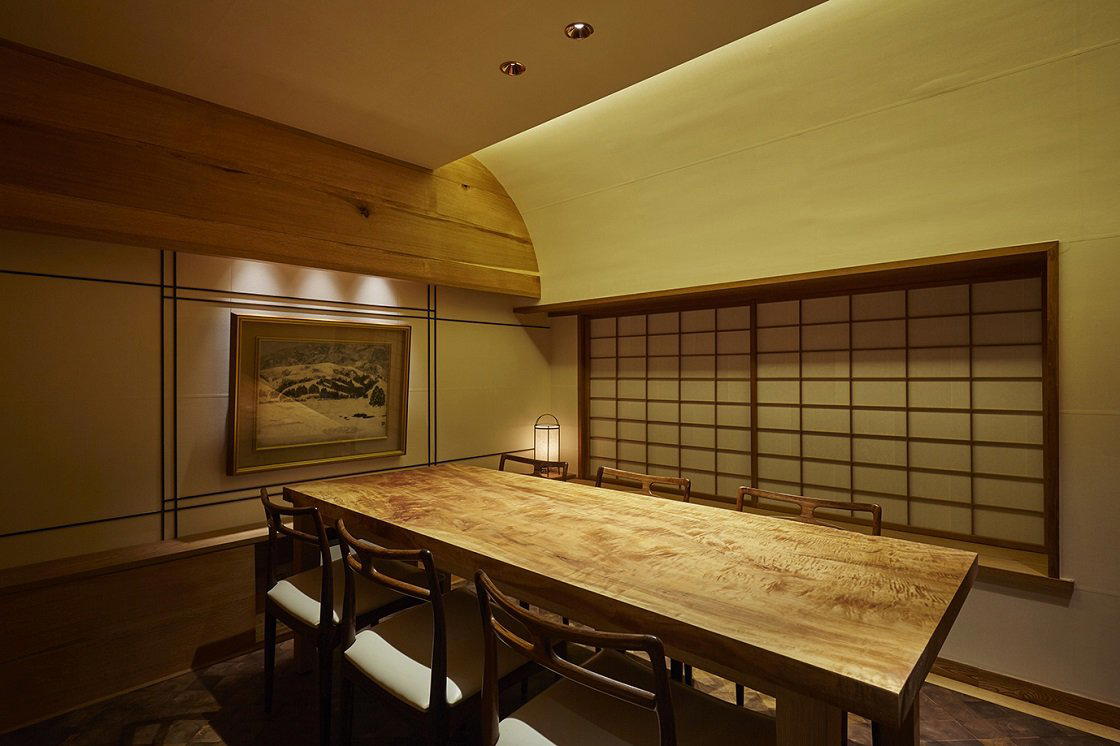
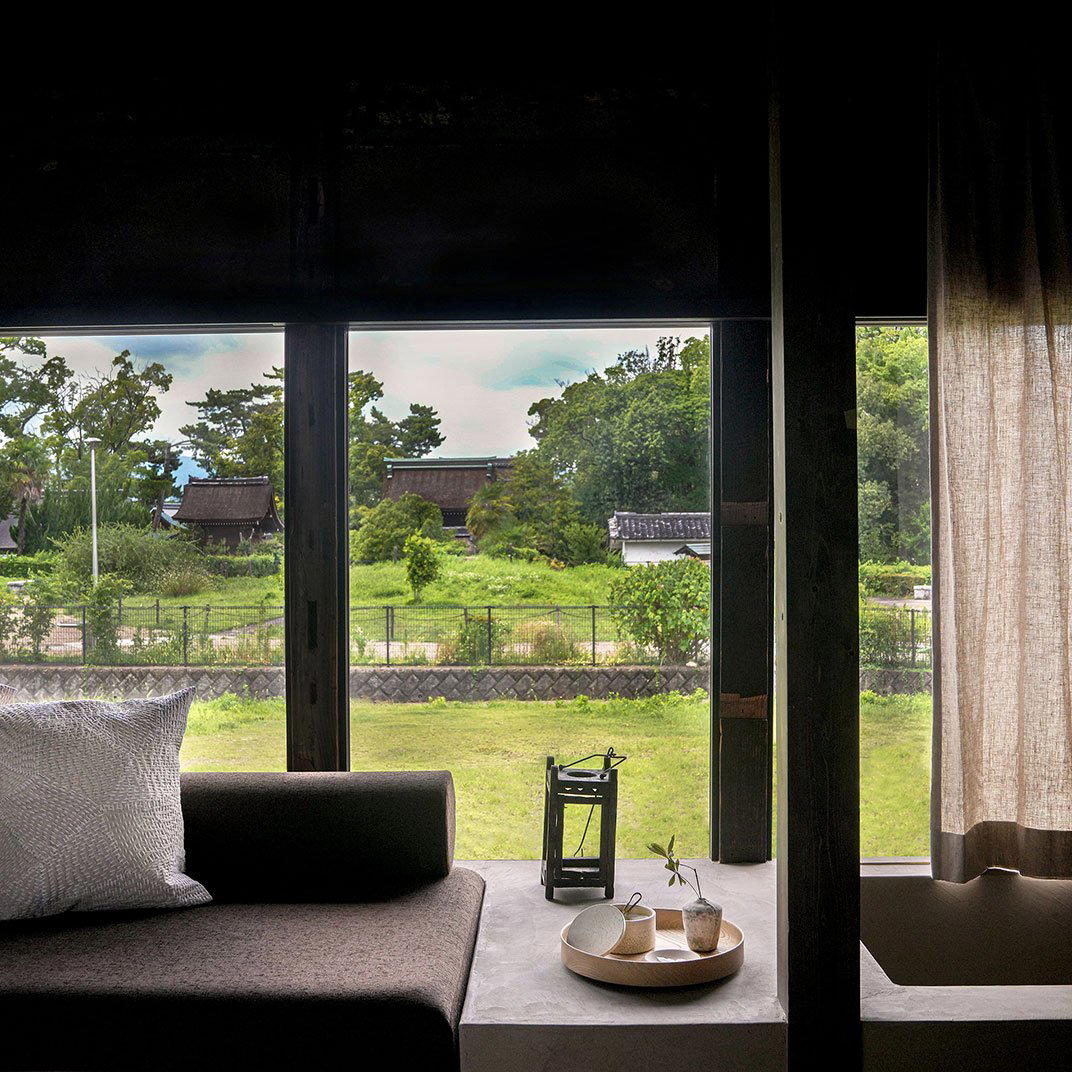
Hushed and calming atmosphere with candlelight, honed cedar, linen, and relaxing stylish space evoking a small kaiseki restaurant.