On Charlottenstraße in Berlin's Mitte district, AMON Restaurant occupies a stretch of the city where grand institutional architecture meets a growing density of serious dining rooms. The address places it within reach of the city's Michelin-tracked fine dining circuit, where questions of sourcing, format, and culinary identity are increasingly central to how rooms distinguish themselves.
Pearl is the En Primeur Club membership app — saves, bookings, and concierge access live there. Same editors, same standards.
- Address
- Charlottenstraße 35 - 36, 10117 Berlin, Germany
- Phone
- +49 30 75439120
- Website
- amon-restaurant.com
- Directions
- Get directions
 Saves & bookings on Pearl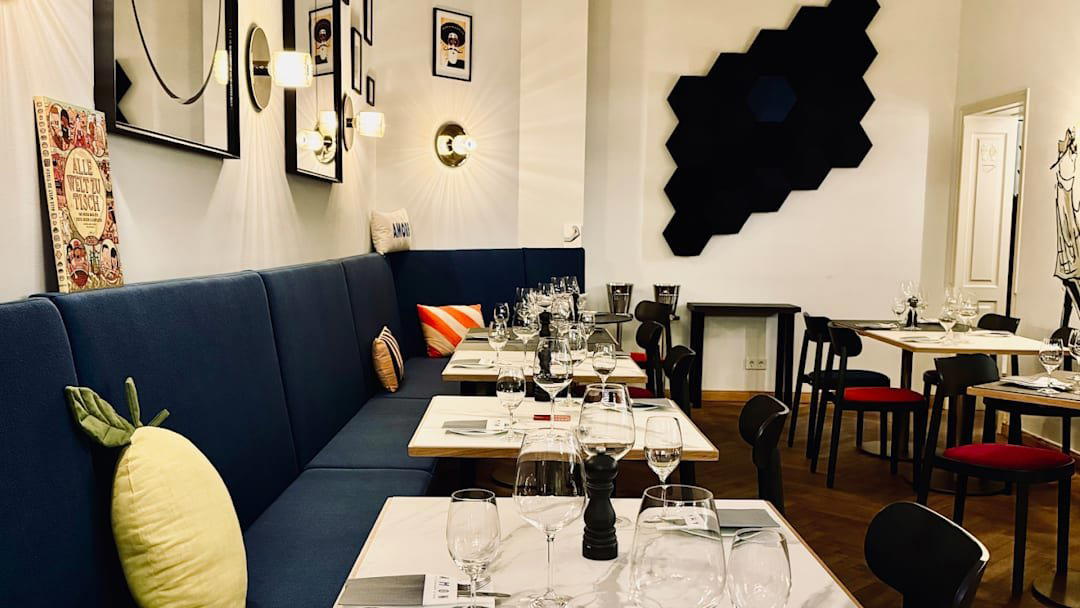
Charlottenstraße and the Mitte Fine Dining Tier
Berlin's fine dining scene has never operated on a single axis. The city that produced the hyper-local, producer-named rigour of Nobelhart & Schmutzig and the architectural calm of FACIL has always allowed competing visions of what serious cooking should look like. What has shifted over the past decade is the degree to which sustainability and sourcing transparency have moved from optional differentiator to near-baseline expectation at the upper end of the market. Rooms that once traded on technique alone now face questions about supply chains, waste systems, and the ethics of what lands on the plate. AMON Restaurant, a Modern Italian restaurant on Charlottenstraße 35 to 36 in Mitte, sits inside this broader reckoning.
The address itself carries meaning. Charlottenstraße runs through one of Berlin's most historically layered districts, close enough to Gendarmenmarkt that the neighbourhood exerts a certain gravitational pull toward considered presentation. Rooms here tend to attract a clientele with international reference points, which in turn raises the stakes for anything that claims to be doing something purposeful with its kitchen. That context matters when thinking about where AMON positions itself relative to the city's other serious dining rooms.
Where Sustainability Becomes Structure, Not Slogan
Across Germany's fine dining circuit, particularly credible sustainability commitments tend to be structural rather than declarative. At Rutz in Berlin, the sourcing philosophy is embedded into the menu architecture itself, with regional producers named and rotated seasonally. Nobelhart & Schmutzig has built its entire identity around a documented network of local suppliers, making traceability a literal element of the dining experience. The question that applies to any room operating in this tier is whether the environmental framing reflects kitchen decision-making or functions primarily as positioning.
The broader German fine dining circuit has been working through this question for years. Rooms like Schwarzwaldstube in Baiersbronn and Waldhotel Sonnora in Dreis operate within regional ecosystems where proximity to producers is a practical advantage, not just a brand signal. Urban rooms face a harder version of this challenge: sourcing sustainably in a major city requires active infrastructure, not just goodwill. The kitchens that do it convincingly tend to have documented supplier relationships, seasonal menus that shift in response to actual availability, and waste-reduction systems that go beyond composting optics.
At the international level, this conversation has reached rooms far beyond Germany. Le Bernardin in New York City has long framed its seafood sourcing around sustainability certifications, and Lazy Bear in San Francisco has built sourcing transparency into the communal, narrative format of its dinners. The standard these rooms set is instructive: sustainability that appears in the story of the meal itself, not just in the marketing copy surrounding it.
The Mitte Room in Context
Berlin's upper dining tier has a peculiar geography. Unlike Paris or Tokyo, where Michelin concentration clusters around specific arrondissements or neighbourhoods with long fine dining histories, Berlin's serious rooms are distributed across a wider urban footprint. Mitte holds several, but the density is lower than visitors sometimes expect. That spread creates both opportunity and pressure for any room in the area: there is less of a built-in peer cluster to anchor expectations, so each room has to do more work establishing its own frame of reference.
For comparison, CODA Dessert Dining in Berlin has carved out a genuinely distinct position by anchoring its entire format around a dessert-first philosophy, earning recognition that rewards conceptual clarity. Restaurant Tim Raue holds its position through a specific culinary register with documented international reach. What both rooms share is a clarity of identity that makes them legible within a competitive set. Rooms without that clarity, in a city where word spreads quickly among a cosmopolitan dining public, tend to flatten into the mid-tier faster than they expect.
Germany's wider fine dining map includes rooms with deeply established identities: JAN in Munich, Vendôme in Bergisch Gladbach, Victor's Fine Dining by Christian Bau in Perl, ES:SENZ in Grassau, Schanz in Piesport, Aqua in Wolfsburg, Bagatelle in Trier, and Restaurant Haerlin in Hamburg. The common thread across the strongest of these is a documented commitment to a specific culinary register, whether that is regional produce, classical French technique, or a named conceptual framework. Berlin's dining public is sophisticated enough to notice when that commitment is absent.
Planning a Visit
AMON Restaurant is located at Charlottenstraße 35 to 36, 10117 Berlin, in the Mitte district. The address is within walking distance of Stadtmitte U-Bahn station, placing it in a part of the city that is direct to reach from most central accommodation.
Cuisine-First Comparison
Comparable venues nearby, for context on price, style, and recognition.
| Venue | Cuisine | Price | Notes |
|---|---|---|---|
| AMON RestaurantThis venue — the venue you are viewing | Modern Italian | $$ | Not listed |
| Nea Pizza 1889 | Authentic Neapolitan Pizza | $$ | Mitte |
| Ristorante Il Castello | Classic Italian Trattoria | $$ | Charlottenburg |
| Pasta & Vino | Authentic Italian Pasta & Antipasti | $$ | Prenzlauer Berg |
| Café Botanico | Italian Farm-to-Table | $$ | Neukolln |
| Bäckspace Pizza | Sourdough Pizza | $$ | Weissensee |
Continue exploring
More in Berlin
Restaurants in Berlin
Browse all →
Bars in Berlin
Browse all →
Hotels in Berlin
Browse all →

At a Glance
- Romantic
- Cozy
- Elegant
- Intimate
- Date Night
- Special Occasion
- Open Kitchen
Current opening hours
- Monday
- 12–11 PM
- Tuesday
- 12–11 PM
- Wednesday
- 12–11 PM
- Thursday
- 12–11 PM
- Friday
- 5–11 PM
- Saturday
- 5–11 PM
- Sunday
- 1–11 PM
Hours can change for holidays and private events. Last verified .
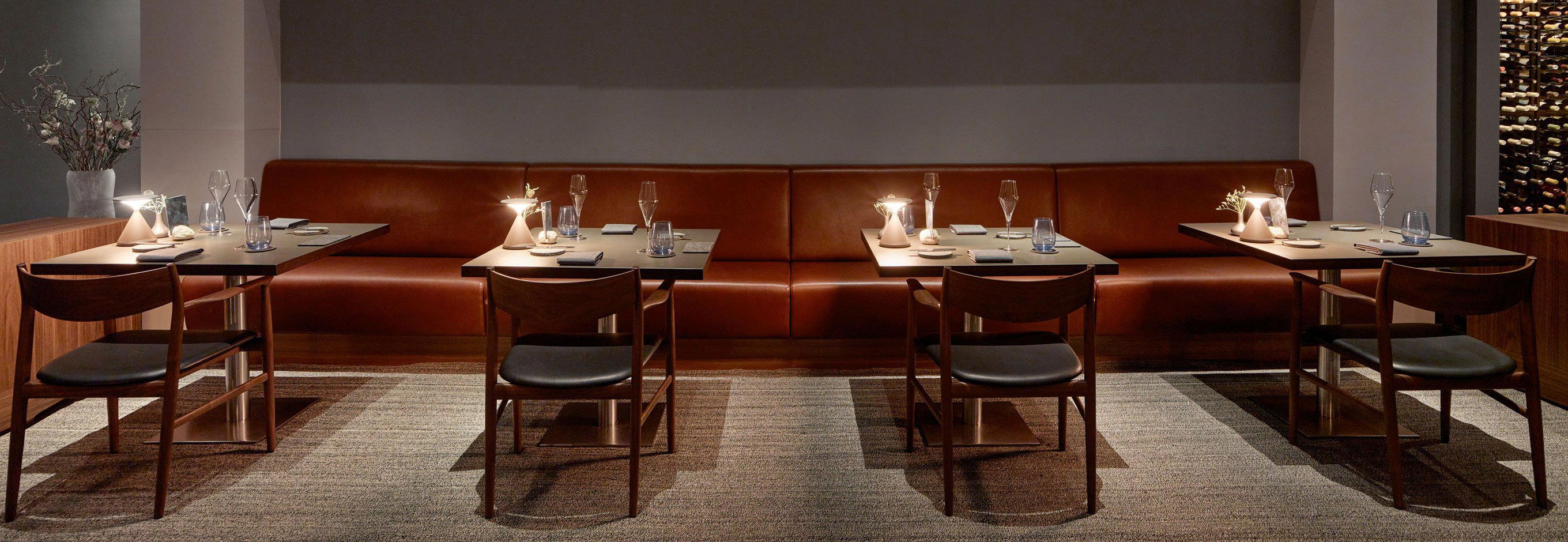
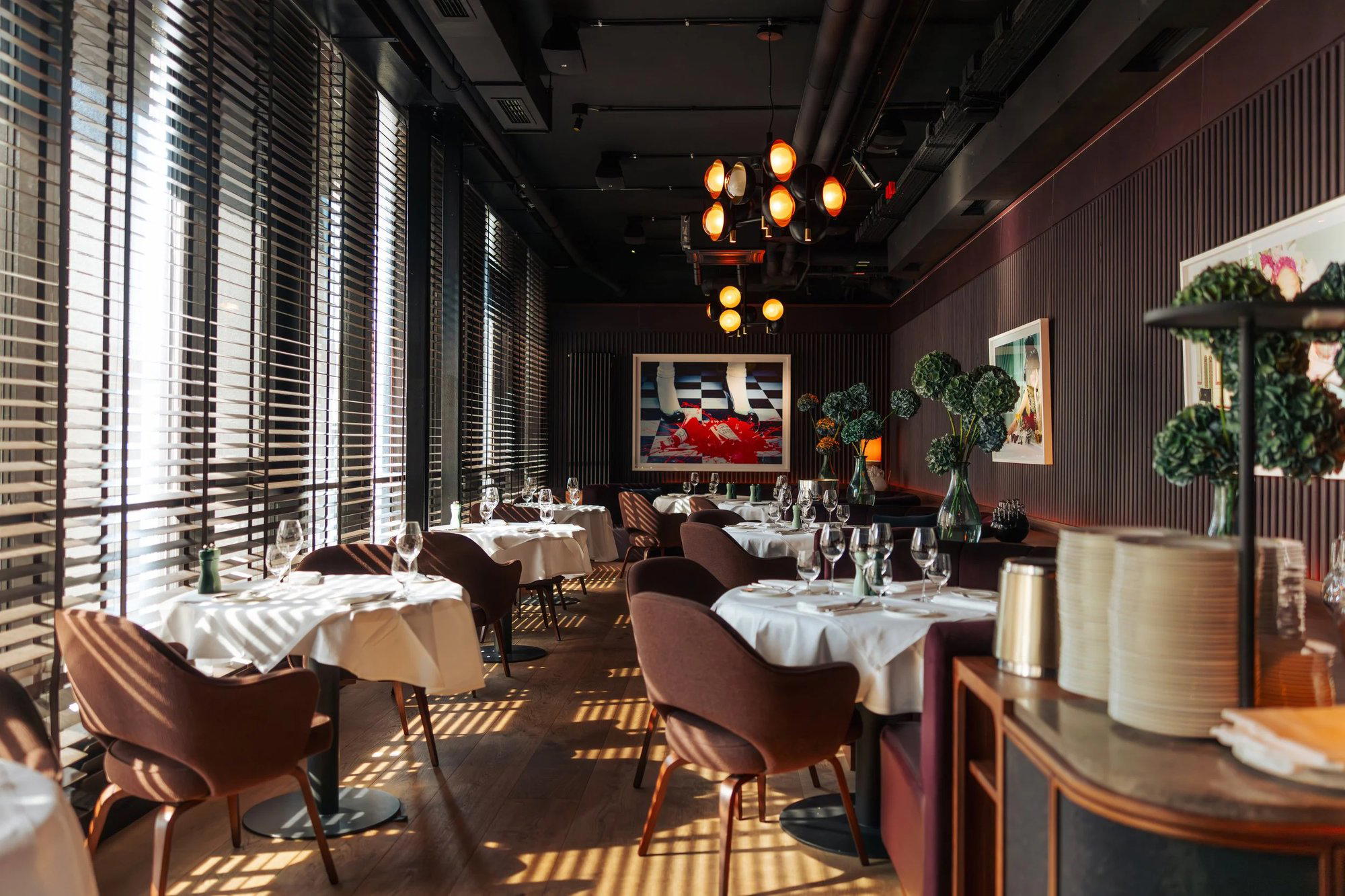
Cozy and pleasant atmosphere with modern style, personal charm, open kitchen, comfortable dining room, and a calm street location.