On Dorotheenstraße in Berlin's Mitte district, ama Café occupies a stretch of the city where government buildings and cultural institutions set the tempo rather than nightlife. The café format in this part of Berlin tends toward a particular kind of purposeful calm, drawing a mix of locals and visitors who want something considered without the ceremony of a full fine-dining room.
Pearl is the En Primeur Club membership app — saves, bookings, and concierge access live there. Same editors, same standards.
- Address
- Dorotheenstraße 83, 10117 Berlin, Germany
- Phone
- +493020644444
- Website
- amagastro.de
- Directions
- Get directions
 Saves & bookings on Pearl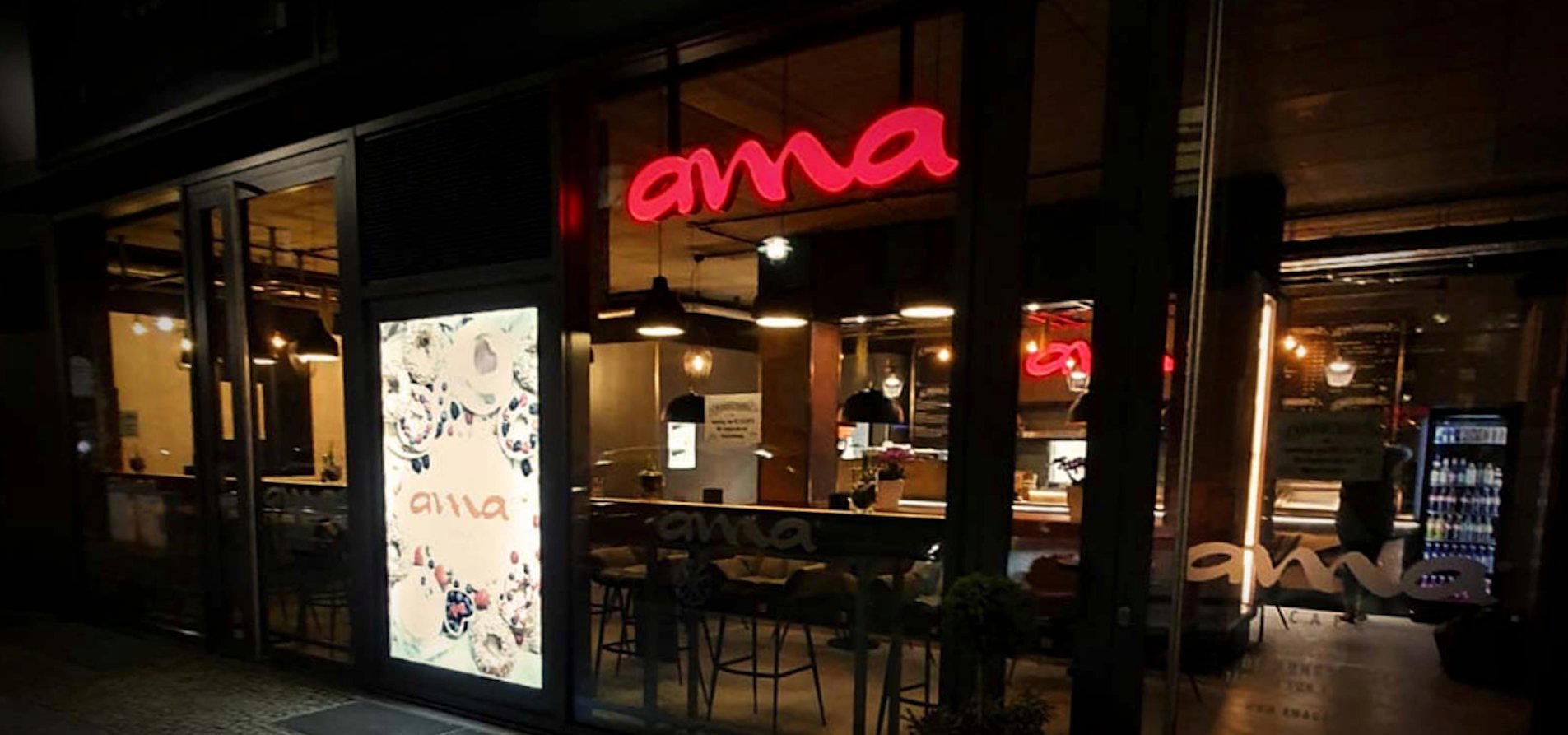
Mitte's Café Register: Where the Menu Tells the Story
Berlin's Mitte district operates on a different frequency from Kreuzberg or Prenzlauer Berg. Dorotheenstraße sits in the administrative and cultural core of the city, a street flanked by the Humboldt University campus, state institutions, and the kind of foot traffic that moves with intention rather than impulse. Cafés in this corridor don't survive on late-night covers or weekend brunch queues alone. They hold their position through the quality of what's on the table and how it's organised for the people who return to them on a Tuesday at noon. ama Café, at number 83, occupies that precise slot in the neighbourhood's daily rhythm.
Reading the Room Before the Menu Arrives
The address places ama Café within a few minutes of Museum Island and the Staatsoper, which means the clientele skews toward people with somewhere specific to be before or after. That context shapes what a café in this location needs to offer: a menu structured for different durations of visit, capable of handling a quick coffee and something small as readily as a longer, more deliberate sitting. In Berlin's café culture, that flexibility is harder to achieve than it looks. The city's more talked-about venues, such as CODA Dessert Dining, Rutz, and Nobelhart & Schmutzig, operate in tightly defined formats with fixed menus and controlled pacing. A café works in the opposite register, and the discipline required to do that well is frequently underestimated.
Menu Architecture as Positioning Signal
In Berlin, how a café structures its menu says more about its intentions than any single dish. Venues in Mitte tend to organise their offerings around a clear logic: a coffee program treated with the same seriousness as the food, a small-plates or open-sandwich format that doesn't require a committed appetite, and a rotating element that signals seasonal awareness without over-promising. This is the structural language that separates a café with a kitchen from a café that happens to serve food. The Dorotheenstraße location and the ama Café name together suggest a positioning that aligns with the quieter, more deliberate end of Berlin's café spectrum rather than the high-volume, Instagram-forward format that dominated openings earlier in the decade.
For comparison, the €€€€ tier in Berlin's fine-dining rooms, which includes FACIL and Restaurant Tim Raue, operates on entirely different structural logic. A café on Dorotheenstraße competes in a separate category, one where the menu's internal coherence and the room's ability to absorb different kinds of visits matter far more than award citations. That doesn't make it a lesser category. It makes the craft of building the right menu architecture more immediately visible to the guest.
The Mitte Café Context
Berlin's central districts have seen a gradual professionalisation of the café format since the mid-2010s. What was once a city defined by low-cost, high-duration café culture (the long hours, the tolerance for nursing a single Milchkaffee) has developed a parallel track of venues where the food program is taken seriously without tipping into restaurant formality. This shift mirrors what happened in Vienna a generation earlier, where the traditional Kaffeehaus model began accommodating kitchen ambitions. In Berlin the change is less codified, more neighbourhood-specific, and strongly influenced by the city's relationship with international food culture. Mitte, because of its visitor footfall and its proximity to cultural institutions, tends to attract cafés that skew toward legibility for a mixed audience without losing local credibility.
That balance is the operational challenge the restaurant faces at its Dorotheenstraße address. Venues that get it right in this part of the city tend to stay. Those that pitch too hard at tourists or too obscurely at a niche lose the daily regulars who make a café viable across the week.
Planning a Visit
Dorotheenstraße 83 is walkable from Friedrichstraße S-Bahn and U-Bahn station, which connects to most of the city's major lines. The street itself is not a dining destination in the way that Torstraße or Bergmannstraße are, so the restaurant draws from the immediate neighbourhood and from people moving between the cultural sites nearby rather than from destination-dining traffic. That's a meaningful distinction for how to approach a visit: this is a place to build into a day in Mitte rather than a standalone evening reservation.
Germany Beyond Berlin: The Reference Points
Readers building a longer Germany itinerary alongside a Berlin stop will find that the country's most formally recognised restaurants cluster outside the capital. Schwarzwaldstube in Baiersbronn and Aqua in Wolfsburg represent the top end of Germany's regional fine-dining tier. JAN in Munich, Vendôme in Bergisch Gladbach, and Victor's Fine Dining by Christian Bau in Perl each occupy distinct positions in Germany's multi-star landscape. For those covering the south and southwest, ES:SENZ in Grassau, Schanz in Piesport, Waldhotel Sonnora in Dreis, and Bagatelle in Trier are comparisons. Restaurant Haerlin in Hamburg is the northern anchor. For transatlantic context on what serious café and restaurant formats look like in other cities, Le Bernardin in New York City and Lazy Bear in San Francisco sit at the far formal end of that spectrum.
Cuisine and Credentials
Comparable venues nearby, for context on price, style, and recognition.
| Venue | Cuisine | Price | Notes |
|---|---|---|---|
| ama CaféThis venue — the venue you are viewing | Healthy European Café | $$ | Not listed |
| Lode & Stijn | Modern European Bistro with Dutch-Scandinavian Influences | $$$ | Mitte |
| Hugo & Notte | Modern French-German Fusion | $$ | Mitte |
| Paulaner | Traditional Bavarian Beer Hall Cuisine | $$ | Moabit |
| St. Bart | British-German Gastropub | $$ | Kreuzberg |
| AIGO Korean Food Kreuzberg | Korean Comfort Food | $$ | Kreuzberg |
Continue exploring
More in Berlin
Restaurants in Berlin
Browse all →
Bars in Berlin
Browse all →
Hotels in Berlin
Browse all →

At a Glance
- Cozy
- Modern
- Brunch
- Casual Hangout
Current opening hours
- Monday
- 8 AM–6 PM
- Tuesday
- 8 AM–6 PM
- Wednesday
- 8 AM–6 PM
- Thursday
- 8 AM–6 PM
- Friday
- 8 AM–6 PM
- Saturday
- 9 AM–6 PM
- Sunday
- 9 AM–6 PM
Hours can change for holidays and private events. Last verified .
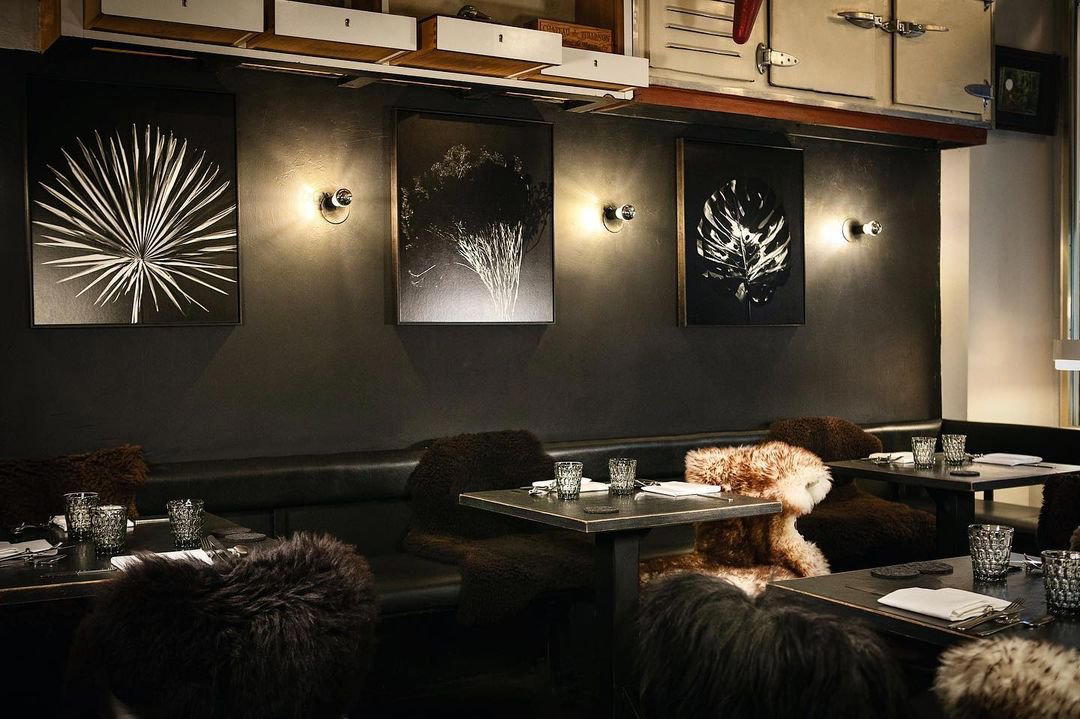
Gemütliche (cozy) atmosphere ideal for relaxing with free WLAN, peaceful and charming retreat away from tourist crowds.