Paulaner at Alt-Moabit 98 occupies a corner of Moabit that sits outside Berlin's better-mapped dining circuits. The address connects the venue to a Bavarian brewing tradition that has been reinterpreted across decades of German hospitality culture. For visitors tracking the city's shift from post-reunification beer-hall defaults toward a more considered casual dining register, it serves as a useful reference point.
Pearl is the En Primeur Club membership app — saves, bookings, and concierge access live there. Same editors, same standards.
- Address
- Alt-Moabit 98, 10559 Berlin, Germany
- Phone
- +493039881426
- Website
- paulaner-im-spreebogen.de
- Directions
- Get directions
 Saves & bookings on Pearl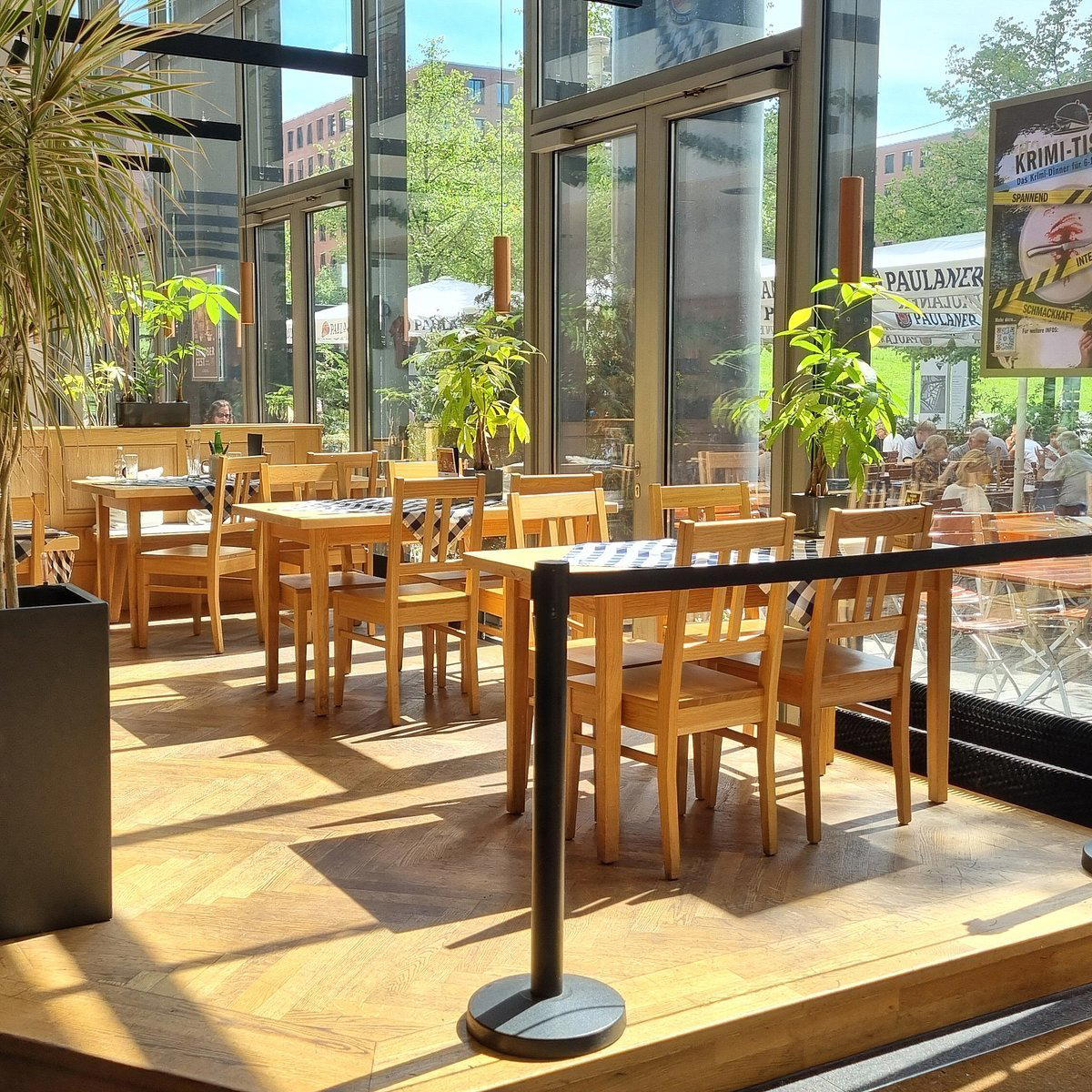
Moabit and the Long Arc of Bavarian Hospitality in Berlin
Berlin's relationship with Bavarian food culture is older and more contested than the city's current restaurant scene tends to acknowledge. In the decades following reunification, the beer hall and the Bavarian-style Gaststätte filled a specific urban role: they were reliable, high-capacity, and culturally legible to visitors arriving from across the country and beyond. Paulaner, operating under one of Germany's most recognised brewing names at Alt-Moabit 98 in the Moabit district, sits inside that tradition.
Moabit is instructive context here. The neighbourhood sits between the government quarter and Wedding, historically a working-class district with industrial roots and a dense, mixed residential character. It has not followed the trajectory of Mitte or Prenzlauer Berg, no particular wave of destination restaurants has redefined it, which means venues here tend to serve their immediate community more directly than venues in higher-profile postcodes. A Paulaner address in Moabit signals a more local rhythm.
The Evolution of the Format: From Beer-Hall Default to Considered Casual
The Paulaner brand has undergone significant repositioning at the national and international level over the past two decades. What was once a category shorthand for volume-driven Bavarian hospitality, white-and-blue interiors, litre steins, pretzels as a reflex, has been refined, at various points and with varying success, toward a more considered casual dining register. The question for any individual Paulaner location is how that evolution shows up on the floor.
In Berlin specifically, the pressure to evolve has come from two directions. From above, the city's fine dining tier, restaurants like Rutz, Nobelhart & Schmutzig, and FACIL, has set a high standard for what rigorous sourcing and kitchen discipline look like at the summit of the market. From the side, a generation of casual but serious neighbourhood restaurants has raised expectations for mid-market dining without demanding tasting-menu commitment or tasting-menu prices. The beer hall format, to remain credible, has had to demonstrate that quality of product and consistency of execution can coexist with scale and accessibility.
Paulaner's answer, across its German estate, has broadly been to tighten the kitchen around a smaller, more defensible menu of Bavarian classics rather than to expand into fusion territory or follow trend cycles. Whether that discipline holds at the Alt-Moabit address is the operative question for anyone considering a visit.
What the Bavarian Tradition Actually Requires
To assess any Paulaner location fairly, it helps to understand what the Bavarian dining tradition asks of its practitioners. The canon is not technically demanding in the way that, say, the new German cuisine represented by CODA Dessert Dining or the French-inflected kitchens at Vendôme in Bergisch Gladbach or Waldhotel Sonnora in Dreis are demanding. But it is unforgiving of corners cut on sourcing and timing. A Schweinsbraten lives or dies by the quality of the pork and the patience of the oven. A Weißwurst is a product of the morning, not the afternoon. The Bavarian kitchen is, in this sense, a discipline of basics rather than a platform for invention.
This puts the Paulaner format in an interesting competitive position within Germany's broader dining map. The country's most celebrated kitchens, Aqua in Wolfsburg, Victor's Fine Dining in Perl, Schwarzwaldstube in Baiersbronn, operate at a level of technical ambition that has little to do with the Bavarian tradition. But the leading Bavarian restaurants, even outside the fine dining bracket, carry their own form of authority: the authority of doing something specific extremely well. The gap between a well-executed Haxe and a poorly executed one is legible to anyone who has eaten both.
Berlin's Casual Dining Register and Where Paulaner Fits
Berlin's mid-market dining scene has become more defined in recent years, partly in response to the city's growing status as a destination for food-focused visitors and partly because a generation of cooks trained in serious kitchens has chosen to open accessible, neighbourhood-oriented restaurants rather than compete for Michelin attention. Restaurant Tim Raue aside, Berlin's most interesting dining energy in the past decade has often come from formats that prioritise directness over ceremony.
Paulaner at Alt-Moabit operates in a different register from these newer entrants: it carries the weight of a branded tradition, which brings both credibility and constraint. The brand provides instant legibility, but it also means the location is judged against a national standard rather than simply against its Moabit neighbours. That dual accountability is the defining condition of any branded hospitality operation in a city with as much independent restaurant density as Berlin.
For comparison, the German restaurant scene outside Berlin rewards patience with regional specificity: Schanz in Piesport and Restaurant Haerlin in Hamburg demonstrate how deeply regional identity can anchor a serious kitchen. The Paulaner proposition is different, it argues that a branded tradition, applied with consistency, can hold its own against that kind of rootedness. The argument is more convincing on some nights than others, and more convincing at some locations than others.
Internationally, the question of how a national food tradition travels and evolves in a capital city context is not distinctive to Germany. The same tension between branded heritage and local evolution plays out across hospitality markets from Tokyo to New York, where venues like Le Bernardin and Atomix have built identities that transcend the branded format entirely. Paulaner operates further down that ambition scale, but the underlying question, what does this tradition owe its current location?, is the same.
Know Before You Go
- Schweinshaxe
- Obatzda
- Currywurst
- Fleischpflanzerl
- Spätzle
- Braumeistersteak
Nearby-ish Comparables
Comparable venues nearby, for context on price, style, and recognition.
| Venue | Cuisine | Price | Notes |
|---|---|---|---|
| PaulanerThis venue — the venue you are viewing | Traditional Bavarian Beer Hall Cuisine | $$ | Not listed |
| Luna D'Oro | Modern Traditional German | $$ | Mitte |
| Schnitzelei Wilmersdorf | Modern German Schnitzel | $$ | Wilmersdorf |
| Chipperfield Kantine | Sustainable Vegetarian Canteen | $$ | Mitte |
| Georgbraeu | Traditional German Brewery | $$ | Mitte |
| Brauhaus Spandau | Traditional German Brewery | $$ | Spandau |
Continue exploring
More in Berlin
Restaurants in Berlin
Browse all →
Bars in Berlin
Browse all →
Hotels in Berlin
Browse all →

At a Glance
- Rustic
- Cozy
- Lively
- Classic
- Group Dining
- Casual Hangout
- After Work
- Celebration
- Terrace
- Standalone
- Beer Program
- Local Sourcing
Current opening hours
- Monday
- 11:30 AM–11 PM
- Tuesday
- 11:30 AM–11 PM
- Wednesday
- 11:30 AM–11 PM
- Thursday
- 11:30 AM–11 PM
- Friday
- 11:30 AM–11 PM
- Saturday
- 11:30 AM–11 PM
- Sunday
- 11:30 AM–10 PM
Hours can change for holidays and private events. Last verified .
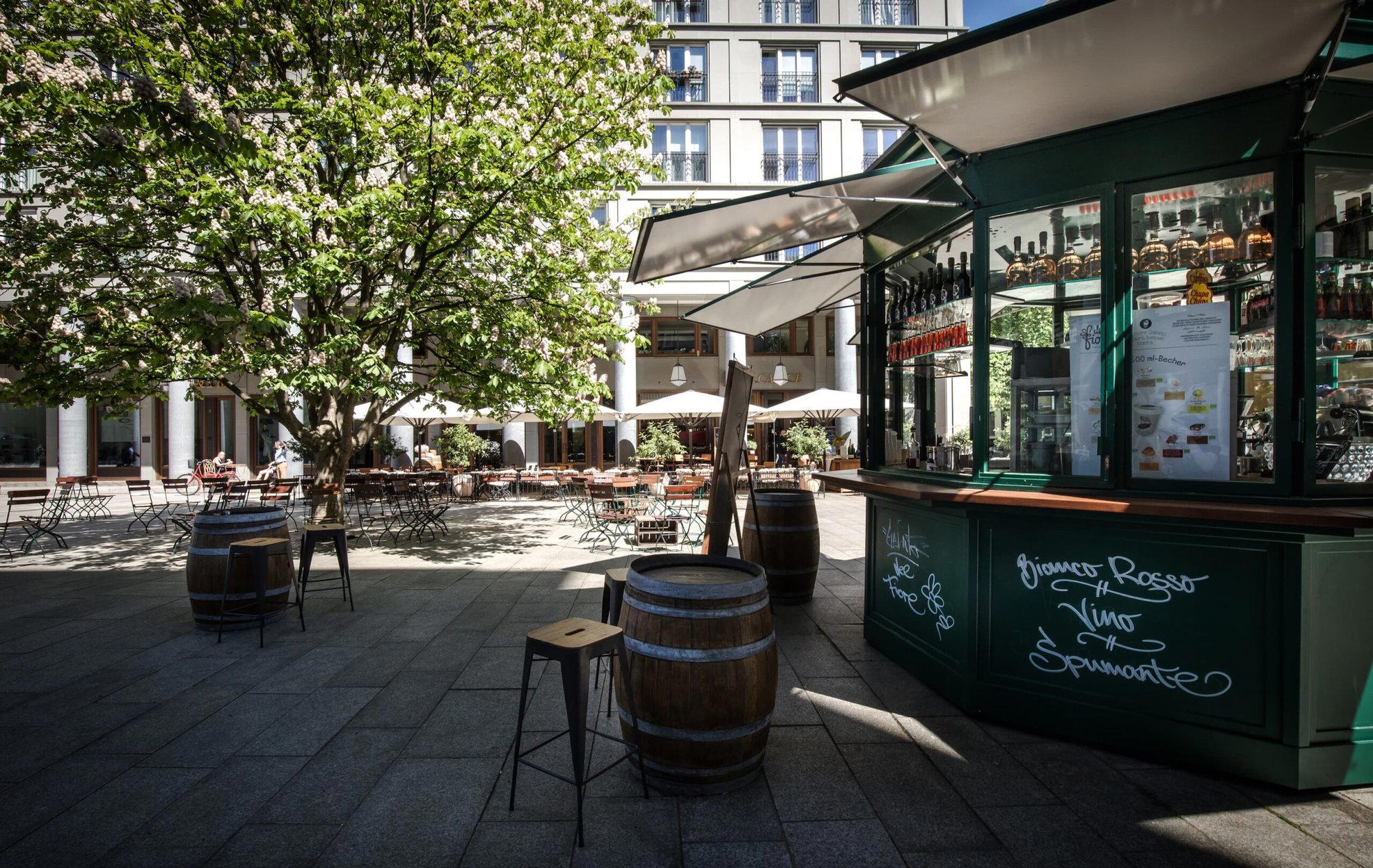
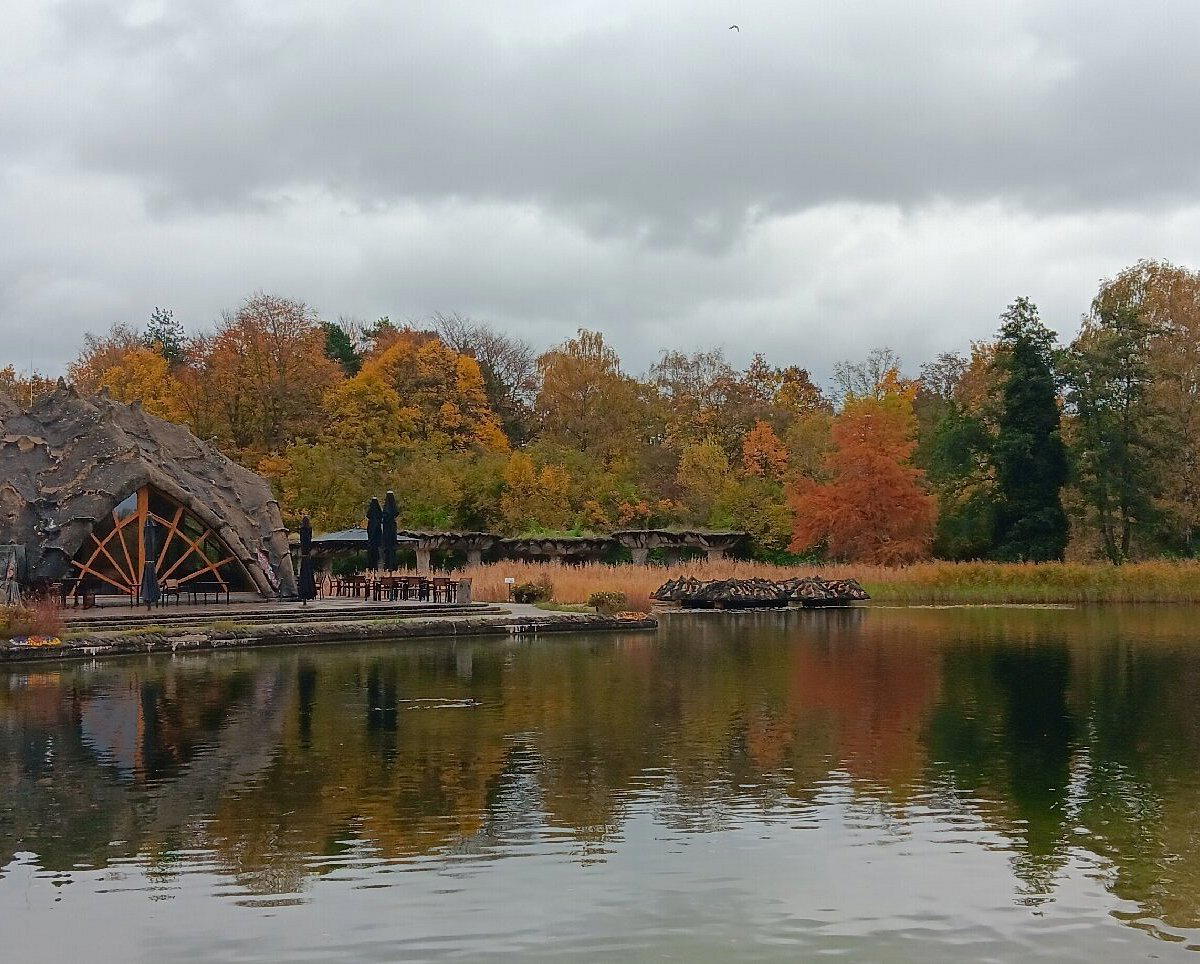
Rustic Alpine charm with traditional Bavarian decor, energetic and convivial atmosphere reminiscent of Munich beer gardens, with natural lighting from outdoor seating areas.