On Kottbusser Damm in Kreuzberg, AIGO sits at a crossroads where Berlin's working-class food culture and its appetite for Korean cooking meet without ceremony. The space anchors a neighbourhood where price and directness matter more than theatre, placing it in a different register from the city's formal dining tier. For Korean food outside the Mitte tourist circuit, this corner address is worth tracking.
Pearl is the En Primeur Club membership app — saves, bookings, and concierge access live there. Same editors, same standards.
- Address
- Kottbusser Damm 1, 10967 Berlin, Germany
- Phone
- +4917660609996
- Website
- aigo-take-away-berlin.de
- Directions
- Get directions
 Saves & bookings on Pearl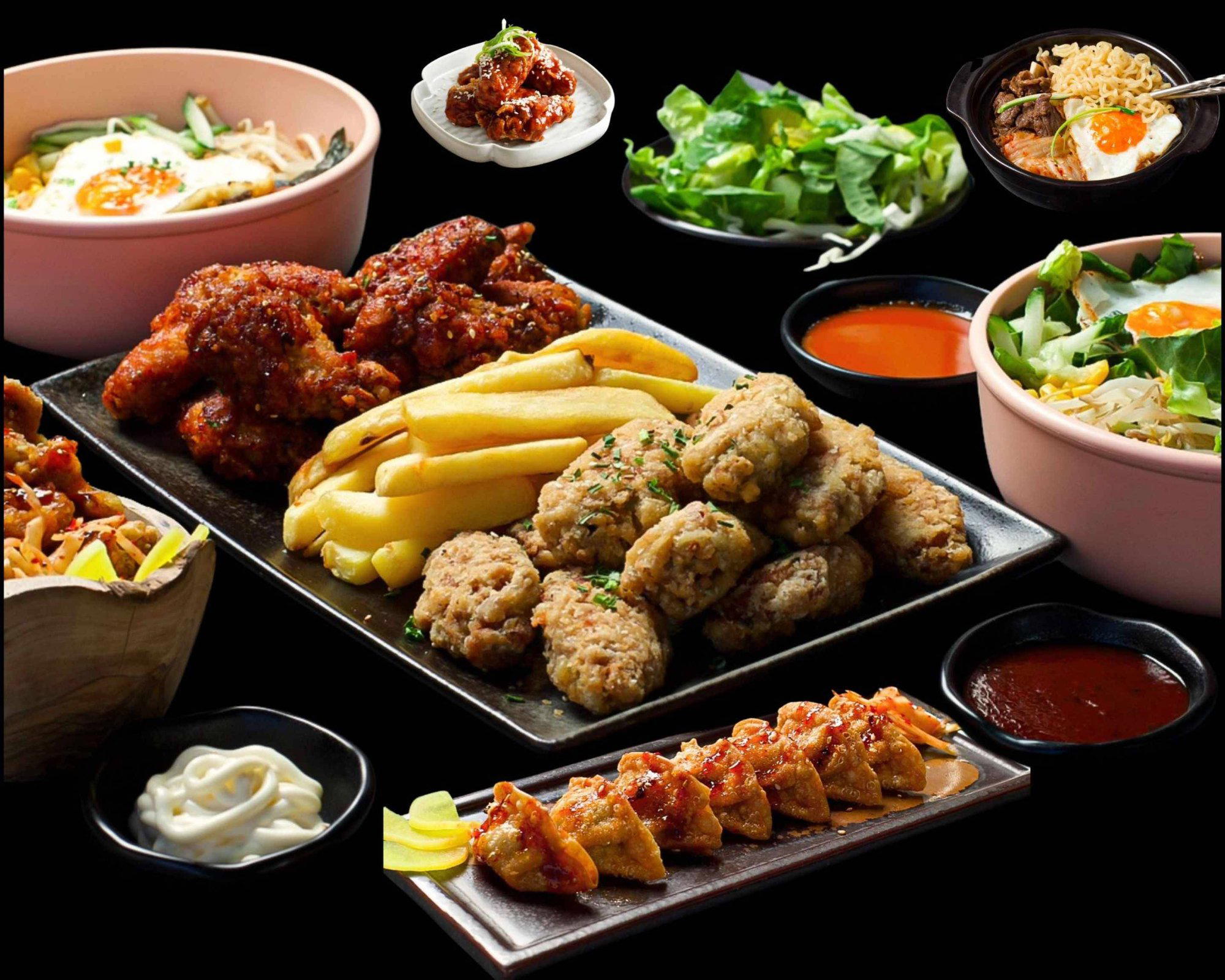
A Corner of Kreuzberg, a Register of Its Own
Kottbusser Damm runs through one of Berlin's most contested and most alive stretches, a corridor where Turkish bakeries share walls with Vietnamese pho counters, where the foot traffic is local by default and tourist by accident. AIGO Korean Food sits at number 1, a corner position on a block that announces its intentions through the building itself rather than through any designed entrance sequence. There is no awning drama here, no foyer pause. The address is part of the argument the restaurant makes before a single plate arrives.
This matters because Korean food in Berlin has historically been concentrated in two modes: the upscale hybrid format that borrows Korean flavour signatures to service Western fine-dining logic, and the unfussy neighbourhood canteen aimed at the Korean diaspora and the students who follow them. AIGO's Kreuzberg placement plants it firmly in the second tradition, in a district that has historically rewarded direct execution over concept.
The Physical Logic of the Space
Kreuzberg interiors in this price bracket tend toward a particular economy of design: tiled walls, close-set tables, surfaces chosen for ease of cleaning rather than visual programme. What distinguishes a space in this context is how it handles proximity and noise, two variables that determine whether a room feels alive or merely crowded. Korean food lends itself to a certain density of setting. The cooking is built around communal eating rhythms, sharing plates that arrive in sequence without a rigid ceremony of courses, and that informality tends to translate into dining rooms that are deliberately compressed rather than spread.
The corner position at Kottbusser Damm 1 gives the room natural light from two elevations, which in a dense urban block is not a minor detail. In Kreuzberg's building stock, corner units often carry higher ceilings and wider window apertures than mid-terrace units, and that structural inheritance shapes the character of a dining space whether the fit-out acknowledges it or not. The street-facing aspect also places diners at an angle to the neighbourhood rather than inside it, which gives the room a different social temperature from a backstreet location.
Berlin has a strong tradition of eating at places where the physical container is deliberately unglamorous, where the quality of the food is understood to make the design argument irrelevant. That tradition runs from the city's Imbiss culture through to venues like Nobelhart & Schmutzig, which occupies a stripped-down room on Friedrichstrasse and treats the spare aesthetic as part of its editorial point. AIGO operates in a different price tier entirely, but the underlying logic, let the food do the explaining, is consistent with a broader Berlin disposition.
Korean Food in the Berlin Context
Korean cuisine's profile in German cities has risen sharply over the past decade, driven partly by the global spread of Korean cultural exports and partly by a generation of German diners who encountered the cuisine through travel rather than diaspora proximity. In Berlin specifically, the demand has outpaced the supply of quality, there are more people who want good doenjang jjigae or properly fermented kimchi than there are kitchens reliably producing it at the neighbourhood level.
The district has a track record of producing durable, unsentimental food operations that survive because the local customer base is exacting in a specific way: not demanding luxury, but demanding accuracy. A Thai restaurant in Kreuzberg that produces lazy pad thai does not last. The same standard applies to Korean food.
For context on where the wider Berlin restaurant spectrum sits, the city's formal dining tier is anchored by multiple Michelin-starred operations. Restaurant Tim Raue holds two stars and works with a pan-Asian reference frame that includes Korean flavour logic. Rutz and FACIL operate in the contemporary European register at the summit of the price bracket. CODA Dessert Dining occupies its own tier as a creative format built around dessert-as-savoury discipline. None of these are competitors or comparators for what AIGO represents. The point is that Berlin's dining range is wide, and neighbourhood Korean at Kreuzberg prices occupies a completely separate part of that range, one that is more difficult to execute well on a daily basis than a tasting menu kitchen, because the margins are tighter and the regulars are harder to disappoint.
Planning a Visit
AIGO sits at Kottbusser Damm 1, 10967 Berlin, reachable via the U8 line at Schönleinstrasse or the U1/U3 interchange at Kottbusser Tor, both within comfortable walking distance. No booking method, hours, or pricing information is currently held in verified form, so confirming availability and any reservation requirements directly with the venue before visiting is advisable. For a broader map of where to eat across the city, our full Berlin restaurants guide covers the range from neighbourhood kitchens to Michelin-level rooms.
Readers exploring the wider German dining circuit beyond Berlin can reference three-star operations including Schwarzwaldstube in Baiersbronn, Aqua in Wolfsburg, and Vendôme in Bergisch Gladbach. For further regional reference: JAN in Munich, Victor's Fine Dining by Christian Bau in Perl, ES:SENZ in Grassau, Schanz in Piesport, Waldhotel Sonnora in Dreis, Restaurant Haerlin in Hamburg, and Bagatelle in Trier. For international reference points at the formal end, Le Bernardin in New York City and Lazy Bear in San Francisco represent the kind of precision-format dining that sits at the opposite end of the register from what Kreuzberg neighbourhood cooking offers, both are worth understanding as context for how wide the spectrum runs.
Cuisine and Recognition
Comparable venues nearby, for context on price, style, and recognition.
| Venue | Cuisine | Price | Notes |
|---|---|---|---|
| AIGO Korean Food KreuzbergThis venue — the venue you are viewing | Korean Comfort Food | $$ | Not listed |
| WaWa | Authentic Korean | $$ | Schoneberg |
| Han BBQ | Korean BBQ | $$ | Charlottenburg |
| Tupac Berlin | Modern Peruvian Latin American | $$ | Kreuzberg |
| TiER | Craft Cocktail Bar | $$ | Neukolln |
| Fischer & Lustig | Traditional German Fish & Meat | $$ | Mitte |
Continue exploring
More in Berlin
Restaurants in Berlin
Browse all →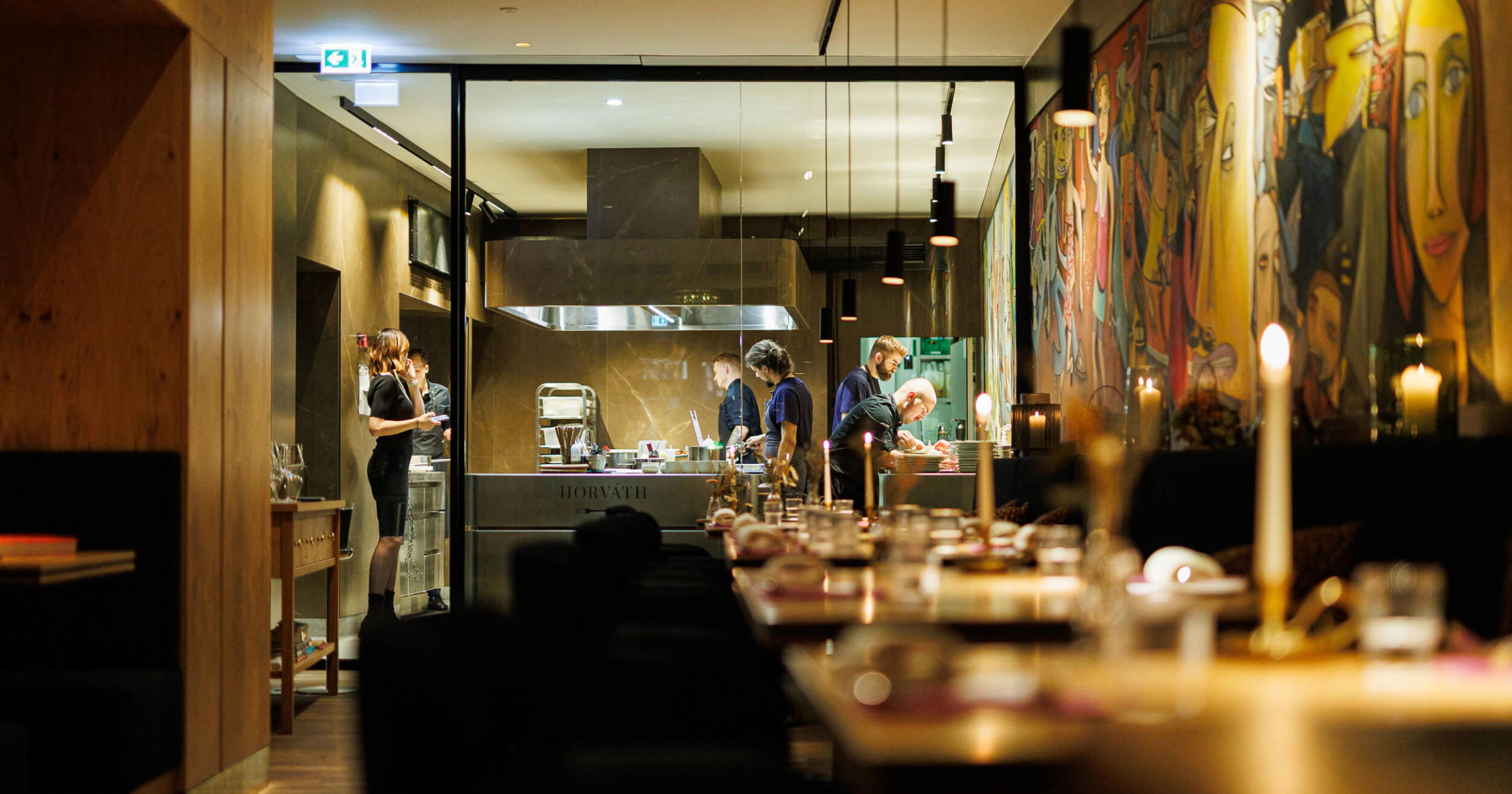
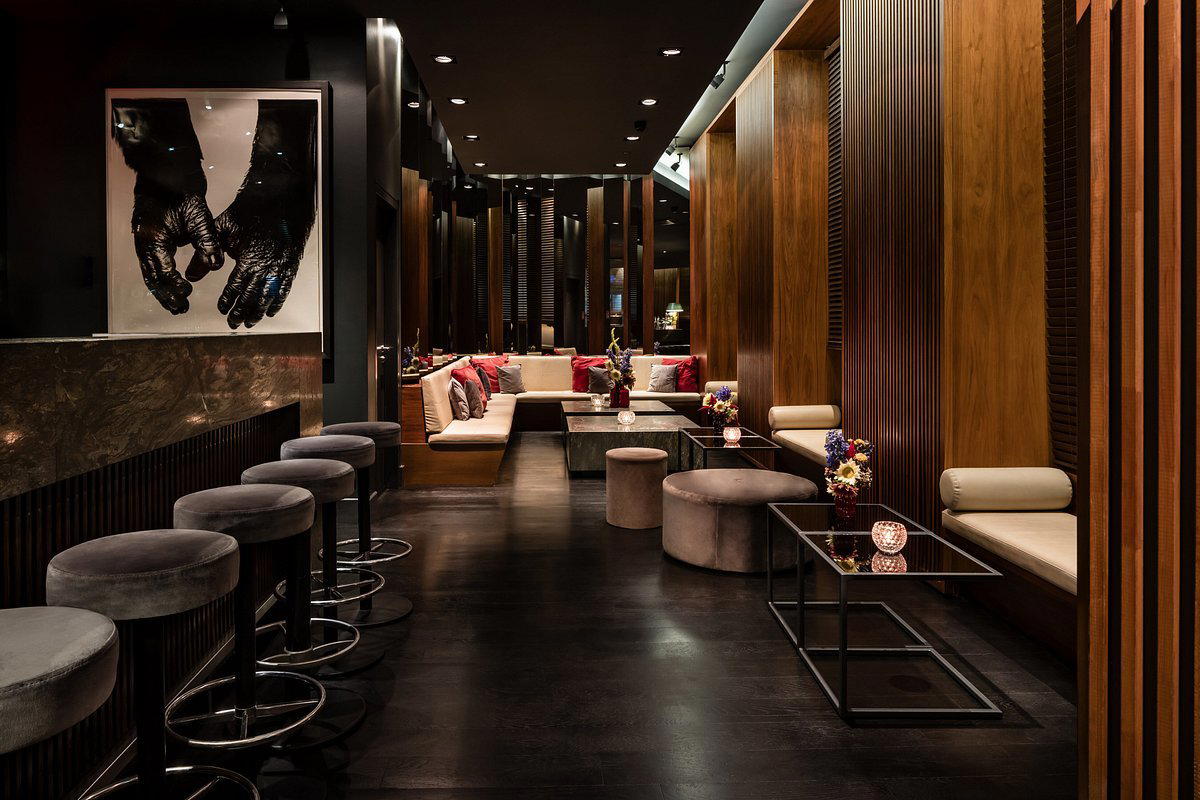
Bars in Berlin
Browse all →
Hotels in Berlin
Browse all →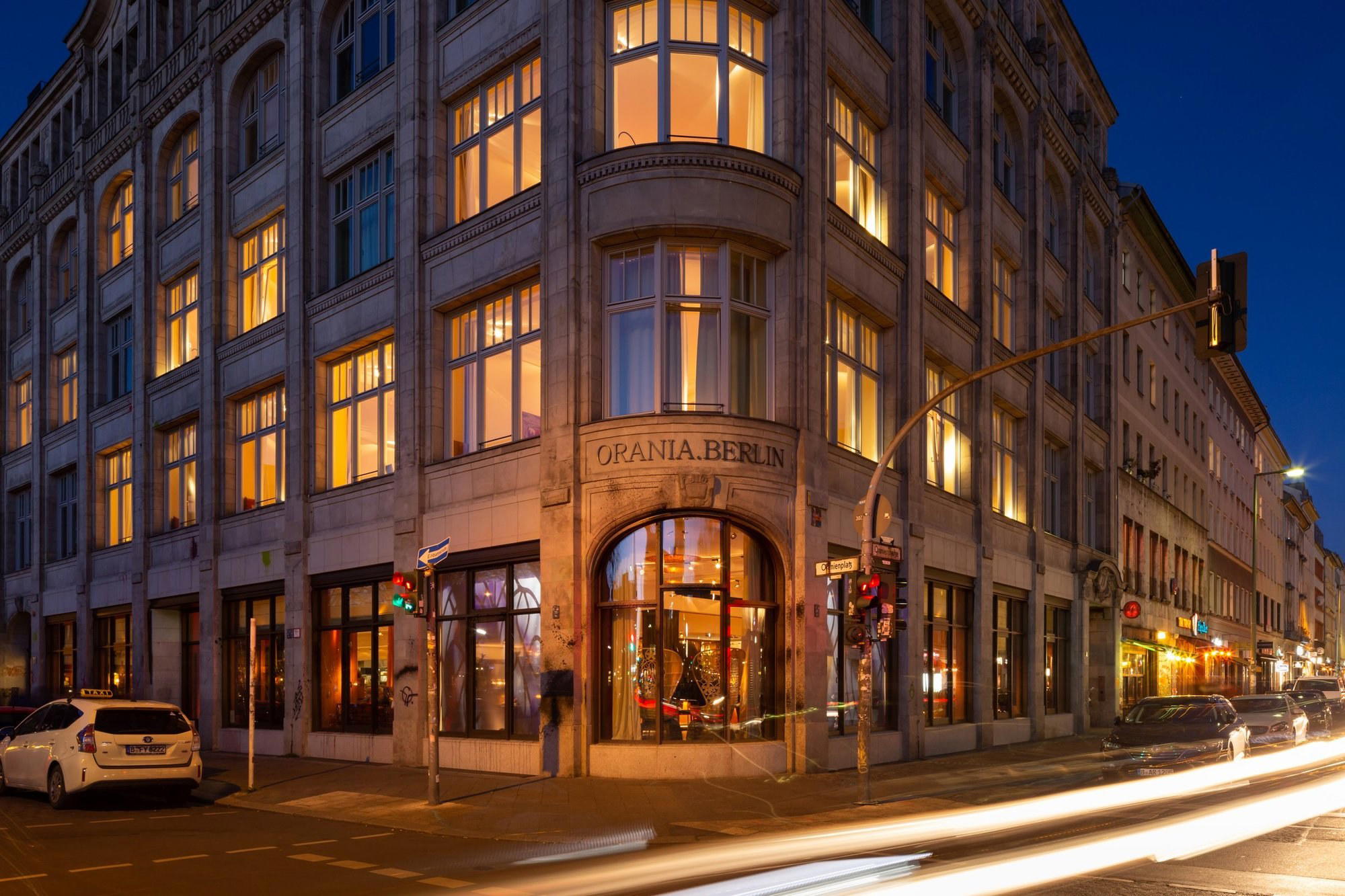
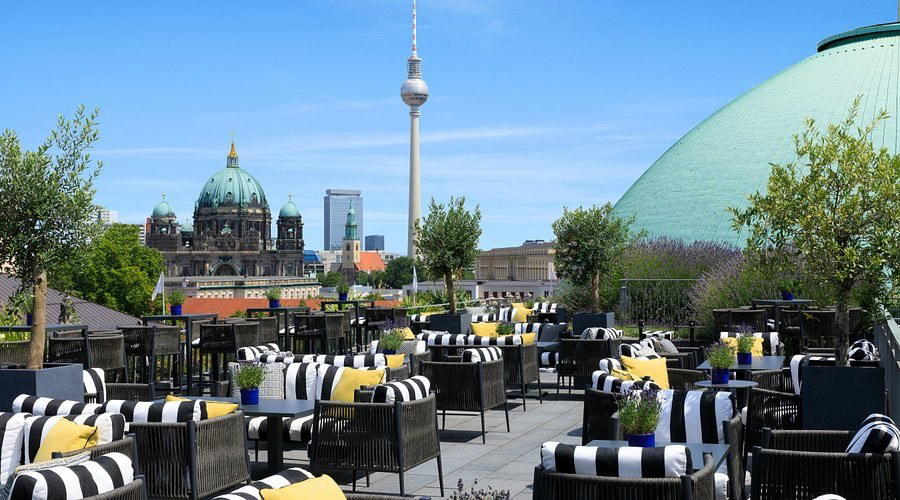
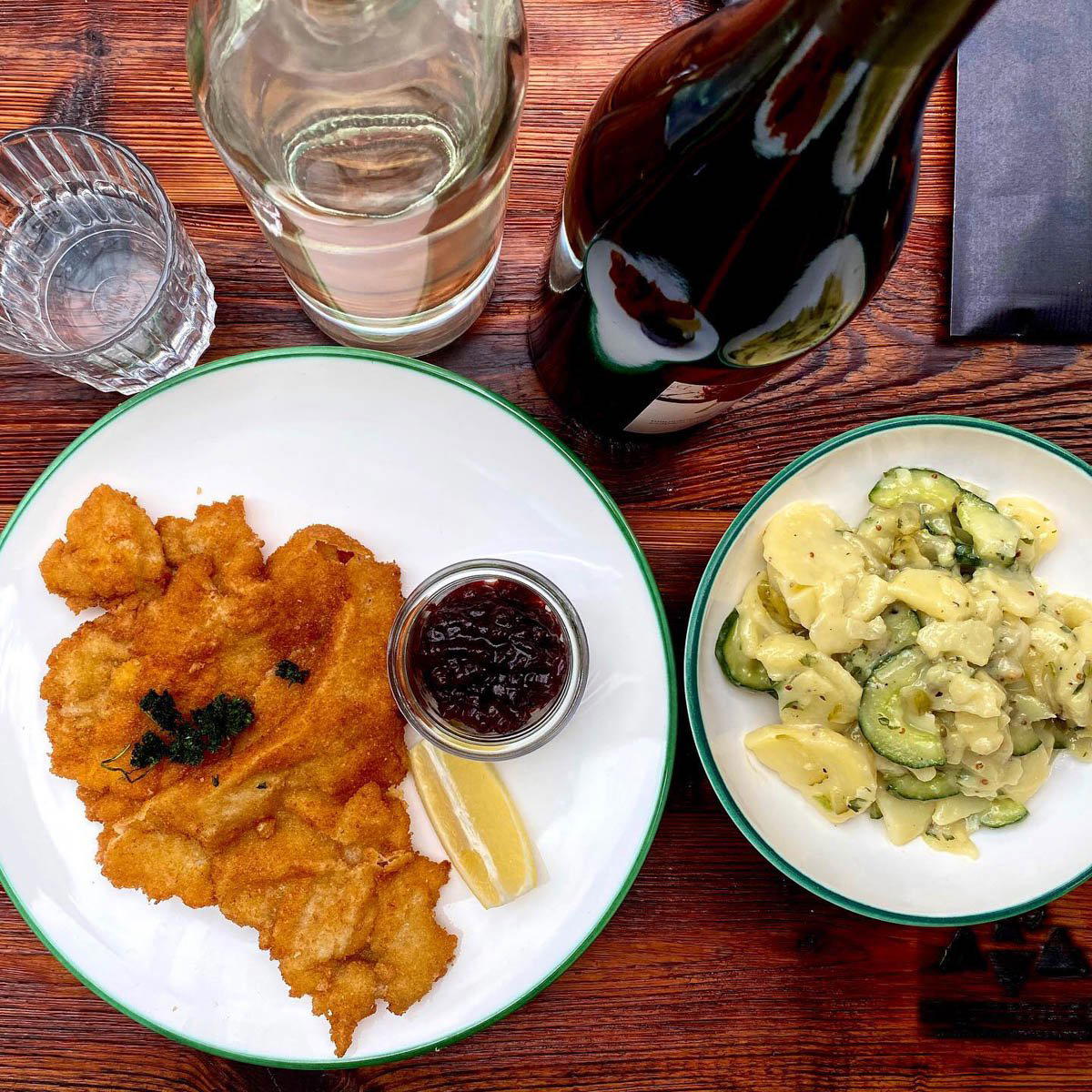
Wineries in Berlin
Browse all →
At a Glance
- Cozy
- Trendy
- Casual Hangout
Current opening hours
- Monday
- 12–10 PM
- Tuesday
- 12–10 PM
- Wednesday
- 12–10 PM
- Thursday
- 12–10 PM
- Friday
- 12–10 PM
- Saturday
- 1–10 PM
- Sunday
- 1–10 PM
Hours can change for holidays and private events. Last verified .
Cozy atmosphere with friendly staff as described by guests.