Positioned on one of Berlin's most architecturally composed squares, Hugo & Notte occupies Gendarmenmarkt 5 in Mitte, placing it among the city's more formally situated dining addresses. With Berlin's fine dining tier growing more competitive and cellar-led programming gaining ground, the restaurant draws attention for its approach to wine curation alongside the kitchen's output.
Pearl is the En Primeur Club membership app — saves, bookings, and concierge access live there. Same editors, same standards.
- Address
- Gendarmenmarkt 5, 10117 Berlin, Germany
- Phone
- +49305268021730
- Website
- hugo-und-notte.de
- Directions
- Get directions
 Saves & bookings on Pearl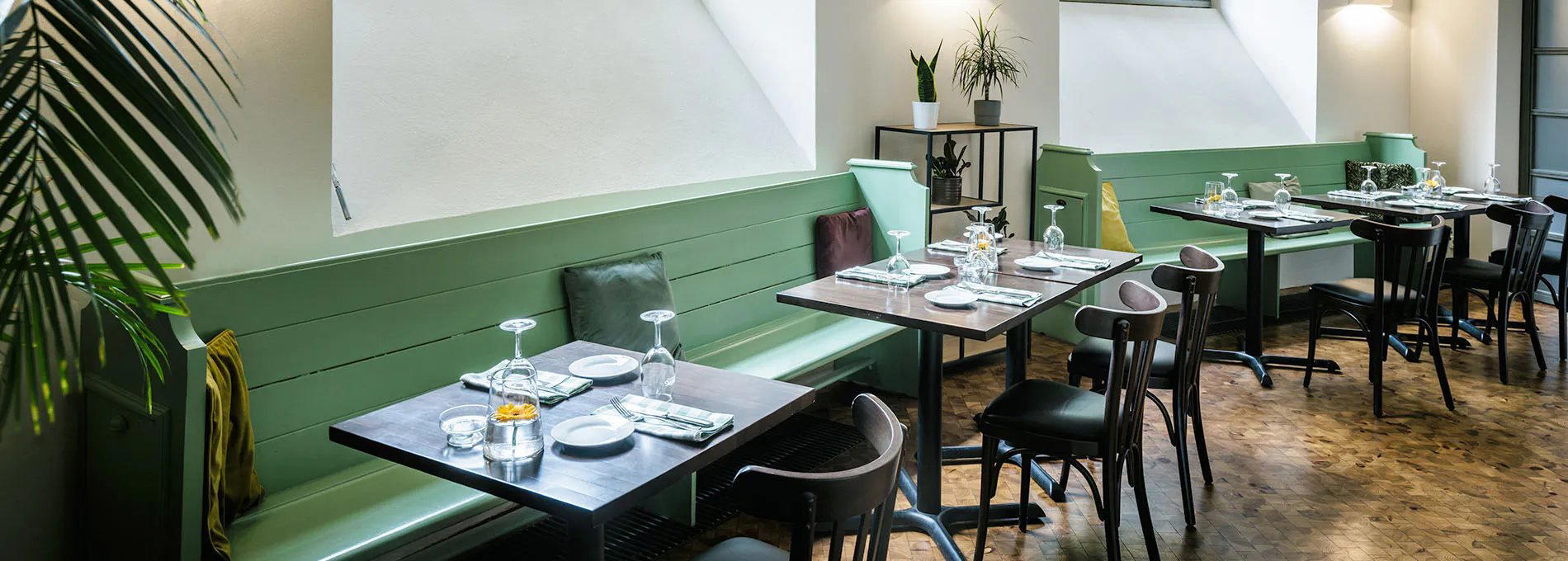
Gendarmenmarkt and the Weight of Address
Few squares in German-speaking Europe carry the same architectural gravity as the Gendarmenmarkt. Flanked by the Konzerthaus and the twin domes of the French and German cathedrals, the address at number 5 comes with an implicit set of expectations: a certain formality of setting, a guest profile that arrives with a specific kind of appetite, and a competitive comparable set that spans hotel dining rooms and independently run fine dining destinations across Mitte and Charlottenburg. Hugo & Notte is a Modern French-German Fusion restaurant at Gendarmenmarkt 5, 10117 Berlin, Germany.
Berlin's fine dining scene has shifted over the past decade. The city now holds a deep bench of Michelin-recognised restaurants, and the calibre of wine programming across that tier has risen in parallel. Addresses like Rutz and Nobelhart & Schmutzig have set a high bar for how kitchen ambition and beverage depth can reinforce each other. Against that backdrop, a new entrant on the Gendarmenmarkt is entering a conversation already in progress.
The Wine Question at the Centre of It All
In Berlin's upper dining tier, the cellar has become as much a differentiator as the tasting menu. Restaurants operating at the €€€€ price point, the bracket that includes FACIL, CODA Dessert Dining, and Restaurant Tim Raue, have increasingly built wine programmes that extend well beyond conventional European coverage. German producers, particularly from the Mosel, Rheingau, and Pfalz, now appear with serious depth at these addresses, alongside Burgundy and natural wine selections that reflect both sommelier literacy and a shift in what Berlin's dining public expects when spending at that level.
Hugo & Notte's placement on the Gendarmenmarkt suggests it is playing in that same tier. The address carries a premium that rewards cellars built for discovery: guests arriving at one of the city's most formal squares are not generally looking for a short, safe list assembled around convention. The wine programme at a restaurant in this position functions as an editorial statement, signalling how seriously the house takes the full dining experience rather than treating beverage as an afterthought to the kitchen.
Across Germany's broader fine dining circuit, from Schwarzwaldstube in Baiersbronn to Vendôme in Bergisch Gladbach and Victor's Fine Dining by Christian Bau in Perl, cellars at Michelin-recognised houses typically run into four figures on the list, with German grand cru Riesling and aged Burgundy occupying anchor positions.
Where Hugo & Notte Sits in Berlin's Dining Map
Mitte's fine dining concentration has grown more coherent in recent years. The neighbourhood now supports a range of formats: tasting-menu-only counters, chef's table operations with limited covers, and more conventionally structured dining rooms where à la carte remains viable. Each format implies a different relationship between the kitchen and the guest, and a different logic for how the wine list is built and presented.
The Gendarmenmarkt address suggests a dining room format rather than a counter or chef's table operation, which in turn implies a list broad enough to serve multiple table preferences simultaneously, a more demanding curatorial challenge than building a wine pairing sequence for a fixed menu. The sommelier's role at such an address requires fluency across a wider range of styles, budgets within the premium tier, and guest temperaments than a counter format typically demands.
For comparison, restaurants in Berlin's €€€€ tier such as FACIL often operate within hotel infrastructure that affords cellar depth and storage rarely available to standalone operations. Hugo & Notte's independent positioning would place it alongside Nobelhart & Schmutzig and Rutz in a cohort where cellar investment is a direct expression of the house's financial commitment to the full dining proposition.
The Gendarmenmarkt in Season
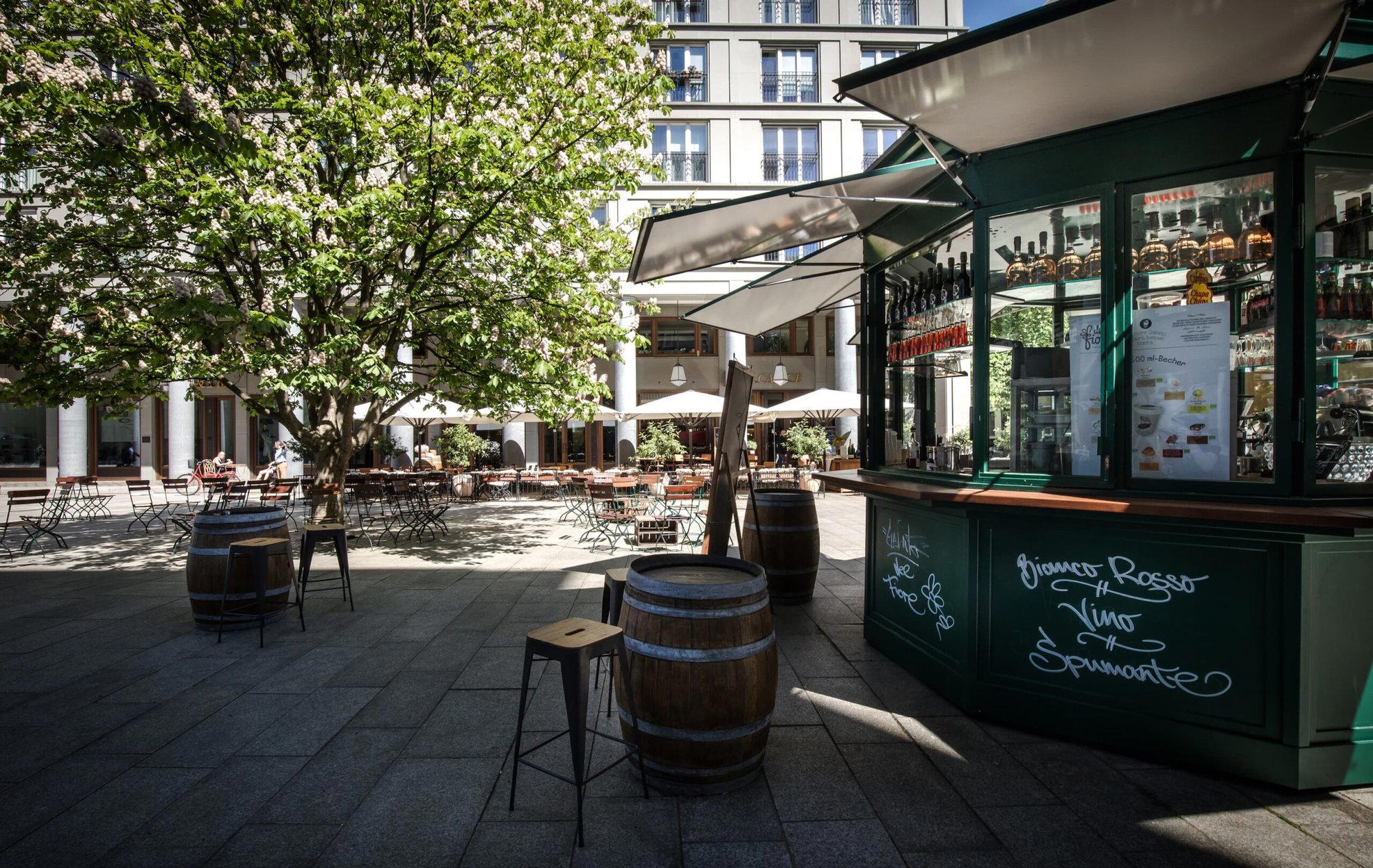
The square shifts character across the year. Summer brings a terrace culture that, in Berlin, extends well into September; the evening light across the Konzerthaus facade creates a setting that most cities cannot replicate. Winter brings the city's most architecturally considered Christmas market to the Gendarmenmarkt's cobbles, turning the immediate neighbourhood into one of central Berlin's busiest pedestrian zones from late November through December. A restaurant at number 5 must, practically speaking, have a seasonal strategy that accounts for both conditions: summer guests arriving from the square's outdoor life, and winter guests seeking warmth after navigating a busy market perimeter.
This seasonal rhythm has implications for wine programming as well. A list that serves warm-weather outdoor arrivals with aperitif mentality differs from one calibrated for winter dining, where heavier red Burgundy, aged Barolo, and German Spätburgunder from producers such as those in Baden and the Ahr find their most natural audience. Germany's domestic wine calendar, with late-harvest Riesling releases arriving in autumn and new vintage coverage building through spring, gives a Berlin sommelier natural anchoring points for rotating emphasis across the year.
Germany's Fine Dining Reference Points
For readers building a broader itinerary around Germany's serious restaurant tier, the national circuit extends well beyond Berlin. Aqua in Wolfsburg, JAN in Munich, Restaurant Haerlin in Hamburg, Schanz in Piesport, Bagatelle in Trier, and ES:SENZ in Grassau represent the range of formats and regions that Germany's Michelin circuit now covers. Each operates with a distinct relationship to its local wine culture, and comparing their cellar approaches offers as useful an education in German gastronomy as the kitchens themselves.
Beyond Germany, the comparison set for technically rigorous, wine-serious dining extends internationally. Le Bernardin in New York City and Atomix in New York City represent different models for how a serious cellar and a precise kitchen reinforce each other at the level where wine pairing becomes genuinely integral to the meal rather than optional supplementary spend.
Planning Your Visit
| Detail | Hugo & Notte | Rutz | FACIL | Nobelhart & Schmutzig |
|---|---|---|---|---|
| Address | Gendarmenmarkt 5, Mitte | Chausseestraße 8, Mitte | Potsdamer Straße 3, Tiergarten | Friedrichstraße 218, Mitte |
| Price Tier | Premium (confirm direct) | €€€€ | €€€€ | €€€€ |
| Format | Confirm direct | Tasting menu | Tasting menu | Fixed menu, counter |
| Booking | Confirm via venue | Online / telephone | Online / telephone | Online, books ahead |
| Michelin Recognition | Not confirmed | Yes | Yes | Yes |
Nearby-ish Comparables
Comparable venues nearby, for context on price, style, and recognition.
| Venue | Cuisine | Price | Notes |
|---|---|---|---|
| Hugo & NotteThis venue — the venue you are viewing | Modern French-German Fusion | $$ | Not listed |
| Hauptstadtrestaurant Gendarmerie | French Brasserie with German Accents | $$$ | Mitte |
| Lamazere | Modern French Brasserie | $$ | Charlottenburg |
| MANON | Modern French Brasserie | $$$ | Charlottenburg |
| Restaurant Patrice | French Bistro | $$ | Wilmersdorf |
| Magic John's | New York-Style Pizza & Detroit Deep Dish | $$ | Mitte |
Continue exploring
More in Berlin
Restaurants in Berlin
Browse all →
Bars in Berlin
Browse all →
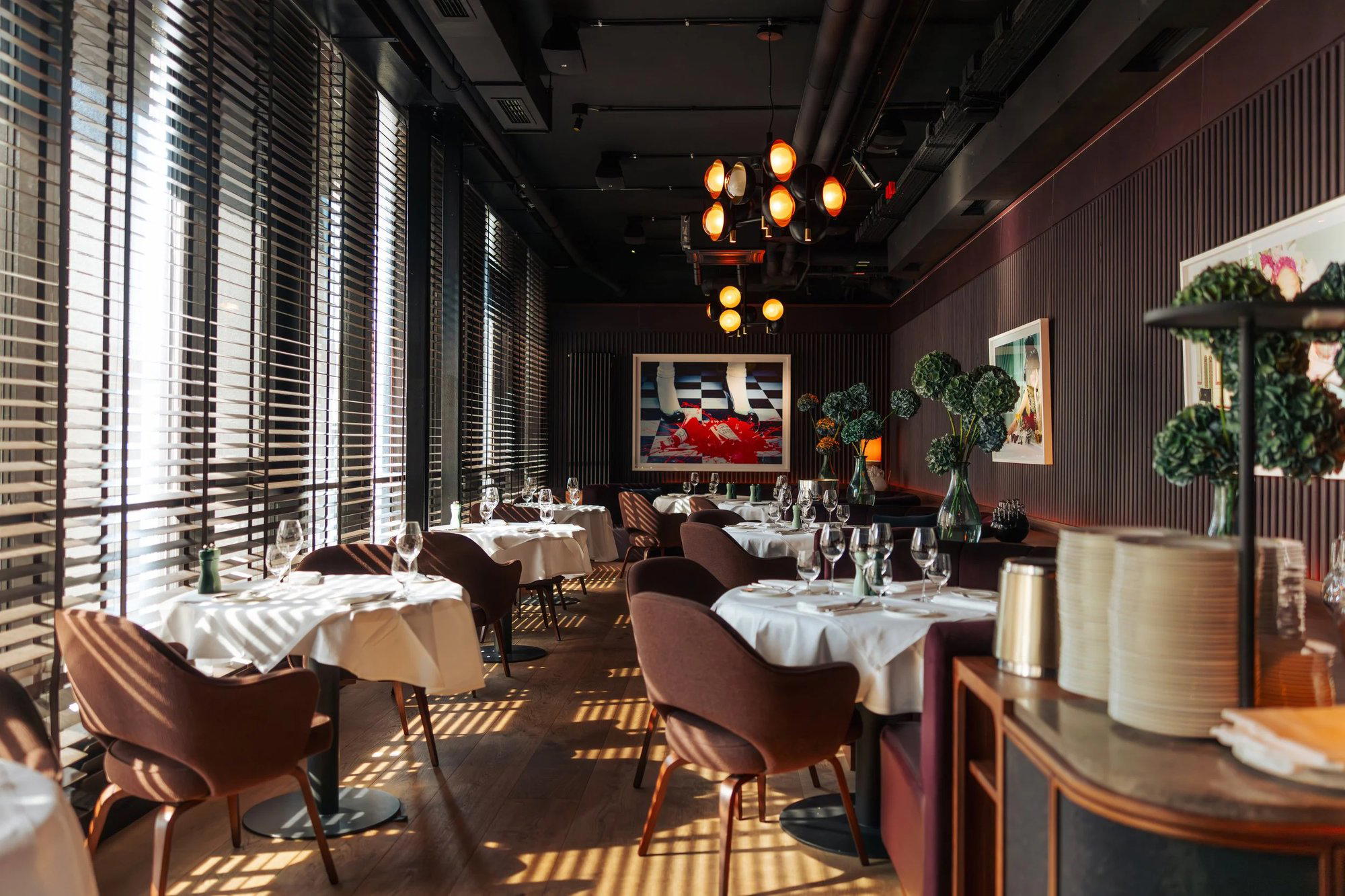
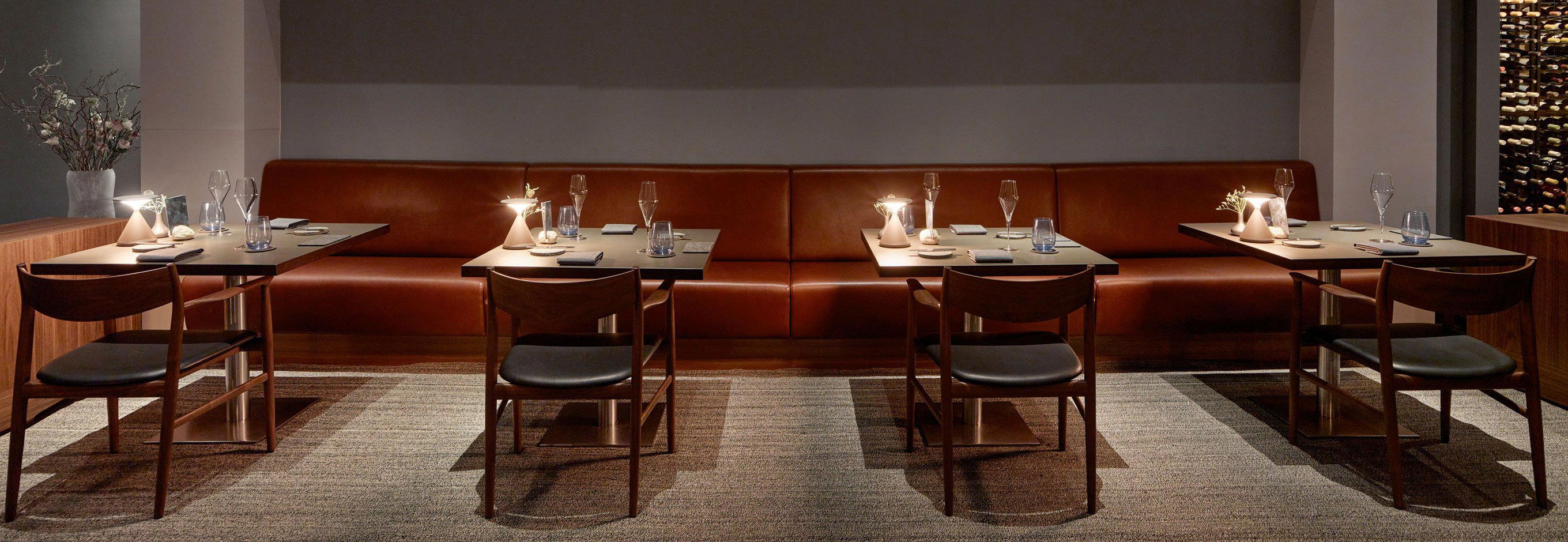
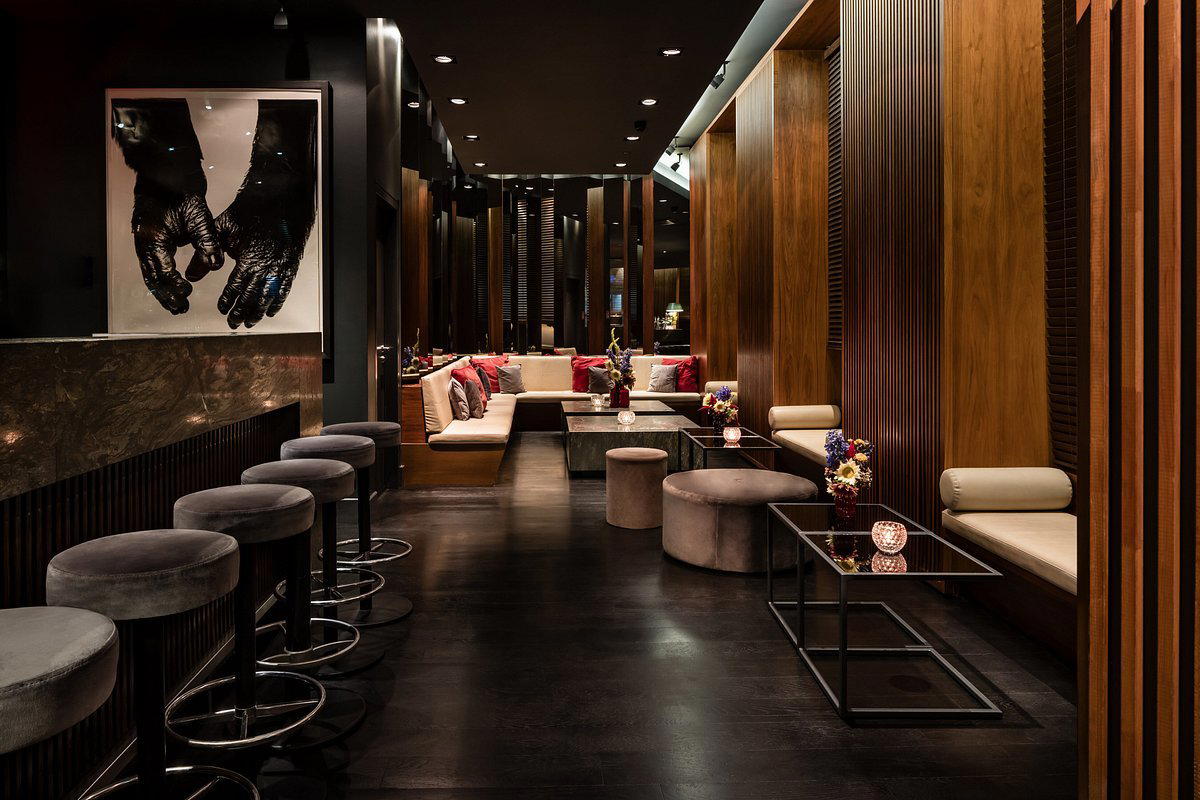
Hotels in Berlin
Browse all →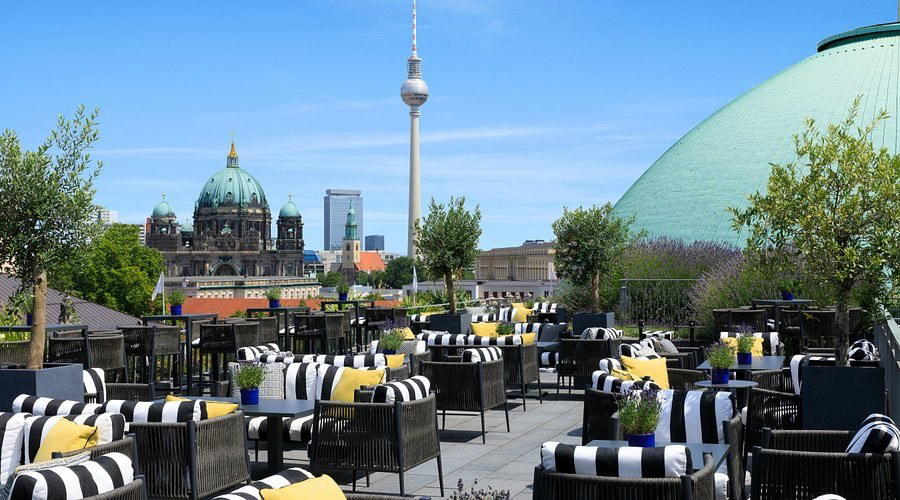

At a Glance
- Elegant
- Modern
- Cozy
- Business Dinner
- Special Occasion
- Date Night
- Historic Building
Current opening hours
- Monday
- Closed
- Tuesday
- Closed
- Wednesday
- Closed
- Thursday
- 12–10 PM
- Friday
- 12–10 PM
- Saturday
- 12–10 PM
- Sunday
- 12–10 PM
Hours can change for holidays and private events. Last verified .
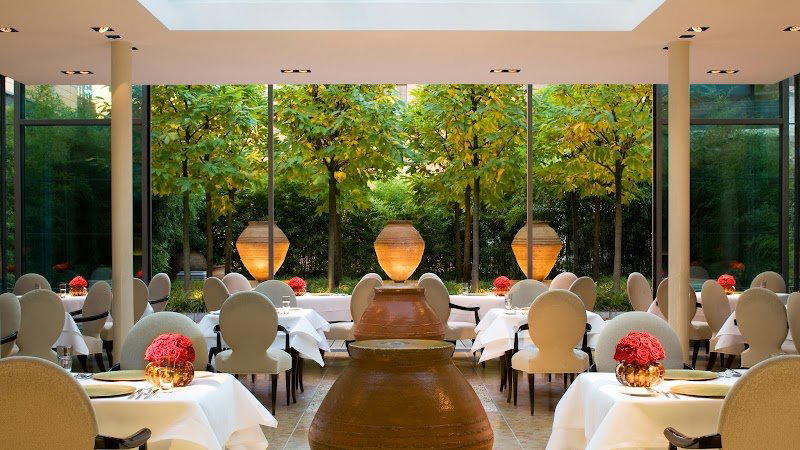
Simple and stylish atmosphere in a historic location under the French Cathedral dome, providing an elegant and enjoyable setting.