On Torstraße in Berlin's Mitte district, Lode & Stijn sits within the city's serious fine-dining tier, where Nordic-influenced precision meets a wine program curated with the same editorial rigour as the kitchen. The address places it among a small group of Berlin restaurants where the cellar is as considered as the menu, and where the room rewards quiet attention rather than spectacle.
- Address
- Torstraße 48, 10119 Berlin, Germany
- Phone
- +49 30 65214507
- Website
- lode-stijn.de
- Directions
- Get directions
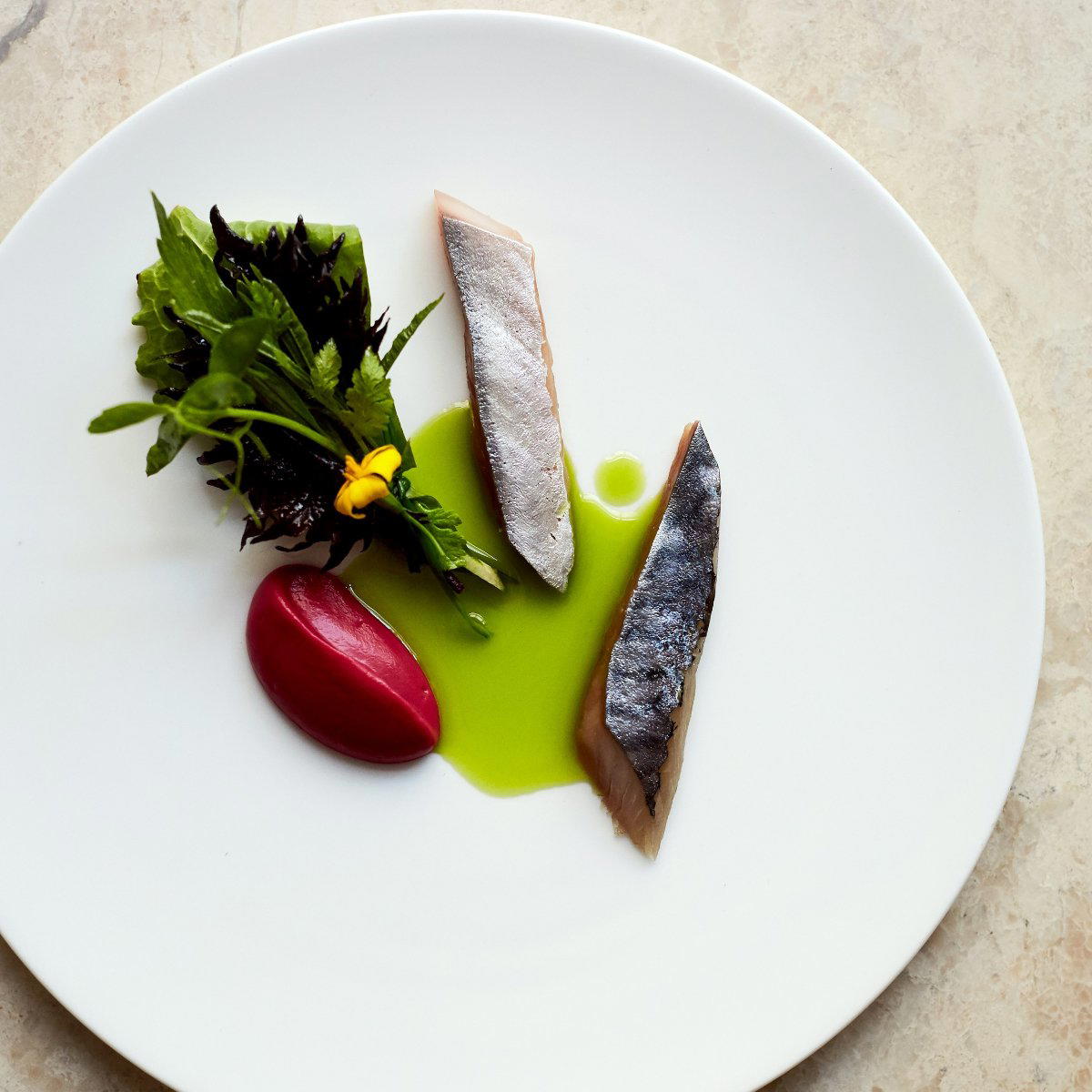
A Counter-Point to Berlin's Louder Dining Scene
Torstraße runs through the spine of Mitte, and the stretch around number 48 is quieter than the neighbourhood's more performative dining corridors. Berlin's fine-dining tier has split over the past decade into two recognisable camps: rooms that trade on spectacle and those that trade on precision. Lode & Stijn belongs to the second group, where the physical environment is deliberately understated, the pacing is deliberate, and the wine program carries as much editorial intent as the kitchen. In a city where CODA Dessert Dining and Nobelhart & Schmutzig have each staked out highly specific conceptual positions, Lode & Stijn occupies a different register: disciplined without being dogmatic, personal without being theatrical.
That positioning matters for a city that has spent several years finding its fine-dining identity. Berlin does not have the deep bourgeois restaurant culture of Munich or Hamburg, and it has largely chosen not to import one. What it has built instead is a set of restaurants with strong individual voices, operating at high price points but rarely with the formality of, say, Vendôme in Bergisch Gladbach or Aqua in Wolfsburg. Lode & Stijn fits that Berlin mould: serious cooking and serious wine in a room that does not feel pressurised. It is a permanently closed restaurant at Torstraße 48 in Berlin, with a price point around $85 per person.
The Wine Program as Editorial Statement
The wine list at Lode & Stijn is the clearest expression of the restaurant's sensibility. In the tier of European fine dining where the cellar is treated as an afterthought to the kitchen, a genuinely curated list is a differentiator. Here, the selection reflects the same precision and restraint that characterises the food: a leaning toward producers who work with clarity and low intervention, without the ideological rigidity that sometimes makes natural-wine lists feel like a manifesto rather than a menu.
German fine dining has a complex relationship with its own wine culture. Restaurants like Schanz in Piesport and Waldhotel Sonnora in Dreis are embedded in wine-producing regions, and their cellars reflect that geographic intimacy. Berlin restaurants operate without that proximity, which means their wine programs are built on curation rather than provenance by default. The leading Berlin lists compensate by ranging further: Burgundy, the Loire, Alsace, and the more restrained reaches of Austria all appear at addresses like Lode & Stijn, alongside German producers who rarely appear outside specialist circles.
Sommeliers working at this level in Berlin tend to occupy a more visible role than in larger European capitals, partly because the rooms are smaller and the guest count lower, and partly because the city's dining culture values conversation and explanation over ceremony. A well-paired progression across four or five courses is a more common option here than a purely by-the-glass approach, and guests prepared to surrender the decision to the sommelier generally eat and drink better for it.
Where This Kitchen Sits in Berlin's Creative Tier
Berlin's premium restaurants share a tendency toward tasting-format menus rather than à la carte, which places Lode & Stijn in a structural peer group that includes Rutz and FACIL. Within that group, the cooking at Lode & Stijn draws on Nordic and Northern European references: a preference for fermentation, pickling, and careful acidity management, techniques that became the defining grammar of a generation of European fine dining trained in Copenhagen's orbit during the 2010s.
That influence has now spread far enough that it reads less as a debt to any single culinary movement and more as a shared vocabulary. What distinguishes kitchens at this tier is not the technique itself but the discipline with which it is applied and the coherence of the resulting menu. The same observation applies to JAN in Munich and, at a different register of formality, to Schwarzwaldstube in Baiersbronn: training lineage matters, but execution is what separates restaurants within the same broad tier.
At the international level, the restraint-led tasting format that Lode & Stijn represents has clear precedents. Lazy Bear in San Francisco built a version of the communal precision-dining model that Berlin restaurants have approached differently. Le Bernardin in New York City demonstrates how single-minded focus on one ingredient category can sustain a restaurant at the highest level over decades. Lode & Stijn is operating at a different scale and with different references, but the underlying principle, that a restaurant benefits from a clear point of view applied consistently, connects these addresses across their considerable differences.
The Berlin Context: Why This Address Works
Mitte has evolved from a post-reunification blank canvas into a neighbourhood with genuine dining density. The comparison set for a restaurant on Torstraße now extends in multiple directions: westward toward the polished hotel-dining rooms that anchor the business district, southward toward Kreuzberg's more format-experimental addresses, and northeast toward Prenzlauer Berg's neighbourhood bistro culture. Lode & Stijn occupies a position in this geography that is convenient without being central in the tourist sense, which is a meaningful distinction. The guests who arrive at this address have generally made a decision rather than walked past and been drawn in.
That self-selection affects the room's atmosphere in ways that are hard to quantify but easy to feel. Tables at Berlin's serious restaurants are booked by people who have done some research, and the resulting dynamic is more focused than in rooms that depend on casual footfall. For a restaurant where the wine program is a genuine feature rather than a supporting element, an engaged dining room matters. It is the difference between a sommelier who can explain a selection and one who simply pours it.
For context on Berlin's broader scene, the EP Club Berlin restaurants guide covers the full tier structure from neighbourhood bistros through to the three-Michelin-star level. Lode & Stijn sits in the upper-mid fine-dining tier, below the city's starred addresses like Restaurant Tim Raue, but operating with the same commitment to a specific editorial position. Outside Germany, Restaurant Haerlin in Hamburg, ES:SENZ in Grassau, and Victor's Fine Dining by Christian Bau in Perl represent comparable commitments to precision-led cooking in different German contexts. Bagatelle in Trier offers a further point of comparison in the German fine-dining mid-tier.
Planning a Visit
Torstraße 48 is accessible from multiple U-Bahn lines, with Rosa-Luxemburg-Platz the direct stop. First-time guests are well served by committing to the full tasting menu rather than a shorter format, particularly if they intend to engage with the wine pairing, since the progression is where the kitchen and cellar speak most coherently together.
Side-by-Side Snapshot
Comparable venues nearby, for context on price, style, and recognition.
| Venue | Cuisine | Price | Notes |
|---|---|---|---|
| Lode & StijnThis venue — the venue you are viewing | Modern European Bistro with Dutch-Scandinavian Influences | $$$ | Not listed |
| Estelle Dining | Modern European with Local Twist | $$$ | Prenzlauer Berg |
| KochRaum Instinct | Modern European Fine Dining | $$$ | Kreuzberg |
| The Alchemist | Fusion Cocktail Bar | $$$ | Tiergarten |
| Moon Exquisite | Southeast Asian-European Fusion | $$$ | Mitte |
| Poveracci | Authentic Sicilian Italian | $$$ | Mitte |
Continue exploring
More in Berlin
Restaurants in Berlin
Browse all →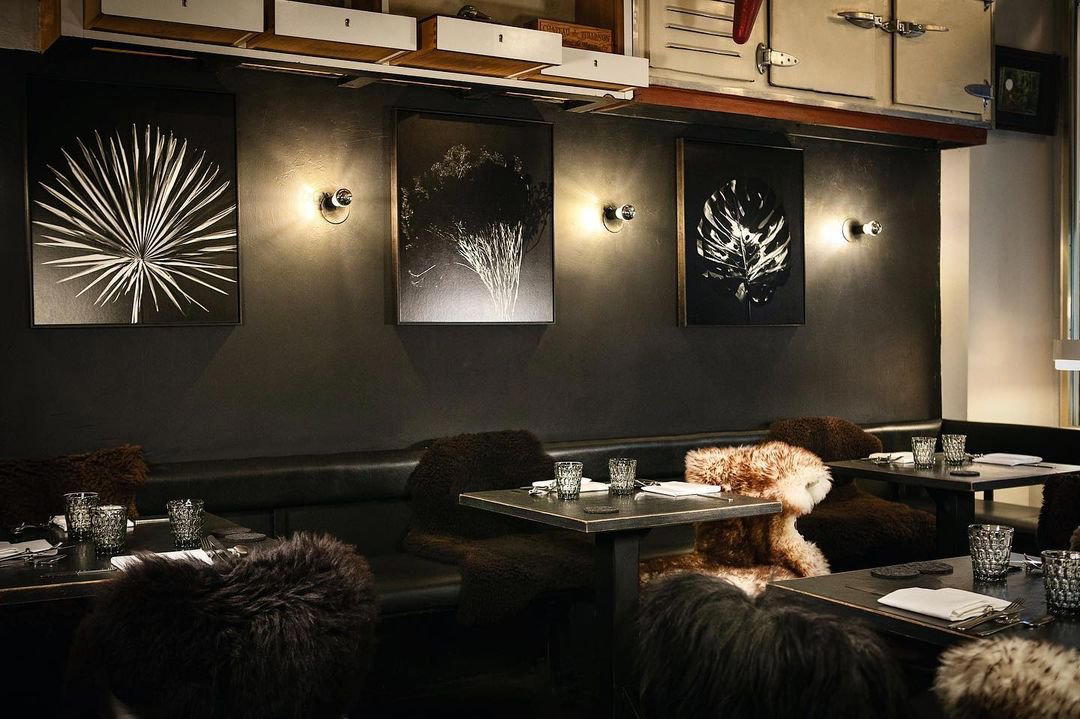
Bars in Berlin
Browse all →
Hotels in Berlin
Browse all →
Wineries in Berlin
Browse all →
At a Glance
- Elegant
- Modern
- Intimate
- Sophisticated
- Date Night
- Special Occasion
- Celebration
- Open Kitchen
- Standalone
- Sommelier Led
- Natural Wine
- Farm To Table
- Local Sourcing
- Organic
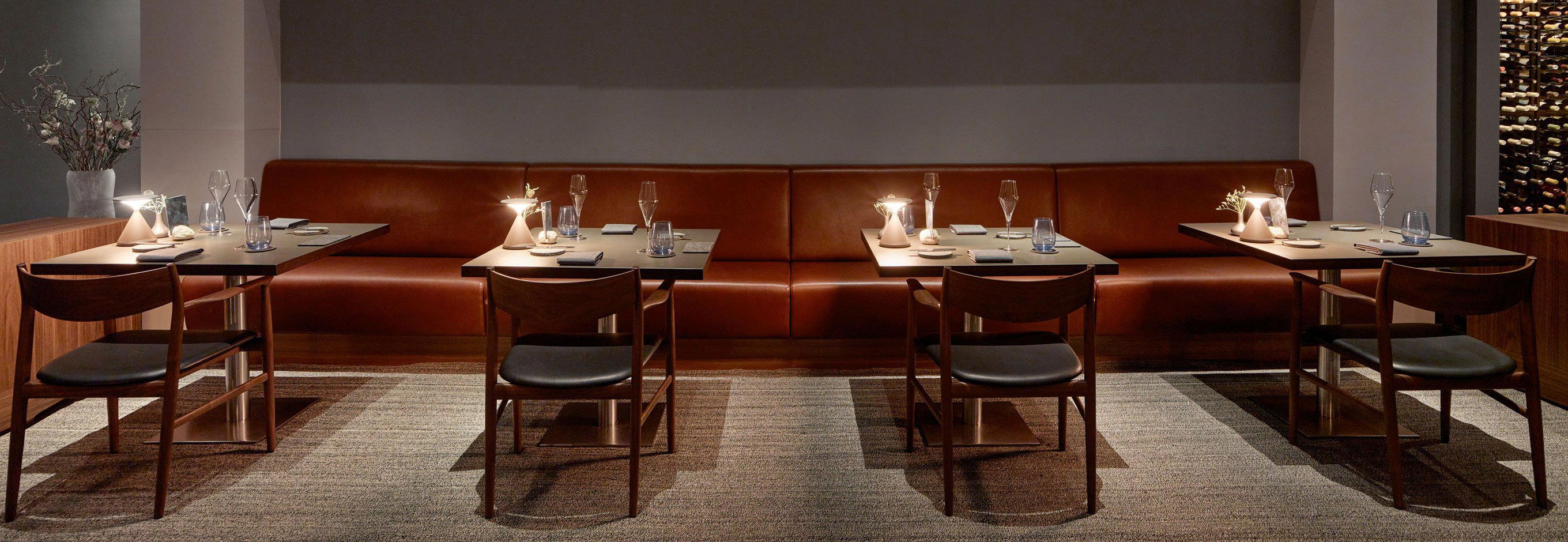
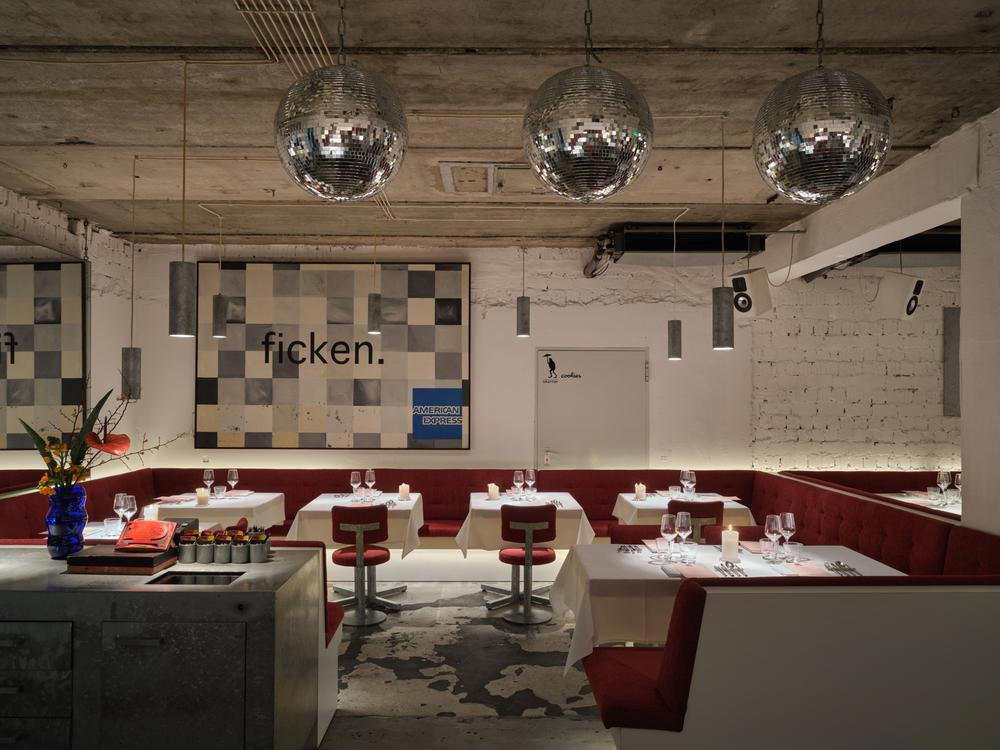
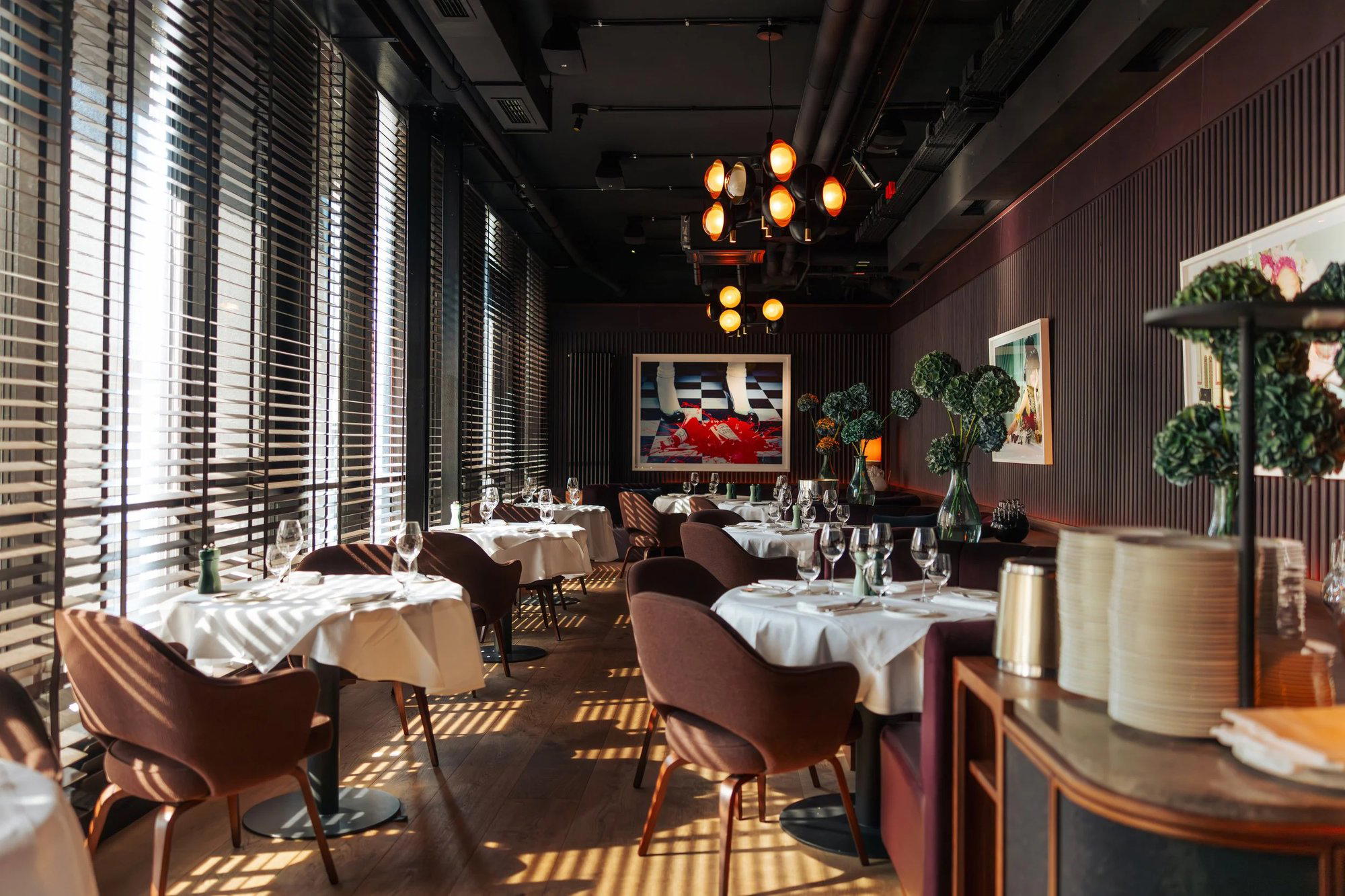
Warm, contemporary design with open kitchen, record player featuring light jazz and experimental tracks, casual yet refined atmosphere with chummy service.