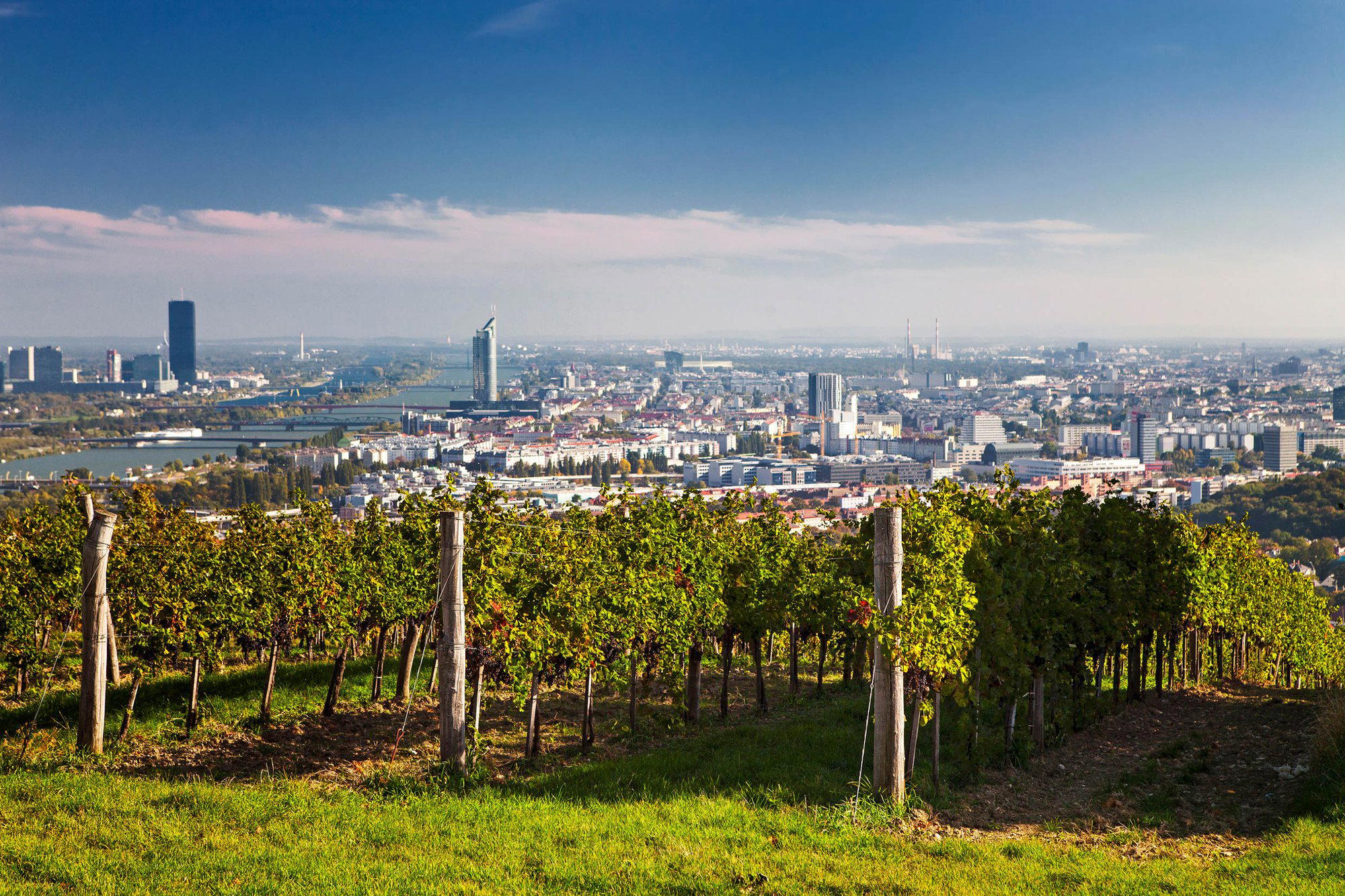
Allegro occupies a quiet address on Porzellangasse in Vienna's 9th district, a neighbourhood where the city's fine-dining ambitions sit alongside university life and Biedermeier architecture. The address places it within reach of a serious local dining scene that runs from the grand Stadtpark institutions to the more intimate creative tables of the inner districts. Vienna's 9th is increasingly the place to look for considered, lower-profile restaurant experiences.
Pearl is the En Primeur Club membership app — saves, bookings, and concierge access live there. Same editors, same standards.
- Address
- Porzellangasse 21, 1090 Wien, Austria
- Phone
- +4367763530585
- Website
- allegrowien.com
- Directions
- Get directions
 Saves & bookings on Pearl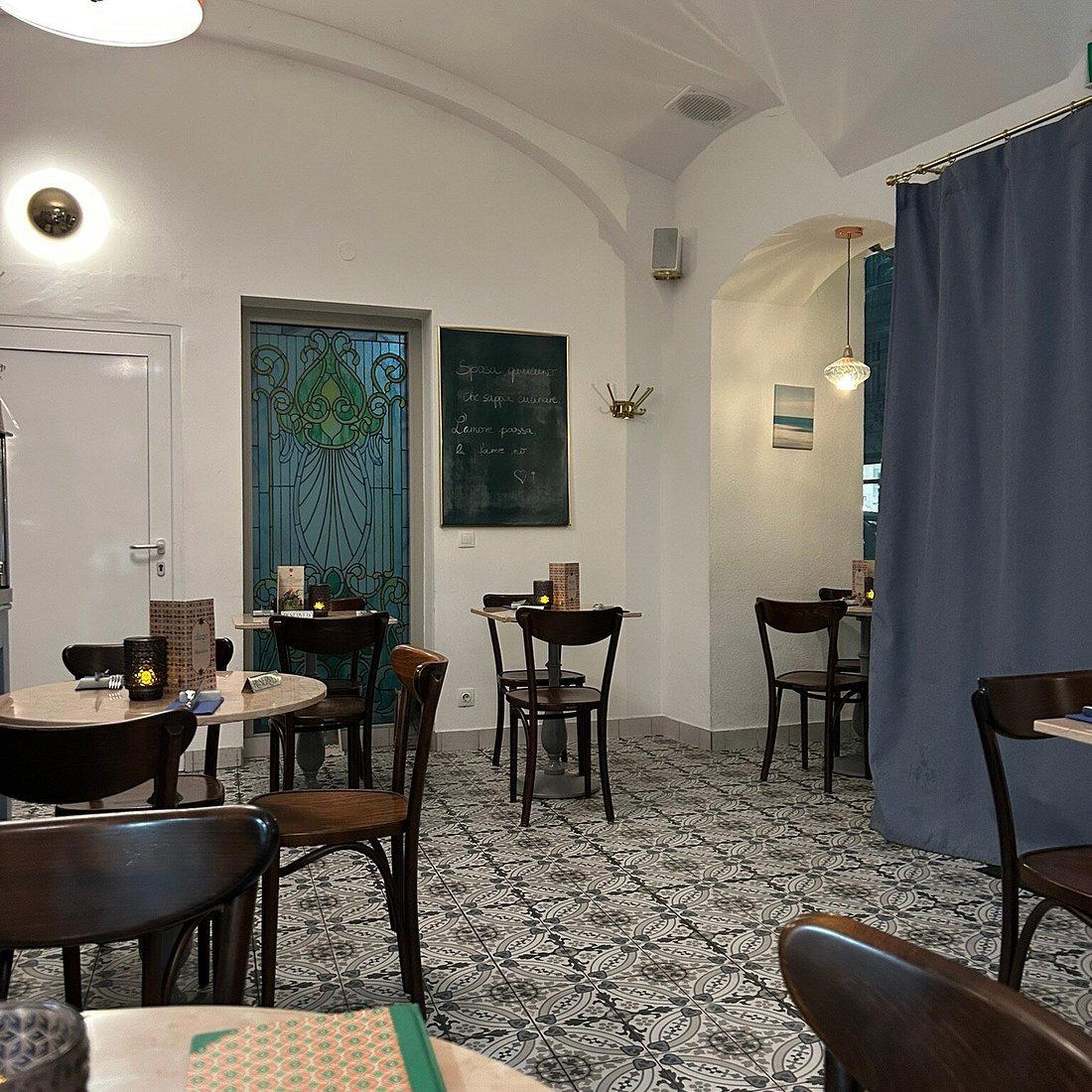
A Street in the 9th, and What It Signals
Porzellangasse runs through Alsergrund, Vienna's 9th district, a neighbourhood shaped by the General Hospital campus, the Volksoper, and rows of late-19th-century residential buildings that have never quite tipped into tourist-facing commerce. That context matters when thinking about what kind of restaurant finds a home here. The 9th district draws a local crowd and suits a restaurant built for repeat visits.
Vienna's fine-dining geography has always been uneven. The institutions, Steirereck im Stadtpark in the Stadtpark, Amador in the 1st, anchor the map at one end, drawing international visitors and holding the kind of recognition that travels well across borders. Below that tier, a quieter layer of restaurants operates in neighbourhoods like Alsergrund, Josefstadt, and Währing, serving a city whose residents have historically expected serious cooking without the apparatus of ceremony. Allegro at Porzellangasse 21 belongs to that geography.
The Rhythm of an Evening Here
Allegro serves authentic Sicilian Italian Osteria cooking in Vienna, with a casual dress code and reservations recommended. Viennese restaurants at this level of seriousness tend to assume you have the evening. Courses arrive with gaps that allow conversation rather than interrupting it. The expectation is that the table is yours for as long as the meal requires, and the pacing reflects that. This is a city where the concept of Gemütlichkeit, a term that resists clean translation but gestures toward ease, warmth, and the absence of hurry, has always shaped how hospitality is delivered, from the grand coffee houses to the neighbourhood Beisl to the more ambitious tables in between.
At an address like Allegro's, that ritual dimension of the meal is likely to be central. The 9th district doesn't attract guests who are dining quickly before a show or filling a slot between meetings. The neighbourhood's character selects for guests who came specifically to eat, which changes the atmosphere of a dining room in ways that no amount of interior design can replicate. That kind of attentiveness on both sides of the pass, kitchen and guest, is one of the things that distinguishes Vienna's quieter restaurant tier from the more performance-oriented rooms in the 1st.
Where Allegro Sits in Vienna's Wider Scene
Vienna's serious restaurant map has consolidated around a handful of creative and modern-Austrian operators over the past decade. Konstantin Filippou and Mraz & Sohn both operate at the €€€€ tier with Michelin recognition, while Doubek represents the more neighbourhood-rooted end of serious cooking in the city. This spread, from destination-level tasting menus to careful everyday cooking, gives Vienna a fuller dining ecosystem than its international reputation sometimes suggests.
Austria's restaurant culture extends well beyond the capital, and the country has produced serious tables in places that rarely appear on international shortlists: Döllerer in Golling an der Salzach, Landhaus Bacher in Mautern an der Donau, and Obauer in Werfen all demonstrate how much of the country's culinary weight sits outside Vienna. Within the city, the competition is real: anyone eating at Allegro is one evening away from tables like those at Steirereck, which has held its position near stronger examples from the European restaurant hierarchy for years. That competitive density raises expectations across the board.
The alpine and provincial Austrian restaurant scene is equally serious in pockets: Gourmetrestaurant Tannenhof in Sankt Anton am Arlberg, Stüva in Ischgl, Kräuterreich by Vitus Winkler in Sankt Veit im Pongau, and Schwarzer Adler in Hall in Tirol all make the case that Austria's cooking identity is rooted in landscape and season in ways that Vienna's urban tables sometimes have to work to express. Taubenkobel in Schützen am Gebirge and Ois in Neufelden add further depth to a national scene that rewards those willing to travel beyond the Ringstrasse. Restaurant 141 by Joachim Jaud in Mieming is another name worth tracking for those building an Austrian itinerary.
The Case for Neighbourhood Restaurants
There is a broader argument to be made for restaurants in residential rather than tourist-facing districts, and it applies in Vienna as it does in Paris's 11th or Tokyo's Yotsuya. The overhead pressures are different. The clientele is different. The kitchen is cooking for people who will return next week and judge the meal against memory rather than expectation. This tends to produce cooking that is precise and consistent rather than theatrical, and service that is attentive without being performative.
That dynamic is visible across European dining capitals. At the far end of the ambition spectrum, places like Le Bernardin in New York City operate in high-traffic central locations but maintain a discipline that insulates them from the pressures of tourist dependency. At the community-focused end, restaurants like Lazy Bear in San Francisco have built serious culinary reputations partly by creating a dining format that prioritises the experience of the room over the optics of the address. Vienna's neighbourhood tables occupy a middle ground that the city's dining culture has always supported.
Planning a Visit
Allegro is at Porzellangasse 21 in the 9th district, accessible from the city centre by tram or U-Bahn in under fifteen minutes. The 9th sits north of the Ringstrasse, close enough to the 1st for a pre-dinner walk through the inner city but far enough to feel genuinely residential. Visitors planning an evening in this part of Vienna should allow time to explore the neighbourhood before sitting down: the streets between Alsergrund and Josefstadt have a density of independent shops and coffee houses that repays slow attention. Booking ahead is recommended.
At-a-Glance Comparison
Comparable venues nearby, for context on price, style, and recognition.
| Venue | Cuisine | Price | Notes |
|---|---|---|---|
| AllegroThis venue — the venue you are viewing | Authentic Sicilian Italian Osteria | $$ | Not listed |
| TARTUFO | Traditional Italian | $$ | Neujedlersdorf |
| La Signorina | Authentic Neapolitan Pizza | $$ | Wahring |
| Pizza Randale | Neapolitan Pizza with Viennese Twists | $$ | Wieden |
| La Pasteria | Authentic Italian Trattoria | $$ | Franz Josefs Bahnhof |
| Arcobaleno Trattoria da Massimo | Authentic Italian Trattoria | $$ | Atzgersdorf |
Continue exploring
More in Vienna
Restaurants in Vienna
Browse all →
Bars in Vienna
Browse all →
Hotels in Vienna
Browse all →
At a Glance
- Cozy
- Classic
- Casual Hangout
- Date Night
- Standalone
Current opening hours
- Monday
- 10:30 AM–10 PM
- Tuesday
- 10:30 AM–10 PM
- Wednesday
- 10:30 AM–10 PM
- Thursday
- 10:30 AM–10 PM
- Friday
- 10:30 AM–10 PM
- Saturday
- 10:30 AM–10 PM
- Sunday
- Closed
Hours can change for holidays and private events. Last verified .
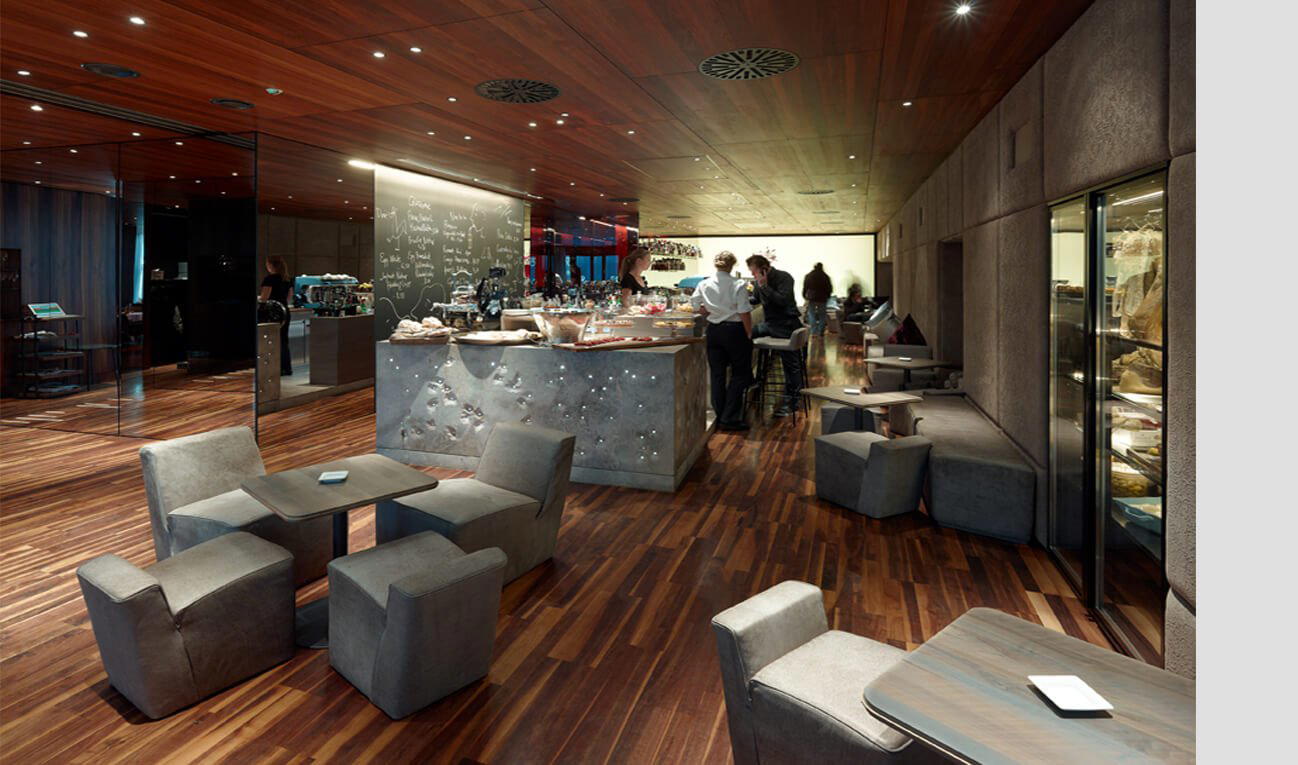
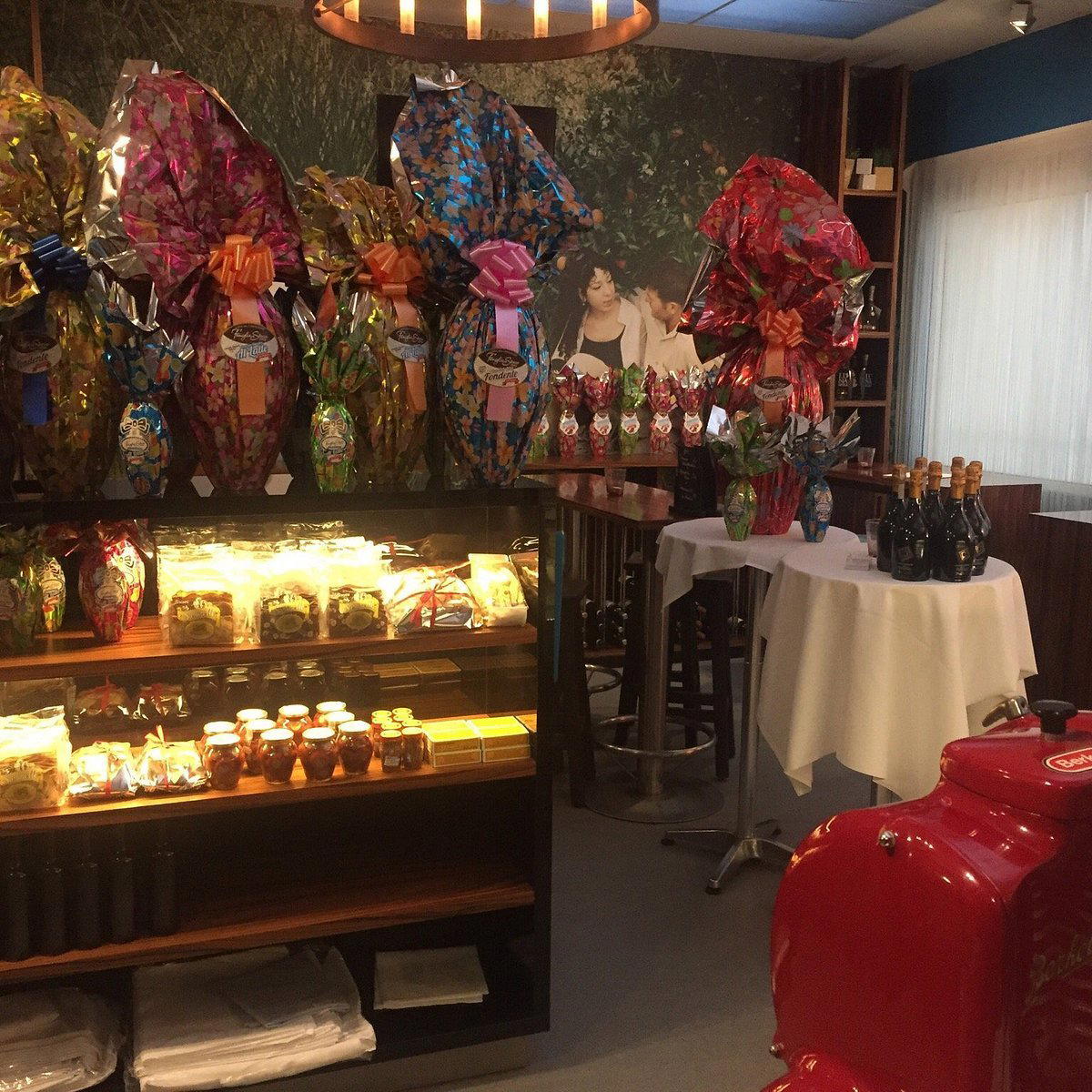
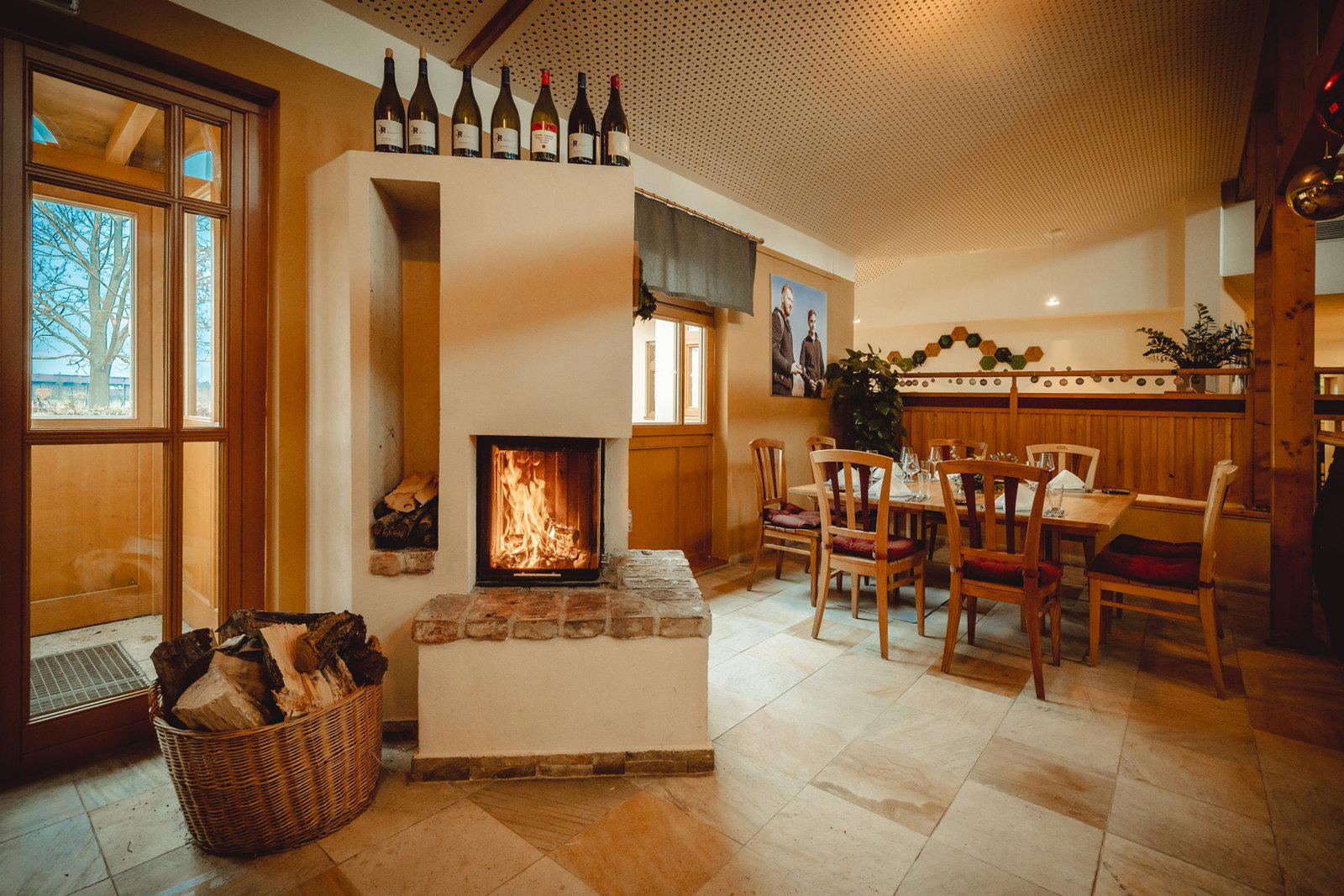
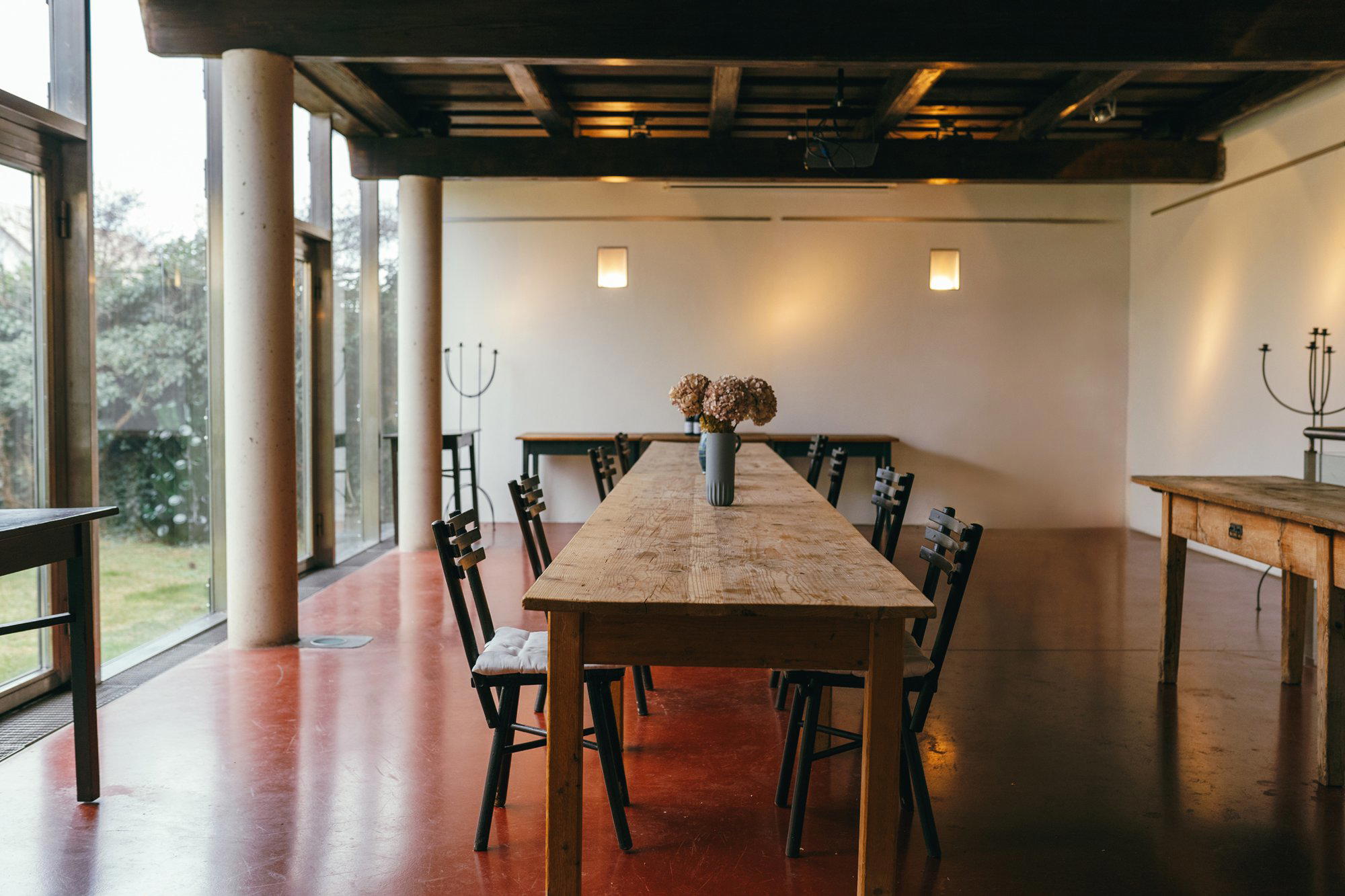
Charming and inviting Italian atmosphere transporting guests to Italy with a cozy, neighborhood feel.