
Tartufo sits in Vienna's 21st district, an address that places it well outside the inner-city fine dining corridor where most of the city's recognised restaurant names operate. The name signals an Italian truffle orientation in a city where Central European and modern Austrian cooking dominate the upper tiers. For diners willing to cross the Danube, it represents a different register of the Vienna table.
Pearl is the En Primeur Club membership app — saves, bookings, and concierge access live there. Same editors, same standards.
- Address
- Frömmlgasse 36, 1210 Wien, Austria
- Phone
- +434312786676
- Website
- tartufo.at
- Directions
- Get directions
 Saves & bookings on Pearl
Across the Danube: What Dining in Vienna's 21st District Signals
Vienna's restaurant conversation concentrates almost entirely south of the Danube. The inner districts, the 1st through the 9th, hold the addresses that appear in awards shortlists and critic itineraries: Steirereck im Stadtpark, Amador, Konstantin Filippou, Mraz & Sohn. The 21st district, Floridsdorf, sits across the river and operates in a different register entirely. It is residential, less trafficked by tourists, and rarely mentioned in the same breath as Vienna's recognised fine dining tier. A restaurant choosing to establish itself there, as Tartufo has at Frömmlgasse 36, is making a deliberate statement about its intended audience and its relationship to the city's dining scene.
That positioning matters as context. The truffle-forward Italian orientation signalled by the name Tartufo places the restaurant in a niche that sits somewhat apart from the dominant currents of Viennese gastronomy, which trend toward modern Austrian cooking, creative Central European menus, and the kind of tasting-format restaurants that compete for Michelin recognition. Italian-influenced dining in Vienna has historically occupied a more casual register, with the exception of a handful of addresses that have pushed the format toward something more considered. A restaurant named for the truffle, among the more unambiguous luxury ingredients in European cooking, is signalling ambition within that Italian tradition.
Truffle as a Cultural Anchor in European Fine Dining
The truffle holds a specific position in the hierarchy of European ingredients. In Italian culinary tradition, both the white truffle from Alba and the black truffle from Norcia or Périgord carry weight not just as flavouring agents but as seasonal events. The white truffle season, concentrated between October and December, has historically driven pilgrimages to Alba, price spikes on international markets, and a kind of reverence in professional kitchens that few other ingredients command. Restaurants built around or strongly associated with truffle service occupy a distinct category: they make a seasonal, luxury-ingredient commitment that shapes the entire dining experience around procurement and timing rather than around a fixed year-round menu identity.
In Central Europe, truffle-centric cooking has been absorbed into the broader fine dining vocabulary without becoming as dominant as it is in parts of northern Italy or in the Parisian bistro-de-luxe tradition. Vienna's own culinary identity draws more heavily on Austrian regional produce, Marchfeld asparagus, Styrian pumpkin, Wachau apricots, than on imported Italian luxury ingredients. A restaurant that anchors its identity to the truffle is therefore operating with a degree of deliberate contrast against the local sourcing emphasis that defines much of what the city's recognised restaurants do. Whether that contrast reads as sophistication or as an imported idiom depends on execution.
Floridsdorf and the Geography of Viennese Dining Discovery
The outer districts of Vienna have begun to attract attention from a dining culture that had previously concentrated almost all of its energy inside the Gürtel. The pattern is familiar from other European cities: as inner-city rents increase and audiences become more adventurous, credible restaurants appear in neighbourhoods that were previously off the critical map. Doubek represents one version of this shift. Tartufo, in the 21st district, represents another, further out, across the Danube, in a neighbourhood where the dining audience is primarily local rather than drawn from the city's restaurant-going circuit.
That local orientation shapes what a restaurant can and must do. Without the foot traffic that inner-city locations provide, a restaurant in Floridsdorf survives on repeat custom and word-of-mouth. The address at Frömmlgasse 36 does not advertise itself to passing trade. This is a destination visit requiring intention, and that fact changes the implicit contract between restaurant and guest. The cooking has to be worth the trip across the river. For the wider Austrian dining scene, it is worth noting that some of the country's most serious cooking has always operated outside major urban centres: Döllerer in Golling an der Salzach, Obauer in Werfen, and Landhaus Bacher in Mautern an der Donau have each built reputations that attract guests from across the country and beyond. The peripheral address, in Austrian dining culture, is not automatically a disadvantage.
How Tartufo Sits Against Vienna's Current Fine Dining Tier
The upper bracket of Viennese fine dining is currently defined by a cluster of restaurants operating at the €€€€ price point with modern or creative formats. Steirereck im Stadtpark and Mraz & Sohn anchor the creative Austrian end. Konstantin Filippou works a modern European register with Mediterranean influence. Amador operates in the high-technique creative space. These are the reference points against which a serious Vienna restaurant with fine dining intentions is inevitably measured, even if the direct comparison is imperfect.
Tartufo's Italian-truffle orientation places it outside this immediate competitive set. Its peer group is less the modern Austrian tasting-menu restaurants and more the Italian-influenced European fine dining addresses that have built reputations on ingredient provenance and seasonal luxury. In that broader context, the relevant comparisons stretch beyond Vienna: restaurants like Le Bernardin in New York City or Atomix in New York City illustrate how an ingredient or cultural focus can define a restaurant's identity and competitive positioning more precisely than geography alone. Ikarus in Salzburg, Griggeler Stuba in Lech, Gourmetrestaurant Tannenhof in Sankt Anton am Arlberg, Kräuterreich by Vitus Winkler in Sankt Veit im Pongau, Restaurant 141 by Joachim Jaud in Mieming, Schwarzer Adler in Hall in Tirol, and Ois in Neufelden.
Planning a Visit: Practical Orientation
The address in the 21st district means that Tartufo requires deliberate planning in a way that inner-city Vienna restaurants do not. Floridsdorf is served by U-Bahn line U6 and by several tram lines, but Frömmlgasse 36 sits in a residential pocket that is most conveniently reached by taxi or rideshare from the city centre. Build in travel time accordingly, particularly if you are coming from the 1st district or the main hotel corridor around the Ring.
| Venue | District | Format | Price Tier | Booking Lead Time |
|---|---|---|---|---|
| Tartufo | 21st (Floridsdorf) | Italian/truffle-focused | Not confirmed | |
| Steirereck im Stadtpark | 3rd (Stadtpark) | Creative Austrian | €€€€ | Several weeks ahead |
| Mraz & Sohn | 20th (Brigittenau) | Modern Austrian, Creative | €€€€ | Several weeks ahead |
| Konstantin Filippou | 1st | Modern European | €€€€ | Several weeks ahead |
The Quick Read
Comparable venues nearby, for context on price, style, and recognition.
| Venue | Cuisine | Price | Notes |
|---|---|---|---|
| TARTUFOThis venue — the venue you are viewing | Neujedlersdorf, Traditional Italian | $$ | Not listed |
| Pizzeria Mar | Franz Josefs Bahnhof, Neapolitan Pizza | $$ | Not listed |
| Mama Leone | Not listed | $$ | Staatsoper, Italian Pizza with Cloudy Crust |
| Pizza Randale | Not listed | $$ | Wieden, Neapolitan Pizza with Viennese Twists |
| May 31 | Lainz, Italian Trattoria | $$ | Not listed |
| Pizza Mari | Praterstern Wien Nord, Neapolitan Pizza | $$ | Not listed |
Recognition history
Dated appearances from independent guides and award organizations, with the underlying list record or original source where available.
Falstaff Restaurant - 79 Falstaff Points
Falstaff
Continue exploring
More in Vienna
Restaurants in Vienna
Browse all →
Bars in Vienna
Browse all →
Hotels in Vienna
Browse all →
At a Glance
- Classic
- Cozy
- Business Dinner
- Family
Current opening hours
- Monday
- 11 AM–5 PM
- Tuesday
- Closed
- Wednesday
- 5–10 PM
- Thursday
- 5–10 PM
- Friday
- Closed
- Saturday
- 11 AM–5 PM
- Sunday
- 11 AM–5 PM
Hours can change for holidays and private events. Last verified .
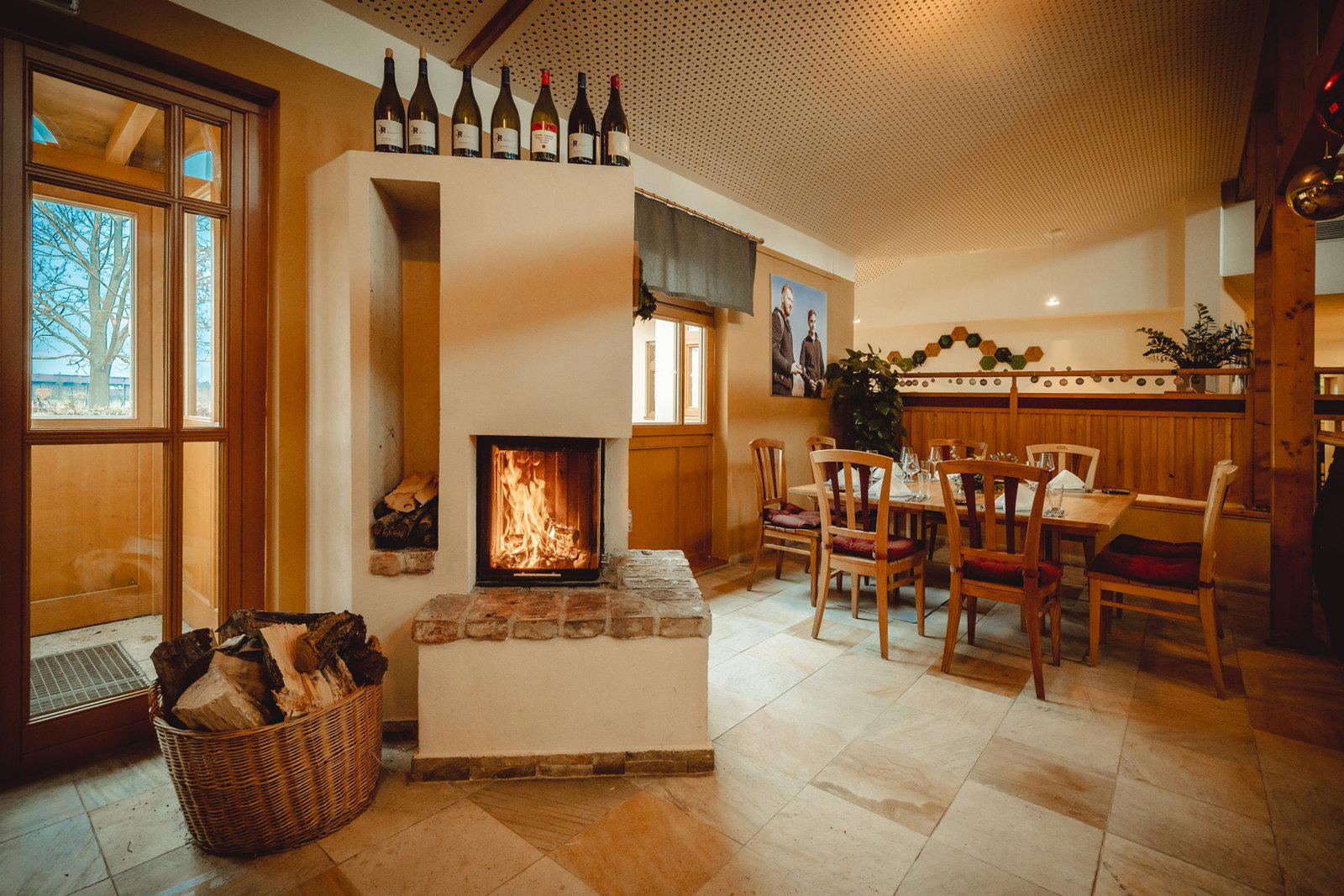
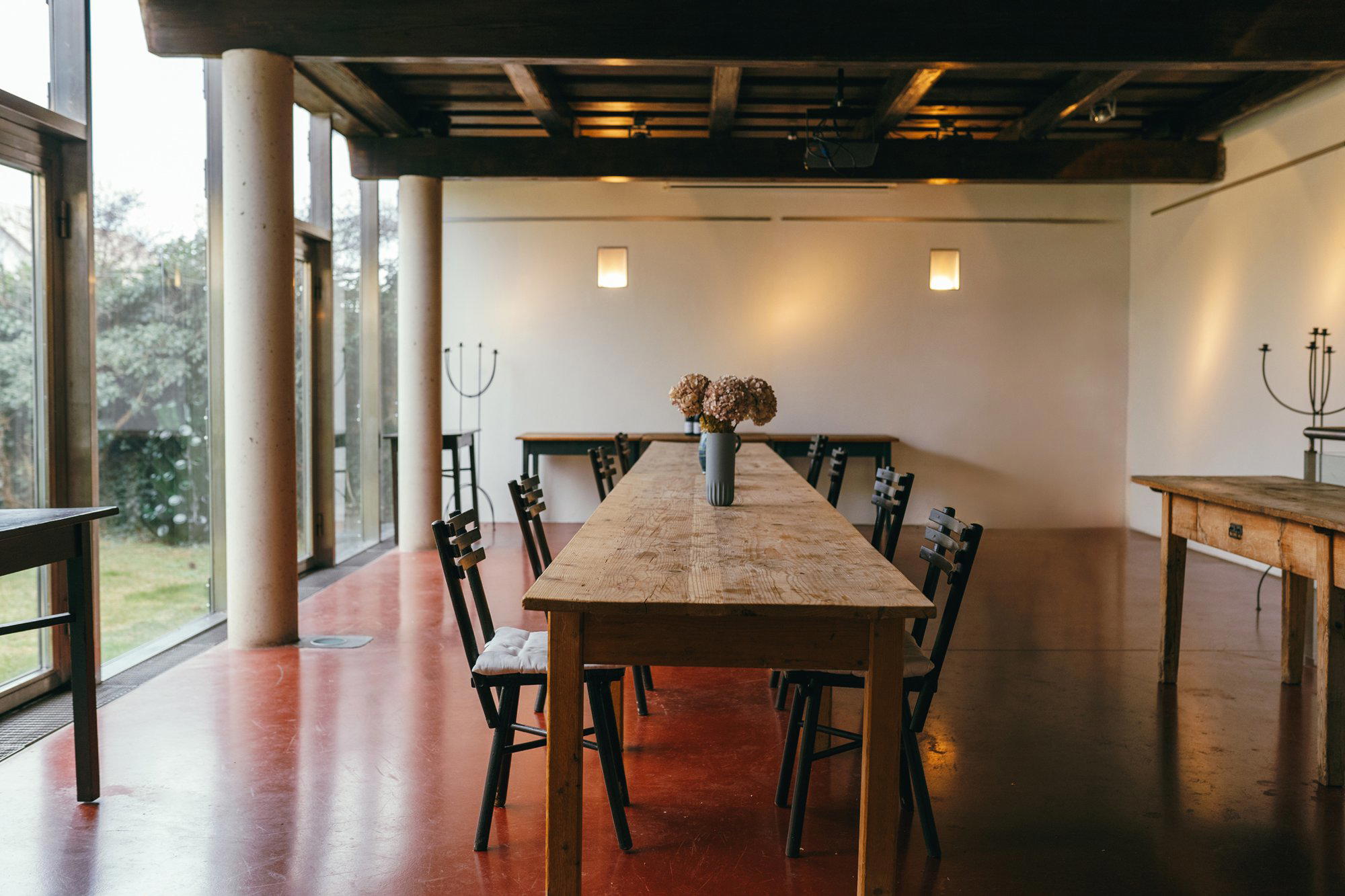
Nice and pleasant atmosphere suitable for business lunches with a classic Italian feel.