A neighborhood trattoria at the southern edge of Vienna's 23rd district, Arcobaleno Trattoria da Massimo sits within an Italian dining tradition that prizes the arc of a meal over any single dish. Located on Endresstraße in Liesing, it occupies a quieter register than the city's Michelin-tracked Italian rooms, positioned for residents and regulars rather than destination seekers.
Pearl is the En Primeur Club membership app — saves, bookings, and concierge access live there. Same editors, same standards.
- Address
- Endresstraße 83, 1230 Wien, Austria
- Phone
- +434318874080
- Website
- arcobaleno.at
- Directions
- Get directions
 Saves & bookings on Pearl
Where Vienna's Italian Dining Turns Residential
The further south you travel through Vienna's outer districts, the more the city's dining culture shifts from the performative to the habitual. By the time you reach Liesing, the 23rd district, the restaurants are built for people who live nearby rather than for visitors working through a shortlist. Arcobaleno Trattoria da Massimo is a casual Italian trattoria at Endresstraße 83 in Vienna, with a recommended reservation policy and an average spend of about $25 per person. Arcobaleno Trattoria da Massimo on Endresstraße sits squarely in that register: a neighborhood Italian in a part of the city that has little use for press releases or tasting menus designed to photograph well.
This matters because Vienna's Italian dining scene has split into distinct tiers over the past decade. At one end, polished urban trattorias in the first and seventh districts trade on proximity to tourist circuits and a steady stream of expense-account lunches. At the other end, suburban and outer-district spots operate on a different logic entirely, where the relationship between kitchen and regular guest shapes the menu more than any culinary trend. Arcobaleno occupies the latter position, and that position carries its own set of merits and limitations worth understanding before you make the trip south.
The Arc of an Italian Meal in a Viennese Context
Italian trattoria cooking is structured around progression. The logic runs from antipasto through primo and secondo to dolce, and the leading practitioners of the form understand that the meal's rhythm matters as much as any individual plate. Vienna has absorbed this tradition in layers: the grander Italian rooms near the Ringstrasse tend to edit the progression down to a two- or three-course format aimed at efficiency, while neighborhood trattorias in the outer districts often preserve the fuller sequence, particularly for guests willing to settle in for an evening.
The trattoria format in this part of Vienna generally starts with cured meats, marinated vegetables, or simple seafood preparations that read as true antipasto rather than amuse-bouche imitations. The primo course, typically pasta or risotto, is where Italian-Austrian kitchen crossovers become visible: ingredients sourced locally find their way into shapes and sauces that remain recognizably Italian in structure. Secondi in this register tend toward the direct, built around proteins prepared without architectural ambition but with the kind of consistency that repeat guests rely on. This is, broadly, how trattoria cooking is supposed to work, and it is what distinguishes it from the more intervention-heavy Italian cooking practiced at Vienna's destination addresses.
For context on Vienna's ambitious end of Italian-influenced creative cooking, Steirereck im Stadtpark and Amador represent the city's highest-intent kitchens, while Konstantin Filippou and Mraz & Sohn operate in the modern European and creative Austrian registers that dominate the €€€€ tier. Arcobaleno operates in an entirely different price bracket and with entirely different ambitions, which is not a criticism but a clarification of where it fits.
Liesing as a Dining District
The 23rd district rarely appears in Vienna dining coverage aimed at international visitors, which means the places that do well there earn their reputation through a different mechanism: local word of mouth, consistent quality over time, and the kind of relationship-based trust that can take years to build and be undone in a single bad season. Doubek is one of the few Liesing-area restaurants to have attracted broader editorial attention, and its presence on the map signals that the district is capable of producing serious cooking even without the institutional support that inner-district restaurants benefit from.
Endresstraße itself is a residential street, not a dining corridor. Arriving here is not the experience of walking into a curated neighborhood full of interesting options on either side. It is the experience of arriving somewhere specific, with a specific purpose. That specificity tends to suit the trattoria format: guests who make the journey are already committed, and the kitchen operates accordingly.
How This Fits the Broader Austrian Scene
Italy's culinary influence on Austria runs deep and is most visible in the western provinces, where the proximity to South Tyrol shapes what appears on menus from Innsbruck to Vorarlberg. Vienna's relationship with Italian cooking is mediated through immigration, long-standing restaurant families, and a general urban appetite for pasta and pizza that never required much justification. The trattoria model, specifically, carries a set of expectations that Viennese diners understand intuitively: generous portions, wine served by the carafe as readily as by the bottle, and a pace of service that treats a two-hour dinner as normal rather than.
Those expectations position a place like Arcobaleno within a clear comparable set: neighborhood Italian restaurants across Vienna's outer districts that serve as the reliable go-to for a specific radius of guests. This is not the competitive tier occupied by the Austrian cooking houses that define the country's fine dining reputation. Döllerer in Golling an der Salzach, Obauer in Werfen, and Landhaus Bacher in Mautern an der Donau represent a different standard of ambition and formality altogether, as do alpine-region institutions like Gourmetrestaurant Tannenhof in Sankt Anton am Arlberg, Stüva in Ischgl, and Kräuterreich by Vitus Winkler in Sankt Veit im Pongau. Further afield, Schwarzer Adler in Hall in Tirol, Restaurant 141 by Joachim Jaud in Mieming, Ois in Neufelden, and Taubenkobel in Schützen am Gebirge each occupy distinct regional niches within Austria's wider dining map.
Internationally, the contrast is sharper still. Destination-level tasting formats like Le Bernardin in New York City or communal-dining experiments like Lazy Bear in San Francisco are calibrated around entirely different reader decisions. The trattoria format makes no argument against those experiences; it simply operates on a different register of intention.
Planning a Visit
Arcobaleno Trattoria da Massimo is located at Endresstraße 83 in the 23rd district. Public transport connections to Liesing from the city center are available via U6 and regional rail to Liesing station, from which the restaurant is reachable by a short additional transfer. Contacting the restaurant directly in person or through local directories before making a special trip is advisable. The restaurant is open Friday from 5:30 to 10 PM, Saturday from 12 to 2 PM and 5:30 to 10 PM, and closed the rest of the week.
Cuisine Context
Comparable venues nearby, for context on price, style, and recognition.
| Venue | Cuisine | Price | Notes |
|---|---|---|---|
| Arcobaleno Trattoria da MassimoThis venue — the venue you are viewing | Authentic Italian Trattoria | $$ | Not listed |
| Ristorante Paolo | Italian & Croatian Seafood | $$ | Prater |
| Stastino | Authentic Italian | $$ | Liesing |
| May 31 | Italian Trattoria | $$ | Lainz |
| La Paninoteca | Italian Aperitivo & Panini Bar | $$ | Josefstadt |
| Allegro | Authentic Sicilian Italian Osteria | $$ | Franz Josefs Bahnhof |
Continue exploring
More in Vienna
Restaurants in Vienna
Browse all →
![[aend] restaurant in Vienna](https://cdn.enprimeurclub.com/storage/v1/object/public/images/locations/recsVyRkMfzCxPmp0/hero2.jpg?width=3840&quality=75)
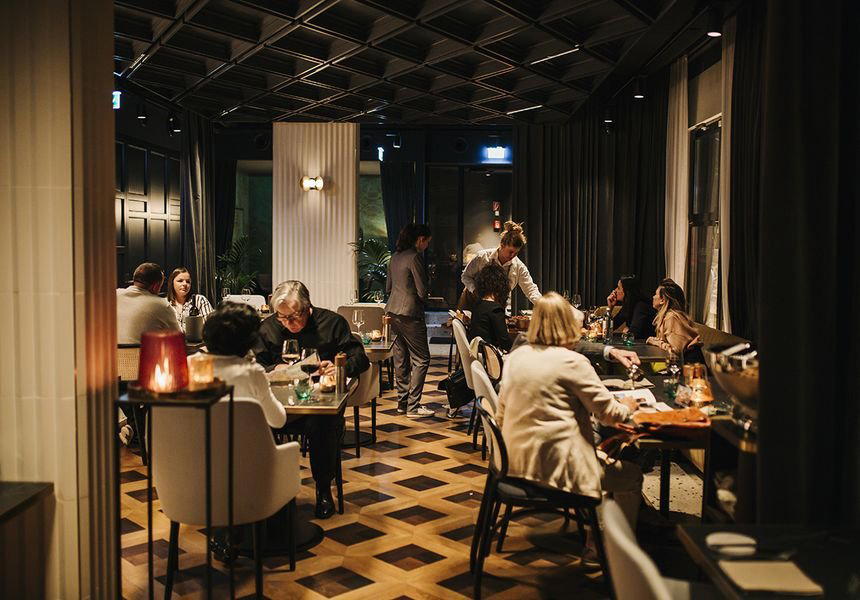
Bars in Vienna
Browse all →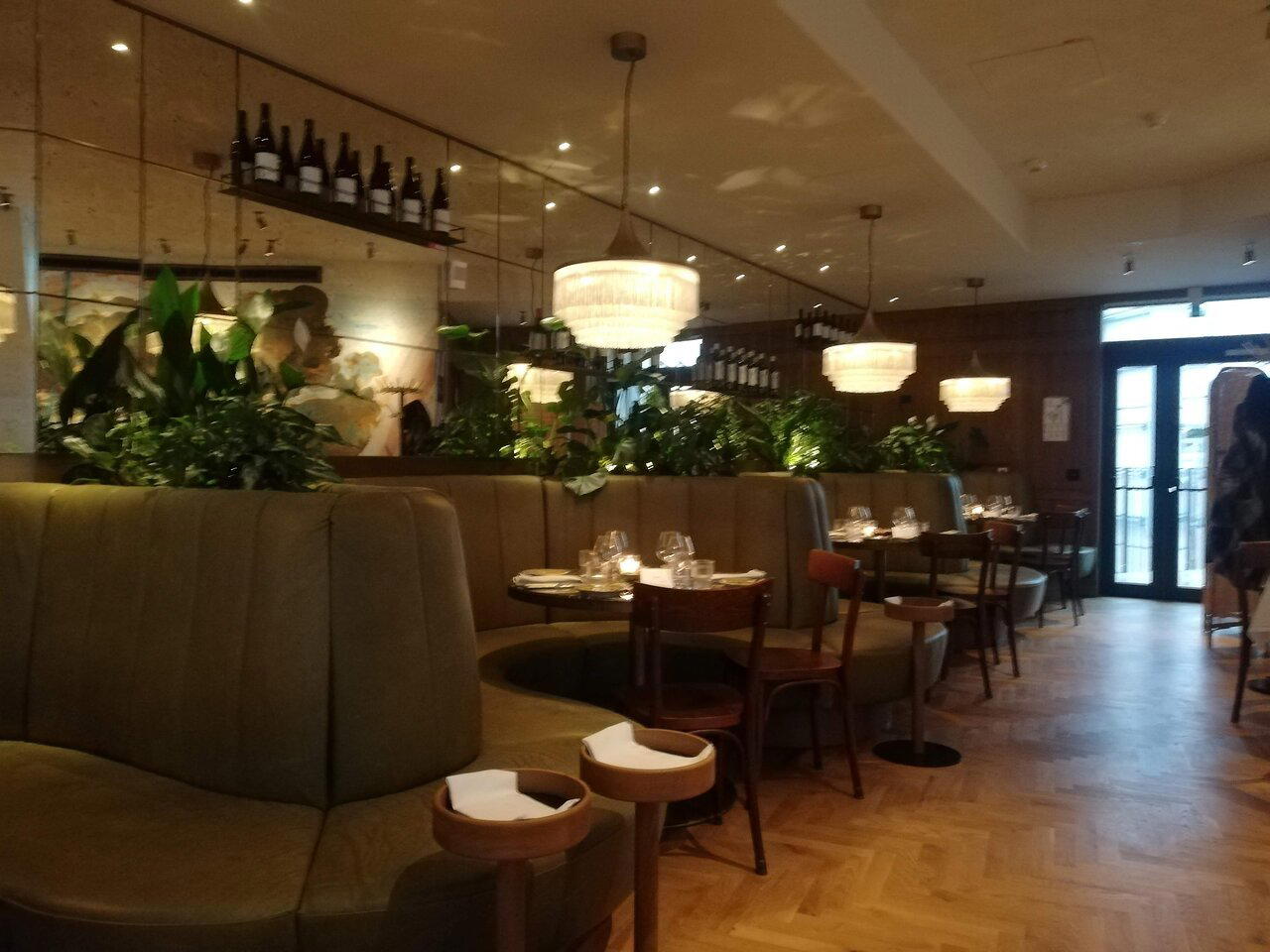
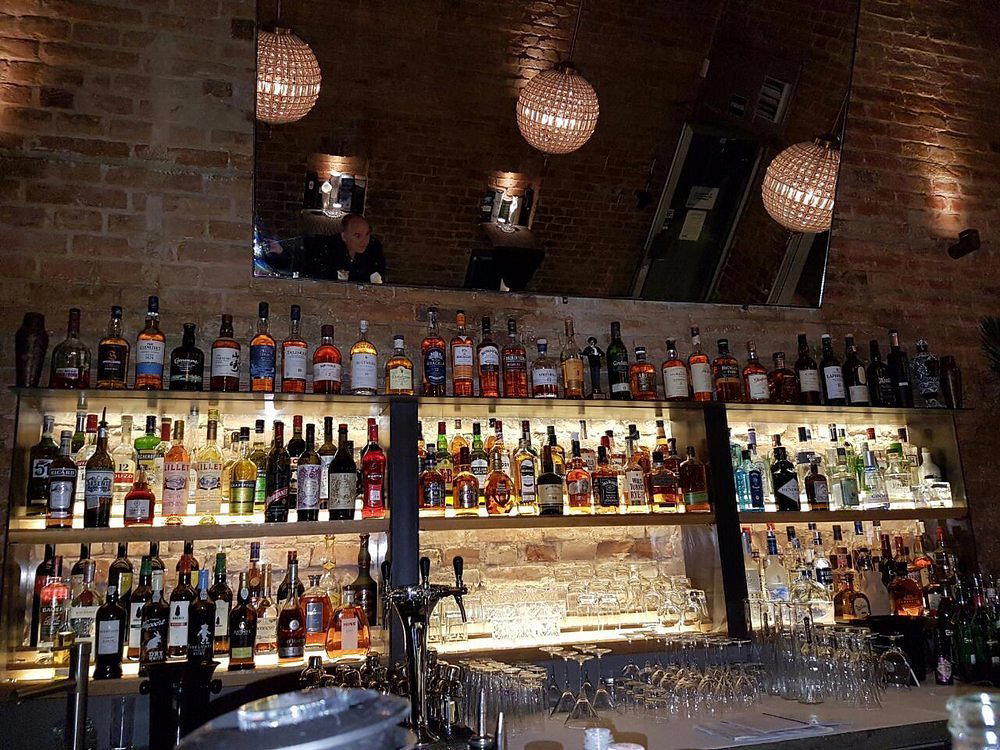

Hotels in Vienna
Browse all →
At a Glance
- Cozy
- Rustic
- Intimate
- Date Night
- Casual Hangout
- Standalone
- Extensive Wine List
Current opening hours
- Monday
- Closed
- Tuesday
- Closed
- Wednesday
- Closed
- Thursday
- Closed
- Friday
- 5:30–10 PM
- Saturday
- 12–2 PM, 5:30–10 PM
- Sunday
- Closed
Hours can change for holidays and private events. Last verified .
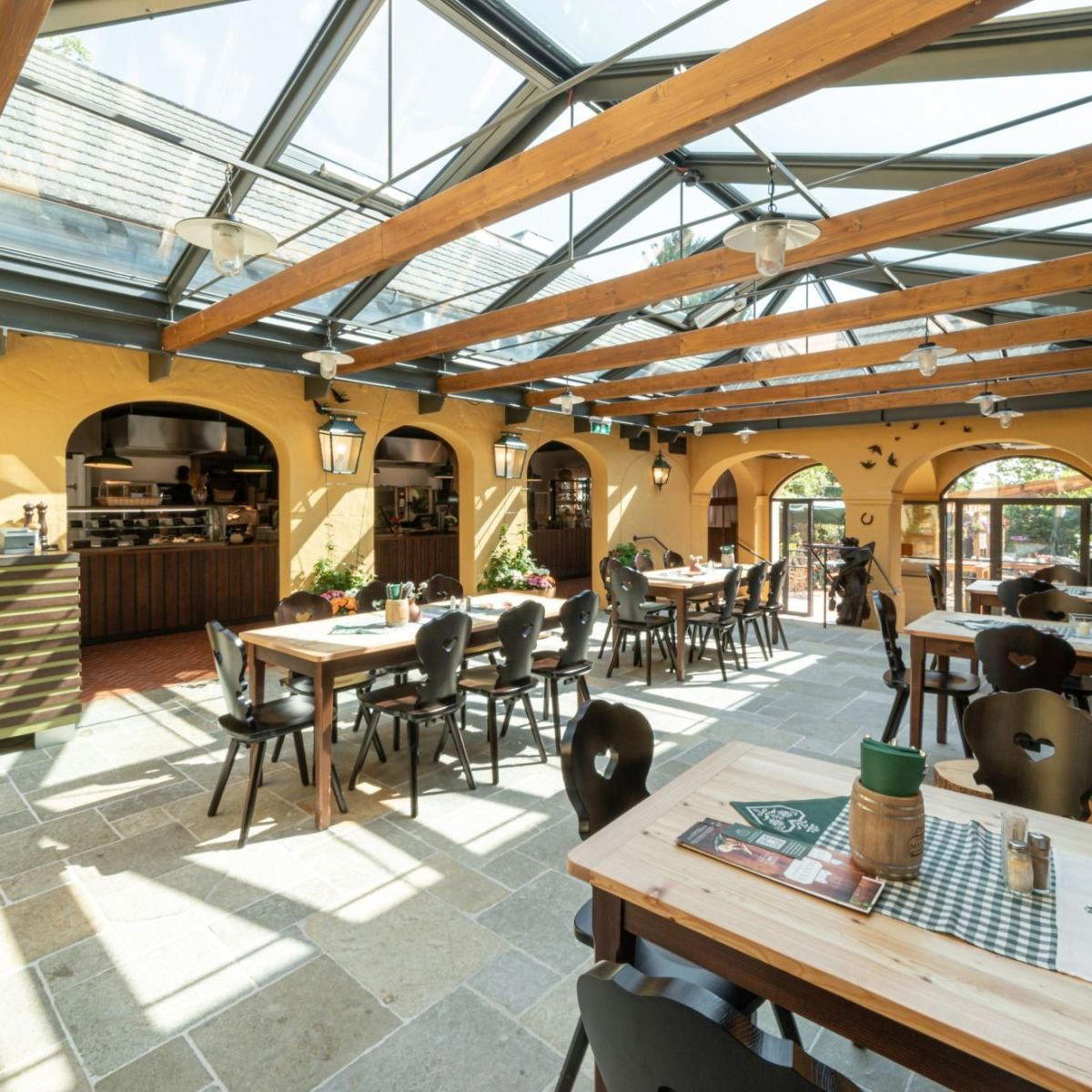
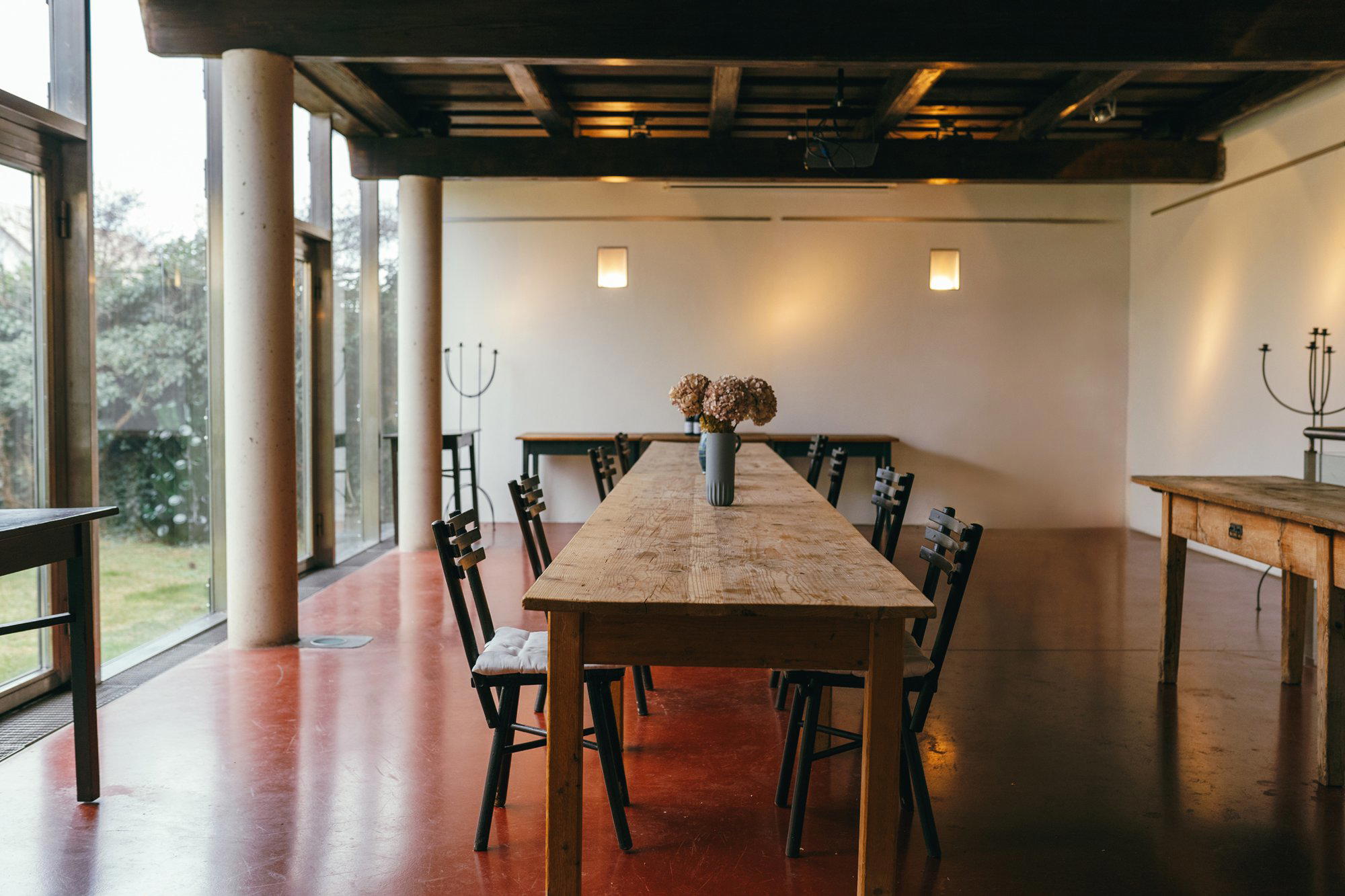
Cozy and intimate family atmosphere in a small restaurant.