On a quiet street in Vienna's 9th district, La Pasteria at Servitengasse 10 sits within a neighbourhood that rewards those who look past the Ringstrasse. The address places it in Alsergrund, a residential quarter with a tradition of local dining that operates at a different register from the city's Michelin-decorated tier. For visitors tracking where Viennese actually eat, it belongs on the itinerary.
Pearl is the En Primeur Club membership app — saves, bookings, and concierge access live there. Same editors, same standards.
- Address
- Servitengasse 10, 1090 Wien, Austria
- Phone
- +434313102736
- Website
- lapasteria.at
- Directions
- Get directions
 Saves & bookings on Pearl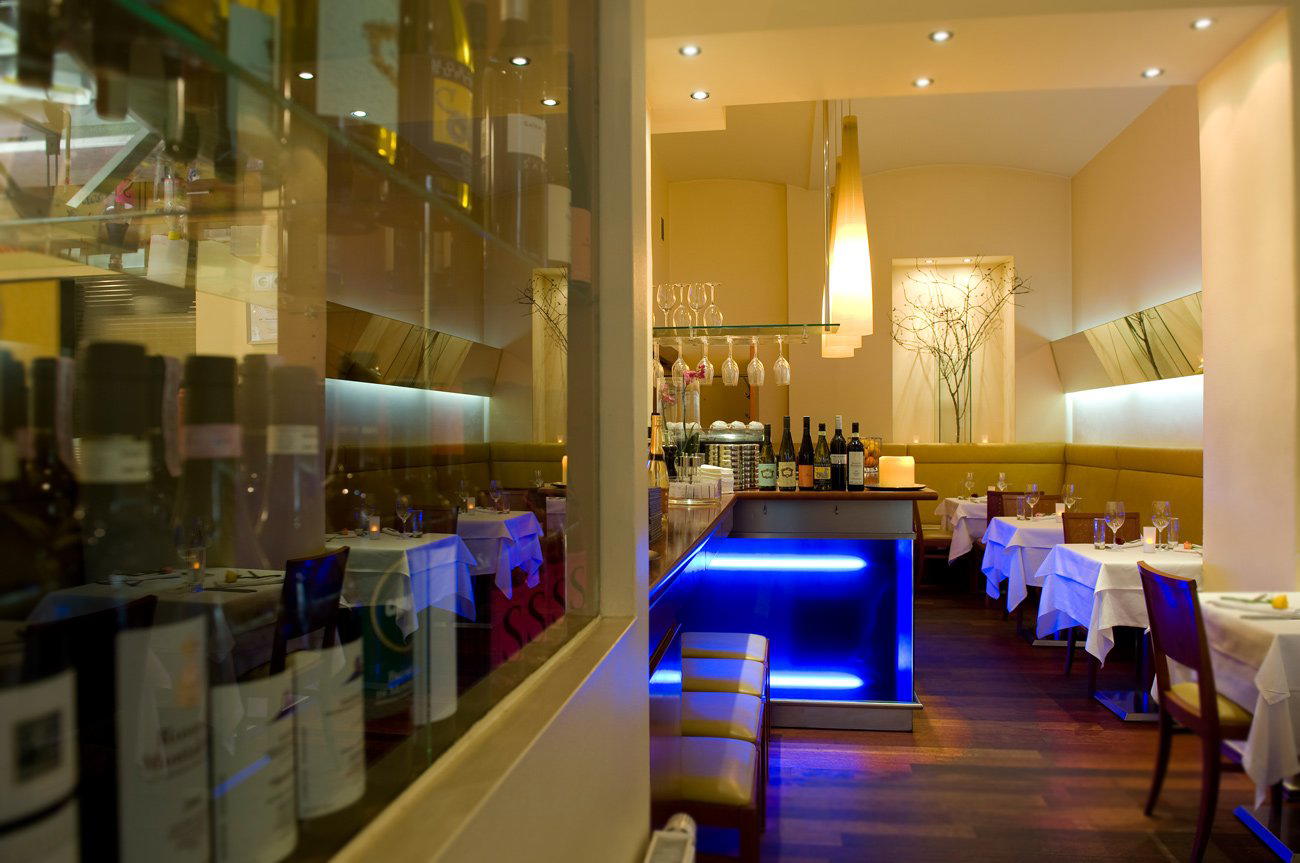
Alsergrund and the Quiet Logic of Vienna's 9th District
Vienna's dining conversation tends to anchor itself to the first district and the grand boulevard addresses that cluster around it. Bordered by the university hospital complex and the Servitenviertel, a compact grid of Biedermeier-era streets around the Servitenkirche, the neighbourhood has a density of independent restaurants that reflects the area's student and professional mix rather than tourist foot traffic. Servitengasse itself is a narrow residential street where ground-floor dining rooms open directly onto the pavement, and the rhythm of the evening is set by locals rather than groups working through a pre-planned itinerary.
La Pasteria is an Authentic Italian Trattoria at Servitengasse 10, 1090 Wien, Austria. The location is not an accident of real estate: Alsergrund has historically supported a category of Italian-leaning trattorias and pasta-focused rooms that serve the neighbourhood rather than the city's dining circuit. Understanding what La Pasteria is requires understanding what that category of address tends to produce, and where it sits relative to the broader spectrum of Italian cooking in Vienna.
Italian Cooking in Vienna: Where the Category Sits
Italian food in Vienna splits across a wider range than most visitors expect. At one end, the city's premium Italian rooms operate with imported product cycles, extended wine lists weighted toward northern Italy, and price points that put them in the same bracket as Vienna's €€€€ creative houses: Steirereck im Stadtpark, Amador, and Konstantin Filippou all occupy that upper tier in terms of ambition and cost, even if their menus draw from different traditions. At the other end sits the neighbourhood trattoria format, which in Vienna has its own particular character: it tends to absorb Central European ingredient logic, the emphasis on seasonal produce from the Marchfeld and surrounding lowlands, the preference for heavier, braised preparations in cooler months, while keeping the structural vocabulary of Italian cooking intact.
The intersection of those two forces, imported technique and local ingredient habit, defines a significant portion of what Vienna's mid-register Italian rooms actually serve. Pasta made fresh on-site using Austrian wheat and eggs, sauces built on local game or autumn mushrooms from the Vienna Woods, cured products that draw from both Italian charcuterie tradition and the Styrian pig-farming practices that have supplied the region for centuries: these combinations are not marketing positioning, they are the practical result of cooking Italian food in a landlocked Central European city with strong seasonal ingredient patterns of its own. That confluence is the more interesting story, and it is the lens through which a place like La Pasteria earns its neighbourhood standing.
The Servitenviertel Register
The Servitenviertel has a particular dining atmosphere that differentiates it from comparable residential pockets in cities like Munich or Zurich. The street-level rooms here tend toward closely set tables, wine served in simple stemware, and a pace of service that assumes the diner has come for the evening rather than a specific slot. The absence of elaborate staging is not a shortcoming, it reflects a format that the neighbourhood supports and expects. Vienna's more technically ambitious rooms, places like Mraz & Sohn or Doubek, have built their identities in explicit contrast to this register: smaller menus, higher production intensity, a more deliberate relationship between kitchen and guest. The trattoria format in Alsergrund sits at the opposite pole, and that is not a criticism of either approach, it is an acknowledgment that Vienna sustains both simultaneously, and that the reader's choice between them should be guided by what kind of evening they want.
For comparison, Vienna's equivalent of the neighbourhood Italian room in other European cities tends to be more homogenised. In London or Paris, the mid-register Italian trattoria has largely converged on a single template. Vienna's version retains more local inflection, partly because the city's food culture has always been more insular in productive ways, drawing from the Austro-Hungarian pantry even when the nominal cuisine points elsewhere.
Technique, Tradition, and What the Address Implies
The editorial angle that matters most for a restaurant in this part of Vienna is not whether it has accumulated the kind of external recognition that marks out destinations like Ikarus in Salzburg or Obauer in Werfen. It is whether the kitchen is doing something coherent with the ingredients and format available to it. Vienna's strongest pasta rooms have historically distinguished themselves by treating Austrian seasonality as a constraint that improves the cooking rather than limiting it: the enforced use of autumn and winter produce, the proximity to the Wachau and Styria for oils and vinegars, the quality of the regional dairy supply. These are meaningful advantages for a kitchen paying attention to them.
The same logic applies to Austrian restaurant culture more broadly. When Landhaus Bacher in Mautern an der Donau or Kräuterreich by Vitus Winkler operate at their level, the defining quality is a precision about local product that elevates the cooking above its regional category. The same aspiration, operating at a different scale and price point, is what separates a functioning neighbourhood trattoria from a generic one.
Servitengasse 10 is an address in a district that has historically been receptive to that kind of careful, unflashy operation. The restaurant offers a consistent kitchen with a focused pasta program, positioned at the more accessible end of Vienna's Italian dining options. The restaurant represents a different kind of evening: lower stakes, neighbourhood pace, and the kind of cooking that answers to the street outside rather than a broader critical audience. Both have their place in how Vienna actually works as a dining city.
Side-by-Side Snapshot
Comparable venues nearby, for context on price, style, and recognition.
| Venue | Cuisine | Price | Notes |
|---|---|---|---|
| La PasteriaThis venue — the venue you are viewing | Authentic Italian Trattoria | $$ | Not listed |
| Pizzeria Minante | Neapolitan Pizza | $$ | Hofburg |
| Forno | Italian Focaccia and Pizza | $$ | Josefstadt |
| Francesco Grinzing | Italian Pizza and Pasta | $$ | Heiligenstadt |
| Francesco | Authentic Italian Pizza and Pasta | $$ | Alsergrund |
| Spaghetteria Il Mercato | Authentic Italian Pasta | $$ | Neujedlersdorf |
Continue exploring
More in Vienna
Restaurants in Vienna
Browse all →
Bars in Vienna
Browse all →
Hotels in Vienna
Browse all →
At a Glance
- Cozy
- Romantic
- Intimate
- Classic
- Date Night
- Business Dinner
- Casual Hangout
- Special Occasion
- Terrace
- Standalone
- Extensive Wine List
- Organic
- Local Sourcing
- Street Scene
Current opening hours
- Monday
- Closed
- Tuesday
- 11 AM–11 PM
- Wednesday
- 11 AM–11 PM
- Thursday
- 11 AM–11 PM
- Friday
- 11 AM–11 PM
- Saturday
- 11 AM–11 PM
- Sunday
- Closed
Hours can change for holidays and private events. Last verified .
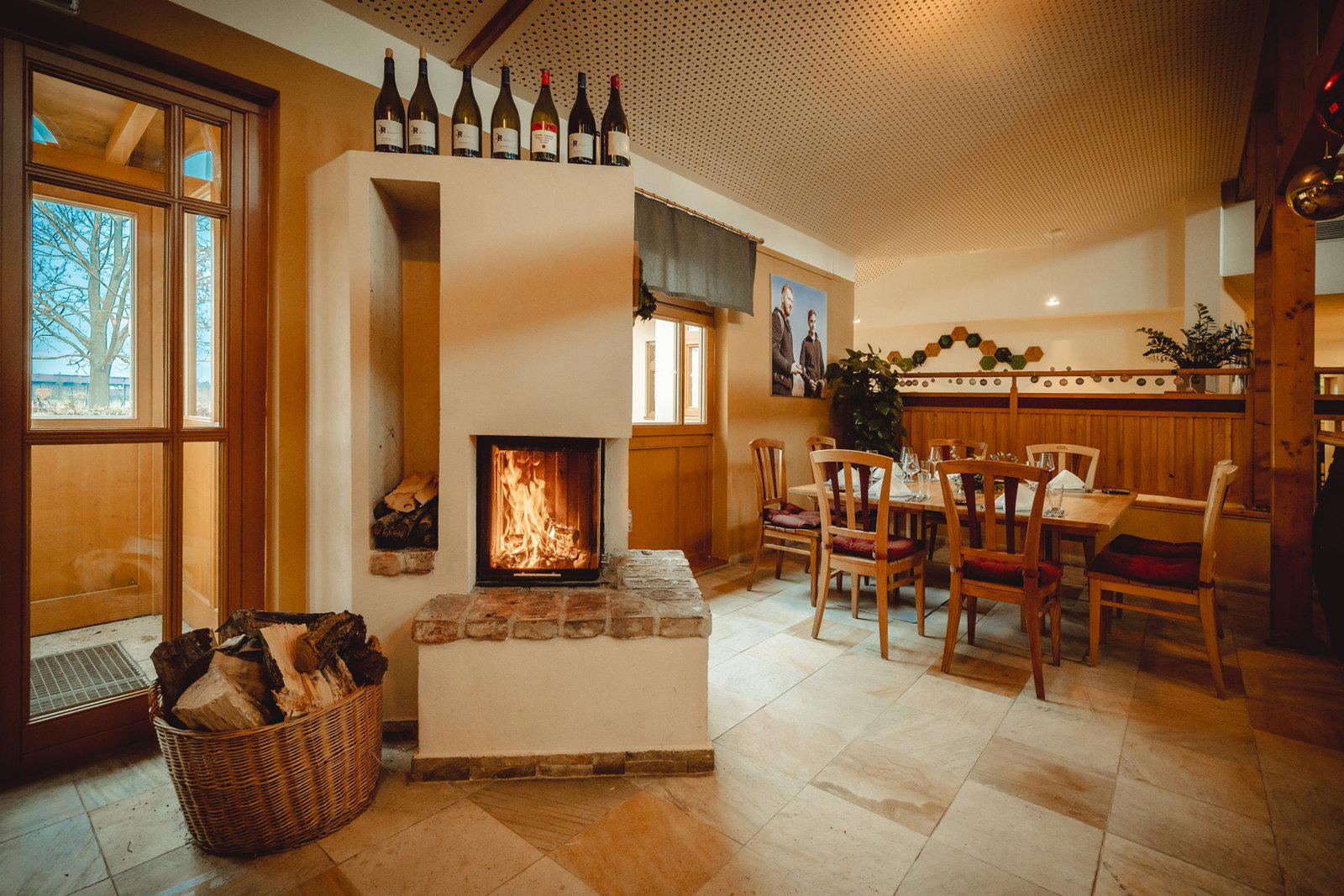
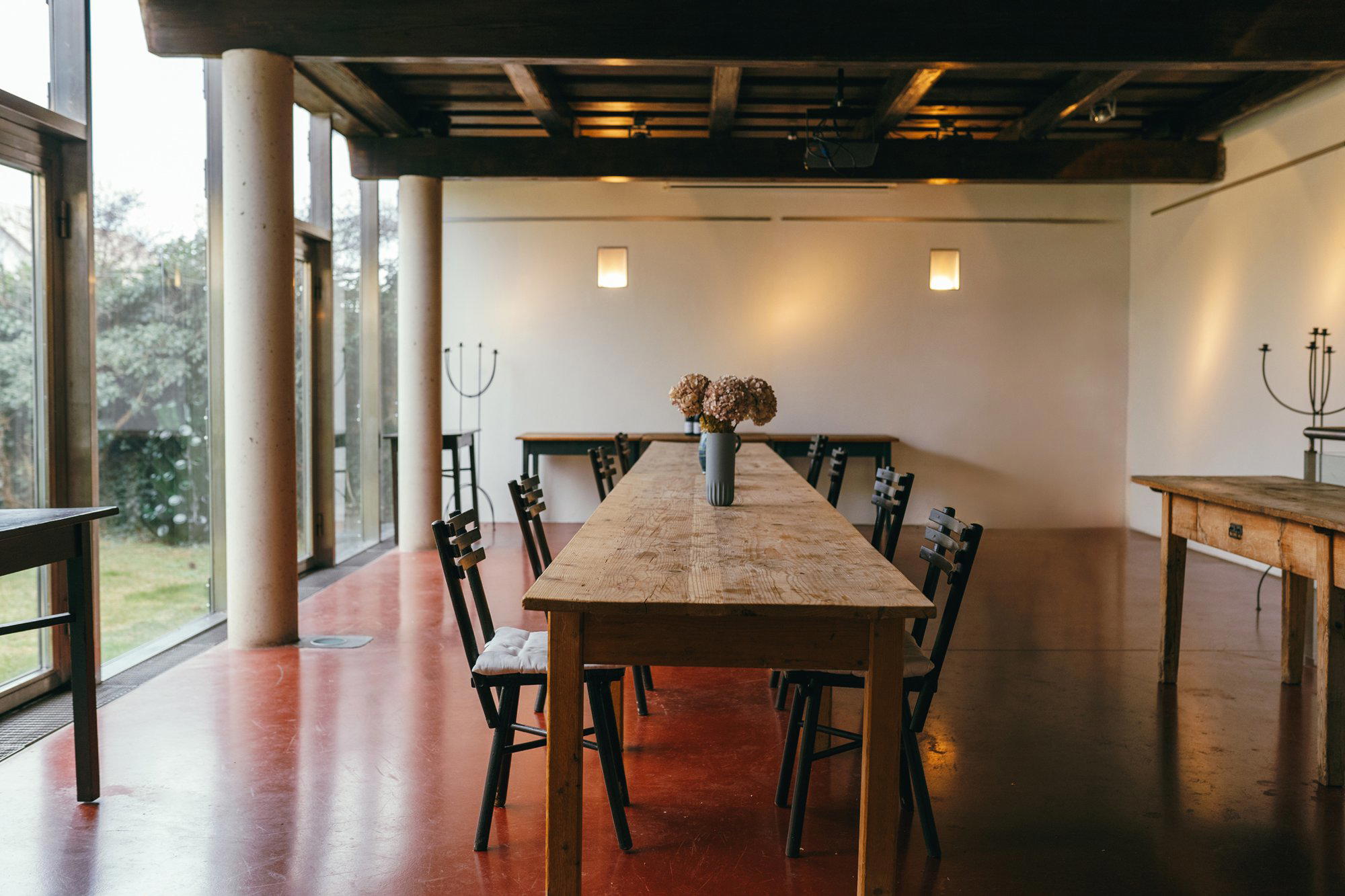
Warm and inviting with a cozy, authentic Italian feel enhanced by the aroma of fresh herbs and tomatoes; intimate setting with few tables and a small outdoor terrace overlooking Servitenplatz.