La Signorina serves Authentic Neapolitan Pizza on Johann-Nepomuk-Vogl-Platz, with a terrace, casual service, and a beer program for lunch or dinner.
Pearl is the En Primeur Club membership app — saves, bookings, and concierge access live there. Same editors, same standards.
- Address
- Johann-Nepomuk-Vogl-Platz 20, 1180 Wien, Austria
- Phone
- +4366499554764
- Website
- lasignorina.at
- Directions
- Get directions
 Saves & bookings on Pearl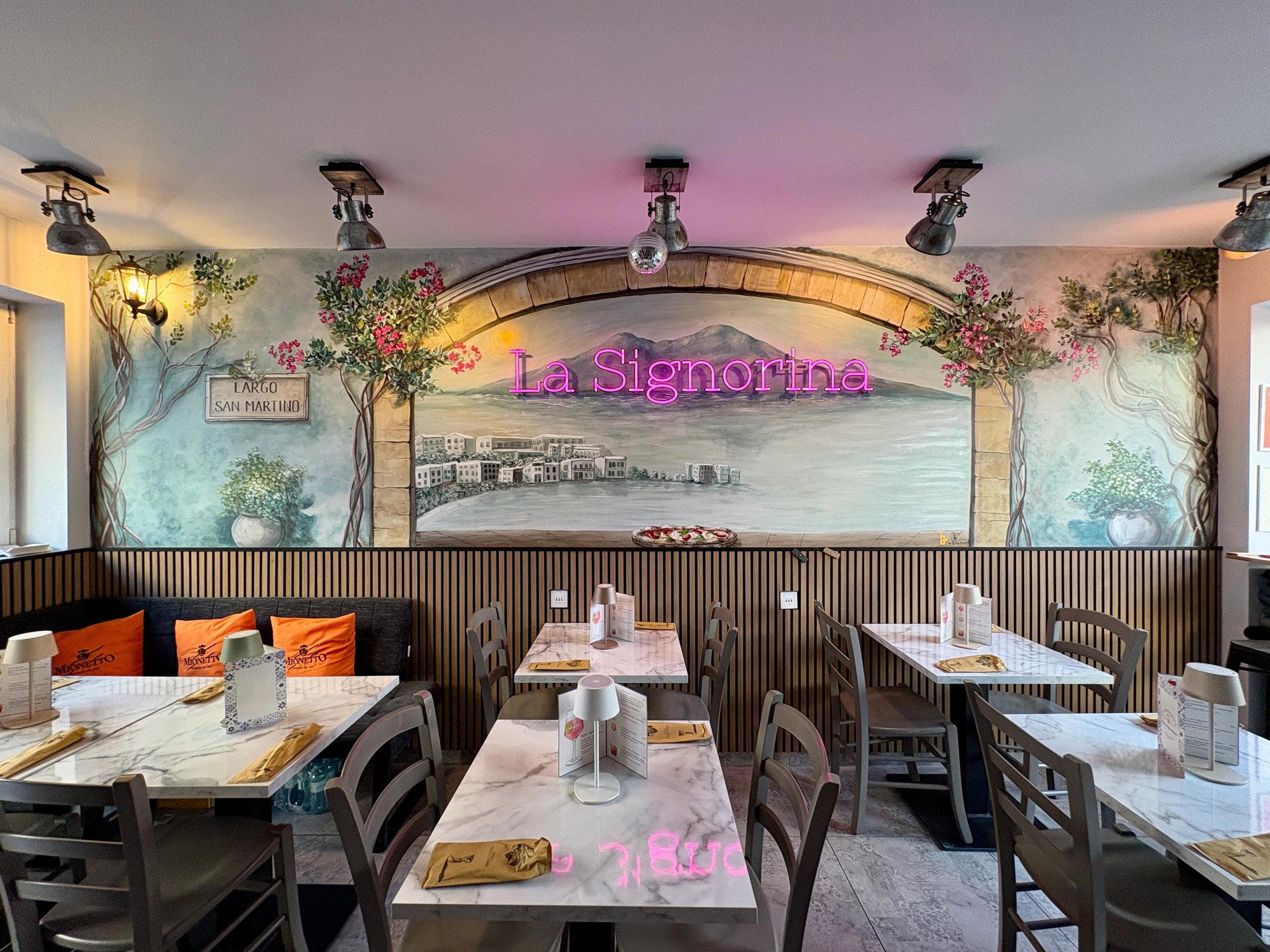
Währing and the Question of Neighbourhood Dining in Vienna
Vienna's restaurant conversation tends to collapse inward toward the First District and the Naschmarkt corridor, where the city's decorated kitchens and high-profile counters cluster. What gets less attention is the steady growth of serious neighbourhood dining in the outer districts, where a different kind of restaurant has been establishing itself: smaller, less self-conscious about prestige, and often more interested in sourcing and season than in spectacle. The 18th district, Währing, sits in this quieter register. Johann-Nepomuk-Vogl-Platz is a residential square that functions as a local anchor rather than a destination address, and La Signorina occupies that position without apparent anxiety about it.
This matters for how you read the restaurant. Vienna's upper-tier creative kitchens, places like Steirereck im Stadtpark and Amador, operate under a different logic: tasting menus, formal pacing, long booking windows, and price points that index against international fine dining. La Signorina is not in that conversation, and understanding where it actually sits requires looking at Vienna's wider neighbourhood restaurant tier.
Sourcing, Season, and the Ethics of the Plate
Across Europe, a particular kind of restaurant has become the reference point for how sustainability actually functions at table level, as opposed to how it gets described in press releases. The distinction matters: ethical sourcing, reduced waste, and seasonal constraint are either structural commitments built into procurement and menu design, or they are aesthetic gestures applied after the fact. The restaurants that carry one credibility on this point tend to be the ones that let the constraint show in the cooking rather than hiding it behind elaborate technique.
In Vienna, this tendency shows up most visibly at the upper end of the market. Mraz and Sohn and Konstantin Filippou both work with Austrian producers and seasonal supply in ways that shape their menus rather than merely decorating them. Across Austria more broadly, the same philosophy runs through kitchens like Kräuterreich by Vitus Winkler in Sankt Veit im Pongau, where kitchen garden cultivation is central to the menu logic, and Landhaus Bacher in Mautern an der Donau, which has built decades of credibility around Wachau-region produce. What connects these kitchens is not a shared aesthetic but a shared discipline: you cook what the region gives you, in the season it gives it.
Neighbourhood restaurants like La Signorina operate in the same general tradition without the infrastructure or the profile of the decorated kitchens. The sourcing is quieter, the claims are fewer, and the food tends to reflect what was available at the market rather than what a PR strategy requires. In Italian-influenced cooking specifically, this maps naturally onto regional Italian traditions where ingredient quality and seasonal availability do most of the work that technique and presentation do elsewhere.
Italian Cooking in a Viennese Context
Vienna has a functional Italian restaurant scene that runs from fast-casual pizza to mid-range trattoria formats, with a smaller number of kitchens working at higher ambition. The Italian-in-Vienna category is interesting precisely because it tends to sit slightly outside the city's central restaurant identity, which remains Austrian, Central European, and increasingly international-creative. A restaurant named La Signorina, addressed in Währing rather than the centre, is making a particular positioning choice: neighbourhood rather than destination, accessible rather than formal, and Italian in character rather than pan-European in the way Vienna's more decorated kitchens tend to be.
This places it in a different comparable set than Doubek or the city's more experimental kitchens. The comparison that matters more is with other neighbourhood restaurants offering honest, ingredient-led cooking in a residential context. In that comparison, the sustainability framing becomes more relevant: a neighbourhood restaurant that sources well and wastes little is doing something structurally different from a destination restaurant that manages sustainability as a brand position.
The Austrian Context: Regional Kitchens and Ethical Sourcing
It is worth placing Vienna's neighbourhood restaurant tier against Austria's wider regional dining tradition, because the country's leading kitchens outside the capital have been building sourcing credibility for longer than Vienna's urban scene has. Döllerer in Golling an der Salzach has developed a kitchen identity around alpine ingredients and regional produce that has become a reference point for mountain-cuisine sustainability. Obauer in Werfen has operated in Salzburg State for decades with a kitchen garden and producer network that reflects decades of commitment rather than a recent marketing pivot. Griggeler Stuba in Lech and Gourmetrestaurant Tannenhof in Sankt Anton am Arlberg represent the alpine end of this tradition, where local supply chains are constrained by geography and chefs have had to build relationships with producers out of necessity rather than principle.
Closer to Salzburg, Ikarus takes the inverse approach, rotating guest chefs through a kitchen that functions as a stage for international talent rather than local sourcing depth. Ois in Neufelden and Schwarzer Adler in Hall in Tirol sit closer to the neighbourhood-dining tradition that restaurant occupies in Vienna, operating in smaller communities with a focus on local produce and consistent, unpretentious cooking. Restaurant 141 by Joachim Jaud in Mieming rounds out the regional picture with a kitchen that works in Tyrol's agricultural supply chain rather than against it.
The pattern across these kitchens is that sourcing ethics and seasonal discipline tend to produce better cooking at this price tier than technical ambition untethered from ingredient quality. That is the context in which a neighbourhood restaurant like La Signorina makes sense, even from a distance.
Planning Your Visit
The restaurant is located at Johann-Nepomuk-Vogl-Platz 20 in Vienna's 18th district, accessible by U-Bahn and tram connections into Währing. As a neighbourhood restaurant in a residential square, it operates at a different rhythm from the city's centre, and visiting on a weekday tends to offer a quieter, more considered experience than weekend service. Confirm hours and reservation details before visiting. For international reference points on what serious ingredient-led cooking looks like at the summit of the market, Le Bernardin in New York City and Atomix in New York City represent two different approaches to the same underlying discipline.
Pricing, Compared
Comparable venues nearby, for context on price, style, and recognition.
| Venue | Cuisine | Price |
|---|---|---|
| La SignorinaThis venue — the venue you are viewing | Wahring, Authentic Neapolitan Pizza | $$ |
| Francesco Grinzing | Heiligenstadt, Italian Pizza and Pasta | $$ |
| SOFI Vera Pizza Napoletana | Hernals, Authentic Neapolitan Pizza | $$ |
| Dal Toscano | Josefstadt, Authentic Tuscan Trattoria | $$ |
| Forno | Josefstadt, Italian Focaccia and Pizza | $$ |
| San Carlo Ristorante | Staatsoper, Authentic Neapolitan Italian | $$ |
Continue exploring
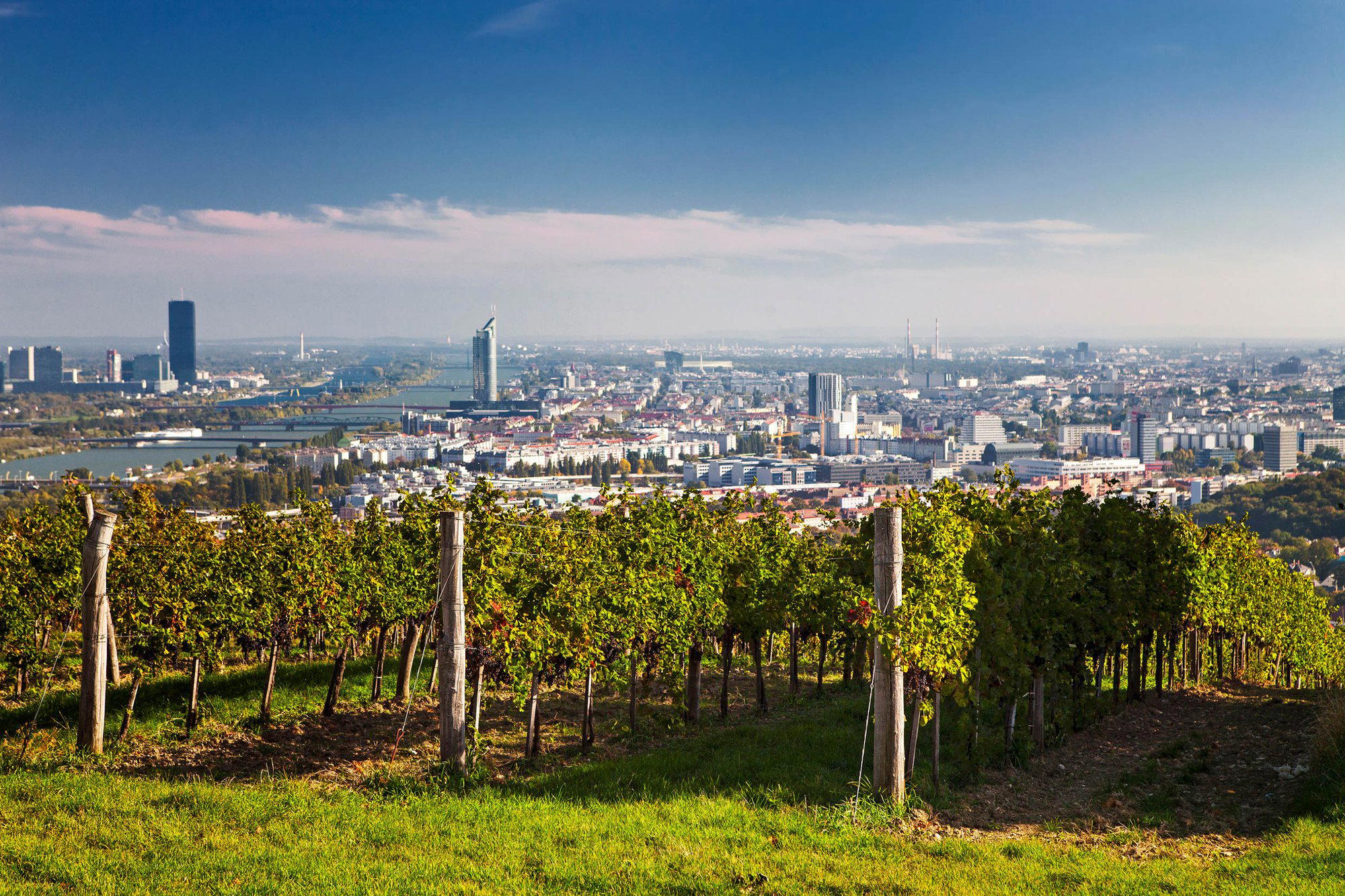
More in Vienna
Restaurants in Vienna
Browse all →
Bars in Vienna
Browse all →

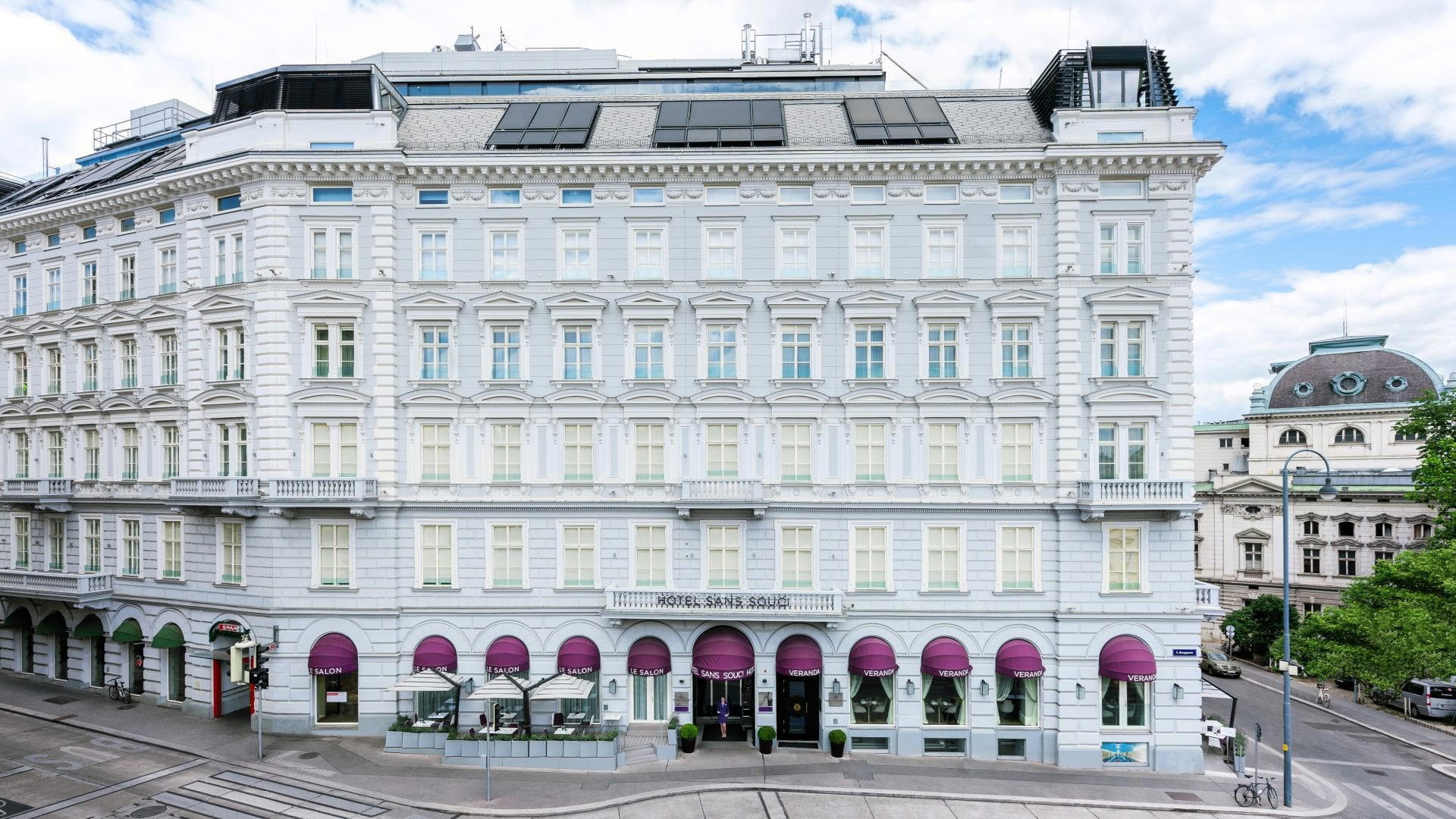
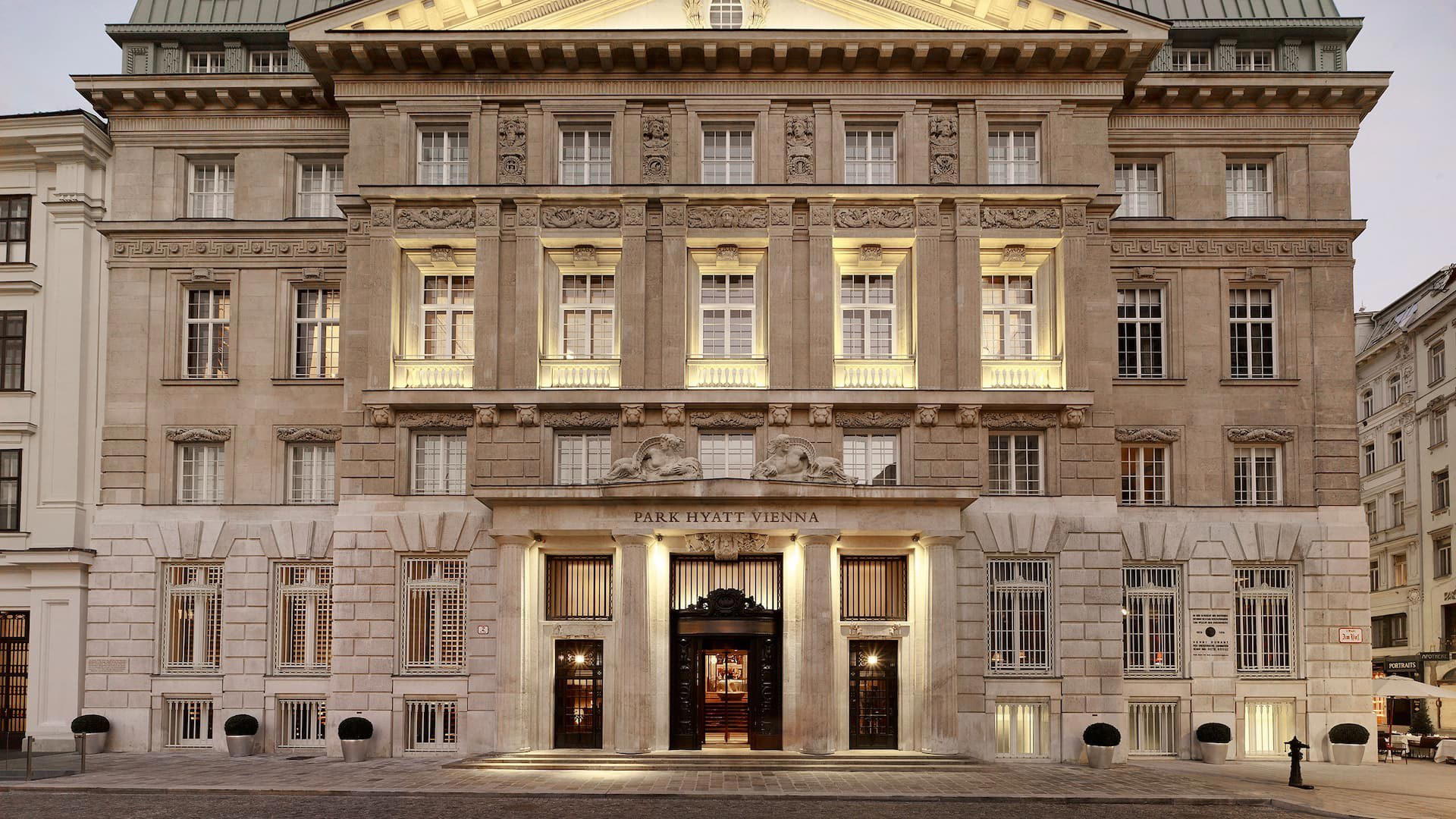
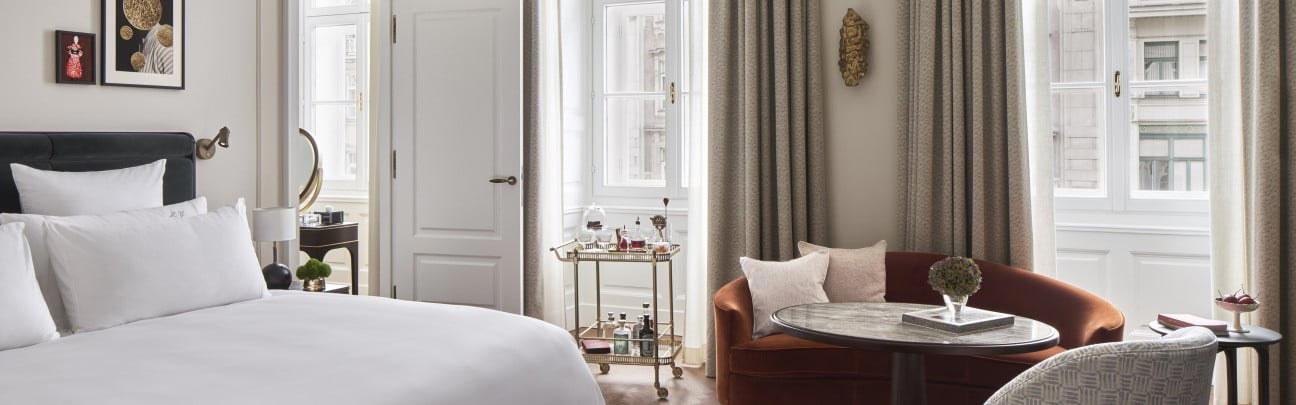
Hotels in Vienna
Browse all →
At a Glance
- Casual
- Rustic
- Cozy
- Casual Hangout
- Family
- Group Dining
- Terrace
- Beer Program
- Local Sourcing
Current opening hours
- Monday
- 11 AM–9 PM
- Tuesday
- 11 AM–9 PM
- Wednesday
- Closed
- Thursday
- 11 AM–9 PM
- Friday
- 11 AM–9 PM
- Saturday
- 11 AM–9 PM
- Sunday
- 11:30 AM–7 PM
Hours can change for holidays and private events. Last verified .
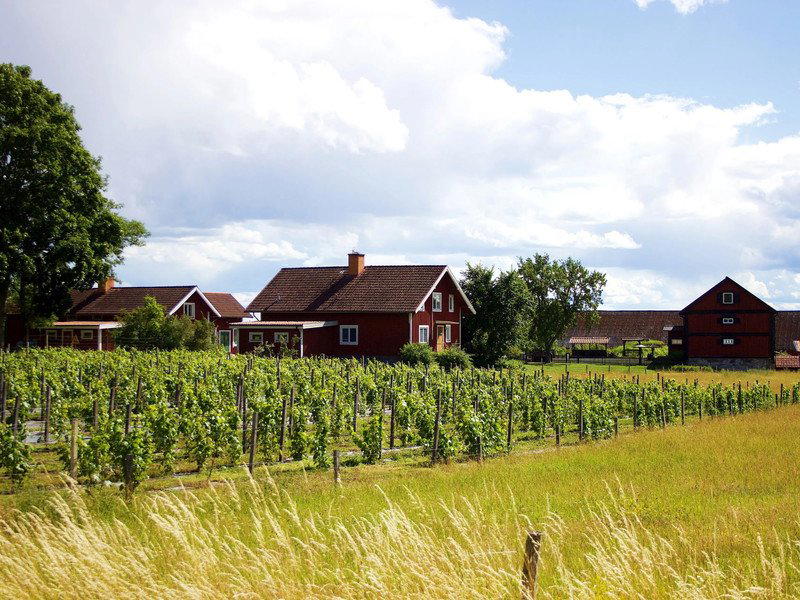
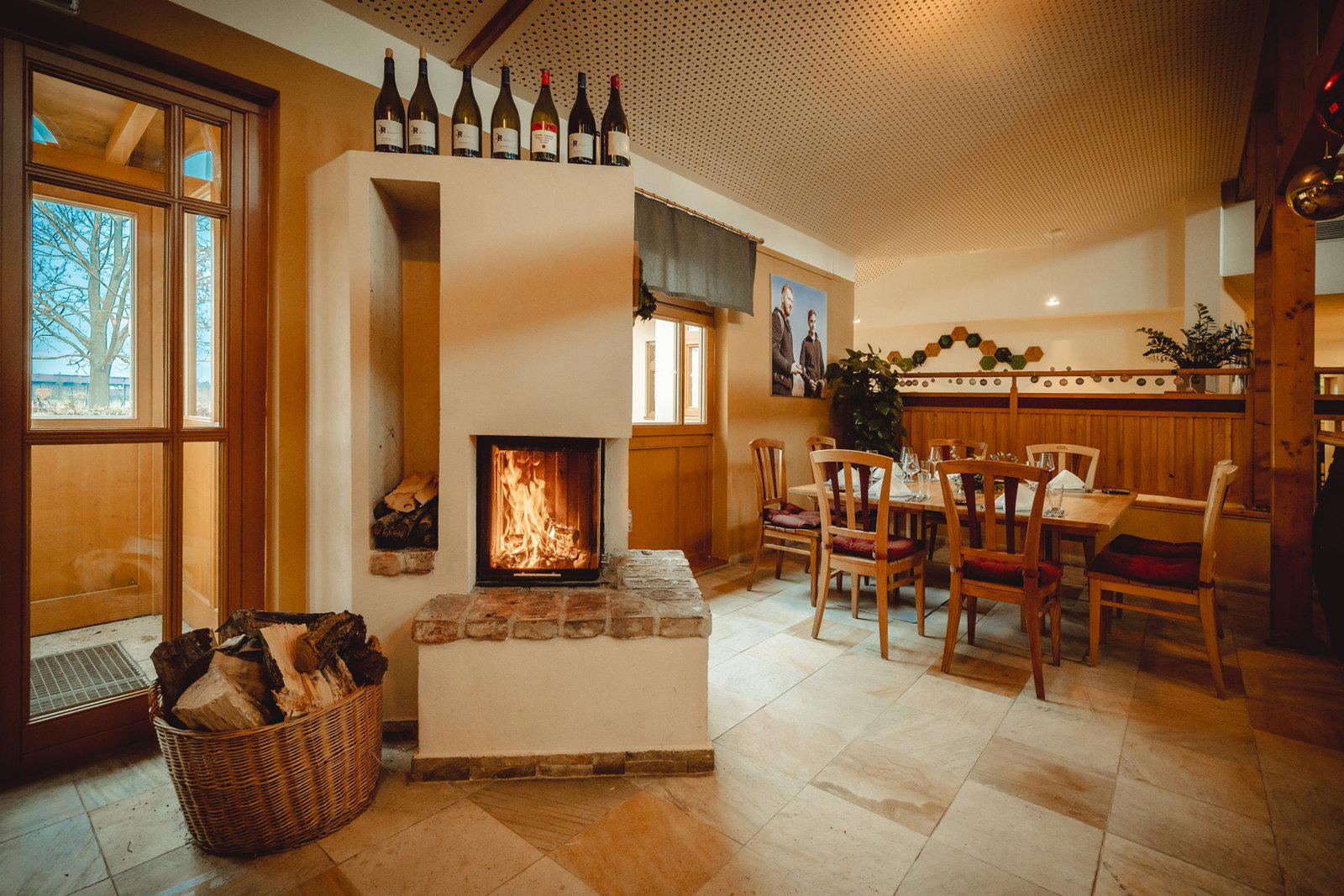
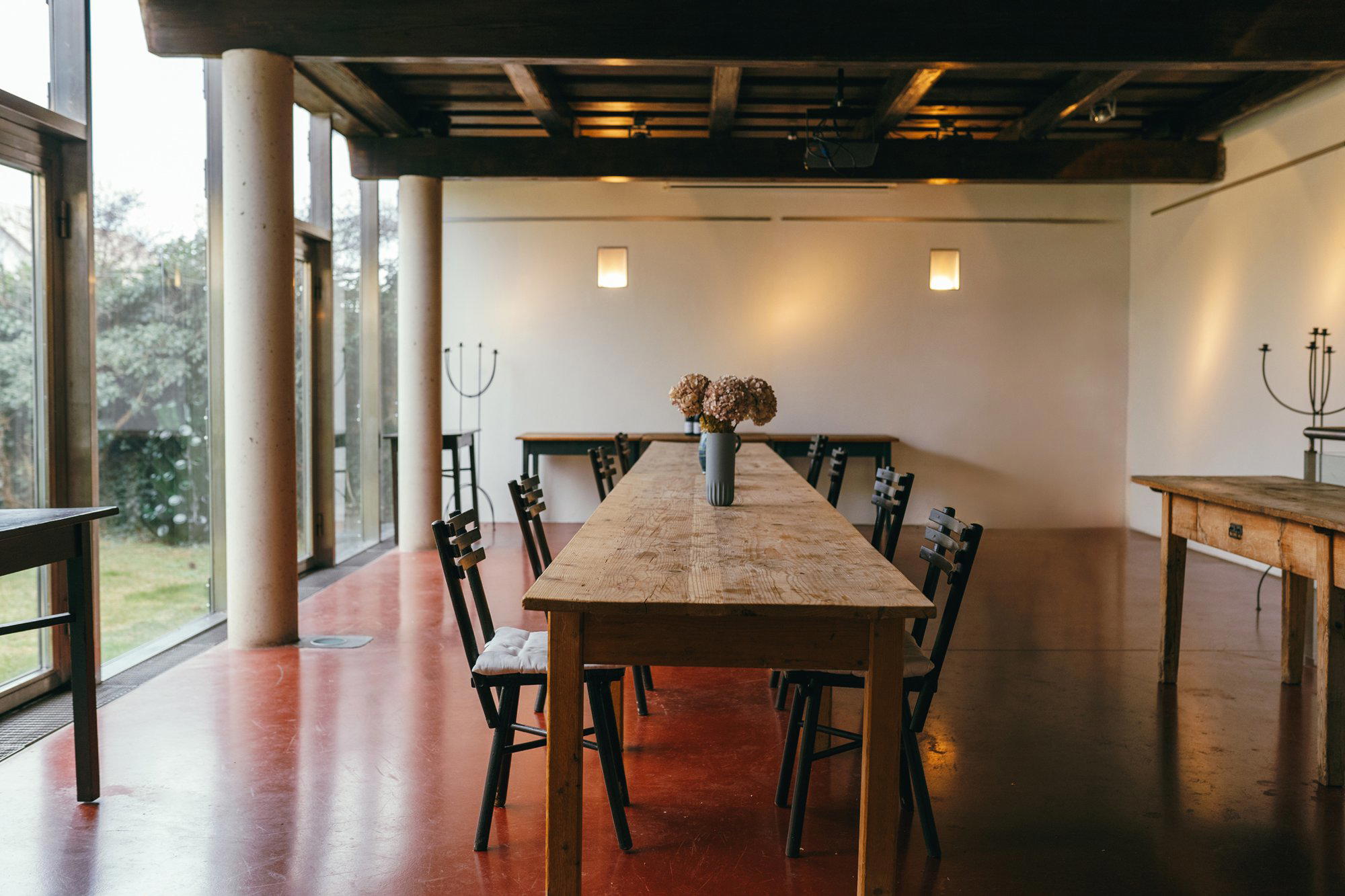
Casual and welcoming neighborhood pizzeria with a garden seating area, warm lighting, and traditional Italian charm.