Alla Sorgente sits on Via della Sorgente in Trieste, a city where Central European café culture and Adriatic seafood tradition intersect in ways found nowhere else on the Italian peninsula. The address places it within the fabric of a dining scene that rewards careful navigation over obvious choices. For travellers building a serious table around Trieste, it belongs on the research list alongside the city's more documented options.
Pearl is the En Primeur Club membership app — saves, bookings, and concierge access live there. Same editors, same standards.
- Address
- Via della Sorgente, 2, 34125 Trieste TS, Italy
- Phone
- +393479396519
- Website
- facebook.com
- Directions
- Get directions
 Saves & bookings on Pearl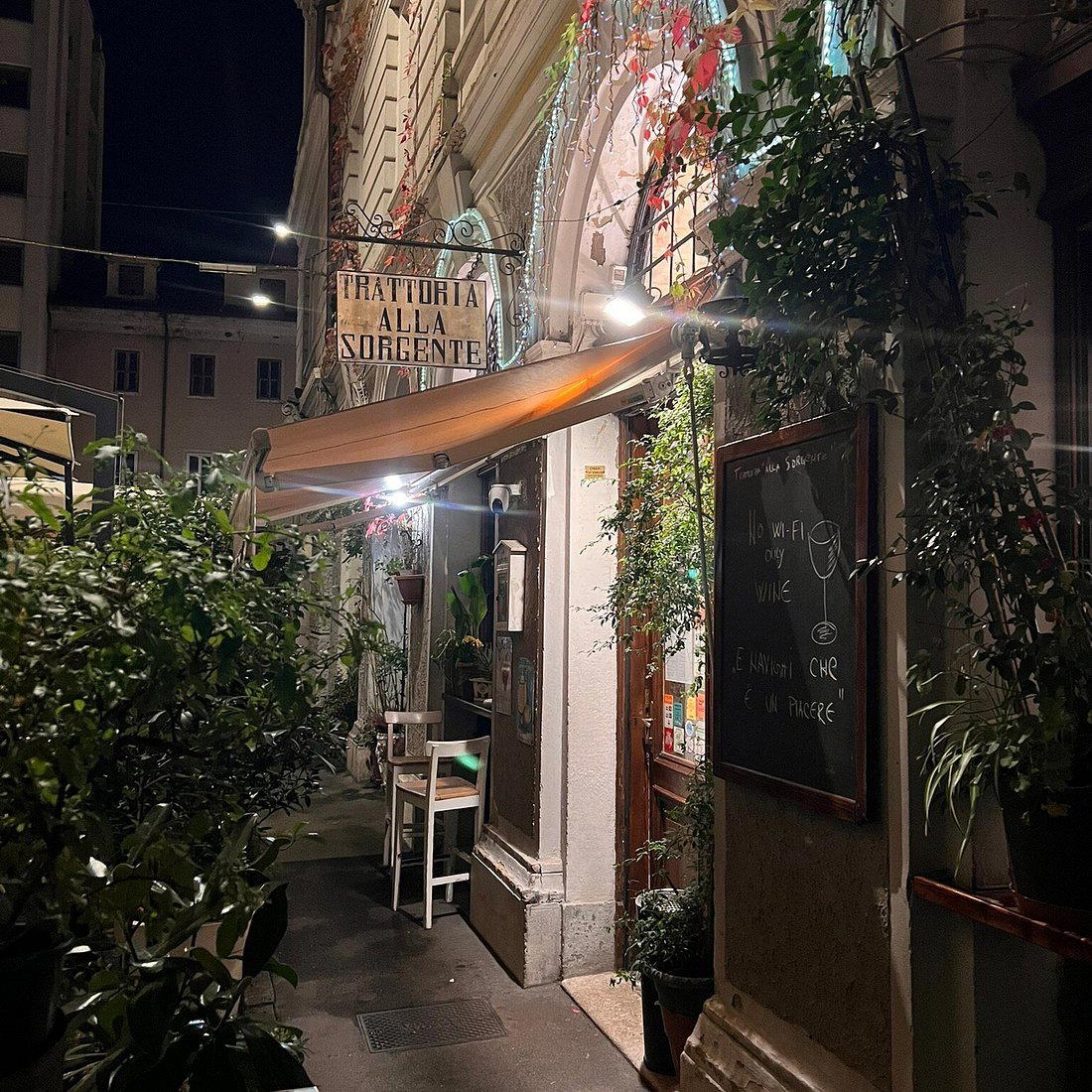
Where Trieste's Dining Character Shows Most Clearly
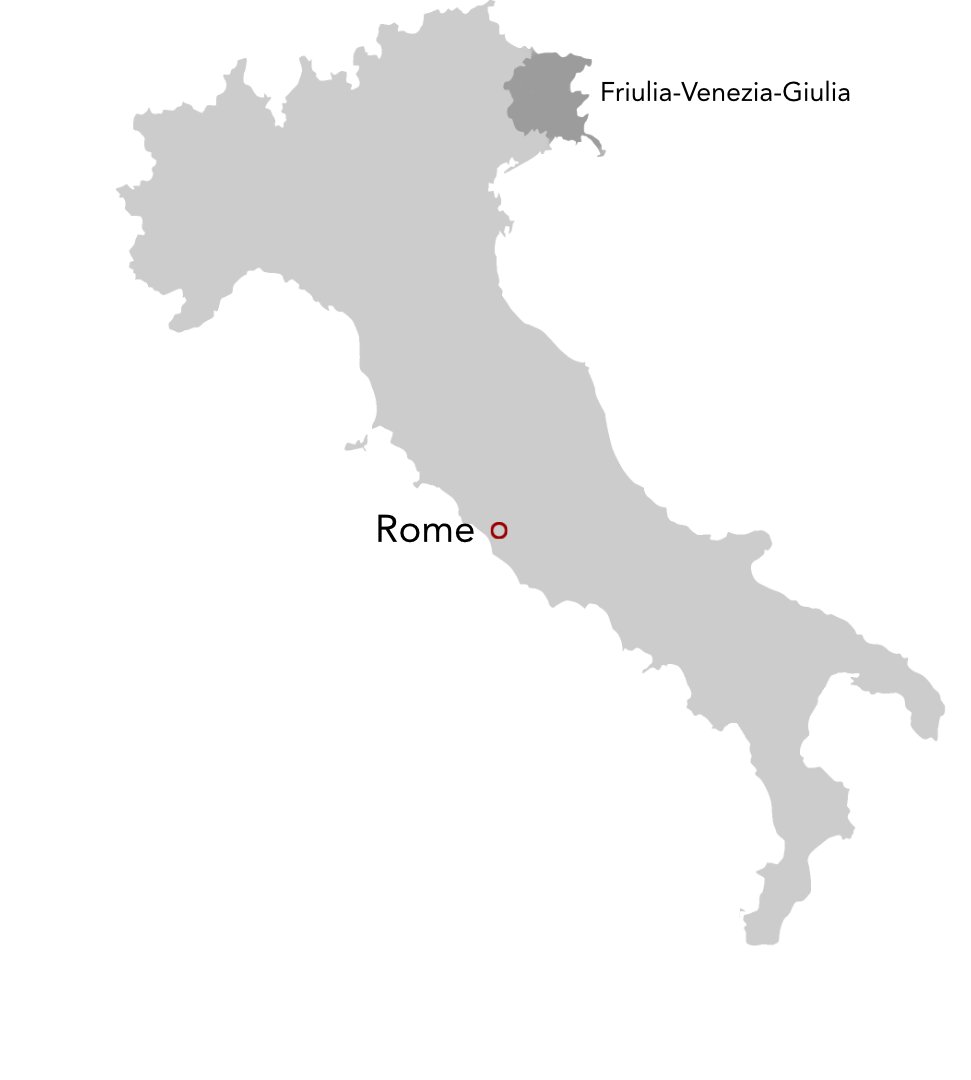
Trieste operates differently from the rest of northeastern Italy. The city spent centuries as the Habsburg Empire's primary port, and that history left an architectural and cultural residue that shapes how its residents eat, drink, and socialise. The coffee ritual here is more Viennese in tempo than Roman. The seafood on the plate arrives from a narrower stretch of the northern Adriatic, where colder, shallower water produces shellfish and fish with a distinct character compared to what you find further down the Tyrrhenian coast. Restaurants that work within this specific geography, rather than defaulting to a generically Italian identity, tend to produce the more interesting meals. Alla Sorgente, at Via della Sorgente 2 in the 34125 district, is a traditional Italian seafood trattoria in Trieste, priced at about $25 per person, and occupies that local-rooted tier of the city's dining scene.
Understanding Trieste's restaurant categories helps place any individual address. At the upper end, Harry's Piccolo operates in modern Italian and Italian Contemporary territory at the €€€€ tier, setting a formal reference point for the city's most ambitious cooking. Below that, addresses like Al Bagatto occupy the €€€ seafood bracket, drawing on the Adriatic directly and consistently. Further along the spectrum, Ai 3 Magnoni, Ai Fiori, and Al Civicosei each represent distinct neighbourhood identities within the city. Alla Sorgente exists within this layered scene, and the address alone signals something: Via della Sorgente is not a tourist-facing street, which in Trieste is often a meaningful distinction.
The Sensory Register of a Triestine Dining Room
The sensory experience of eating in Trieste's more considered restaurants follows a pattern worth understanding before you arrive. Light in this city carries a particular quality, especially in the months when the bora wind has swept the air clean and the Adriatic light bounces off pale limestone. Dining rooms that face or draw from this quality of natural light tend to feel different in the afternoon than at night. The sounds of the street, the cadence of Triestino dialect, and the particular quietness of a neighbourhood that has not been converted into an aperitivo corridor all contribute to the ambient experience of a meal.
Alla Sorgente's setting on a street that reads as residential rather than commercial means the approach itself is part of the experience. This is a city where the walk to a restaurant matters. Trieste rewards the kind of traveller who moves slowly, reads the iron lettering above doorways, and notices the mosaic floor patterns that appear in unexpected entryways. Arriving at a table in this city after that kind of approach shifts the register of the meal. The food arrives in a context that has already been set by what came before it, and the leading Triestine restaurants understand this implicitly.
Adriatic Tradition and What It Means on the Plate
Northern Adriatic cooking is a specific discipline, distinct from the broader Italian seafood canon. The fish markets of Trieste, particularly the Mercato Coperto, receive catches that reflect the Golfo di Trieste's particular ecology: scampi from the sandy beds of the northern basin, canestrelli (a small fan scallop local to the area), branzino and orata that feed in shallower, cooler water than their southern counterparts. The preparation tradition leans toward restraint: less tomato, less chilli, more olive oil and white wine, with Istrian influences threading through in the use of certain herbs and the occasional appearance of fuži pasta or other forms borrowed from across the former Yugoslav border.
Restaurants in this tradition do not compete with the more theatrical kitchens of Osteria Francescana in Modena, Le Calandre in Rubano, or Piazza Duomo in Alba on conceptual ambition. They operate in a different register entirely, where fidelity to ingredient and place takes precedence over transformation. For the traveller who has also visited Uliassi in Senigallia or Quattro Passi in Marina del Cantone, the contrast in approach helps clarify what each tradition is actually attempting. Adriatic coastal cooking at this level is not lesser ambition, it is different ambition, and Trieste represents one of its most geographically specific expressions.
The wine context matters here too. The Carso DOC, the limestone plateau immediately behind Trieste, produces Vitovska and Malvasia Istriana in styles that pair specifically well with northern Adriatic fish. These are not wines that travel widely or appear on lists in Rome or Milan. Finding them in Trieste, at a table that understands their provenance, is part of what makes eating in this city instructive for anyone serious about Italian wine geography. The contrast with the broader Italian fine dining circuit, represented by addresses like Enoteca Pinchiorri in Florence or Enrico Bartolini in Milan, is worth noting: those cellars operate as showcases of Italian wine's full range, while a serious Triestine restaurant offers something more focused and, in its specificity, more revealing.
Timing, Access, and What to Know Before You Go
Trieste's restaurant rhythm differs from the Italian norm. The city's Central European inheritance means lunch runs later and dinner begins earlier than in Rome or Naples. The shoulder seasons, particularly April through early June and September through October, offer particularly rewarding conditions: lighter tourist pressure, the full Adriatic catch in season, and the bora wind less likely to interrupt outdoor seating. Summer brings the Barcolana context in early October, when the city fills with sailing culture and tables become harder to secure across the board. Booking ahead for any Trieste restaurant during that first full week of October is advisable.
Reservations are recommended, so it is wise to call ahead once your arrival in Trieste is confirmed. This is not unusual for Trieste's neighbourhood-facing addresses. The city rewards the visitor who builds time for this kind of unhurried logistics rather than pre-booking every meal from a distance. For a fuller map of where Alla Sorgente sits within the city's dining options, the EP Club Trieste restaurants guide provides the comparative context. Travellers coming from further afield who want a reference point in Italy's broader fine dining conversation can also consult our coverage of Dal Pescatore in Runate, Reale in Castel di Sangro, and Atelier Moessmer Norbert Niederkofler in Brunico to understand the range of what serious Italian regional cooking looks like across different geographies.
Same-City Peers
Comparable venues nearby, for context on price, style, and recognition.
| Venue | Cuisine | Price | Notes |
|---|---|---|---|
| Alla SorgenteThis venue — the venue you are viewing | Traditional Italian Seafood Trattoria | $$ | Not listed |
| Suban | Traditional Triestine & Istrian | $$ | San Giovanni |
| Osteria Ai Maestri | Italian Seafood Osteria | $$ | centro storico |
| Nerodiseppia | Italian Seafood Trattoria | $$ | Centro |
| Hostaria da Libero | Traditional Italian Osteria | $$ | Trieste center |
| Osteria Marise | Authentic Triestino Italian | $$ | Trieste city center |
Continue exploring
More in Trieste
Restaurants in Trieste
Browse all →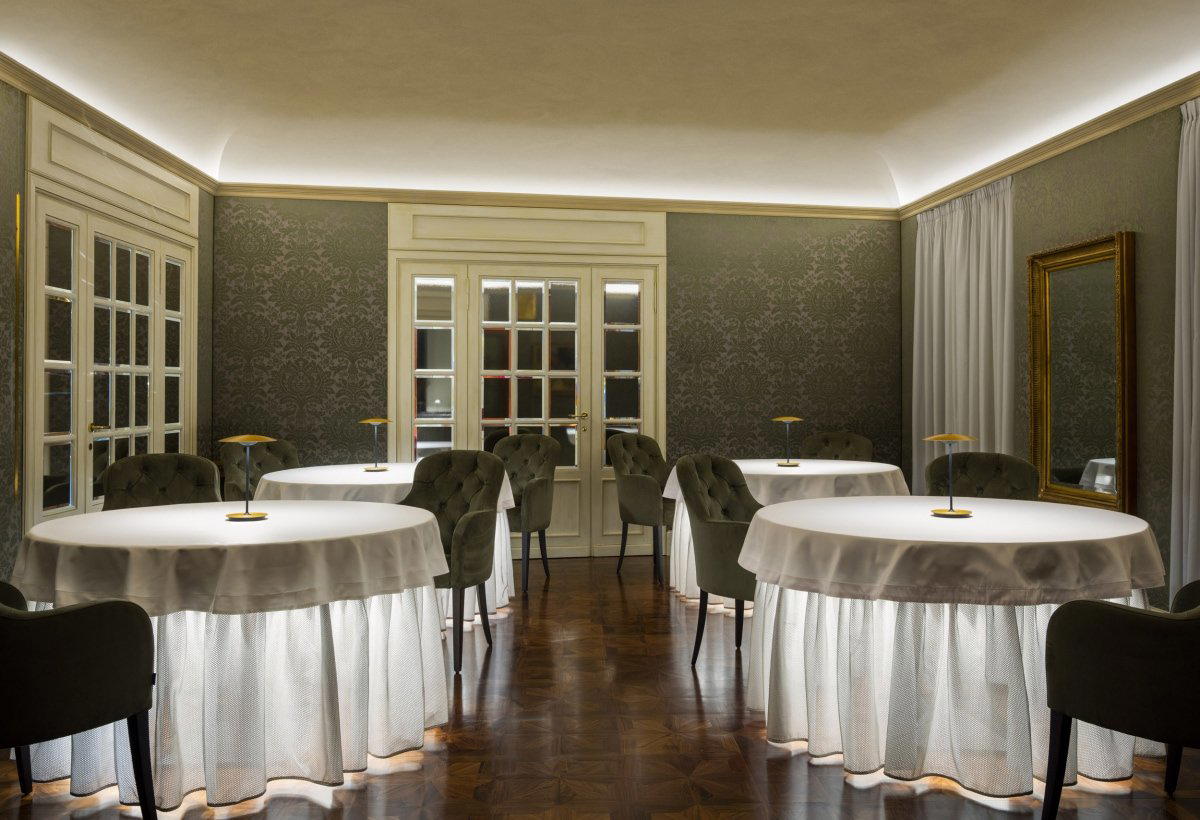
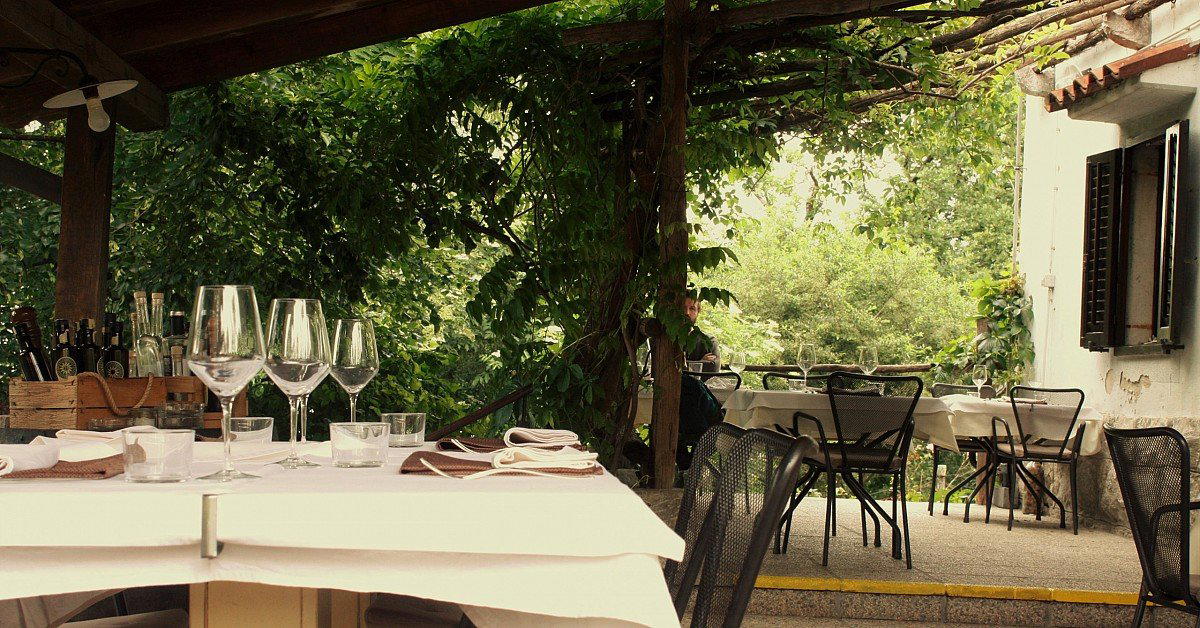
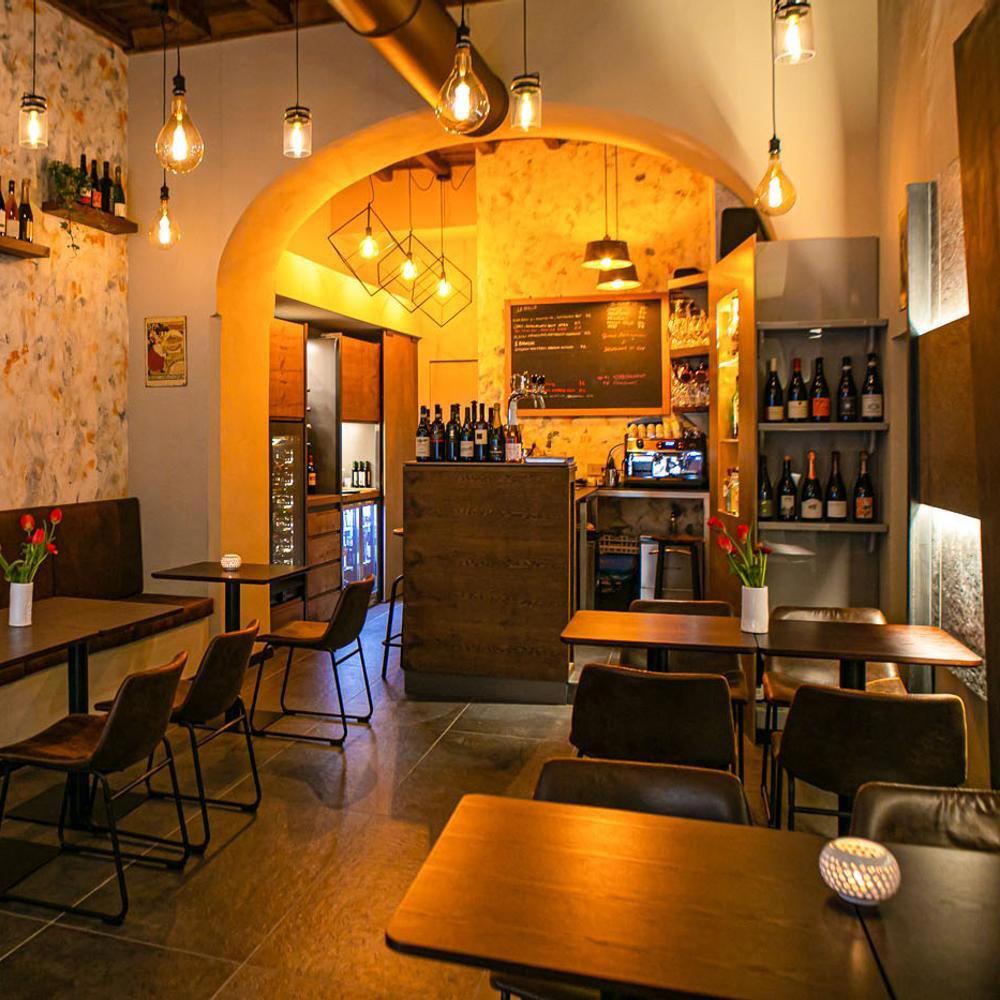
Bars in Trieste
Browse all →
Hotels in Trieste
Browse all →
At a Glance
- Cozy
- Rustic
- Intimate
- Date Night
- Special Occasion
- Terrace
- Local Sourcing
Current opening hours
- Monday
- Closed
- Tuesday
- 12:45–2:30 PM, 7:15–10 PM
- Wednesday
- 12:45–2:30 PM, 7:15–10 PM
- Thursday
- 12:45–2:30 PM, 7:15–10 PM
- Friday
- 12:45–2:30 PM, 7:15–10 PM
- Saturday
- 12:45–2:30 PM, 7:15–10 PM
- Sunday
- Closed
Hours can change for holidays and private events. Last verified .
Cozy and charming with rustic tables decorated with flowers and warm personal service.