Osteria Ai Maestri occupies a quiet address on Via della Sorgente in Trieste, where the city's Central European heritage and Adriatic larder converge at the table. The format follows the unhurried logic of a serious Italian osteria: courses arrive with purpose, the wine list reflects the Carso and Friulian hinterland, and the meal reads as a coherent sequence rather than a collection of individual dishes.
Pearl is the En Primeur Club membership app — saves, bookings, and concierge access live there. Same editors, same standards.
- Address
- Via della Sorgente, 6, 34125 Trieste TS, Italy
- Phone
- +393940636801
- Directions
- Get directions
 Saves & bookings on Pearl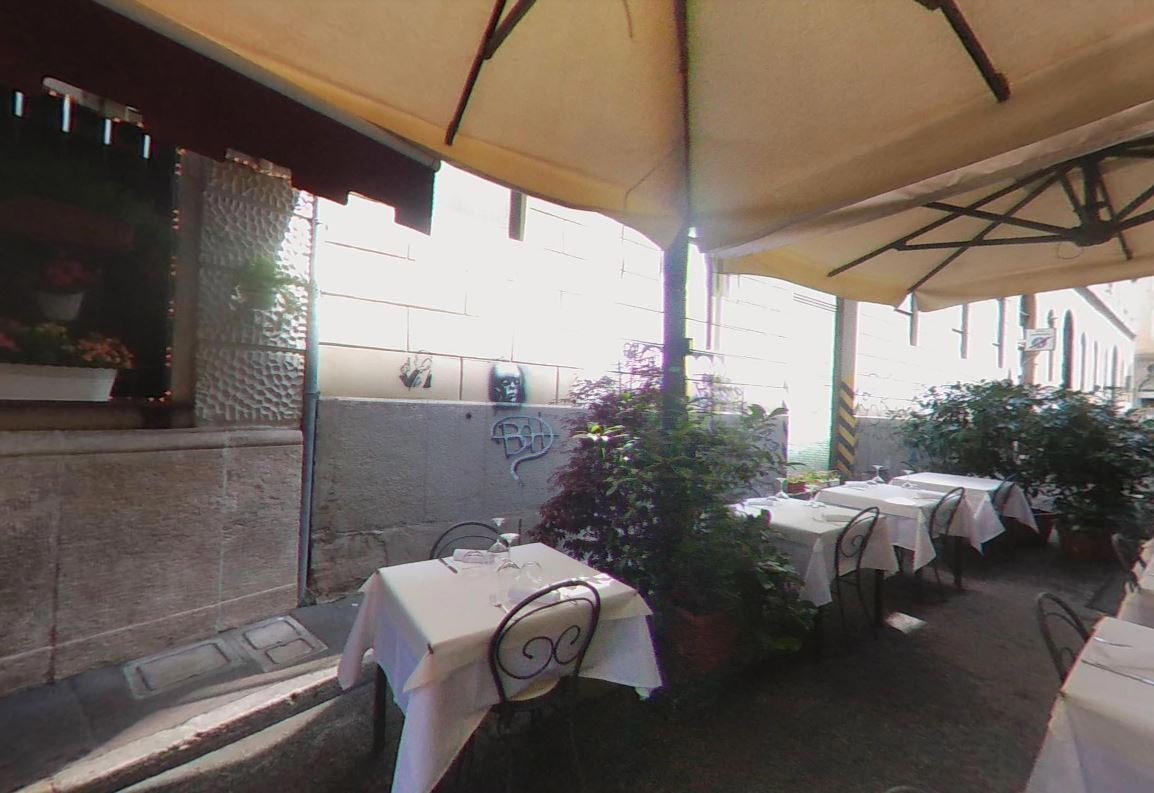
Where Trieste's Two Identities Meet at the Table
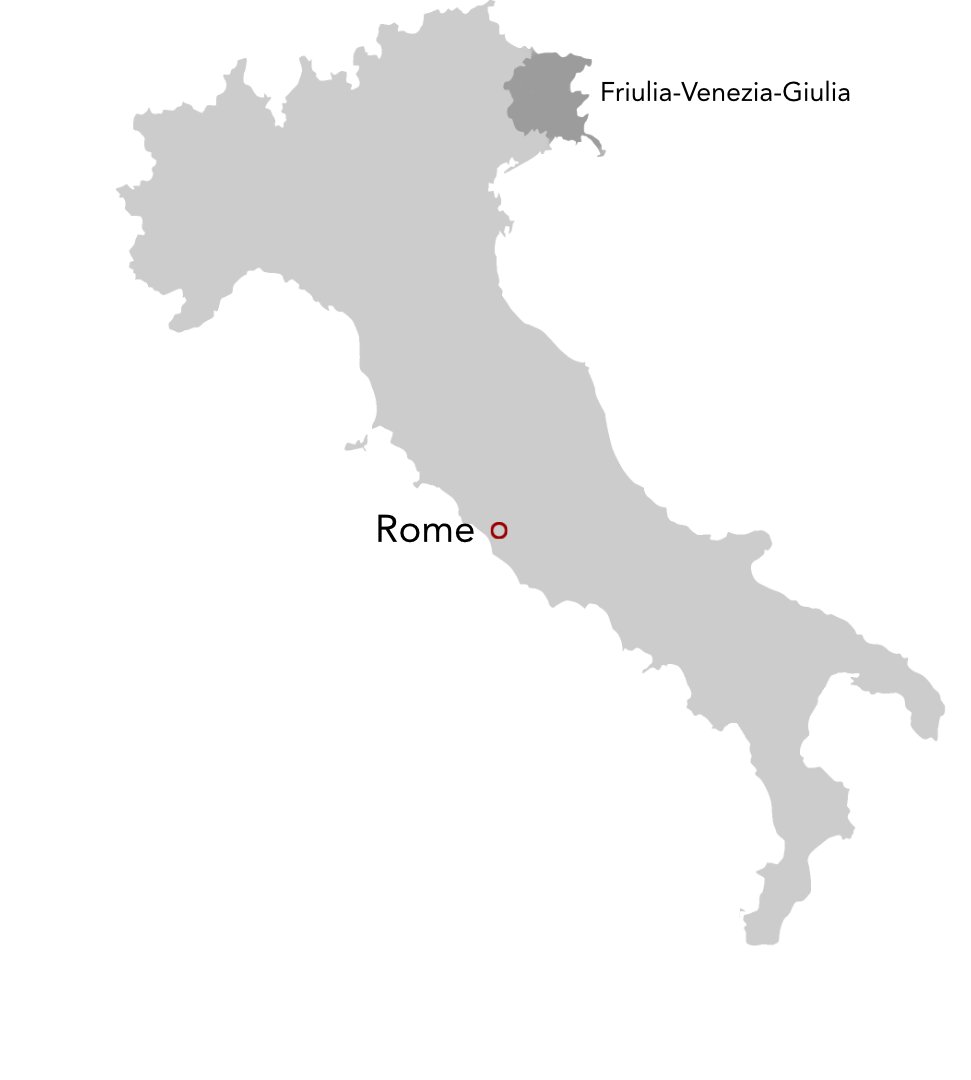
Trieste is a distinctive Italian dining city. Its geography places it at the edge of the Adriatic, with the Carso plateau rising sharply behind and the Slovenian border less than ten kilometres east. Its history ran through the Habsburg court for centuries before unification, and that dual inheritance still shapes how the city eats: brodetto and baccalà share menus with goulash and jota, and the wine list in any serious establishment tends to draw as readily from Friuli Venezia Giulia and the Carso DOC as from anywhere further south. Osteria Francescana in Modena and Le Calandre in Rubano represent the grand-gesture end of Italian dining; Trieste's better osterie operate in a different register entirely, one defined by specificity of place rather than scale of ambition.
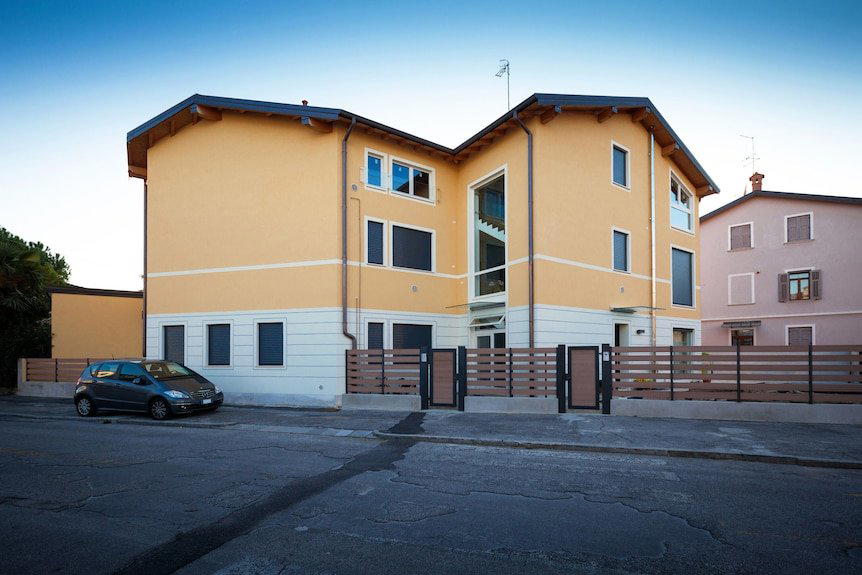
Osteria Ai Maestri sits on Via della Sorgente, a residential address that keeps the restaurant at a deliberate remove from the tourist circuit around Piazza Unità d'Italia and the waterfront. That address is itself a signal. In Italian dining culture, the osteria format has always implied a certain seriousness beneath modest presentation: the room is not the point, the plate is. Venues that adopt the label without conviction tend to cluster near foot traffic. Those that mean it find their audience by reputation.
The Arc of the Meal
The logic of a well-constructed osteria meal in northeastern Italy is one of accumulation rather than revelation. It does not operate on the escalating drama of a contemporary tasting menu at somewhere like Atelier Moessmer Norbert Niederkofler in Brunico or the technique-forward progression you find at Piazza Duomo in Alba. Instead, the sequence moves through recognisable territory with increasing depth: a cold antipasto that establishes the kitchen's relationship with the sea, a pasta course that tests craft at its most exposed, and a secondo that commits to a single protein or tradition with confidence.
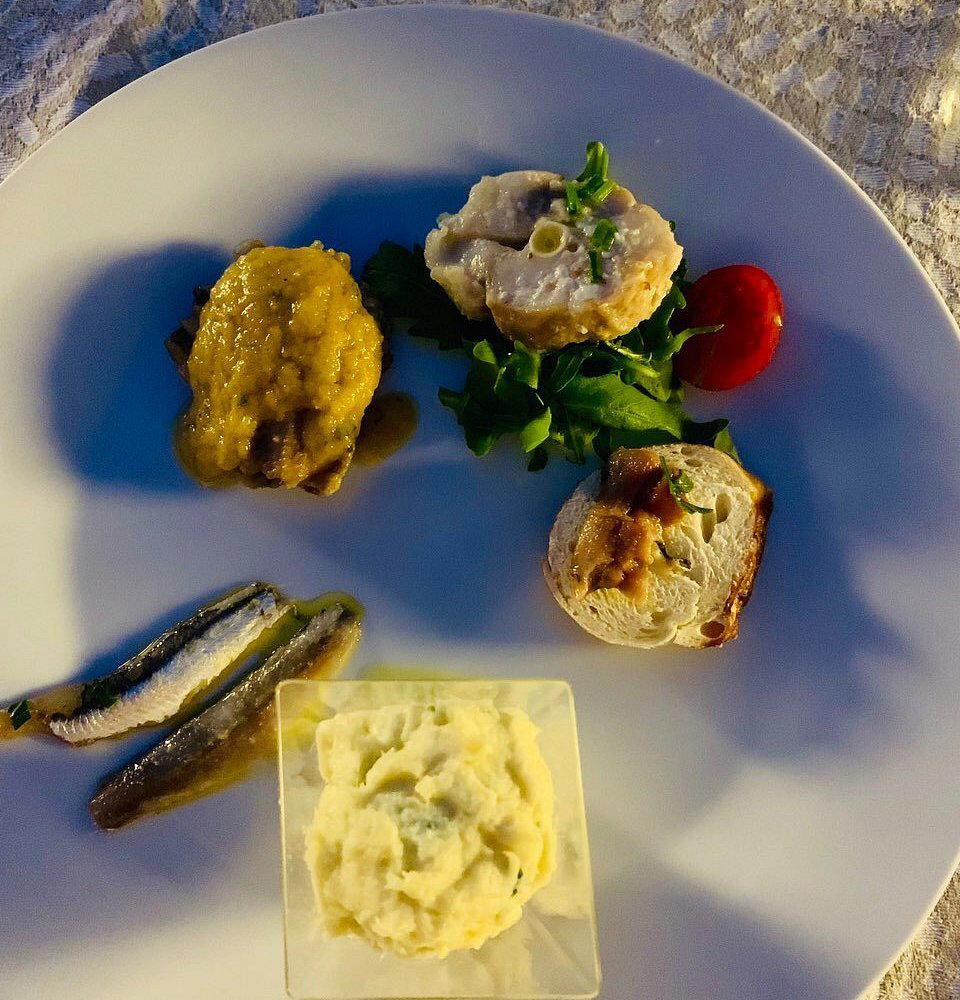
In Trieste, that sequence carries a regional grammar. Antipasti here lean toward preserved fish, raw Adriatic shellfish, and the pickled and brined preparations that reflect the city's position at a trading crossroads. Pasta tends toward the filled formats of the Friulian tradition, cjarsons and variants, or toward simpler cuts dressed with the kind of restraint that lets ingredient quality carry the work. The secondo often pivots to the Carso's land-based larder: game, cured pork, or slow-braised preparations that owe more to Central European kitchen tradition than to anything from further down the Italian peninsula.
Osteria Ai Maestri operates within that tradition. The meal here is not a performance; it is a sequence with internal coherence, each course doing enough to earn its place in the arc without overreaching. That discipline is rarer than it sounds. Many osterie in mid-tier Italian cities lose shape by the secondo, padding the experience with courses that don't contribute to a readable progression. The measure of a serious house is whether the meal still makes sense as a whole when you push back from the table.
Trieste's Dining Tier and Where Ai Maestri Sits
Trieste's restaurant scene is smaller and less internationally visible than Venice, Bologna, or Milan, but it has a coherent upper tier. Harry's Piccolo, at the formal end of the market with its modern Italian and Italian Contemporary format at the €€€€ tier, represents one pole. Al Bagatto holds a strong position in the €€€ seafood category and carries the kind of sustained local reputation that translates into advance booking pressure. Osteria Ai Maestri occupies the space where serious cooking meets genuine osteria format: less theatrical than the city's formal restaurants, more considered than its casual trattorie.
That mid-tier in Trieste serves a specific reader. If you are visiting from further afield and your reference points are the kind of Italian cooking you find at Dal Pescatore in Runate or Enoteca Pinchiorri in Florence, Ai Maestri will feel grounded and regional rather than ambitious. That is not a criticism. The osteria format at its leading offers something those grand houses cannot: a meal that feels specific to its city, unrepeatable elsewhere, and priced to allow a second glass of Vitovska without a spreadsheet calculation. For other serious options across the city, the full Trieste restaurants guide covers the range from the harbour to the Carso.
The Wine Logic of the Carso and Collio
Any osteria in Trieste that takes its wine list seriously will draw from the Carso DOC and the Collio and Friuli Isonzo zones to the northwest. These are not internationally traded regions in the way that, say, the Langhe or Chianti Classico have become, but within Italy they carry real authority. Vitovska, the indigenous white grown on the limestone plateau above the city, produces wines with a mineral austerity that pairs naturally with the Adriatic shellfish and preserved fish that open most serious Triestine meals. Terrano, the Carso's red, is tighter and more austere than most Friulian reds, with acidity that suits the region's slow-braised meat traditions.
For readers whose Italian wine reference points run through Barolo and Brunello, a meal at an osteria like Ai Maestri offers a genuine recalibration. The wines here are not obscure for the sake of it; they are the logical pairing for a cuisine that developed in the same geography. That coherence between glass and plate is what separates a regional wine list from a list that happens to include regional bottles.
Planning the Visit
Via della Sorgente 6 sits in a residential quarter of Trieste that requires deliberate navigation rather than a casual walk from the main piazza. The address places Ai Maestri away from the harbour promenade. Trieste is a compact city by Italian standards, and the address is reachable by foot from the central hotel district within fifteen to twenty minutes, or by taxi in under five. For context on other restaurants in the city worth pairing with a visit, Ai 3 Magnoni, Ai Fiori, and Al Civicosei represent different points on the city's dining spectrum and are worth cross-referencing against your priorities before booking.
Reservations are recommended. For dinner or weekend lunch, booking ahead is sensible. Mid-week visits, particularly for lunch when the osteria format traditionally operates at a different pace, are the lower-friction option.
A Credentials Check
Comparable venues nearby, for context on price, style, and recognition.
| Venue | Cuisine | Price | Notes |
|---|---|---|---|
| Osteria Ai MaestriThis venue — the venue you are viewing | Italian Seafood Osteria | $$ | Not listed |
| Osteria Marise | Authentic Triestino Italian | $$ | Trieste city center |
| Alla Sorgente | Traditional Italian Seafood Trattoria | $$ | Trieste center |
| Trattoria Alla Sacchetta | Traditional Italian Seafood Trattoria | $$ | Riva Tommaso Gulli |
| Tre Merli | Italian Seafood Trattoria | $$ | Barcola |
| Caffè degli Specchi | Historic Italian Café | $$ | Piazza Unità d'Italia |
Continue exploring
More in Trieste
Restaurants in Trieste
Browse all →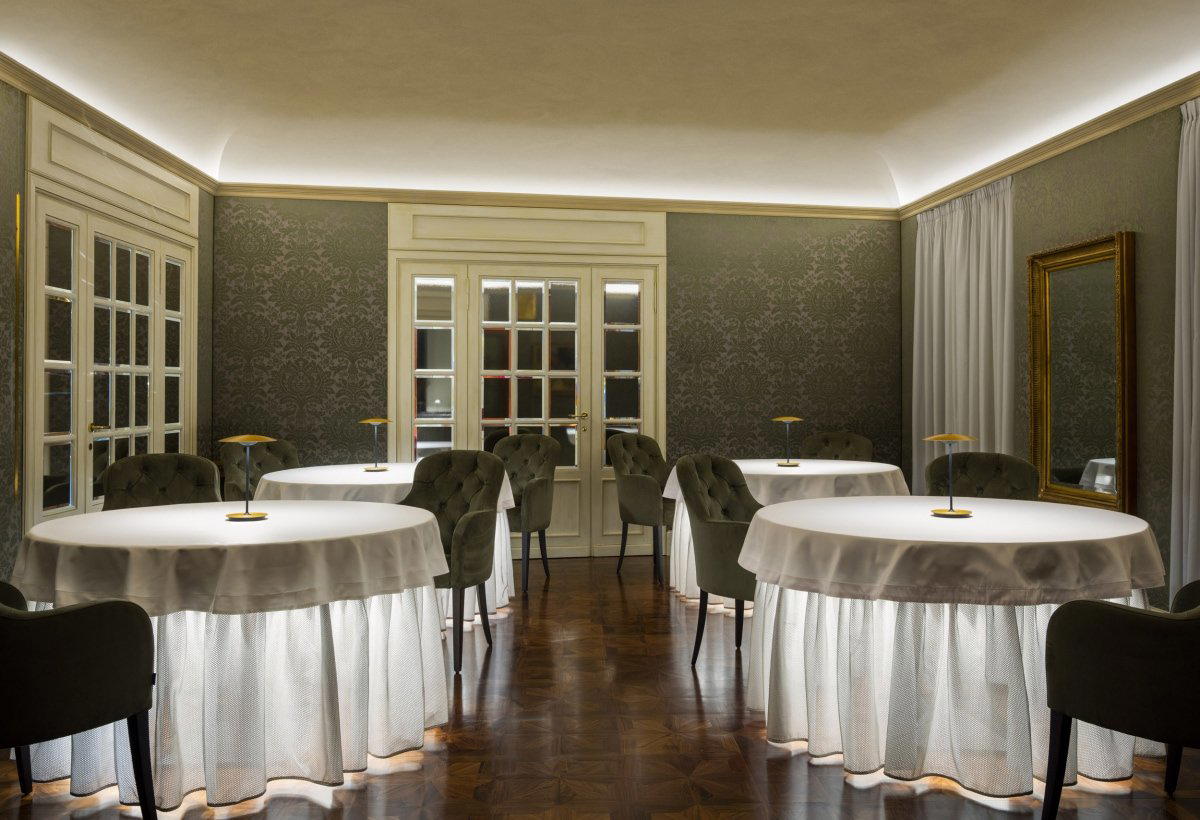
Bars in Trieste
Browse all →
Hotels in Trieste
Browse all →
At a Glance
- Cozy
- Intimate
- Rustic
- Date Night
Current opening hours
- Monday
- Closed
- Tuesday
- 9 AM–2:30 PM, 6–11 PM
- Wednesday
- 9 AM–2:30 PM, 6–11 PM
- Thursday
- 9 AM–2:30 PM, 6–11 PM
- Friday
- 9 AM–2:30 PM, 6–11 PM
- Saturday
- 9 AM–2:30 PM, 6–11 PM
- Sunday
- Closed
Hours can change for holidays and private events. Last verified .
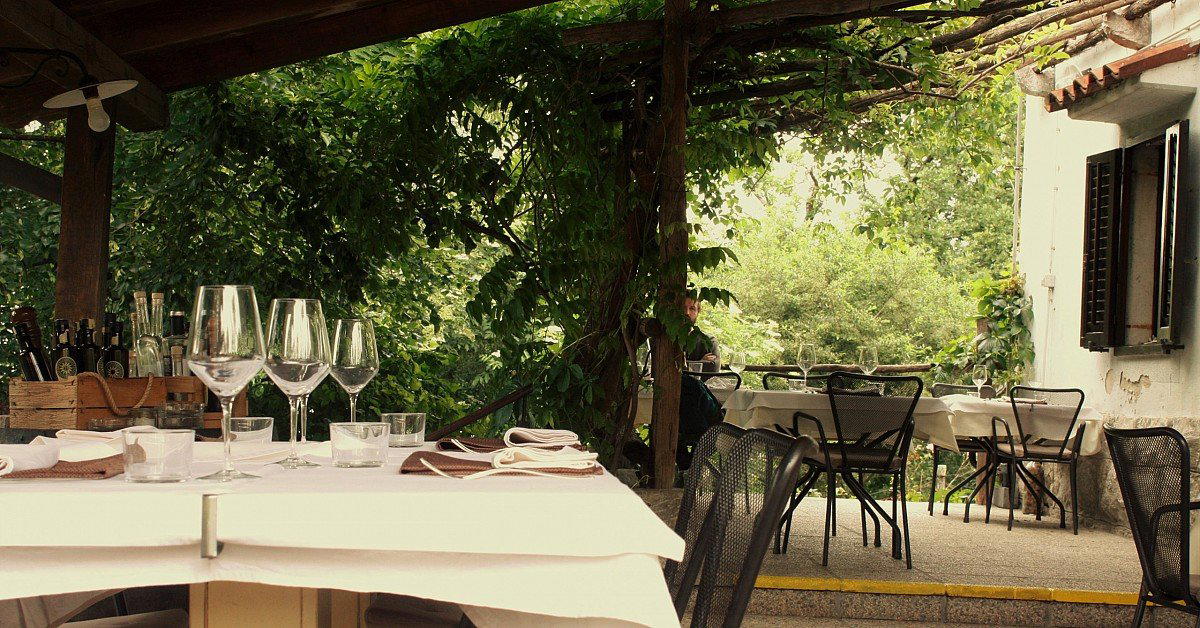
Warm, cozy, and intimate atmosphere with a family-run feel, featuring a small terrace for outdoor dining.