Suban is a long-established Trieste address on Via Emilio Comici, occupying a position in the city's dining culture that rewards those who treat dinner as occasion rather than convenience. Set against Trieste's layered Central European and Adriatic identity, it draws diners who arrive with intent, a birthday, an anniversary, a deal concluded. Reservations are advisable; walk-ins are a gamble on quieter midweek evenings.
Pearl is the En Primeur Club membership app — saves, bookings, and concierge access live there. Same editors, same standards.
- Address
- Via Emilio Comici, 2, 34128 Trieste TS, Italy
- Phone
- +39394054368
- Website
- suban.it
- Directions
- Get directions
 Saves & bookings on Pearl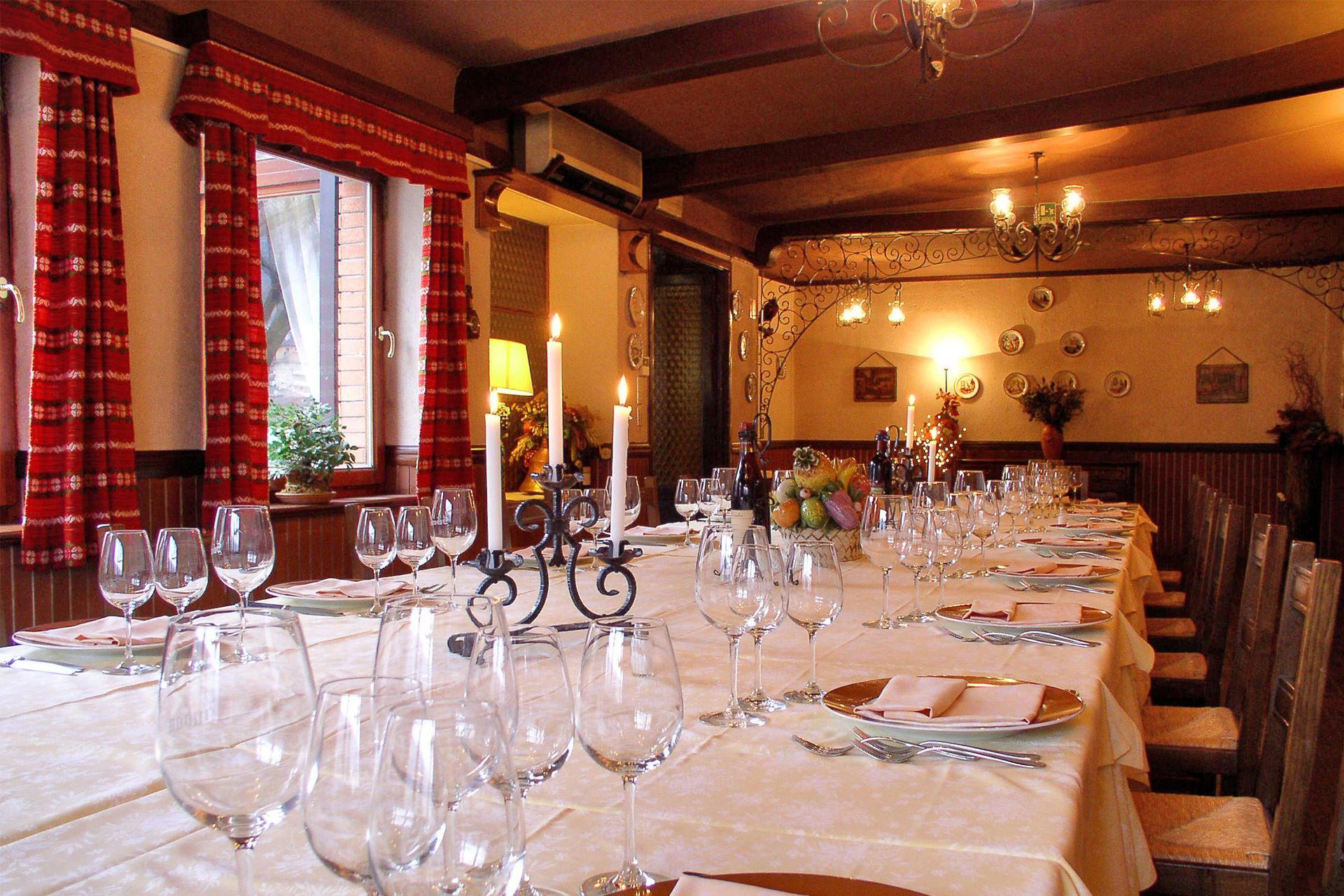
Arriving at Suban: What the Address Signals
Via Emilio Comici sits away from the tourist-facing waterfront zone that defines Trieste's most legible dining circuit. That address is itself a piece of editorial information: restaurants that survive and accumulate local loyalty in residential Trieste do so on repeat custom, not footfall. When a city has as compressed and knowledgeable a dining population as Trieste, a port city with a café culture inherited from Habsburg administration and a kitchen tradition that pulls simultaneously from Friulian, Slovenian, and Adriatic sources, longevity in a neighbourhood setting is a more demanding credential than it might appear elsewhere. Suban has held that position long enough to function as a reference point rather than a discovery. It is a casual, reservation-essential restaurant serving Traditional Triestine & Istrian cooking at about $35 per person.
The physical approach matters here. Trieste's terrain rises steeply from the seafront into the Carso plateau, and restaurants positioned uphill from the centre often carry a different register: quieter, more rooted, less transactional. The expectation, arriving at a Carso-adjacent address on a still evening, is of a meal that takes its time. That expectation is consistent with how Suban is used by the people who know it.
Occasion Dining in a City Built for It
Trieste is, structurally, an occasion-dining city. Its population is older than the Italian average, its café culture is ceremonial rather than casual, and its relationship with food leans toward deliberation. The city's best-known tables, Harry's Piccolo and Al Bagatto, attract diners who have already decided that dinner is the event, not the prelude to one.
Suban operates in that same cultural register. It is not a restaurant you pass and decide to enter. It is one you book, often weeks in advance, for a meal that corresponds to a moment: a significant birthday, a family gathering that needs a room with the right weight, a wedding anniversary where the city's coast-meets-plateau identity should be on the table as much as the food. Trieste's dining culture rewards this kind of pre-commitment. The restaurants that survive here without tourist volume do so because they have become part of the city's ritual calendar.
Across Italy, the occasion-dining tier has bifurcated sharply. At the national level, addresses like Osteria Francescana in Modena, Le Calandre in Rubano, and Piazza Duomo in Alba compete in a Michelin-credentialed bracket where the occasion framing is inseparable from the tasting menu architecture. Below that, a second tier of long-established regional institutions earns its occasion status through consistency, local trust, and a kitchen that expresses its geography rather than a chef's international biography. Suban belongs to this second tier, and in Trieste, that is where the city's most meaningful meals tend to happen.
What Trieste's Kitchen Tradition Brings to the Table
Understanding what a restaurant like Suban offers requires some grounding in what Trieste's culinary identity actually is. The city is the only major Italian port that faces east rather than south, and its kitchen has absorbed that orientation across centuries. Slovenian influences appear in preparations involving game, cured meats, and dairy. The Adriatic contributes seafood that differs from the Sicilian or Venetian traditions in its relative plainness: bream, squid, and shellfish served without baroque elaboration. The Friulian side brings a directness with grains and pulses that sits in contrast to the richness of northern Italian cooking further west.
The result is a cuisine that rewards knowledge rather than spectacle. Diners who arrive expecting the architectural presentation of Enrico Bartolini in Milan or the coastal theatrics of Uliassi in Senigallia will need to recalibrate. What this tradition produces at its leading is food that reads as settled rather than striving, dishes that communicate a specific geography, not a chef's ambition to transcend it. That is a rarer quality than it might appear, and at a table set for a milestone meal, it tends to carry more weight than novelty.
Other Italian coastal addresses that handle occasion dining with comparable seriousness include Quattro Passi in Marina del Cantone and Reale in Castel di Sangro, both of which demonstrate how regional specificity, when applied with discipline, can sustain a dining room's relevance across decades.
How to Approach the Booking
Practical logistics in Trieste follow a pattern common to mid-sized northern Italian cities: restaurants that operate without significant tourist volume run tighter service schedules and often require advance contact for larger parties or special occasion requests. For a milestone meal at Suban, booking ahead is the appropriate baseline.
Those arriving from further afield should note that Trieste's dining rhythm runs late by northern Italian standards and early by Sicilian ones: kitchens that serve special occasion menus tend to operate in a single extended evening sitting rather than two distinct turns.
The Occasion Argument
The strongest case for Suban as a milestone-meal destination rests on what Trieste itself contributes. Few Italian cities carry as much layered identity into a single dining room: the Habsburg civic architecture outside, the Carso plateau visible from the upper city, the Adriatic a short walk downhill. Restaurants positioned in that cultural sediment, rather than in a tourist zone designed to approximate it, give a special occasion dinner its most honest setting.
For comparison, the occasion-dining argument at the extreme upper end of Italian fine dining runs through addresses like Enoteca Pinchiorri in Florence, Dal Pescatore in Runate, and Atelier Moessmer Norbert Niederkofler in Brunico. Internationally, Le Bernardin in New York and Atomix in New York demonstrate how occasion-framed dining functions when it is built around multi-course formality and advanced booking infrastructure. Suban operates several tiers below that level of ceremony, but for a Trieste anniversary dinner or a family gathering with local significance, that is precisely the point: the right table for the right city, sized to the occasion rather than to an international competitive brief.
Pricing, Compared
Comparable venues nearby, for context on price, style, and recognition.
| Venue | Cuisine | Price |
|---|---|---|
| SubanThis venue — the venue you are viewing | Not listed | $$ |
| Bianco | Authentic Neapolitan Pizza | $$ |
| Caffè San Marco | Centro Storico, Italian Café & Pastry | $$ |
| Bracerie Venete | Centro, Italian Steakhouse | $$$ |
| Imperatore Champagneria e Vineria | Centro, Italian Seafood & Wine Bar | $$$ |
| Ai 3 Magnoni | hills above city, Italian Seafood | $$$ |
Continue exploring
More in Trieste
Restaurants in Trieste
Browse all →
Bars in Trieste
Browse all →
Hotels in Trieste
Browse all →
At a Glance
- Classic
- Cozy
- Well Known
- Rustic
- Group Dining
- Special Occasion
- Celebration
- Historic Building
- Private Dining
Current opening hours
- Monday
- 7–9:30 PM
- Tuesday
- Closed
- Wednesday
- 7–9:30 PM
- Thursday
- 7–9:30 PM
- Friday
- 7–9:30 PM
- Saturday
- 12–2:15 PM, 7–9:30 PM
- Sunday
- 12–2:15 PM, 7–9:30 PM
Hours can change for holidays and private events. Last verified .
Warm and inviting with dark wood decor, folk motifs, and a cozy atmosphere reminiscent of a traditional Alpine lodge, evoking a sense of timeless hospitality.