Nerodiseppia sits on Via Luigi Cadorna in central Trieste, a city where Adriatic seafood traditions and Central European dining habits have overlapped for centuries. The name alone signals intent: nero di seppia, cuttlefish ink, is one of the northern Adriatic's most distinctive flavours and a reliable indicator of where a kitchen's loyalties lie. For visitors oriented around Trieste's seafood-focused dining scene, this address deserves attention before the trip begins.
Pearl is the En Primeur Club membership app — saves, bookings, and concierge access live there. Same editors, same standards.
- Address
- Via Luigi Cadorna, 23, 34123 Trieste TS, Italy
- Phone
- +393940301377
- Website
- trattorianerodiseppia.com
- Directions
- Get directions
 Saves & bookings on Pearl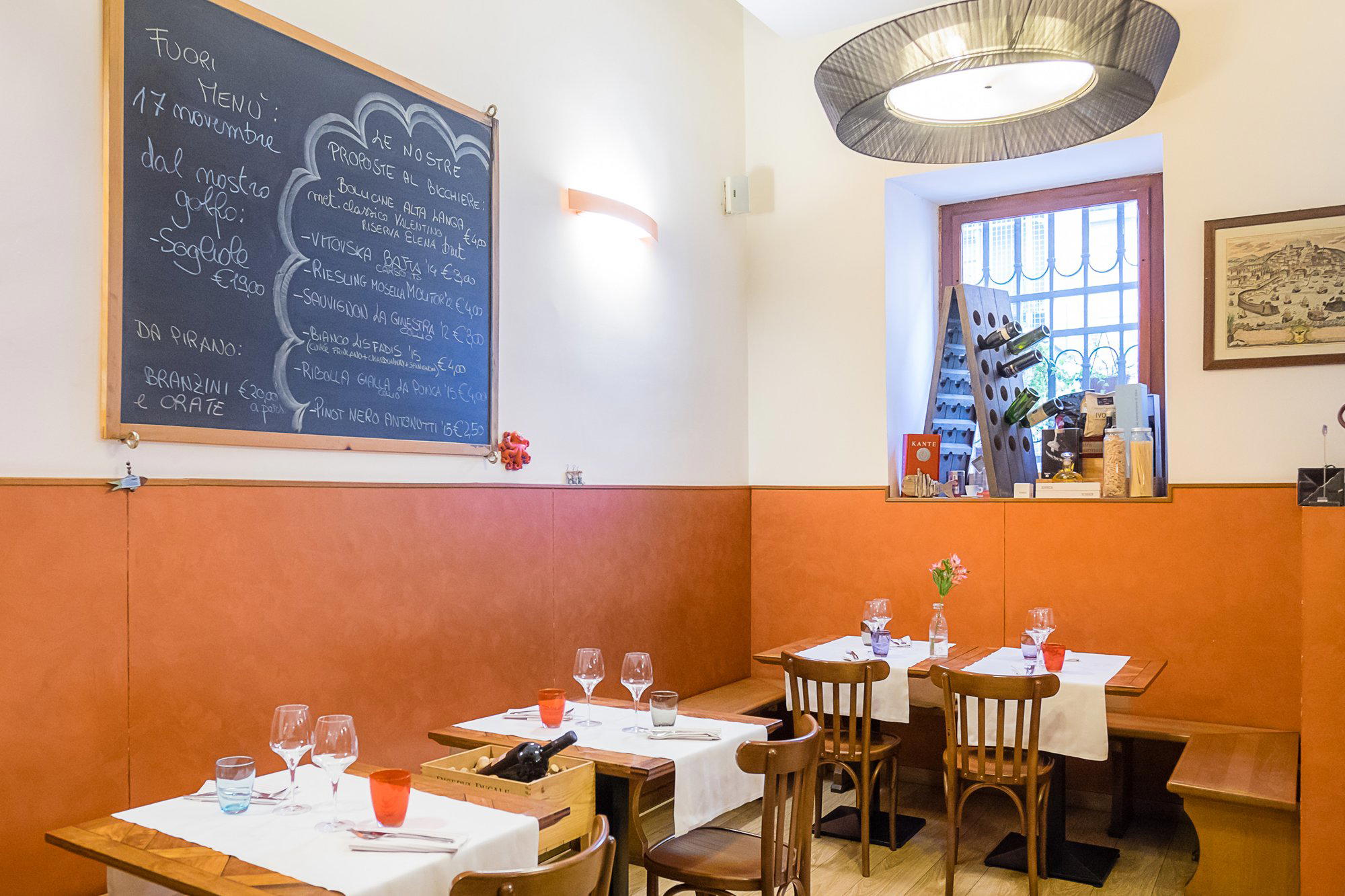
Where Trieste's Adriatic Identity Shows Up on a Plate
Approach Via Luigi Cadorna from the city centre and you move through a Trieste that most visitors pass through without stopping. The street sits within the compact urban grid that the Habsburg administration laid down in the eighteenth century, and the architecture still carries that unhurried, slightly faded authority. Trieste is a city that has always eaten seriously, shaped by its position at the hinge between Italy, Slovenia, and Austria, and the dining rooms that matter here tend to reflect that layered identity rather than perform a simpler Italian-seaside routine. Nerodiseppia, at number 23, belongs to this context.
The name is a direct signal. Nero di seppia, cuttlefish ink, appears throughout northern Adriatic cooking as a colouring agent, a flavouring, and a shorthand for the kind of cooking that draws its authority from the sea rather than the land. Restaurants that put it front and centre in their branding are making a commitment to a particular culinary territory, one where the catch, the season, and the tidal rhythms of the upper Adriatic set the kitchen's agenda. That is the cooking tradition Trieste occupies, distinct from the richer, butter-inflected food of the Venetian lagoon to the west and from the more austere preparations of the Slovenian and Croatian coast to the east.
Planning Your Visit: What to Know Before You Go
The editorial angle here is practical, because Trieste's better restaurants operate with less international visibility than equivalents in Venice, Milan, or Florence, and that obscurity cuts both ways. It means fewer tourists competing for tables at peak hours, but it also means less English-language information circulating about booking procedures, hours, and seasonal availability. For Nerodiseppia specifically, advance planning through local sources is sensible. One reliable approach for visitors arriving from outside Italy is to plan ahead and use the address on Via Luigi Cadorna as your reference point. A hotel concierge in Trieste with genuine local knowledge is a more useful intermediary than any international booking platform for addresses at this tier of the city's dining scene.
Trieste's dining calendar follows the northern Adriatic catch cycle. The months between autumn and early spring tend to bring particularly interesting seafood to kitchens in this part of Italy, when the cooler water temperatures concentrate flavour in shellfish and when cuttlefish, scampi, and the local variety of Adriatic bass are at their most consistent. Visitors planning a trip around the food should weight their itinerary toward those months. Summer brings crowds but also a different range of product, and the city's outdoor areas come into use in ways they cannot during winter.
The Seafood Table in Trieste: How Nerodiseppia Fits
Trieste's seafood restaurant tier breaks into a readable structure. At the upper end, Harry's Piccolo operates as the city's most formally recognised modern Italian address, with a price point and service register that places it against peers in northern Italy rather than against the neighbourhood trattoria. Al Bagatto holds a long-established reputation for Adriatic seafood at the €€€ tier, with the kind of institutional credibility that comes from years of consistent operation in a city that notices these things. Ai Fiori, Ai 3 Magnoni, and Al Civicosei represent the mid-range of this scene, each with a distinct orientation but all operating within the same broad tradition of sea-forward cooking.
Nerodiseppia's position within this structure is worth considering carefully. The name suggests a kitchen with a specific affinity for the ink-based preparations that characterise northern Adriatic cooking at its most traditional: pasta nera, risotto al nero, and the various dressed preparations of cuttlefish that appear in Triestine homes and restaurants alike. What the name does confirm is an orientation, and in a city like Trieste, orientation matters as much as any single dish.
Trieste in the Wider Italian Fine Dining Picture
Italy's most recognised dining addresses cluster in predictable geography. Osteria Francescana in Modena, Enoteca Pinchiorri in Florence, Le Calandre in Rubano, Piazza Duomo in Alba, and Enrico Bartolini in Milan draw international visitors specifically for the dining. Coastal Italy has its own parallel conversation: Quattro Passi in Marina del Cantone, Uliassi in Senigallia, and Reale in Castel di Sangro all demonstrate that Italy's seafood and regional cooking traditions can sustain internationally competitive kitchens outside the major cities. Dal Pescatore in Runate and Atelier Moessmer Norbert Niederkofler in Brunico show how northern Italy's dining identity extends well beyond Lombardy. Trieste sits at the far eastern edge of this geography, less travelled by the international dining circuit and correspondingly less benchmarked against international comparisons. That is beginning to change as the city attracts more attention from the kind of travellers who found the Italian coastal dining conversation through addresses like Le Bernardin in New York City or Atomix in New York City and have since moved toward seeking out the source traditions rather than their international translations.
Before You Book
Visitors should approach Nerodiseppia as they would any smaller Italian address: plan ahead and treat the reservation as part of the trip's research rather than something to resolve with a single click. Arriving without a reservation to a seafood-focused kitchen in a city like Trieste, particularly on a Friday or Saturday evening, carries real risk. The city's better restaurants, even those without international profiles, fill consistently with local diners who book ahead. The practical recommendation is to allow two to three weeks of lead time when planning a visit, use the address at Via Luigi Cadorna, 23 as your starting point, and confirm opening times before committing to the evening.
Frequently Asked Questions
How would you describe the vibe at Nerodiseppia?
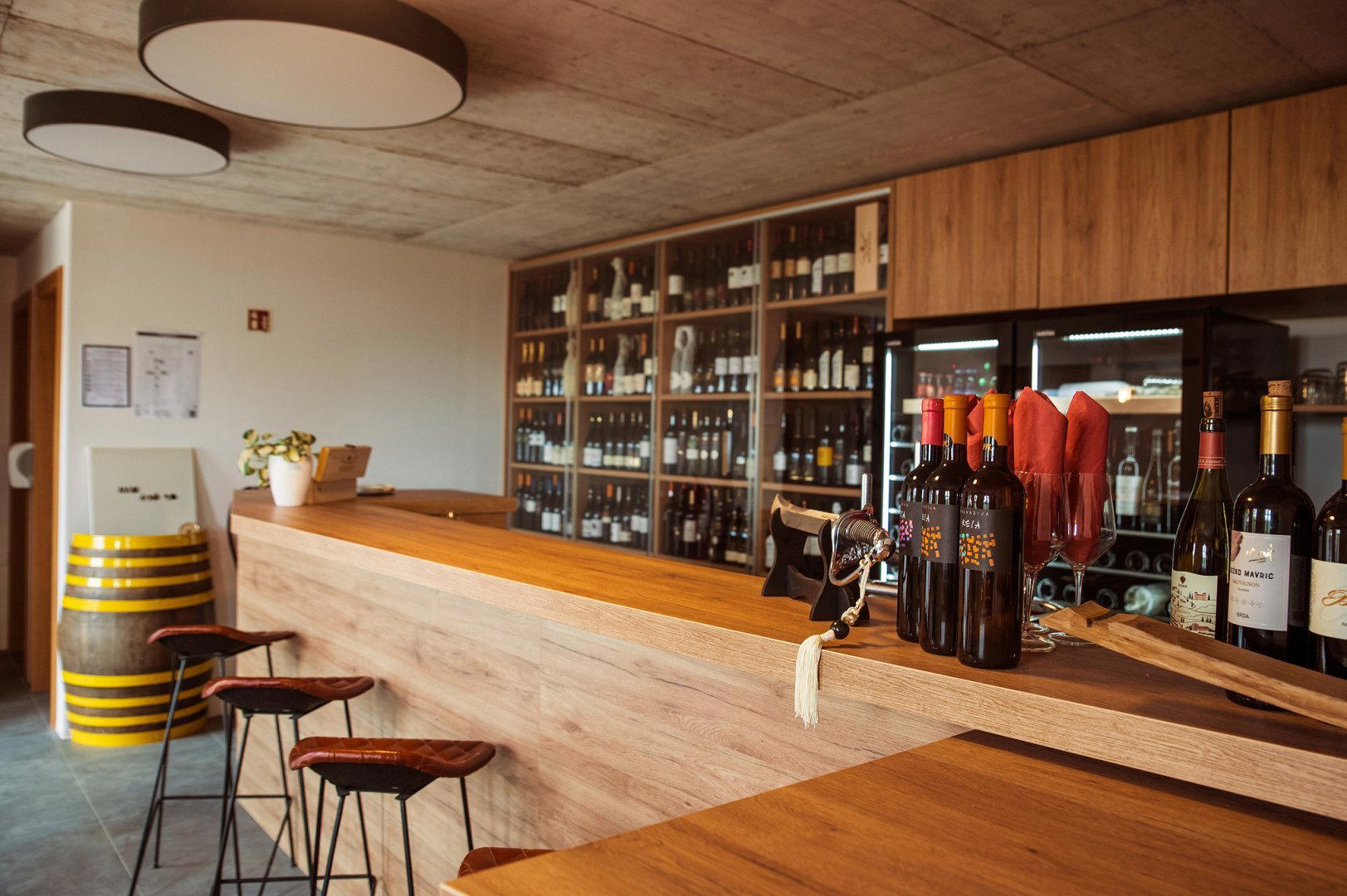
Trieste operates at a different register than Italy's more tourist-oriented dining cities. The city has a Central European formality that softens through the evening, and its better seafood restaurants tend to reflect that, with a seriousness about the product that does not translate into stiffness. Nerodiseppia's name aligns it with the traditional Adriatic cooking that defines the city's identity, which suggests a room oriented around the food rather than around spectacle. For price and format context, Al Bagatto at the €€€ tier and Harry's Piccolo at €€€€ provide useful reference points for what Trieste's seafood dining scene spans.
What's the leading thing to order at Nerodiseppia?
The name points directly toward nero di seppia preparations, the ink-based pasta and risotto dishes that trace back through northern Adriatic cooking to the Venetian and Istrian traditions that have shaped Trieste's kitchen for centuries. Cuttlefish ink cooking requires confidence in sourcing and timing, and a restaurant that centres its identity on this ingredient is, implicitly, making a claim about its ability to deliver it. Beyond specific dishes, the sound approach at any Triestine seafood table is to follow what is seasonal and locally caught rather than to arrive with a fixed order in mind.
Is Nerodiseppia a good choice for visitors who want to experience traditional Triestine seafood cooking?
The restaurant's name references among the more distinctive ingredients in northern Adriatic cooking, which positions it firmly within Trieste's local culinary tradition rather than the broader Italian seafood mainstream. For visitors specifically seeking the city's own cooking identity, that orientation is a meaningful signal. Trieste's seafood tradition is shaped by Adriatic product, Central European technique, and a history that overlaps with Venetian and Istrian influences, and restaurants that lean into nero di seppia preparations are drawing on all of that.
Comparison Snapshot
Comparable venues nearby, for context on price, style, and recognition.
| Venue | Cuisine | Price | Notes |
|---|---|---|---|
| NerodiseppiaThis venue — the venue you are viewing | Italian Seafood Trattoria | $$ | Not listed |
| Tre Merli | Italian Seafood Trattoria | $$ | Barcola |
| Trattoria Alla Sacchetta | Traditional Italian Seafood Trattoria | $$ | Riva Tommaso Gulli |
| Trattoria Al Sub | Italian Seafood Trattoria | $$ | Barcola |
| Alla Valle | Italian Seafood Osteria | $$ | Centro |
| Caffè Tommaseo | Historic Italian Café & Trattoria | $$$ | Piazza Nicolò Tommaseo |

At a Glance
- Cozy
- Intimate
- Date Night
- Special Occasion
- Standalone
- Extensive Wine List
- Local Sourcing
Current opening hours
- Monday
- Closed
- Tuesday
- 12:30–2 PM, 7:30–10 PM
- Wednesday
- 12:30–2 PM, 7:30–10 PM
- Thursday
- 12:30–2 PM, 7:30–10 PM
- Friday
- 12:30–2 PM, 7:30–10 PM
- Saturday
- 12:30–2 PM, 7:30–10 PM
- Sunday
- Closed
Hours can change for holidays and private events. Last verified .
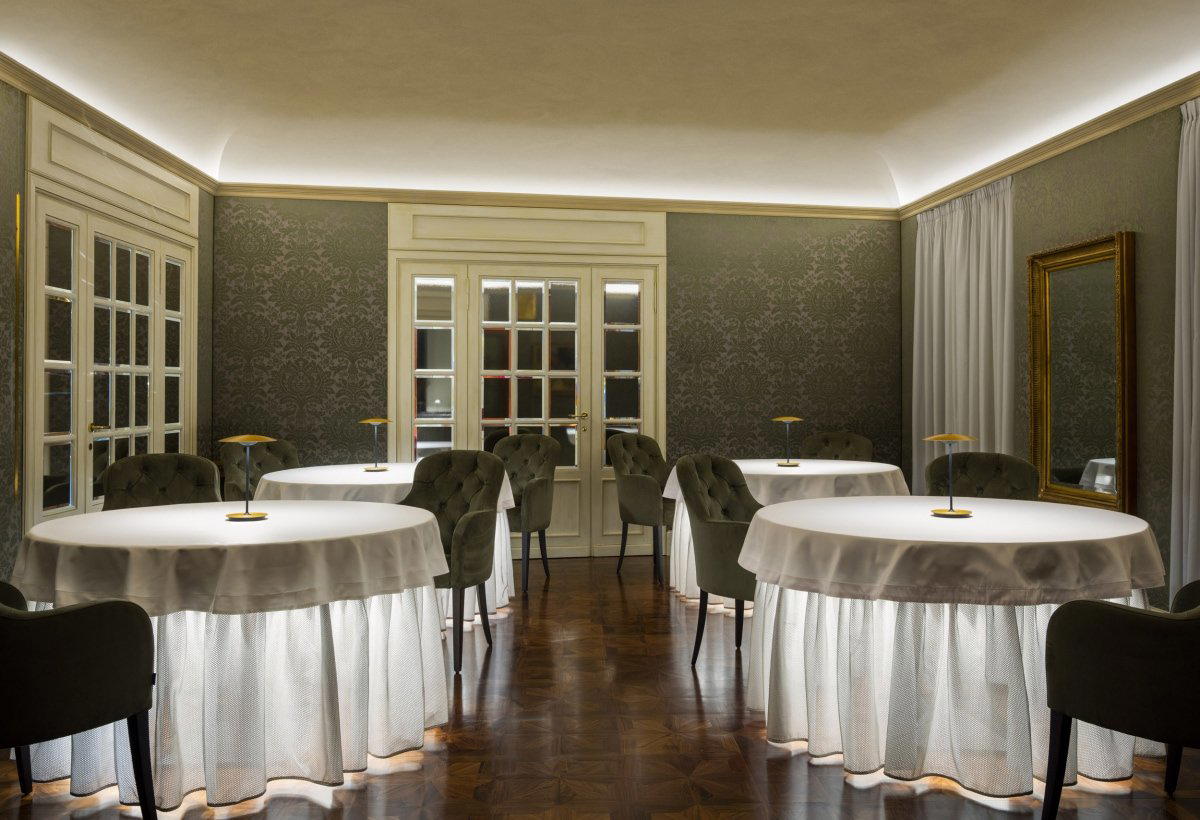
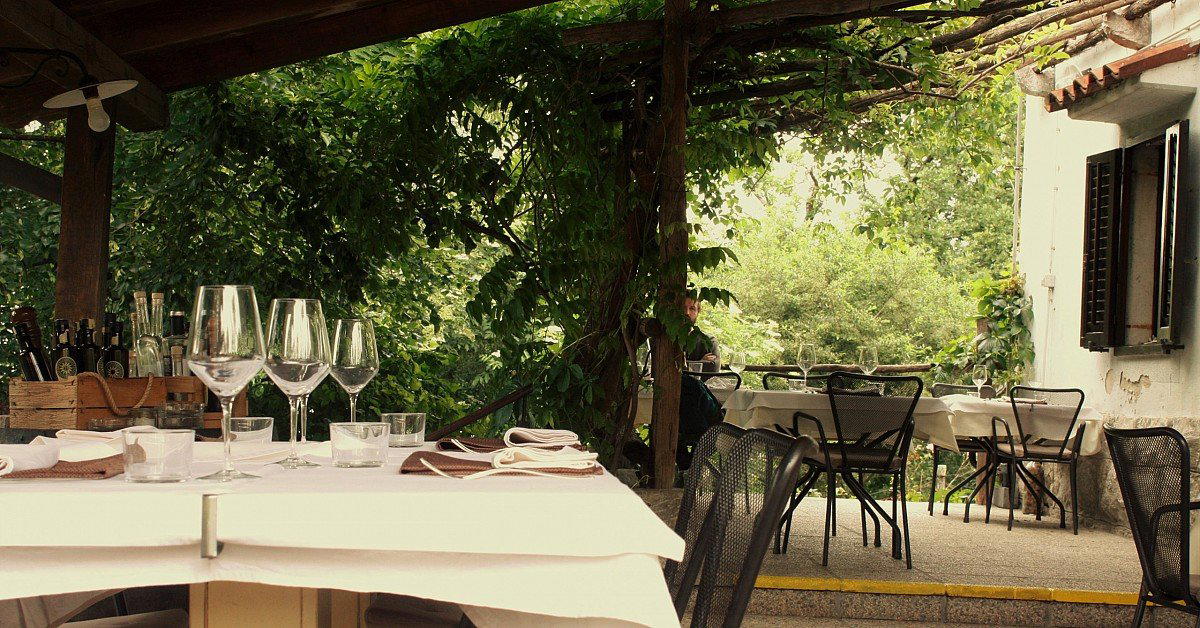
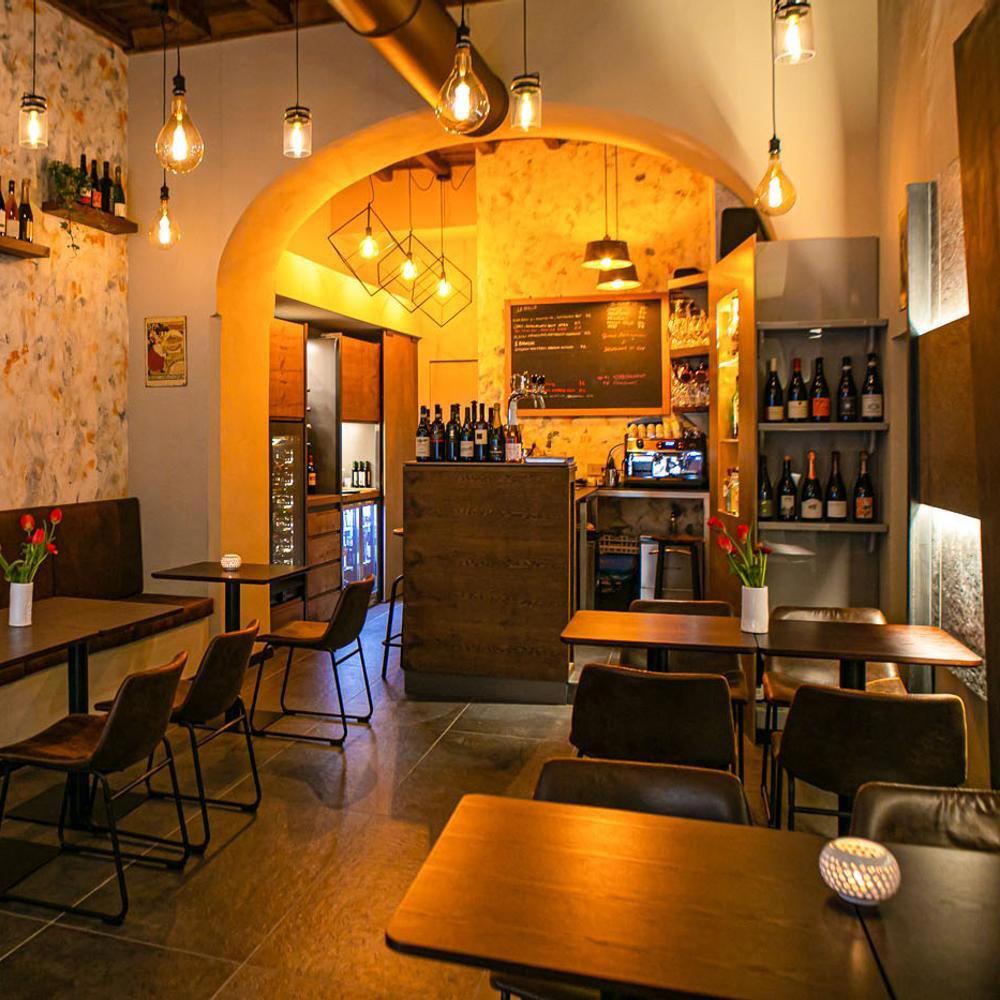
Cozy and homey atmosphere with friendly, family-run service.