Alassio gives Florence a Mediterranean address to read through olive oil rather than spectacle: the cuisine sits in a city where Tuscan fat, bread, vegetables, fish and herbs carry more meaning than decorative technique. Use it as a lens on how the Mediterranean table translates inside Florence, especially when the meal is about balance, oil quality and restraint rather than heavy ceremony.
Pearl is the En Primeur Club membership app — saves, bookings, and concierge access live there. Same editors, same standards.
- Address
- Florence, Italy
- Website
- alassiofirenze.com
 Saves & bookings on Pearl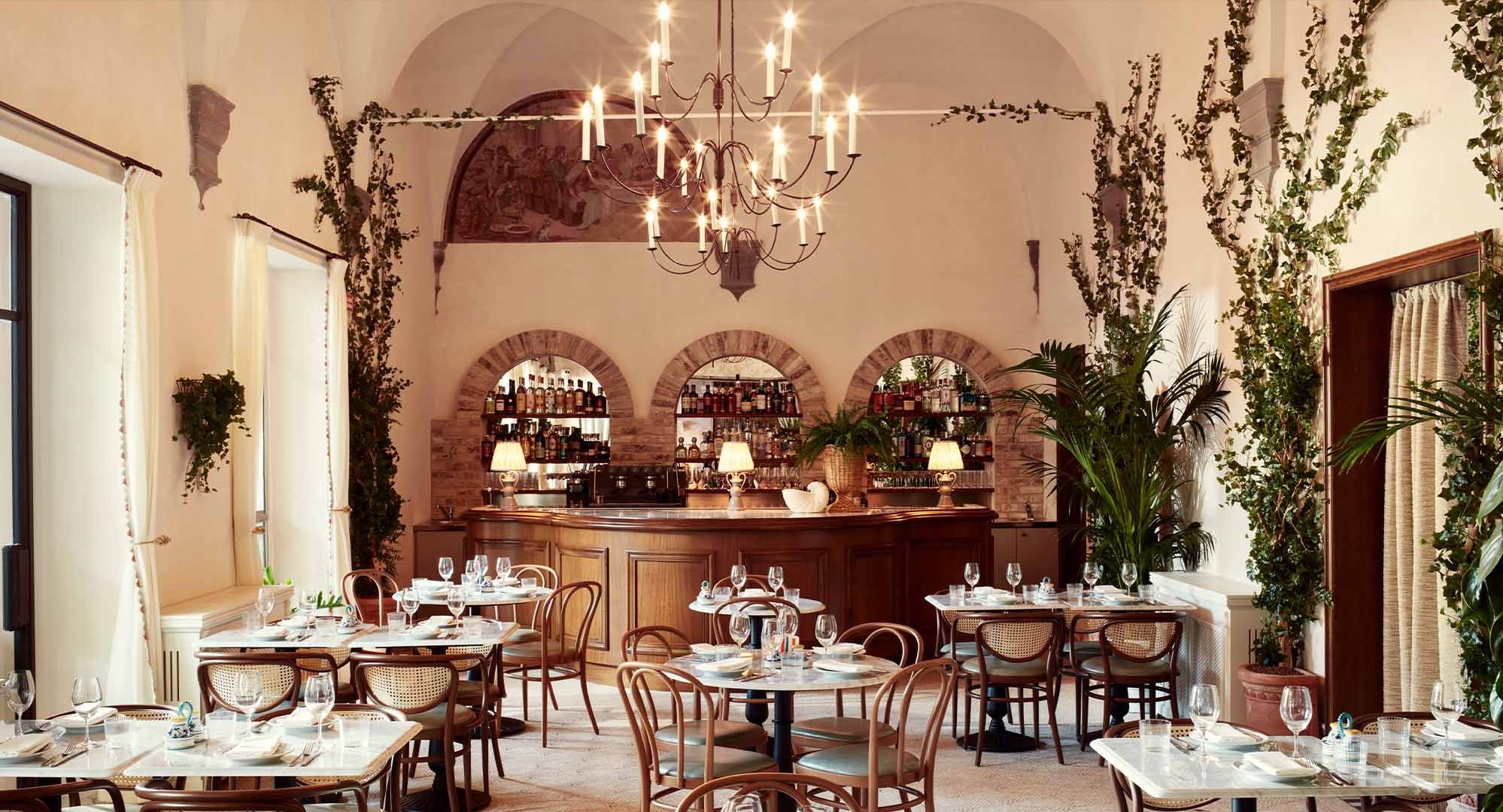
Approach a Mediterranean restaurant in Florence and the first cue is rarely drama. The more telling signal is quieter: bread waiting for oil, vegetables treated as material rather than garnish, herbs used to mark geography, and a rhythm that resists the international habit of overexplaining every plate. Alassio Restaurant belongs in that conversation, not because Florence needs another generic southern-facing dining room, but because Mediterranean cooking in this city is judged by its foundations. Olive oil is the foundation.
Florence has a complicated relationship with Mediterranean identity. The city is inland, built on Tuscan grain, beans, game, beef, bitter greens and unsalted bread, yet it sits inside a region where olive oil is cultural grammar. That matters for a Mediterranean kitchen. Oil decides whether a dish reads as clean or slack, whether vegetables feel dressed or drowned, whether fish and legumes carry a coastal register without theatrical plating. In Florence, a restaurant working under the Mediterranean label has to negotiate Tuscan restraint with the broader sea-facing pantry: citrus, herbs, preserved notes, pulses, grilled or lightly handled produce, and the acid-fat balance that gives the cuisine its snap.
Olive oil is the real test of the Mediterranean brief
The useful way to read Alassio is through the oil line rather than through novelty. In Italy, olive oil is not a finishing luxury reserved for special plates; it is a structural ingredient. Tuscan oils tend to be assertive, often green, peppery and grassy when young, while Ligurian and southern Italian oils can read softer, fruitier or rounder depending on cultivar and harvest. A Mediterranean restaurant in Florence can signal seriousness by how it treats that range: raw oil on vegetables and beans, warmer oil integrated into fish or pasta, and restrained use where bitterness would flatten more delicate ingredients.
This is where Florence differs from cities that treat Mediterranean cooking as a broad lifestyle label. Here, the bar is set by everyday competence. The city’s dining culture has long valued directness: bread, oil, wine, seasonal produce, grilled meat, soups and vegetables with little camouflage. A Mediterranean kitchen that works in Florence has to absorb that discipline. It can widen the map, but it cannot hide behind the map. If the oil is sharp where it should be soft, or heavy where it should be clean, the entire meal loses definition.
For readers mapping the city rather than chasing a single address, the useful starting point is Our full Florence restaurants guide. The broader city edit places Mediterranean cooking beside Florentine trattorie, vegetarian rooms such as 5ecinque, street-level offal culture at 'l Trippaio di San Frediano, and international formats including Akira Back (Japanese-Korean fusion). Those links are not interchangeable choices; they show how wide Florence has become while remaining conservative about fundamentals.
Florence rewards restraint, not decorative Mediterranean clichés
The Mediterranean category is often diluted by broad promises: sun, seafood, herbs, terrace dining, a vaguely coastal mood. Florence is less forgiving. The city’s dining rooms are crowded with travellers, but local taste still prizes proportion. The better read is not whether a room feels transportive, but whether the cooking understands limits: oil used with judgement, acidity kept in line, vegetables allowed texture, and seasoning that does not turn every plate into a postcard.
That framework also explains why al fresco culture has a different meaning here than on a resort coast. Outdoor dining in Florence is shaped by stone streets, compact piazzas, warm evenings and tourist pressure, not by uninterrupted sea views. For a wider city lens on terraces and open-air tables, see Al Fresco Dining. The same practical logic applies across the city’s hospitality planning: pair restaurant choices with Our full Florence hotels guide, aperitivo and late-evening decisions with Our full Florence bars guide, regional bottles with Our full Florence wineries guide, and museum-day pacing with Our full Florence experiences guide.
The absence of public award signalling matters editorially. Without Michelin stars or named chef credentials attached here, the case rests on category fit and execution rather than trophy value. That is not a weakness in Florence, where many useful meals sit outside the awards economy. It simply changes the reader’s decision. Choose Alassio when the brief is Mediterranean cooking inside a Tuscan city, especially if the table wants oil-led clarity, vegetables, grains, fish or lighter pacing over a formal tasting-menu structure.
How to place it within an Italy-wide dining plan
Florence is rarely a standalone trip for serious eaters. It is commonly linked with Rome, Emilia-Romagna, Lombardy, Campania or smaller Tuscan stops, and Mediterranean cooking changes meaning in each place. A traveller extending the route can compare regional tone through pages such as 'E Curti Ristorante Tipico di Angela Ceriello & Co SAS in Sant Anastasia, ‘O Fiore Mio in Faenza, ‘O Scugnizzo in Arezzo, [àbitat] in San Fermo della Battaglia, [bu:r] in Milan, and /gu.stà.re/ oltrecucina in Rome. Outside Italy, the same label stretches again at Agora Bethesda, Mediterranean in Bethesda and Alder, Mediterranean in Cambridge.
The verdict is practical: Alassio makes sense for diners who want Florence without another heavy Tuscan meal, and for travellers who understand that Mediterranean cooking is won or lost in basic materials. In this city, olive oil is not background. It is the measure.
In Context
Comparable venues nearby, for context on price, style, and recognition.
| Venue | Cuisine | Price | Notes |
|---|---|---|---|
| AlassioThis venue — the venue you are viewing | Not listed | $$ | Not listed |
| Osteria del Cinghiale Bianco | Not listed | $$ | Santo Spirito, Authentic Tuscan Trattoria |
| Trattoria Sergio Gozzi | Not listed | $$ | Santo Spirito, Traditional Tuscan Trattoria |
| Ditta Artigianale | Not listed | $$ | San Niccolo, Specialty Coffee & Gin Bar with Italian Cafe |
| Gurdulù Gastronomia | Santo Spirito, Contemporary Tuscan | $$ | Not listed |
| I’Brindellone | Not listed | $$ | San Frediano, Traditional Tuscan Trattoria |
Continue exploring
More in Florence
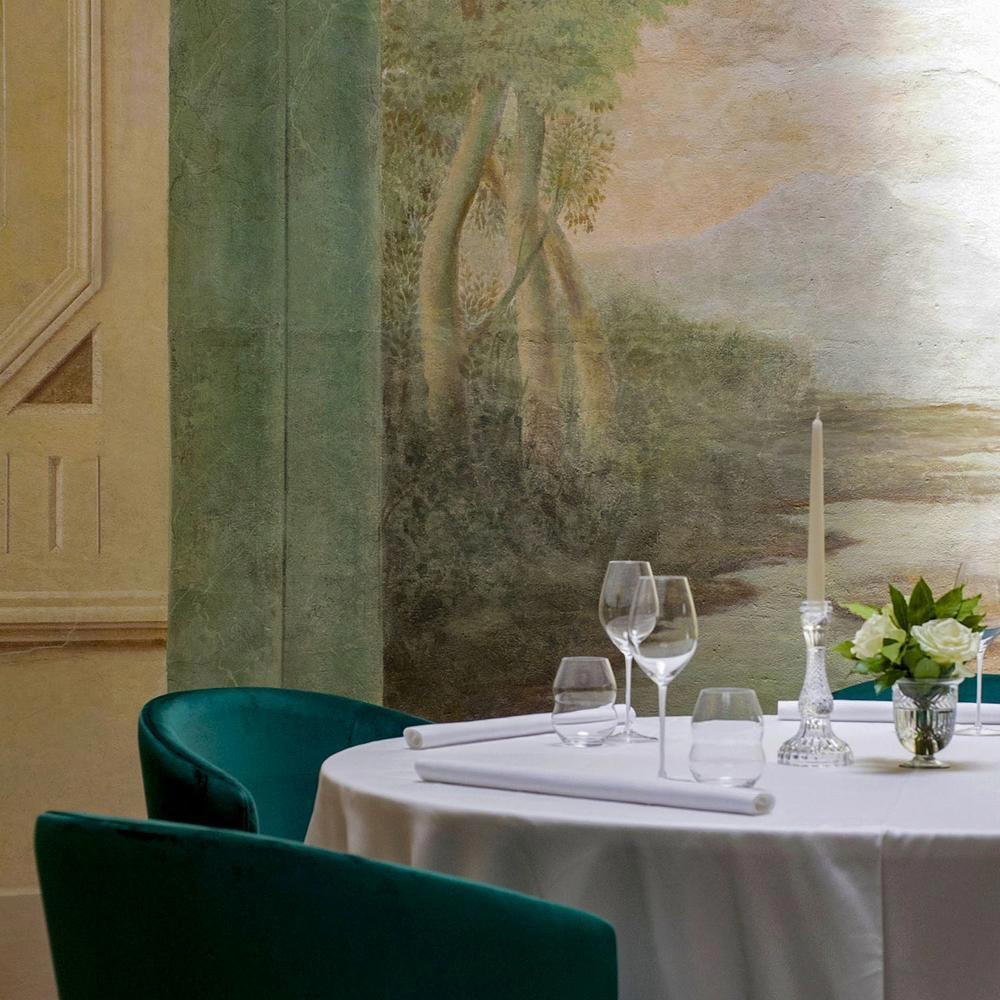
Restaurants in Florence
Browse all →
Bars in Florence
Browse all →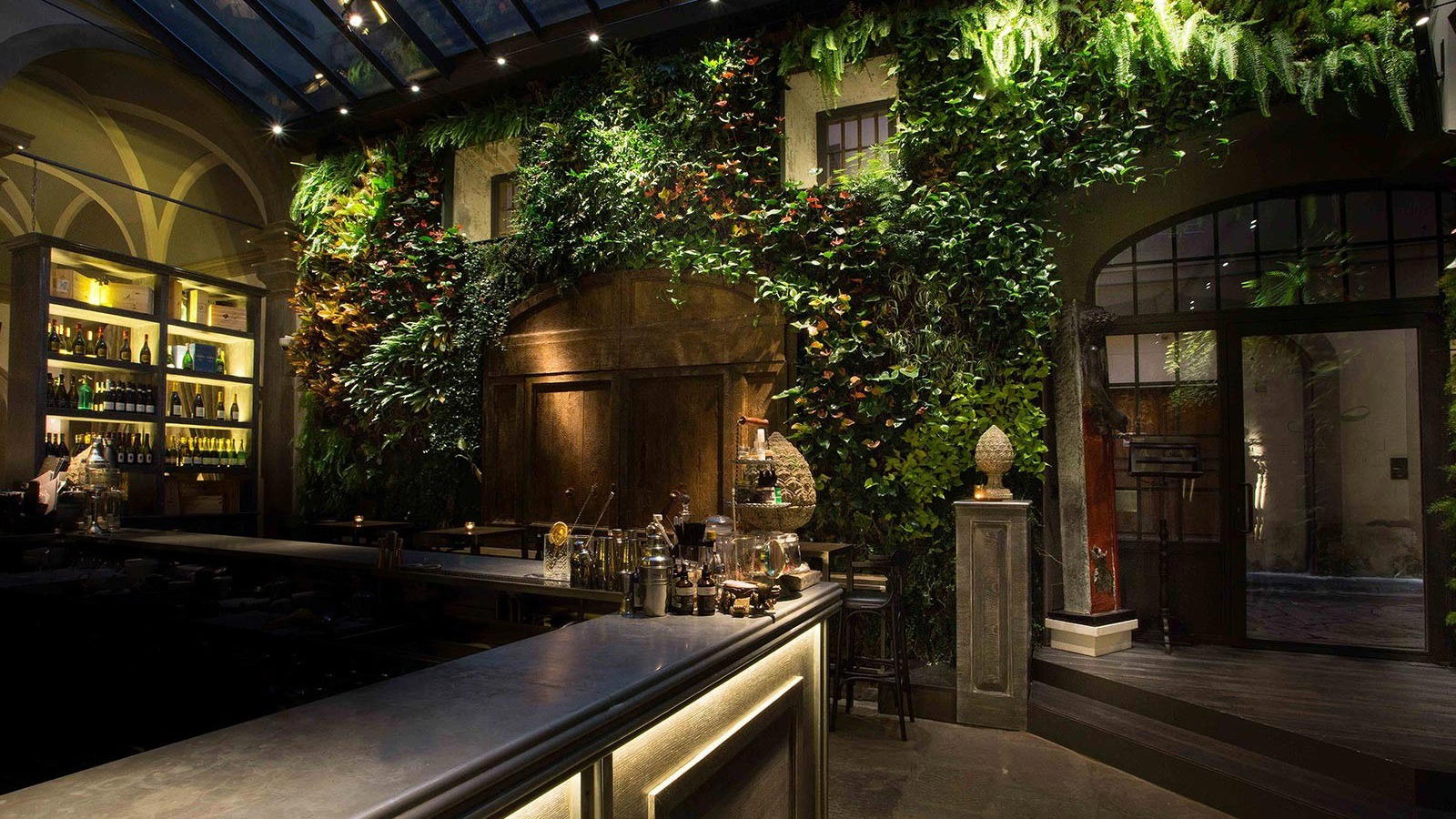
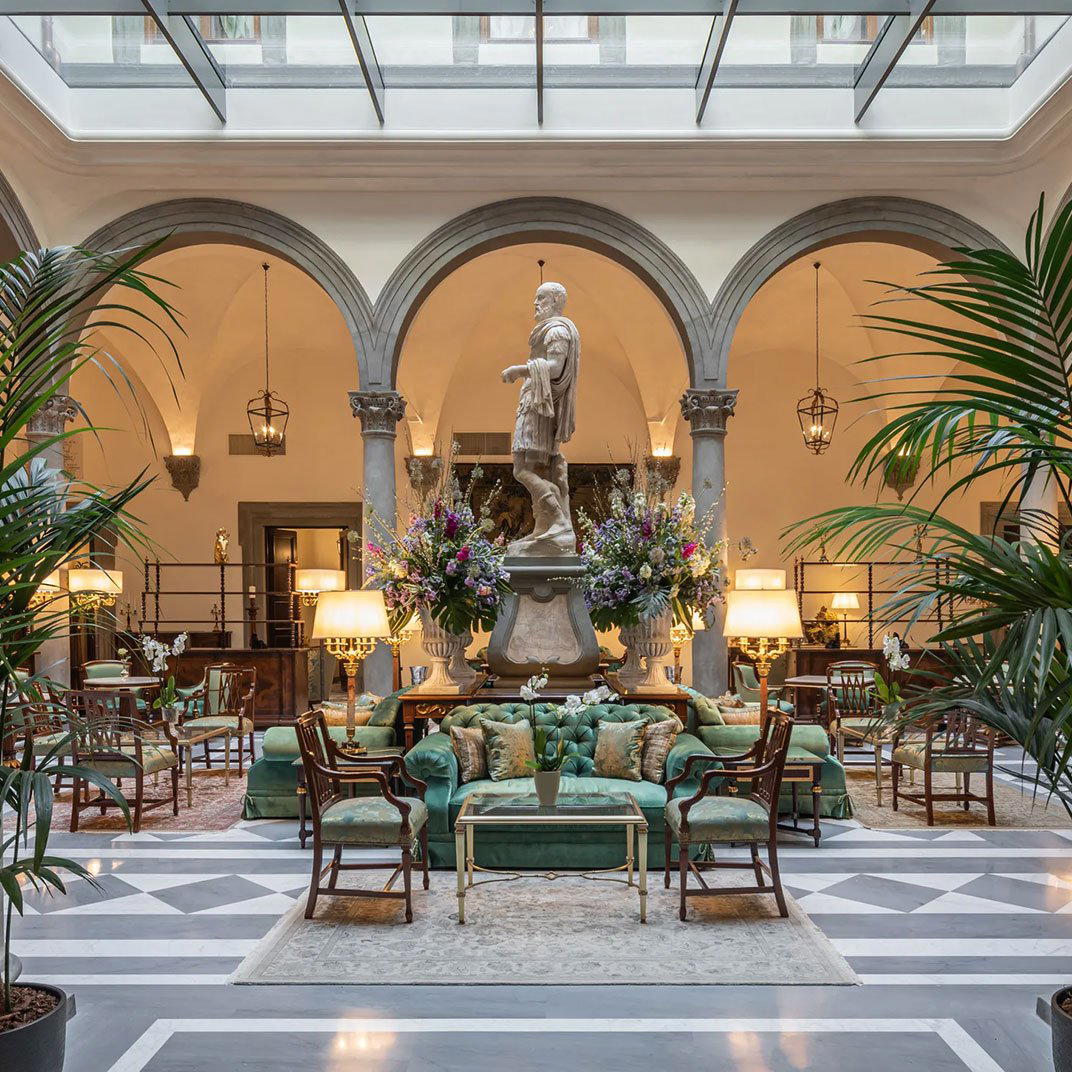
Hotels in Florence
Browse all →

At a Glance
- Modern
- Trendy
- Lively
- Cozy
- Elegant
- Date Night
- Group Dining
- Casual Hangout
- Celebration
- After Work
- Brunch
- Courtyard
- Design Destination
- Hotel Restaurant
- Private Dining
- Craft Cocktails
- Garden
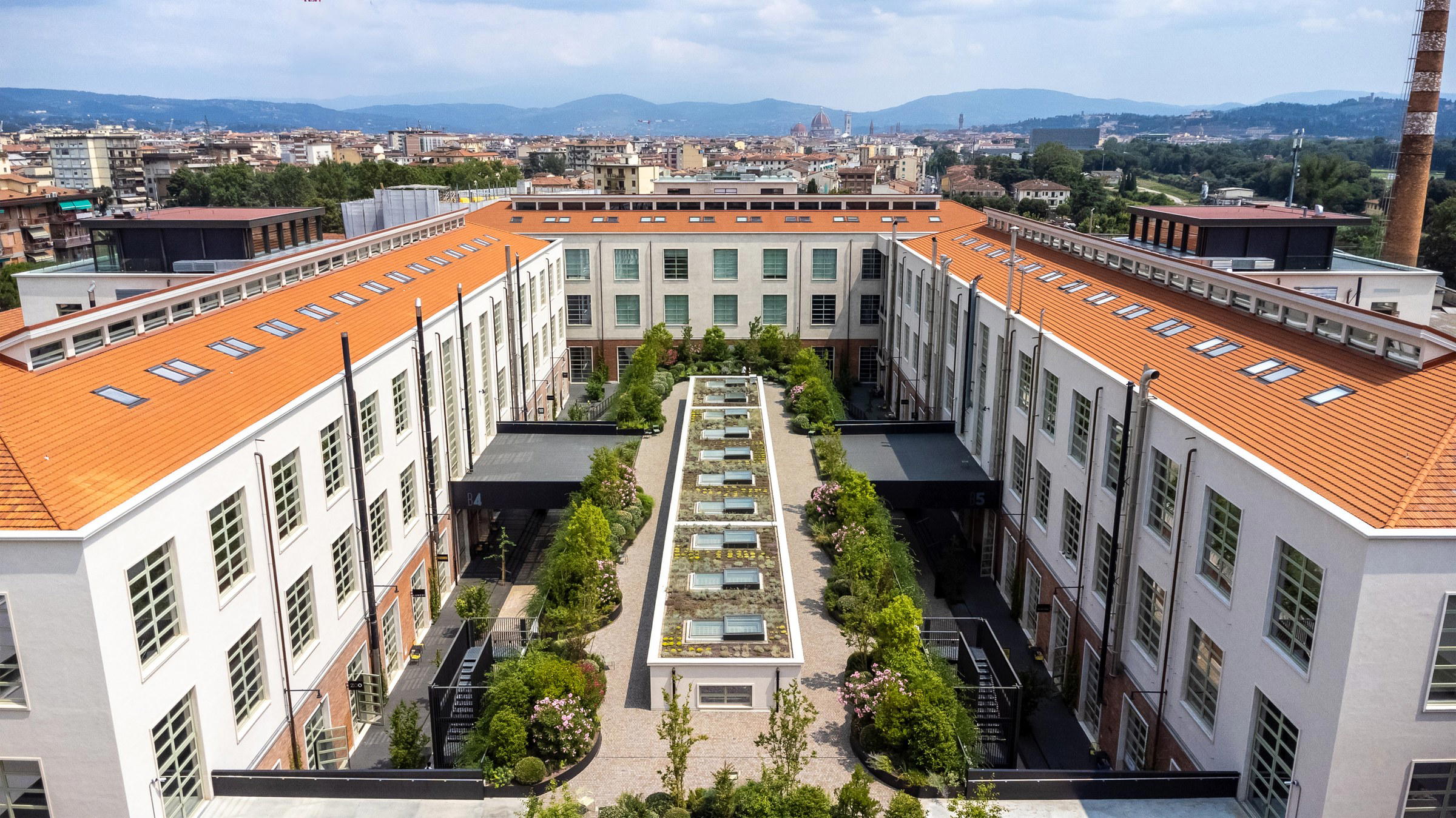
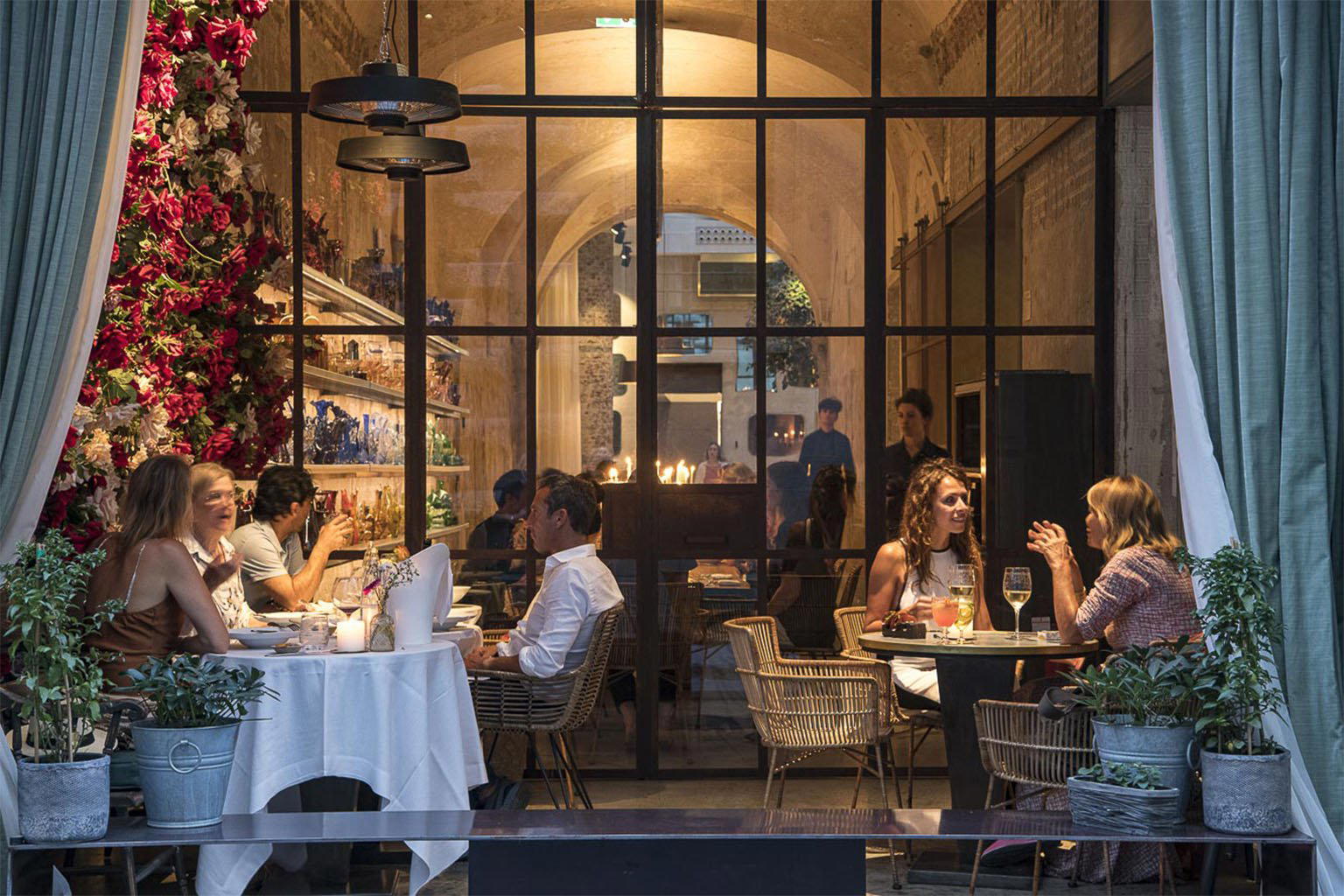
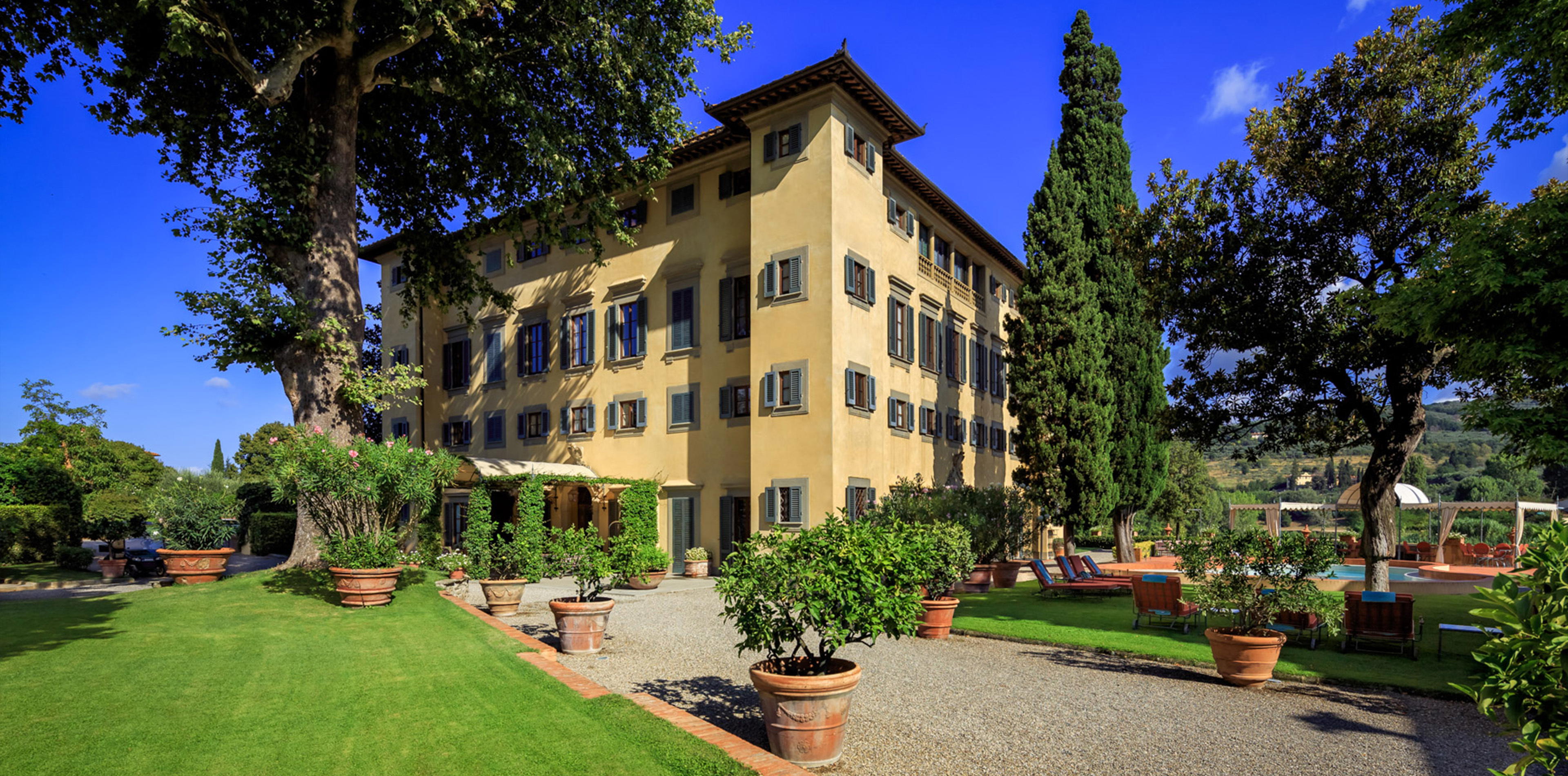
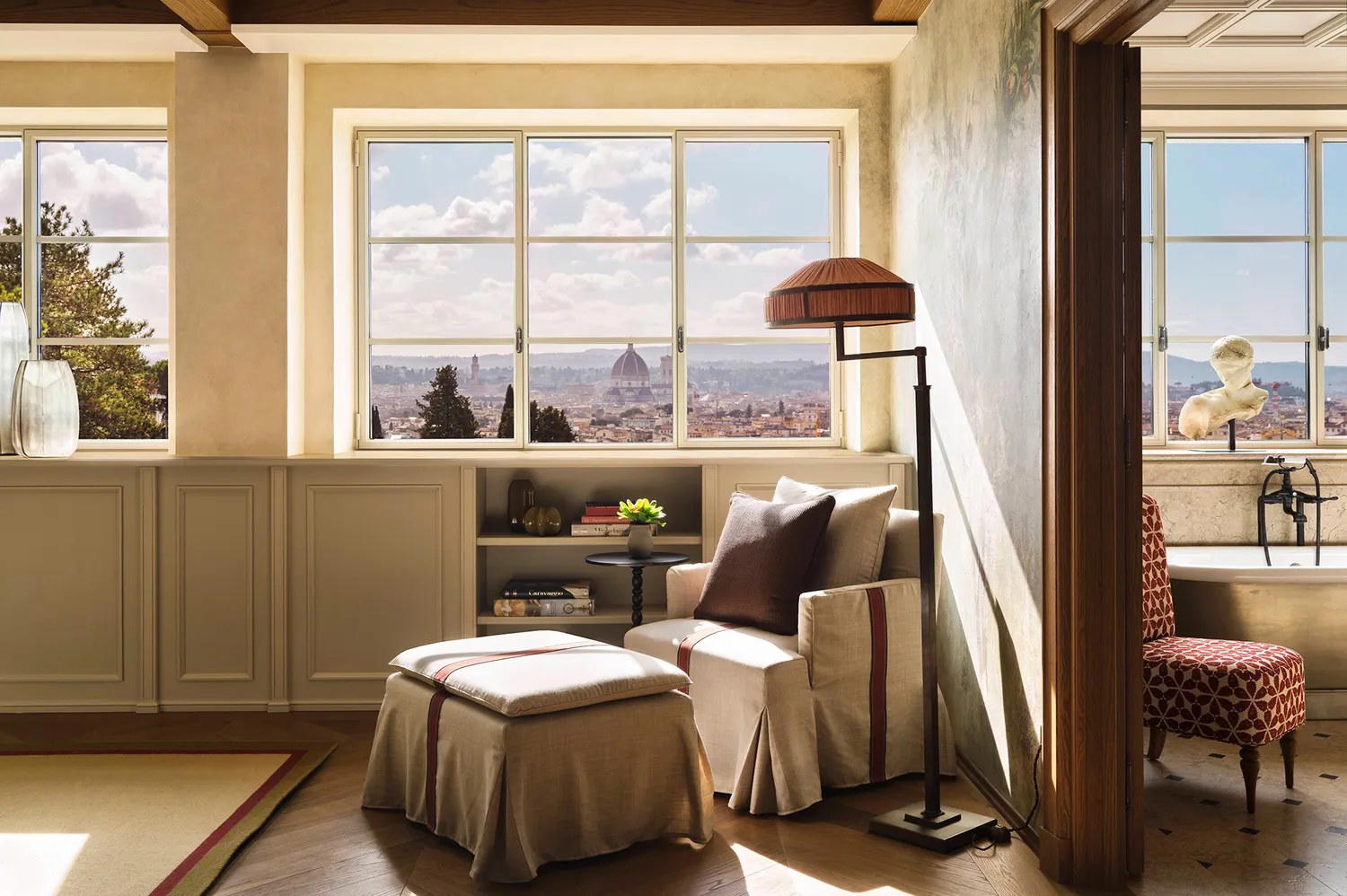
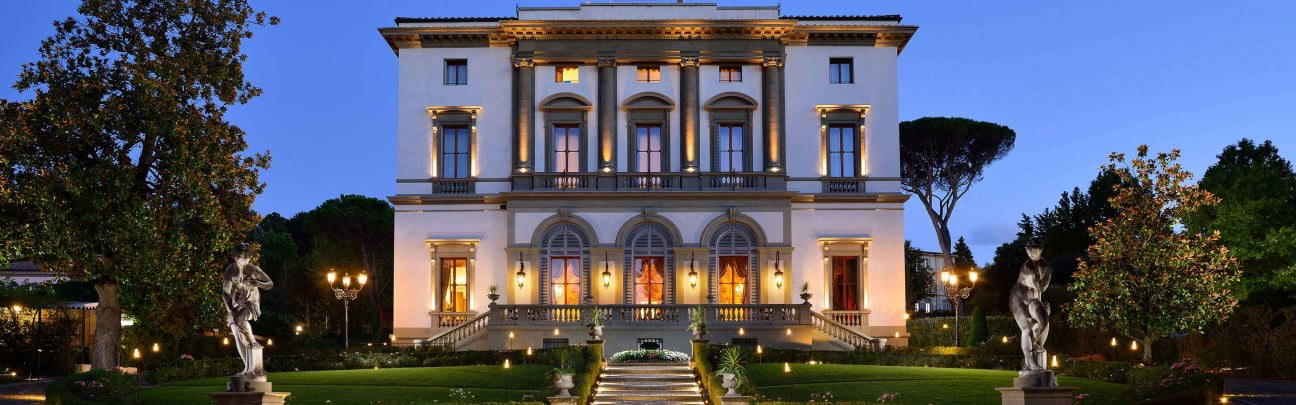
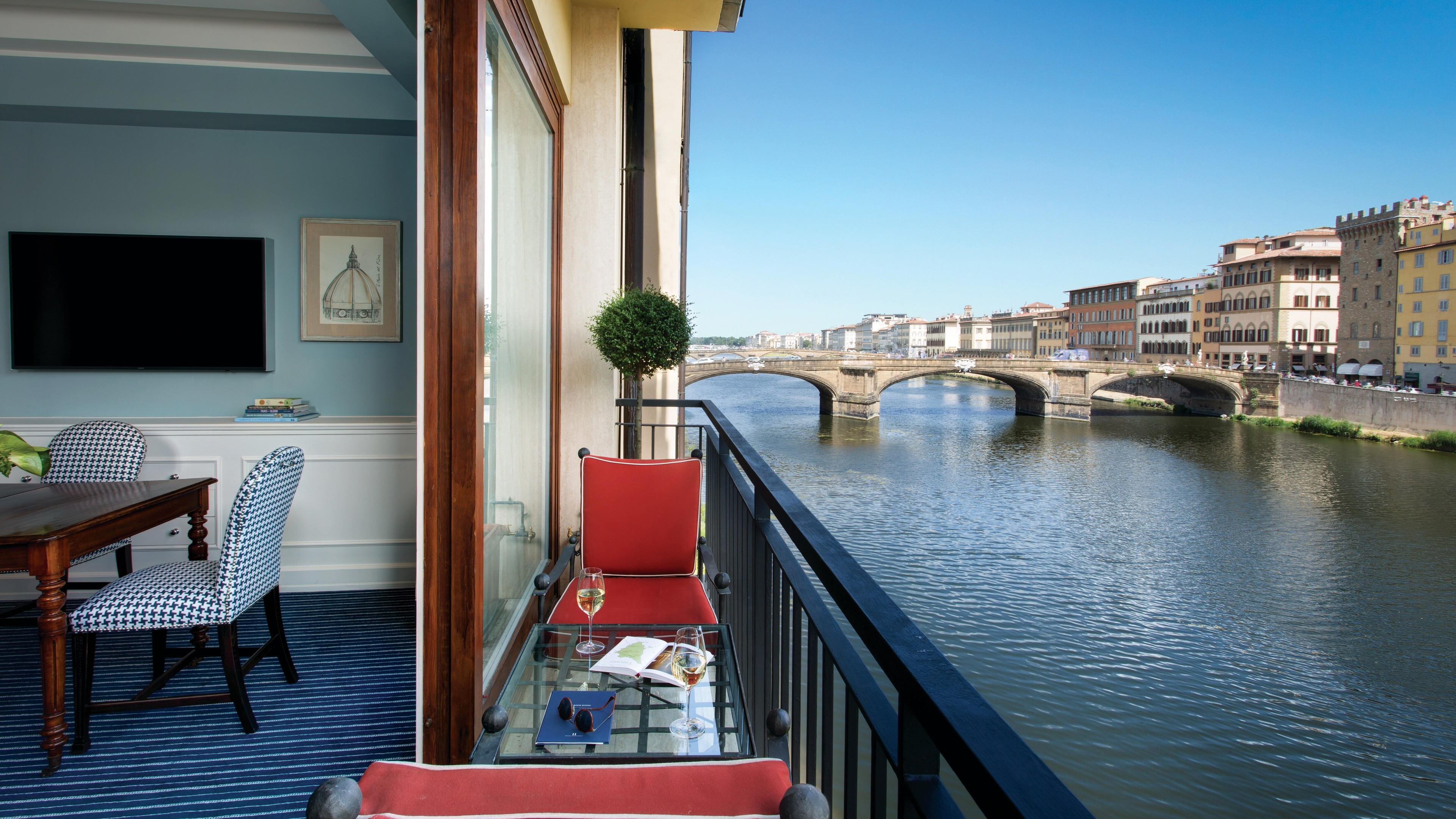
Airy and contemporary hotel-restaurant space that opens onto a leafy courtyard, with relaxed, summery energy suited to long lunches and cocktail-driven dinners.