Tucked into Piazza della Passera in Florence's Oltrarno quarter, 5ecinque occupies one of the city's most quietly residential squares, where the dining culture skews local and the pace is decidedly unhurried. The address places it firmly within the neighbourhood trattoria tradition, operating at a remove from the tourist-facing dining that dominates the centro storico across the river.
Pearl is the En Primeur Club membership app — saves, bookings, and concierge access live there. Same editors, same standards.
- Address
- Piazza della Passera, 1, 50125 Firenze FI, Italy
- Phone
- +39 055 274 1583
- Website
- 5ecinque.it
- Directions
- Get directions
 Saves & bookings on Pearl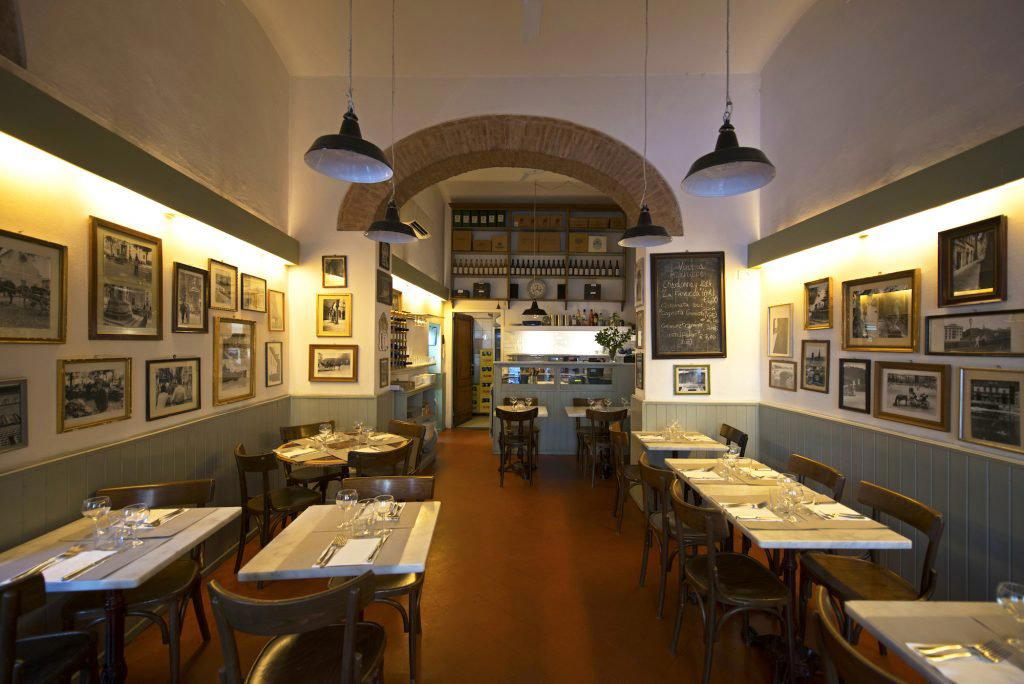
A Square That Sets the Tone
Piazza della Passera is the kind of Florence that visitors who have been here several times start to prefer. A few minutes' walk south of Ponte Vecchio, it sits in the Oltrarno, the left-bank neighbourhood that has historically belonged to artisans, workshop owners, and the Florentines who have always lived slightly apart from the city's more performative centre. The square itself is small enough that a single table placed outside can define the entire atmosphere of an evening. Arriving here, you feel the shift in register immediately: fewer tour groups, more residents, and the unhurried tempo that defines this side of the Arno.
5ecinque occupies that square at number one, an address that places it inside a dining culture quite different from the Michelin-tracked rooms and grand palazzo settings that define Florence's fine dining tier. That tier includes places like Enoteca Pinchiorri, Santa Elisabetta, and Atto di Vito Mollica, all of which operate with tasting menus, formal service structures, and price points that position them against Italy's broader fine dining circuit. 5ecinque reads against a different set entirely.
Oltrarno and the Tradition It Carries
The Oltrarno has a distinct culinary identity within Florence. Where the centro storico has become increasingly difficult terrain for neighbourhood restaurants, rents calibrated to tourist footfall, menus adjusted accordingly, the Oltrarno has retained more of the trattoria culture that defined Florentine eating for centuries. This is not a matter of nostalgia but of geography and economics: the neighbourhood's residential density has sustained a demand for everyday cooking that the more celebrated corners of the city have largely lost.
Tuscan cuisine at this level is built on restraint and repetition. The dishes that anchor the tradition, ribollita, pappardelle al cinghiale, bistecca fiorentina, crostini di fegatini, are not experimental. They are precise, seasonal, and deeply tied to the regional larder: Chianina beef, San Miniato truffles, Certaldo onions, cavolo nero from the surrounding countryside. What separates a good neighbourhood table from an indifferent one in this tradition is execution and sourcing fidelity, not innovation. Florence's neighbourhood restaurants are judged against those standards, and the Oltrarno, more than any other quarter, still produces enough of them to form a meaningful peer group.
Italy's broader restaurant culture has increasingly split between the high-investment contemporary format, represented nationally by tables like Osteria Francescana in Modena, Piazza Duomo in Alba, and Le Calandre in Rubano, and the neighbourhood trattoria model, which resists formalisation almost by definition. The latter does not accumulate awards in the same way. Its authority comes from consistency, from local loyalty, and from the kind of repeat custom that does not require a booking window measured in months.
Where This Address Sits in Florence's Dining Map
Florence's restaurant scene is more stratified than it appears on first reading. At the leading are a handful of rooms with serious investment in wine cellars, service teams, and creative ambition: Borgo San Jacopo on the Arno's edge, Gucci Osteria da Massimo Bottura operating with the resources and reach of a global fashion house behind it. Below that, a mid-tier of osterie and bistros serves a mixed clientele of informed visitors and locals. At the neighbourhood level, where 5ecinque sits, the audience is more specifically local, the formats more fixed, and the value proposition more immediate.
Piazza della Passera has enough concentration of small restaurants and bars that the square functions as a mini dining destination within Oltrarno. Visitors who have done their research arrive here deliberately. Those who find it by wandering tend to stay. That dual discovery pattern is characteristic of the neighbourhood: it rewards planning and rewards wandering in roughly equal measure.
For those building a broader itinerary around serious Italian eating, the Oltrarno neighbourhood table tradition sits in productive contrast with what is happening at the summit of the national scene. Tables like Uliassi in Senigallia, Reale in Castel di Sangro, or Quattro Passi in Marina del Cantone represent the contemporary Italian dining ambition at full stretch. A Piazza della Passera table offers the counterpoint: the same regional ingredients, a fraction of the ceremony, and a room that feels answerable to the neighbourhood rather than to international critical attention.
Planning a Visit
Piazza della Passera is a direct walk from the main Oltrarno landmarks, the Palazzo Pitti and the Boboli Garden are nearby reference points, and the square sits a few minutes south of the Ponte Vecchio. The neighbourhood is navigable on foot from most central Florence accommodation, and the evening pace here is slower than the tourist-facing areas north of the river, which means that dinner at this address tends to fold naturally into a longer Oltrarno evening rather than requiring precise scheduling around a fixed reservation window.
What the address and location do confirm is the neighbourhood context: this is an Oltrarno square restaurant, and the practical logic of visiting it follows the logic of visiting Oltrarno, arrive with time, expect a slower pace, and treat the square itself as part of the experience.
For broader orientation across the city's dining options, the EP Club Florence restaurants guide maps the full range from neighbourhood tables to formal tasting-menu rooms. Those interested in how Italian regional cooking sits within a wider European context will find useful comparison points in Dal Pescatore in Runate, Casa Perbellini 12 Apostoli in Verona, or at the further end of the register, Le Bernardin in New York City and Atomix in New York City, both of which demonstrate what happens when a regional culinary tradition is filtered through a different urban context. The Alpine end of the Italian fine dining spectrum is covered by Atelier Moessmer Norbert Niederkofler in Brunico and the Lombardy-based ambition of Enrico Bartolini in Milan.
Budget and Context
Comparable venues nearby, for context on price, style, and recognition.
| Venue | Cuisine | Price | Notes |
|---|---|---|---|
| 5ecinqueThis venue — the venue you are viewing | Not listed | $$ | Not listed |
| Il Vegetariano | Not listed | $$ | Il Pellegrino, Traditional Italian Vegetarian |
| Trattoria 4 Leoni | Santo Spirito, Tuscan Trattoria | $$ | Not listed |
| Alassio | Not listed | $$ | San Gallo, Coastal Mediterranean & Italian Comfort Food |
| Irene Firenze | Santo Spirito, Modern Tuscan Fine Dining | $$$ | Not listed |
| Ciblèo | Ricorboli, Tuscan-Asian Fusion | $$$ | Not listed |
Continue exploring
More in Florence
Restaurants in Florence
Browse all →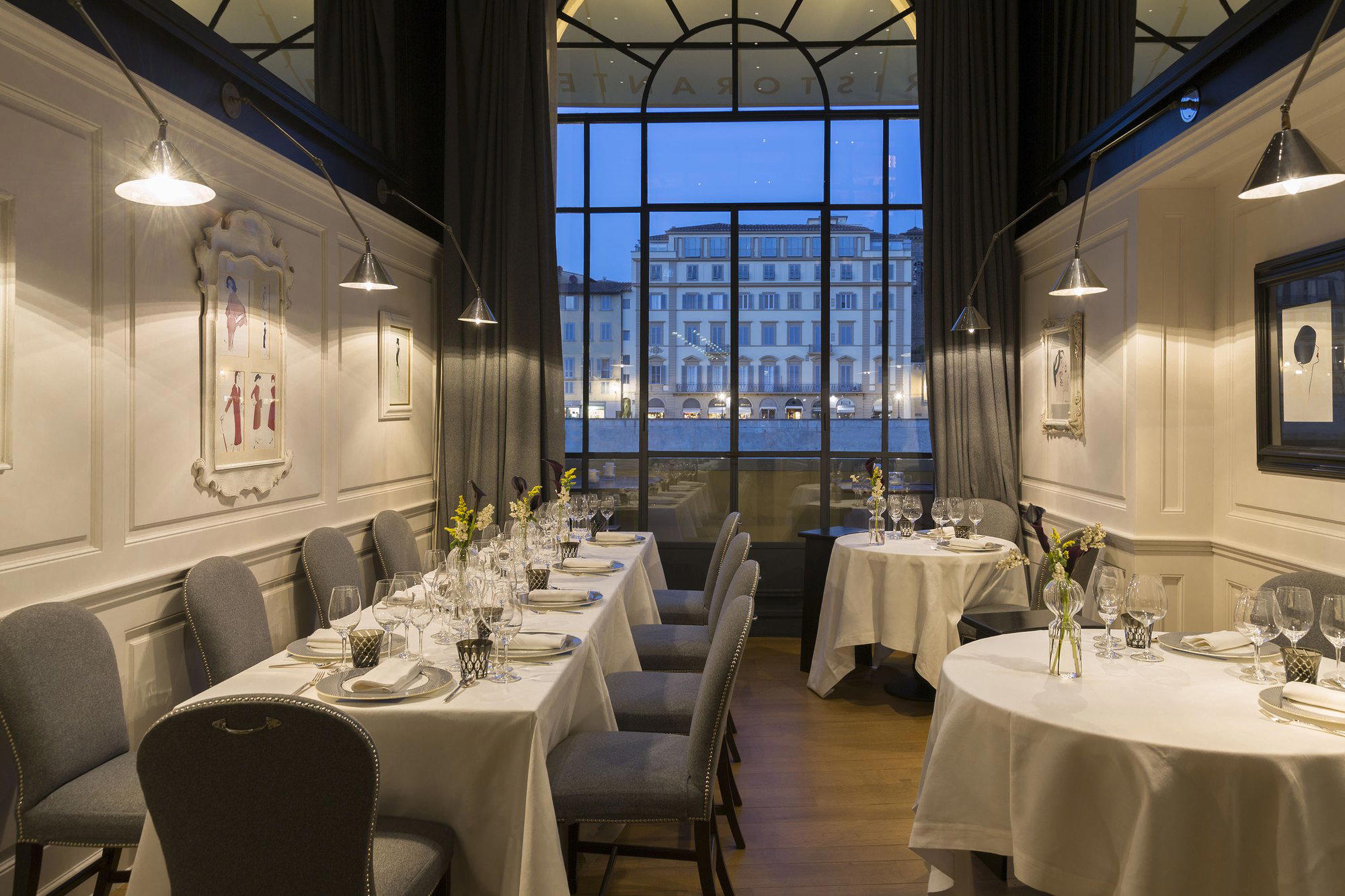
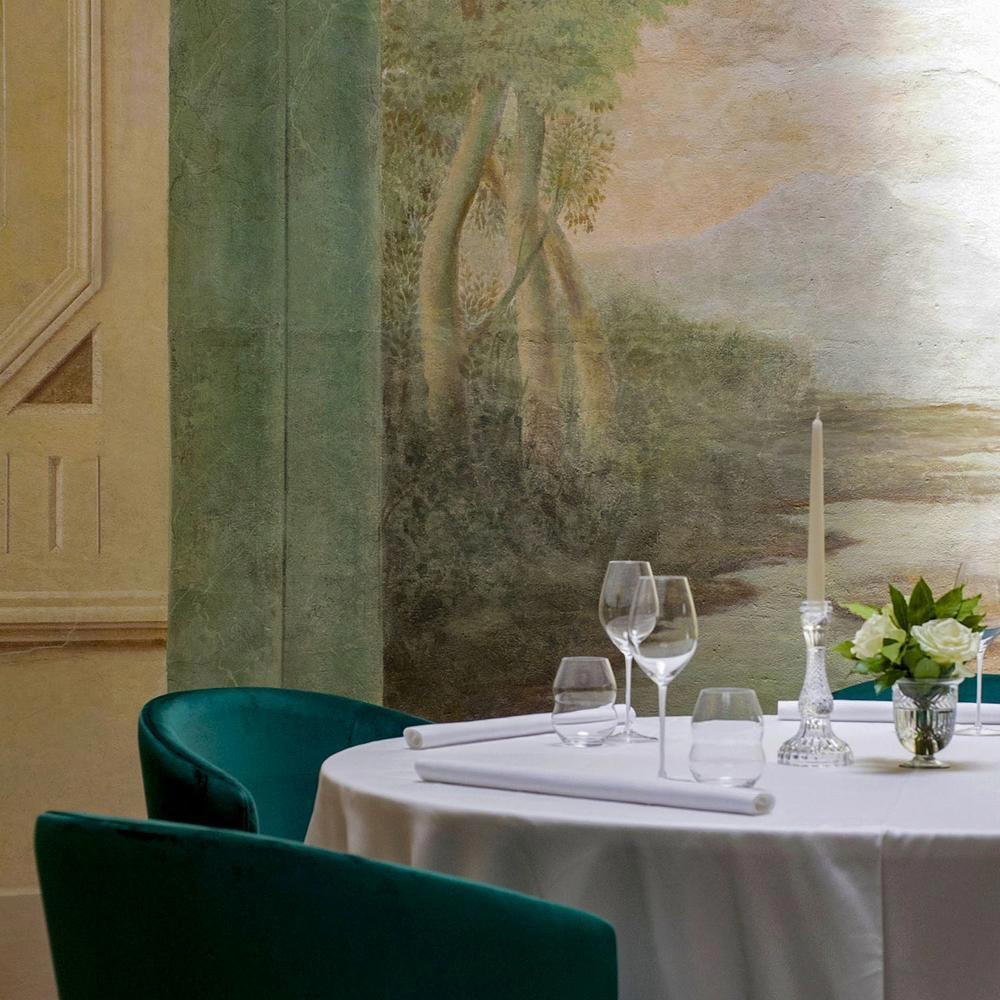
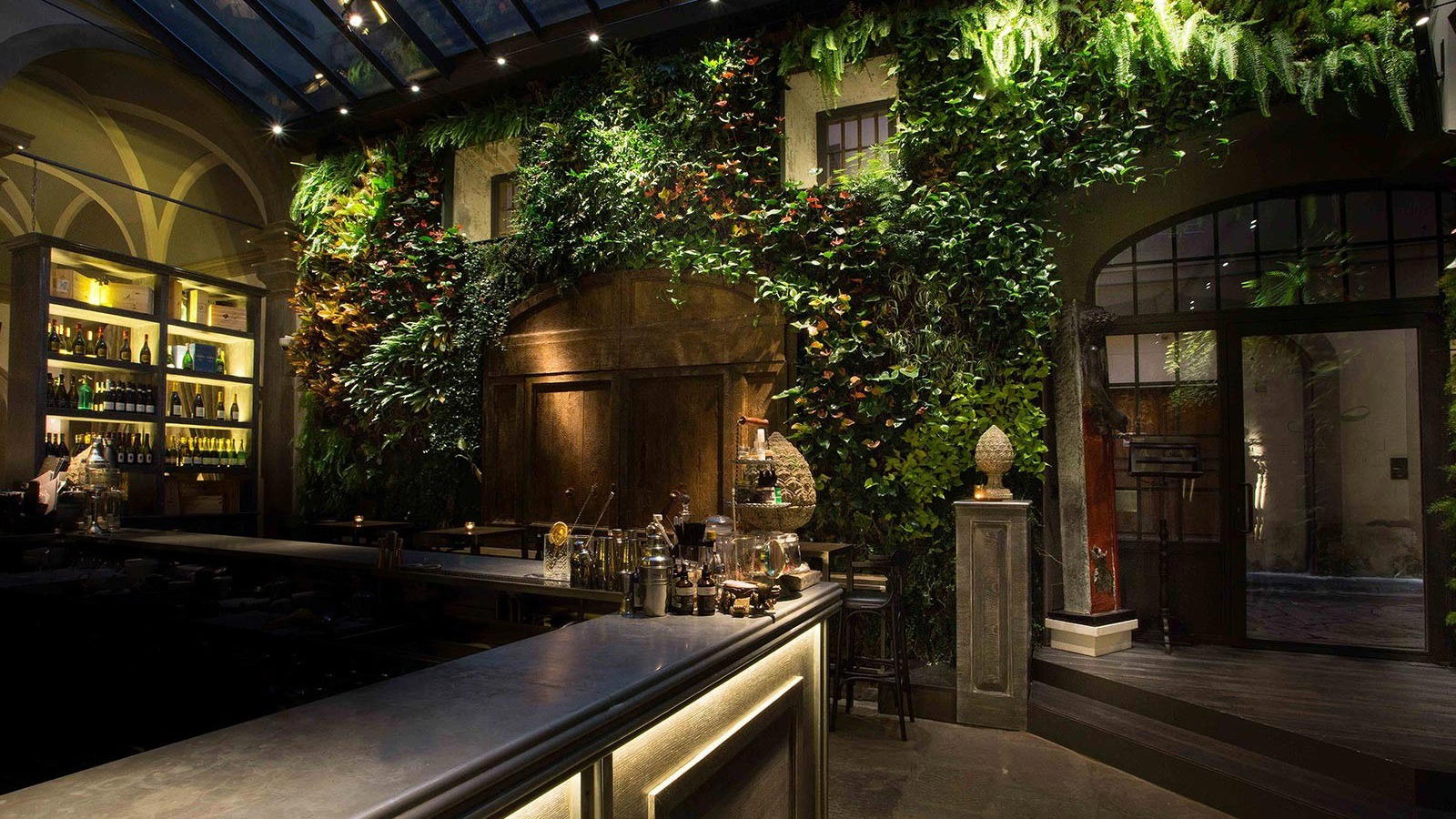
Bars in Florence
Browse all →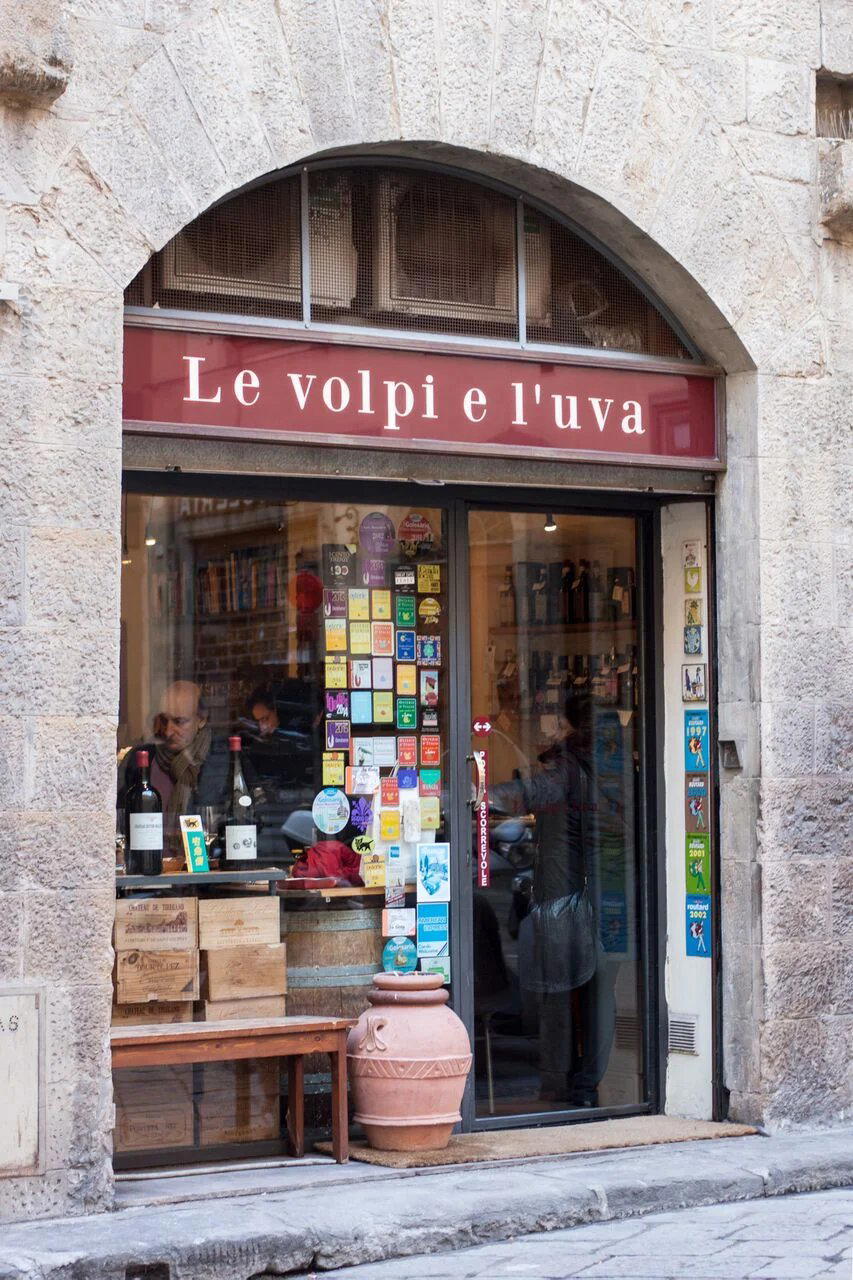
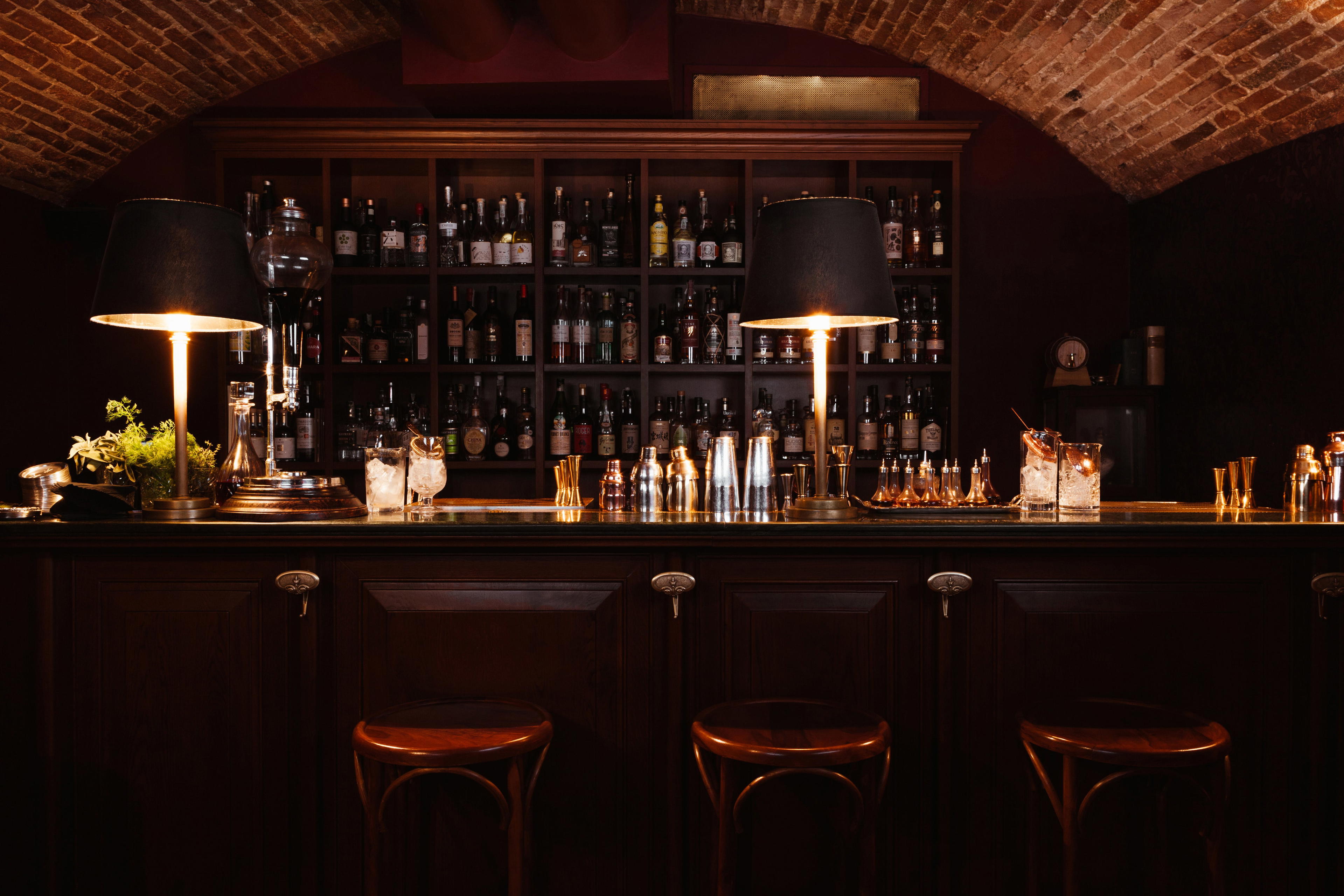
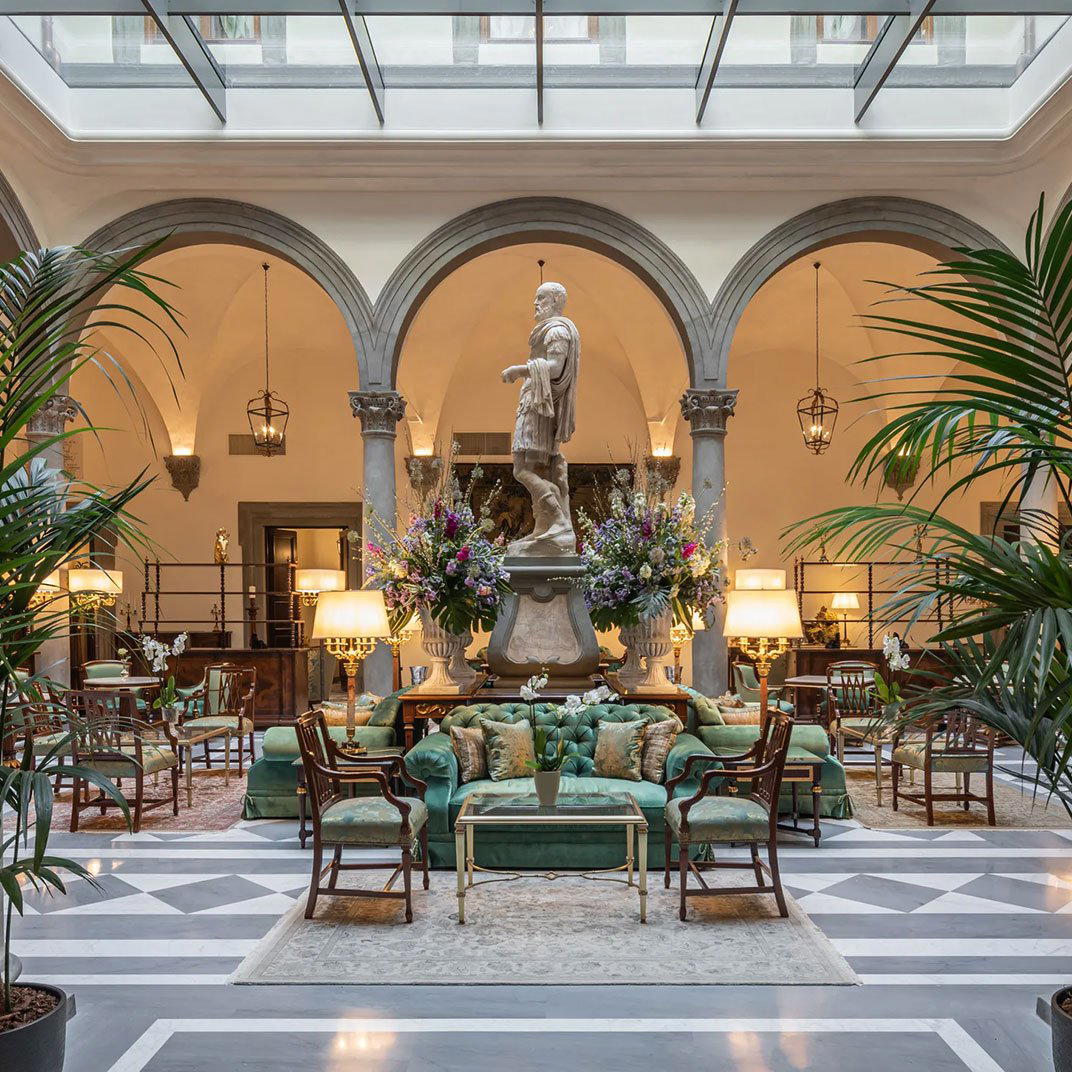
Hotels in Florence
Browse all →
At a Glance
- Cozy
- Intimate
- Rustic
- Casual Hangout
- Date Night
- Group Dining
- Standalone
- Natural Wine
- Extensive Wine List
- Organic
- Local Sourcing
- Farm To Table
- Natural Wine
Current opening hours
- Monday
- Closed
- Tuesday
- Closed
- Wednesday
- 12–2:30 PM, 7:30–10 PM
- Thursday
- 12–2:30 PM, 7:30–10 PM
- Friday
- 12–2:30 PM, 7:30–10 PM
- Saturday
- 12–2:30 PM, 7:30–10 PM
- Sunday
- 12–2:30 PM, 7:30–10:30 PM
Hours can change for holidays and private events. Last verified .
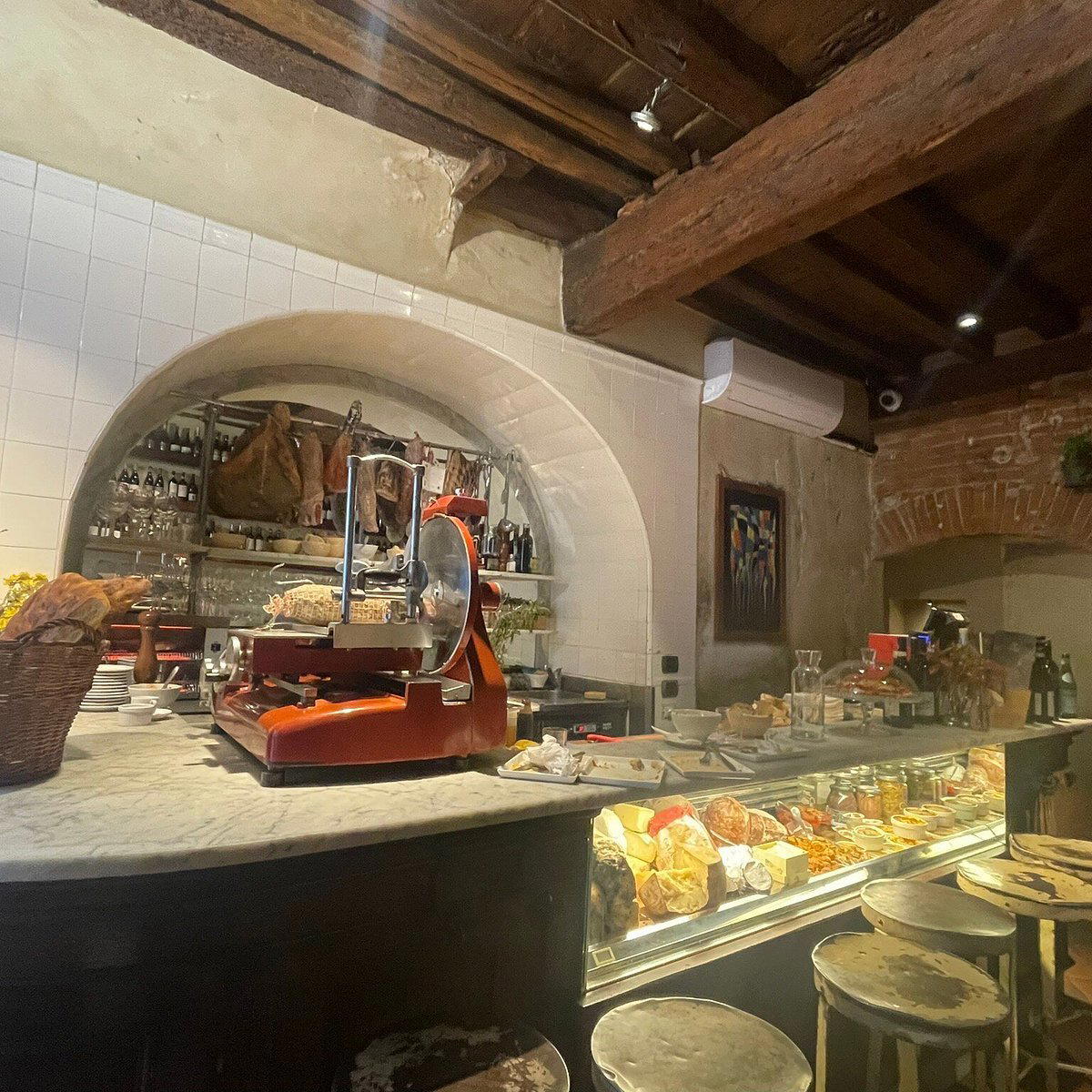
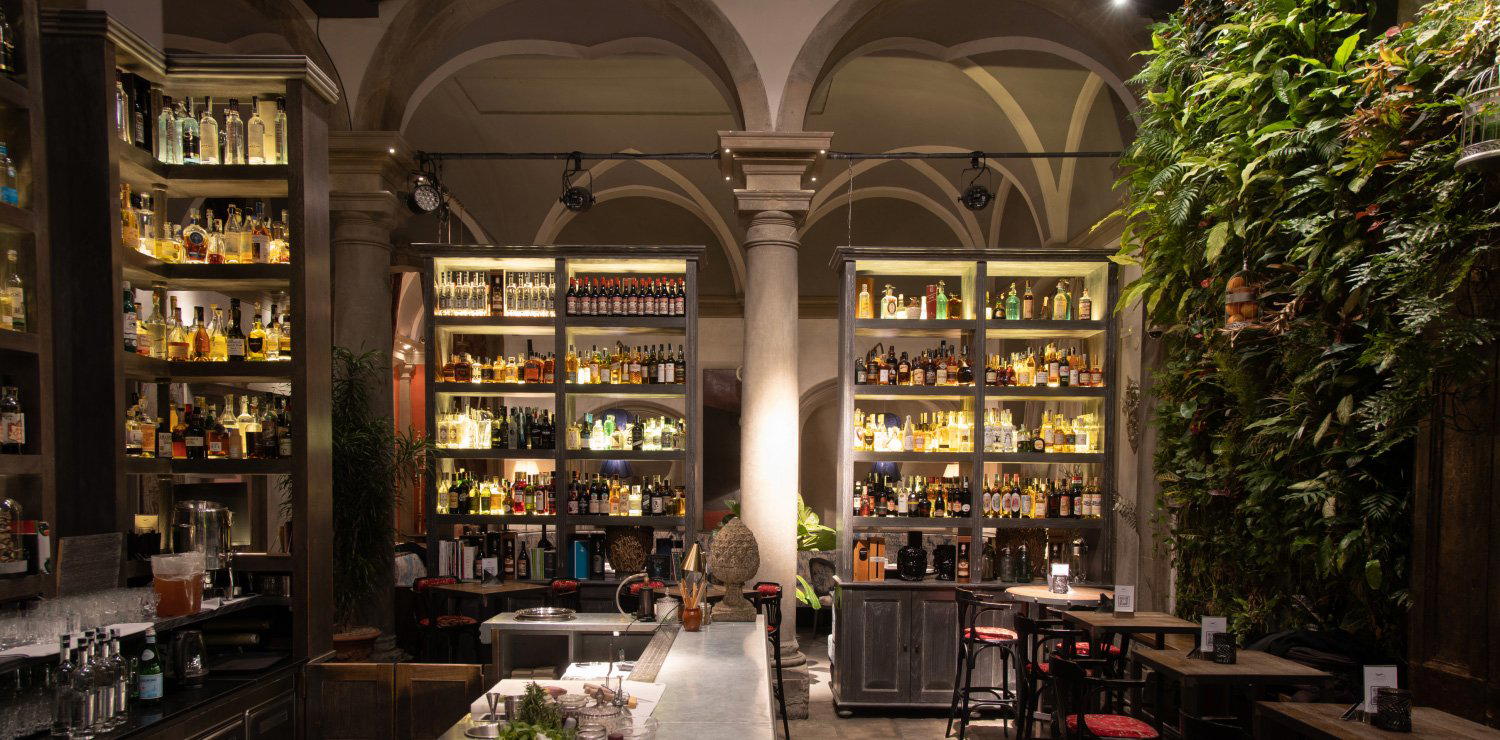
Relaxed and welcoming atmosphere with simple, clean décor that invites relaxation; the aroma of freshly prepared dishes fills the intimate space.