On the edge of Piazza di San Lorenzo, Trattoria Sergio Gozzi occupies a position that says something about how Florence eats when it isn't performing for visitors. The room is loud, the tables close, and the menu runs to the kind of Tuscan standards that don't need explanation. This is a trattoria operating on local terms, not tourist ones.
Pearl is the En Primeur Club membership app — saves, bookings, and concierge access live there. Same editors, same standards.
- Address
- Piazza di San Lorenzo, 8R, 50123 Firenze FI, Italy
- Phone
- +39 055 281941
- Website
- m.facebook.com
- Directions
- Get directions
 Saves & bookings on Pearl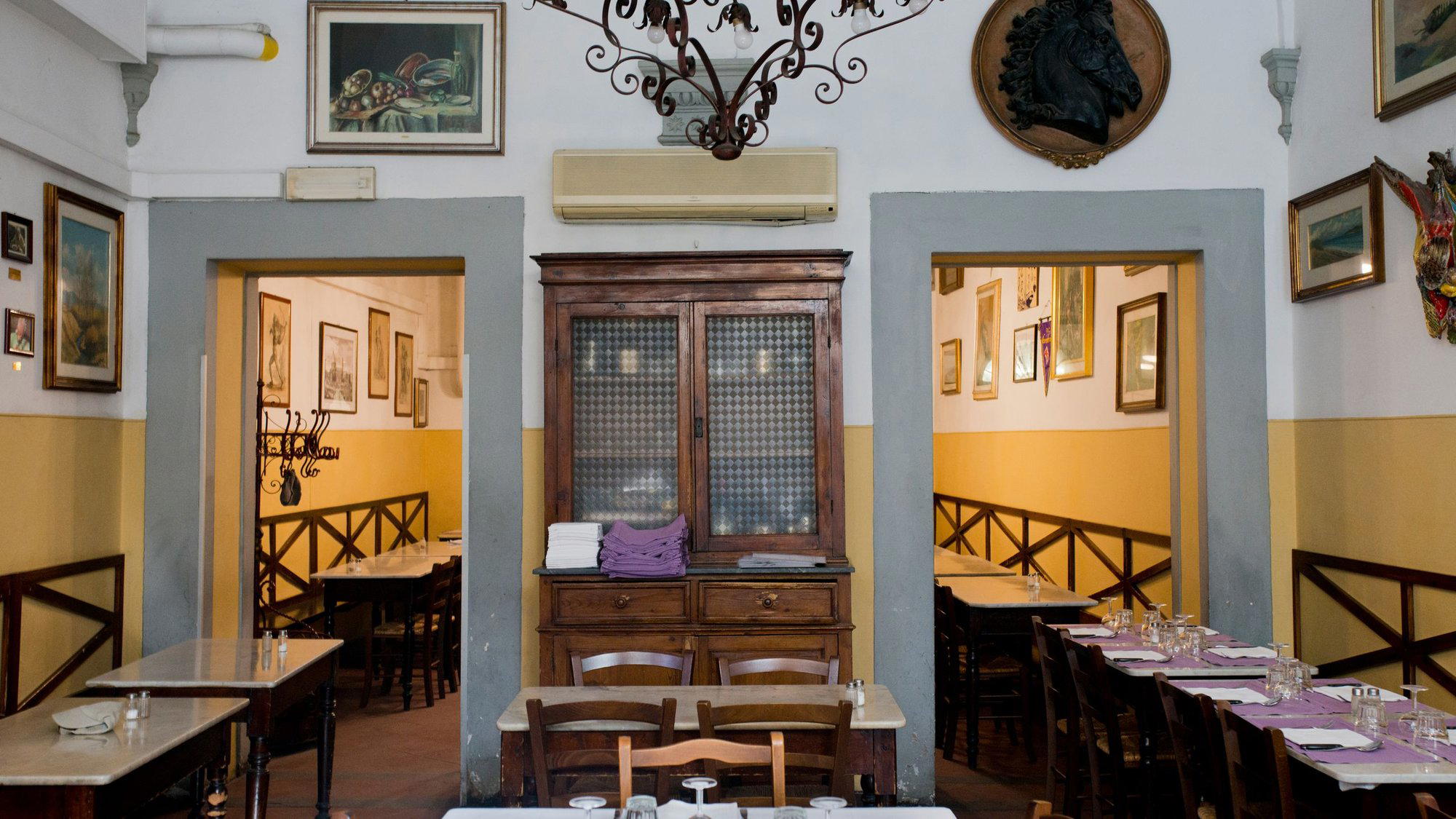
The Square, the Market, and What Survives Around It
San Lorenzo market does not ease you in gently. By mid-morning, the stalls press against each other under the loggia, vendors call across leather goods and scarves, and the smell of the covered food market behind the facade drifts outward into the square. In most European cities, a restaurant positioned at the centre of this kind of foot traffic would have adjusted its menu years ago to meet the path of least resistance: a laminated card with photographs, pasta at a price point that assumes one visit per customer. Trattoria Sergio Gozzi, sitting at number 8R on Piazza di San Lorenzo, represents the less common outcome: a place that the market crowd has absorbed rather than transformed.
The trattoria format itself carries a specific set of expectations in Florence. It is not the fine-dining register of Enoteca Pinchiorri, which operates at a different level of technical ambition and price entirely, nor the creative modernism of Santa Elisabetta or Atto di Vito Mollica. A trattoria, properly understood, is a contract with repetition: the same dishes, made with the same logic, week after week, until the preparation becomes automatic and the results become reliable. That reliability is the product itself.
What the Room Feels Like
The physical experience of Trattoria Sergio Gozzi begins before you sit down. The entrance from the piazza brings you out of the open market air into a room that runs at a different temperature and a different volume. In the trattoria tradition, surfaces tend to be hard: tiled or stone floors, walls without much soft furnishing to absorb sound, tables set close enough that a neighbouring conversation becomes ambient. The noise level at lunch is not something the room tries to manage. It is a byproduct of the format, and in that sense it is honest.
Daylight at midday falls across the piazza outside, but the interior works on its own terms, lit for function rather than mood. The arrangement signals something important about the transaction on offer: attention here goes to the plate, not to the atmosphere engineering that defines a different tier of the market. Florence has those options in abundance, from the Arno-side drama of Borgo San Jacopo to the cultural staging of Gucci Osteria da Massimo Bottura. Sergio Gozzi operates without competing on those grounds.
Tuscan Cooking at the Trattoria Register
The cuisine of Florence's working trattatorie is built on a short list of principles that have not changed in any meaningful way for generations. Ribollita arrives thick, made from yesterday's bread and whatever beans are in the kitchen. Trippa alla Fiorentina is cooked in tomato with a finish of Parmigiano. Bistecca is Chianina, from the Val di Chiana, and it arrives with no apology for its weight or its price by the kilo. Pappardelle carries wild boar ragu in the colder months, hare when available. These are not dishes designed around a contemporary palate or a photographic moment. They are dishes designed to feed people who work in the market, or who have spent the morning moving through it.
The context matters for understanding what distinguishes this from the creative Italian cooking that earns recognition at the national level. Restaurants like Osteria Francescana in Modena or Piazza Duomo in Alba operate within a tradition of reinvention; the trattoria operates within a tradition of maintenance. Both represent legitimate modes of cooking, but they are evaluated on entirely different terms.
San Lorenzo in the Wider Florence Dining Map
Neighbourhood around San Lorenzo sits between the train station to the west and the Duomo to the east, and it attracts a more mixed crowd than the Oltrarno or the streets immediately around Santa Croce. The covered Mercato Centrale is one of Florence's most heavily visited food structures, with a ground floor of butchers, fishmongers, and produce vendors operating under a vaulted nineteenth-century iron roof, and an upper floor of prepared food stands aimed at a younger and more transient market. The trattoria draws from the ground floor economy more than the upper: suppliers close, relationships established over years, produce selected based on what arrived that morning rather than what fits a printed menu.
Planning a Visit
Trattoria Sergio Gozzi operates at lunch hours aligned with the market schedule, which in practice means the room fills fast at midday and does not hold tables for long. Arriving at the opening of service gives a stronger chance of a seat without a wait; arriving mid-service on a busy market day requires patience. The piazza address puts it within a short walk of the Basilica di San Lorenzo and the Medici Chapels, which means the surrounding foot traffic peaks in the mid-morning tourist window before the lunch crowd arrives. Payment norms at traditional Florentine trattatorie lean cash-forward, though practices vary. Walk-in is the standard mode of entry.
For readers whose priorities extend to Italy's wider dining range, EP Club covers restaurants at the other end of the ambition register: Reale in Castel di Sangro, Uliassi in Senigallia, Le Calandre in Rubano, Dal Pescatore in Runate, Quattro Passi in Marina del Cantone, Atelier Moessmer Norbert Niederkofler in Brunico, Casa Perbellini 12 Apostoli in Verona, and Enrico Bartolini in Milan. Le Bernardin in New York City and Lazy Bear in San Francisco illustrate how different the parameters can be while the underlying commitment to craft remains consistent.
Where the Accolades Land
Comparable venues nearby, for context on price, style, and recognition.
| Venue | Cuisine | Price | Notes |
|---|---|---|---|
| Trattoria Sergio GozziThis venue — the venue you are viewing | Traditional Tuscan Trattoria | $$ | Not listed |
| Osteria Santo Spirito | Traditional Tuscan Trattoria | $$ | Santo Spirito |
| Cibreo Caffe | Tuscan Bistro | $$ | Santo Spirito |
| Gurdulù Gastronomia | Contemporary Tuscan | $$ | Santo Spirito |
| Ristorante Ricchi | Traditional Tuscan Italian | $$ | Santo Spirito |
| Da Ruggero | Traditional Tuscan Trattoria | $$ | Bobolino |
Continue exploring
More in Florence
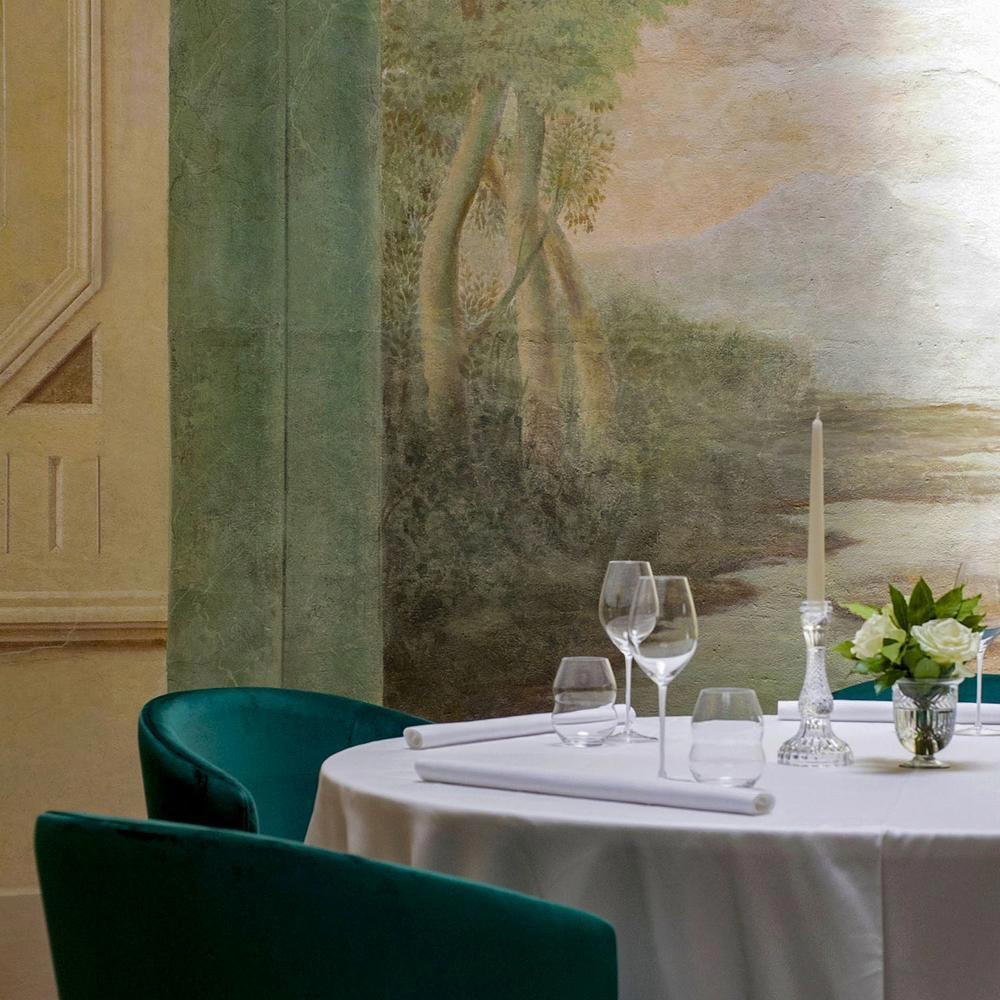
Restaurants in Florence
Browse all →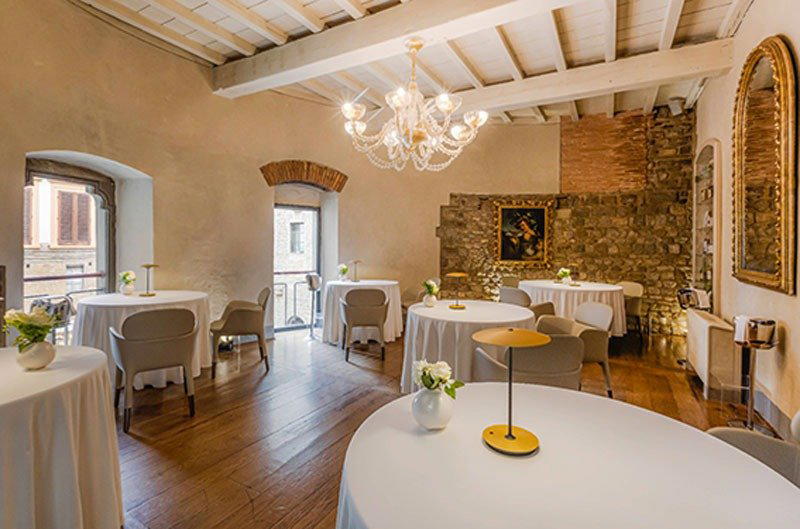
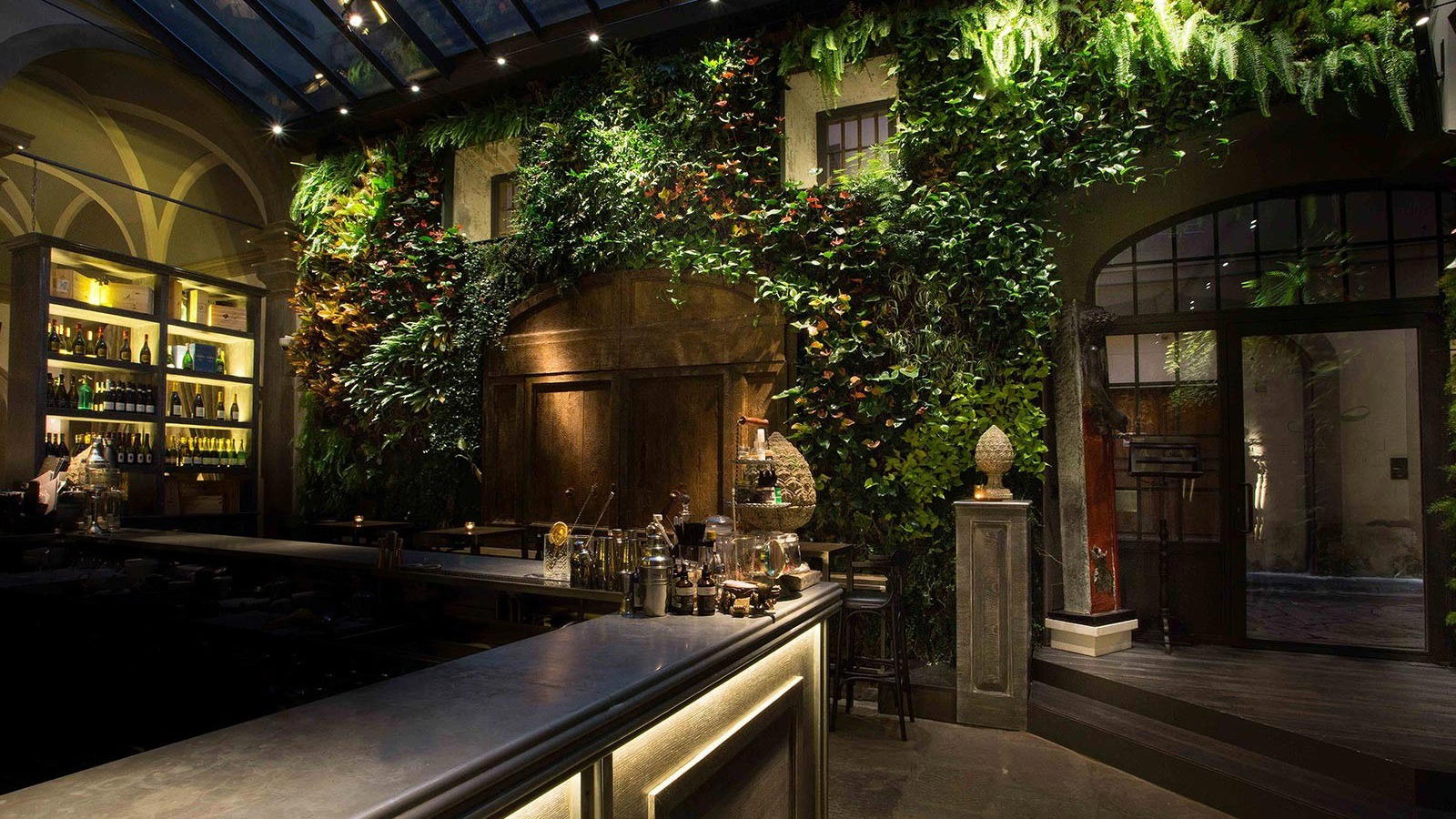
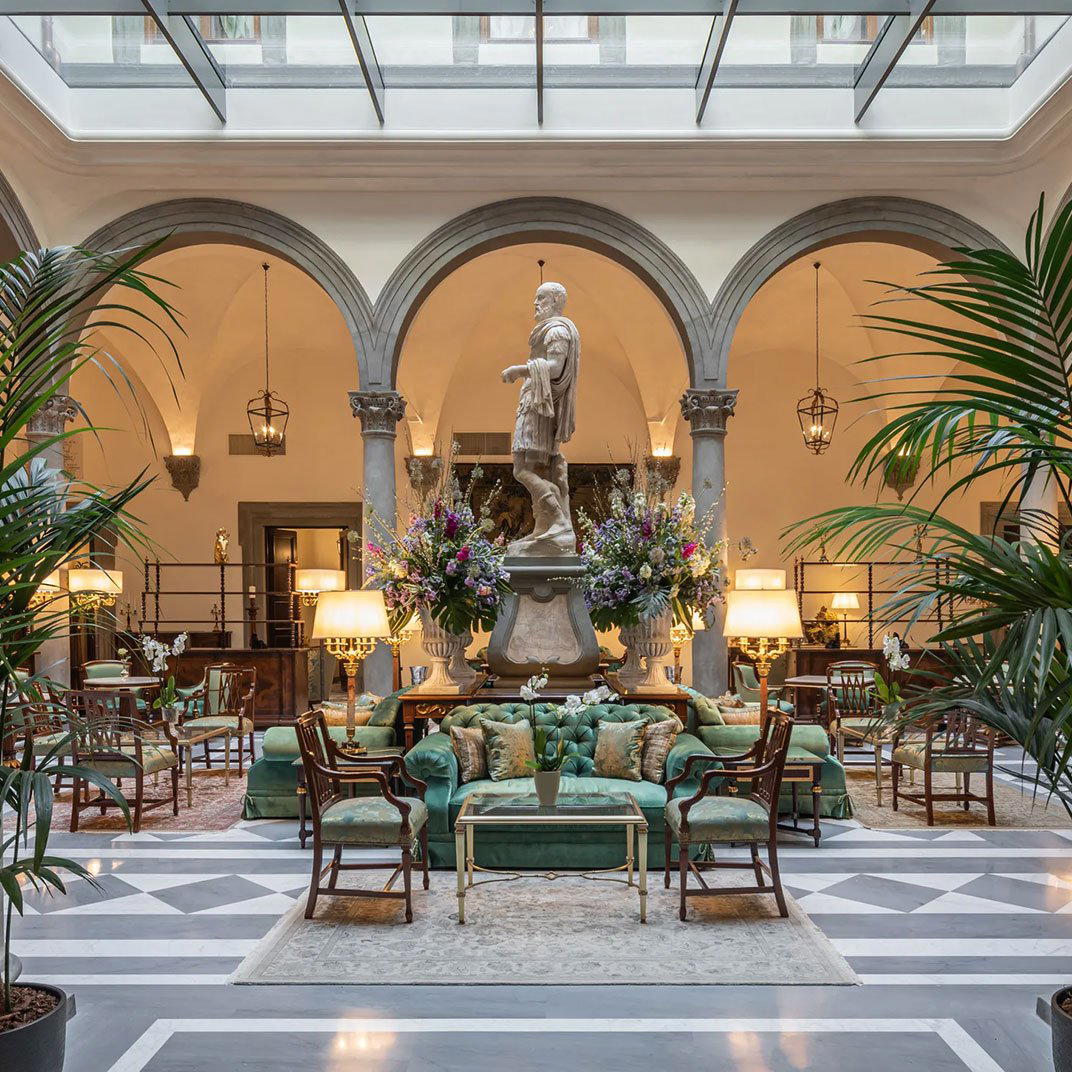
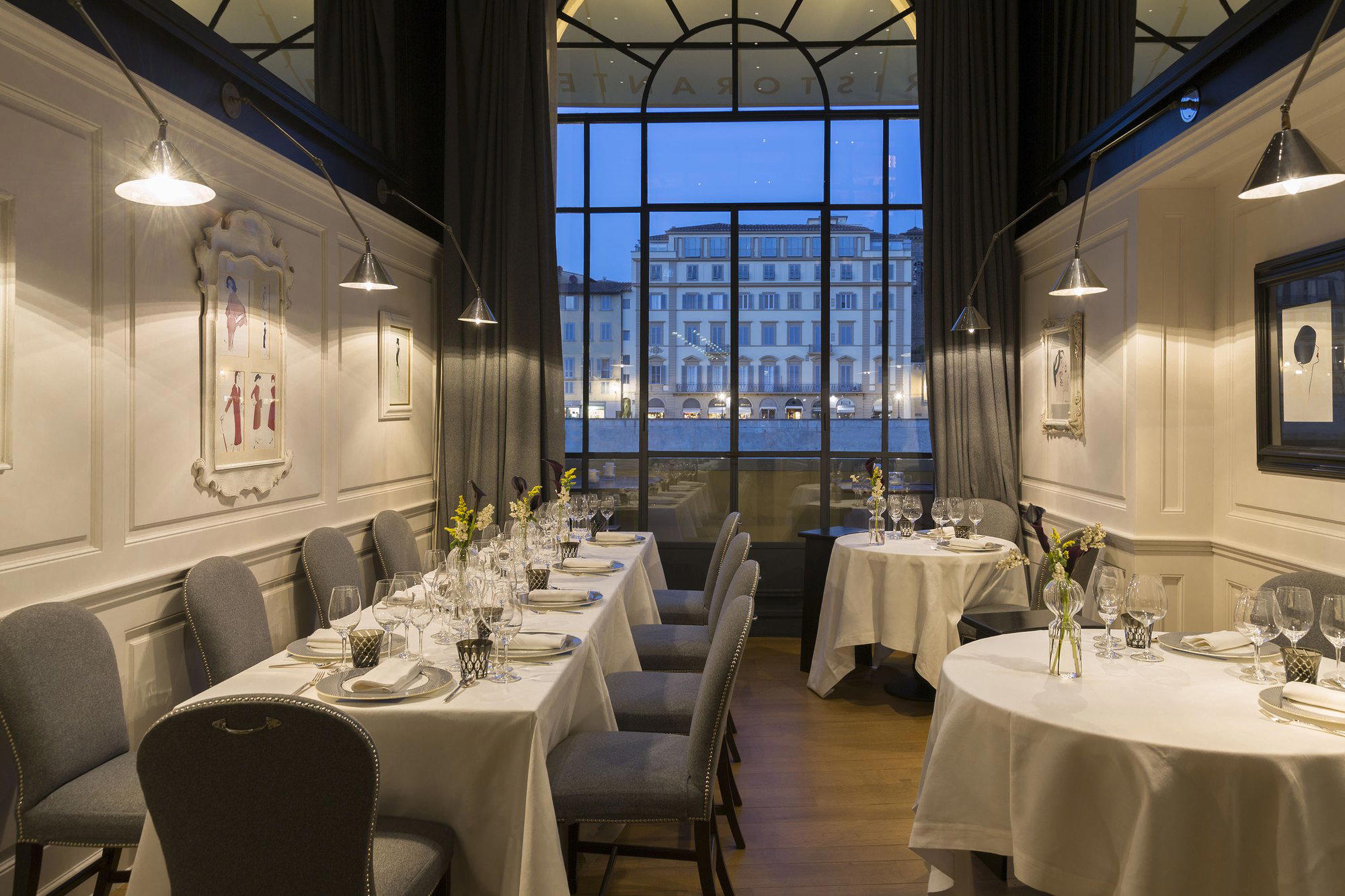
Bars in Florence
Browse all →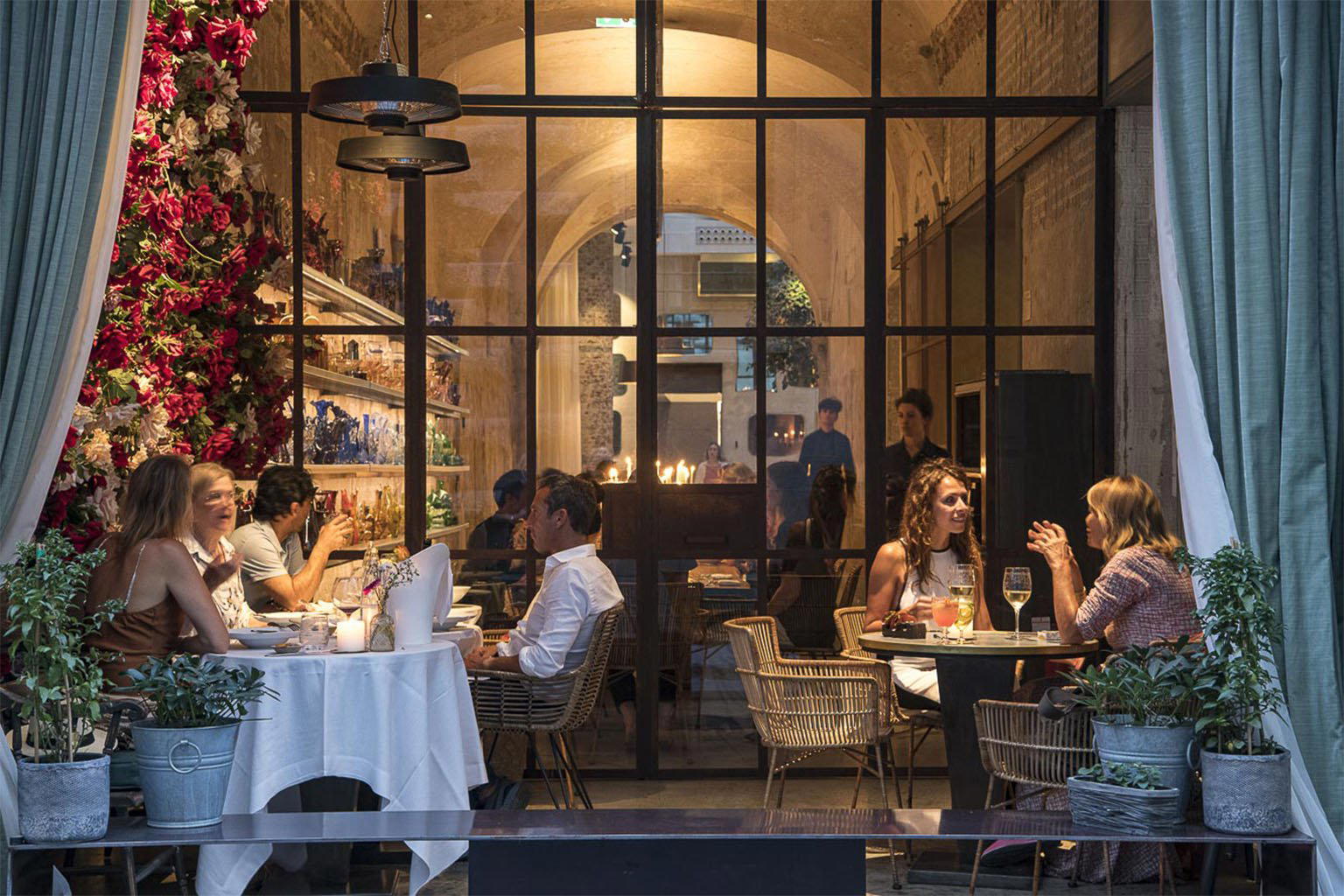
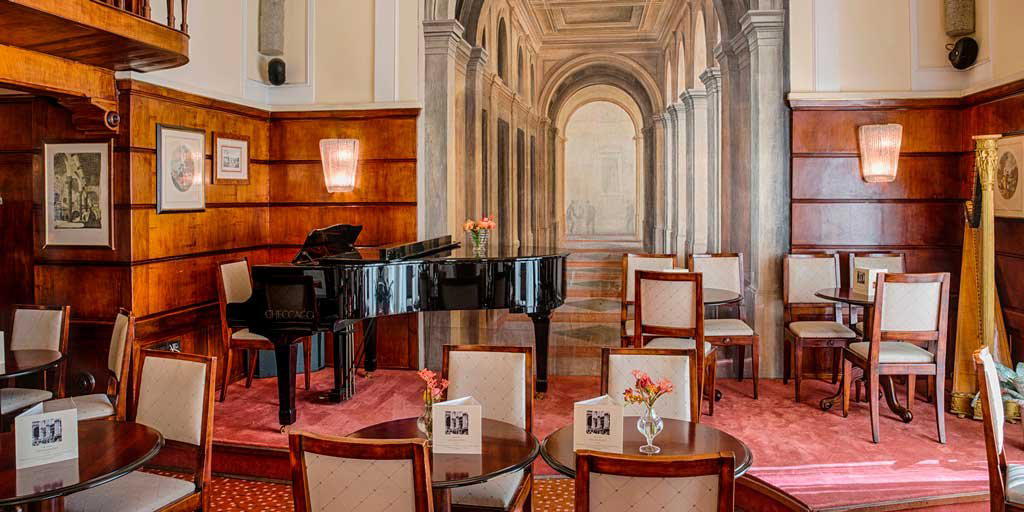
Hotels in Florence
Browse all →
At a Glance
- Rustic
- Classic
- Cozy
- Intimate
- Casual Hangout
- Historic Building
- Local Sourcing
- Street Scene
Current opening hours
- Monday
- 12–3 PM
- Tuesday
- 12–3 PM
- Wednesday
- 12–3 PM
- Thursday
- 12–3 PM
- Friday
- 12–3 PM
- Saturday
- 12–3 PM
- Sunday
- Closed
Hours can change for holidays and private events. Last verified .
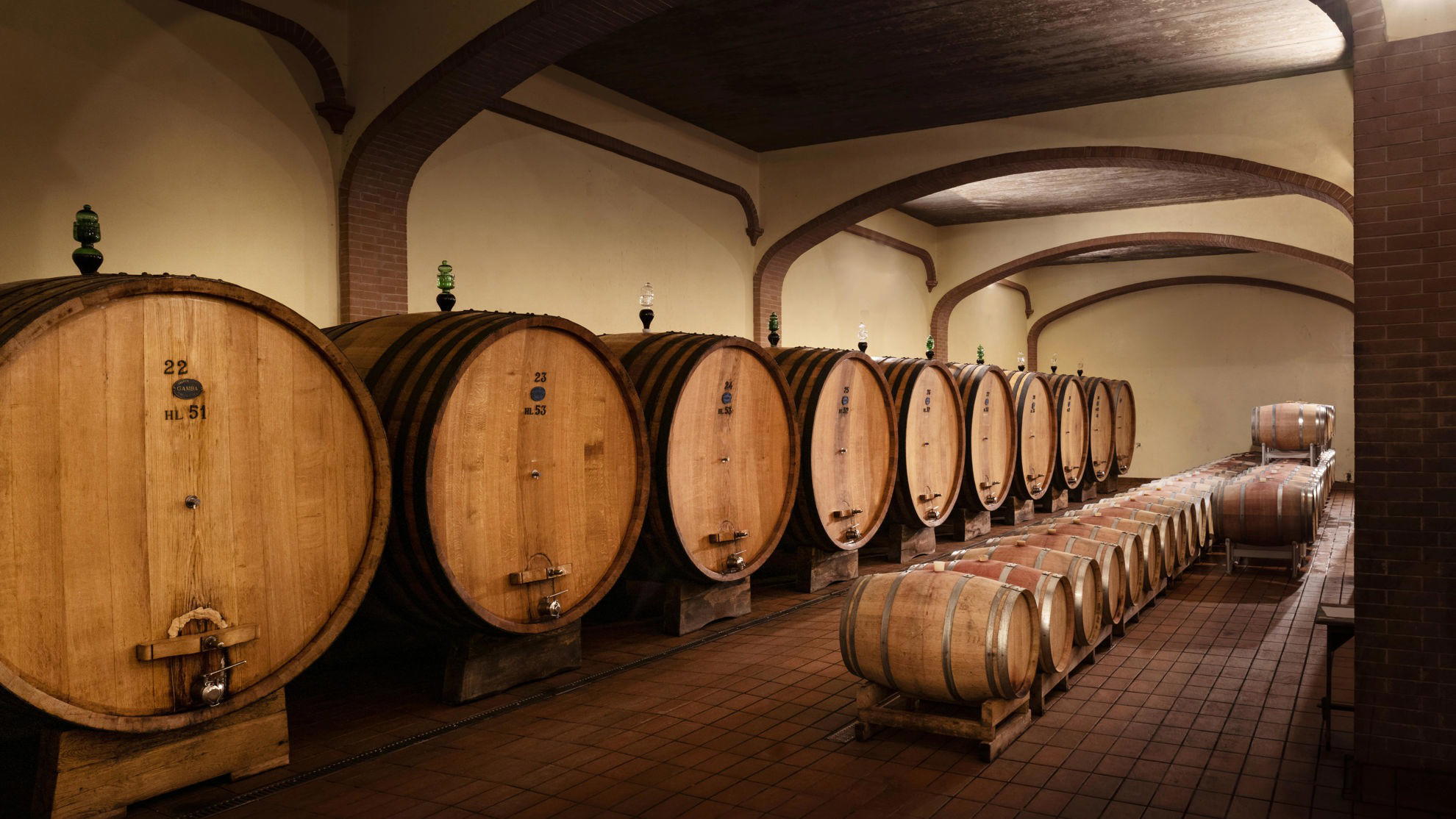
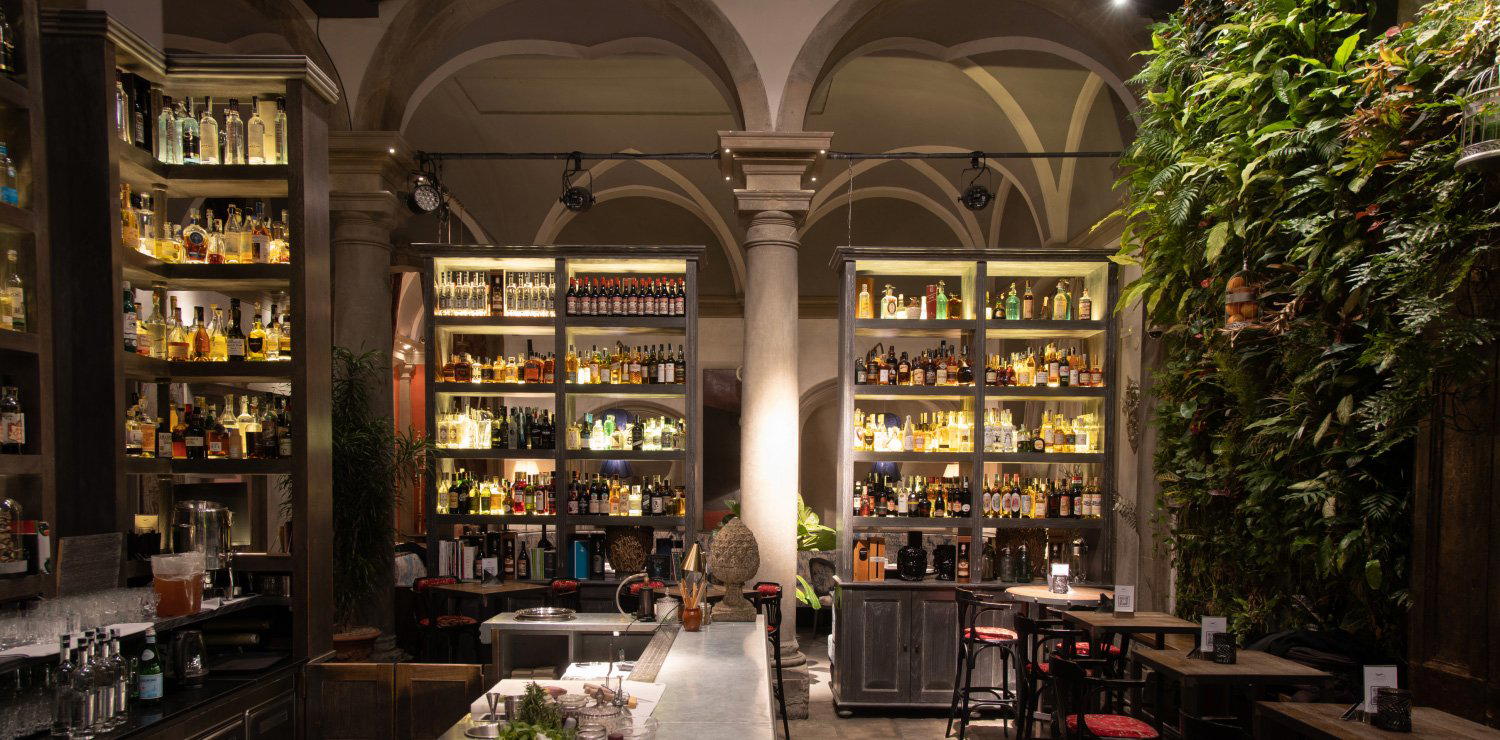
Rustic and characteristic with vaulted ceilings, 1930s wrought-iron chandeliers, and original 1800s marble tables, creating a cozy, historic Florentine atmosphere.