'E Curti Ristorante Tipico di Angela Ceriello & Co SAS
'E Curti Ristorante Tipico di Angela Ceriello & Co SAS focuses on Traditional Campania Ristorante cooking and stentinielli, with casual service and a conversational room that suits lunch or dinner.
Pearl is the En Primeur Club membership app — saves, bookings, and concierge access live there. Same editors, same standards.
- Address
- Via Padre Michele Abete, 6, 80048 Sant'Anastasia NA, Italy
- Phone
- +39 081 897 2821
- Website
- e-curti.it
- Directions
- Get directions
 Saves & bookings on Pearl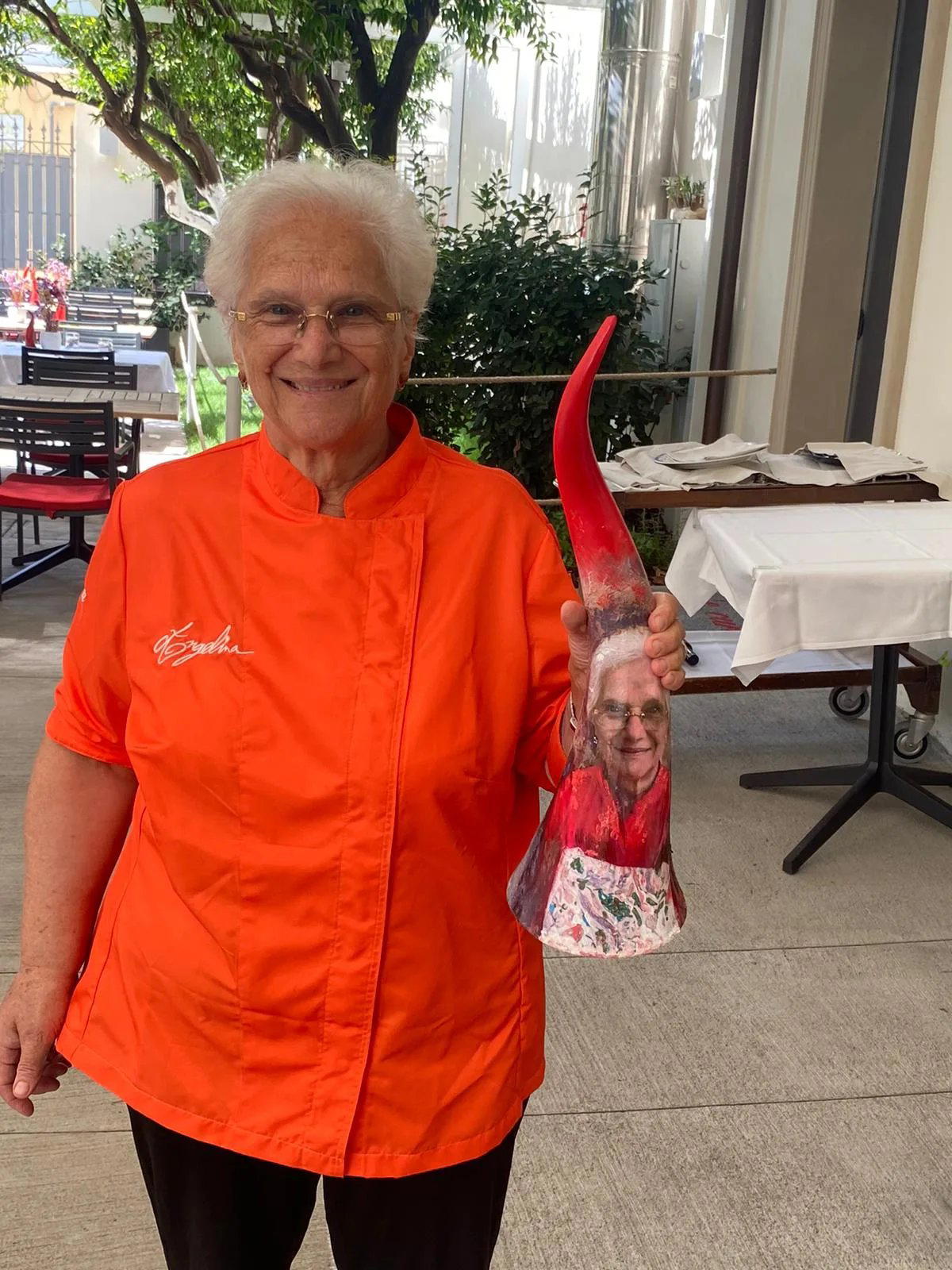
The Vesuvius Foothills as a Dining Address
Sant'Anastasia sits at the base of Vesuvius, roughly 20 kilometres east of Naples along the Circumvesuviana railway corridor. The towns in this zone, from Ercolano through to Somma Vesuviana, occupy particularly agriculturally consequential land in southern Italy. The volcanic soil here produces tomatoes, herbs, and legumes with a mineral intensity that is difficult to replicate elsewhere, and the cooking tradition that has developed around these ingredients is rooted in economy, seasonality, and technique passed through households rather than culinary schools. It is in this context that 'E Curti Ristorante Tipico di Angela Ceriello & Co SAS, on Via Padre Michele Abete in Sant'Anastasia, offers a clear view of local Campanian cooking.
This is not the Campania of grand resort dining rooms or tasting menus priced against those at Quattro Passi in Marina del Cantone. It sits in a different register entirely, one defined by the word "tipico" in its own name: typical, in the sense of rooted in place. For context on how that compares to the highest tier of Italian restaurant ambition, see venues like Osteria Francescana in Modena or Le Calandre in Rubano. 'E Curti operates at the opposite end of that spectrum, where the measure of quality is fidelity to ingredient and tradition rather than innovation for its own sake.
Where the Ingredients Come From and Why That Matters
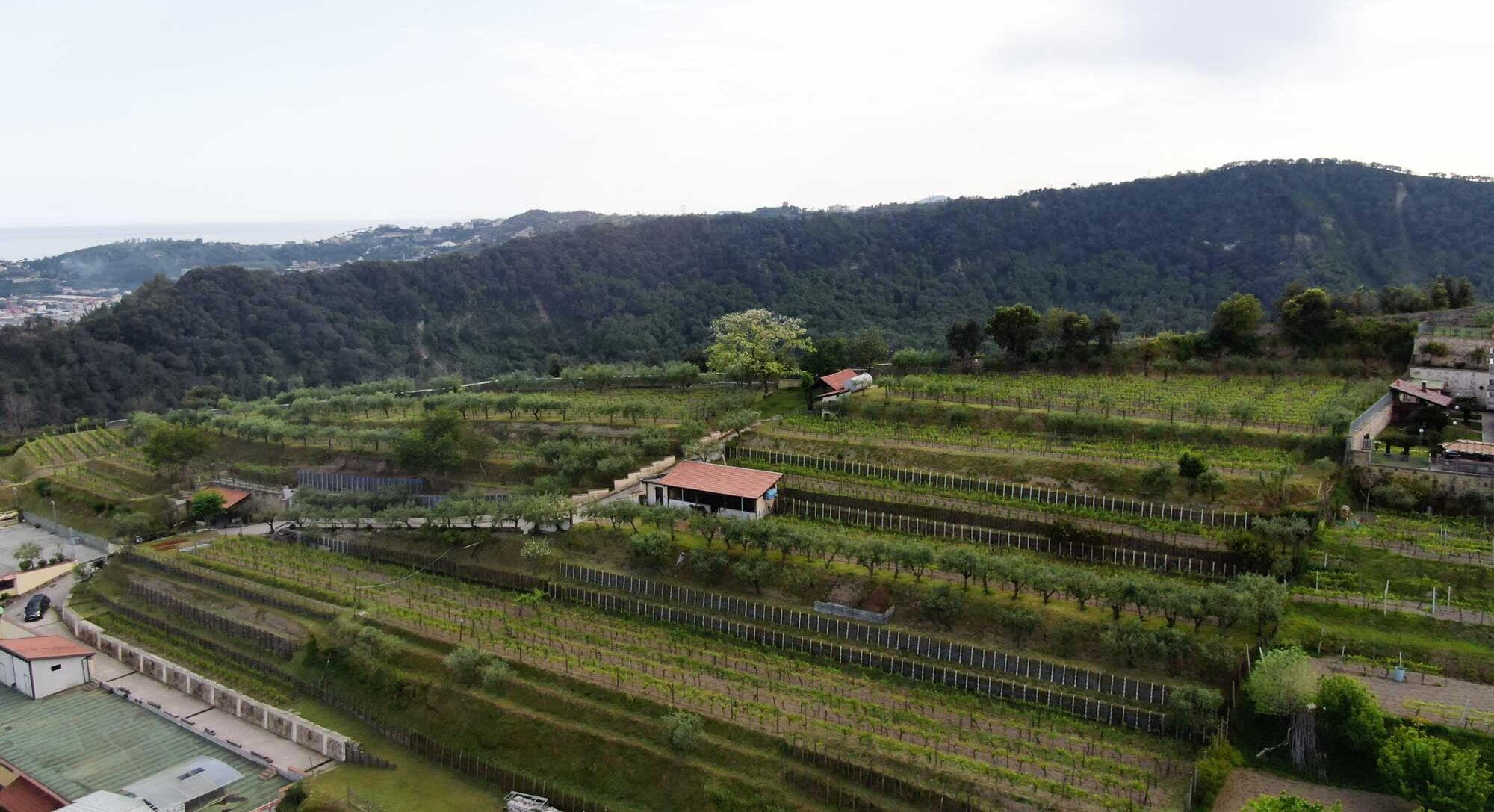
The agricultural identity of the Vesuvian foothills is not incidental to the food served in towns like Sant'Anastasia. It is the entire point. The Pomodorino del Piennolo del Vesuvio, a cherry tomato variety grown on lava-enriched terraces at altitude, carries a DOP designation precisely because its flavour profile cannot be replicated on ordinary flatland soil. The high acidity and natural sugar concentration of these tomatoes, combined with their thick skin that allows extended hanging storage, make them a foundational ingredient across the region's trattorias and family-run kitchens.
The broader Campanian pantry in this zone includes fior di latte from the nearby dairy towns of Agerola and Vico Equense (distinct from buffalo mozzarella in texture and milk source), locally cured pork products, wild herbs from the volcanic slopes, and chestnuts from higher elevations. A restaurant that describes itself as "tipico" in this geography is making an implicit sourcing claim: that the ingredients on the plate are drawn from this specific territorial network rather than from anonymous wholesale supply chains. That distinction matters to the kind of diner who travels to the Vesuvian area specifically to eat the food that belongs to it.
This stands in deliberate contrast to the approach at places like Atelier Moessmer Norbert Niederkofler in Brunico, where hyper-regional sourcing is deployed in service of a creative tasting menu format. In the trattorias of the Vesuvian towns, the same sourcing logic produces dishes that are older, less mediated, and often more direct in their flavour.
The Setting on Via Padre Michele Abete
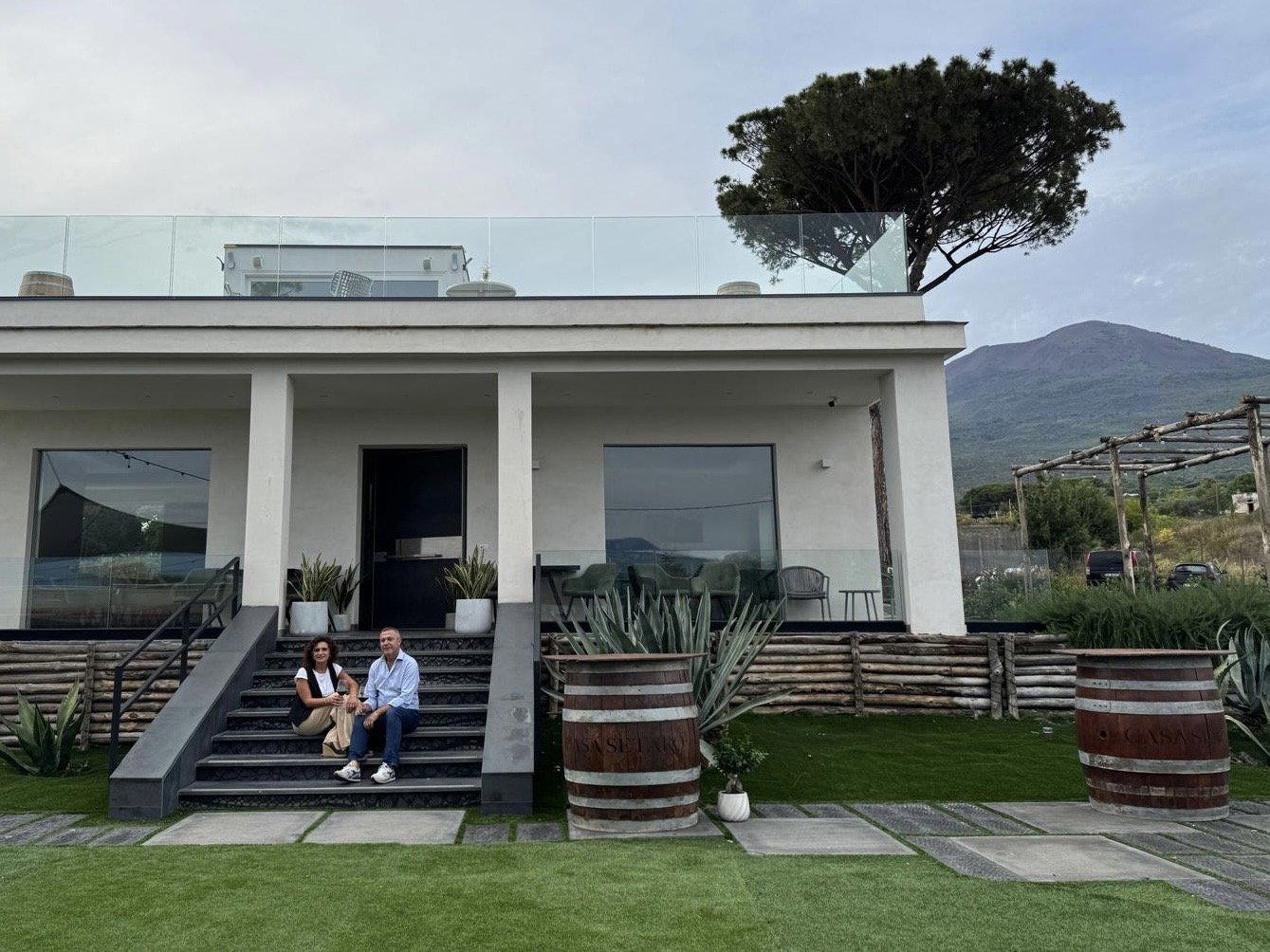
The address, Via Padre Michele Abete 6, places the restaurant within the residential and commercial fabric of Sant'Anastasia's town centre rather than on a scenic road or tourist route. This is a working neighbourhood, and the restaurant operates within it accordingly. Arriving here, you are not approaching a converted masseria with manicured grounds or a waterfront position. The architecture is modest, the surroundings are local, and the atmosphere that follows is shaped by that context: a room where the clientele is predominantly from the immediate area, where dialect is audible, and where the rhythm of service reflects a lunch or dinner pace set by regulars rather than by arriving tour groups.
That atmospheric register is significant. The Italian dining rooms that have attracted international attention, from Enoteca Pinchiorri in Florence to La Pergola in Rome, have earned their reputations in part through formal environment design. 'E Curti operates without those production values, which means the food itself carries the full weight of what draws a diner back. For visitors to the Campania region whose itinerary extends beyond Naples, and who want to understand what everyday Vesuvian cooking actually tastes like rather than what it looks like in a lifestyle photograph, this part of Sant'Anastasia functions as a more accurate reference point than any restaurant in the city centre designed with an eye toward tourist expectations.
Reaching Sant'Anastasia from Naples is direct via the Circumvesuviana line to the Sant'Anastasia stop, with journey times from Napoli Centrale running under 40 minutes depending on service. Travelling by car, the A3 motorway provides access via the Volla or San Sebastiano al Vesuvio exits. For visitors building a broader Campanian itinerary, the town can be paired logically with a visit to the Vesuvius national park or the archaeological sites at nearby Somma Vesuviana. See our full Sant'Anastasia restaurants guide for additional context on the local dining options in this zone.
Where This Fits in the Italian Dining Picture
Italy's premium restaurant tier, represented by multi-Michelin operations like Piazza Duomo in Alba, Dal Pescatore in Runate, or Uliassi in Senigallia, draws significant coverage and clear booking frameworks. The trattoria tier, by contrast, is less systematically documented despite being where most Italians actually eat when they eat out. It is also where one direct expression of regional ingredient culture tends to survive longest, because the economics of the format do not require dishes to be adapted for broad palatability or tourist preference.
Campania in particular has a dense tradition of this kind of cooking, with southern Italian kitchens at places like Gambero Rosso in Marina di Gioiosa Ionica demonstrating how seriously the region's culinary traditions are taken even outside the fine-dining framework. For those who have eaten at higher-production Italian addresses such as Reale in Castel di Sangro, Da Vittorio in Brusaporto, Enrico Bartolini in Milan, Villa Crespi in Orta San Giulio, or Casa Perbellini 12 Apostoli in Verona, and who want to understand what sits at the base of those creative pyramids, a trattoria operating in the Vesuvian agricultural zone offers a useful corrective lens. The reference point for diners arriving from international contexts, say from having eaten at Le Bernardin in New York City or Atomix in New York City, is that the simplicity here is structural rather than aspirational.
Practical Information
The restaurant operates at a fixed street address in Sant'Anastasia, reachable by Circumvesuviana train or car from Naples. The restaurant recommends reservations. Hours are Monday closed; Tuesday through Saturday 1 to 3 PM and 8 to 11 PM; Sunday 12 to 3 PM.
Quick Comparison
Comparable venues nearby, for context on price, style, and recognition.
| Venue | Cuisine | Price | Notes |
|---|---|---|---|
| 'E Curti Ristorante Tipico di Angela Ceriello & Co SASThis venue — the venue you are viewing | Traditional Campania Ristorante | $$ | Not listed |
| Ristorante da Cherubino | Traditional Venetian Trattoria | $$ | San Marco |
| Bottega Urbana | Modern Neapolitan Italian | $$ | Cercola |
| La Locanda del Postino | Traditional Italian Seafood | $$ | Marina di Corricella |
| Ristorante Da Mariano | Traditional Italian Seafood | $$ | Marina di Chiaiolella |
| Lo Scoglio | Traditional Neapolitan Seafood | $$ | Marina del Cantone |
Continue exploring
More in Sant Anastasia
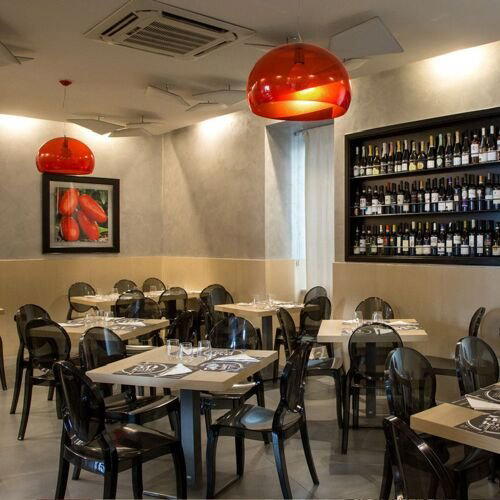
Restaurants in Sant Anastasia
Browse all →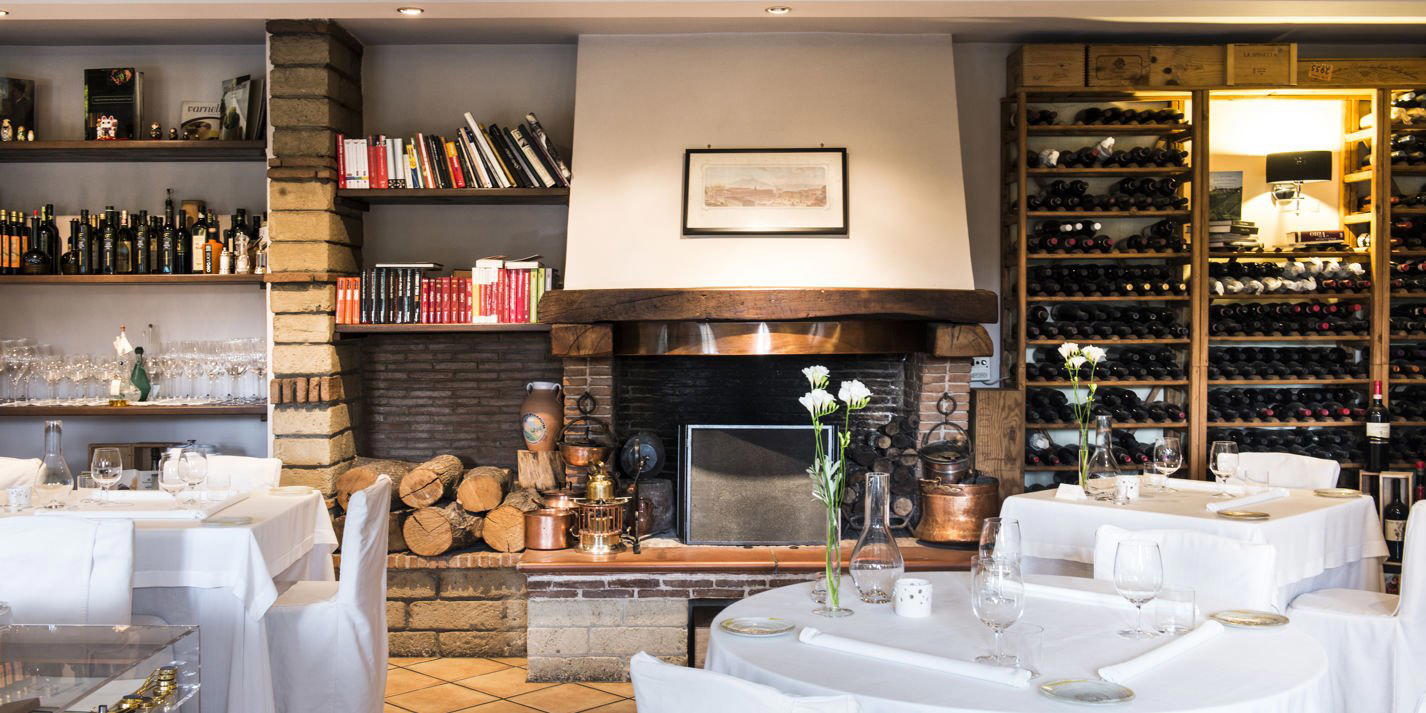
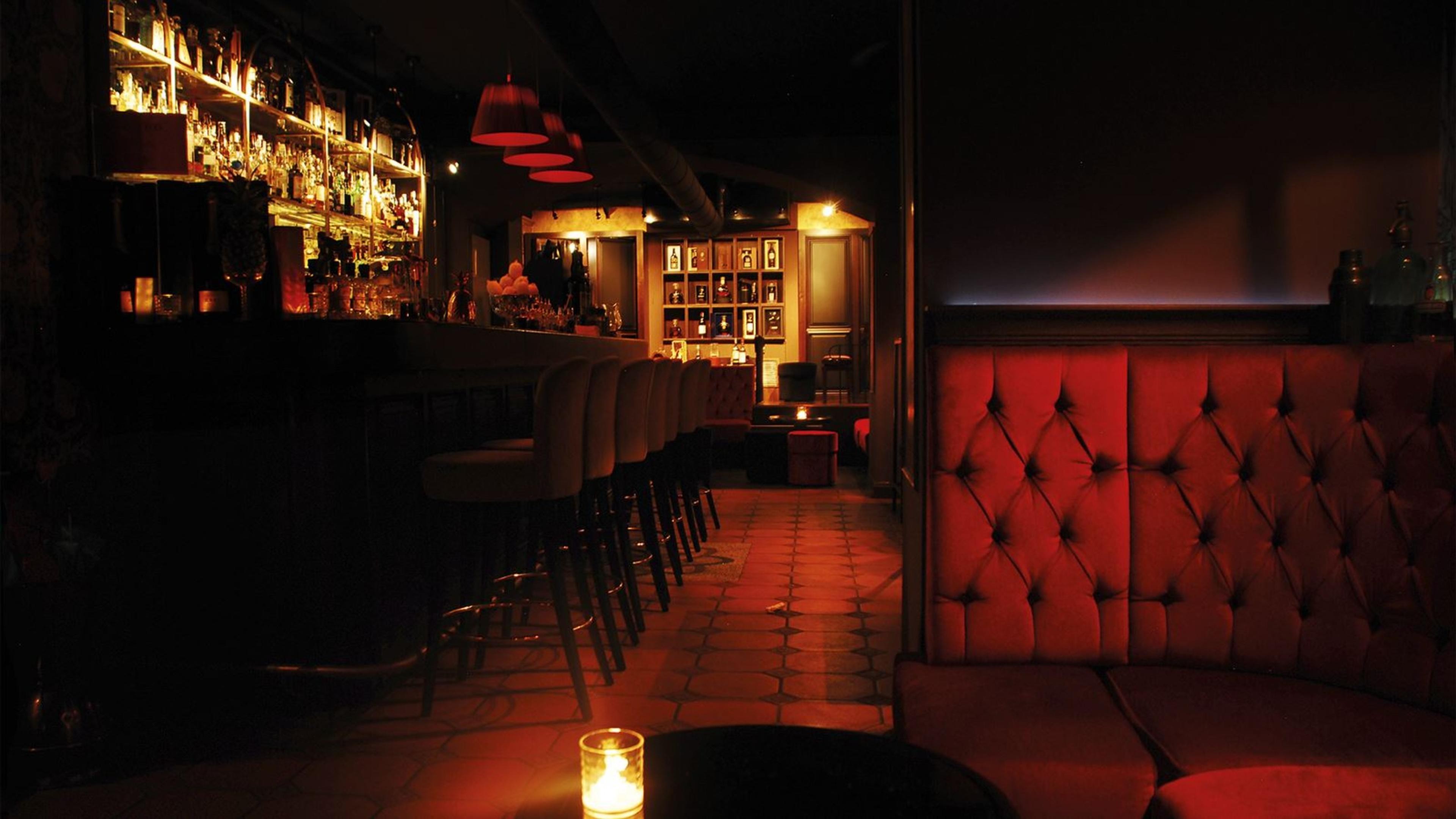
Bars in Sant Anastasia
Browse all →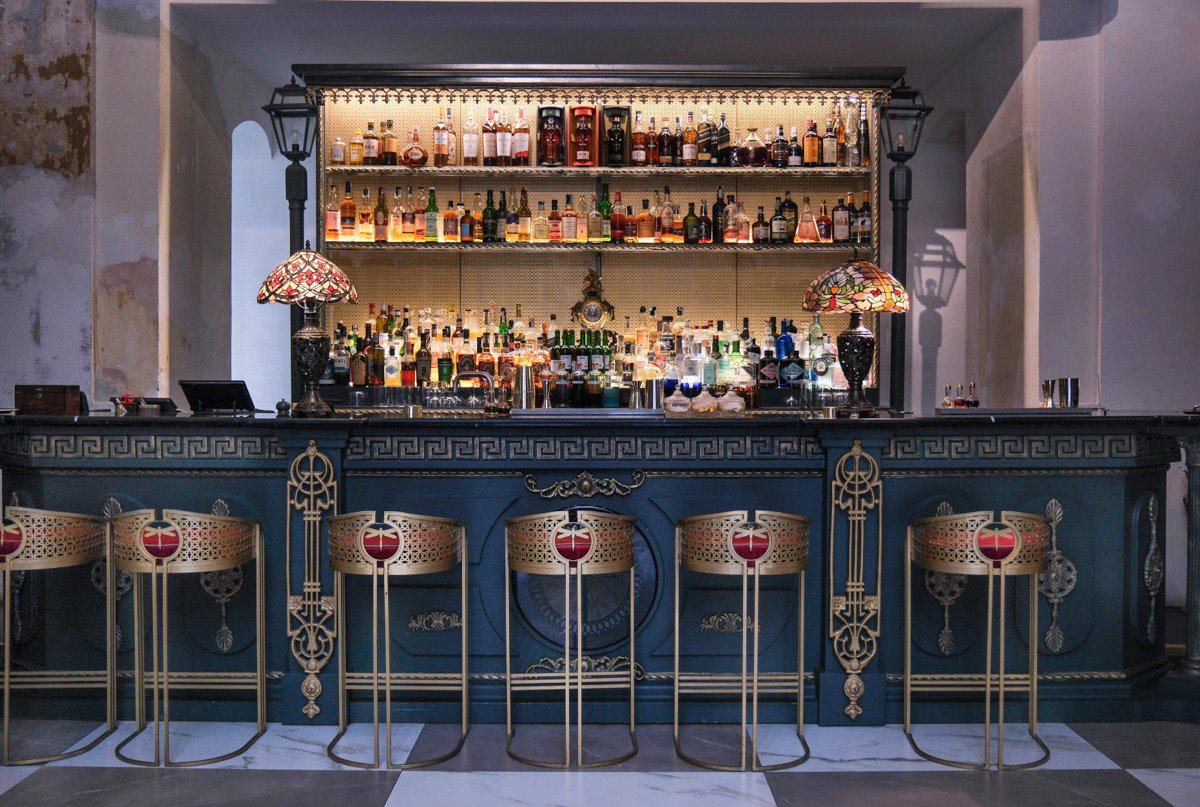
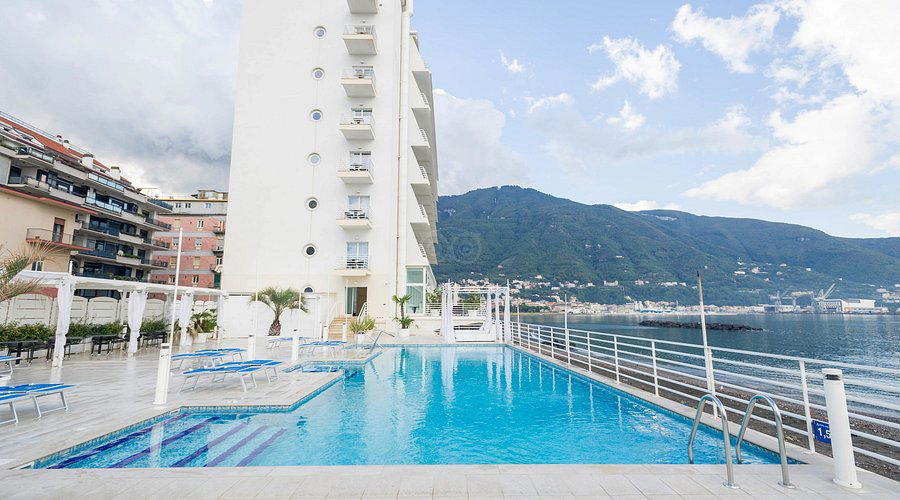
Hotels in Sant Anastasia
Browse all →
At a Glance
- Rustic
- Cozy
- Classic
- Family
- Casual Hangout
- Standalone
Current opening hours
- Monday
- Closed
- Tuesday
- 1–3 PM, 8–11 PM
- Wednesday
- 1–3 PM, 8–11 PM
- Thursday
- 1–3 PM, 8–11 PM
- Friday
- 1–3 PM, 8–11 PM
- Saturday
- 1–3 PM, 8–11 PM
- Sunday
- 12–3 PM
Hours can change for holidays and private events. Last verified .
Warm and authentic atmosphere featuring hearty traditional cooking in the heart of Sant'Anastasia.