
50 Top Pizza Italia #25
Our verdict
'O Fiore Mio has been making the case for gourmet pizza as serious Italian cooking since 2011, operating out of Faenza with a focus on high-quality ingredients, light dough, and regional identity. Chef Davide Fiorentini frames each pizza as a distillation of Italian produce and tradition, placing this Romagna address in a different tier from the average pizzeria.

Pearl is the En Primeur Club membership app — saves, bookings, and concierge access live there. Same editors, same standards.
- Address
- Via Mura San Marco, 4/6, 48018 Faenza RA, Italy
- Phone
- +39 0546 667915
- Hours
- Mon ClosedTue–Sun 7–11 PM
- Website
- ofioremio.it
- Directions
- Get directions
- Booking
- Book on the venue's website
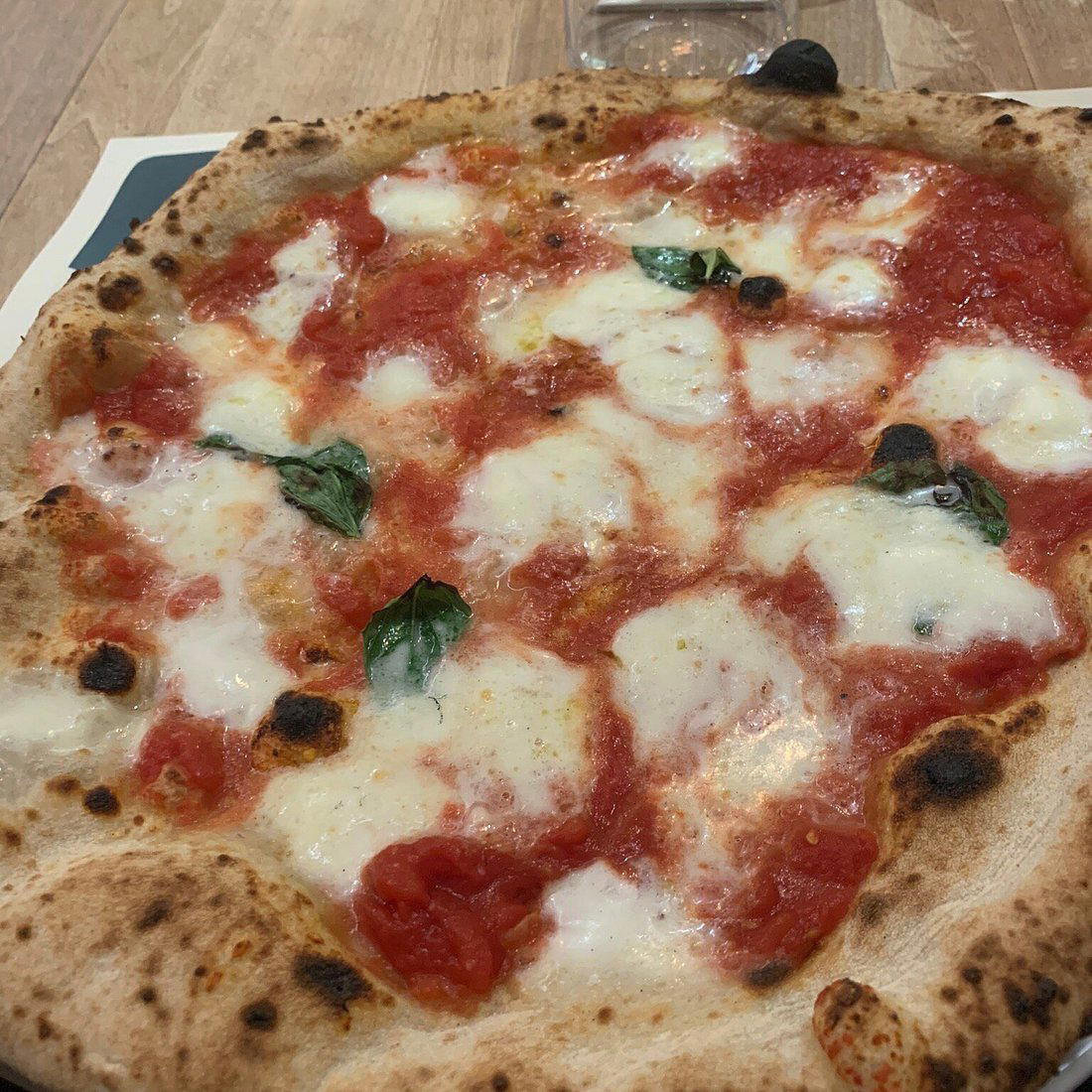
The menu
What to order
- Sourdough Pizza with Seasonal Toppings
- Margherita
- Fiore Mio
Pizza as a Position Statement
Faenza is a city defined by craft. Its ceramics tradition stretches back centuries, and the same attention to material and method shows up in how the city eats. In Emilia-Romagna, where food identity is taken with the kind of seriousness that elsewhere gets reserved for architecture or opera, a pizzeria that frames its output as "Italy in a Pizza" is making a considered argument, not a marketing slogan. 'O Fiore Mio, on Via Mura San Marco, has been making that argument since 2011, long enough that it has become part of how Faenza thinks about its own food culture.
The address itself signals something. Via Mura San Marco runs along the old city walls, a part of Faenza that moves at the pace of the town rather than for visitors. Arriving here, you are in working Romagna, not in a curated tourist corridor. The physical setting matters because it frames the register of what follows: this is local conviction, applied to pizza, with no particular interest in performing for an outside audience.
What Gourmet Pizza Actually Means in This Context
The term "gourmet pizza" gets applied loosely across Italy and internationally, but the version practiced here operates from a specific set of principles. The focus is on dough that is light rather than dense, a soft, pronounced ledge, and toppings sourced for quality rather than novelty. The underlying logic is that great pizza is an expression of Italian ingredients, and that the ideal way to honour those ingredients is to let them read clearly rather than complicate them.
This places 'O Fiore Mio in a category that has been growing steadily across Italy since the mid-2000s: pizzerias that treat the craft with the same ingredient discipline you would expect from a serious trattoria or osteria. The movement has produced some of Italy's most discussed addresses, and its influence on how pizza is understood and priced has been significant. Within Emilia-Romagna, where the default culinary reference points are fresh pasta and cured meats, this kind of rigorous pizza-making occupies a particular niche. For context on how the region's broader restaurant culture operates, see our full Faenza restaurants guide.
Chef Davide Fiorentini and the "Italy in a Pizza" Framework
Chef Davide Fiorentini has been the constant at 'O Fiore Mio since its opening in 2011. His approach is leading understood not as a chef's personal manifesto but as a position within a longer Italian debate about what pizza can carry. The phrase he uses, "Italy in a Pizza," functions as both a creative brief and a quality standard: every pizza should be readable as Italian, traceable to specific producers and regions, and constructed with the same ingredient logic that governs the country's more celebrated cooking traditions.
That framework connects this address to a wider current in Italian food culture where regional identity, artisan ingredients, and technical precision are applied to formats that were historically treated as casual. The three-Michelin-star restaurants of northern Italy, from Osteria Francescana in Modena to Le Calandre in Rubano, operate at the opposite end of the formality spectrum, but they share a foundational commitment to Italian ingredients read through a rigorous lens. Fiorentini's work at 'O Fiore Mio applies a version of that same commitment to an accessible format. Similarly, destinations like Dal Pescatore in Runate and Enoteca Pinchiorri in Florence represent the formal register of Italian culinary seriousness, while 'O Fiore Mio occupies a different but equally intentional position. Other reference points across Italy's serious restaurant culture include Atelier Moessmer Norbert Niederkofler in Brunico, Piazza Duomo in Alba, Uliassi in Senigallia, Reale in Castel di Sangro, Quattro Passi in Marina del Cantone, and Enrico Bartolini in Milan.
Faenza and Its Food Identity
Faenza sits between Bologna and the Adriatic coast, a position that gives it access to both the fat, grain-rich cooking of the Po Valley and the seafood traditions of the Romagna coast. It is a city of around 57,000 people, well known for its ceramics (faience takes its name from the city) but less prominent on Italy's food tourism map than Modena, Parma, or Bologna. That relative lack of external attention has, in some ways, kept the local food culture honest: the audience is mostly local, which means quality is tested by regular customers rather than by passing visitors.
For those spending time in Faenza beyond a single meal, the city has a coherent hospitality offer. Our guides cover hotels in Faenza, bars in Faenza, wineries near Faenza, and experiences in Faenza. For a point of comparison within Faenza's restaurant scene, La Baita represents the Emilian tradition of the city in a different register.
How to Approach a Visit
'O Fiore Mio is an address that rewards a direct approach: come with appetite, order according to what the menu signals about the day's ingredients, and do not underestimate what a well-made pizza at this level actually involves. The price point sits below the formal restaurant tier, making it one of the more accessible ways to engage with serious Italian ingredient culture in Emilia-Romagna. Booking ahead is advisable, particularly for weekend evenings, as the combination of local loyalty and a reputation that extends beyond Faenza means the room fills without depending on walk-ins. The address is at Via Mura San Marco, 4/6, Faenza, and is reachable on foot from the city centre. For those travelling more widely in search of reference-point Italian cooking, comparable international contexts include Le Bernardin in New York City and Atomix in New York City, both of which illustrate how culinary seriousness translates into formats that range from the highly formal to the more focused and spare.
Frequently asked questions
Is ‘O Fiore Mio Michelin-listed?
‘O Fiore Mio has received recognition including: A charming pizzeria in Faenza, known for its traditional and innovative gourmet pizzas since 2011. They focus on high-quality ingredients to create a light, well-stuffed pizza with a soft ledge, aiming to offer "Italy in a Pizza."; "Agisci ….
Where is ‘O Fiore Mio in Faenza?
‘O Fiore Mio is located at Via Mura San Marco, 4/6, 48018 Faenza RA, Italy, Faenza.
Is there a head chef associated with ‘O Fiore Mio?
The chef associated with ‘O Fiore Mio is Davide Fiorentini.
How hard is it to get a table at ‘O Fiore Mio?
Reservations are recommended for ‘O Fiore Mio in Faenza. Confirm current policy via the venue's official channels.
Side-by-Side Snapshot
| Venue | Cuisine | Price | Awards | Notes |
|---|---|---|---|---|
| ‘O Fiore MioThis venue — the venue you are viewing | Modern Neapolitan Sourdough Pizza | $20–30 | 50 Top Pizza Italia #25 | Not listed |
| Atelier Moessmer Norbert Niederkofler | Italian, Creative | Not listed | Michelin 3 Star | Not listed |
| Dal Pescatore | Italian, Italian Contemporary | Not listed | Michelin 3 Star | Not listed |
| Enoteca Pinchiorri | Contemporary Italian Fine Dining | $200–300 | 3 Michelin Stars · World's 50 Best #32 | Italian - French, Italian Contemporary |
| Enrico Bartolini | Creative | Not listed | Michelin 3 Star | Not listed |
| Osteria Francescana | Avant-Garde Italian Contemporary | $300–500 | 3 Michelin Stars · World's 50 Best #1 | Progressive Italian, Creative |
Recognition history
Dated appearances from independent guides and award organizations, with the underlying list record or original source where available.
50 Top Pizza Italia #25
50 Top Pizza
Full recognition history (4 entries)
50 Top Pizza World #67
50 Top Pizza
50 Top Pizza World Best Pizza #77
50 Top Pizza
50 Top Pizza Italy #31
50 Top Pizza
Continue exploring
More in Faenza
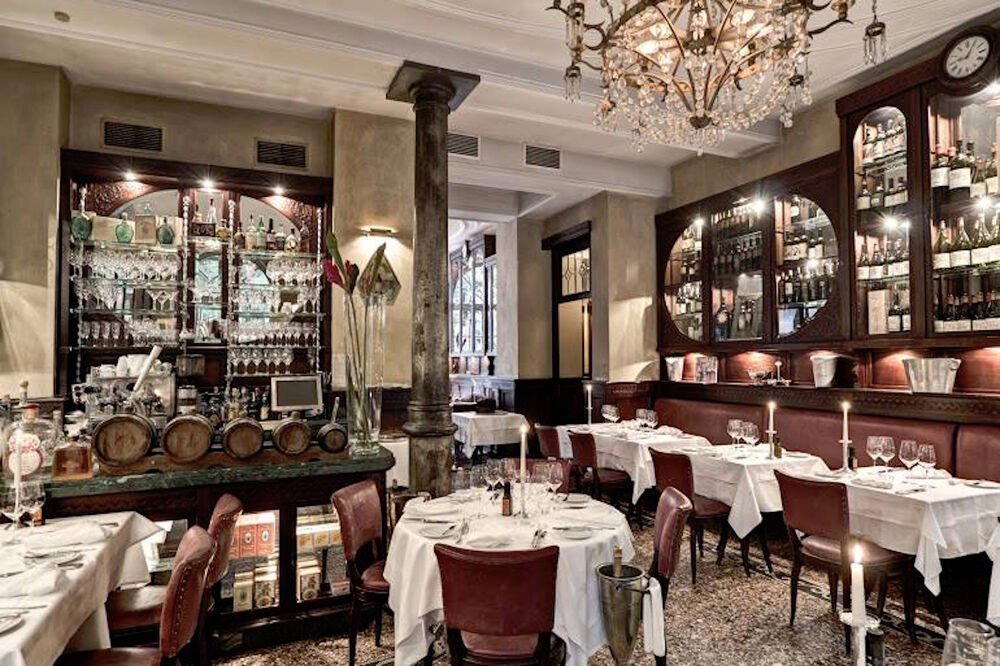
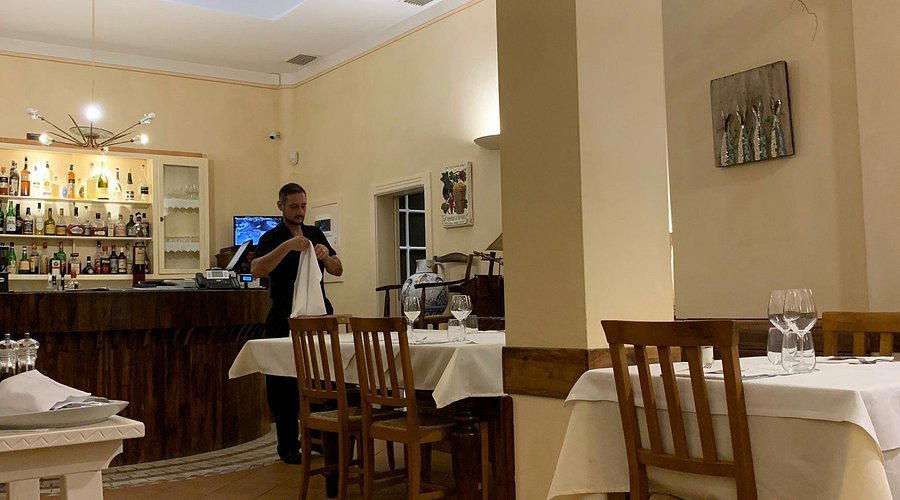
Restaurants in Faenza
Browse all →
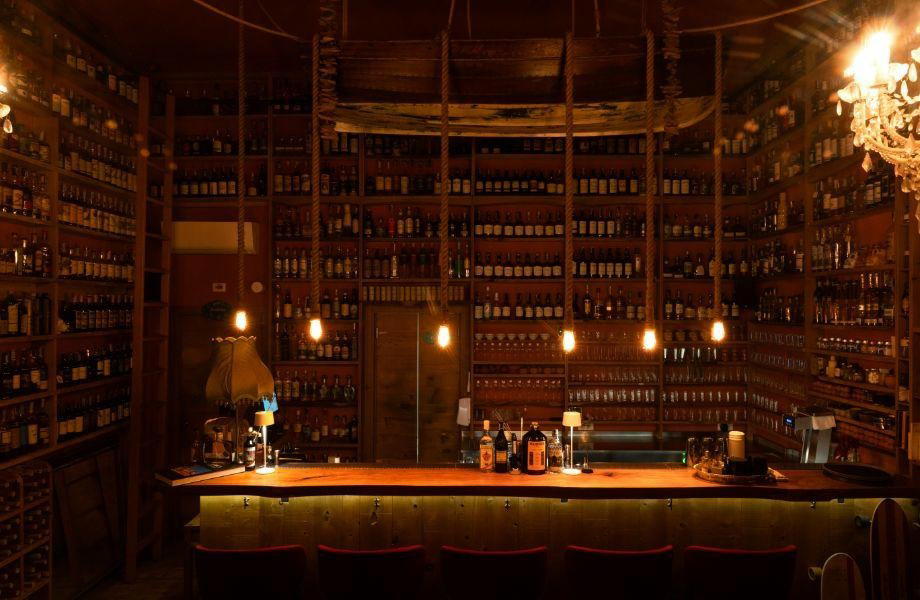
Bars in Faenza
Browse all →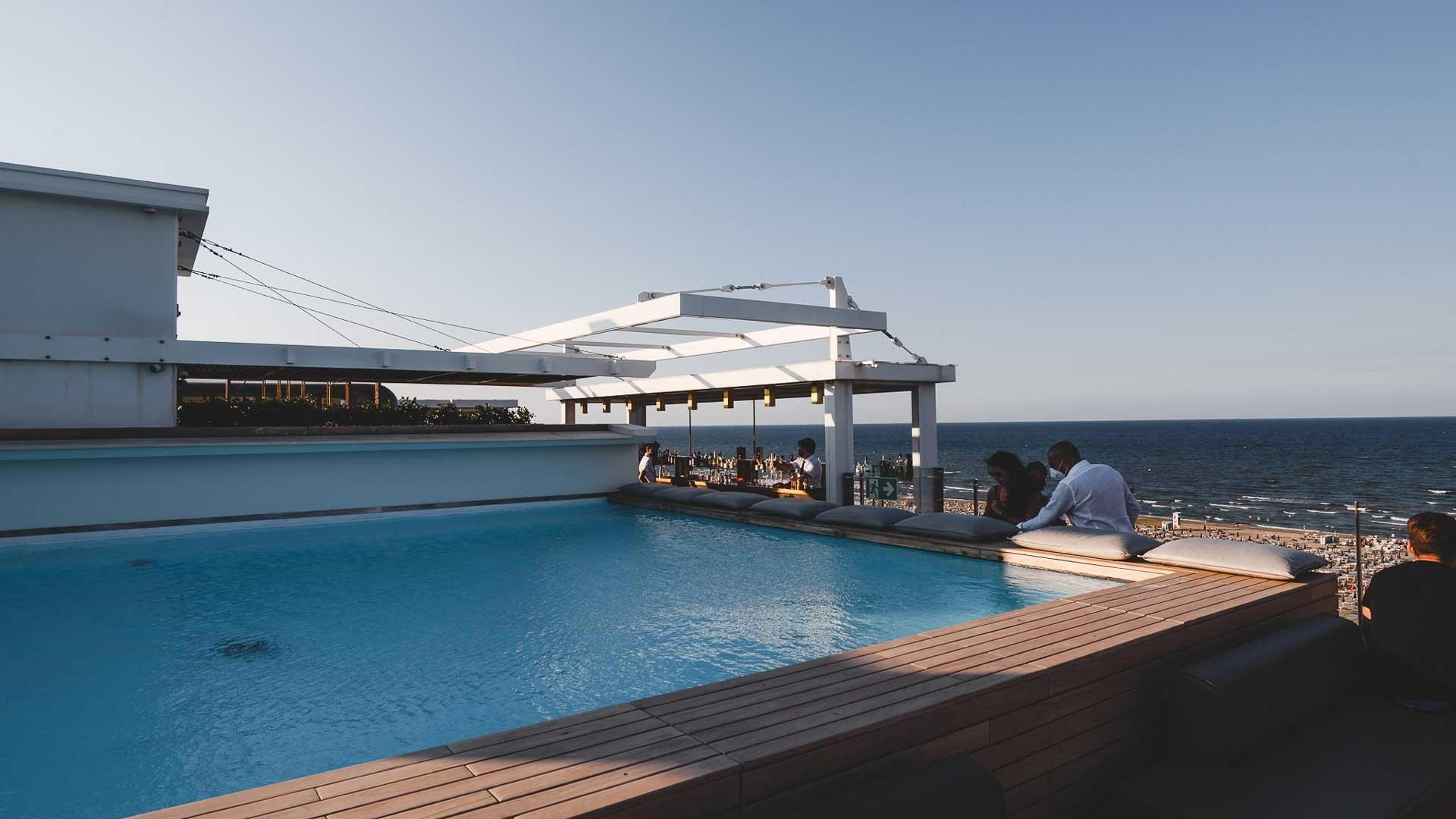
Hotels in Faenza
Browse all →

Details
- Cozy
- Lively
- Rustic
- Family
- Group Dining
- Casual Hangout
- Open Kitchen
- Local Sourcing
- Organic
- A La Carte
- Tasting Menu
- Small Plates
- Vegetarian Friendly
- Vegan Options
- Gluten Free Options
Current opening hours
- Monday
- Closed
- Tuesday
- 7–11 PM
- Wednesday
- 7–11 PM
- Thursday
- 7–11 PM
- Friday
- 7–11 PM
- Saturday
- 7–11 PM
- Sunday
- 7–11 PM
Hours can change for holidays and private events. Last verified .
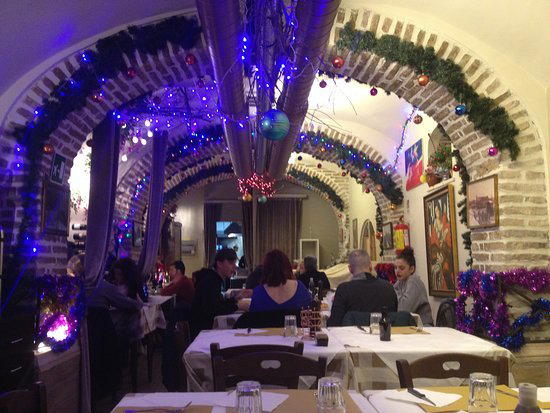
Compact room with original stone walls, practical warm lighting, and an energetic convivial atmosphere.