A neighbourhood gastronomia on the Oltrarno side of Florence, Gurdulù at Via delle Caldaie operates in a register distinct from the city's formal dining rooms. Where Enoteca Pinchiorri and Santa Elisabetta occupy the high-ceremony tier, Gurdulù draws a local crowd through consistent, ingredient-led cooking in an accessible, unpretentious setting that rewards repeat visits.
- Address
- Via delle Caldaie, 12 R, 50125 Firenze FI, Italy
- Phone
- +39 055 282223
- Website
- gurdulu.com
- Directions
- Get directions
What the Regulars Already Know
The Oltrarno district, Florence's left-bank quarter, across the Arno from the Duomo crowds, has always sustained a different kind of dining culture than the centro storico. The streets around Piazza Santo Spirito and San Frediano have historically been the preserve of workshops, artisans, and neighbourhood trattorie rather than grand hotel restaurants. On Via delle Caldaie, a short residential street running through this fabric, Gurdulù Gastronomia has established itself in exactly that grain: a contemporary Tuscan restaurant whose reputation runs more on word-of-mouth and return visits than on ceremony or press.
The regulars' perspective is one useful way to read a place like this. In a city where stronger examples from the formal dining tier, Enoteca Pinchiorri, Santa Elisabetta, and Atto di Vito Mollica, commands serious ceremony and price, there is a layer of neighbourhood-scale restaurants that locals treat as weekly resources rather than special occasions. Gurdulù occupies that layer, and what keeps people coming back to venues in that tier is rarely theatrics. It is reliability, proportion, and the sense that the kitchen is cooking for the room rather than performing for critics.
The Oltrarno Frame
Understanding what Gurdulù is requires understanding the Oltrarno's position within Florentine dining. The neighbourhood has historically resisted the kind of tourist-capture that has changed the character of eating around Santa Croce or near the Mercato Centrale. Rents have been lower, the clientele more residential, and the incentive structure different. Restaurants here have tended to calibrate around locals who eat out often and have little patience for inflated tourist menus. That calibration produces a particular style: kitchens that are attentive to seasonal supply, that build relationships with nearby producers, and that price against the competition of a Florentine eating at home rather than a tourist with no reference point.
That context distinguishes Gurdulù from the high-production-value restaurants along the Arno's north bank. Borgo San Jacopo operates from inside a luxury hotel with river views and a formal service architecture. Gucci Osteria da Massimo Bottura is a destination play, drawing on Massimo Bottura's global profile in a way that makes the room as much a statement as a restaurant. Gurdulù's competitive set is neither of those things. Its peers are neighbourhood gastronomie and modern trattorias where the test is whether the cooking is honest and consistent, not whether the room photographs well.
Gastronomia as a Format
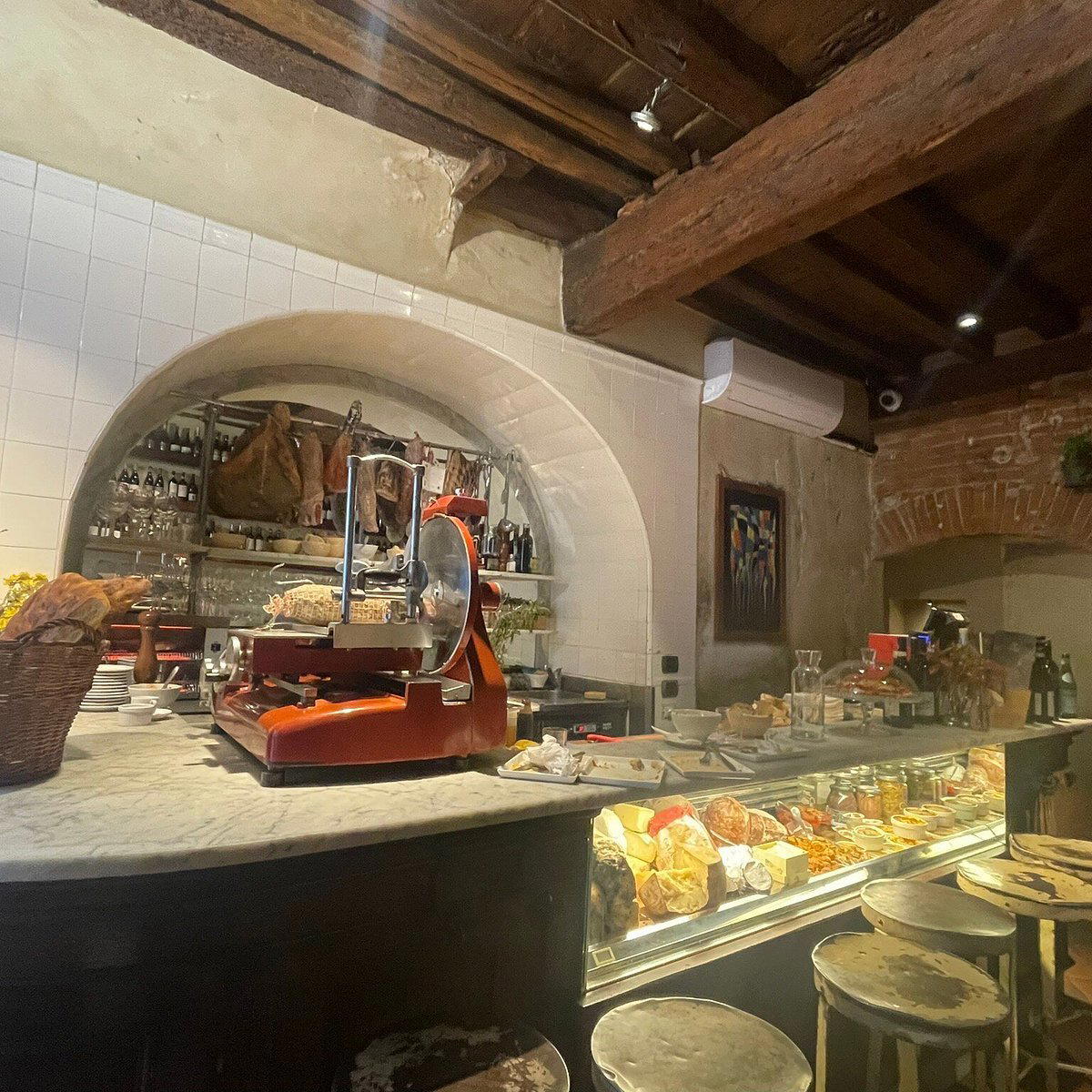
The term gastronomia in Italian carries a specific meaning. It is not a restaurant in the full-service sense, nor a simple deli. A gastronomia typically combines prepared food, available for takeaway or eat-in, with the sensibility of a kitchen that takes ingredients seriously. In Florence, that format has a history of crossover: places that function as neighbourhood provisions in the morning and sharpen into something closer to a serious lunch or dinner address by midday. This flexibility is part of the appeal for regulars, who may use the same address for a weekday lunch and a more deliberate weekend meal. The format also implies a different relationship to menu length and kitchen ambition: a gastronomia tends to offer fewer covers of higher care rather than the breadth of a trattoria trying to serve every preference.
This positions Gurdulù in a category that Italian cities outside Florence have articulated more explicitly in recent years. Northern Italy has seen a wave of serious gastronomie and osterie reposition themselves as primary destinations rather than secondaries to fine dining. Restaurants like Uliassi in Senigallia and Piazza Duomo in Alba operate at the formal end of that spectrum. Gurdulù sits at the informal end, but the underlying logic, cooking calibrated to a specific, loyal audience rather than a general tourist market, connects them.
What the Return Visits Signal
Loyalty in a neighbourhood restaurant is a harder metric to fake than a one-time review. The repeat customer has eaten through the menu across seasons, knows which dishes are the kitchen's genuine strengths, and has formed a view of how the cooking holds over time. In Oltrarno terms, that kind of loyalty tends to cluster around places where the seasonal rhythm is real rather than decorative: where the appearance of ribollita or lampredotto reflects what is actually available and priced well that week, rather than a fixed menu engineered for year-round delivery.
The comparison with more celebrated Italian restaurants is instructive. Osteria Francescana in Modena, Reale in Castel di Sangro, and Le Calandre in Rubano operate on the opposite pole: destination restaurants with international audiences, long booking windows, and tasting menus built for visitors making a once-in-a-year (or once-in-a-career) visit. Those restaurants exist to create a peak experience. A neighbourhood gastronomia like Gurdulù exists to be reliable across fifty visits. Both are legitimate functions. They are just answering different questions.
Internationally, the informal neighbourhood address that rewards regulars over tourists has equivalents in cities with mature dining cultures. Lazy Bear in San Francisco and Le Bernardin in New York City each have their own loyal constituency, though both operate at a price and formality level far removed from Via delle Caldaie. The point is structural: all serious dining cities eventually produce a stratum of places where regulars are the primary audience, and that stratum typically does particularly honest cooking in the city.
Planning a Visit
Via delle Caldaie sits in the southern Oltrarno, walkable from Piazza Santo Spirito in a few minutes and reachable from the centro storico on foot across the Ponte Vecchio or Ponte alla Carraia. The address is residential rather than touristic, which means the practical details of a visit differ from booking at a hotel restaurant. Specific current hours, reservation requirements, and pricing are best confirmed directly with the restaurant ahead of arrival, as neighbourhood gastronomia formats often shift seasonally. For the broader context of where Gurdulù sits within Florence's full dining range, from the neighbourhood tier through to the city's formal Michelin-level addresses, Dal Pescatore in Runate, Quattro Passi in Marina del Cantone, Atelier Moessmer Norbert Niederkofler in Brunico, Enrico Bartolini in Milan, and Casa Perbellini 12 Apostoli in Verona each represent a different facet of how Italian regional cooking is being articulated at the serious end of the market.
Budget and Context
Comparable venues nearby, for context on price, style, and recognition.
| Venue | Cuisine | Price | Notes |
|---|---|---|---|
| Gurdulù GastronomiaThis venue — the venue you are viewing | Santo Spirito, Contemporary Tuscan | $$ | Not listed |
| C.BIO - Cibo, buono italiano e onesto | Ricorboli, Organic Italian Deli | $$ | Not listed |
| Ristorante Ricchi | Not listed | $$ | Santo Spirito, Traditional Tuscan Italian |
| Ditta Artigianale | Not listed | $$ | San Niccolo, Specialty Coffee & Gin Bar with Italian Cafe |
| Osteria Santo Spirito | Not listed | $$ | Santo Spirito, Traditional Tuscan Trattoria |
| BABAE | Santo Spirito, Modern Italian Bistro | $$ | Not listed |
Continue exploring
More in Florence
Restaurants in Florence
Browse all →
Bars in Florence
Browse all →
Hotels in Florence
Browse all →
At a Glance
- Sophisticated
- Cozy
- Retro
- Elegant
- Casual Hangout
- Date Night
- Group Dining
- Open Kitchen
- Standalone
- Extensive Wine List
- Craft Cocktails
- Farm To Table
- Local Sourcing
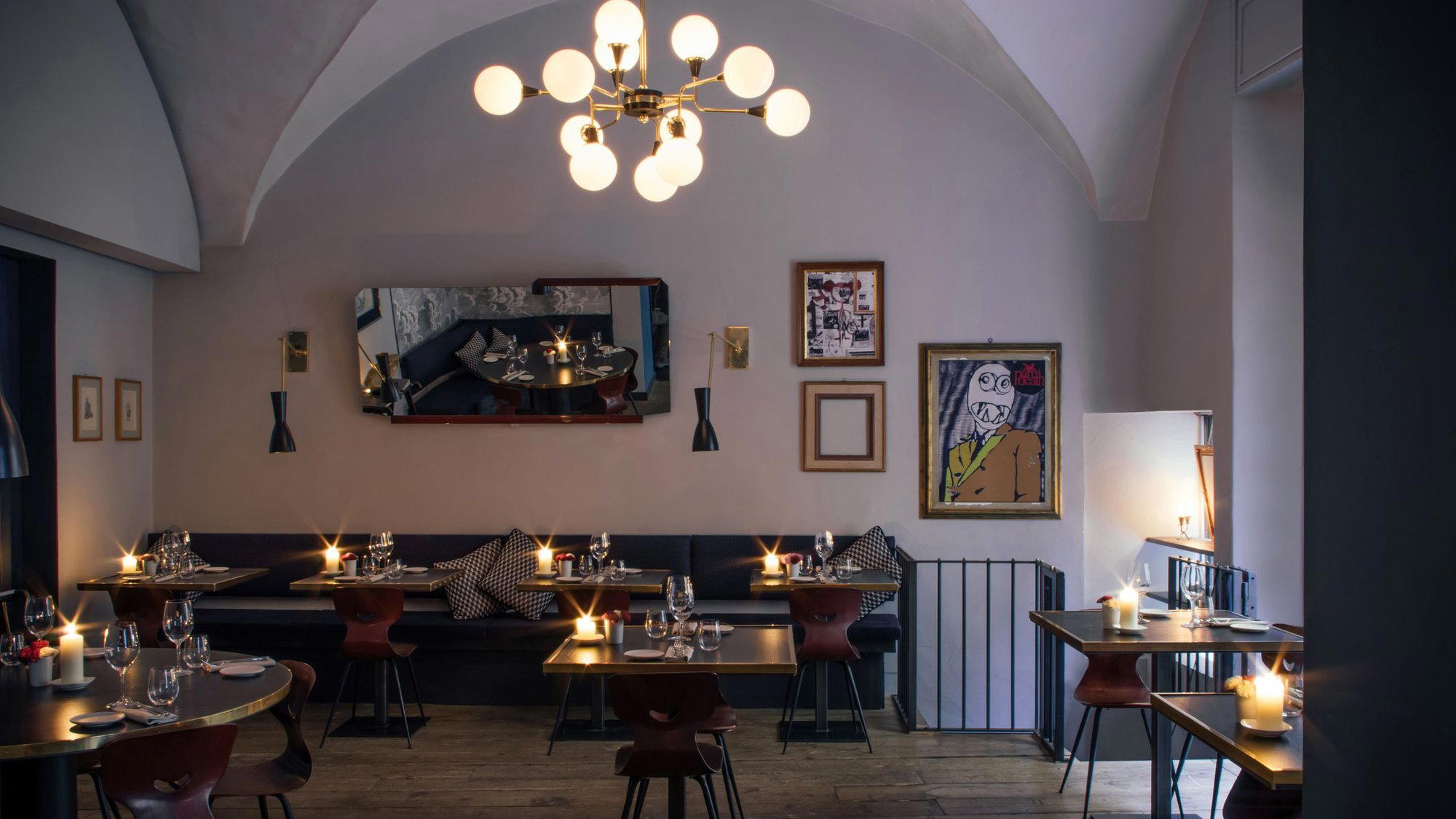
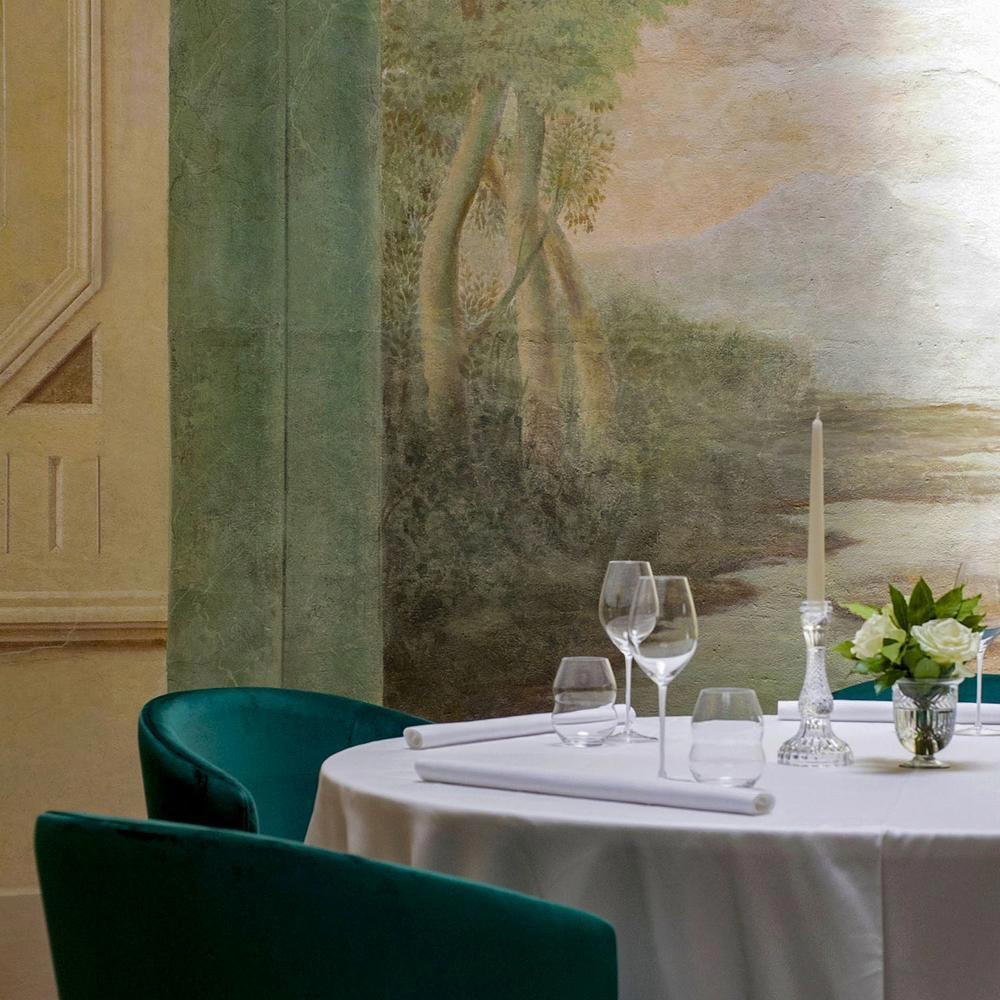
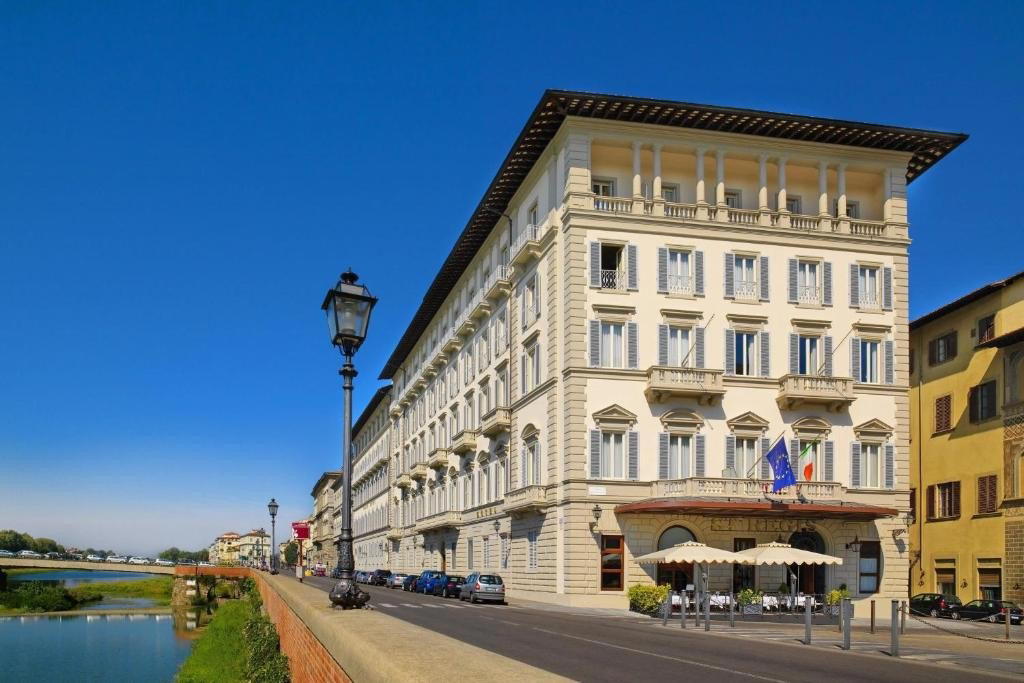
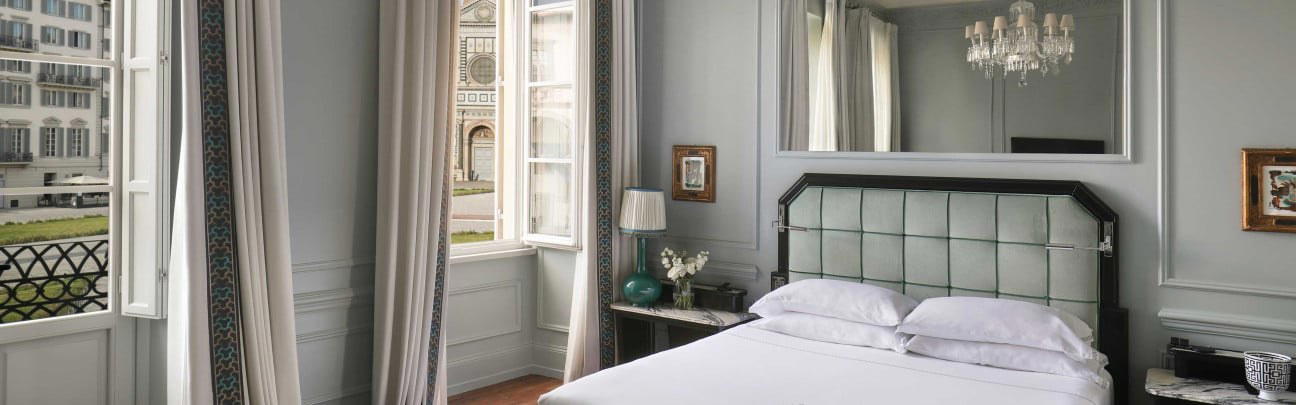
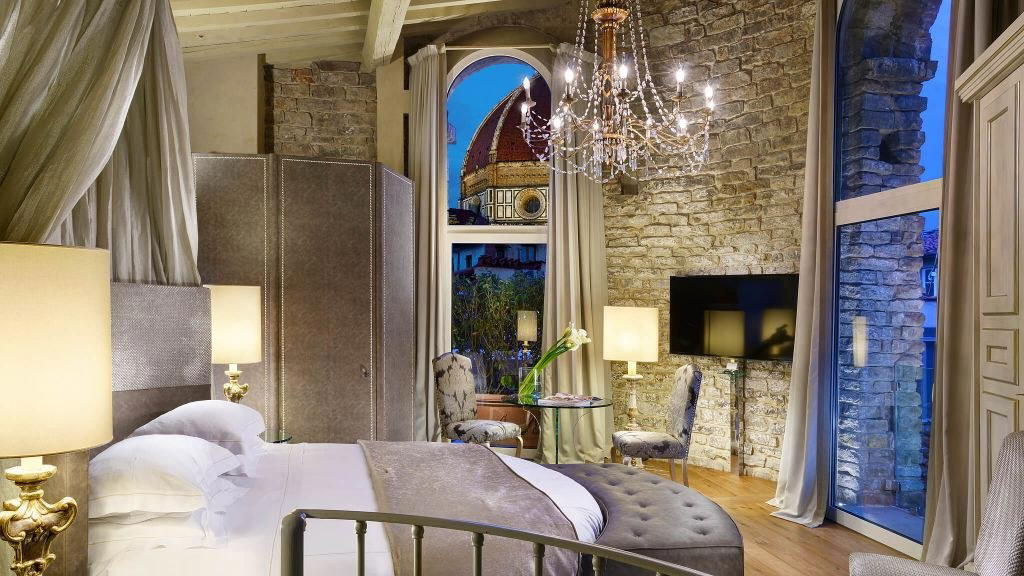
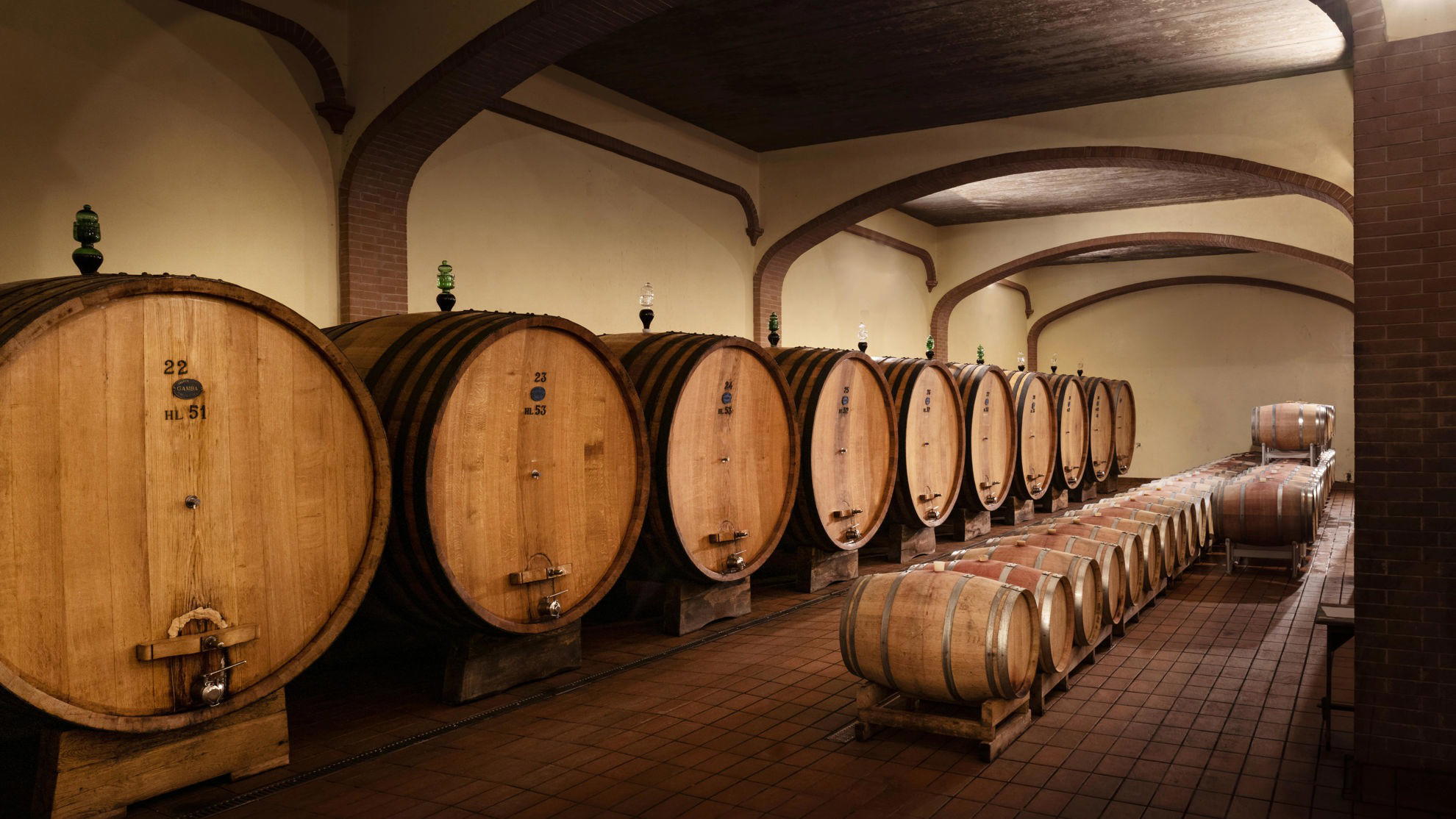
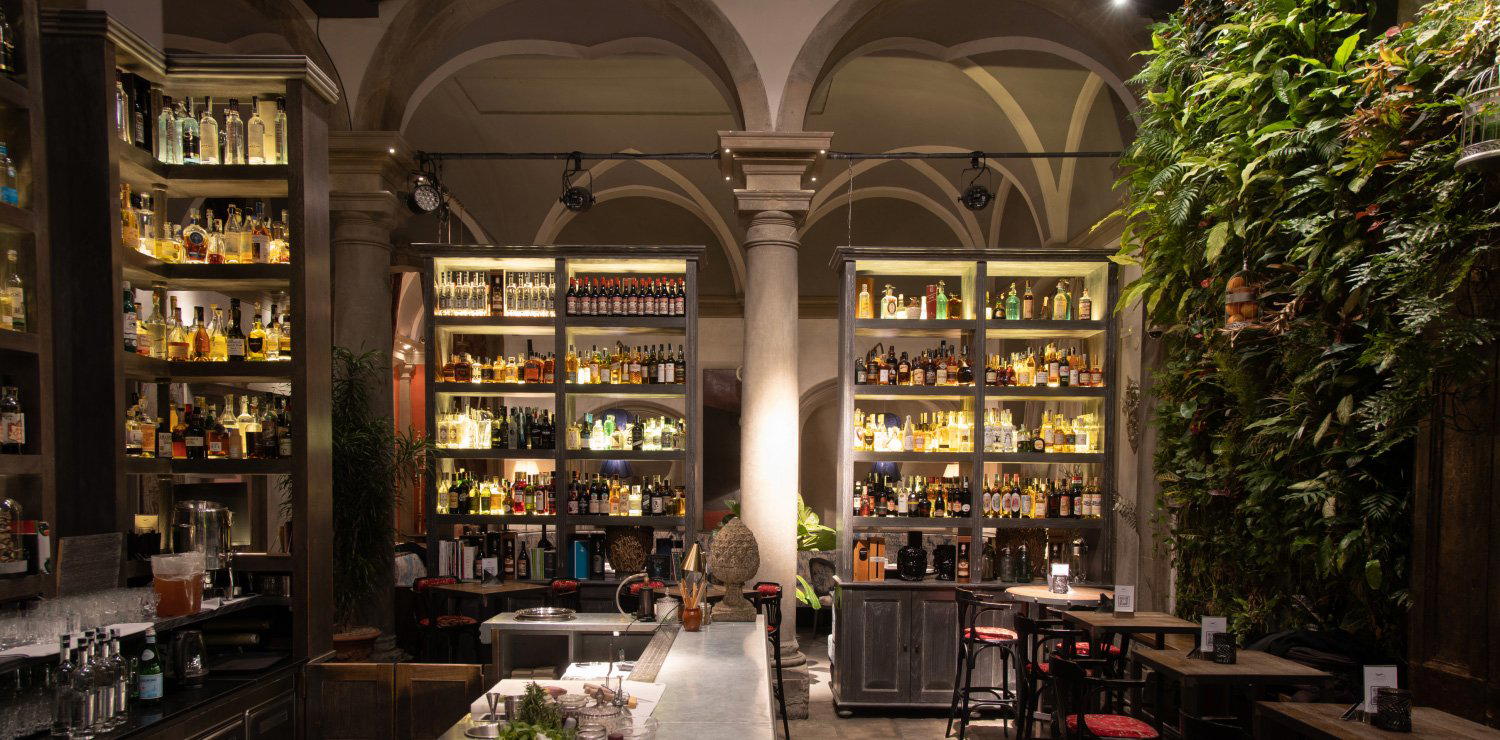
Laid-back yet stylish with retro sophistication; moody blue tones, 1950s-style brass lamps, and an inviting interior that balances contemporary elegance with vintage charm.