On Trieste's working waterfront, Trattoria Alla Sacchetta occupies a place in the city's older, less-celebrated dining register: neighbourhood trattoria with roots in the Adriatic kitchen, where the sourcing is local, the format is unfussy, and the agenda is the catch rather than the concept. It sits apart from the fine-dining tier represented by Harry's Piccolo, and closer in spirit to the port's own rhythm.
Pearl is the En Primeur Club membership app — saves, bookings, and concierge access live there. Same editors, same standards.
- Address
- Riva Tommaso Gulli, 2, 34123 Trieste TS, Italy
- Phone
- +393940303098
- Website
- allasacchetta.com
- Directions
- Get directions
 Saves & bookings on Pearl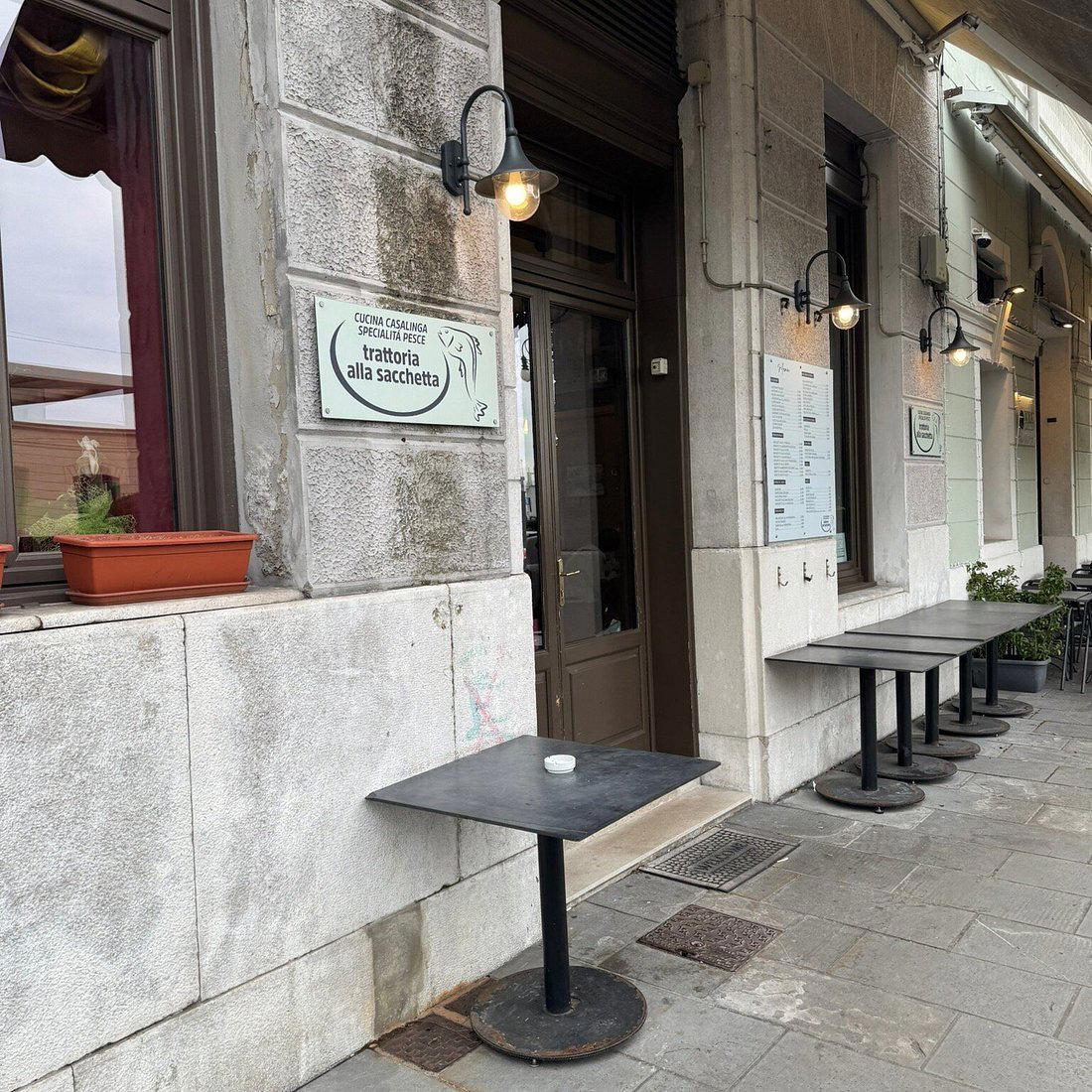
Where the Port Eats: Trieste's Trattoria Tradition
Trieste does not fit neatly into Italian dining narratives. The city's geography, pressed between the Karst plateau and the Adriatic, and its history as the Habsburg empire's principal seaport, produced a food culture that borrows from Friuli, from the Veneto, from Istria and Slovenia, and from the sea directly in front of it. The result is a restaurant scene that resists easy categorisation. At the upper end, places like Harry's Piccolo apply contemporary technique to that hybrid tradition. At the other end, a clutch of neighbourhood trattorias and osterie operate on a simpler principle: source from the market, cook to the season, serve without ceremony. Trattoria Alla Sacchetta, on Riva Tommaso Gulli along the waterfront, belongs to the latter register.
The address matters. Riva Tommaso Gulli runs along the edge of the city's old working port, a stretch of quay that still carries the memory of commerce and catches rather than tourism. Arriving here, you are not in the polished centro historico; you are at the margin where the city faces the water directly. The light off the Gulf of Trieste in the afternoon is flat and salt-white, and the sound is the intermittent percussion of rigging and wake. It is the kind of address that, in port cities across the Adriatic, has always been where direct seafood kitchens took root, not because of scenery, but because of proximity to supply.
The Adriatic Kitchen and What Ethical Sourcing Looks Like Here
In the current moment, when restaurants across Italy's northern Adriatic coast are recalibrating their sourcing credentials, the trattoria format carries its own built-in argument for restraint. The model is inherently low-waste by design: small menus that turn with the day's market, simple preparation that does not require elaborate mise en place, and a guest expectation shaped by price point rather than spectacle. This is not the same as the formal sustainability programs adopted by destination restaurants, the kind visible at Atelier Moessmer Norbert Niederkofler in Brunico, where ethical sourcing is a publicly stated structural principle, but it is a different expression of the same underlying logic.
Trieste's fish market, the Mercato Ittico, remains one of the more active points of direct supply between local fishing boats and the city's kitchens. The species that appear in harbour on a given morning in spring, scampi, branzino, canoce (the flat-headed mantis shrimp that are particular to the upper Adriatic), various bivalves, are the same species that historically defined the cooking of this coast. The trattoria format, when it functions at its most coherent, operates as a narrow conduit between that market and the table, without the intermediary steps that accumulate in more complex kitchens. That proximity to supply is what separates a place like Alla Sacchetta from the broader Italian seafood restaurant category, where sourcing geography is often vague and menus are frequently designed to perform regionality rather than practise it.
For context on what the upper end of the Italian seafood tradition looks like, Uliassi in Senigallia and Quattro Passi in Marina del Cantone demonstrate how Adriatic and Tyrrhenian sourcing can carry formal recognition. The trattoria model operates several tiers below that register, but the underlying supply relationship, local, seasonal, catch-dependent, is often more direct.
Where Alla Sacchetta Sits in Trieste's Dining Structure
Trieste's mid-market dining operates between two poles. On one side, the wine-bar culture of the buffet and osmiza, the informal Karst wine houses that open seasonally in the hills above the city, represents the rooted, low-intervention eating in the region. On the other, the formal restaurants of the waterfront and centro apply structure to the same local ingredients. Trattoria Alla Sacchetta occupies the middle ground: more composed than an osmiza, less formal than Al Bagatto, which operates at the upper end of Trieste's seafood-restaurant tier at the €€€ price point.
Within the waterfront specifically, the comparison set includes Ai Fiori and Al Civicosei, both of which draw from the same Adriatic larder but with different format registers. Ai 3 Magnoni represents a comparable neighbourhood-trattoria pitch. What distinguishes the positions within this tier is less a question of ingredient quality than of how much the kitchen imposes on the raw material. Alla Sacchetta's address on the working quay suggests a bias toward minimal intervention, the trattoria model at its most functionally direct.
For readers building a full picture of Italian dining beyond Trieste, the range runs from neighbourhood trattorias of this kind through mid-tier regional specialists to three-Michelin-star destinations like Osteria Francescana in Modena, Le Calandre in Rubano, Piazza Duomo in Alba, Enoteca Pinchiorri in Florence, Enrico Bartolini in Milan, Dal Pescatore in Runate, and Reale in Castel di Sangro. The contrast clarifies what the trattoria format offers and what it doesn't attempt.
Planning Your Visit
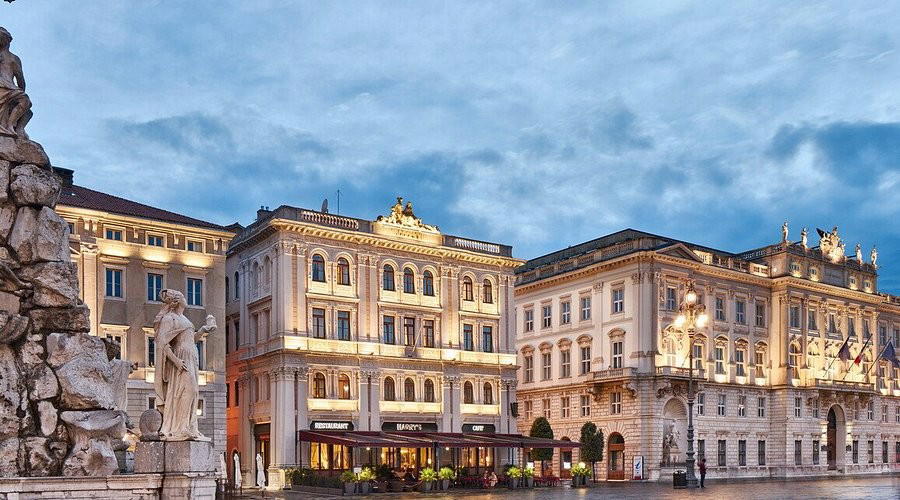
Trattoria Alla Sacchetta is located at Riva Tommaso Gulli, 2, along Trieste's old port waterfront, walkable from the central Piazza Unità d'Italia in under ten minutes. For current hours, booking requirements, and seasonal availability, the restaurant is open Monday, Thursday through Sunday from 11 AM to 3 PM and 6 PM to 11 PM, and closed Tuesday and Wednesday. Reservations are recommended. Trieste's trattoria circuit tends toward lunch service on weekdays aligned with the fish market's morning activity, with weekend dinners drawing higher demand. For broader orientation to the city's dining scene, EP Club's full Trieste restaurants guide maps the range from neighbourhood trattorias to the formal end of the waterfront.
The Essentials
Comparable venues nearby, for context on price, style, and recognition.
| Venue | Cuisine | Price | Notes |
|---|---|---|---|
| Trattoria Alla SacchettaThis venue — the venue you are viewing | Not listed | $$ | Not listed |
| Caffè San Marco | Centro Storico, Italian Café & Pastry | $$ | Not listed |
| Bianco | Authentic Neapolitan Pizza | $$ | Not listed |
| Alla Valle | Centro, Italian Seafood Osteria | $$ | Not listed |
| Al Nuovo Antico Pavone | Not listed | $$ | Barcola, Traditional Italian Seafood Trattoria |
| Caffè degli Specchi | Not listed | $$ | Piazza Unità d'Italia, Historic Italian Café |
Continue exploring
More in Trieste
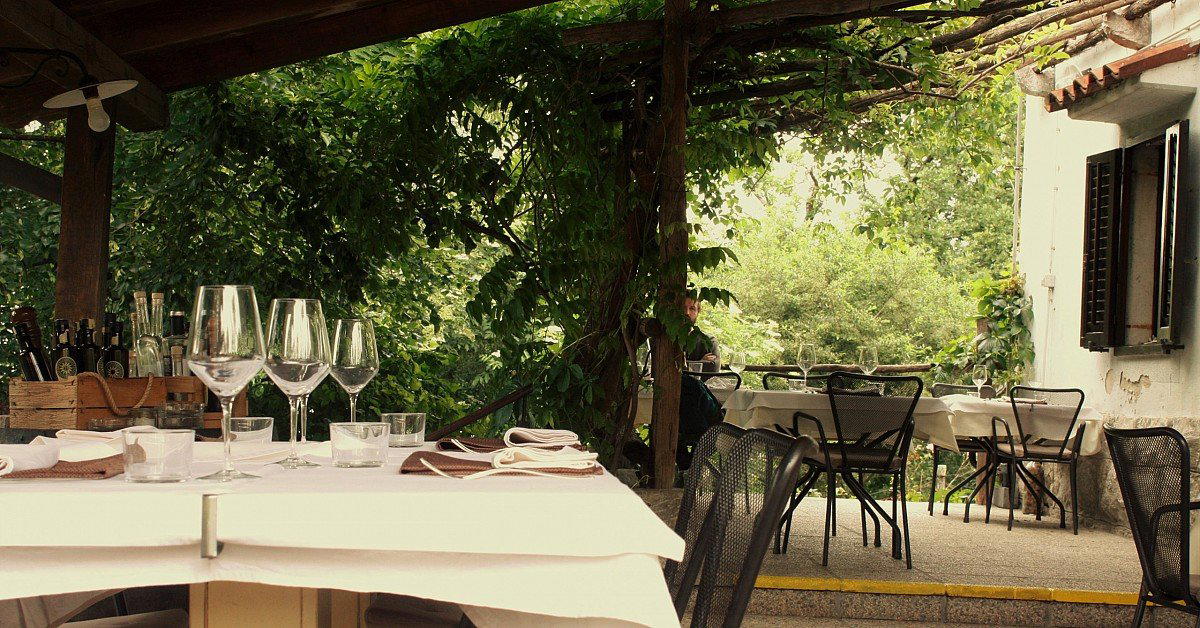
Restaurants in Trieste
Browse all →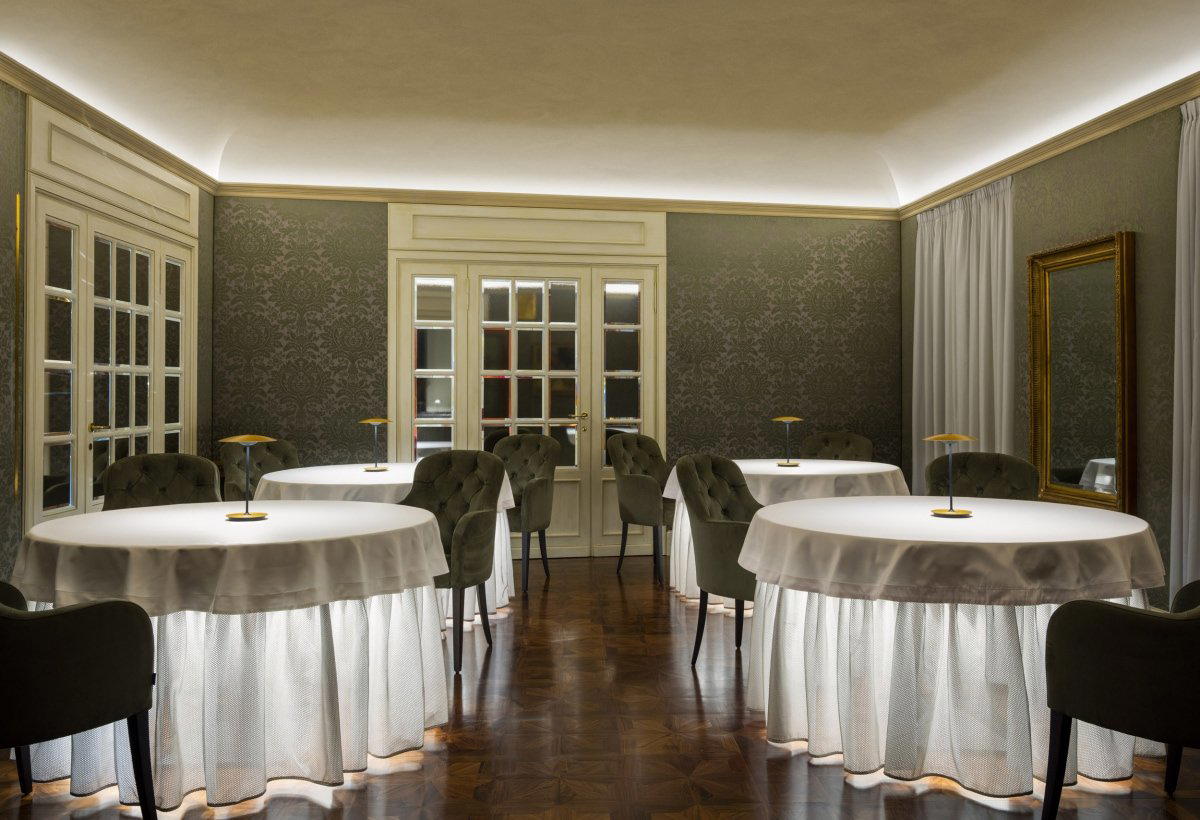
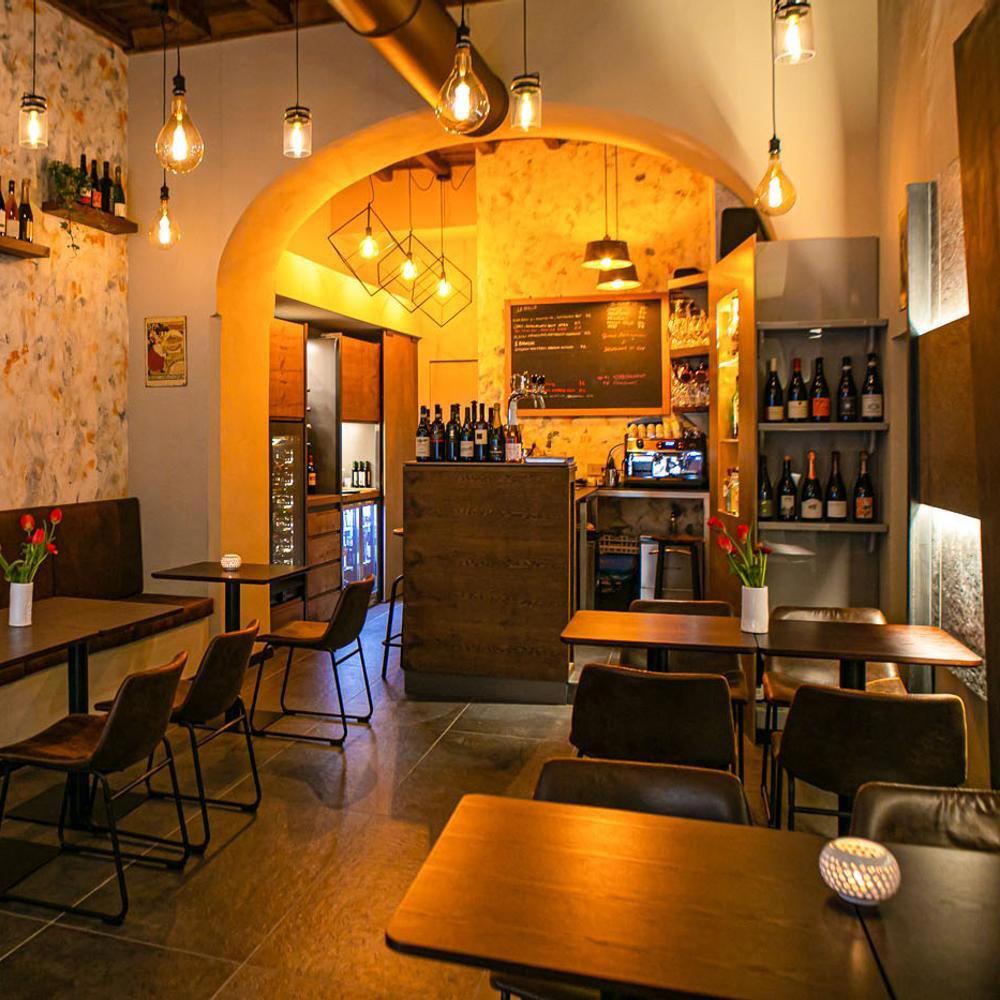
Bars in Trieste
Browse all →
Hotels in Trieste
Browse all →
At a Glance
- Rustic
- Cozy
- Classic
- Casual Hangout
- Family
- Terrace
- Historic Building
- Waterfront
Current opening hours
- Monday
- 11 AM–3 PM, 6–11 PM
- Tuesday
- Closed
- Wednesday
- Closed
- Thursday
- 11 AM–3 PM, 6–11 PM
- Friday
- 11 AM–3 PM, 6–11 PM
- Saturday
- 11 AM–3 PM, 6–11 PM
- Sunday
- 11 AM–3 PM, 6–11 PM
Hours can change for holidays and private events. Last verified .
Rustic and homely with vintage furnishings, dark wooden beams, maritime memorabilia, and a lively local atmosphere.