Al Ponte
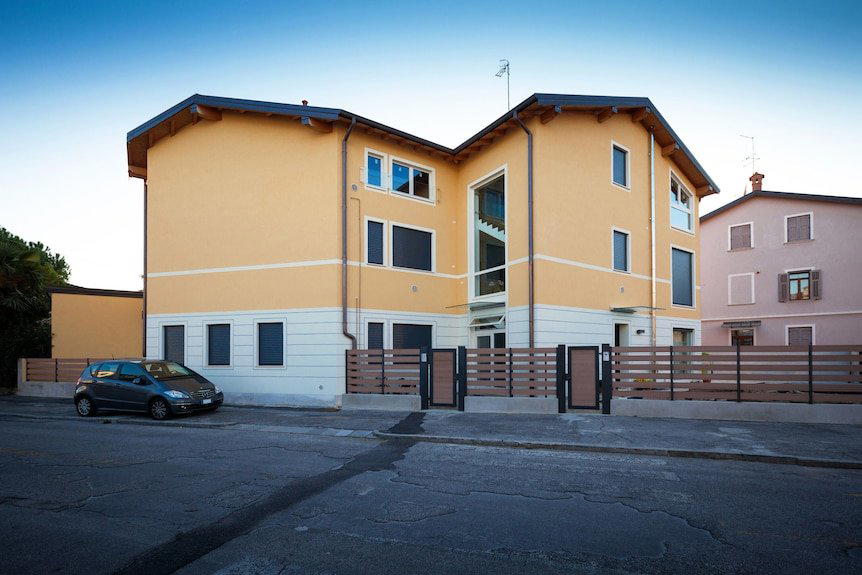
Al Ponte sits on Viale Trieste in Gradisca d'Isonzo, a compact Friulian town where the Collio wine zone meets the Isonzo river corridor. The address places it in one of northeastern Italy's most agriculturally serious territories, where local sourcing is less a marketing gesture than a structural fact of the regional food tradition. For travellers moving between Gorizia and Trieste, it represents a grounded stop in a dining scene defined by borderland produce and quiet confidence.
Pearl is the En Primeur Club membership app — saves, bookings, and concierge access live there. Same editors, same standards.
- Address
- Viale Trieste, 122, 34072 Gradisca d'Isonzo GO, Italy
- Phone
- +393948199213
- Website
- albergoalponte.it
- Directions
- Get directions
 Saves & bookings on Pearl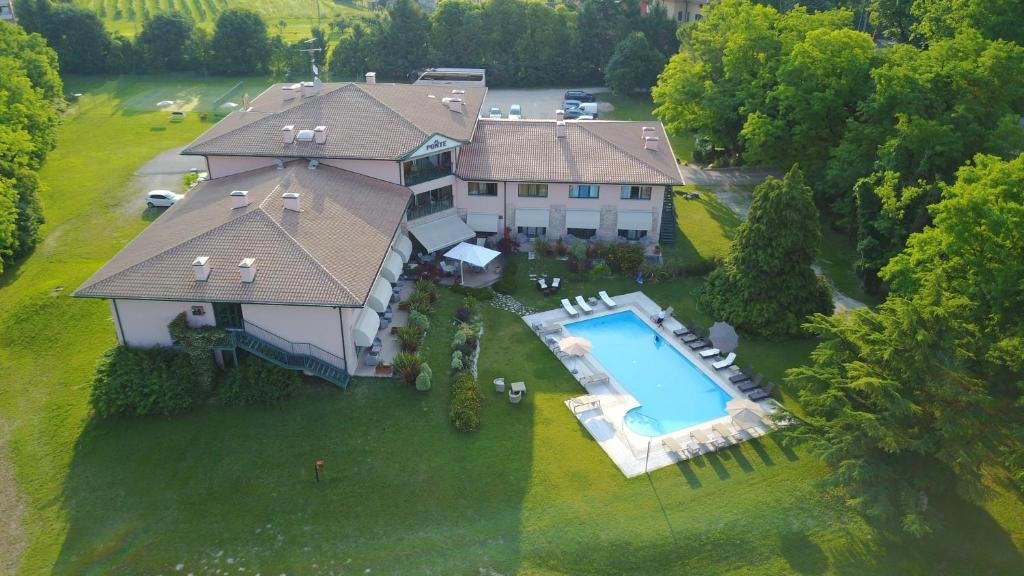
Where the Isonzo Valley Sets the Table
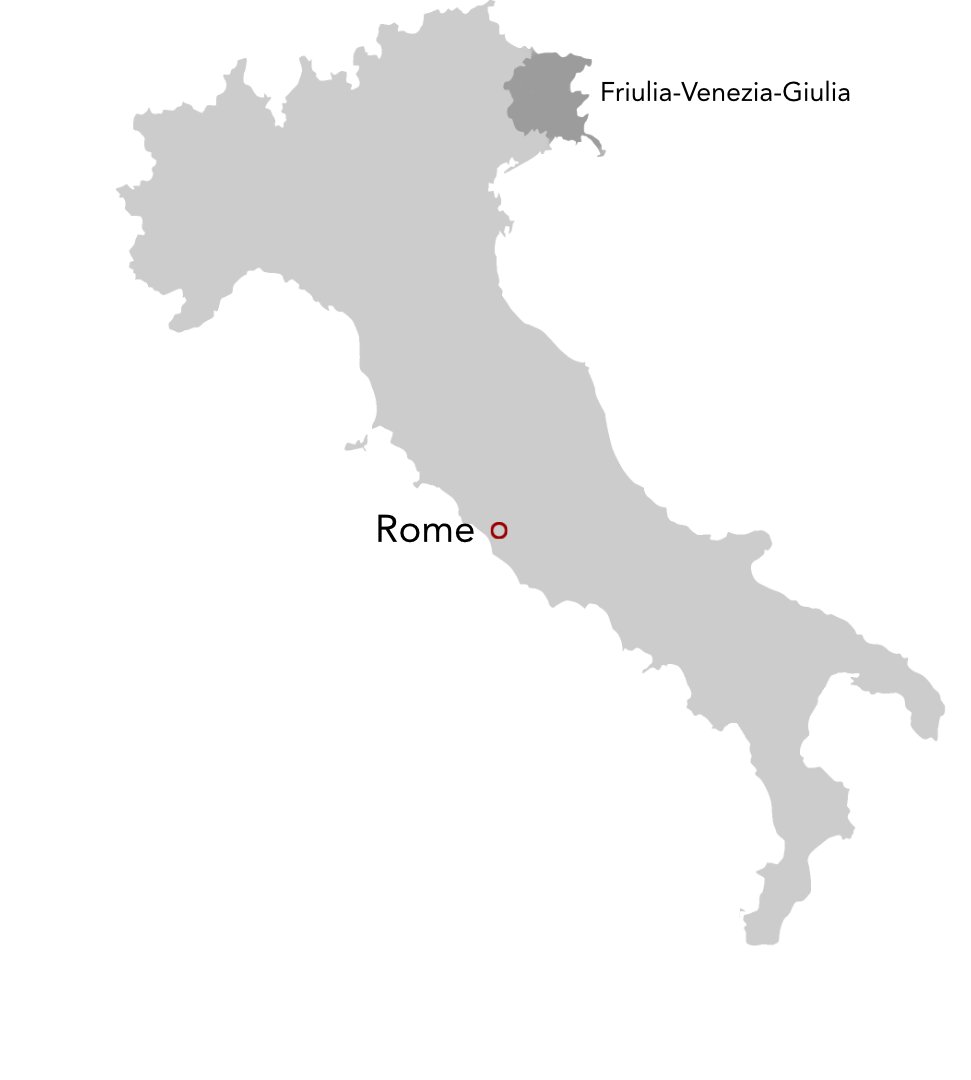
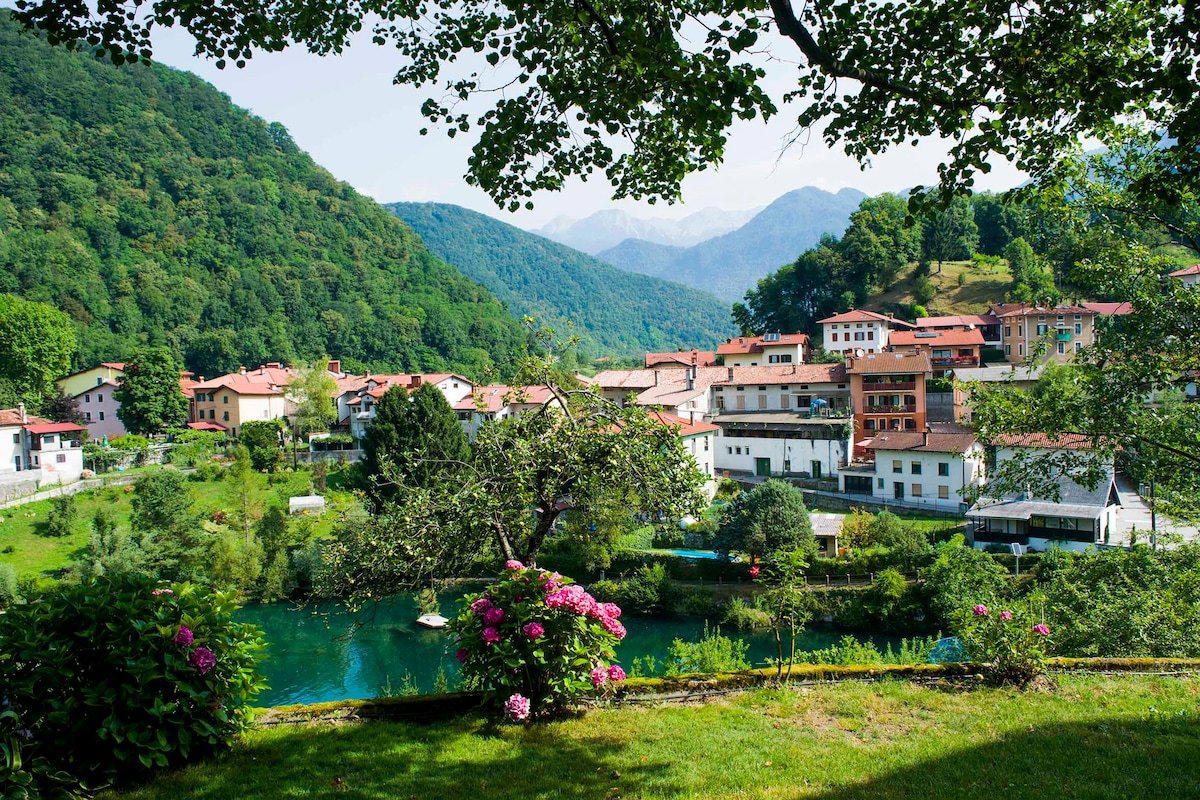
Gradisca d'Isonzo is not a town that announces itself. The Venetian walls are low and the streets are narrow, and the Isonzo river that gives the area its name runs quietly at the edge of town rather than through its centre. This is the Friuli Venezia Giulia interior: a stretch of northeastern Italy where Austrian, Slovenian, and Venetian influences have spent centuries negotiating on the plate. The results are a regional cuisine that resists easy categorisation, neither purely Italian nor absorbed into any single neighbouring tradition, and a food culture that tends to prize substance over spectacle. Al Ponte, addressed on Viale Trieste in the centre of Gradisca, operates within that context.
There is no manicured forecourt or design-forward signage. What the address signals instead is proximity to the agricultural backbone of this corner of Italy, the Isonzo DOC wine zone to the east, the Collio hills to the north, and the flatland farms of the Friulian plain extending westward.
Friuli's Sourcing Logic and What It Means on the Plate
The ingredient tradition of Friuli Venezia Giulia is one of the more disciplined in Italy. The region produces DOP-designated San Daniele prosciutto, Montasio cheese across multiple ageing grades, and a white wine culture, particularly in Collio and the Colli Orientali, that has influenced how chefs here think about acidity, salinity, and restraint. The proximity to Slovenia and the former Habsburg borderlands introduced smoked meats, horseradish, and root-heavy preparations that sit alongside the Adriatic fish that arrives from Trieste and Grado. Gradisca sits roughly at the centre of this overlap: close enough to the hills for cured meats and dairy, close enough to the coast for fresh fish, and directly on the Isonzo plain for vegetables and grains.
This geography distinguishes a restaurant in Gradisca from its counterparts further south. Venues at the summit of Italy's formal dining hierarchy, Osteria Francescana in Modena, Le Calandre in Rubano, or Dal Pescatore in Runate, draw on different regional larders and construct different culinary arguments. In Friuli, the argument tends to be made with fewer gestures: the prosciutto is aged locally, the cheese is named, the wine is from the valley. The sourcing is not narrated as a concept; it is simply the way the food has always been organised here.
Northeastern Italy's Dining Tier and Where Al Ponte Sits
Friuli Venezia Giulia punches above its recognition weight when measured against the depth of its food culture. The region's highest-profile dining address is Trieste, a city whose coffee culture and fish markets are well documented, but the interior towns, Udine, Cividale del Friuli, and Gradisca itself, hold their own in terms of ingredient access and culinary seriousness. The restaurants that operate in these towns often work without the international profile of their counterparts in, say, Emilia-Romagna or Lombardy. Enrico Bartolini in Milan, Enoteca Pinchiorri in Florence, or La Pergola in Rome carry the kind of award recognition that shapes international dining itineraries. Gradisca's restaurants tend to operate on a different register, less visible in global rankings, but embedded in a food tradition that has its own internal logic.
Al Ponte is a mid-priced restaurant focused on Italian seafood and Friulian specialties. What the address and context do confirm is that the venue operates in a town where the raw material supply chain, from Collio producers, from the Isonzo valley farms, from San Daniele curers, is legitimately strong. For travellers who have come from Uliassi in Senigallia or Quattro Passi in Marina del Cantone and are working northward through Italy's coast-to-interior dining corridor, the Friulian interior represents a different register of eating rather than a lesser one.
Gradisca in the Broader Friulian Food Circuit
For those building a northeastern Italy itinerary around food rather than monuments, Gradisca sits conveniently between Gorizia, a recently European Capital of Culture and a town whose cross-border food scene with Nova Gorica is increasingly discussed, and the Collio wine zone, one of the country's most technically serious white wine territories. The Isonzo DOC runs directly through this corridor, producing Pinot Grigio and Friulano at price points and quality levels that rarely reach the international export market in sufficient volume to build much awareness abroad.
That relative obscurity is part of what makes this stretch of Italy interesting to a certain kind of traveller. The comparison set is not Piazza Duomo in Alba or Villa Crespi in Orta San Giulio, where the destination status is well established and the dining pilgrimages are planned months in advance. It is closer to the experience of eating at Casa Perbellini 12 Apostoli in Verona or Da Vittorio in Brusaporto, serious regional cooking in towns that reward the traveller who has done enough research to know where to look. See our full Gradisca d'Isonzo restaurants guide for additional context on how the local dining scene is structured.
For reference points outside the Italian context, the Friulian approach to restrained, produce-driven cooking shares a certain discipline with what Le Bernardin in New York City represents in seafood or what Atomix in New York City achieves with precision and restraint, though the scale and setting are entirely different. Closer in spirit are the Italian venues that built their reputations on regional identity rather than international ambition: Reale in Castel di Sangro, Gambero Rosso in Marina di Gioiosa Ionica, or Atelier Moessmer Norbert Niederkofler in Brunico, which shares the Alpine-ingredient philosophy of the Italian northeast.
Planning a Visit
Gradisca d'Isonzo is accessible by train from Gorizia (roughly 10 minutes) and from Trieste (under an hour), with the station sitting within walking distance of the historic centre. Reservations are recommended. The shoulder seasons of spring and autumn align well with the region's agricultural calendar and avoid the summer heat of the Friulian plain.
Side-by-Side Snapshot
Comparable venues nearby, for context on price, style, and recognition.
| Venue | Cuisine | Price | Notes |
|---|---|---|---|
| Al PonteThis venue — the venue you are viewing | Italian Seafood with Friulian Specialties | $$ | Not listed |
| Alla Luna | Mitteleuropean Trattoria | $$ | downtown |
| Agli Artisti | Traditional Italian Seafood | $$ | historical center |
| Astoria Italia | Regional Italian | $$ | centro storico |
| Arso Trattoria Moderna | Traditional Roman Trattoria | $$ | .null |
| Ristorante da Cherubino | Traditional Venetian Trattoria | $$ | San Marco |
Continue exploring
More in Gradisca D Isonzo
Restaurants in Gradisca D Isonzo
Browse all →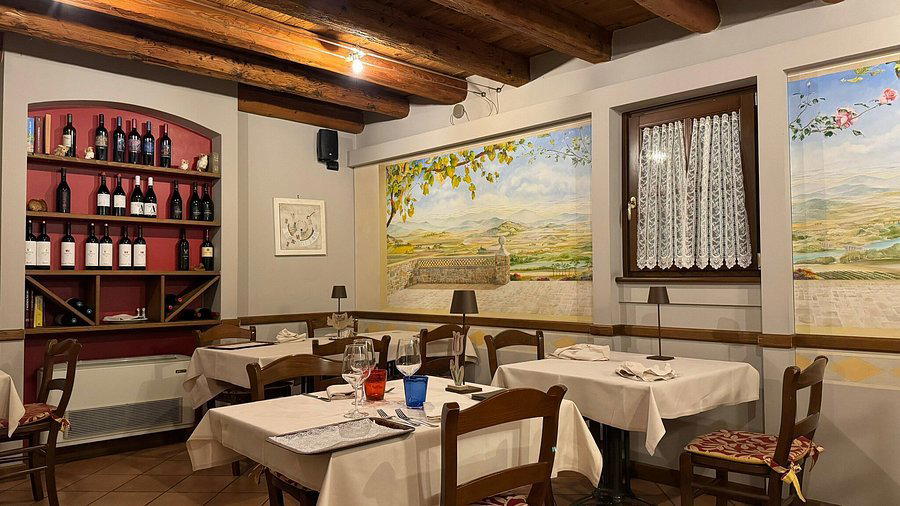
Bars in Gradisca D Isonzo
Browse all →
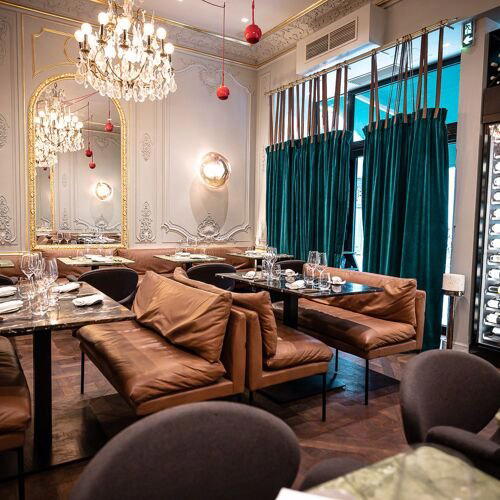
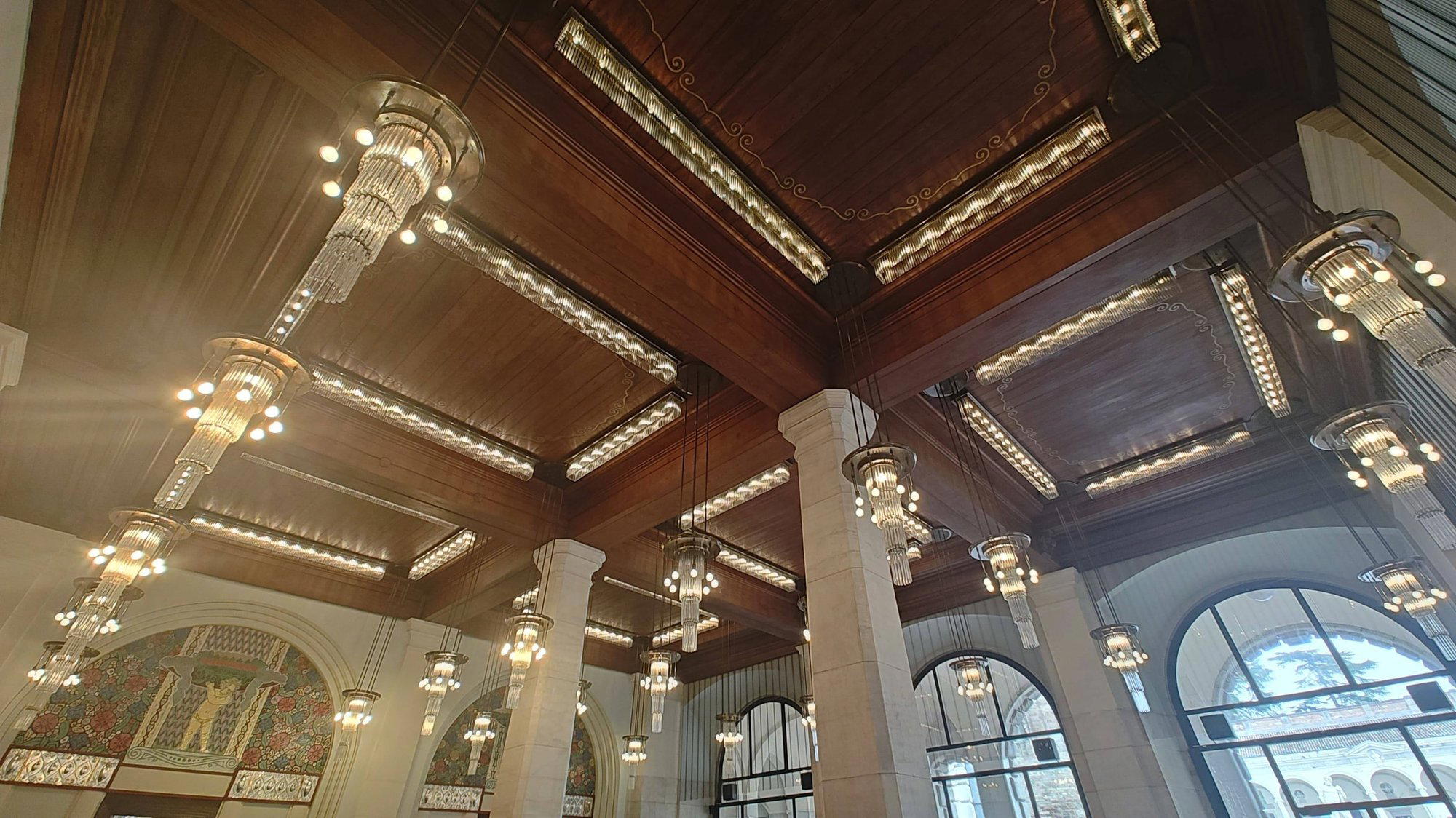
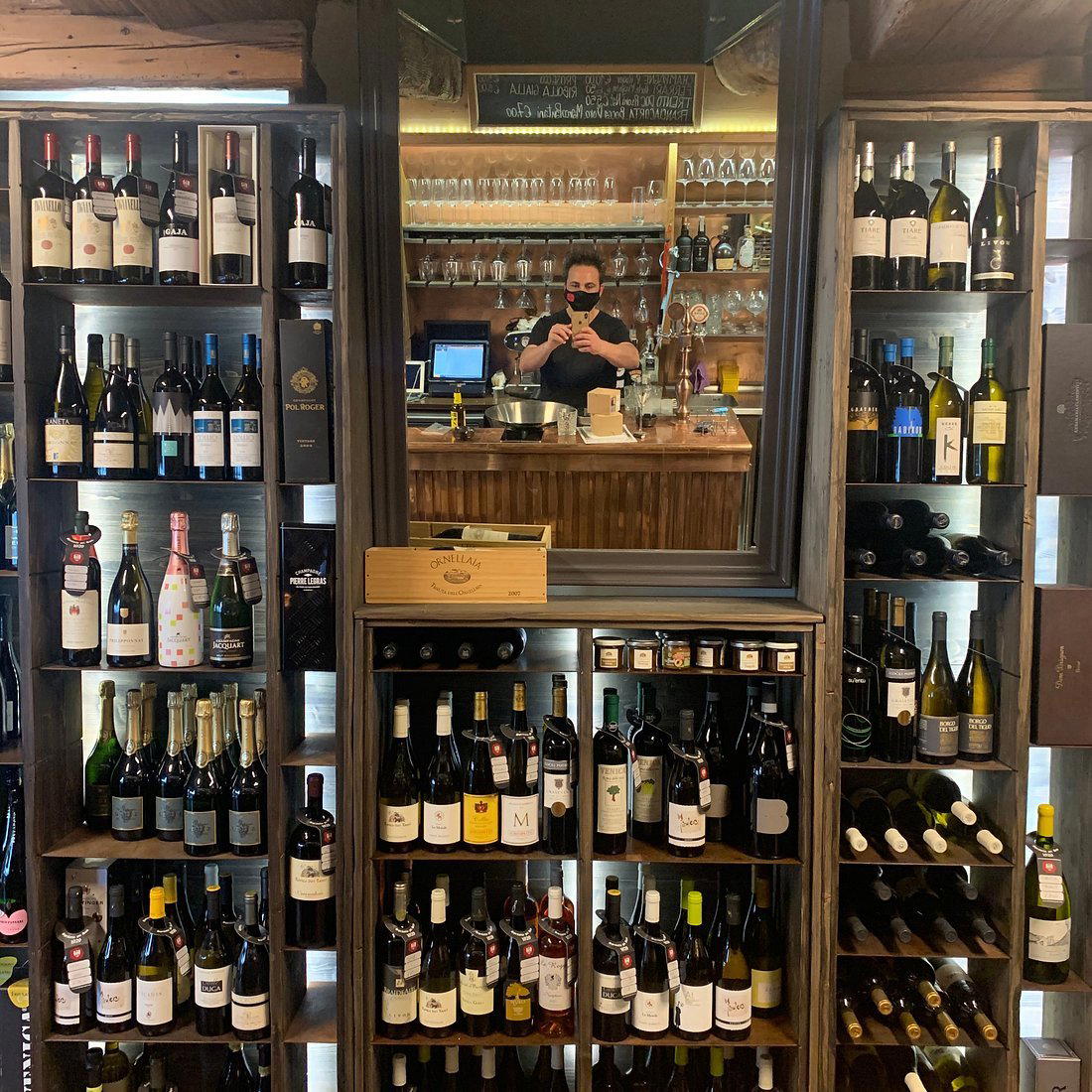
Hotels in Gradisca D Isonzo
Browse all →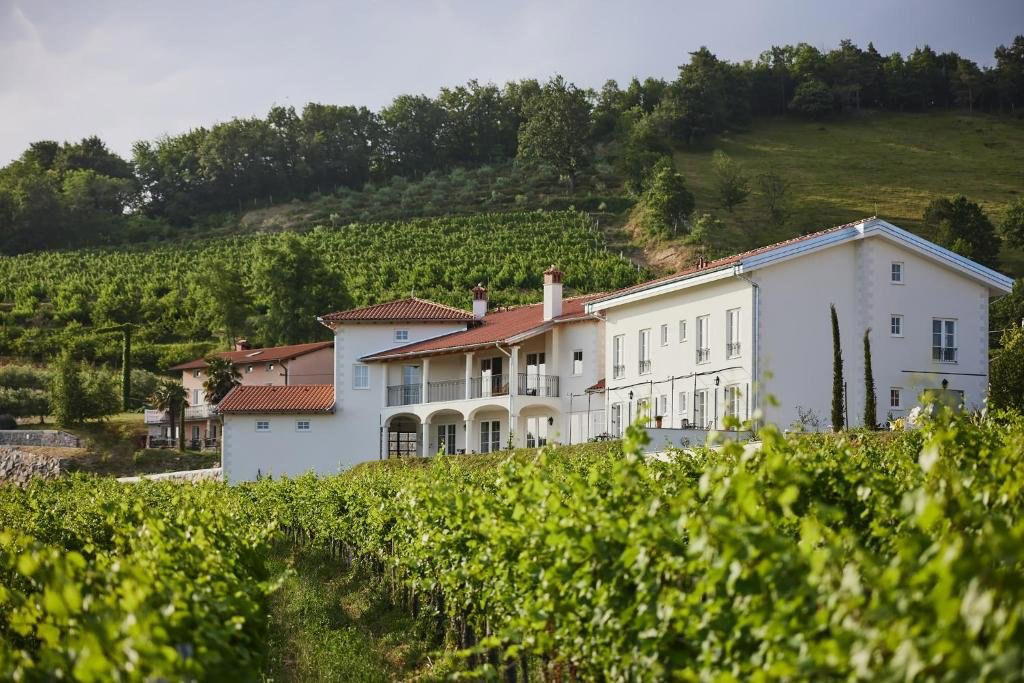
At a Glance
- Classic
- Elegant
- Cozy
- Date Night
- Family
- Business Dinner
- Hotel Restaurant
- Historic Building
- Local Sourcing
Current opening hours
- Monday
- Closed
- Tuesday
- 11:30 AM–3 PM, 6:30–11:30 PM
- Wednesday
- 11:30 AM–3 PM, 6:30–11:30 PM
- Thursday
- 11:30 AM–3 PM, 6:30–11:30 PM
- Friday
- 11:30 AM–3 PM, 6:30–11:30 PM
- Saturday
- 11:30 AM–3 PM, 6:30–11:30 PM
- Sunday
- 11:30 AM–3 PM
Hours can change for holidays and private events. Last verified .
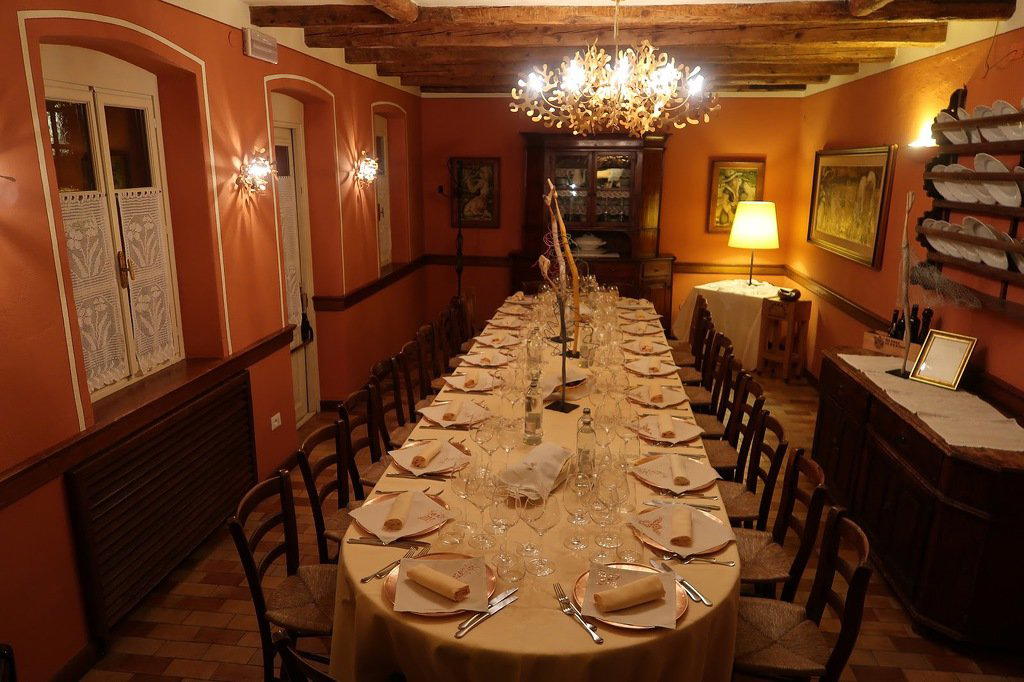
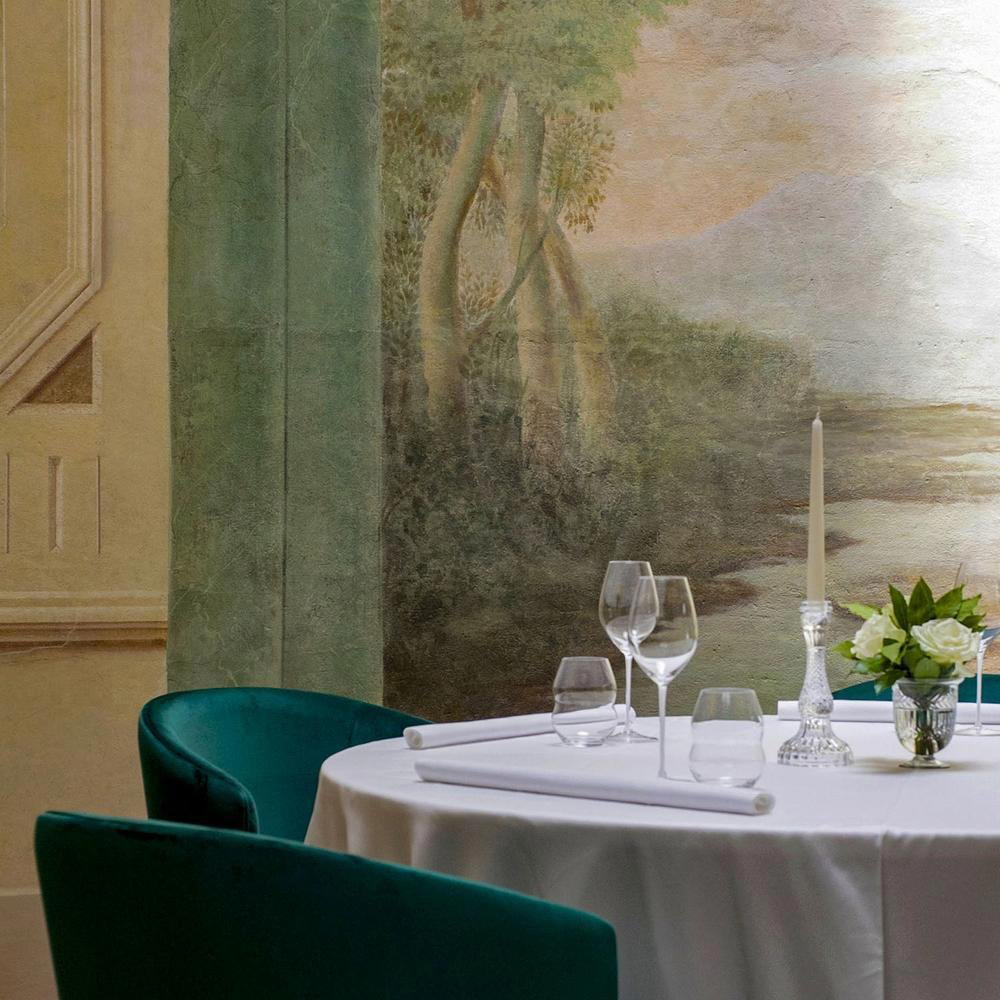
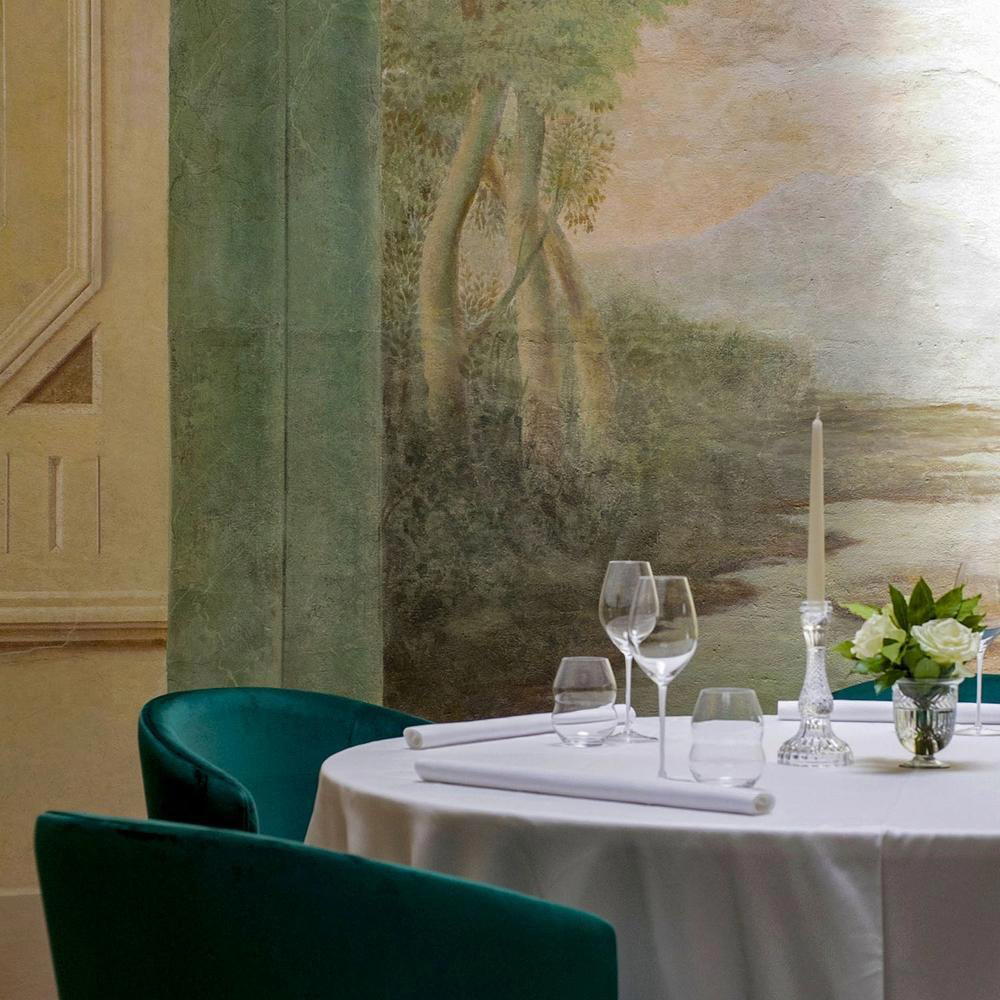
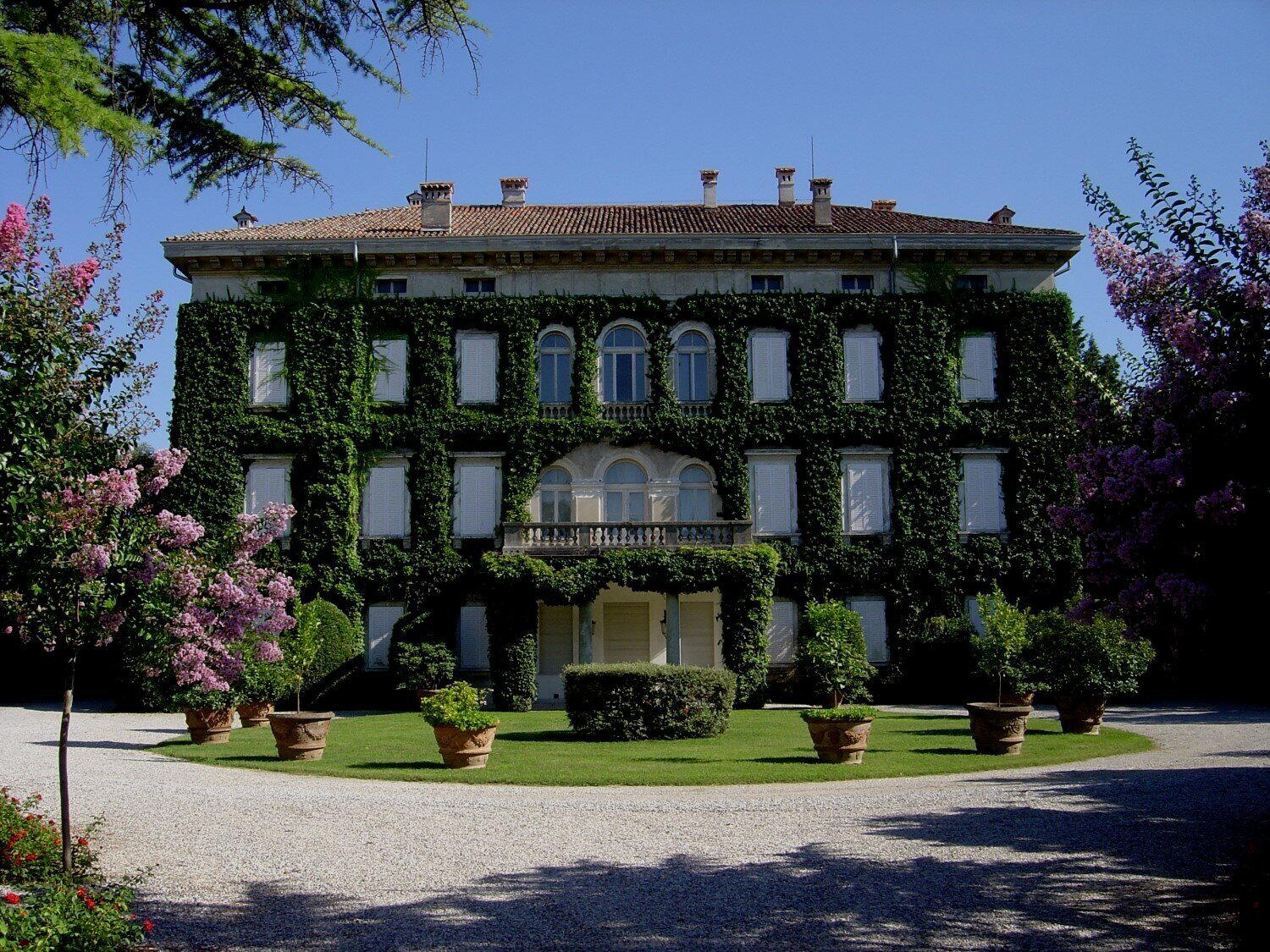
Pleasant and relaxing atmosphere with elegant style, quiet despite roadside location, featuring garden and fireplace rooms.