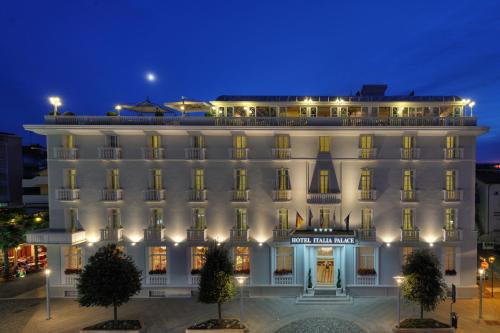
Astoria Italia occupies a historic address on Piazza XX Settembre in the heart of Udine, positioning it among the city's most recognizable dining and hospitality references. The piazza setting places it at the social and architectural centre of a city that takes its Friulian identity seriously, where the line between a long lunch and a civic ritual has always been blurred.
Pearl is the En Primeur Club membership app — saves, bookings, and concierge access live there. Same editors, same standards.
- Address
- Piazza XX Settembre, 24, 33100 Udine UD, Italy
- Phone
- +39432505091
- Website
- hotelastoria.udine.it
- Directions
- Get directions
 Saves & bookings on Pearl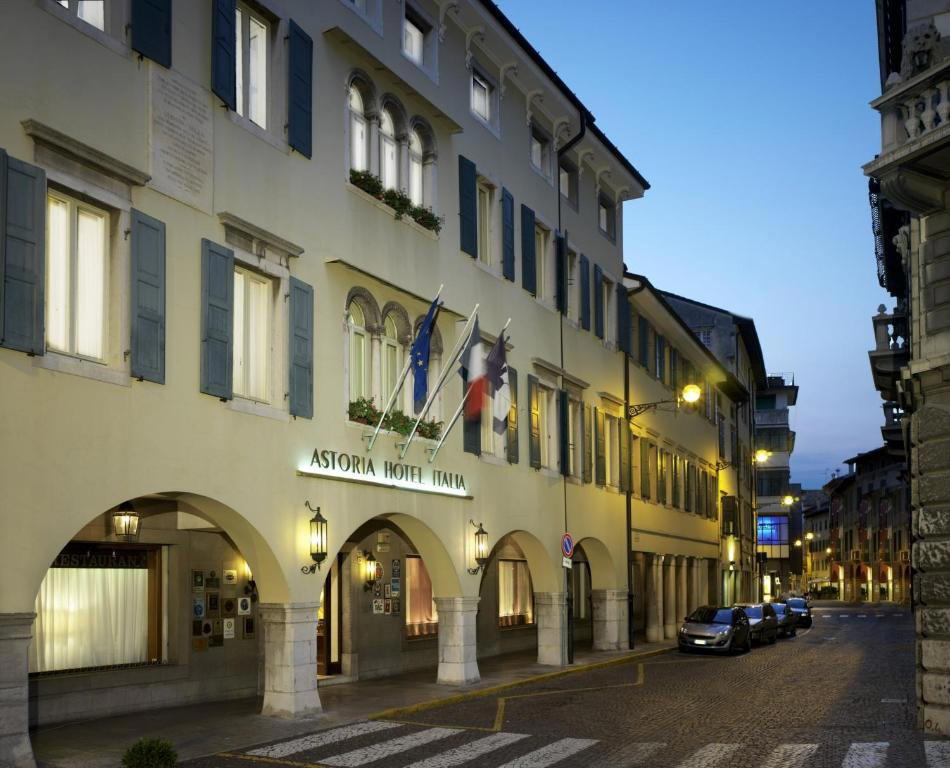
A Piazza That Sets the Terms
Udine's dining culture has never been built around spectacle. The city sits in Friuli-Venezia Giulia at a crossroads that has absorbed Venetian, Habsburg, and Slavic influences over centuries, and the result is a table culture that is layered without being showy. Restaurants here tend to argue their case through precision and provenance rather than theatre. The piazzas do the atmospheric heavy lifting, and Piazza XX Settembre, where Astoria Italia holds its position at number 24, is among the more quietly authoritative addresses in northeastern Italy.
Arriving at the square on foot, as most visitors do from the centro storico, the immediate register is architectural. The piazza is framed by the kind of civic stonework that makes Udine feel more like a scaled-down Vienna than a provincial Italian town. Sounds carry differently here: conversation carries further, the rhythm of the street is slower than you expect for a city of this size, and the light in the late afternoon, especially in autumn, falls at angles that make the facades look lit from within. For a dining address, the physical envelope matters, and Astoria Italia's position within that envelope is a material part of the experience before anyone sits down.
Where Astoria Italia Sits in Udine's Dining Order
Udine's restaurant scene stratifies in ways that are not always obvious from the outside. At one end, places like Ai Frati and Al Contadino serve the kind of direct Friulian cooking that draws locals back weekly. At the other, 1905 operates with a more contemporary editorial sensibility. Al Vecchio Stallo and Alla Ghiacciaia each occupy their own niches within the city's mid-range. The restaurant, by virtue of its piazza address and historic positioning, belongs to a different tier: the kind of establishment where the location itself functions as a credential, and where the room is as much the experience as what arrives at the table.
This is not the category of restaurant where you go for discovery dining in the sense that Michelin-chasing travellers mean when they talk about Italy's northeast. For that, the region points further afield: to Atelier Moessmer Norbert Niederkofler in Brunico or the sustained precision of Dal Pescatore in Runate. The restaurant operates in a register closer to the grand café tradition of Central Europe: a place where the architecture and the address are the primary argument, and where the food and hospitality serve to honour that context rather than compete with it.
The Sensory Atmosphere of a Historic Address
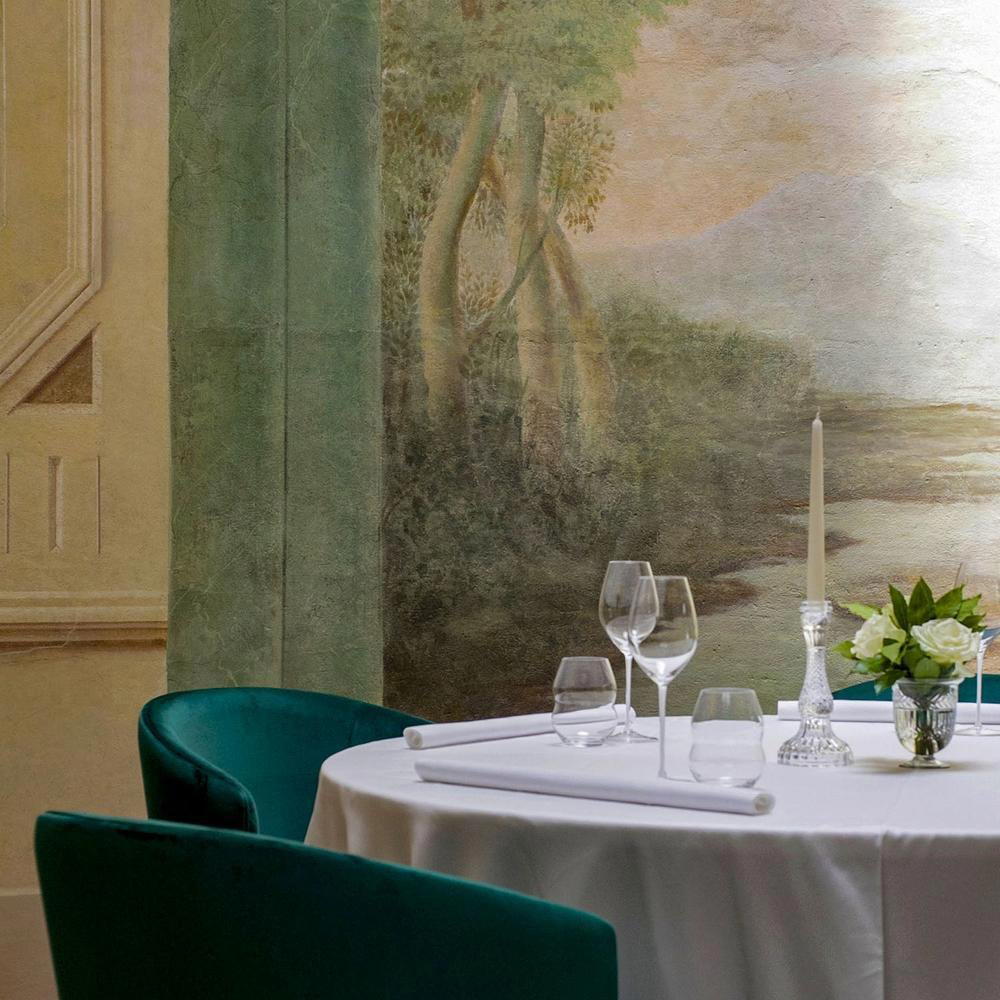
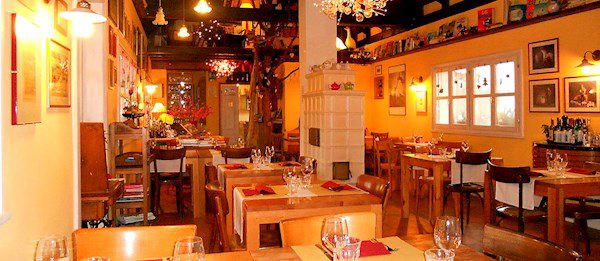
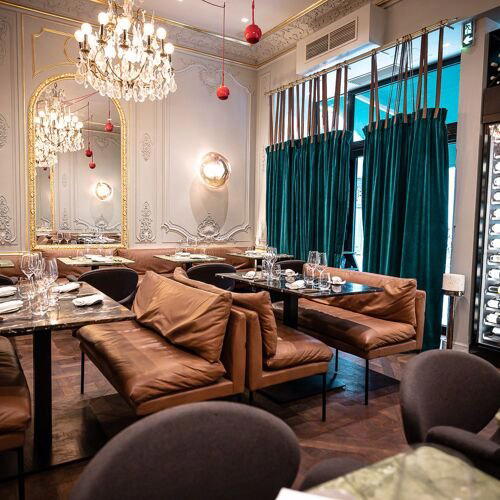
Friulian dining rooms of this provenance tend to share certain qualities: ceilings with enough height to absorb the noise of a full room without forcing everyone to raise their voices, a light quality that differs from the harsh brightness of modern restaurant design, and a sense that the room has been used for serious purposes over a long period. These are spaces where the patina is genuine rather than manufactured. The sounds you encounter are those of a working dining room rather than a curated acoustic environment: the specific percussion of cutlery on ceramic, the low-register hum of a room where most people know each other or are behaving as though they might.
The smell of a Friulian kitchen in this part of Italy carries its own signature. The region's cooking draws on San Daniele ham, local cheeses, the herbaceous qualities of Collio and Colli Orientali whites, and a tradition of slow-braised preparations that register before you see a menu. This is not the bright, acidic scent register of a coastal kitchen like Uliassi in Senigallia or Quattro Passi in Marina del Cantone; it is warmer, earthier, and more northern in its associations.
The Broader Italian Context
Italy's fine dining conversation has become increasingly concentrated around a small group of internationally recognised addresses: Osteria Francescana in Modena, Piazza Duomo in Alba, Le Calandre in Rubano, Enoteca Pinchiorri in Florence, Enrico Bartolini in Milan, and Reale in Castel di Sangro. Udine does not compete in that bracket, and the city's leading establishments do not try to. What the city offers instead is a dining culture where the connection to regional identity is more intact than in cities that have been subject to greater tourism pressure. Friulian cooking at its most authentic is a serious and under-documented tradition, and establishments on significant piazzas in cities like Udine are often its most accessible points of entry for visitors arriving from outside the region.
For readers accustomed to the tightly scripted tasting menus of Lazy Bear in San Francisco or the technical precision of Le Bernardin in New York City, the Italian piazza restaurant operates according to entirely different logic. The measure here is not innovation or technique as formal categories; it is the degree to which the room, the wine list, and the cooking maintain a coherent argument about place. The restaurant's argument is geographical and architectural first.
Planning a Visit
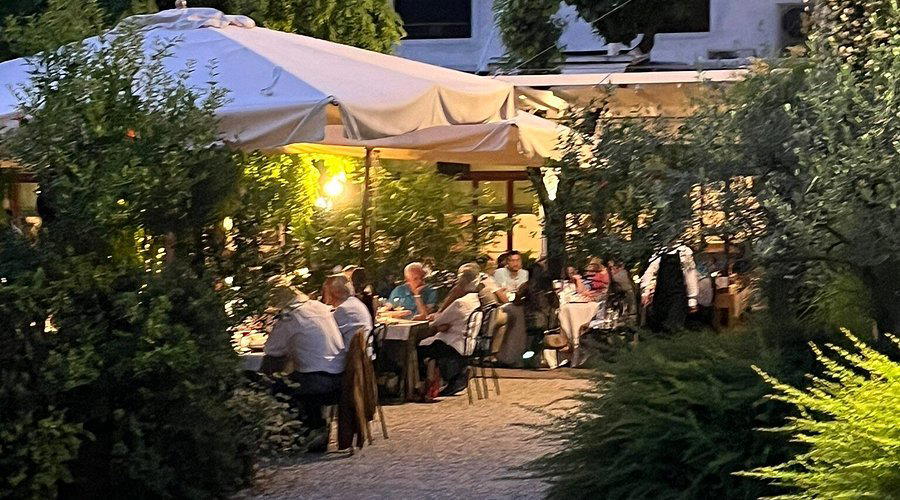
The restaurant sits on Piazza XX Settembre 24, reachable on foot from Udine's main train station in under fifteen minutes through the centro storico, passing the castle hill and the city's medieval arcades. The piazza location means the restaurant benefits from foot traffic and ambient city life in a way that suburban or courtyard venues in Udine do not. Those coming from outside the city will find Udine well connected by rail to Venice, Trieste, and Ljubljana, making it a practical stop on any northeastern Italy or Adriatic itinerary. For the fullest version of the piazza experience, late spring and early autumn are the seasons when the square operates as a genuinely outdoor social space and the restaurant's positioning makes most sense; winter visits work better for the interior atmosphere. Booking ahead is advisable for Friday and Saturday evenings, when the piazza addresses draw a consistent crowd from across the province.
Comparable Options
Comparable venues nearby, for context on price, style, and recognition.
| Venue | Cuisine | Price | Notes |
|---|---|---|---|
| Astoria ItaliaThis venue — the venue you are viewing | Regional Italian | $$ | Not listed |
| Osteria Toscano | Authentic Florentine & Tuscan | $$ | historic centre |
| Al Vecchio Stallo | Traditional Friulian Osteria | $$ | centro storico |
| Ancona Due | Italian Pizzeria & Seafood | $$ | Udine |
| Al Contadino | Traditional Friulian Trattoria | $$ | :null |
| 1905 | Modern Friulian Fine Dining | $$$$ | Viale Tricesimo |
Continue exploring
More in Udine
Restaurants in Udine
Browse all →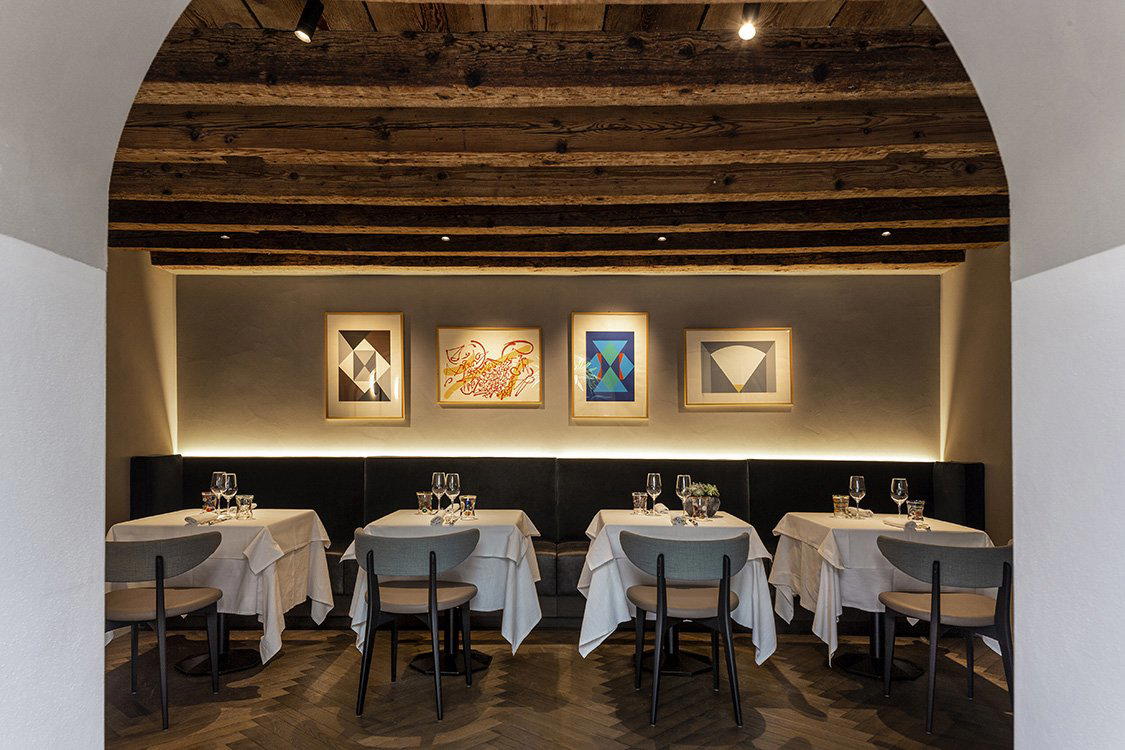
Bars in Udine
Browse all →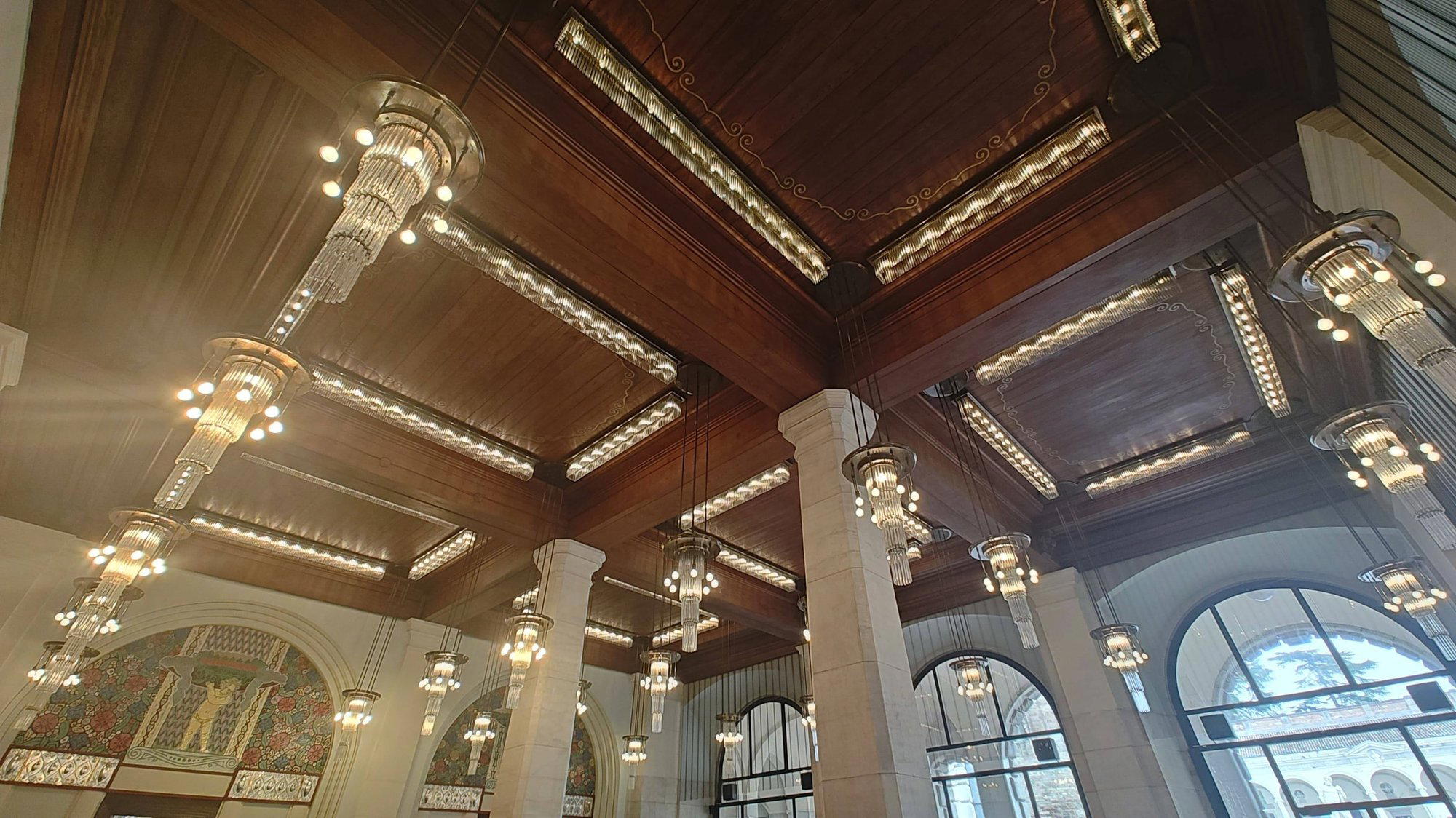
Hotels in Udine
Browse all →
At a Glance
- Classic
- Elegant
- Family
- Business Dinner
- Hotel Restaurant
- Extensive Wine List
- Local Sourcing
Elegant atmosphere in a beautiful old building with professional and welcoming staff.