Our verdict
A trattoria-register address in the Venetian residential fabric, Ristorante da Cherubino sits outside the tourist circuits that define most of the city's dining conversation. The kitchen draws on the lagoon's seasonal produce calendar, and the room operates with the kind of front-of-house continuity that only comes from a settled team. For visitors willing to move beyond the canal-side set pieces, it offers a different read on how Venice actually eats.

Pearl is the En Primeur Club membership app, where members save venues, book tables and use the concierge.

The menu
What to order
- Porcini risotto
- Seafood pasta
- Tiramisu
Where Venice Eats Away from the Waterfront
The most instructive dining in Venice rarely happens on the Grand Canal. It happens in the sestieri that tourists cross through on their way to somewhere else: in rooms with no lagoon view, no terrace drama, and no prix-fixe theatre designed for a one-time visitor. This is the tier of the city's restaurant culture that most international guides underweight, and it is the tier where Ristorante da Cherubino operates. The address places it in the residential logic of Venezia Veneto, away from the concentrated pressure of San Marco or Dorsoduro's more visited stretches, in a neighbourhood register that shapes both the clientele and the kitchen's priorities.
Approaching this kind of restaurant in Venice, the signals are legible before you step inside: the absence of a menu board in four languages, the ambient sound of a room in conversation rather than in awe of its surroundings, the sense that the table next to you has been coming here since before you knew the city existed. These are the conditions under which a certain kind of Italian cooking makes most sense, where the team dynamic between kitchen, front-of-house, and the wine service is shaped by repetition and trust rather than a curated opening-night performance.
The Seasonal Logic of the Venetian Kitchen
Venice's culinary identity is built around the lagoon and its supply lines: the fish markets of the Rialto, the vegetable islands of Sant'Erasmo, the crab and cuttlefish cycles that shift with the Adriatic seasons. Autumn and winter bring the hard-shell moleche season and the arrival of radicchio di Treviso from the inland Veneto; spring opens up soft-shell crab, baby artichokes from Sant'Erasmo, and the first of the year's clams. A kitchen embedded in this calendar, rather than sourcing around it, produces food that reads differently month to month.
This seasonal rhythm is the dominant editorial story of the better mid-tier and upper-mid-tier restaurants in Venice's quieter neighbourhoods. The restaurants that build a reputation locally, among the Venetians who are still here and still eating out, tend to be those that negotiate the lagoon's produce calendar honestly rather than packaging it for export. Ristorante da Cherubino sits in this category of addresses, where the kitchen's relationship to the market is the underlying engine of the menu, not an incidental talking point.
For context on how Venice's more decorated kitchens interpret this same supply chain at a higher price point, Local and Oro Restaurant offer modern Italian frameworks built on similar sourcing logic, while Glam Restaurant by Enrico Bartolini represents the creative upper bracket. Ristorante Quadri and Wistèria complete the picture of how contemporary Venice handles Italian cuisine at the premium end. Da Cherubino operates in a different register from all of these, closer to the trattoria tradition that underpins them.
Team Continuity as a Quality Signal
In the Italian dining tradition, the relationship between front-of-house and kitchen is rarely described in the language of fine dining collaboration, but it functions in the same way. A room where the same people have been serving the same regulars for years carries a specific kind of institutional knowledge: the sommelier (or the person filling that role, however informally) who knows which tables want guidance and which do not; the server who can read the difference between a visitor who wants the full explanation and one who wants to order quickly and be left alone; the kitchen that knows when the room is full and adjusts timing accordingly.
This team continuity is one of the underweighted quality signals in the mid-tier Venice restaurant category. The city's high turnover of tourist-facing establishments means that the addresses where a settled team has accumulated this knowledge represent a different kind of value proposition from those operating with seasonal or transient staff. At the level where Da Cherubino operates, this dynamic is often the clearest differentiator between a restaurant that locals return to and one they regard as adequate.
The Italian trattoria tradition that shapes this kind of operation has deep regional parallels. Addresses like Dal Pescatore in Runate and Uliassi in Senigallia have built their reputations on exactly this kind of long-term team coherence, even as they've ascended to Michelin recognition. Further up the Italian peninsula, Enoteca Pinchiorri in Florence and Osteria Francescana in Modena demonstrate what sustained team investment looks like at the decorated end of the national scene. The principle, however, begins at the neighbourhood level.
Placing Da Cherubino in Venice's Dining Tiers
Venice's restaurant market segments more sharply than most Italian cities, partly because of its geographic constraints and partly because of the volume of international visitors who compress the middle tier by supporting tourist-facing restaurants that would not survive in a more locally oriented city. The genuinely local-facing mid-tier, of which Da Cherubino is a representative, sits between the cicchetti bar culture and the aspirational fine dining addresses that draw international press. This is not a well-documented tier in the English-language food media, which tends to cover Venice either at the Michelin level or at the bacaro level, leaving the trattoria and mid-register restaurant category underserved in terms of critical attention.
For visitors mapping their meal choices across a stay of several days, this tier serves a specific function: it is where the city's cooking tradition is transmitted most directly, without the mediation of a tasting menu format or the self-consciousness of a restaurant that knows it is being reviewed. Comparison addresses at the trattoria and neighbourhood restaurant level in the Veneto and wider northern Italy include Le Calandre in Rubano for context on how the regional tradition scales upward, and Quattro Passi in Marina del Cantone for a southern Italian parallel built on seafood-forward kitchen logic. Piazza Duomo in Alba, Reale in Castel di Sangro, and Atelier Moessmer Norbert Niederkofler in Brunico illustrate the range of what Italian regional dining looks like at the Michelin-decorated level. Enrico Bartolini in Milan anchors the national comparison at the multi-starred city end. For readers calibrating against international reference points, Le Bernardin in New York City and Atomix in New York City represent how the tasting-format and team-collaboration model operates at the decorated end of the global spectrum.
Planning a Visit
Ristorante da Cherubino is located at the Venezia Veneto address in the 36100 postcode, which places it in a part of the city more accessible to visitors arriving by train than those staying on Giudecca or in the eastern reaches of Castello. The restaurant does not appear to operate a digital booking platform in the public record, which in Venice's mid-tier category typically means walk-in or phone reservation, with walk-in access more likely at lunch than dinner on weekdays. For a structured overview of where this address fits within the wider dining conversation, our full Venice restaurants guide maps the city's tiers across neighbourhood and cuisine type.
Frequently asked questions
What dish is Ristorante da Cherubino famous for?
Can I walk in to Ristorante da Cherubino?
What has Ristorante da Cherubino built its reputation on?
Is Ristorante da Cherubino a good option for visitors focused on eating as locals do in Venice?
Same-City Peers
| Venue | Cuisine | Price | Awards | Notes |
|---|---|---|---|---|
| Ristorante da CherubinoThis venue (the venue you are viewing) | Traditional Venetian Trattoria | $30–50 | Not listed | Not listed |
| Local | Modern Italian Fine Dining | $50–100 | 1 Michelin Star · Falstaff Restaurant - 93 Falstaff Points | Modern Italian, Contemporary |
| Ristorante Quadri | Modern Venetian Fine Dining | $200–300 | 1 Michelin Star · La Liste Top Restaurants | Modern Cuisine |
| Osteria alle Testiere | Traditional Venetian Seafood | $50–100 | Michelin Plate · World's 50 Best #24 | Venetian |
| Corte Sconta | Traditional Venetian Seafood | $100–150 | Michelin Plate · Star Wine List | Trattoria, Seafood |
| Il Ridotto | Modern Venetian Seafood | $50–100 | Michelin Plate | Italian, Creative |
Continue exploring
More in Venice
Restaurants in Venice
All restaurants in Venice →
Bars in Venice
All bars in Venice →
Details
- Classic
- Cozy
- Intimate
- Date Night
- Family
- Casual Hangout
- Historic Building
- A La Carte
- Vegan Options
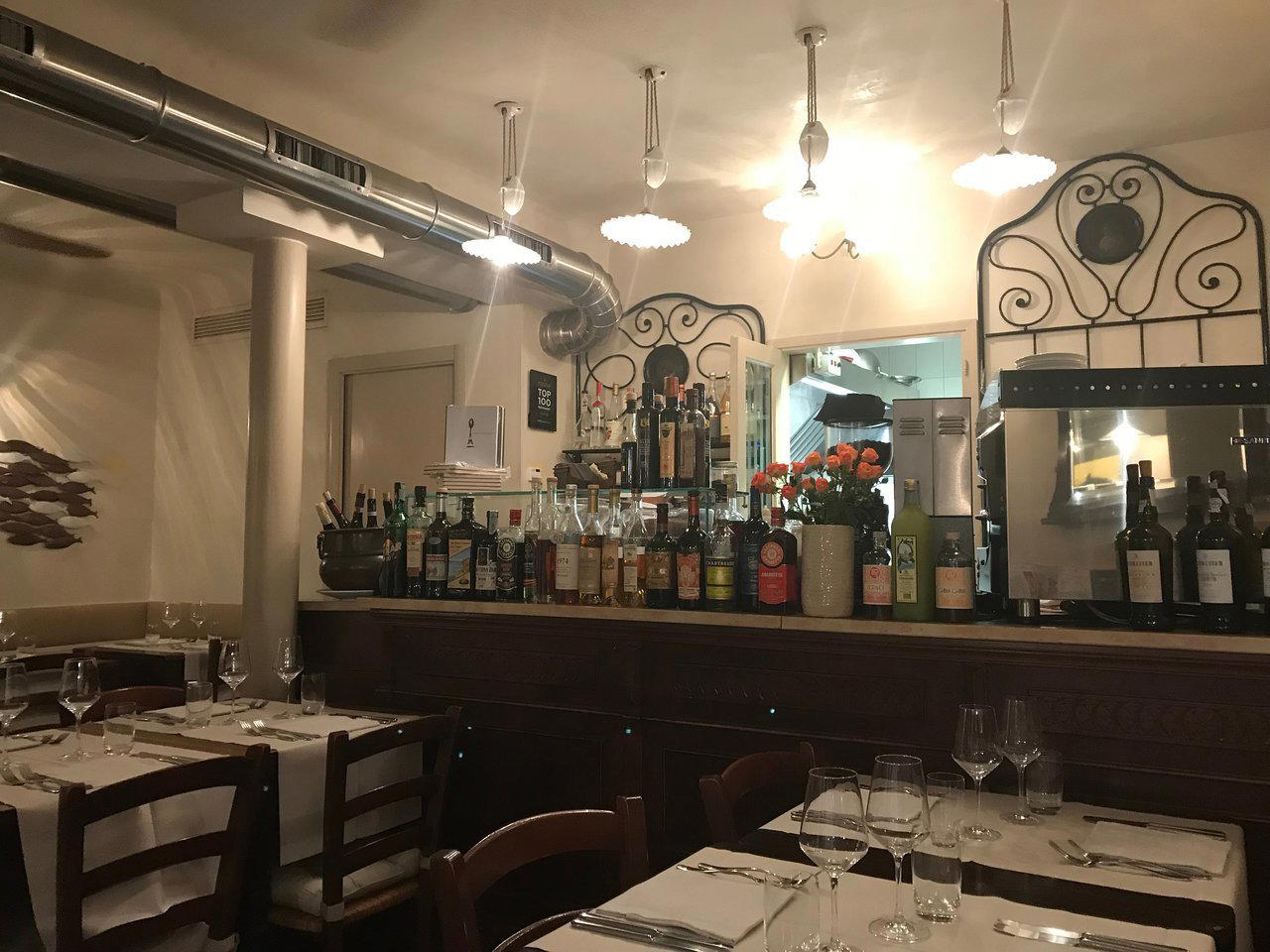
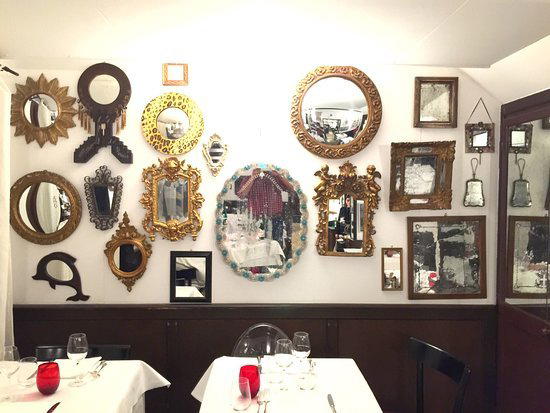
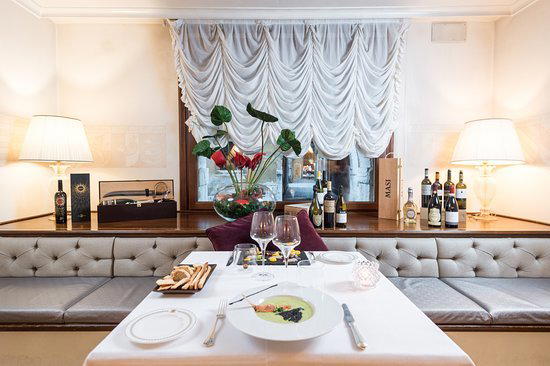
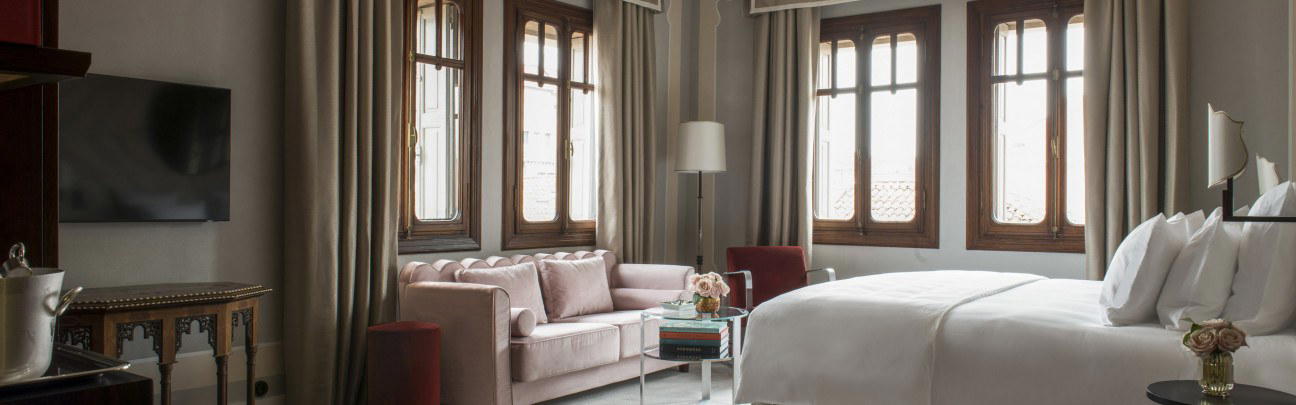
Warm and welcoming with a classic trattoria feel, professional and friendly service creating a cozy dining environment.