Al Fred sits on Seilergasse 14 in Innsbruck's compact inner city, a short walk from the medieval Altstadt. The address places it within a dining corridor that runs from Tyrolean classics to contemporary European formats, putting it in direct conversation with the range of mid-market and destination kitchens that define eating well in this Alpine city.
Pearl is the En Primeur Club membership app — saves, bookings, and concierge access live there. Same editors, same standards.
- Address
- Seilergasse 14, 6020 Innsbruck, Austria
- Phone
- +436642071810
- Website
- al-fred.at
- Directions
- Get directions
 Saves & bookings on Pearl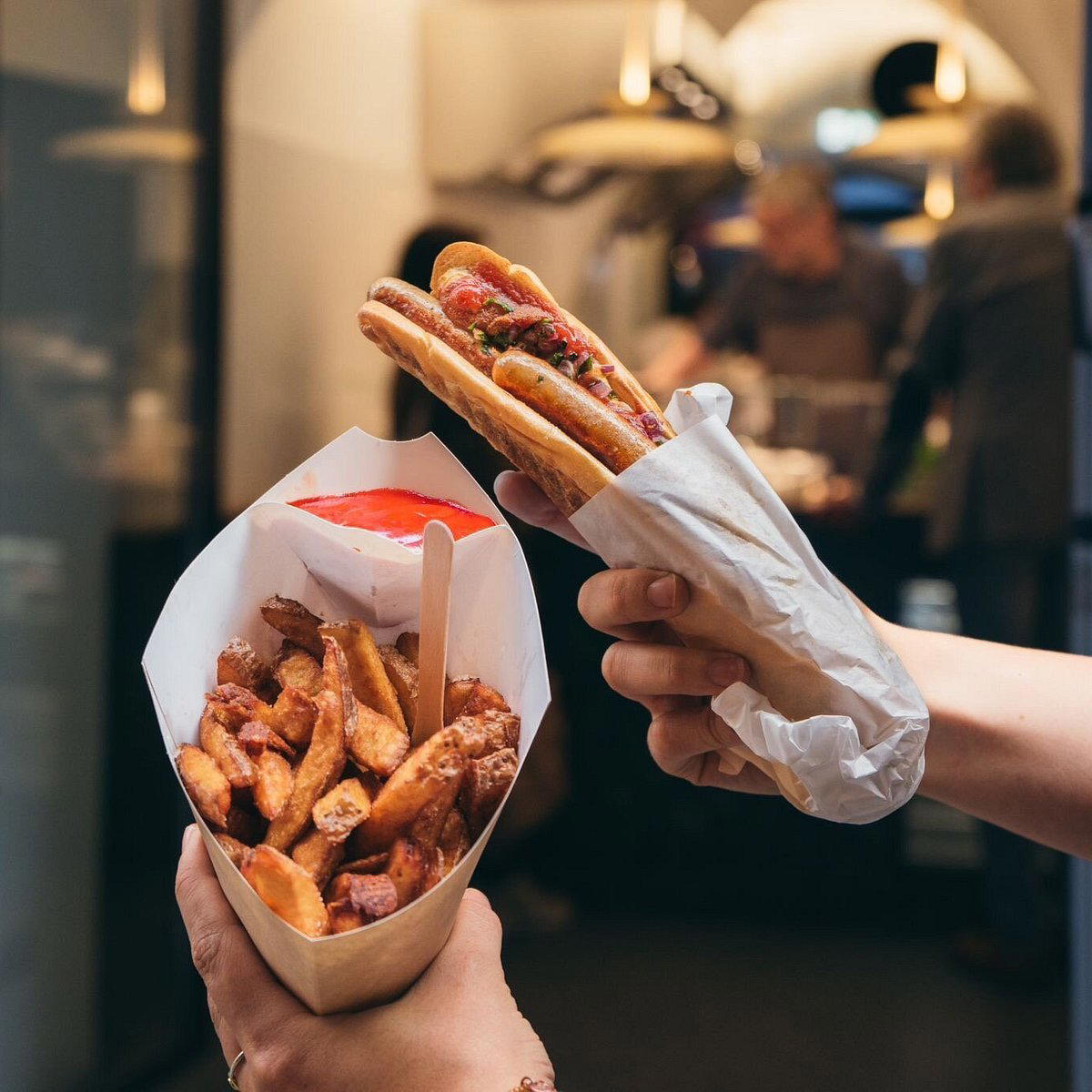
Seilergasse and the Logic of Innsbruck's Inner-City Dining
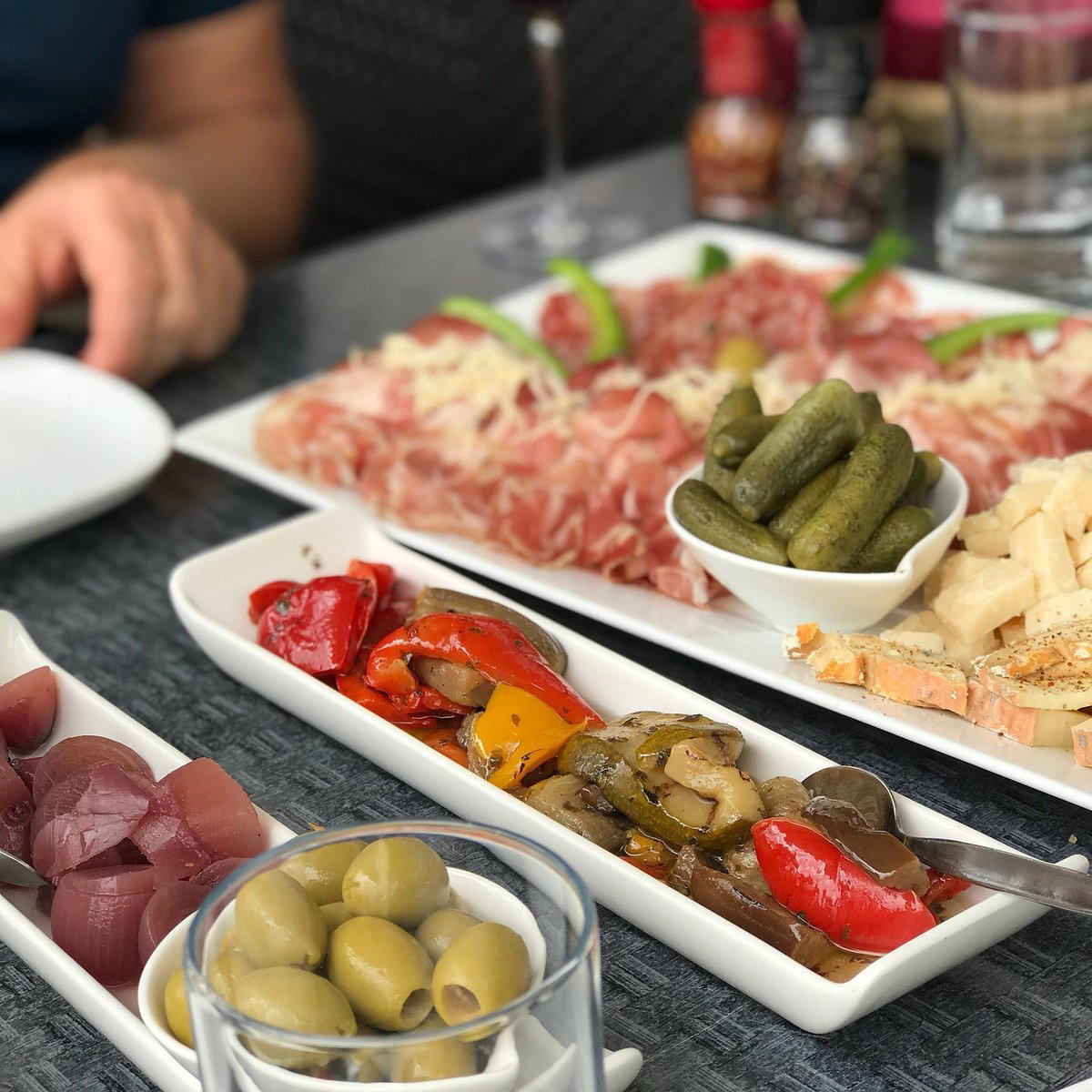
Al Fred is a Tyrolean Street Food restaurant at Seilergasse 14, 6020 Innsbruck, Austria. The Inn River to the north and the Nordkette escarpment above create a city that funnels its leading eating into a remarkably walkable central strip. Seilergasse, where Al Fred occupies number 14, sits inside that strip: close enough to the Goldenes Dachl to catch tourist footfall, but not so close that the address automatically signals a tourist-facing menu. That spatial middle ground has historically attracted restaurants that need to earn local repeat business while remaining accessible to visitors arriving for the mountains.
The distinction matters more in Innsbruck than in most Austrian cities because the dining tier here is genuinely split. On one end, mountain-facing Tyrolean taverns like Arzler Alm anchor a tradition of Speck, Knödel, and wood-panelled rooms that predates modern hospitality categories. On the other, newer arrivals have pushed into creative European territory. Al Fred's Seilergasse address positions it in the space between these poles, and how a kitchen chooses to use that position defines its character more than any single dish.
Ingredient Sourcing and the Tyrolean Advantage
Austrian Alpine kitchens operate with a sourcing advantage that their urban counterparts at sea level rarely match. Tyrol's agricultural identity, shaped by altitude-driven growing seasons and a pastoral livestock tradition, means that a kitchen working conscientiously with regional suppliers has access to dairy, cured meats, root vegetables, and mountain herbs at a quality that the supply chains of Vienna or Salzburg must work considerably harder to replicate. Restaurants in Innsbruck that lean into this geography, rather than importing cosmopolitan references, tend to produce food that is harder to replicate elsewhere.
This principle runs through the wider Austrian fine-dining conversation. Steirereck im Stadtpark in Vienna has built a decades-long reputation on exactly this premise at a national level, treating Austrian regional ingredients as a serious subject rather than a nostalgic backdrop. Döllerer in Golling an der Salzach applies a similar discipline to Alpine sourcing in Salzburg state. In Tirol specifically, Gourmetrestaurant Tannenhof in Sankt Anton am Arlberg and Stüva in Ischgl represent the mountain-resort end of that sourcing-led approach. What distinguishes Innsbruck-based kitchens is the opportunity to serve that same quality of ingredient to a year-round local population rather than a seasonal ski clientele.
The broader Austrian field extends this logic to other regions: Landhaus Bacher in Mautern an der Donau and Obauer in Werfen each demonstrate how a commitment to a specific agricultural territory can anchor a kitchen's identity for decades. Kräuterreich by Vitus Winkler in Sankt Veit im Pongau takes the herb and forage dimension of Alpine sourcing to its logical extreme. The restaurant's Seilergasse location, within a city that sits at the crossroads of Tyrolean agricultural supply routes, gives it access to this same raw material, the question any kitchen in this position must answer is how deliberately it chooses to draw on it.
The Innsbruck comparable set
Placing the restaurant in competitive context requires understanding how Innsbruck's mid-market and destination dining has shifted in recent years. The city's stronger-signal restaurants now include Bonsai, which has developed a following for its precision-led format, and Burkia Innsbruck, which operates in a different register entirely. International-leaning formats like B-West and French-inflected approaches such as Bistro Gourmand show that the city's appetite for non-Tyrolean references is real and sustained. At the upper tier, the creative kitchen at Restaurant 141 by Joachim Jaud in Mieming, just outside Innsbruck, sets a benchmark for what ambition looks like in this region.
Internationally, the sourcing-led kitchen format the restaurant's address suggests finds parallels at places like Lazy Bear in San Francisco, where provenance and producer relationships are built into the format itself, and contrasts with the technique-first precision of Le Bernardin in New York City, where the ingredient is the starting point but the method is the story. Neither model is transferable wholesale to an Alpine city kitchen, but both illustrate that the relationship between sourcing and cooking method is the core editorial question for any restaurant that takes its ingredients seriously.
Within Innsbruck itself, the comparison set also includes newer formats: Ois in Neufelden and Schwarzer Adler in Hall in Tirol operate nearby and demonstrate how the Tyrolean region has started to produce kitchens that compete on a wider Austrian stage.
What the Address Tells You
A restaurant's street address in Innsbruck functions as a rough proxy for its intended audience. Seilergasse 14 sits in a part of the inner city where rents are not trivial and foot traffic from both locals and visitors is consistent. Kitchens that open here without a clear identity rarely survive a full year. The ones that last tend to have a legible offer: a price point that makes sense for its format, a sourcing story that gives regulars something to return for, and a room that rewards the walk from wherever a diner is staying.
For visitors planning an Innsbruck eating itinerary, the restaurant's location makes it a practical starting point for an evening that could extend in several directions. The full Innsbruck restaurants guide maps the wider field, including the Tyrolean-traditional end of the spectrum and the formats that skew more contemporary. Given the concentration of good eating in a small area, Innsbruck rewards a visitor who plans a few meals rather than defaulting to the hotel restaurant or the obvious tourist-facing options near the Altstadt's main pedestrian routes.
Planning a Visit to Al Fred
The restaurant is located at Seilergasse 14, 6020 Innsbruck. The restaurant is open Monday through Saturday from 11:30 AM to 7 PM and is closed on Sunday. It is walk-in friendly and priced at about $10 per person.
Quick Comparison
Comparable venues nearby, for context on price, style, and recognition.
| Venue | Cuisine | Price | Notes |
|---|---|---|---|
| Al FredThis venue — the venue you are viewing | Tyrolean Street Food | $ | Not listed |
| Jedermann's | Austrian | $$ | Innsbruck city center |
| Sporthotel IGLS | Traditional Tyrolean & Austrian | $$ | Igls |
| Sailer | Traditional Tyrolean & Austrian | $$$ | Innsbruck Centre |
| my Indigo Rathaus | Asian Fusion Energy Kitchen | $$ | Altstadt (historic center) |
| Himalayan Nepali Kitchen | Authentic Nepali | $$ | Innsbruck City Center |
Continue exploring
More in Innsbruck
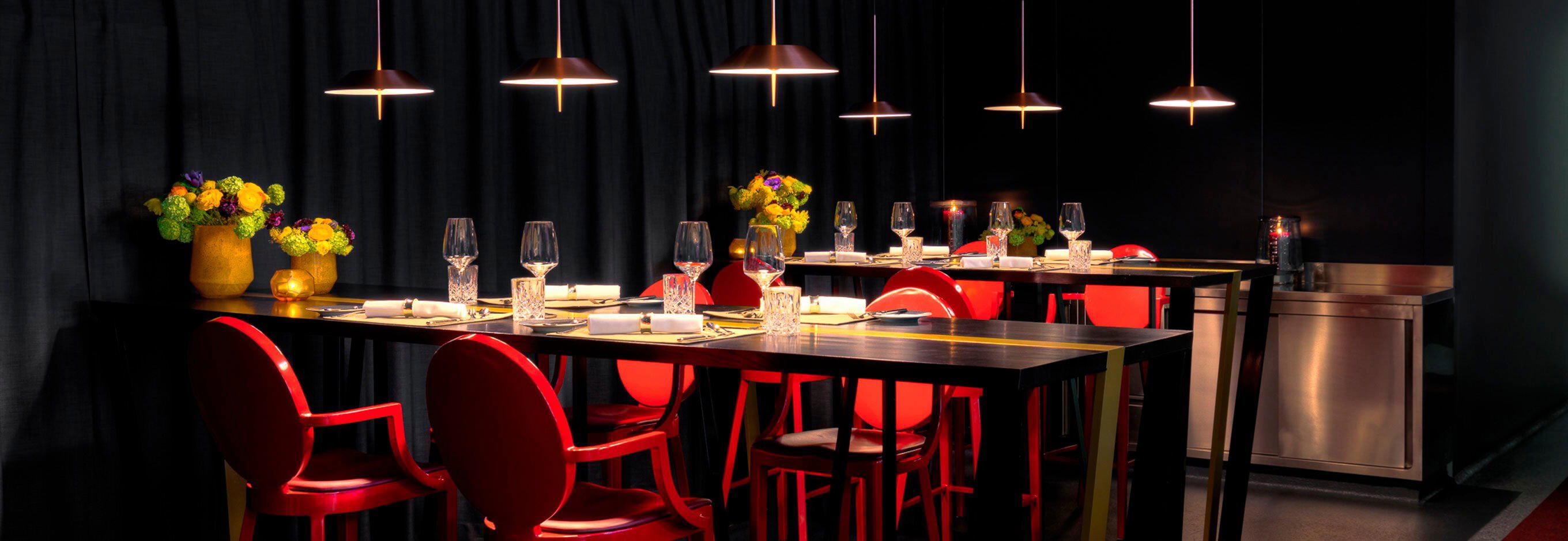
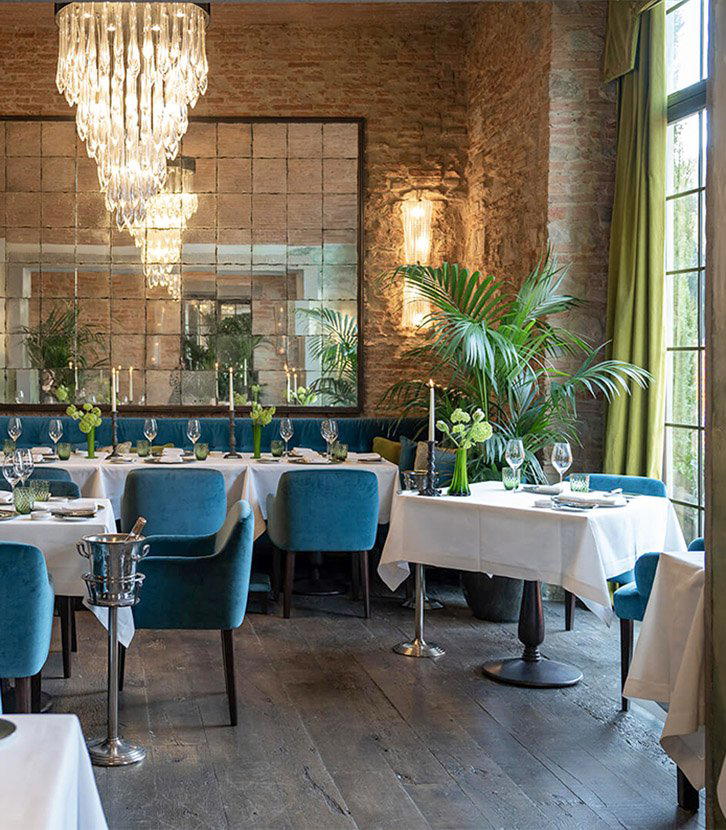
Restaurants in Innsbruck
Browse all →
Bars in Innsbruck
Browse all →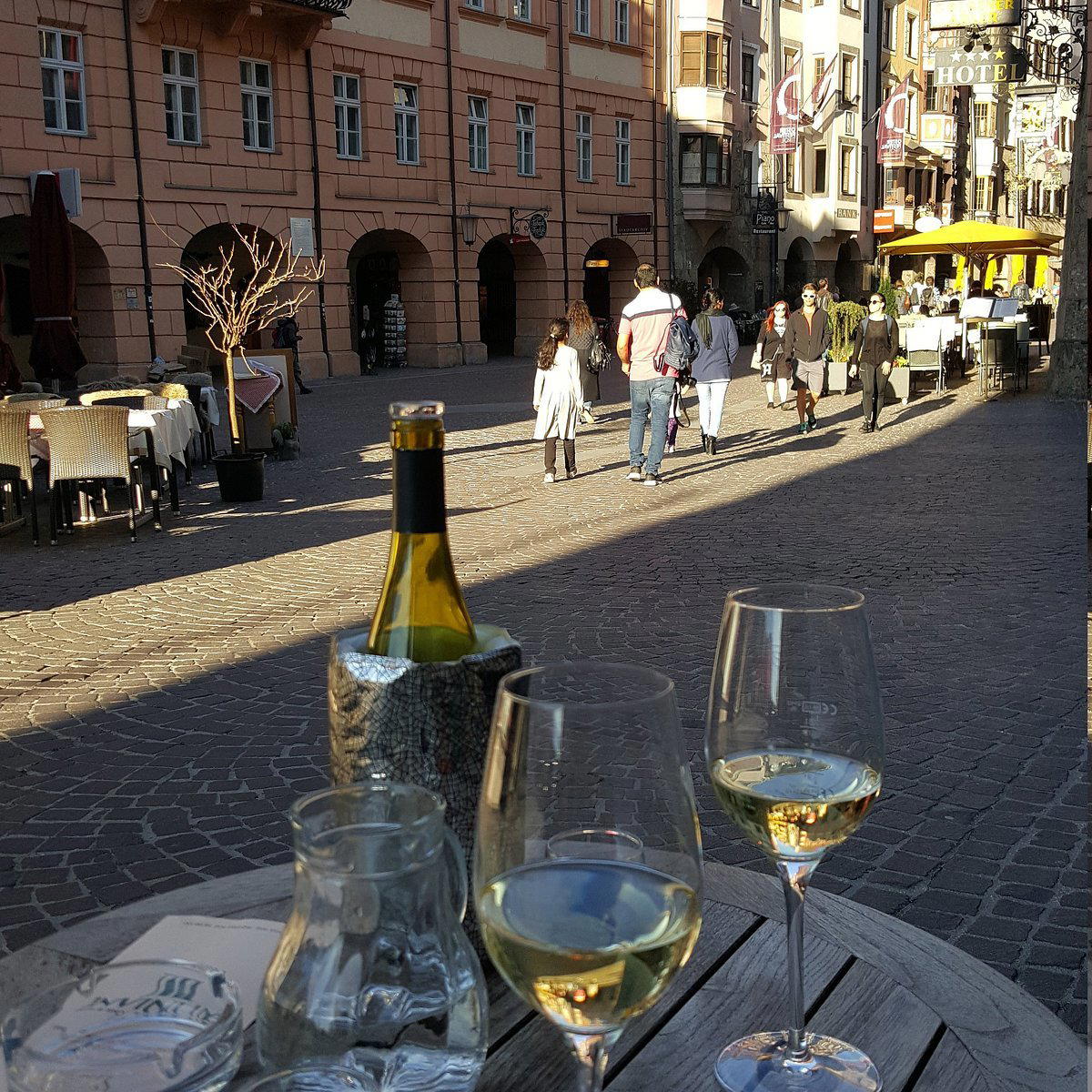
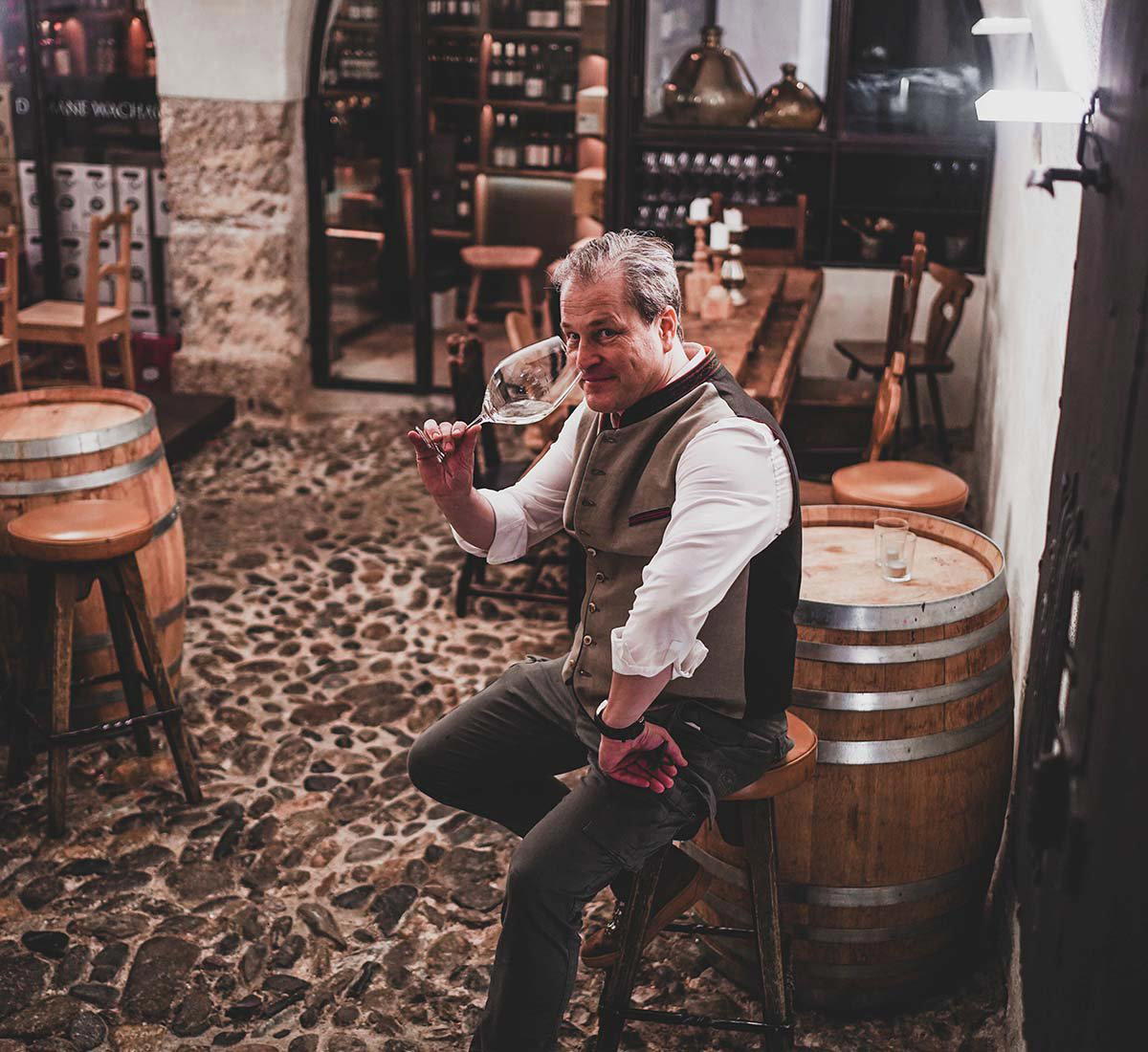
Hotels in Innsbruck
Browse all →

At a Glance
- Cozy
- Casual Hangout
- Family
- Standalone
- Beer Program
- Local Sourcing
- Street Scene
Current opening hours
- Monday
- 11:30 AM–7 PM
- Tuesday
- 11:30 AM–7 PM
- Wednesday
- 11:30 AM–7 PM
- Thursday
- 11:30 AM–7 PM
- Friday
- 11:30 AM–7 PM
- Saturday
- 11:30 AM–7 PM
- Sunday
- Closed
Hours can change for holidays and private events. Last verified .
Cozy and welcoming hole-in-the-wall spot with friendly host creating good energy and vibes.