Burkia Innsbruck occupies a quiet address on Exlgasse in the Tyrolean capital, operating within a city dining scene that rewards those who look beyond the old town's tourist corridor. Innsbruck sits at the intersection of Alpine tradition and Central European urban sophistication, and the restaurants along its residential streets reflect that tension directly on the plate.
Pearl is the En Primeur Club membership app — saves, bookings, and concierge access live there. Same editors, same standards.
- Address
- Exlgasse 24, 6020 Innsbruck, Austria
- Phone
- +436765009683
- Website
- burkia.at
- Directions
- Get directions
 Saves & bookings on Pearl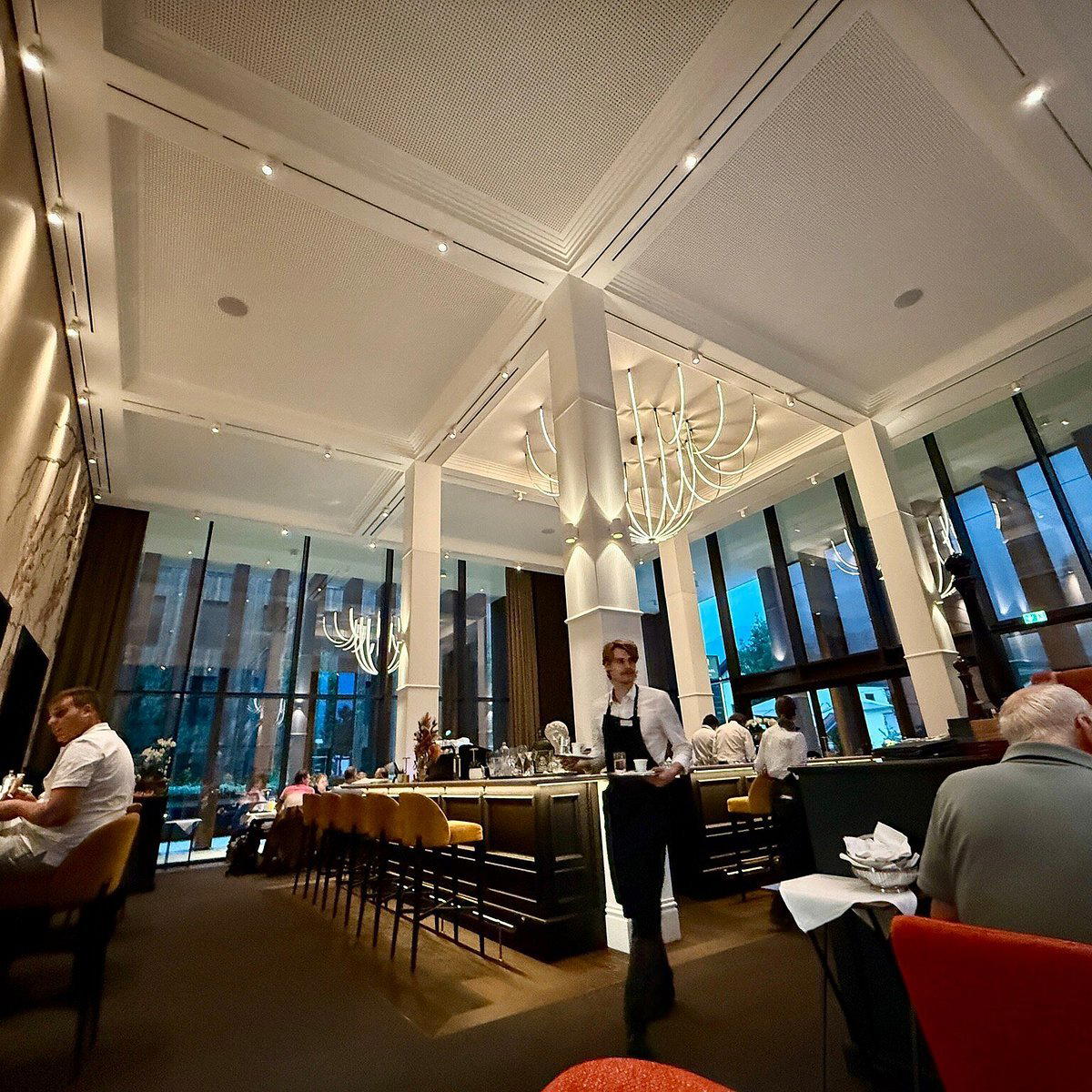
A Street Removed from the Postcard Version of Innsbruck
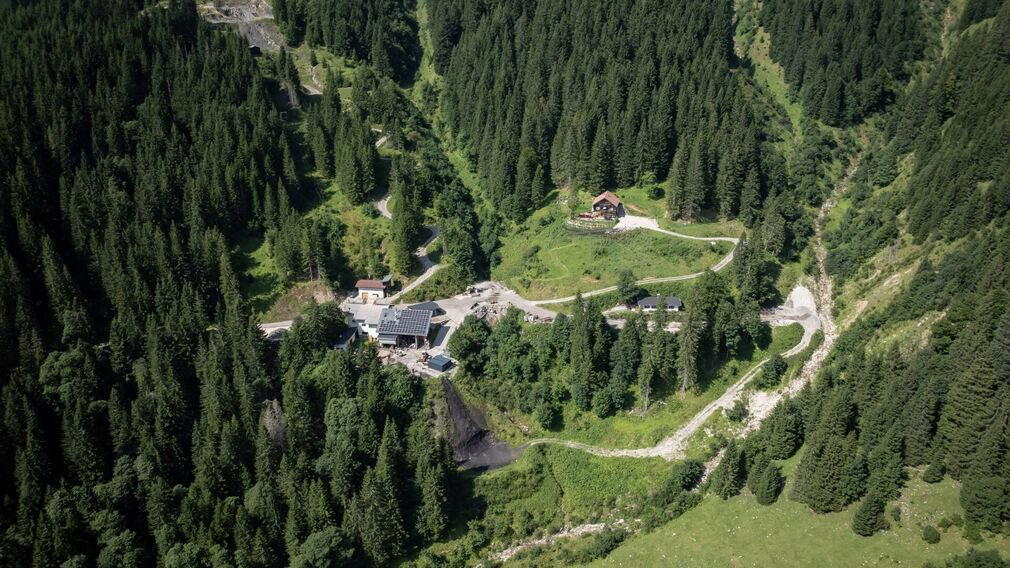
Exlgasse runs through one of Innsbruck's quieter residential pockets, away from the Herzog-Friedrich-Strasse crowds and the shadow of the Nordkette cable car terminus. Arriving here on foot from the city centre, the shift in atmosphere is immediate: fewer tour groups, more locals on bicycles, the particular hush of a neighbourhood that functions on its own schedule rather than the tourist calendar. It is in settings like this that Innsbruck's more considered dining tends to operate, and Burkia at number 24 sits within that broader pattern of restaurants that trade visibility for a more defined local clientele.
Tyrolean dining has its own logic. The city sits at roughly 574 metres above sea level, surrounded by peaks that dictate the seasonal rhythm of what arrives in kitchens: game in autumn, dairy and mountain herbs through summer, preserved and cured proteins through the harder months. Restaurants on the city's residential fringes tend to track these rhythms more closely than the old town venues, where tourist demand flattens the menu toward year-round Austrian classics. Understanding where Burkia fits within that pattern requires looking at what Innsbruck's neighbourhood dining circuit is actually doing.
The Innsbruck Dining Scene: Context First
Innsbruck occupies an interesting position in Austrian fine dining. It lacks the density of Vienna, where Steirereck im Stadtpark anchors a deep constellation of Michelin-recognised addresses, but it sits within a Tyrolean region that produces serious kitchens. Gourmetrestaurant Tannenhof in Sankt Anton am Arlberg and Stüva in Ischgl represent the resort-adjacent tier of Tyrolean gastronomy, where skiing seasons concentrate spending and expectations. Innsbruck's own scene operates differently: smaller budgets, more consistent year-round trade, and a dining public that includes the university community alongside the business travellers moving between Munich and Italy on the Brenner corridor.
Within the city itself, the pricing landscape spans a clear range. Oniriq operates at the €€€€ tier with a creative tasting format that positions it against regional destination restaurants. Das Schindler and Bistro Gourmand hold the €€€ bracket with seasonal and classic cuisine respectively. Then there are addresses like B-West and Al Fred that serve the more everyday dining needs of a working city. Its Exlgasse address places it within the neighbourhood tier that Innsbruck diners treat as regulars' territory rather than occasion dining.
Broader Austrian dining parallels are worth noting for context. Obauer in Werfen and Landhaus Bacher in Mautern an der Donau demonstrate that Austria's most compelling restaurants often operate outside major urban centres, drawing their identity from specific regional product and a local sense of proportion. Döllerer in Golling an der Salzach built an entire identity around Alpine terroir as a serious culinary proposition. These precedents matter because they define the vocabulary that Tyrolean kitchens draw from, whether they are pitching at destination diners or neighbourhood regulars.
The Sensory Register of a Tyrolean Neighbourhood Restaurant
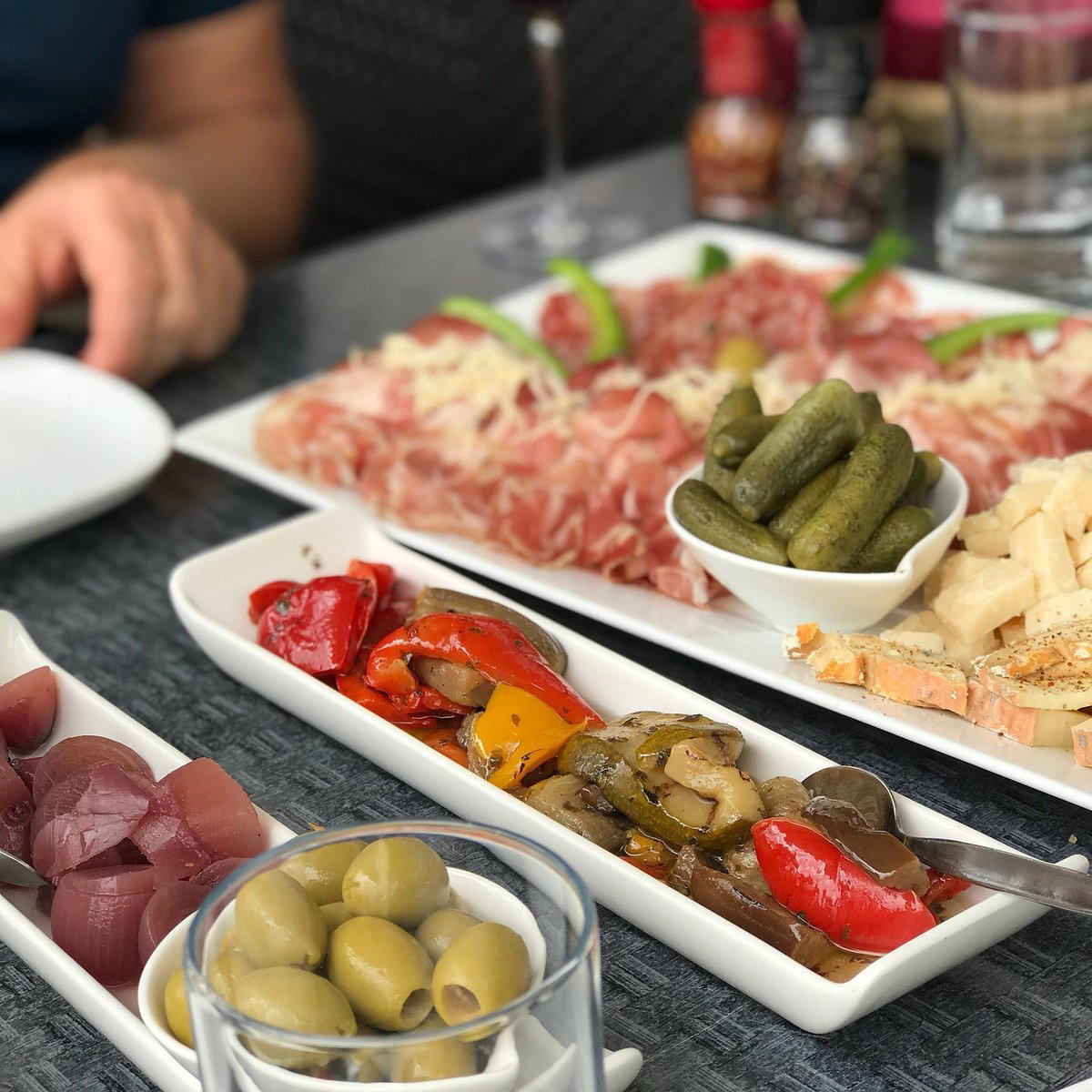
The physical experience of eating in Innsbruck's residential restaurant tier follows a recognisable pattern. Rooms tend toward the warm and compressed rather than the open and theatrical: wood panelling, close-set tables, service that assumes familiarity rather than ceremony. The acoustic texture is conversation rather than performance. Windows in these spaces often face residential courtyards or quiet streets, meaning the outside world contributes texture, passing bicycles, the shift of mountain light through the afternoon, rather than distraction.
Alpine kitchens that operate in this register tend to use aroma as a primary sense cue before a dish arrives: browning butter, mountain herbs in stock, the particular sweetness of Tyrolean Speck when it hits a warm pan. These are kitchens that reference the larder of the surrounding landscape without necessarily making a statement about it. The confidence comes from consistency rather than theatrical plating. This contrasts with the more architecturally constructed plates appearing at Ois in Neufelden or at international addresses like Le Bernardin in New York City, where the visual grammar of the dish is itself a communication.
For visitors arriving from that more spectacle-oriented dining circuit, Innsbruck's neighbourhood restaurants can read as understated. The better reading is calibrated: the ambition here is in produce quality and technique rather than presentation vocabulary.
Seasonal Timing and the Tyrolean Calendar
Innsbruck's dining rhythm splits between the ski season, when the city functions as a gateway to surrounding resorts, and the shoulder months of spring and autumn, when the local population reasserts itself in neighbourhood restaurants. Summer draws its own crowd through hiking tourism and festival programming. The winter months, from late November through March, bring concentrated dining activity and the highest likelihood that a neighbourhood address will be operating at capacity on weekend evenings.
Restaurants like Arzler Alm track these seasonal pressures through their traditional Alpine format, which suits the winter visitor's expectation of hearty, rooted cooking. A neighbourhood address on Exlgasse operates on a different tempo, serving the locals who remain through every season. The spring months, when Tyrolean dairy comes back into peak production and early mountain herbs appear, represent the period when this style of kitchen tends to be at its most expressive.
Booking ahead is recommended, especially during peak ski season and the October shoulder period. Addresses like Bonsai and Restaurant 141 by Joachim Jaud in Mieming demonstrate that even lower-profile Tyrolean venues can fill quickly when the visitor-to-table ratio tightens.
For those building a broader Austrian dining itinerary that connects Innsbruck with other regions, Kräuterreich by Vitus Winkler in Sankt Veit im Pongau offers a further reference point for the herb-driven, landscape-rooted direction that several of the region's kitchens are pursuing. The contrast between urban neighbourhood dining in Innsbruck and destination kitchens in smaller alpine towns defines much of what makes Austrian regional gastronomy worth tracing as a circuit rather than a series of individual stops.
For a restaurant like Burkia, the editorial value lies in understanding the broader scene it inhabits rather than treating the venue in isolation. Exlgasse is the kind of address worth finding precisely because it is not the address everyone finds first. International comparisons, from the community-dining model of Lazy Bear in San Francisco to the neighbourhood-restaurant tradition embedded in Vienna's Gasthaus tier, suggest that durable dining experiences in any city tend to be the ones that serve their immediate community first and visitors second.
Planning Your Visit
Burkia Innsbruck is located at Exlgasse 24, 6020 Innsbruck, in the Tyrol region of Austria. The address sits in a residential quarter accessible on foot from the city centre in under twenty minutes, or by local bus along the main arterial routes. Given the limited public documentation currently available for this address, contacting the restaurant directly before visiting is one reliable approach to confirming current hours, format, and availability, particularly during peak ski season when neighbourhood dining in Innsbruck operates under higher demand.
Comparable Spots
Comparable venues nearby, for context on price, style, and recognition.
| Venue | Cuisine | Price | Notes |
|---|---|---|---|
| Burkia InnsbruckThis venue — the venue you are viewing | Traditional Austrian | $$ | Not listed |
| Jedermann's | Austrian | $$ | Innsbruck city center |
| the naked indigo | Modern Vegetarian Bowls | $$ | Innrain |
| my Indigo Rathaus | Asian Fusion Energy Kitchen | $$ | Altstadt (historic center) |
| Le Murge | Authentic Apulian Italian Trattoria | $$ | Wilten |
| Arzler Alm | Traditional Tyrolean Alpine Hut | $$ | Arzl |
Continue exploring
More in Innsbruck
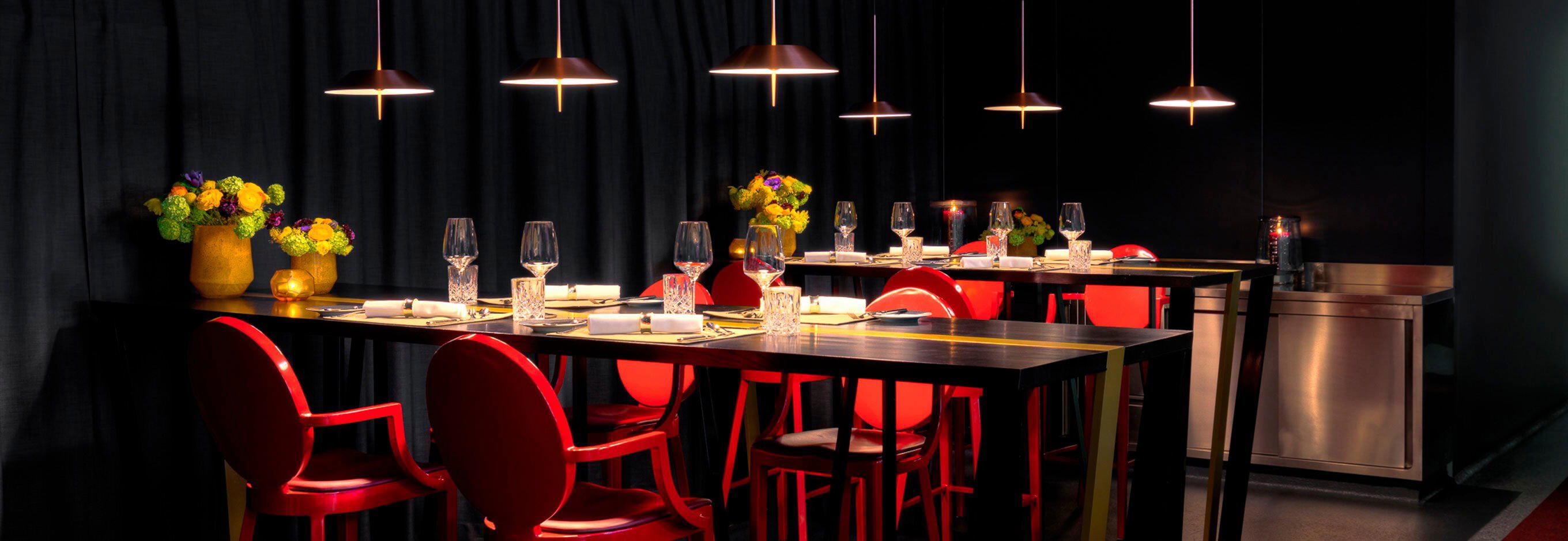
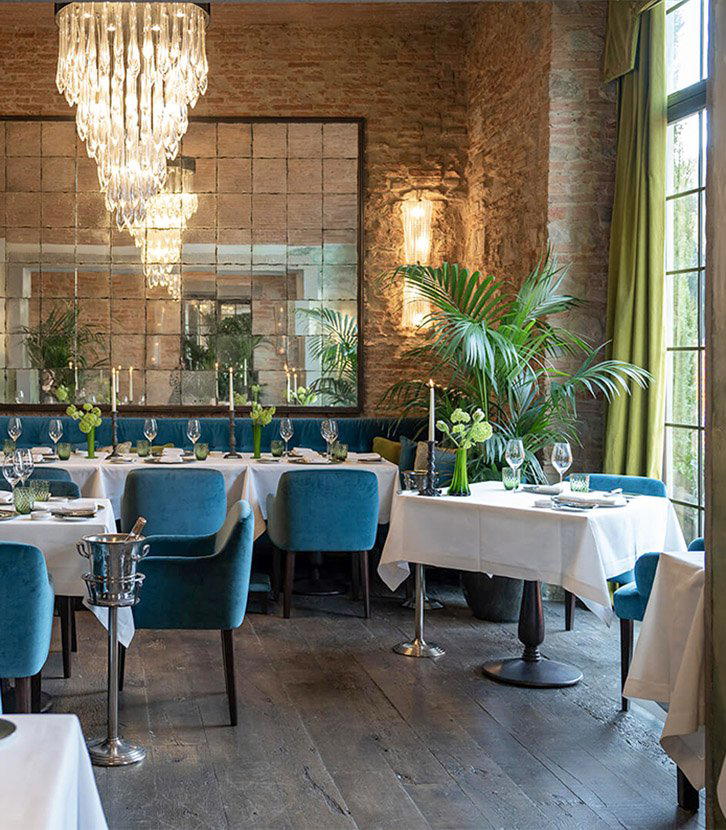
Restaurants in Innsbruck
Browse all →
Bars in Innsbruck
Browse all →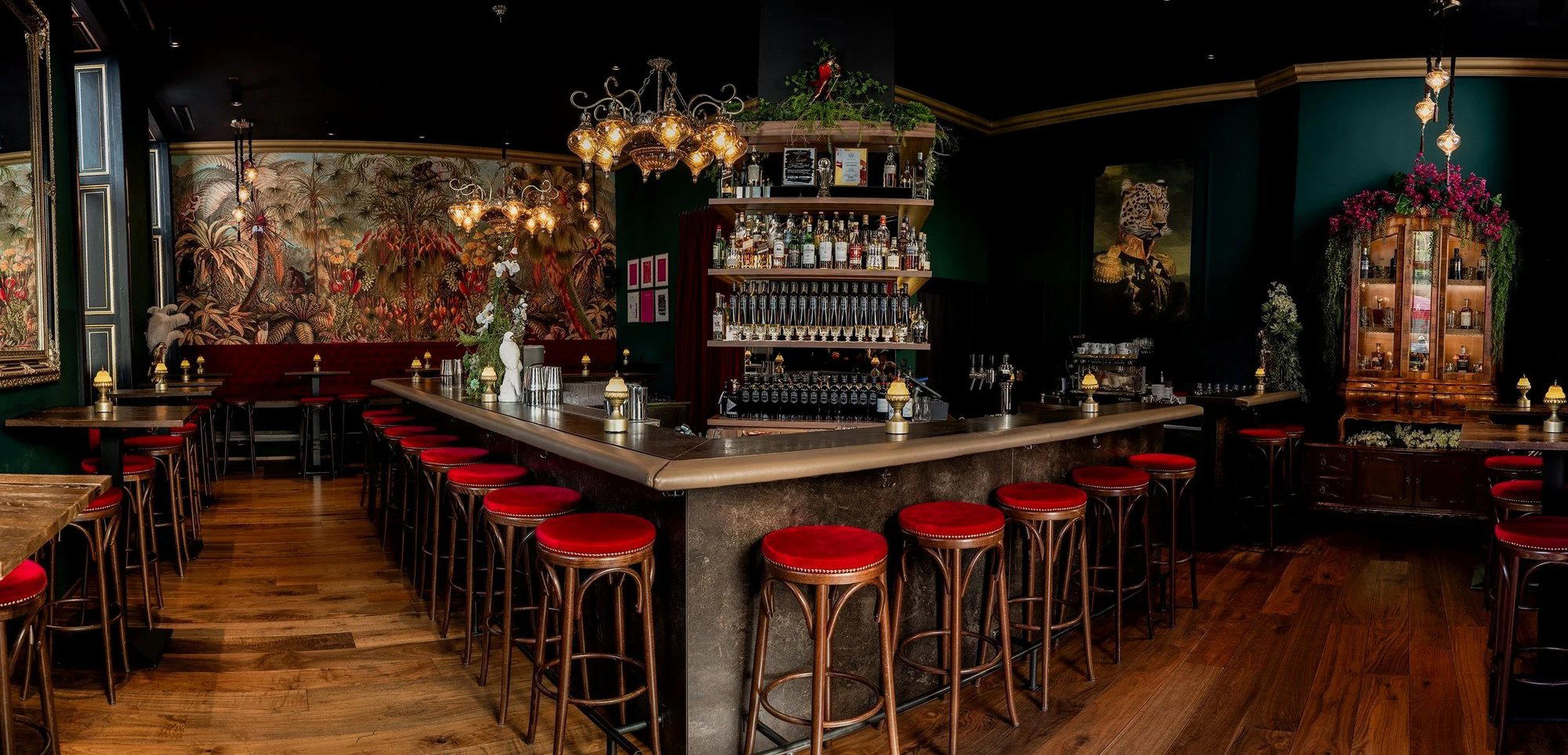
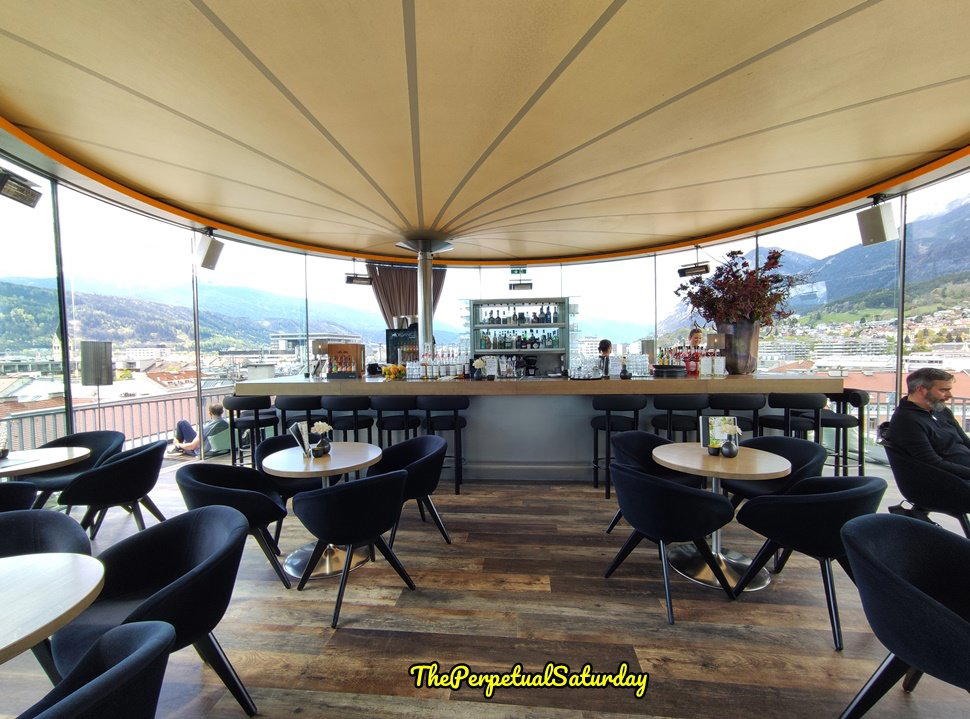
Hotels in Innsbruck
Browse all →

At a Glance
- Cozy
- Classic
- Business Dinner
- Group Dining
- Casual Hangout
- Terrace
- Extensive Wine List
Current opening hours
- Monday
- 8 AM–11 PM
- Tuesday
- 8 AM–11 PM
- Wednesday
- 8 AM–11 PM
- Thursday
- 8 AM–11 PM
- Friday
- 8 AM–11 PM
- Saturday
- Closed
- Sunday
- Closed
Hours can change for holidays and private events. Last verified .
Lively and welcoming atmosphere with modern decor, comfortable for groups and friends, hearty convivial vibe amid traditional alpine hospitality.