Achen Lake
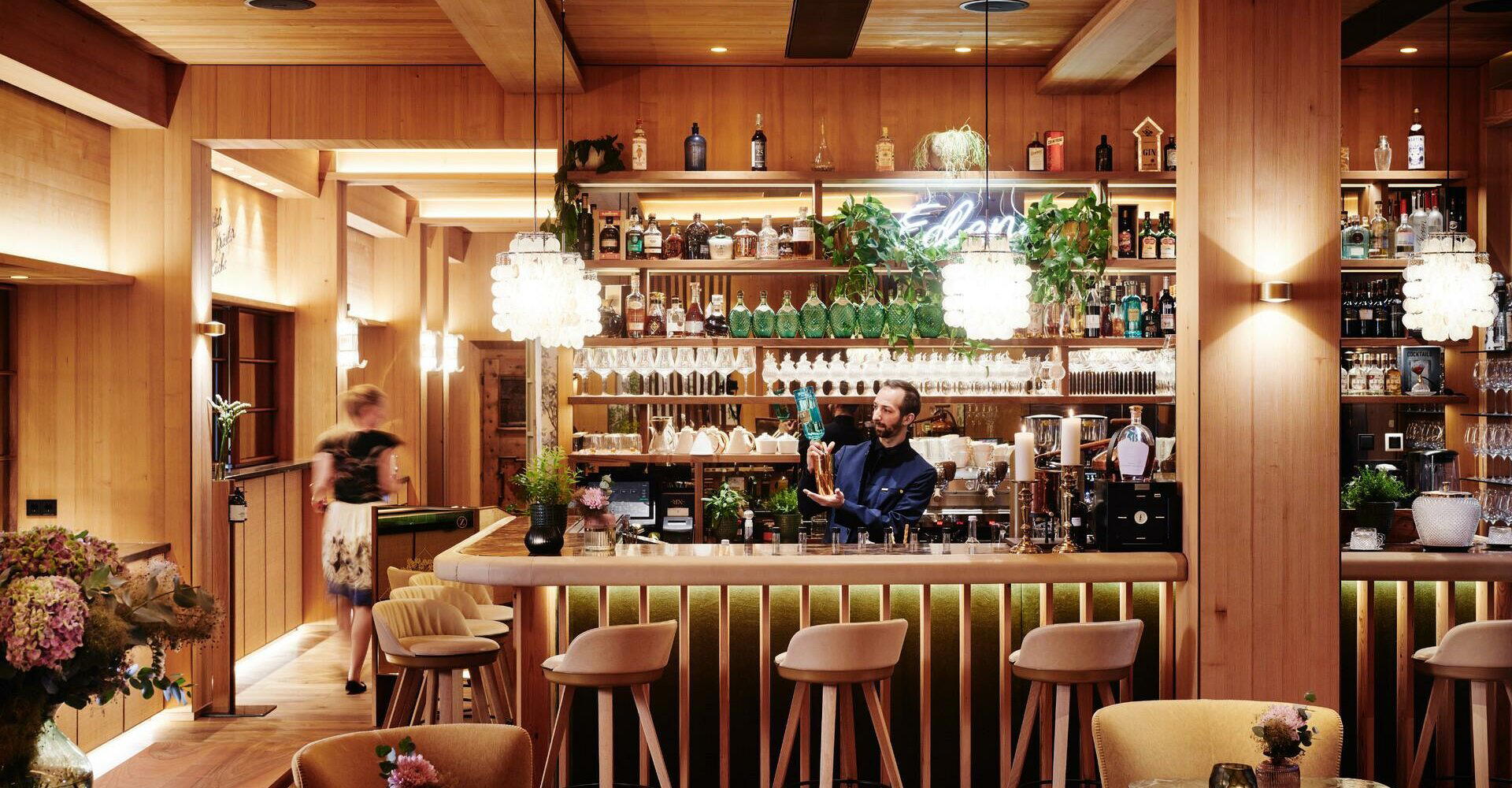
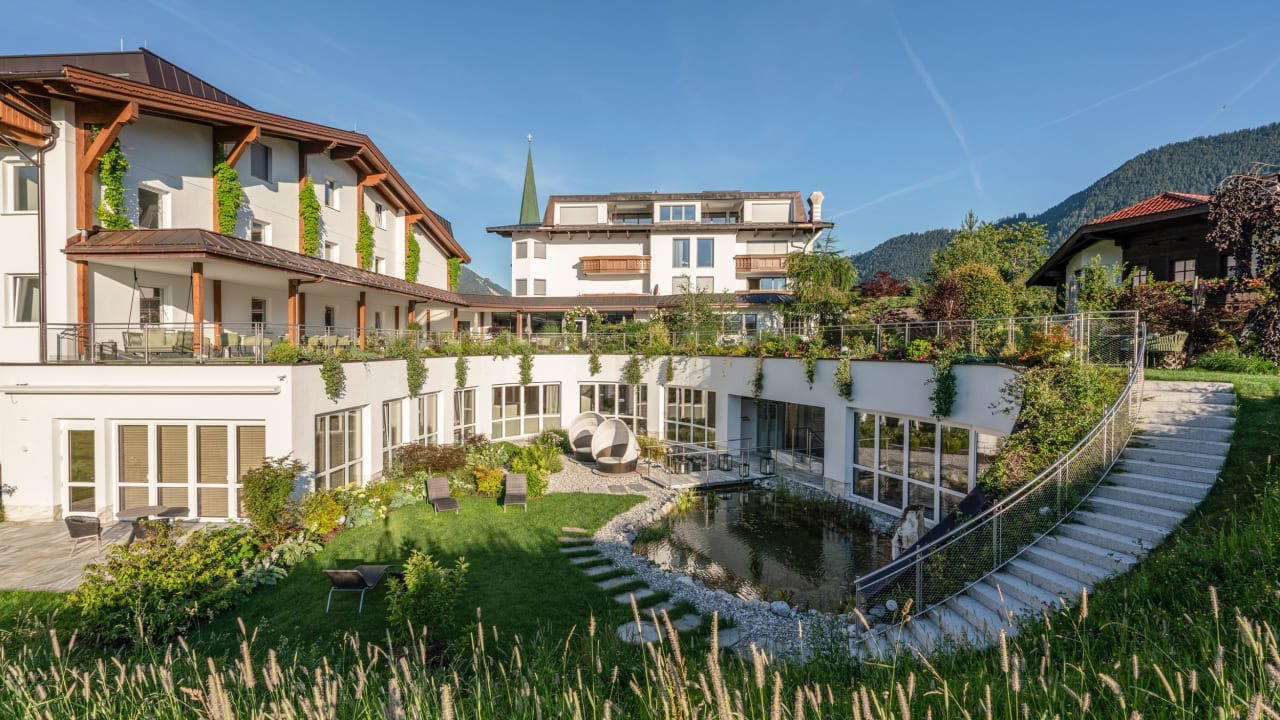
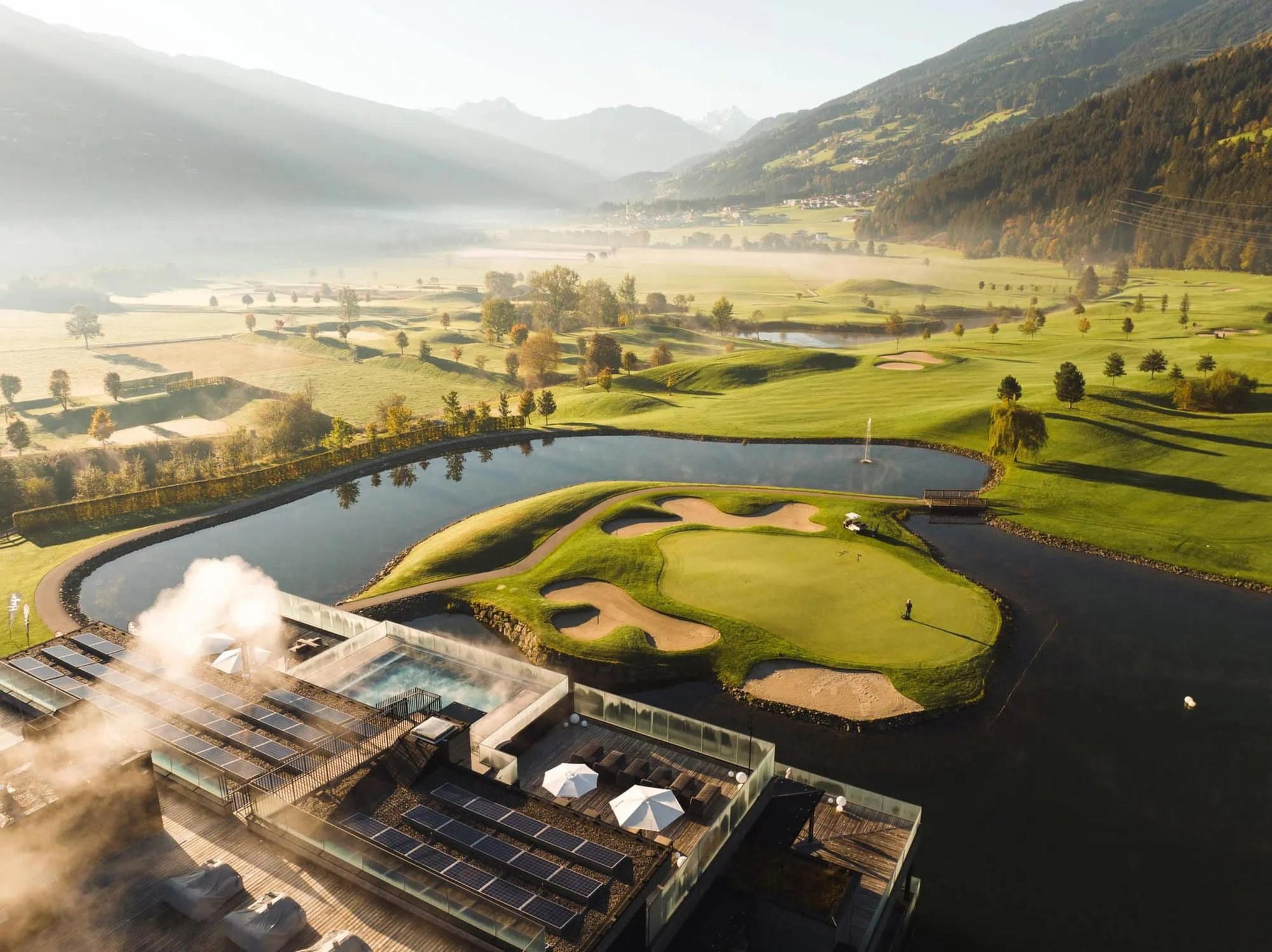
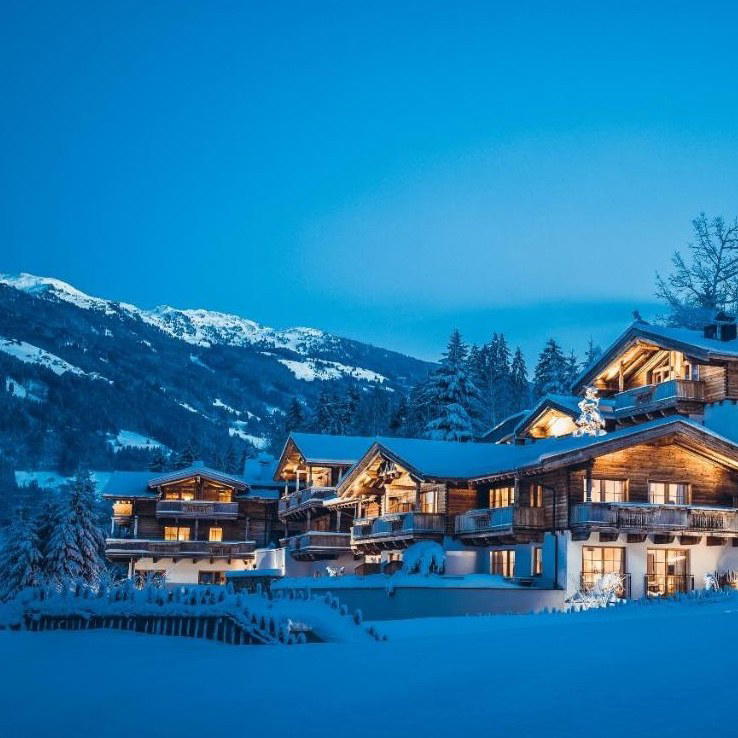
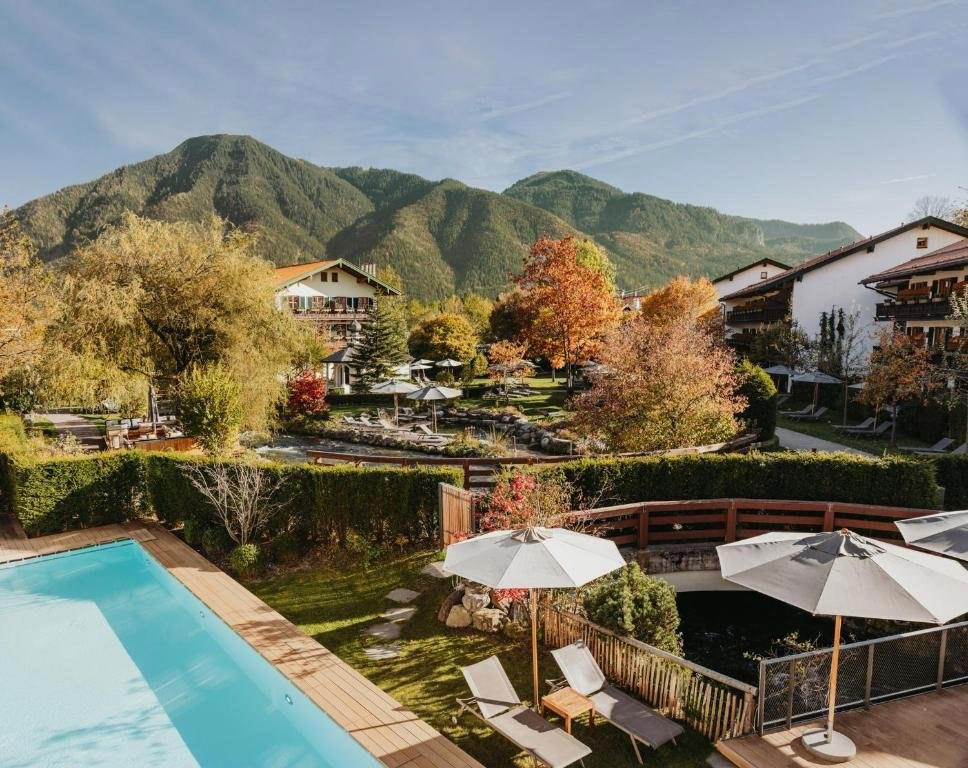
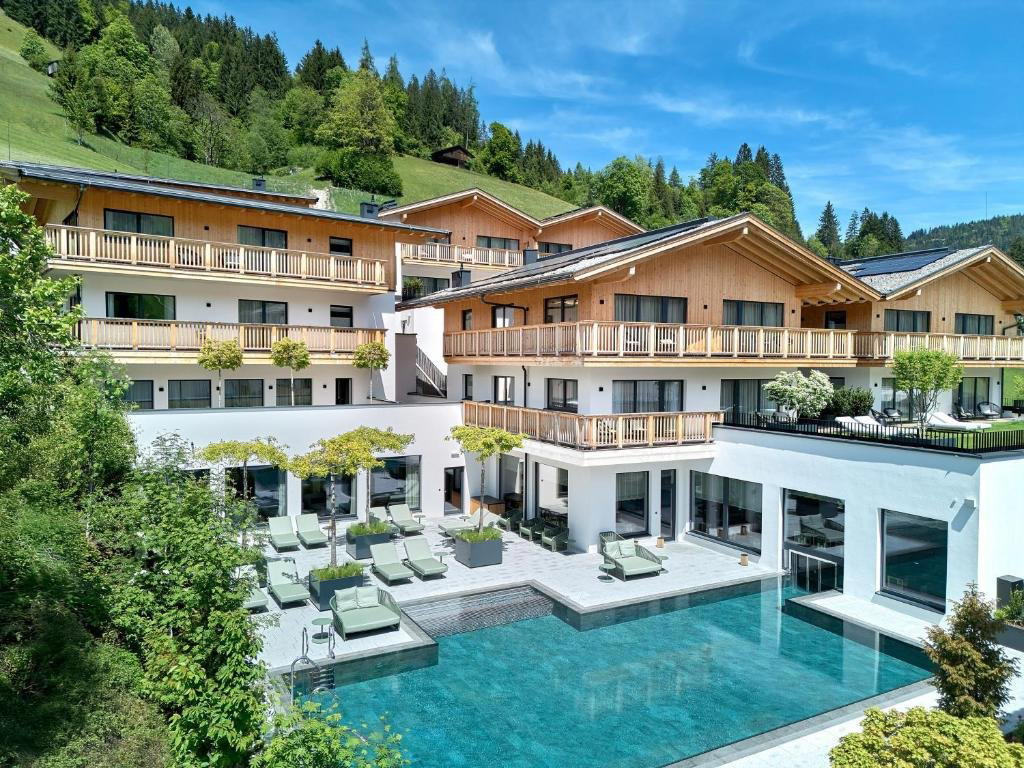
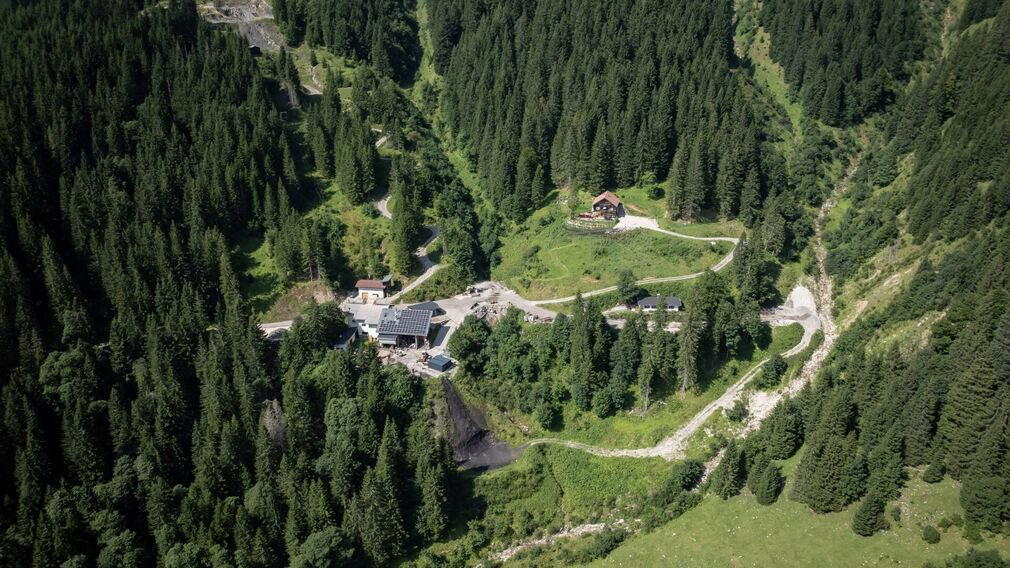
Achen Lake sits on the shores of Austria's deepest alpine lake in the Tyrolian village of Eben am Achensee, where the bar and drinks culture reflects the surrounding landscape of mountain air and cold water. The setting frames a drinks experience shaped by alpine tradition and regional character, positioned within a wider circuit of Austrian drinking destinations worth knowing.
Pearl is the En Primeur Club membership app — saves, bookings, and concierge access live there. Same editors, same standards.
- Address
- Austria
- Phone
- +43 664 1311152
- Website
- seeeck.at
- Directions
- Get directions
 Saves & bookings on Pearl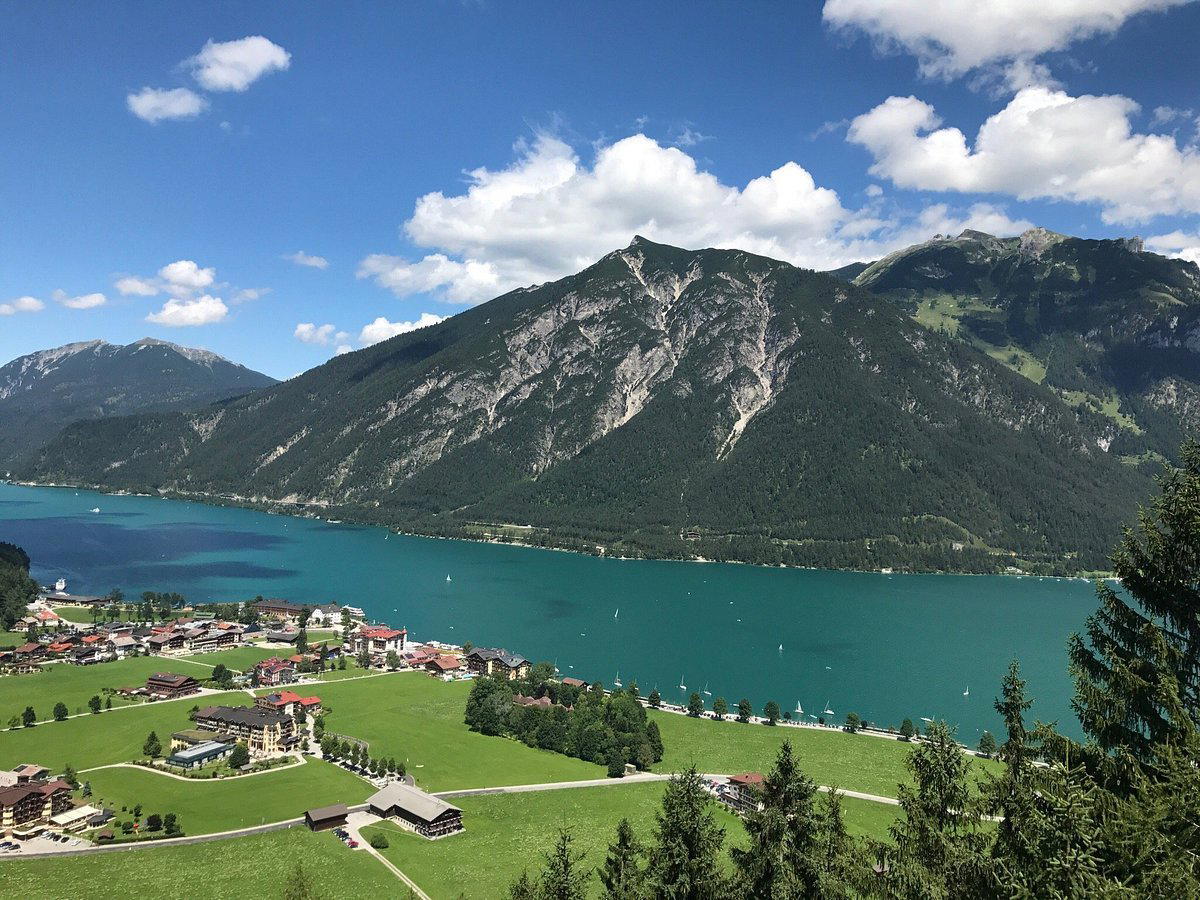
Where the Tyrolean Alps Meet the Drink
The Achensee occupies a particular position in the Austrian alpine imagination. At roughly 133 metres at its deepest point, it is the largest lake entirely within Tyrol, and the village of Eben am Achensee sits at its southern approach, caught between the Karwendel and Rofan mountain ranges. This is not a destination that generates the kind of international traffic seen in Innsbruck or Salzburg. What it generates instead is a specific type of traveller: one who has already done the city circuit and wants to understand how Austrian hospitality functions when it is stripped of urban performance. Achen Lake, as a venue, sits inside that quieter register.
Austrian alpine bar culture has undergone a gradual recalibration over the past decade. The Hütte model, built around Schnapps, Glühwein, and communal wooden tables, remains the dominant idiom in ski resort towns. But in lake districts and quieter mountain settlements, a more considered drinks offering has begun to take shape, one that draws on regional spirits, local herb profiles, and a slower, more deliberate pace of service. The Achensee region participates in this shift. Its proximity to Innsbruck, roughly 45 kilometres north, gives it access to a more informed drinking public without being absorbed into the city's more competitive hospitality scene.
The Drinks Register in Alpine Context
The country produces a range of regional spirits, from Williams pear Schnapps in the west to apricot-based Marille Brände in the east, and Tyrol specifically has a tradition of herb-forward digestifs tied to the mountain flora of the Karwendel range. A thoughtful drinks programme in this geography does not need to reach for imported cocktail trends to build credibility. The raw material exists locally.
Vienna's bar scene, anchored by venues like Club U in Vienna, operates at a different register entirely, with internationally-trained bartenders and programmes that reference global cocktail movements. Salzburg's Augustiner Bräu Mülln represents another pole of Austrian drinking culture, one rooted in monastic brewing tradition and communal hall format. The Achensee sits between these poles, geographically and temperamentally. It is neither the urban sophisticate nor the beer-hall institution. It is the alpine lake bar, and that category has its own logic.
Graz's Landhauskeller shows how historical architecture can anchor a drinks venue in Austrian provincial cities. In Innsbruck, Hotel Schwarzer Adler demonstrates how a hotel bar can carry regional credibility while serving an international guest base. The Achensee, as a lake destination rather than a city, functions differently from both: the guest arrives with more time, less agenda, and a willingness to let the setting do some of the work.
Reading the Room: What the Setting Demands
Alpine lake settings impose their own editorial logic on a drinks programme. The view across water to forested slopes creates a particular ambient pressure: the programme either responds to that environment or fights it. Venues that respond tend to lean into local herb profiles, cold-water mineral notes in their mixers, and a pacing that matches the slow light of an alpine evening. Venues that ignore the setting default to a generic hotel-bar register that feels mismatched regardless of quality.
This is the challenge and the opportunity for any serious drinks operation on the Achensee. The Austrian alpine herbs, including gentian, arnica, and yarrow, have deep roots in regional Schnapps and liqueur traditions. A programme that draws on these while applying contemporary technique occupies a position that few venues elsewhere in Europe can credibly claim. It is not a technique-for-its-own-sake approach, but rather one where technique serves regional character. Venues like Red Bull Hangar-7 in Himmelreich show how Salzburg-adjacent destinations can build distinctive bar identities through concept discipline. The Achensee context demands something more rooted but equally deliberate.
For comparison points in Austria's lake and wine regions, Carinthia Weinbar in Velden am Wörthersee offers a useful reference: a wine-forward lake destination that has built a clear identity around the Wörthersee's summer season. Das O's in Mondsee provides another data point from Austria's Salzkammergut lake district, where the drinks culture has developed its own seasonal rhythm. The Achensee sits in a comparable structural position within Tyrol.
Practical Orientation
Eben am Achensee is accessible from Innsbruck by car in under an hour, and the Achenseebahn, a historic rack railway operating since 1889, connects Jenbach on the main Inn Valley rail line to the lake's southern shore. The railway itself has been running tourist traffic to the Achensee for over a century, which speaks to the lake's established position in Tyrolean leisure geography. Visitors arriving for drinks and an evening on the water should factor in the railway's seasonal operating schedule, as it runs primarily in summer and on select dates through the alpine calendar.
Comparable Spots, Quickly
Comparable venues nearby, for context on price, style, and recognition.
| Venue | Cuisine | Price | Notes |
|---|---|---|---|
| Achen LakeThis venue — the venue you are viewing | hotel_bar | $$ | Not listed |
| Erfurter Hütte | Traditional Tyrolean Alpine | $$ | Maurach, Eben am Achensee |
Continue exploring
More in Eben Am Achensee
Bars in Eben Am Achensee
Browse all →
Restaurants in Eben Am Achensee
Browse all →
Hotels in Eben Am Achensee
Browse all →

At a Glance
- Scenic
- Cozy
- Date Night
- Casual Hangout
- Waterfront
- Terrace
- Lounge Seating
- Outdoor Terrace
- Classic Cocktails
- Waterfront
- Mountain
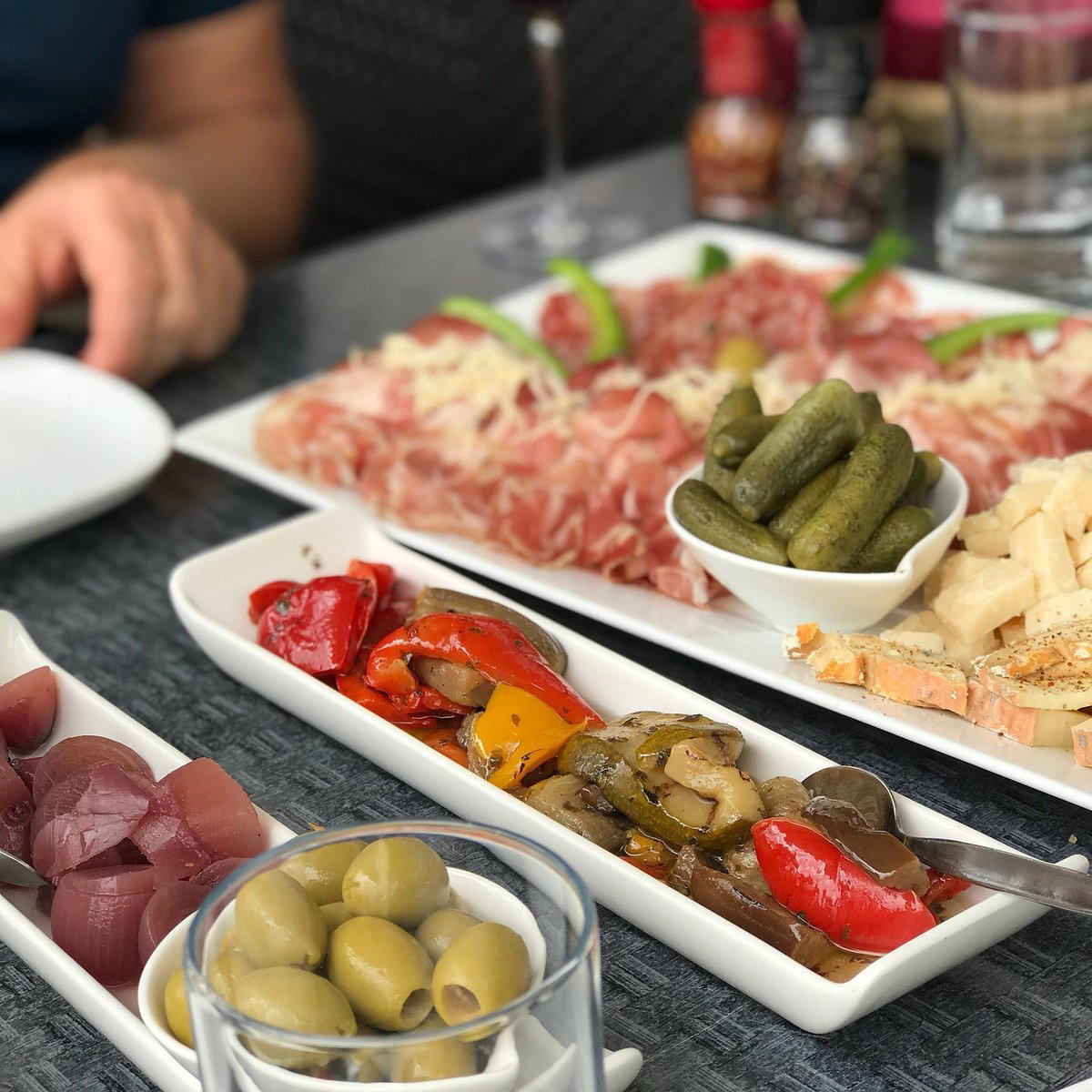
Glamorous lounge atmosphere with mood-setting music and mountain-lake backdrop.