Positioned steps from Innsbruck's historic Rathaus on Stainerstraße, my Indigo Rathaus occupies a city-centre address that puts it in the middle of the Tyrolean capital's dining scene. The property draws on the neighbourhood's architectural weight while operating within a hotel format that serves both transit guests and destination diners. For context on where it sits within Innsbruck's wider restaurant offer, see our full city guide.
Pearl is the En Primeur Club membership app — saves, bookings, and concierge access live there. Same editors, same standards.
- Address
- Stainerstraße 3, 6020 Innsbruck, Austria
- Phone
- +4366488337774
- Website
- myindigo.com
- Directions
- Get directions
 Saves & bookings on Pearl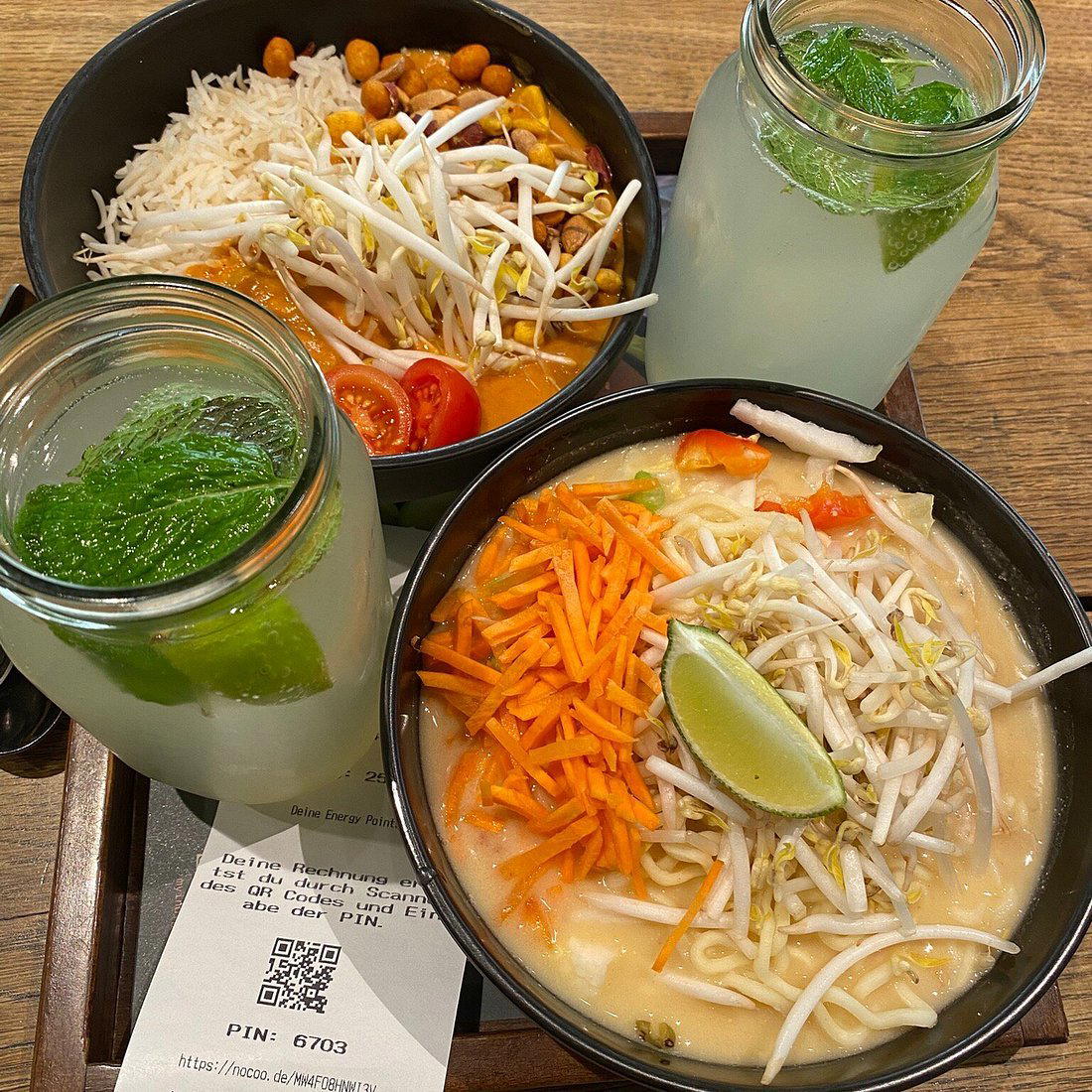
A City-Centre Address and What It Signals
Innsbruck's dining geography sorts itself roughly into two zones: the valley-floor city centre, where hotels and brasserie-style kitchens serve a mixed tourist and business crowd, and the hillside and village fringes, where spots like Arzler Alm lean into Alpine provenance with more deliberate force. Stainerstraße 3 is firmly in the first category. The Rathaus district carries the kind of civic weight you feel before you see it: wide stone-paved approaches, the compressed verticality of Tyrolean Gothic, and a pedestrian density that makes the streets feel purposeful rather than ornamental. my Indigo Rathaus sits within that context, operating from an address that brings footfall but also sets a particular expectation: guests here are as likely to be attending a conference or passing through on a rail itinerary as they are to have planned the meal weeks in advance.
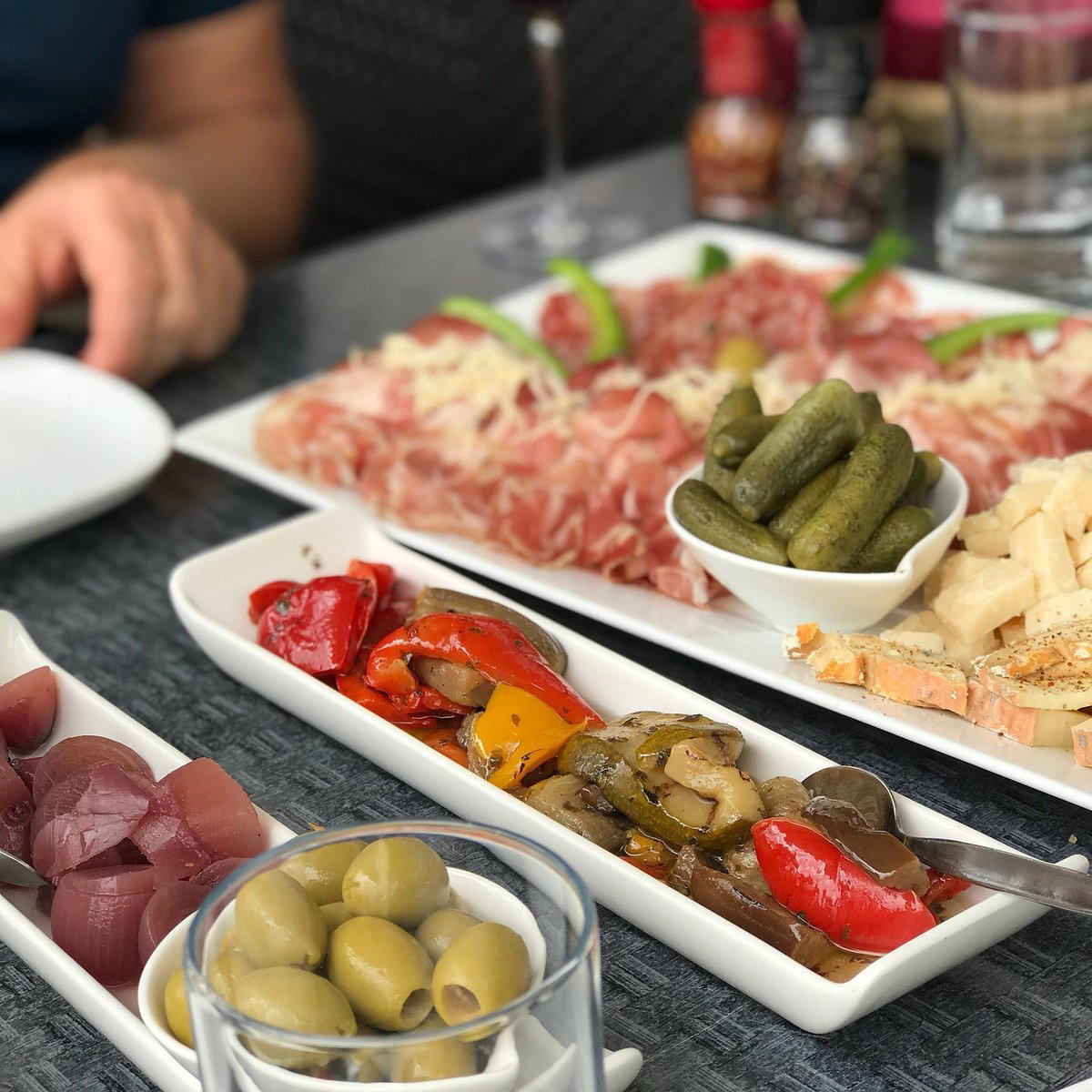
That distinction matters editorially. City-centre hotel restaurants in Alpine towns occupy a specific niche in the Austrian dining order. They are not the places where a region's sourcing story gets told most loudly, yet strong examples among them serve as reliable entry points into regional produce for guests who would otherwise default to the international hotel standard. Innsbruck's position at the junction of several Tyrolean valleys gives any serious kitchen here access to dairy, game, cured meats, and foraged material that the city's altitude and geography make genuinely distinctive.
Ingredient Geography in the Tyrolean Kitchen
The broader Austrian fine-dining conversation has increasingly centred on provenance transparency. Properties like Steirereck im Stadtpark in Vienna and Landhaus Bacher in Mautern an der Donau have built their reputations partly on named-supplier relationships and seasonal discipline. At the Salzburg end of the country, Ikarus in Salzburg and Obauer in Werfen operate within a similarly ingredient-forward framework. The Tyrolean version of this story is shaped by altitude: growing seasons are shorter, dairy herds move between valley and alp across the year, and game is genuinely seasonal rather than farmed-and-available. Kitchens that engage with this calendar produce menus that shift meaningfully between October and May, not just in garnish but in protein and texture.
For a hotel kitchen on Stainerstraße, the nearest high-quality sourcing corridors run west toward the Inn Valley's dairy producers, south toward the Brenner and the crossover with South Tyrolean cured-meat traditions, and north toward the Karwendel, where wild herbs and game have supplied Tyrolean tables for centuries. Comparable Innsbruck addresses like Bistro Gourmand and Al Fred each navigate this local-versus-international tension differently, and that variation is part of what makes Innsbruck's dining scene worth reading carefully rather than treating as a monolithic Alpine category.
Seasonal Timing and the Innsbruck Calendar
Innsbruck's hotel and restaurant sector peaks in two windows: winter, when the ski infrastructure at Nordkette and the resorts within day-trip range draws a well-funded transient population, and summer, when the city becomes a staging point for hikers and cyclists working the surrounding trails. Spring and autumn are quieter, and kitchens that track the Tyrolean larder closely tend to produce their most interesting menus in October and November, when game is in season, mushroom foraging is at its height, and the transition away from summer produce forces a more deliberate approach to what's on the plate.
For guests with flexibility, the late autumn window also means that properties like Gourmetrestaurant Tannenhof in Sankt Anton am Arlberg and Griggeler Stuba in Lech are accessible for day or overnight excursions without the peak-season pressure on bookings. This context matters for how you frame a stay at a city-centre Innsbruck property: it can function as a base from which the wider Western Austrian dining circuit becomes accessible, rather than as a destination in isolation. Restaurant 141 by Joachim Jaud in Mieming is reachable within roughly 30 kilometres of central Innsbruck, and properties like Döllerer in Golling an der Salzach and Kräuterreich by Vitus Winkler in Sankt Veit im Pongau sit within the broader Salzburg-Innsbruck corridor that serious diners often work as a combined itinerary.
Where It Sits in the Innsbruck Tier
Innsbruck's upper dining register is anchored by creative tasting-menu formats. Oniriq operates at the €€€€ level with a focus on creative cuisine, occupying a comparable set closer to internationally referenced tasting-menu counters than to the brasserie hotel model. Das Schindler and Sitzwohl sit at the €€€ level, each with defined seasonal or classic cuisine identities. lichtblick operates at €€ with an international focus. my Indigo Rathaus, as a hotel restaurant in the Rathaus district, sits within the broader city-centre convenience bracket alongside properties like Bonsai and B-West.
That positioning is not a criticism. City-centre hotel kitchens serve a function that destination restaurants do not: they absorb the unpredictable, the jetlagged, and the conference-extended, and the better ones do it with enough regional fluency to give guests a genuine sense of where they are. The comparison is less with Ois in Neufelden or the creative tasting-menu end of the Austrian spectrum and more with what a traveller needs from a reliable, city-centre base.
The international frame also has its place here. The precision-sourcing model visible at Le Bernardin in New York City or the fermentation and technique depth at Atomix in New York City represents one end of the ingredient-story spectrum; the Alpine hotel kitchen represents another. Both are legitimate, and the difference is mostly one of ambition and audience rather than quality of intention.
Planning Your Visit
my Indigo Rathaus is located at Stainerstraße 3 in central Innsbruck, within walking distance of the old town's main pedestrian axis and the main train station. As a hotel property in the city centre, it is accessible without advance booking in most circumstances, though weekend evenings and peak ski-season weekends in January and February will compress availability. Guests arriving by rail from Vienna or Salzburg will find the address convenient for an immediate check-in without navigating city transport. The restaurant is walk-in friendly and open daily, with hours of 11 AM to 10 PM Monday through Saturday and 12 PM to 9 PM on Sunday.
- Cashew Pad Thai
- Natural Red Thai
- Satay Peanut Bowl
- Trai Bong Noodles
- Indian Dal
- Vegan Wasabi Salmon
Comparable Spots
Comparable venues nearby, for context on price, style, and recognition.
| Venue | Cuisine | Price | Notes |
|---|---|---|---|
| my Indigo RathausThis venue — the venue you are viewing | Asian Fusion Energy Kitchen | $$ | Not listed |
| Jaipur | North Indian | $$ | Innsbruck Old Town |
| Le Murge | Authentic Apulian Italian Trattoria | $$ | Wilten |
| Al Fred | Tyrolean Street Food | $ | Altstadt |
| momoness | Nepalese Momos | $$ | Innenstadt |
| Pippilotta | Modern Austrian Cafe with Regional Influences | $$ | Wilten |
Continue exploring
More in Innsbruck
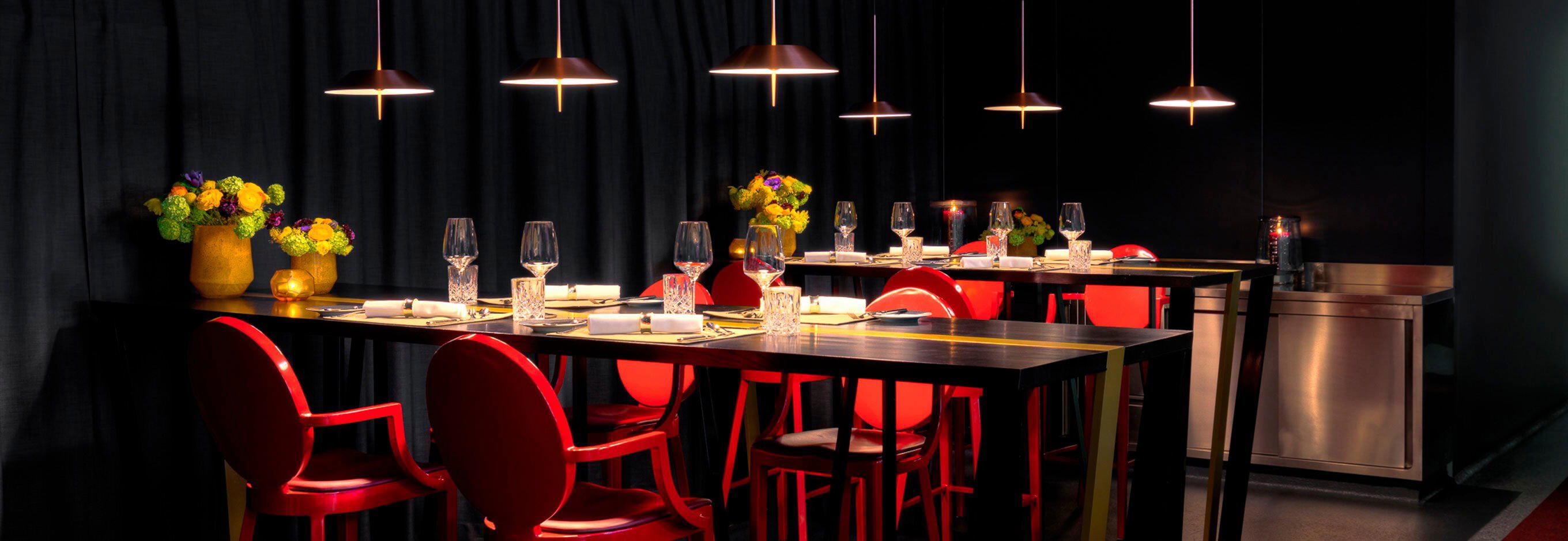
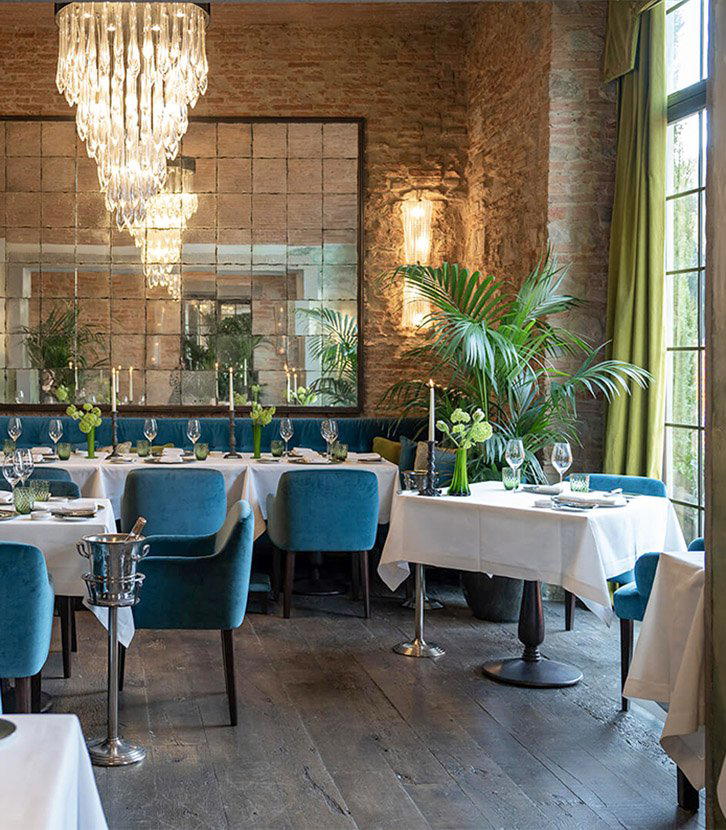
Restaurants in Innsbruck
Browse all →
Bars in Innsbruck
Browse all →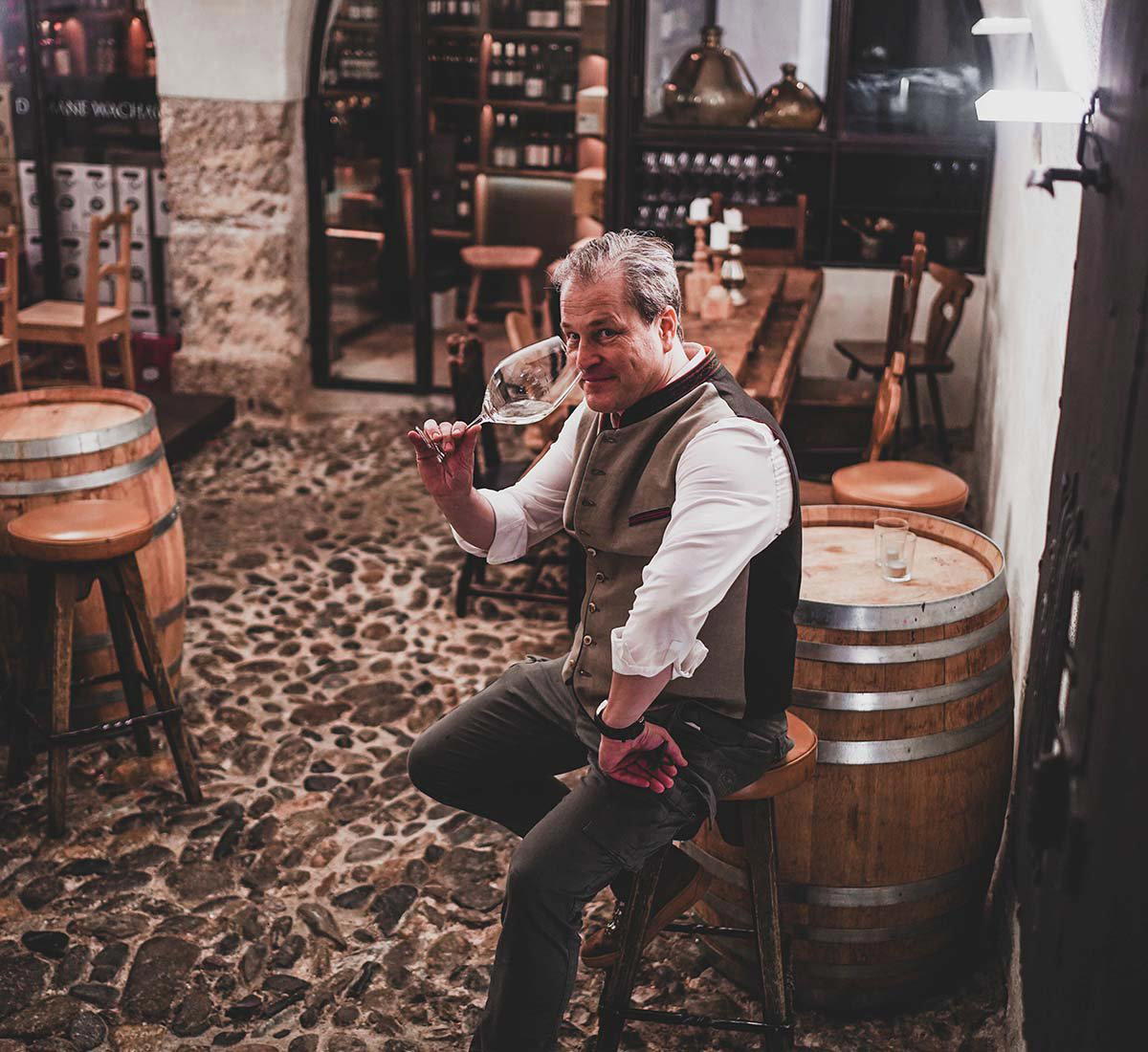
Hotels in Innsbruck
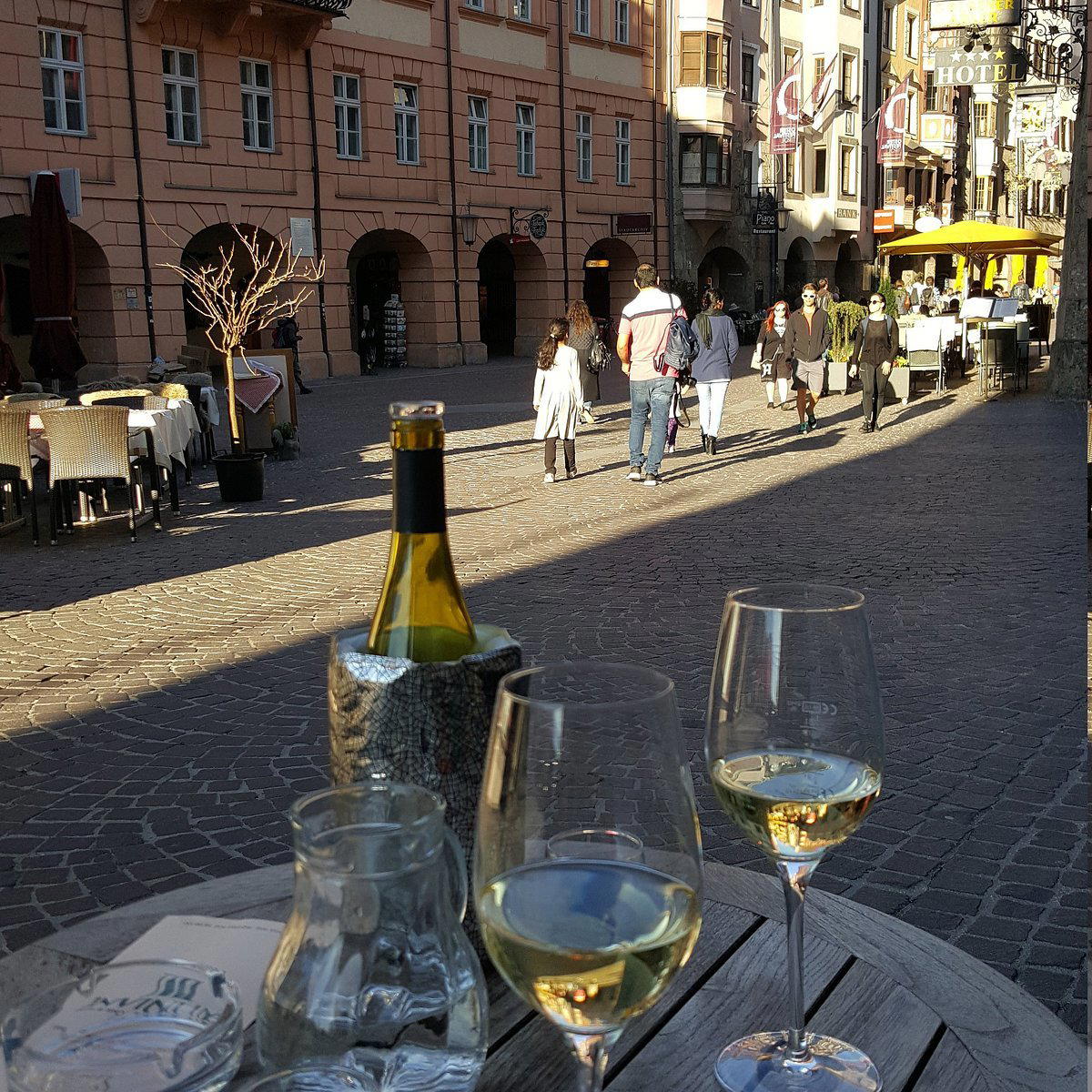
Browse all →

At a Glance
- Modern
- Trendy
- Energetic
- Casual Hangout
- After Work
- Solo
- Open Kitchen
- Standalone
- Beer Program
- Organic
- Local Sourcing
Current opening hours
- Monday
- 11 AM–10 PM
- Tuesday
- 11 AM–10 PM
- Wednesday
- 11 AM–10 PM
- Thursday
- 11 AM–10 PM
- Friday
- 11 AM–10 PM
- Saturday
- 11 AM–10 PM
- Sunday
- 12–9 PM
Hours can change for holidays and private events. Last verified .
Bright, welcoming, and contemporary atmosphere in the heart of Innsbruck's historic center with a focus on wellness and positive energy.