On Adamgasse in central Innsbruck, Sailer occupies a considered position in the city's dining scene, where Austrian culinary tradition meets the measured pace of an alpine table. The address places it within reach of the Inn river quarter and the broader constellation of restaurants that define Innsbruck's more serious eating. Visitors cross-referencing the city's upper tier will find Sailer worth tracking.
Pearl is the En Primeur Club membership app — saves, bookings, and concierge access live there. Same editors, same standards.
- Address
- Adamgasse 8, 6020 Innsbruck, Austria
- Phone
- +43435125363
- Website
- sailer-innsbruck.at
- Directions
- Get directions
 Saves & bookings on Pearl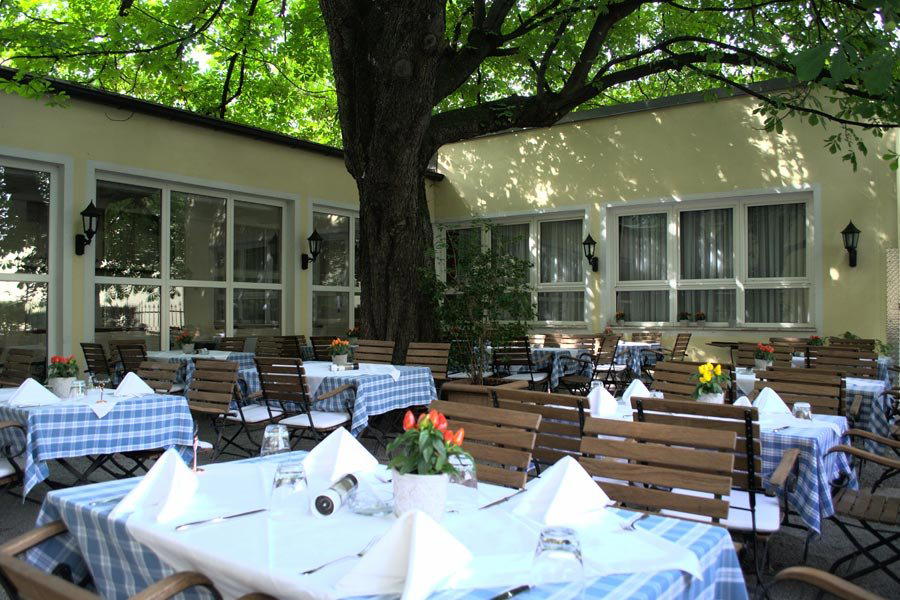
The Weight of an Alpine Address
Sailer is a restaurant in Innsbruck, Austria, serving Traditional Tyrolean & Austrian cuisine at Adamgasse 8, with a price per person of about $35. There is a particular atmosphere that settles over the better dining rooms of Innsbruck in the early evening. The mountains close in around the city in a way that does not happen in Vienna or Salzburg, and that geographical compression does something to the pace of a meal. Tables fill deliberately; conversations arrive before the food does. Sailer, at Adamgasse 8 in central Innsbruck, sits inside this tradition, a room that carries the unhurried quality the city's more considered restaurants have built their reputations on.
Innsbruck operates as a smaller, more concentrated dining city than Austria's two major capitals, which means fewer addresses but also less noise around the ones that persist. The Adamgasse location places Sailer within the city's established eating quarter, close enough to the old town that the foot traffic includes both resident and visiting guests. That middle ground is where Innsbruck's more enduring tables tend to land.
Reading the Dining Ritual in Alpine Austria
In the Austrian alpine tradition, the meal is not assembled around a single centerpiece dish. The ritual is cumulative: a procession of courses in which the kitchen's relationship to regional ingredients, preparation technique, and seasonal calendar are all legible over time. This is the format that distinguishes the more serious alpine rooms from casual mountain dining, and it is the framework through which a table at Sailer should be approached.
Across the Austrian restaurant tier that includes addresses like Döllerer in Golling an der Salzach and Obauer in Werfen, the expectation is that a guest arrives with time. The kitchen's rhythm sets the pace, and moving against it is generally the wrong approach. In Innsbruck specifically, this custom is reinforced by the city's altitude and the physical effort that often precedes an evening meal: guests arriving from the surrounding mountains bring a different appetite, both physical and psychological, than the urban diner rushing between appointments.
This pacing convention places Sailer in a different category from the faster, more accessible rooms in the same city. A useful comparison is B-West, which operates at a more casual register, or Al Fred, whose format is oriented toward a lighter, more spontaneous visit. Sailer's Adamgasse address, by contrast, suggests a deliberate reservation and a dinner structured around multiple courses.
Innsbruck's Dining Tier: Where Sailer Sits
The city's restaurant scene organises itself into recognisable layers. At the leading, creative and technically ambitious rooms like Bonsai and Oniriq, menus signal an engagement with contemporary European fine dining. Below that, a mid-tier of classic cuisine addresses runs parallel, drawing on Austrian and regional tradition rather than international reference points. Sailer occupies this classically oriented register, alongside rooms like Bistro Gourmand and Arzler Alm, which also draw from the region's culinary vocabulary without positioning themselves as avant-garde.
That positioning is not a limitation; it is a deliberate alignment with a dining tradition that remains the backbone of Austrian gastronomy. The country's most decorated restaurants, from Steirereck im Stadtpark in Vienna to Ikarus in Salzburg, build their reputations partly on their command of regional technique before layering any international ambition on leading. In the Tyrolean context, that means a kitchen language shaped by game, freshwater fish, dairy, and the particular brassicas and root vegetables that alpine altitude and short growing seasons produce.
Further afield in the Austrian mountain restaurant circuit, Gourmetrestaurant Tannenhof in Sankt Anton am Arlberg, Griggeler Stuba in Lech, and Restaurant 141 by Joachim Jaud in Mieming all demonstrate how seriously the western Austrian alpine corridor takes its dining rooms. Innsbruck, as the regional capital of Tyrol, anchors that circuit from an urban base, and Sailer is part of that urban dining infrastructure.
For a broader orientation across the Austrian dining scene, the addresses at Landhaus Bacher in Mautern an der Donau, Kräuterreich by Vitus Winkler in Sankt Veit im Pongau, and Ois in Neufelden each show how the country's regional kitchens have developed distinct voices within a shared culinary framework. The comparison is instructive when assessing where Sailer fits in the national picture.
Planning a Table: Practical Notes
Sailer is located at Adamgasse 8 in central Innsbruck, accessible on foot from the city's main public transport corridors. The address is in the part of the city that rewards a walk before or after dinner, particularly in the autumn and winter months when the surrounding peaks carry snow and the streets of the old quarter take on a different quality after dark. Reservations are recommended, especially during the winter ski season and the summer festival calendar.
For readers who track Austrian dining internationally, particularly useful reference points outside the country remain European addresses where the meal structure and kitchen discipline echo the alpine Austrian approach. Le Bernardin in New York City, with its rigorous product-first kitchen philosophy, and Atomix in New York City, with its structured multi-course format and attention to the meal as a composed sequence, both offer comparison points for how a serious dining room can organise the guest experience around form and discipline rather than spectacle.
Budget and Context
Comparable venues nearby, for context on price, style, and recognition.
| Venue | Cuisine | Price | Notes |
|---|---|---|---|
| SailerThis venue — the venue you are viewing | Not listed | $$$ | Not listed |
| Restaurant Café Arkadenhof | Not listed | $$$ | Innsbruck City Center, Modern Tyrolean with International Influences |
| weitsicht Restaurant | Not listed | $$$ | Innsbruck City Center, Modern Tyrolean Fusion with Global Influences |
| Das Brahms | Not listed | $$$ | Universitätsviertel, Modern Austrian Kulturgastronomie |
| Himalayan Nepali Kitchen | Innsbruck City Center, Authentic Nepali | $$ | Not listed |
| Burkia Innsbruck | Westpark, Traditional Austrian | $$ | Not listed |
Continue exploring
More in Innsbruck
Restaurants in Innsbruck
Browse all →
Bars in Innsbruck
Browse all →

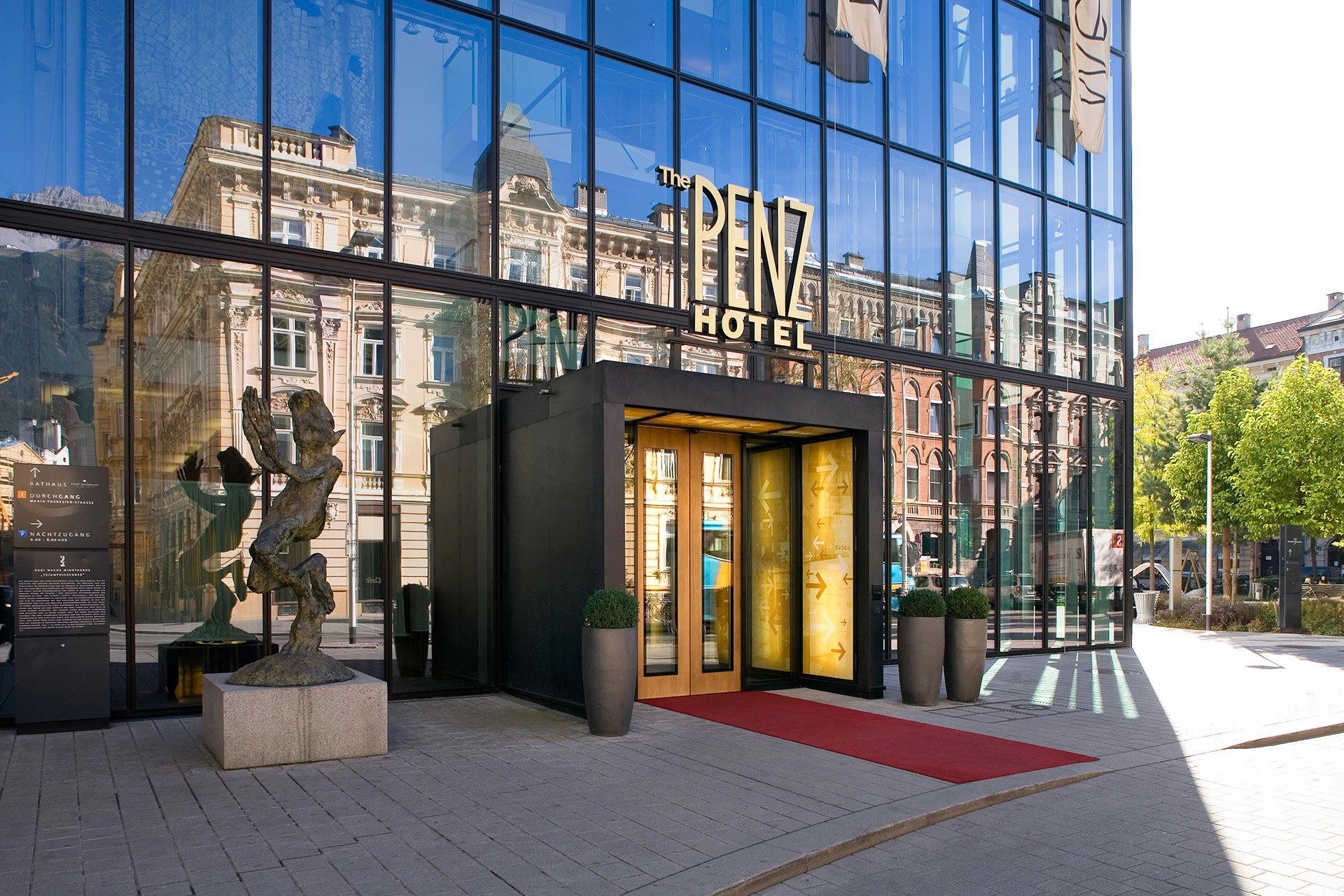
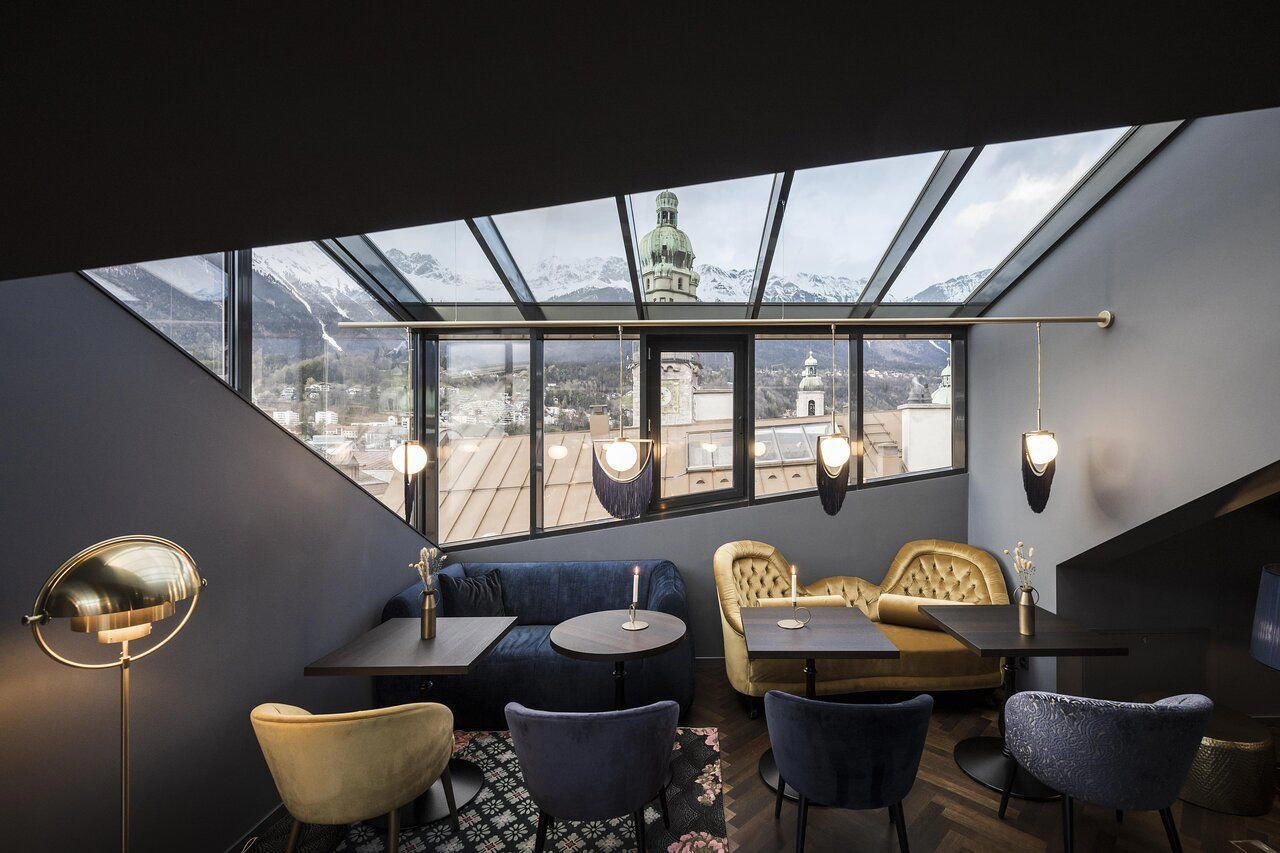
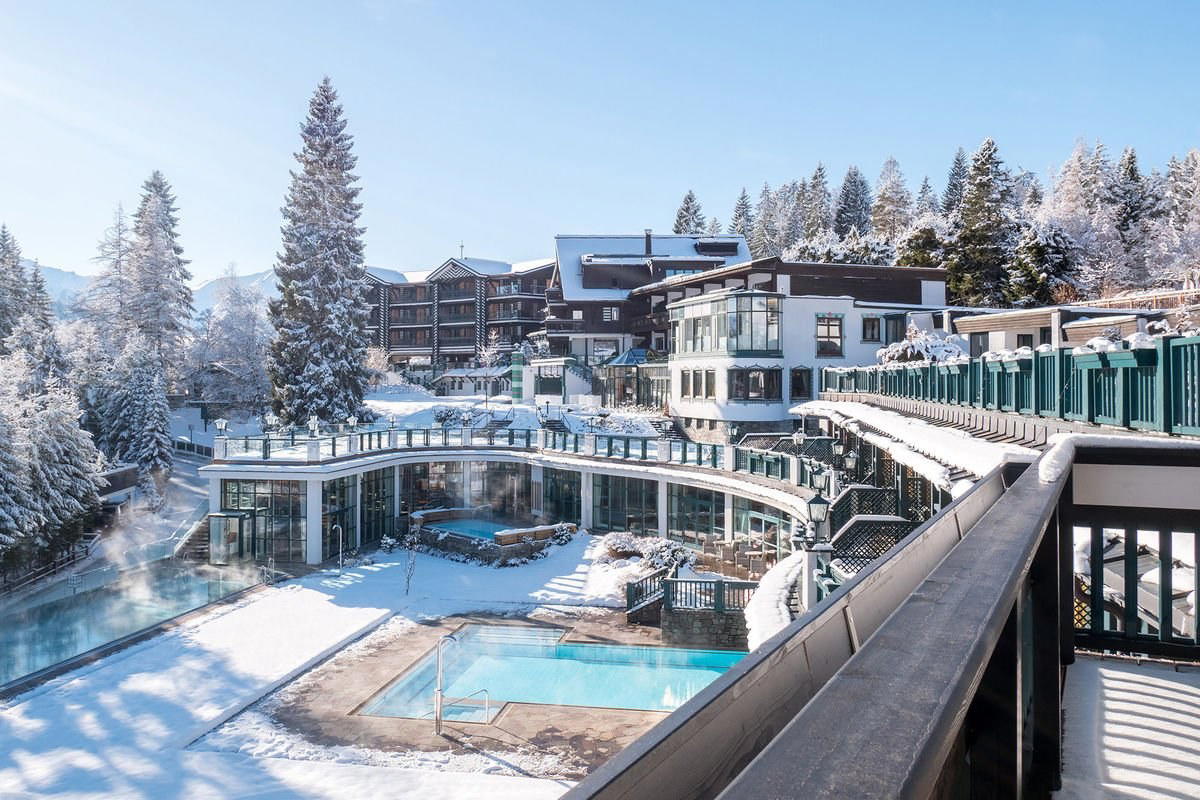
Hotels in Innsbruck
Browse all →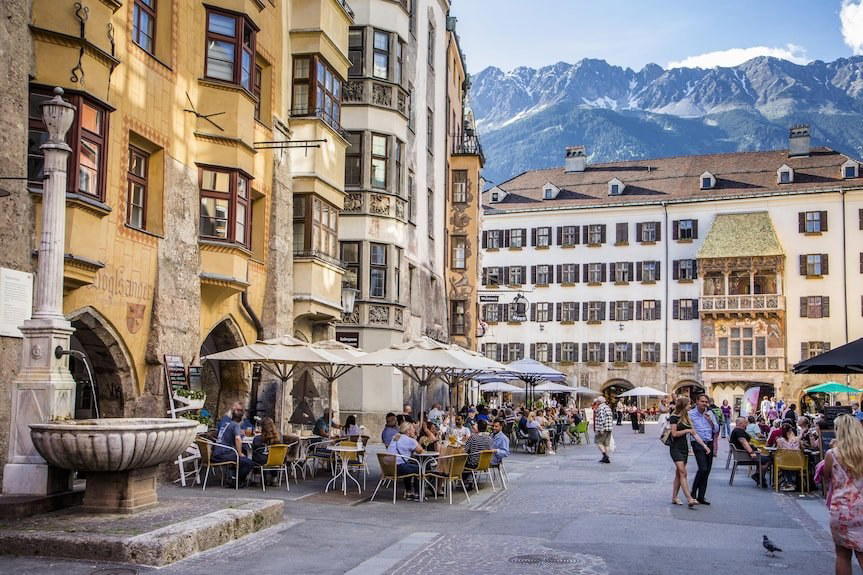

At a Glance
- Rustic
- Cozy
- Classic
- Elegant
- Celebration
- Group Dining
- Date Night
- Family
- Historic Building
- Terrace
- Private Dining
- Extensive Wine List
Current opening hours
- Monday
- 11 AM–1:45 PM, 6–9:30 PM
- Tuesday
- 11 AM–1:45 PM, 6–9:30 PM
- Wednesday
- 11 AM–1:45 PM, 6–9:30 PM
- Thursday
- 11 AM–1:45 PM, 6–9:30 PM
- Friday
- 11 AM–1:45 PM, 6–9:30 PM
- Saturday
- 11 AM–1:45 PM, 6–9:30 PM
- Sunday
- 11:30 AM–1:45 PM, 6–9:30 PM
Hours can change for holidays and private events. Last verified .
Cozy rustic atmosphere with authentic Tyrolean wooden furniture, stone pine timber, small intimate rooms, and elegant banqueting halls.