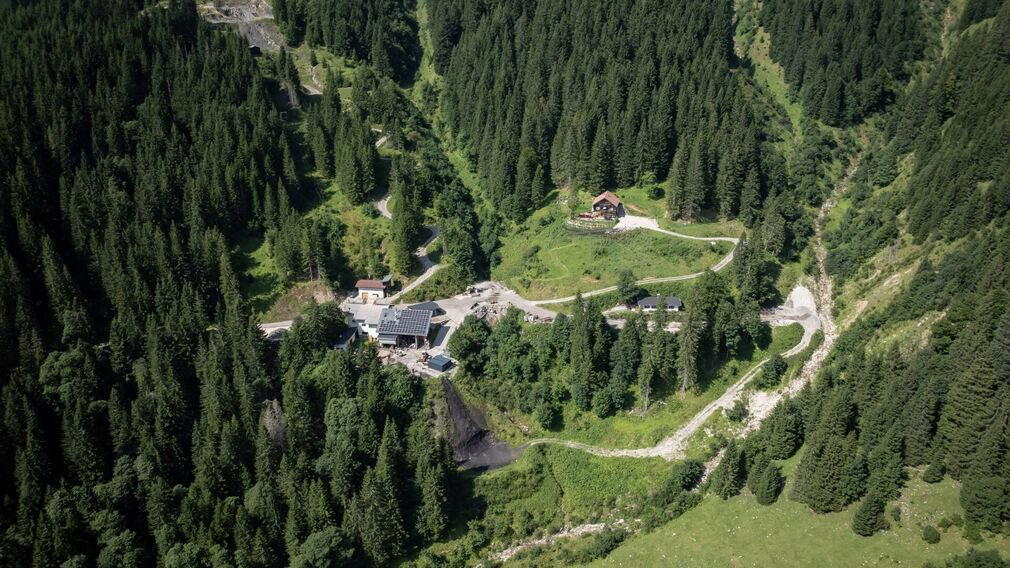
Arzler Alm sits above Innsbruck on the slopes of the Nordkette, functioning as a working alpine hut within reach of the city by foot or chairlift. The kitchen draws on Tyrolean farmhouse tradition, the kind of cooking that predates restaurant menus and still answers to the mountain rather than the market. For visitors exploring the Austrian Alps, it represents a direct encounter with the region's food culture at altitude.
Pearl is the En Primeur Club membership app — saves, bookings, and concierge access live there. Same editors, same standards.
- Address
- Rosnerweg 113, 6020 Innsbruck, Austria
- Phone
- +436764500665
- Website
- arzleralm.at
- Directions
- Get directions
 Saves & bookings on Pearl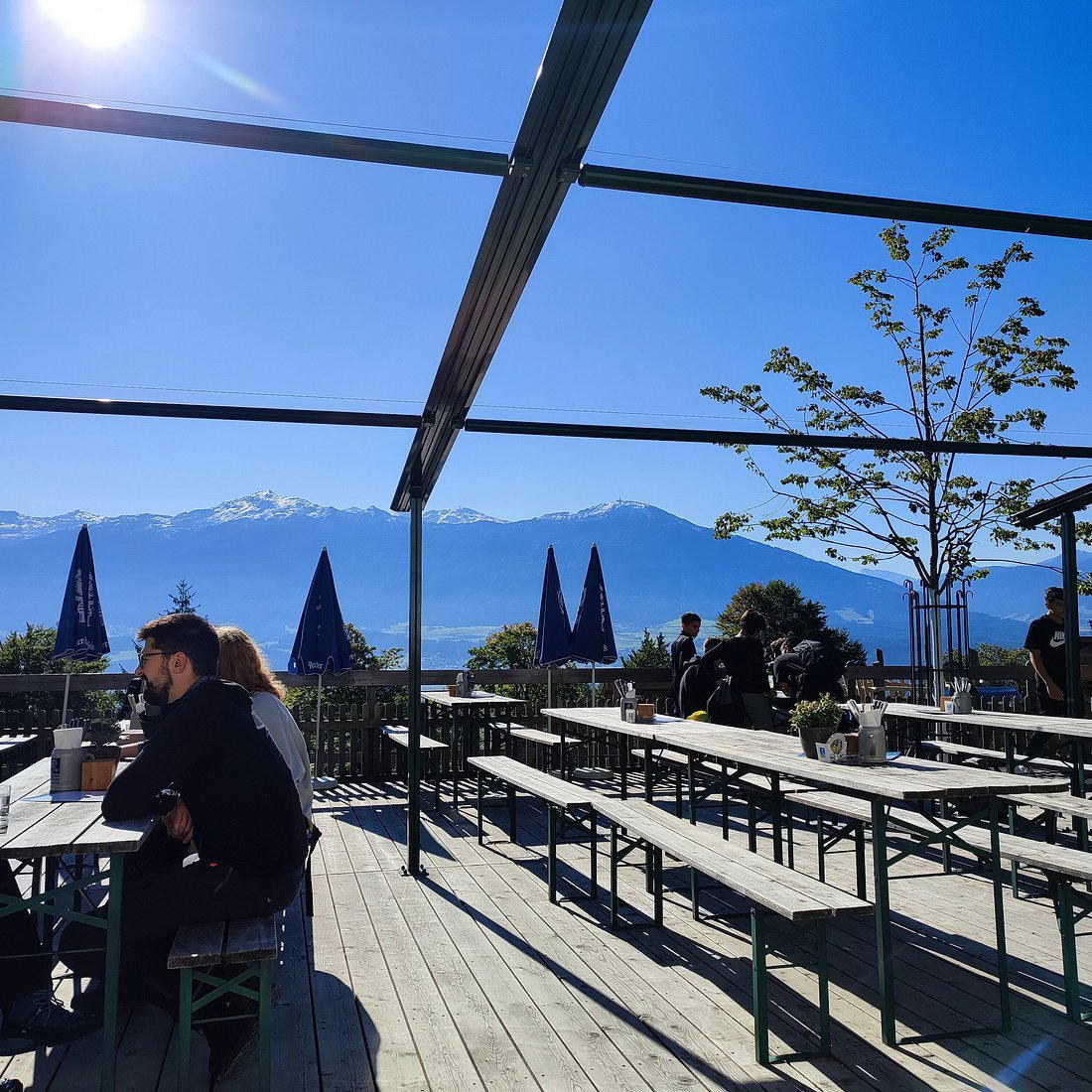
Where the Mountain Defines the Meal
Tyrolean alpine huts occupy a specific place in Austrian food culture that has no precise equivalent elsewhere in Europe. They are not restaurants that happen to be in the mountains, nor are they canteens that serve skiers between runs. Strong examples among them function as living expressions of a provisioning tradition that developed over centuries: food carried up, preserved through winter, and cooked without the infrastructure that lowland kitchens take for granted. Arzler Alm, a Traditional Tyrolean Alpine Hut in Innsbruck, sits inside that tradition. The address, Rosnerweg 113, a path rather than a street in any urban sense, signals the approach before you arrive.
The broader Tyrolean hut category has evolved considerably in recent decades. At the upper end, places like Gourmetrestaurant Tannenhof in Sankt Anton am Arlberg and Stüva in Ischgl have absorbed formal technique into the alpine setting, producing menus that compete with city fine dining. Arzler Alm operates in a different register, one closer to the hut's original function, where the setting and the food reinforce each other rather than the kitchen straining to transcend the surroundings.
The Tyrolean Table: What the Tradition Actually Means
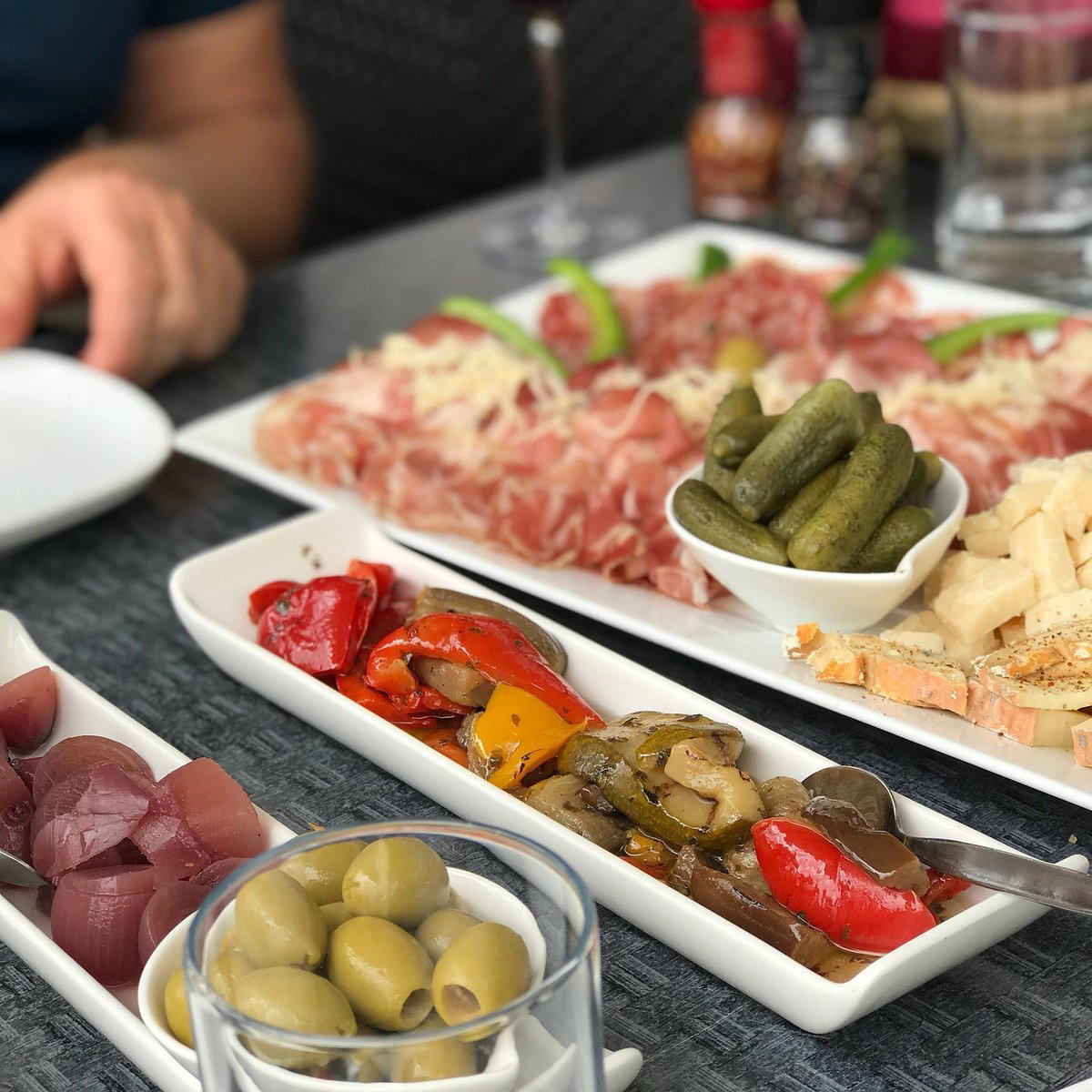
Austrian alpine cooking is frequently misread by visitors expecting either rustic simplicity or Viennese refinement. The Tyrolean variant sits apart from both. It developed under conditions of genuine scarcity, short growing seasons, difficult terrain, and the practical need to feed people doing physical work at altitude. The results are dishes built on fat, flour, and preserved protein: Tiroler Gröstl (pan-fried potatoes with meat and egg), Käsespätzle (egg noodles with aged cheese and roasted onion), Schlutzkrapfen (filled pasta closer in spirit to ravioli but made with rye flour), and Speck, the dry-cured, cold-smoked ham that defines the region's charcuterie tradition.
These are not foods that photograph well in a minimalist plating context, and the better alpine kitchens understand that. The cooking succeeds on texture and proportion, the char on the potatoes, the pull of the noodle, the salt balance in the cured meat. Across Austria, a small number of restaurants have taken this tradition into fine dining with serious results. Steirereck im Stadtpark in Vienna has built a European reputation on Austrian regional produce, while Obauer in Werfen and Döllerer in Golling an der Salzach have demonstrated what happens when alpine ingredients meet formal culinary discipline. Arzler Alm occupies an earlier point on that spectrum, hut cooking that aims to be what it is, rather than something else.
Innsbruck's Position in the Alpine Dining Picture
Innsbruck is a small city, around 130,000 residents, that punches above its weight in dining partly because of its location and partly because of the tourism infrastructure the mountains generate. Within the city proper, the restaurant scene runs from direct Tyrolean taverns to more ambitious addresses. Bistro Gourmand and Bonsai represent the international and creative end of the local offer, while places like Burkia Innsbruck, Al Fred, and B-West serve different corners of the market. The restaurant functions outside this urban competition, accessible from the city but not part of it.
The huts above Innsbruck benefit from the Nordkettenbahn cable car system, which reduces the approach to a manageable proposition even for visitors without alpine experience. That access has changed who visits places like Arzler Alm, no longer exclusively hikers and locals but a broader mix of travelers looking for something the city restaurants cannot provide. What they find is a version of Tyrolean food in its natural context, which carries different meaning than the same dishes served in a heated room at street level. Nearby, Schwarzer Adler in Hall in Tirol and Restaurant 141 by Joachim Jaud in Mieming represent the more formal end of cooking within reach of Innsbruck, useful reference points for understanding where the hut tradition sits relative to the region's broader dining range.
Internationally, the format of eating at altitude with an unobstructed mountain view has attracted serious culinary investment in other contexts, the difference between, say, the white-tablecloth precision of Le Bernardin in New York City and the community-table format of Lazy Bear in San Francisco illustrates how setting and format shape a meal's meaning independently of technical level. Alpine huts occupy a distinct position in that spectrum: the environment is the argument, and the food is the punctuation.
Planning a Visit
The restaurant sits on Rosnerweg 113 in the mountains above Innsbruck, reachable on foot via marked hiking trails from the Mühlauer Klamm area or by using the Nordkette cable car system as a starting point for the ascent. The hut is open Wednesday through Sunday, with Monday and Tuesday closed. The Austrian alpine hut season typically runs from late spring through early autumn for most non-ski huts, with some operating in winter for ski touring or snowshoe visitors when conditions allow. Dress practically: even on warm summer days, temperatures at altitude can drop sharply in the afternoon. For broader dining context across the city before or after the hike, nearby references include Kräuterreich by Vitus Winkler in Sankt Veit im Pongau, Landhaus Bacher in Mautern an der Donau, and Ois in Neufelden, which together sketch the range of serious Austrian regional cooking available within a reasonable distance of the Tyrol.
Price Lens
Comparable venues nearby, for context on price, style, and recognition.
| Venue | Cuisine | Price | Notes |
|---|---|---|---|
| Arzler AlmThis venue — the venue you are viewing | Arzl, Traditional Tyrolean Alpine Hut | $$ | Not listed |
| Ottoburg | Not listed | $$ | Old Town, Traditional Tyrolean & Austrian |
| Al Fred | Altstadt, Tyrolean Street Food | $ | Not listed |
| Sailer | Not listed | $$$ | Innsbruck Centre, Traditional Tyrolean & Austrian |
| Restaurant 1809 | Wilten, Modern Tyrolean Austrian | $$$ | Not listed |
| Thai-Li-Ba | Rathausgalerie, Thai-Chinese Fusion | $$ | Not listed |
Continue exploring
More in Innsbruck
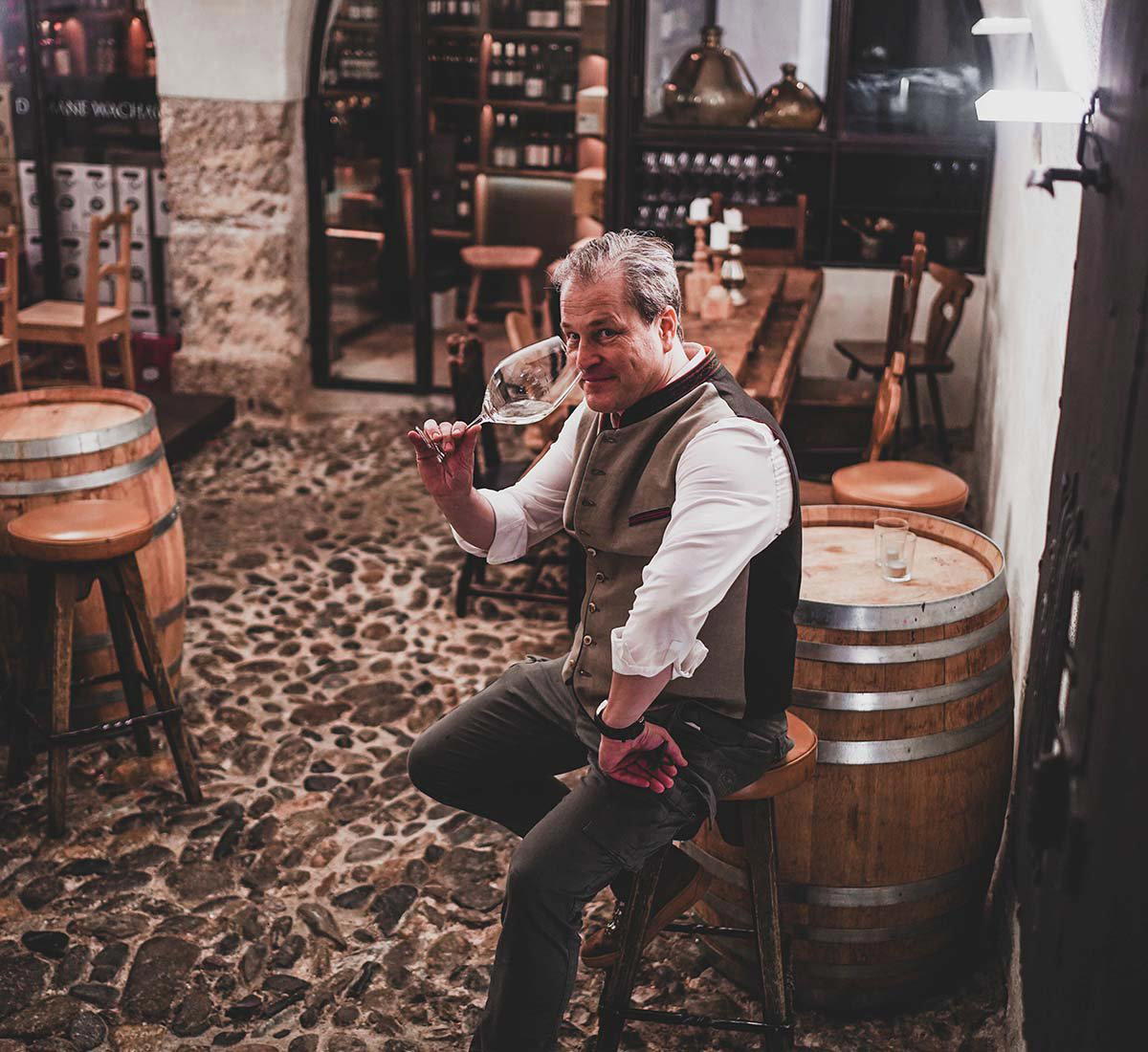
Restaurants in Innsbruck
Browse all →
Bars in Innsbruck
Browse all →
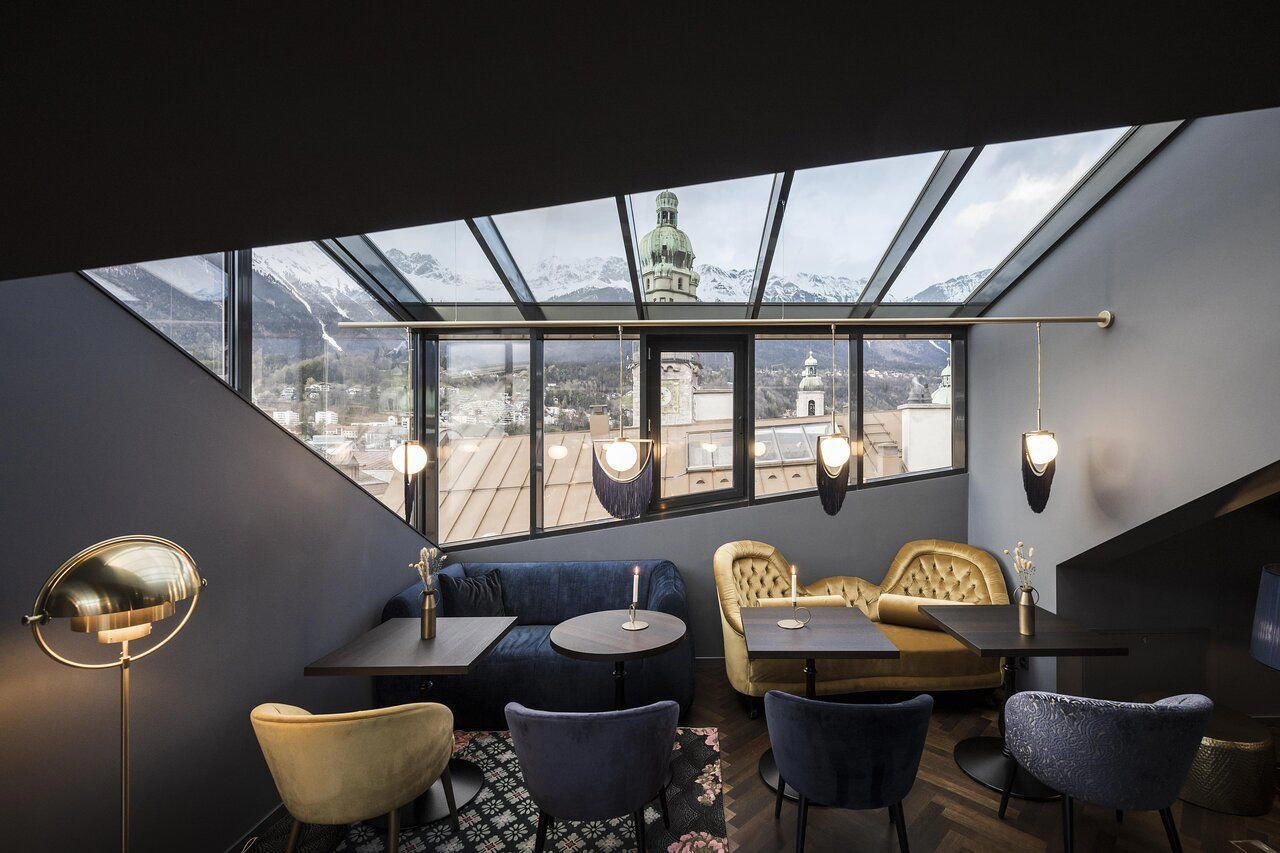

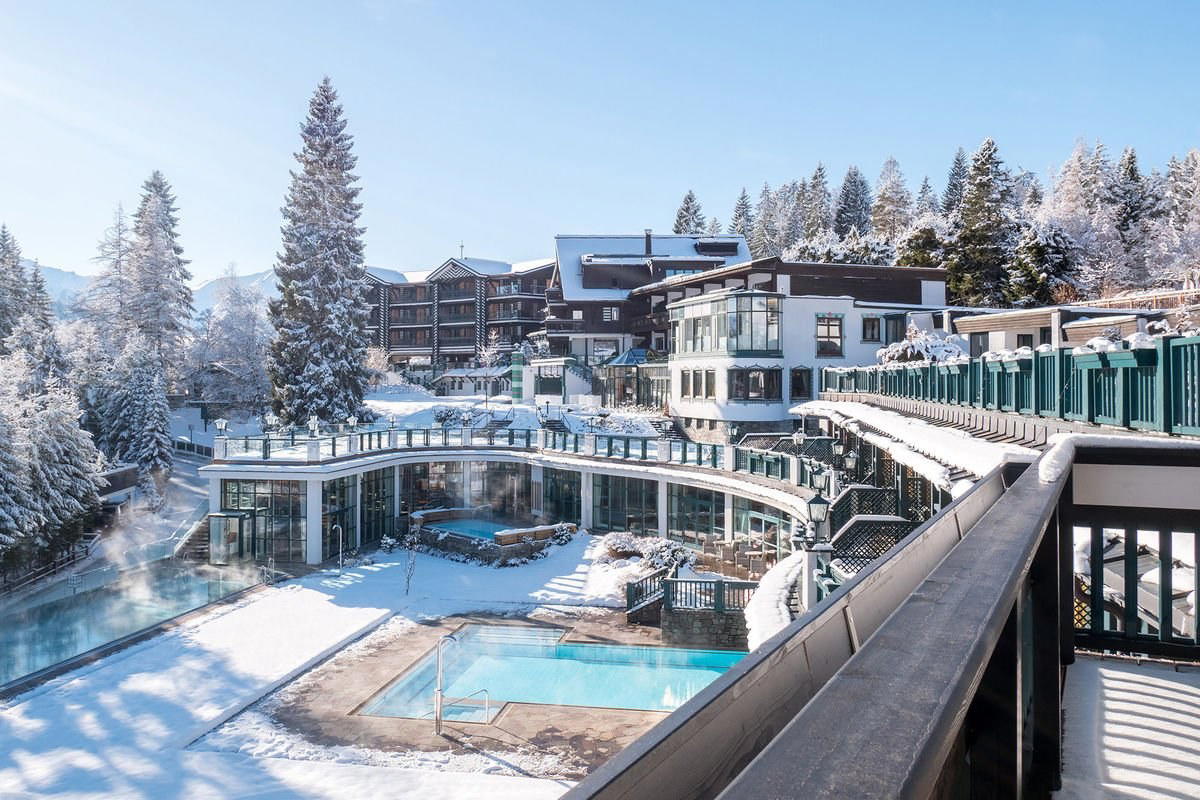
Hotels in Innsbruck
Browse all →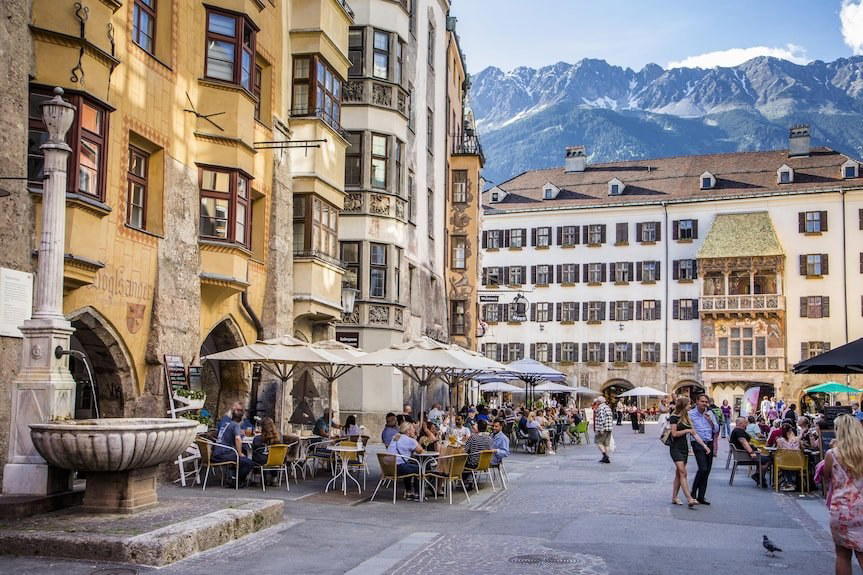

At a Glance
- Rustic
- Cozy
- Scenic
- Family
- Casual Hangout
- Terrace
- Panoramic View
- Local Sourcing
- Mountain
- Skyline
Current opening hours
- Monday
- Closed
- Tuesday
- Closed
- Wednesday
- 9 AM–7 PM
- Thursday
- 9 AM–7 PM
- Friday
- 9 AM–7 PM
- Saturday
- 9 AM–7 PM
- Sunday
- 9 AM–6 PM
Hours can change for holidays and private events. Last verified .
Cozy alpine hut atmosphere with sunny terrace, regional charm, and relaxed mountain setting.