Himalayan Nepali Kitchen on Maximilianstraße brings one of Central Europe's more underrepresented culinary traditions to Innsbruck's city centre. In a dining scene dominated by Tirolean classics and Alpine-inflected European cooking, the restaurant occupies a distinct niche, offering Nepali and Himalayan dishes that sit well outside the regional norm. It is an address worth knowing for anyone curious about what the city's international dining range actually covers.
Pearl is the En Primeur Club membership app — saves, bookings, and concierge access live there. Same editors, same standards.
- Address
- Maximilianstraße 11, 6020 Innsbruck, Austria
- Phone
- +43512319459
- Website
- himalayankitchen.at
- Directions
- Get directions
 Saves & bookings on Pearl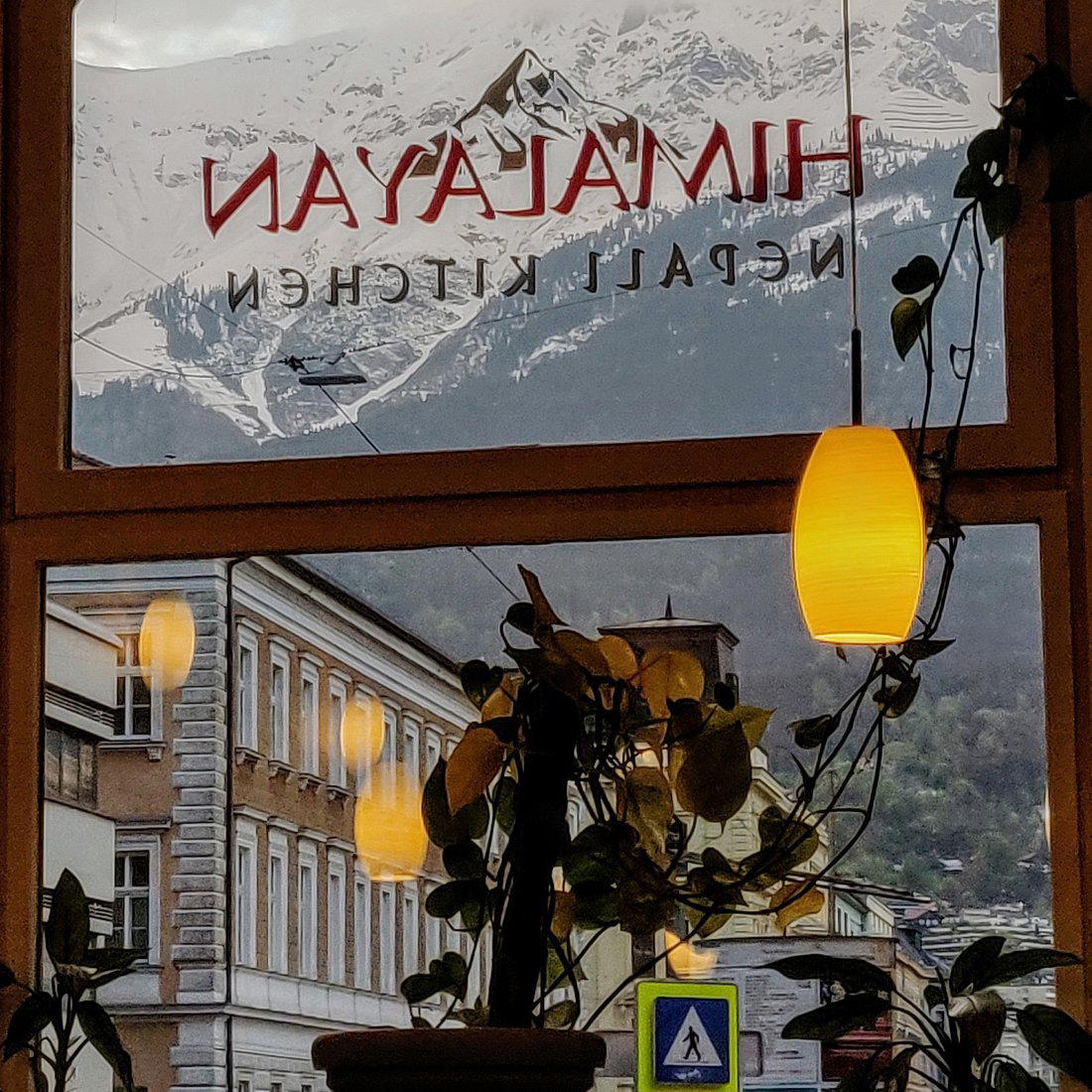
A Different Register on Maximilianstraße
Maximilianstraße is one of Innsbruck's more purposeful streets: pedestrian-accessible, close to the Hofburg, and lined with addresses that range from coffee-house tradition to modern international dining. Walking toward number eleven, the immediate context is Austrian through and through, the mountain backdrop, the Habsburg-era facades, the particular quality of Alpine light in the afternoon. Himalayan Nepali Kitchen brings Nepali cooking to this central Innsbruck address. Nepali cuisine is among the least-represented traditions in Central European restaurant culture, and its appearance in a Tirolean city of roughly 130,000 people reflects how Innsbruck's dining range has quietly broadened beyond its historic core.
The broader pattern in mid-sized Austrian cities is instructive. Innsbruck's restaurant scene is anchored by a strong regional identity, Tirolean classics like Gröstl and Tafelspitz, alongside the Alpine-European style found at addresses such as Arzler Alm and Bistro Gourmand, but there is a secondary tier of international restaurants that fills in where the regional offer runs thin. Himalayan Nepali Kitchen occupies that tier, and within it, sits without obvious competition. Nepali cooking is not the same as North Indian or Tibetan food, though it shares technical and ingredient overlap with both. The distinction matters to anyone eating with attention.
Lunch and Dinner: Two Different Propositions
The lunch-versus-dinner divide at a restaurant like this is worth examining, because it shapes the practical case for visiting. In Innsbruck's mid-range international dining segment, lunch often functions as an access point: shorter menus, faster pacing, prices that bring the cuisine within reach of a broader audience. Dinner at the same address typically involves more time, more courses, and a different kind of expectation from both kitchen and guest.
For Himalayan and Nepali restaurants specifically, this divide has a particular logic. Many of the region's foundational dishes, dal bhat, momos, thukpa, are as suited to a midday meal as to an evening one. Dal bhat, the lentil-and-rice combination that functions as the national dish of Nepal, is not inherently a dinner item; it is everyday sustenance, eaten twice a day across the Himalayan region. Served at lunch in a Central European context, it arrives with a different kind of authority than a dish invented for tourist menus. Momos, the steamed dumplings found from Kathmandu to Lhasa, occupy a similar position: snack food and street food in their original context, but capable of carrying a meal in a sit-down format.
The dinner register, in contrast, tends to be where longer preparations and spiced braises show better. Slow-cooked lamb or chicken dishes with Nepali spice profiles, where timur (Sichuan pepper native to Nepal), fenugreek, and mustard oil do more of the work than the chili heat associated with South Asian cooking broadly, benefit from an unhurried evening pace. For visitors coming from Austrian or broader European cooking traditions, this is where the cuisine's distinctiveness is most apparent: the flavour architecture is different from both South Asian and East Asian food, and it takes a full meal to appreciate the sequencing.
If you are deciding between lunch and dinner at Himalayan Nepali Kitchen, the practical advice is shaped by how much time you have and what you want from the experience. Lunch is the lower-commitment introduction; dinner is where the cuisine's range becomes clearer.
Where This Sits in Innsbruck's International Dining Range
Innsbruck's non-Austrian restaurant offer covers the expected ground, Italian, Asian, some pan-Asian fusion, but depth within individual traditions varies considerably. The Japanese counter at Bonsai and the creative format at B-West represent different approaches to the same question of how an international kitchen functions in a regional Austrian city. The restaurant sits in a different bracket entirely: not fine-dining ambition, not fusion compromise, but a cuisine presented on its own terms in a city where it has no direct peer.
That positioning matters for the reader deciding where to spend an evening. Innsbruck has strong options at the higher price tiers, Al Fred operates in a different register entirely, and the broader Austrian fine dining context, represented by addresses like Steirereck im Stadtpark in Vienna, Ikarus in Salzburg, and Obauer in Werfen, sets a high standard for the country's top tier. The restaurant is not competing in that space. It is competing on specificity: the ability to put a cuisine on the table that Innsbruck otherwise does not offer.
For context on how international restaurants fit into Alpine-region dining more broadly, the range also includes destination addresses in the surrounding area: Gourmetrestaurant Tannenhof in Sankt Anton am Arlberg, Griggeler Stuba in Lech, and Restaurant 141 by Joachim Jaud in Mieming. These are all deeply regional in orientation. The restaurant offers something orthogonal to that tradition, which is the clearest reason to include it in a considered itinerary.
Planning a Visit
The restaurant is at Maximilianstraße 11, 6020 Innsbruck, in the city centre and walkable from the main train station and the old town. Reservations are recommended.
- Khasi Thakali Thali
- Gorkhali Kukhura Thali
- Vegetarian Thali
- Dhal Bhat
- Momos
- Paneer Curry
- Spinach Dahl
Cuisine and Credentials
Comparable venues nearby, for context on price, style, and recognition.
| Venue | Cuisine | Price | Notes |
|---|---|---|---|
| Himalayan Nepali KitchenThis venue — the venue you are viewing | Authentic Nepali | $$ | Not listed |
| Pippilotta | Modern Austrian Cafe with Regional Influences | $$ | Wilten |
| momoness | Nepalese Momos | $$ | Innenstadt |
| B-West | Bosnian Grill & Burgers | $$ | Westbahnhof |
| Glorious Butcher | American Burger Joint | $$ | Marktplatz |
| Jaipur | North Indian | $$ | Innsbruck Old Town |
Continue exploring
More in Innsbruck
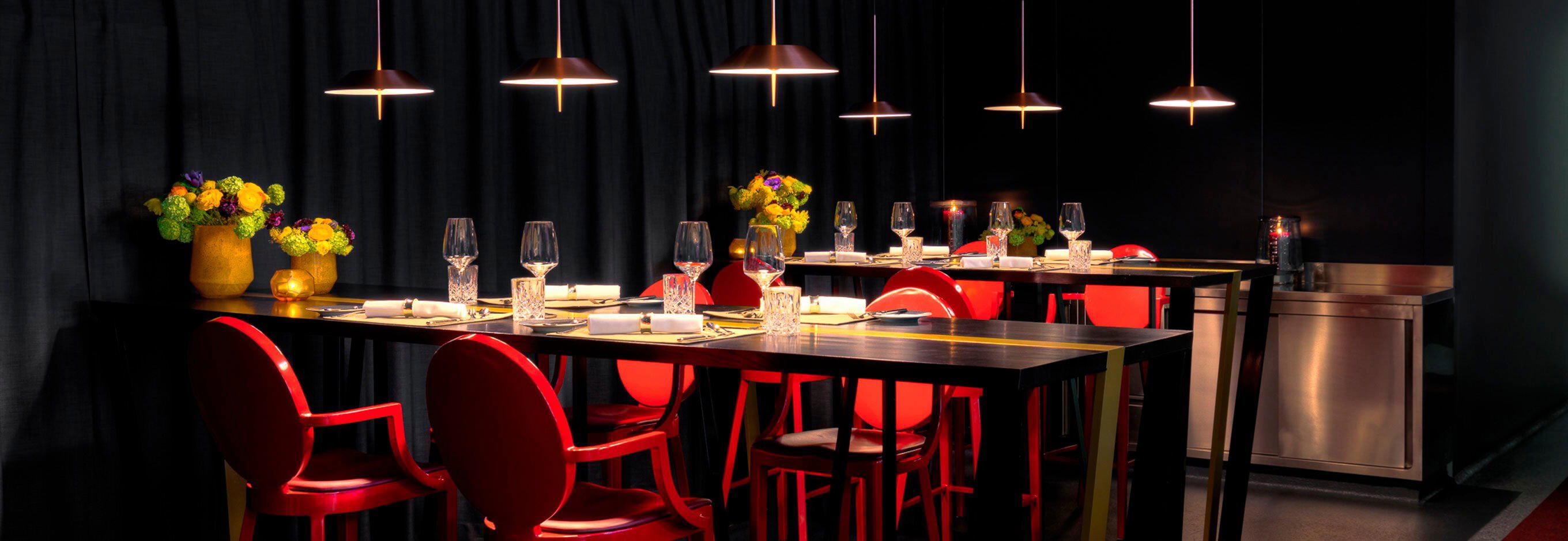
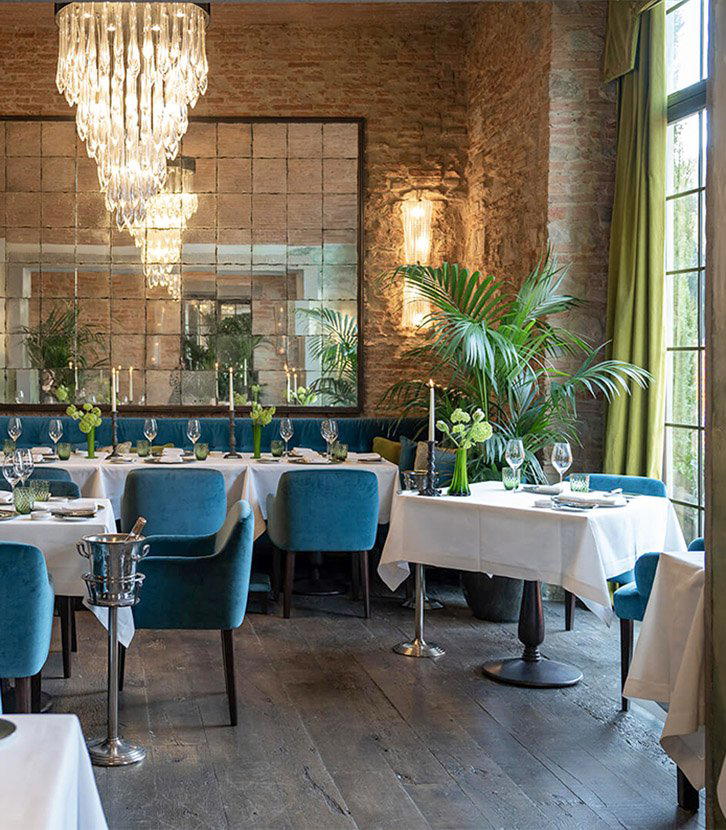
Restaurants in Innsbruck
Browse all →
Bars in Innsbruck
Browse all →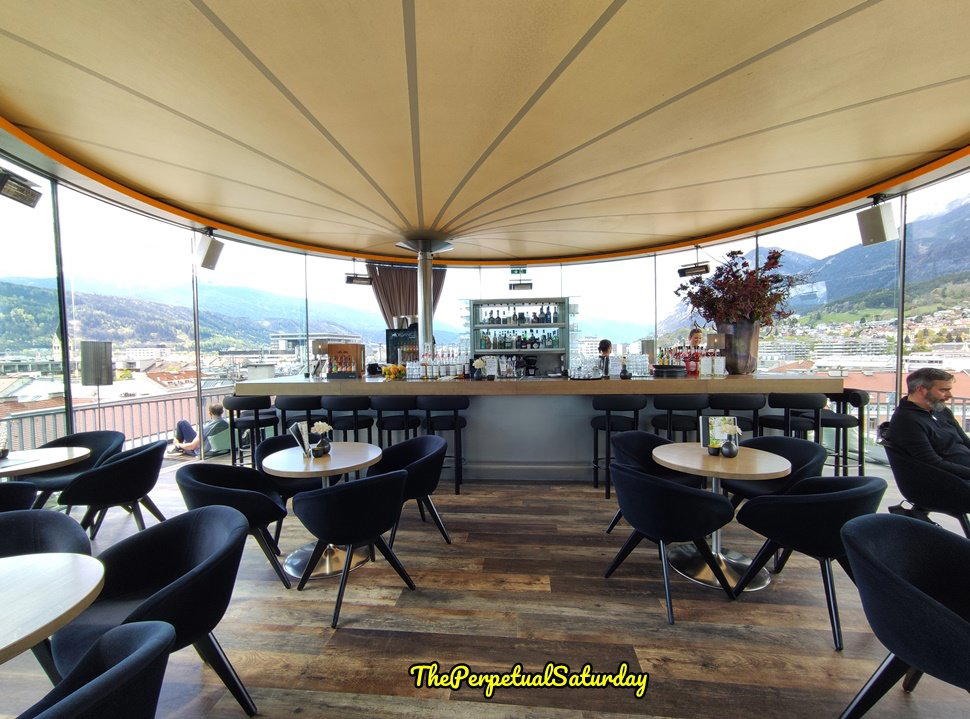
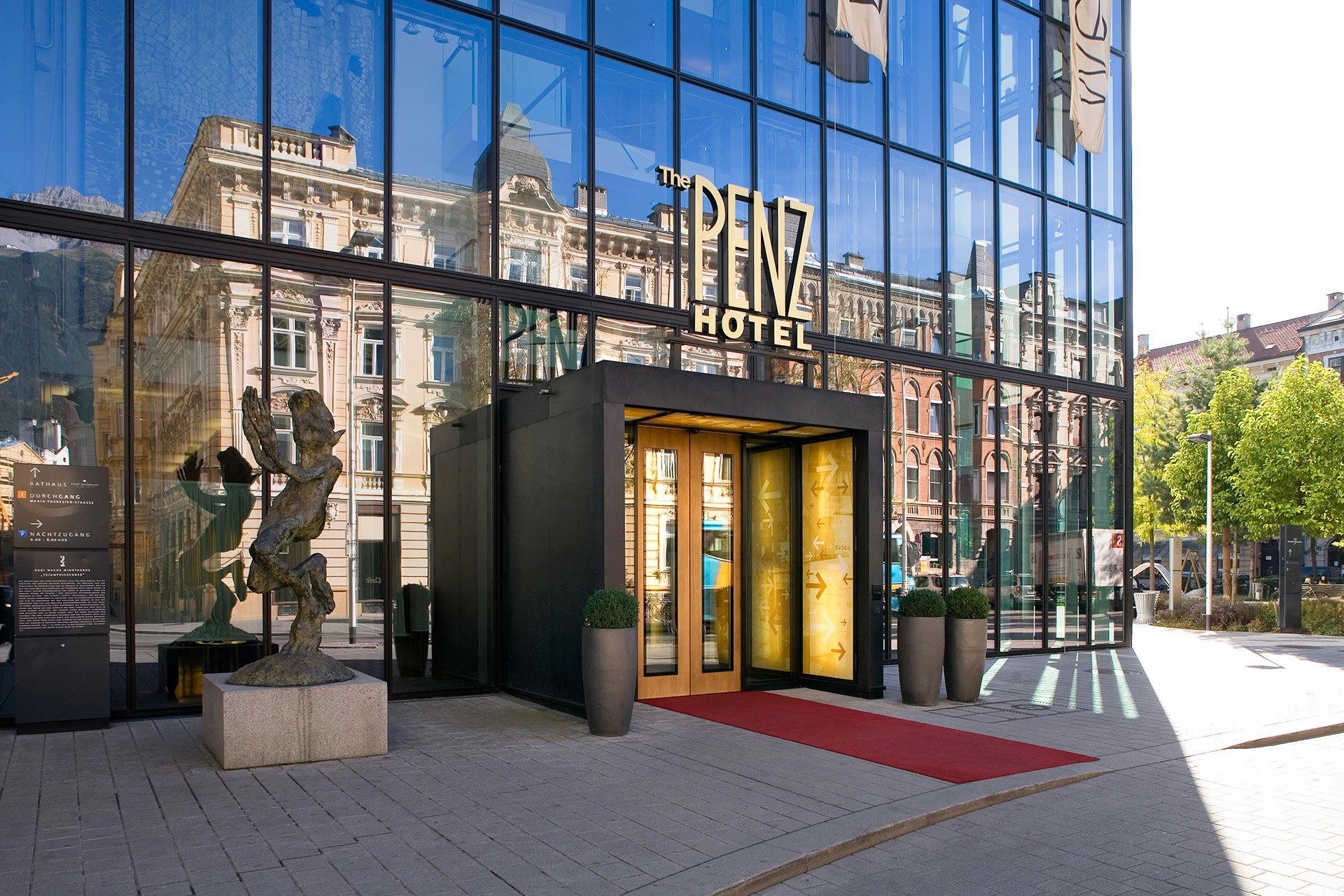
Hotels in Innsbruck
Browse all →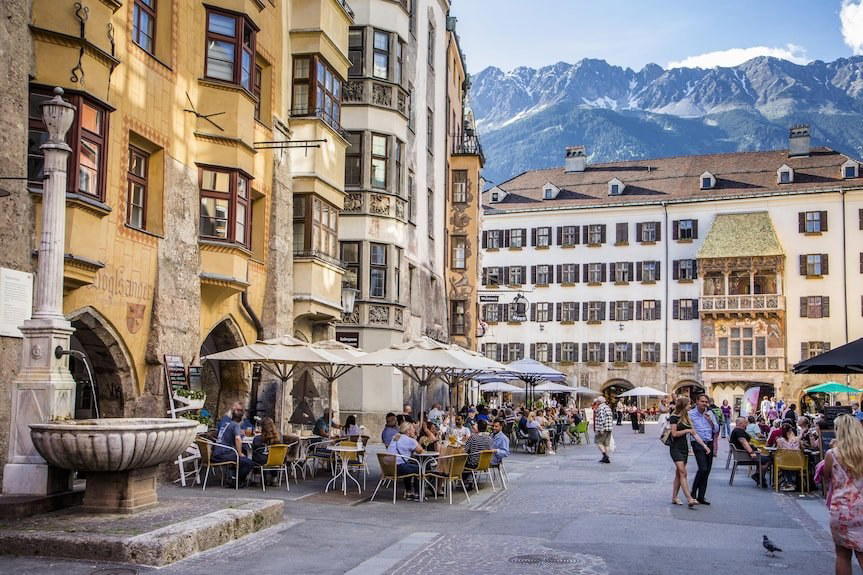

At a Glance
- Cozy
- Casual
- Casual Hangout
- Family
- Group Dining
- Date Night
- Standalone
- Beer Program
Current opening hours
- Monday
- 11:30 AM–2 PM, 6–10 PM
- Tuesday
- 11:30 AM–2 PM, 6–10 PM
- Wednesday
- 11:30 AM–2 PM, 6–10 PM
- Thursday
- 11:30 AM–2 PM, 6–10 PM
- Friday
- 11:30 AM–2 PM, 6–10 PM
- Saturday
- 6–10 PM
- Sunday
- 6–10 PM
Hours can change for holidays and private events. Last verified .