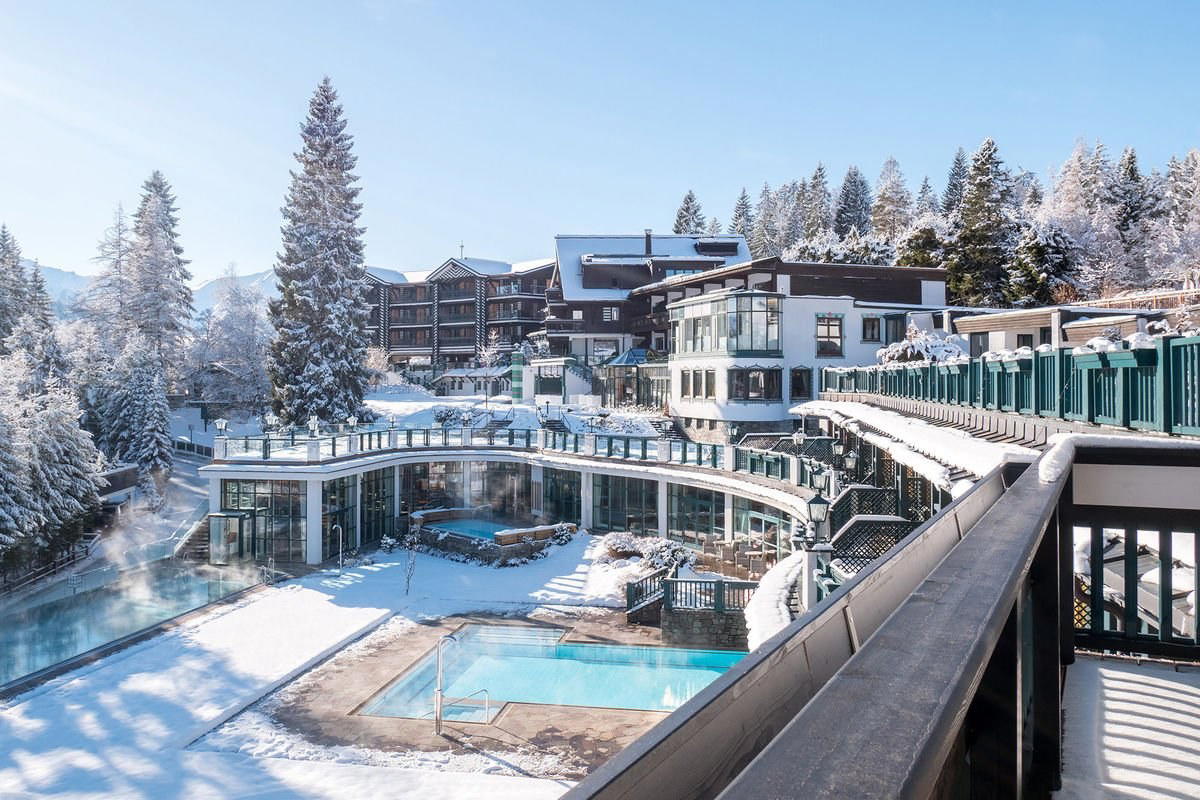
Sporthotel IGLS sits in the Igls village above Innsbruck, positioning it within Austria's broader tradition of alpine sport hotels that pair active programming with considered dining. Against the city's more urban restaurant scene, where venues like Oniriq and Das Schindler anchor the higher end, IGLS offers a removed, resort-style alternative for travellers who want Tyrolean context without Innsbruck's city-centre pace.
Pearl is the En Primeur Club membership app — saves, bookings, and concierge access live there. Same editors, same standards.
- Address
- Hilberstraße 17, 6080 Innsbruck, Austria
- Phone
- +43512377241
- Website
- sporthotel-igls.com
- Directions
- Get directions
 Saves & bookings on Pearl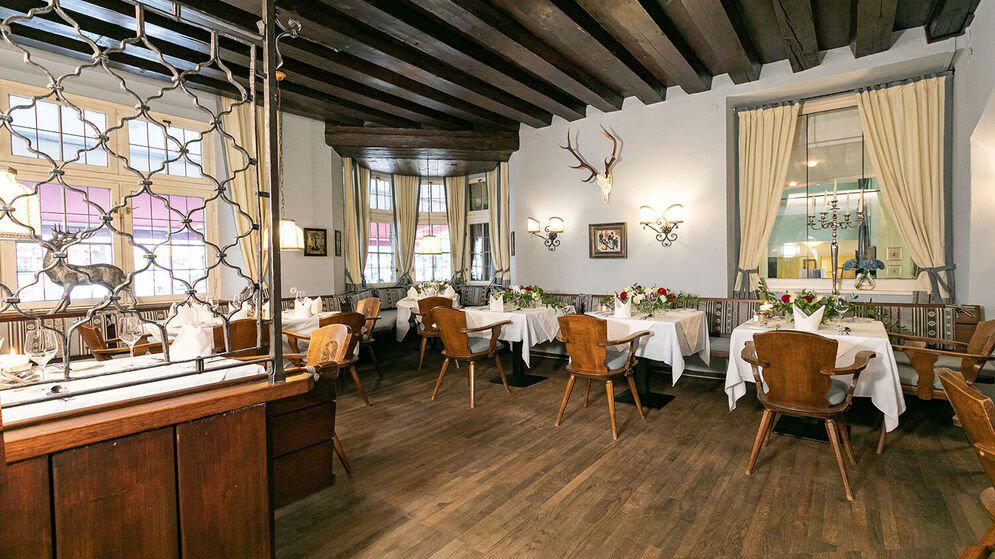
Above the City, Inside a Different Alpine Register
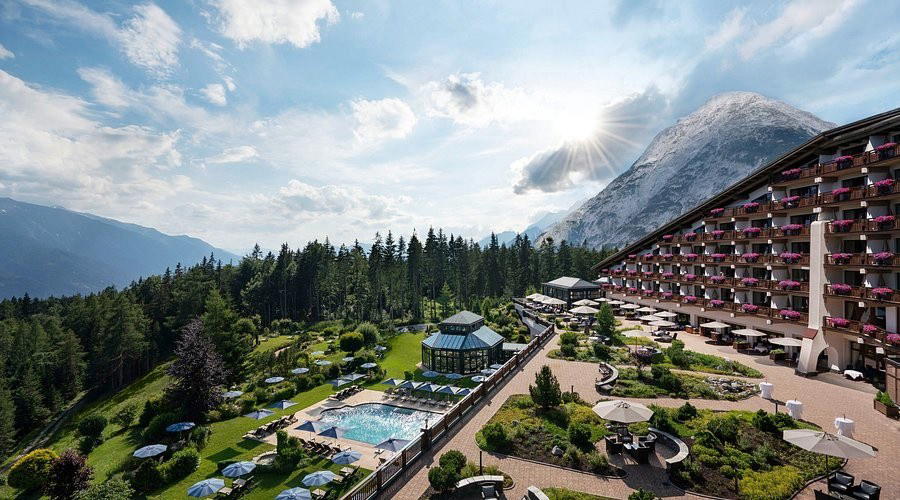
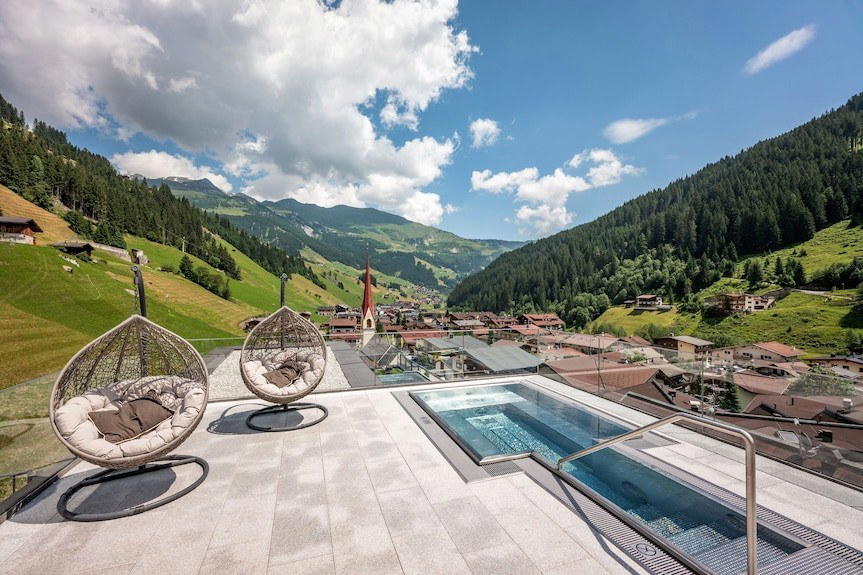
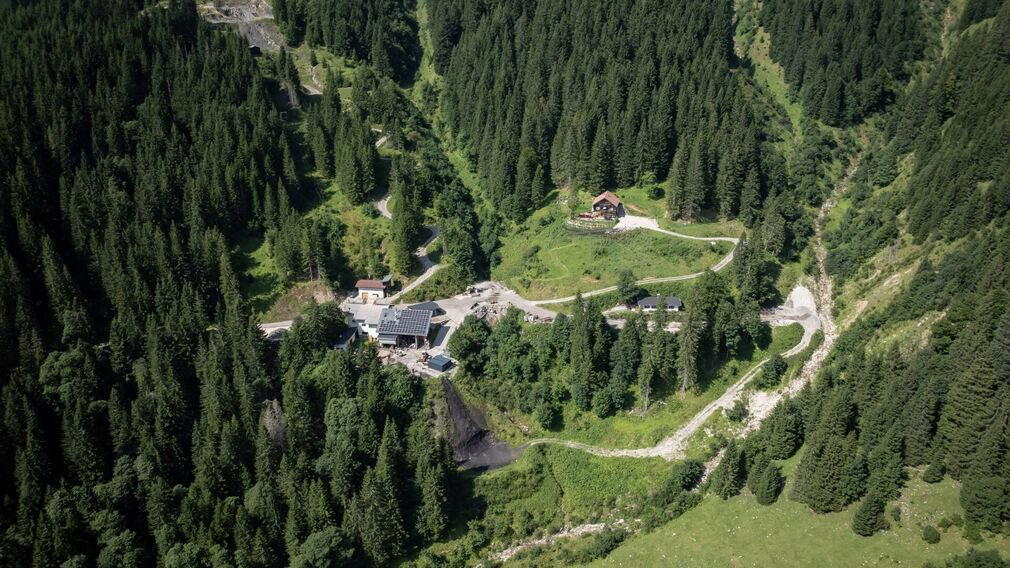
Igls sits roughly 900 metres above sea level on a forested plateau south of Innsbruck, and the drive up already signals a shift in register. The village is compact and quiet in the way that purpose-built alpine communities tend to be: built around a single activity logic, in this case, the Olympic bobsleigh run and cross-country skiing trails that made Igls a competition venue during the 1964 and 1976 Winter Games. Hotels in this kind of setting tend to operate differently from their urban counterparts. Their dining rooms serve guests who have spent the day outdoors, whose appetite is structural rather than social, and whose expectations are shaped by the mountain rather than the menu trend cycle. Sporthotel IGLS belongs to that tradition, and understanding it requires reading it against that backdrop rather than against the city restaurants below.
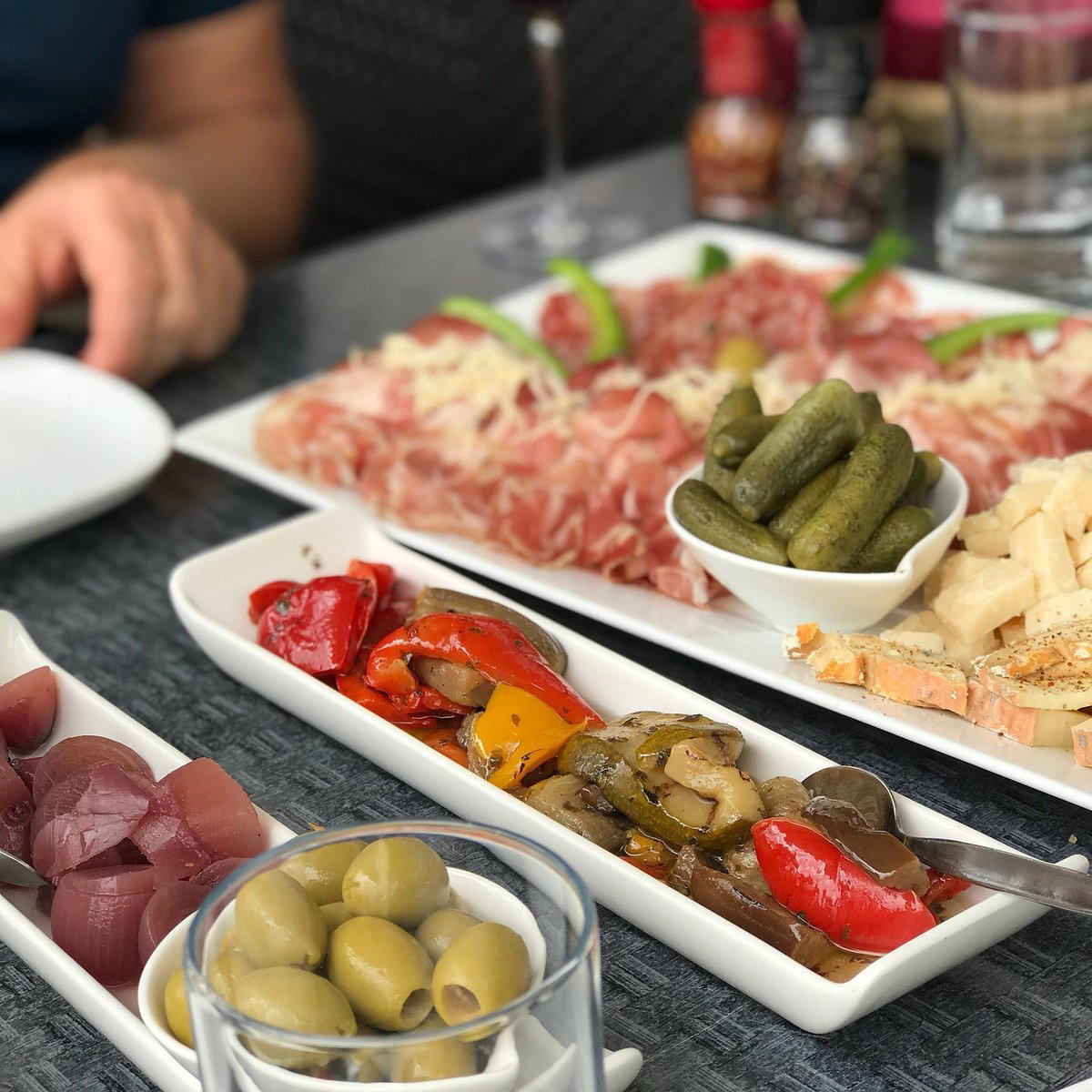
Austria's alpine hotel dining occupies a particular niche in the country's broader hospitality scene. While celebrated addresses like Steirereck im Stadtpark in Vienna or Ikarus in Salzburg anchor the formal end of the country's dining conversation, the alpine sport hotel category runs on a different logic: proximity to physical activity, seasonal rhythm, and a kitchen that must satisfy both the post-run appetite and the more considered dinner sitting. Comparable properties in the western Austrian alps, Griggeler Stuba in Lech and Gourmetrestaurant Tannenhof in Sankt Anton am Arlberg, show what the upper ceiling of that format looks like when a property commits seriously to its kitchen. The Tyrol region sits at the intersection of Austrian and northern Italian culinary influence, which gives its hotel kitchens access to a distinct ingredient vocabulary: speck, Graukäse, local dairy, and the game traditions that run through this part of the Alps.
What the Alpine Hotel Menu Structure Typically Reveals
In sport hotel contexts across the Alps, menu architecture tends to follow a recognisable pattern. Breakfast is expansive and functional, built around the caloric demands of outdoor activity. Lunch, if served at all, is often lighter, a soup station, cold cuts, a small hot option for guests returning from the slopes or trails. Dinner carries the formal weight, structured as a multi-course offering that allows the kitchen to apply more deliberate technique. This architecture is not arbitrary: it reflects the operational reality of a property where the guest's physical schedule dictates their relationship with food as much as their culinary preferences do.
Within Innsbruck's dining scene, Sporthotel IGLS occupies a category that has few direct comparators. City-centre venues like Al Fred, Bistro Gourmand, and B-West all operate on a walk-in or reservation model oriented toward the local and visitor restaurant-goer. Arzler Alm offers a mountain-hut alternative on the city's northern edge. But Igls as a location puts the Sporthotel in a more specific bracket: it is primarily a hotel dining room, which means the menu must work for a captive audience across multiple dayparts rather than optimising for a single, self-selected dinner crowd. That constraint, when taken seriously, tends to produce kitchens with real range, capable of both the hearty and the refined. For point of reference beyond Austria's borders, the discipline required here is closer to what resort-adjacent properties like Le Bernardin in New York City apply to their format, a structured, consistent offering that does not rely on novelty, though the cultural and culinary context differs substantially.
The Igls Setting and What It Demands of a Kitchen
The seasonal split at Igls is pronounced. Winter brings cross-country skiers and bobsleigh spectators; summer shifts toward hiking and cycling, with the Patscherkofel cable car providing access to higher terrain. A hotel kitchen operating across both seasons needs menu flexibility that goes beyond swapping a cold soup for a warming stew. The better alpine hotel kitchens in this region, properties comparable to Obauer in Werfen or Landhaus Bacher in Mautern an der Donau, which operate in similarly destination-oriented settings, use seasonal produce sourcing as the structural backbone of their menus, letting the Tyrolean calendar dictate what appears on the plate. Wild garlic in spring, chanterelles in late summer, game from September onward: these are the markers that serious alpine kitchens build their identity around.
For travellers considering Innsbruck's broader dining options, the village setting of Igls represents a deliberate trade-off. The city's more ambitious restaurant kitchens, including the creative end represented by Oniriq or the classic register held by Das Schindler, require a specific trip. Igls, by contrast, consolidates accommodation and dining within a single environment, which suits the multi-day activity traveller better than the urban restaurant-goer. Those looking for further Tyrolean dining context beyond the city centre will find relevant comparators in Restaurant 141 by Joachim Jaud in Mieming, which represents the region's more destination-dining-focused offer, or in Kräuterreich by Vitus Winkler in Sankt Veit im Pongau, which shows what a committed alpine herb and produce programme can achieve at the hotel-restaurant level.
Planning a Visit
Igls is accessible from central Innsbruck via the historic Stubaitalbahn tram line, which makes the plateau reachable without a car, a useful point for travellers who want to combine the city's urban offer with an out-of-town overnight. The village itself is walkable, and the Sporthotel sits on Hilberstraße 17, within the quiet residential-resort fabric of Igls rather than on a busy road. For dining specifically, hotel guests typically have priority access to the restaurant; outside guests should confirm availability directly with the property. Those building a broader Innsbruck itinerary that includes dining across price points and formats will find useful orientation in our full Innsbruck restaurants guide, which maps the city's offer from casual to formal, urban to alpine. Complement your research on the alpine hotel dining tradition with further reading on Döllerer in Golling an der Salzach and Ois in Neufelden, both of which offer instructive examples of what Austrian regional kitchens can achieve when they commit to a defined culinary identity. For global benchmarks on format discipline and menu structure, the contrast with Atomix in New York City or Bonsai in Innsbruck itself is instructive, different scales and contexts, but the same underlying question of what a menu's architecture reveals about a kitchen's priorities.
A Minimal comparable set
Comparable venues nearby, for context on price, style, and recognition.
| Venue | Cuisine | Price | Notes |
|---|---|---|---|
| Sporthotel IGLSThis venue — the venue you are viewing | Igls, Traditional Tyrolean & Austrian | $$ | Not listed |
| Ottoburg | Not listed | $$ | Old Town, Traditional Tyrolean & Austrian |
| Restaurant Café Arkadenhof | Not listed | $$$ | Innsbruck City Center, Modern Tyrolean with International Influences |
| die Wilderin | Not listed | $$ | Altstadt (Old Town), Modern Alpine Tyrolean |
| Café Naiv. | Saggen, Vegan Breakfast Café | $$ | Not listed |
| Arzler Alm | Arzl, Traditional Tyrolean Alpine Hut | $$ | Not listed |
Continue exploring
More in Innsbruck
Restaurants in Innsbruck
Browse all →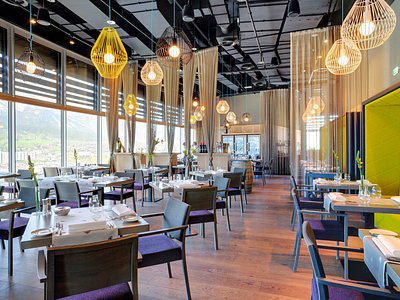
Bars in Innsbruck
Browse all →

Hotels in Innsbruck
Browse all →

At a Glance
- Classic
- Scenic
- Elegant
- Quiet
- Family
- Business Dinner
- Special Occasion
- Hotel Restaurant
- Panoramic View
- Extensive Wine List
- Local Sourcing
- Organic
- Mountain
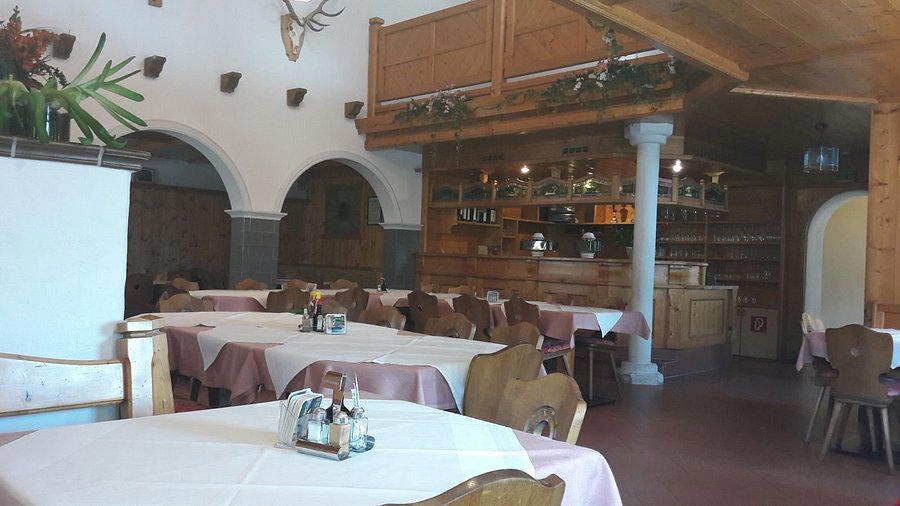
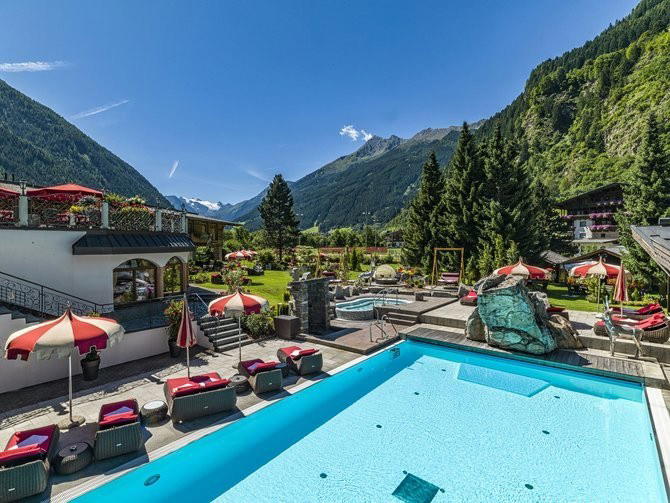
Traditional yet contemporary alpine hotel atmosphere in a tranquil setting near the Tyrolean mountains.