At Burggraben 17 in central Innsbruck, Bonsai occupies a position within the city's quieter tier of serious dining, away from the alpine-resort volume and toward something more considered. The address places it within walking distance of the Altstadt, making it a practical base for the city's compact dining circuit. For context on the broader Innsbruck scene, the EP Club Innsbruck guide maps the full range.
Pearl is the En Primeur Club membership app — saves, bookings, and concierge access live there. Same editors, same standards.
- Address
- Burggraben 17, 6020 Innsbruck, Austria
- Phone
- +43512350006
- Website
- bonsaisushibar.at
- Directions
- Get directions
 Saves & bookings on Pearl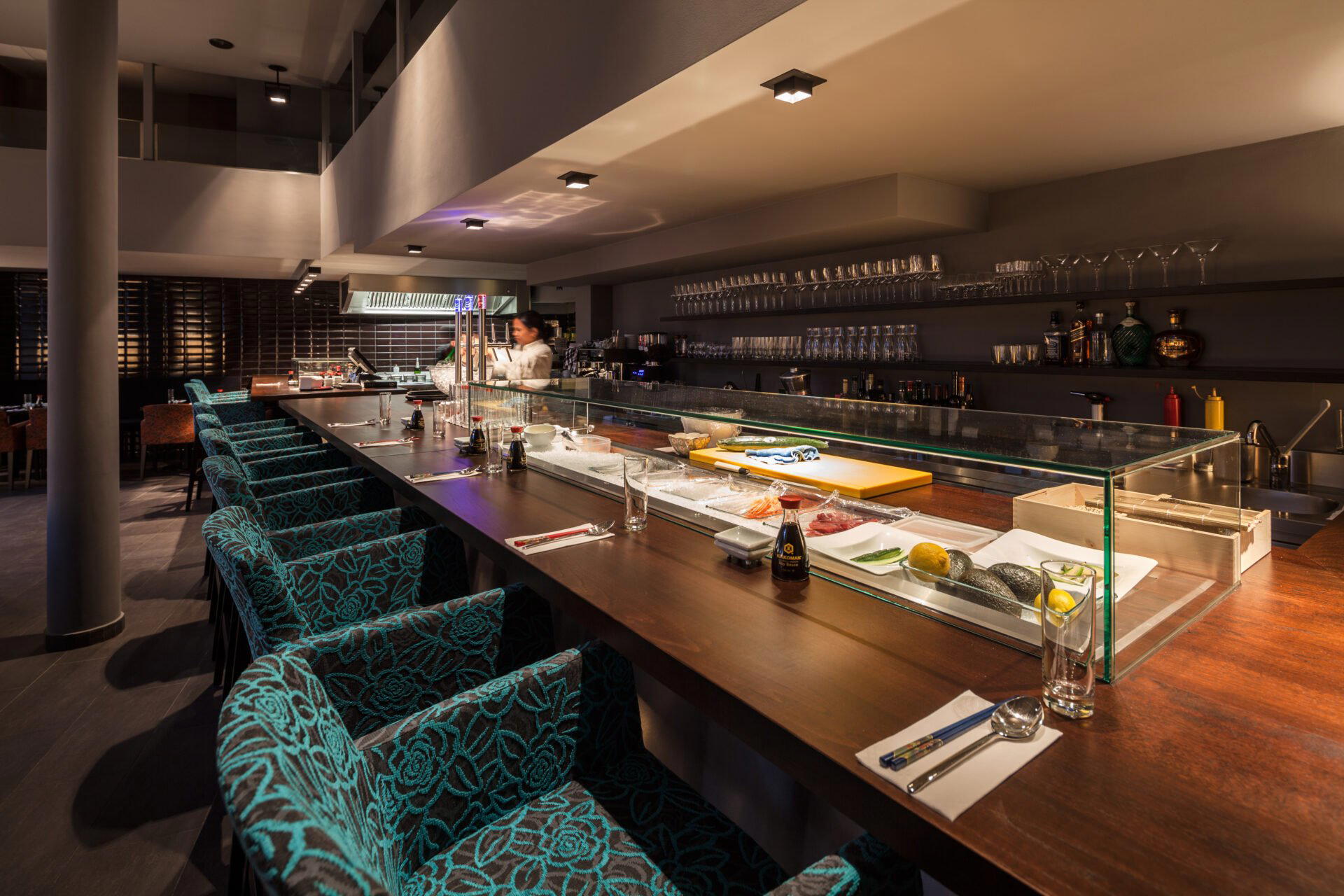
Where Innsbruck's Dining Ambition Sits Quietly
Bonsai is a Japanese Sushi Bar at Burggraben 17 in Innsbruck, Austria. The Altstadt draws the obvious footfall, and the alpine-lodge format dominates the mid-market. But on streets like Burggraben, a different register emerges: smaller, less signposted restaurants that operate closer to the rhythms of a local clientele than to the seasonal surges of winter tourism. Bonsai, at number 17, sits within that quieter tier.
The address is telling. Burggraben runs along the edge of the old city moat, close enough to the centre to be genuinely convenient but far enough from the main tourist channels to avoid the volume that defines Innsbruck's more visible dining strip. That positioning is a choice. Restaurants on this street are not competing for the passing trade of someone who has just come off the ski lift; they are competing for the repeat visit, the considered reservation, the diner who has already decided where they want to eat before they leave the hotel.
The Menu as Architecture
Austrian fine dining has spent the last decade negotiating between its classical inheritance and the international creative formats that have reshaped expectations across Europe. The tension is visible across the country's serious restaurant tier: Steirereck im Stadtpark in Vienna holds its position through rigorous seasonal sourcing and a cooking vocabulary that is emphatically Austrian; Obauer in Werfen has maintained a distinct regional identity across multiple decades. In Tyrol specifically, the question of how to frame alpine ingredients within a contemporary menu structure is one that serious kitchens have had to answer.
The name Bonsai is not Austrian, and that gap between name and geography is itself a signal worth reading. Restaurants that draw on Japanese aesthetic vocabulary, compression, restraint, the discipline of reduction, are making a statement about menu architecture before a single dish arrives. The bonsai form achieves its effect not through addition but through careful removal: what is left behind is the point. Applied to a dining format, that logic tends to produce tight menus, deliberate courses, and a resistance to the sprawling amuse-bouche-heavy formats that defined European fine dining in the 1990s.
Innsbruck's comparison venues suggest a market that has room for multiple registers. Bistro Gourmand occupies the classic cuisine bracket; Burkia Innsbruck and Al Fred represent different points on the city's dining spectrum. The creative tier is occupied at the higher price point by Oniriq, which operates at the €€€€ level and holds the kind of forward-leaning format that places it in a different comparable set entirely.
Tirol's Broader Restaurant Context
To understand where any Innsbruck restaurant sits, it helps to map the regional coordinates. Tyrol has produced serious kitchens outside the capital: Schwarzer Adler in Hall in Tirol operates just east of the city; Gourmetrestaurant Tannenhof in Sankt Anton am Arlberg and Stüva in Ischgl anchor the western resort corridor. These are restaurants that operate within the alpine luxury economy, pricing against an international ski clientele. Within Innsbruck itself, the dining scene is more varied, the city has a university population, a year-round resident base, and a tourism pattern that extends through summer hiking season as well as winter ski weeks.
That year-round rhythm matters for a restaurant on Burggraben. The venues that do well here tend to be the ones that have built local credibility rather than relying on the high-spend tourist surge of January and February. Arzler Alm has managed that balance with its particular format; B-West operates at a different end of the city's social geography. The test for any restaurant in Innsbruck's serious tier is whether it can hold a room on a Tuesday in October as effectively as on a Saturday in ski season.
Austrian dining culture more broadly rewards precision over spectacle. The country's most-discussed kitchens, from Landhaus Bacher in Mautern an der Donau to Döllerer in Golling an der Salzach, share a commitment to ingredient specificity that has more in common with the disciplined sourcing of Le Bernardin in New York City than with the theatrical tasting-menu formats that dominate international fine dining coverage. At the creative end, venues like Lazy Bear in San Francisco demonstrate what happens when a tightly controlled format meets a clearly defined aesthetic, the result is a dining experience that reads as coherent rather than assembled. Austrian kitchens, at their leading, operate in the same register.
Planning Your Visit
Bonsai is located at Burggraben 17, 6020 Innsbruck, in the central Altstadt-adjacent zone of the city. The address is walkable from the main train station in under fifteen minutes and sits within the compact core that most visitors to Innsbruck cover on foot.
For those building a wider Austrian itinerary around serious kitchens, the regional spread from Innsbruck extends west toward the Arlberg corridor and east toward the Salzburg-area restaurants that have drawn international attention: Restaurant 141 by Joachim Jaud in Mieming is a short drive from the city, and Kräuterreich by Vitus Winkler in Sankt Veit im Pongau or Ois in Neufelden represent the kind of destination kitchens that justify extending a trip beyond the city limits.
A Credentials Check
Comparable venues nearby, for context on price, style, and recognition.
| Venue | Cuisine | Price | Notes |
|---|---|---|---|
| BonsaiThis venue — the venue you are viewing | Japanese Sushi Bar | $$ | Not listed |
| Glorious Butcher | American Burger Joint | $$ | Marktplatz |
| the naked indigo | Modern Vegetarian Bowls | $$ | Innrain |
| Burkia Innsbruck | Traditional Austrian | $$ | Westpark |
| Umbrüggler Alm | Modern Tyrolean | $$ | Hungerburg |
| Kostbar | Regional Austrian Cafe | $$ | Mutters |
Continue exploring
More in Innsbruck
Restaurants in Innsbruck
Browse all →
Bars in Innsbruck
Browse all →
Hotels in Innsbruck
Browse all →

At a Glance
- Trendy
- Cozy
- Modern
- Date Night
- Casual Hangout
- Open Kitchen
- Sake Program
Current opening hours
- Monday
- 11:30 AM–10 PM
- Tuesday
- 11:30 AM–10 PM
- Wednesday
- 11:30 AM–10 PM
- Thursday
- 11:30 AM–10 PM
- Friday
- 11:30 AM–10 PM
- Saturday
- 11:30 AM–10 PM
- Sunday
- Closed
Hours can change for holidays and private events. Last verified .
Trendy and relaxed interior with beautiful, elegant design; quiet and pleasant atmosphere even when crowded.