Secco

Michelin Bib Gourmand
Our verdict
Secco holds consecutive Michelin Bib Gourmand awards for 2024 and 2025, placing it among the region's most consistent value-driven kitchens. Chefs Paolo Fantini and Roberto Solina run a regional menu from a €€ price point on Eugenstraße in the medieval centre of Hall in Tirol.

Pearl is the En Primeur Club membership app, where members save venues, book tables and use the concierge.
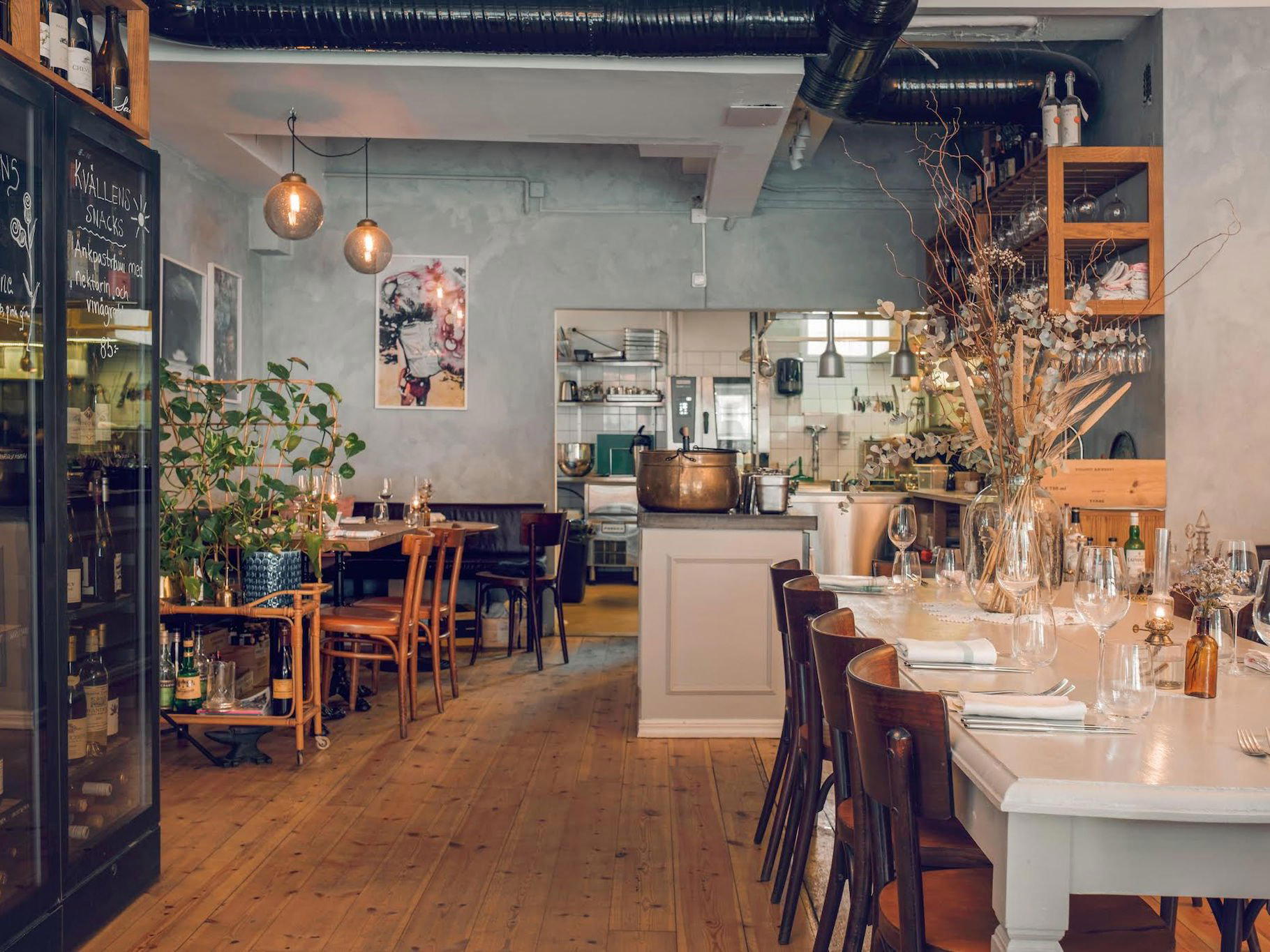
Hall in Tirol's Old Town and the Case for Regional Cooking at This Price
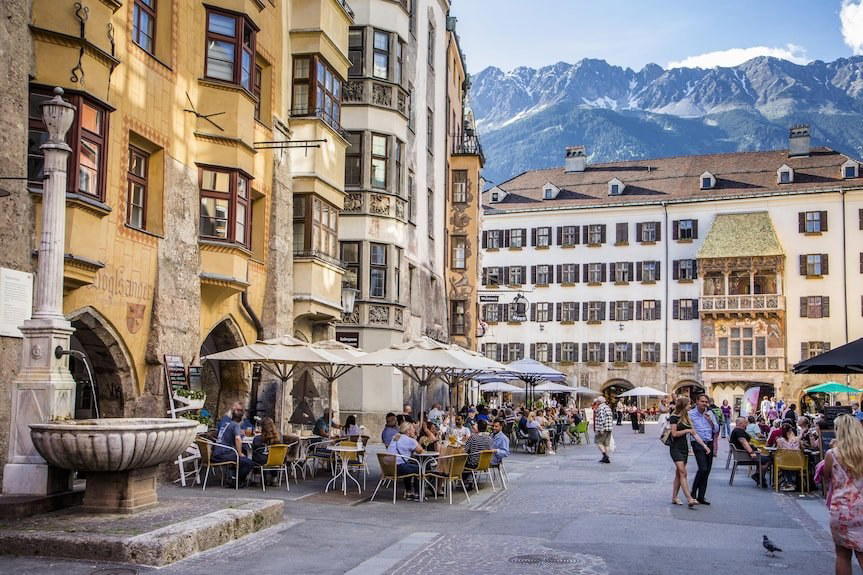
The medieval streets of Hall in Tirol sit a short distance east of Innsbruck, and the town has long operated in the shadow of its larger neighbour when it comes to dining recognition. That dynamic has been shifting. Across Alpine Austria, a generation of kitchens has moved away from the tourist-facing Tyrolean formula, schmaltz-heavy, portion-obsessed, indifferent to sourcing, and towards a more considered regional idiom that takes the mountains seriously as a pantry rather than a postcard. Secco, on Eugenstraße in the heart of the old town, belongs to that second category.
The address matters. Eugenstraße runs through a compact historic core where the buildings narrow the sky and the foot traffic is as much local as it is tourist. Restaurants here do not succeed on walk-in volume alone; they build a repeat clientele from the surrounding Inn Valley.
What the Bib Gourmand Signals in the Austrian Context
Michelin's Bib Gourmand designation, awarded to Secco in both 2024 and 2025, is a more specific signal than it is often given credit for. It does not denote proximity to star cooking; it denotes cooking of genuine quality at a price point that Michelin inspectors consider good value. In Austria's western tier, where restaurants at the €€€€ end run deep, that designation marks a different kind of discipline. The Bib is harder to hold than it looks: kitchens that win it once often lose it when cost pressures force corner-cutting. Secco holding it across two consecutive cycles places it in a peer group that includes reliable Alpine performers rather than one-season curiosities.
For comparison, Austria's starred tier, Steirereck im Stadtpark in Vienna, Döllerer in Golling an der Salzach, Ikarus in Salzburg, Obauer in Werfen, operates at €€€€ and competes on ambition and spectacle. Secco's €€ positioning is not a concession to those kitchens; it is a different competitive brief entirely, one that asks whether regional cooking can be honest, consistent, and accessible without becoming generic.
Two Chefs, One Regional Brief
Paolo Fantini and Roberto Solina share the kitchen at Secco. That pairing, Italian surnames running a regional Austrian menu in the Inn Valley, is itself a map of how Tyrolean cooking has evolved. The region historically absorbed northern Italian influence through proximity and trade, and the leading kitchens in this corridor have always worked that border fluency into their menus without making a theme of it. In Tyrol's contemporary dining scene, as seen from Gourmetrestaurant Tannenhof in Sankt Anton am Arlberg to Griggeler Stuba in Lech to Stüva in Ischgl, the signal is increasingly about sourcing rigour and culinary restraint rather than decorative Alpine nostalgia.
Ingredient Sourcing and Why the Alps Are a Serious Pantry
The framing of Alpine cuisine as ingredient-led rather than technique-led is not new, but it has gained critical traction across a generation of Bib Gourmand and starred kitchens in the region. The argument runs as follows: at altitude, growing seasons compress, animal husbandry concentrates, and the gap between producer and plate narrows because supply chains are short by geography. Restaurants that work within those constraints, rather than importing past them, end up with menus that taste specifically of where they are.
Regional cuisine in the Tyrolean mode, as practiced at venues like Gannerhof in Innervillgraten and Kräuterreich by Vitus Winkler in Sankt Veit im Pongau, draws on mountain herbs, cured meats, dairy from high-altitude pastures, and freshwater fish from cold Alpine rivers. The leading kitchens in this category use those inputs as the structure of the menu, not as garnish. Secco's Bib Gourmand recognition, consecutive across two years, implies that its sourcing decisions hold up under scrutiny, Michelin inspectors in this region are not awarding the designation to kitchens that rely on undifferentiated commodity supply.
That approach is also what separates Secco's competitive position from the €€€€ end of the Austrian scene. Where Restaurant 141 by Joachim Jaud in Mieming or Ois in Neufelden can absorb the cost of elaboration through higher cover charges, a €€ kitchen must demonstrate the same sourcing intelligence through plainer means, fewer components, sharper seasoning, no room for waste. That is a harder editorial statement to make on a plate, and Secco has been making it consistently enough to keep the Bib.
Secco Among Hall in Tirol's Dining Options
Hall in Tirol is not a city with a deep restaurant bench, which is part of what makes Secco's recognition notable. The old town supports a modest number of kitchens with genuine ambition; Schwarzer Adler, operating in the European Contemporary register, represents the other end of the local ambition spectrum. Between them, the town offers more dining range than its size might suggest. For a fuller picture of where to eat, drink, and stay in the area, the Hall in Tirol restaurants guide, hotels guide, bars guide, wineries guide, and experiences guide provide category-by-category coverage. For regional cuisine comparisons across a wider Alpine arc, Fahr in Künten-Sulz offers a useful Swiss-side parallel.
Planning Your Visit
Secco sits at Eugenstraße 3 in the centre of Hall in Tirol, walkable from the old town's main square and accessible by regional train from Innsbruck in under fifteen minutes. The €€ price range places a full meal comfortably below most Innsbruck fine-dining alternatives, which makes it an easy case to make for a standalone trip east rather than a compromise option. Current booking and hours information is best confirmed directly with the restaurant, as those details are not published through central listing databases. Given the consecutive Bib Gourmand recognition and the modest scale typical of this category of kitchen in the Inn Valley, advance reservation is prudent, particularly across the summer tourism season and the winter ski corridor periods when the region draws its highest visitor volumes.
Frequently asked questions
What price level is Secco?
Pricing at Secco is listed as €€.
Who is the chef at Secco?
The chef associated with Secco is Paolo Fantini and Roberto Solina.
Do I need a reservation for Secco?
A €€ kitchen with consecutive Bib Gourmand recognition in 2024 and 2025 draws demand that exceeds what a modest old-town space in Hall in Tirol can absorb on walk-ins alone. Booking ahead is the practical move, particularly on weekends and during the Innsbruck area's peak tourist periods. Secco is at Eugenstraße 3, contact details are best confirmed through current local listings.
A Pricing-First Comparison
| Venue | Cuisine | Price | Awards | Notes |
|---|---|---|---|---|
| SeccoThis venue (the venue you are viewing) | Regional Bistro with Asian Influences | $20–30 | Michelin Bib Gourmand | Not listed |
| Steirereck im Stadtpark | Modern Austrian Fine Dining | $200–300 | 3 Michelin Stars · World's 50 Best #33 | Creative |
| Döllerer | Modern Alpine Cuisine | $100–150 | 2 Michelin Stars · La Liste Top Restaurants | Contemporary Austrian, Innovative |
| Ikarus | Guest Chef Fine Dining | $200–300 | 2 Michelin Stars · La Liste Top Restaurants | Modern European, Creative |
| Mraz & Sohn | Contemporary Austrian Fusion | $150–200 | 2 Michelin Stars · La Liste Top Restaurants | Modern Austrian, Creative |
| Obauer | Modern Austrian Fine Dining | $50–100 | 2 Michelin Stars · La Liste Top Restaurants | Classic Cuisine |
Recognition history
Dated appearances from independent guides and award organizations, with the underlying list record or original source where available.
Michelin Bib Gourmand
Michelin
Full recognition history (3 entries)
Michelin Bib Gourmand
Michelin
Michelin Bib Gourmand
Michelin
Continue exploring
More in Hall in Tirol
Restaurants in Hall in Tirol
All restaurants in Hall in Tirol →
Bars in Hall in Tirol
All bars in Hall in Tirol →

Details
- Intimate
- Cozy
- Lunch
- Dinner
- Historic Building
- Extensive Wine List
- A La Carte
- Set Menu
Current opening hours
- Monday
- Closed
- Tuesday
- Closed
- Wednesday
- Closed
- Thursday
- 12–2 PM, 5–11 PM
- Friday
- 12–2 PM, 5–11 PM
- Saturday
- 12–2 PM, 5–11 PM
- Sunday
- Closed
Hours can change for holidays and private events. Hours as of .
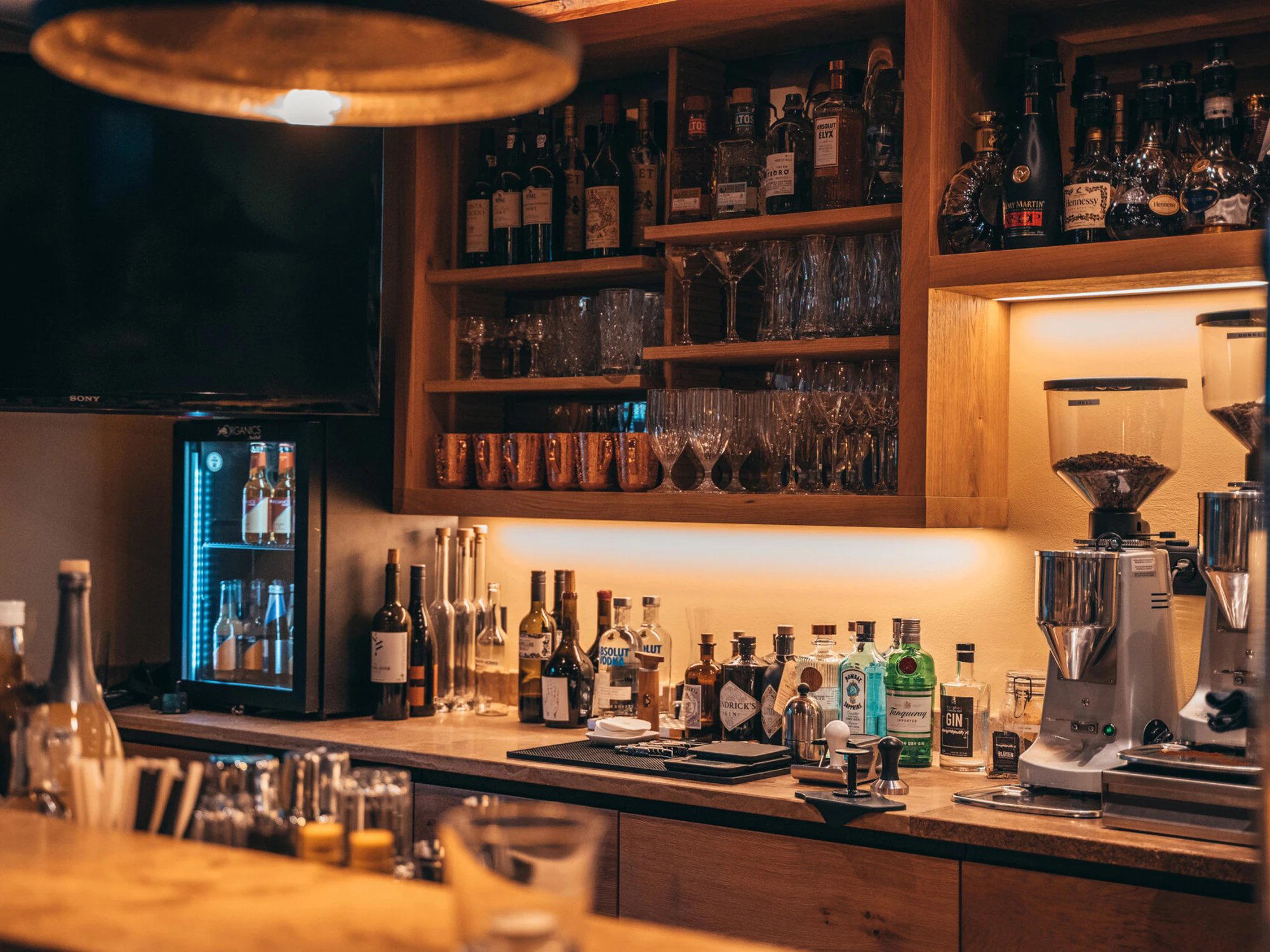
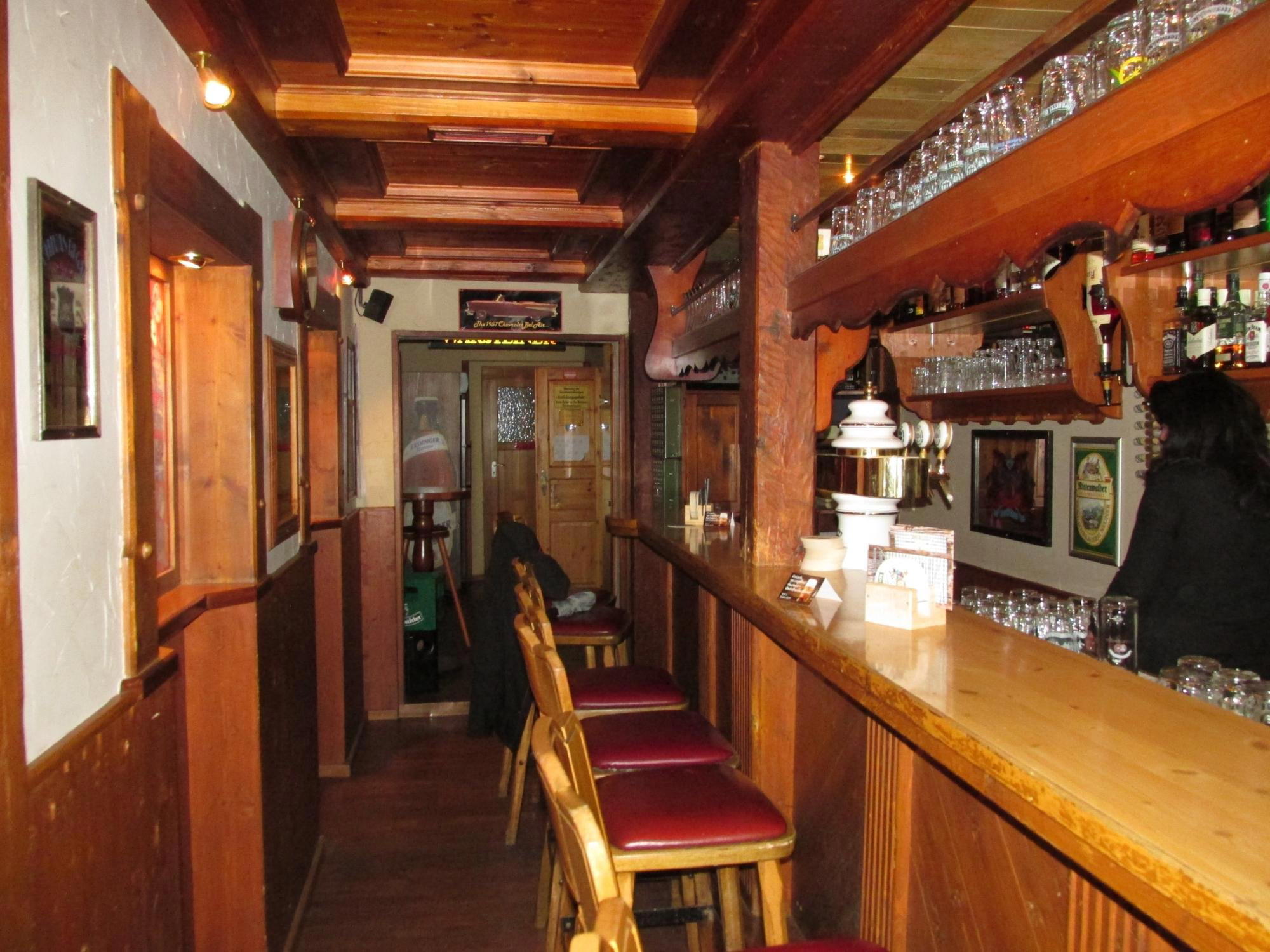
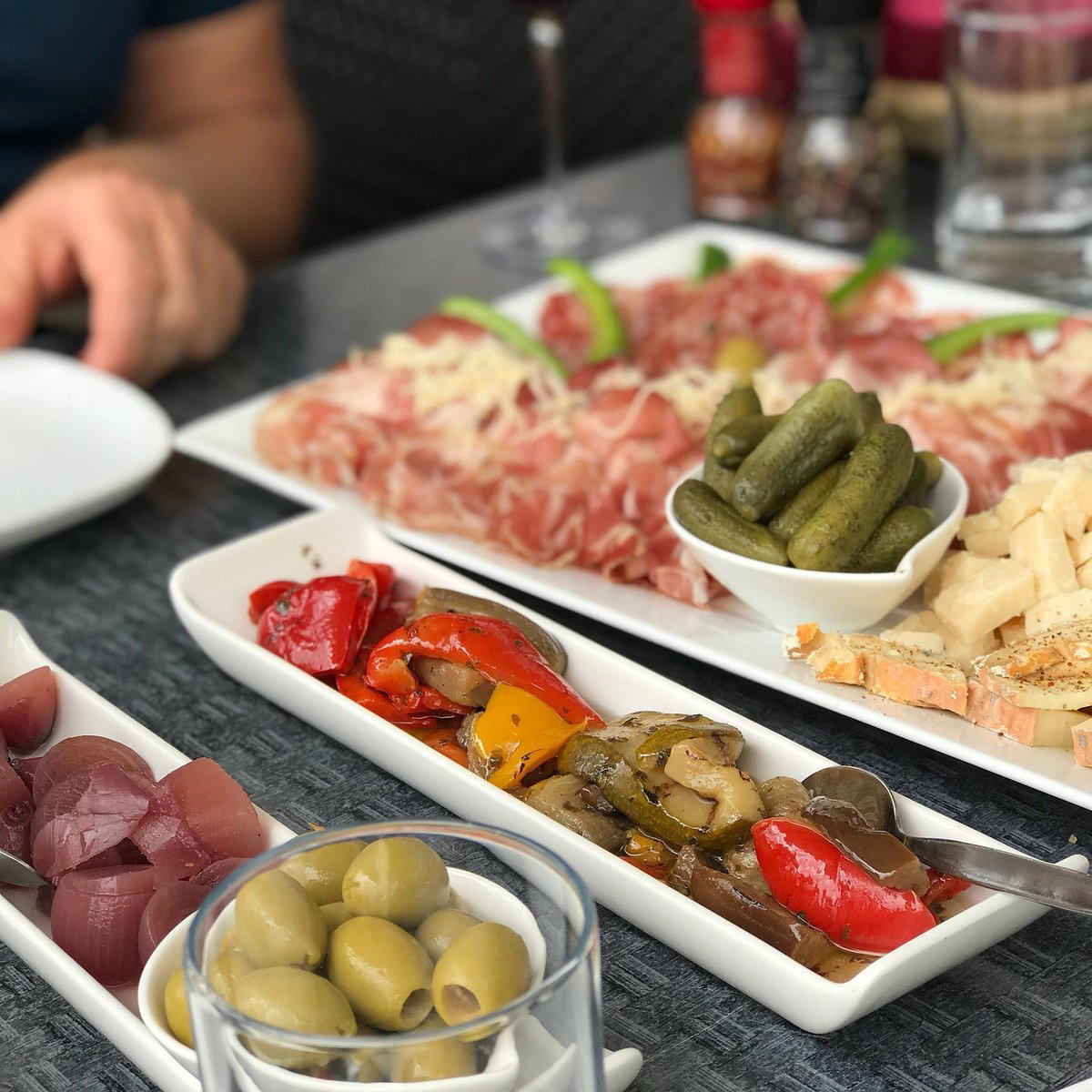
Compact, intimate and colourful with friendly service in a historic old town setting.