
Michelin Plate
Our verdict
Among Akasaka's mid-price kappo counters, Washi earns its 2025 Michelin Plate through an approach that holds traditional Japanese technique, hand-rolled soba, soy-and-ginger braise, charcoal grill, alongside an unexpected house speciality in Japan-raised ostrich. A structured set menu anchors each meal, with à la carte additions available, making it one of the more flexible formats at this price point in the neighbourhood.

Pearl is the En Primeur Club membership app, where members save venues, book tables and use the concierge.
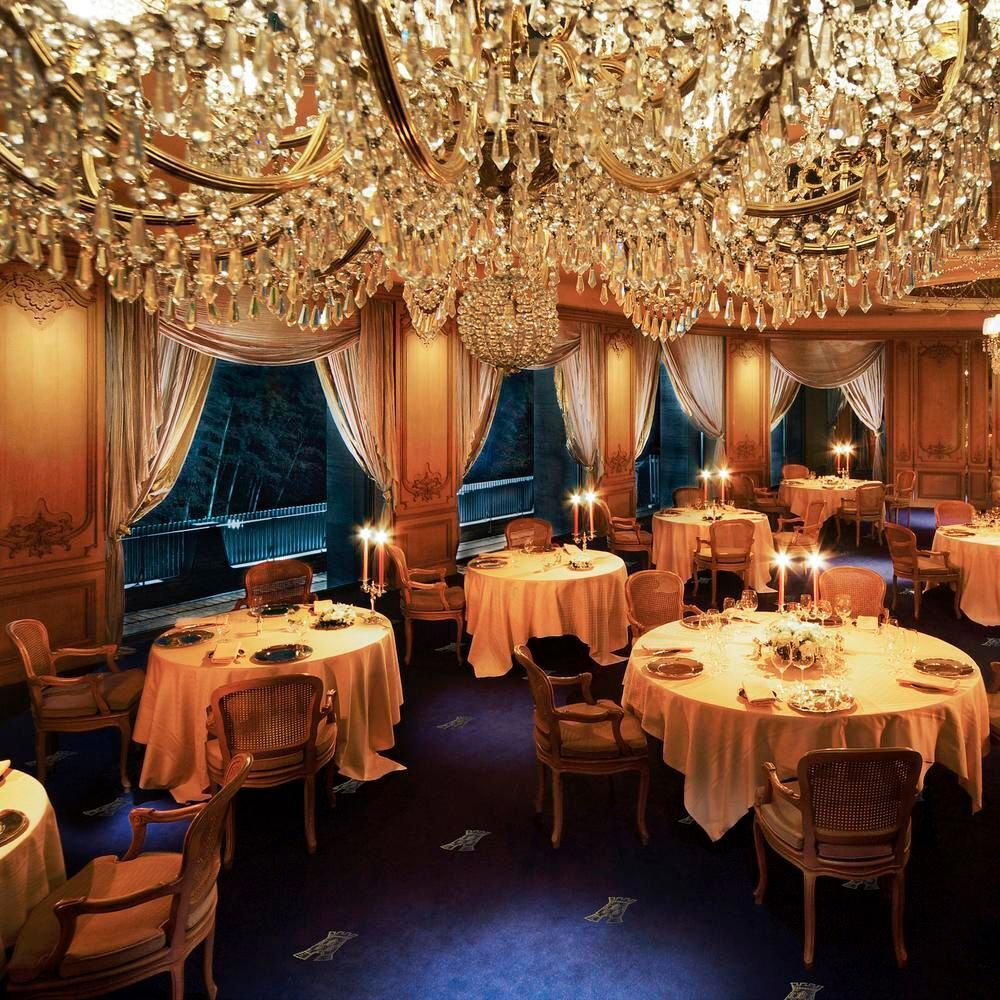
The menu
What to order
- Ostrich soba
- Ostrich meat preparations
Akasaka Kappo Washi: Where Tradition Carries Its Own Weight
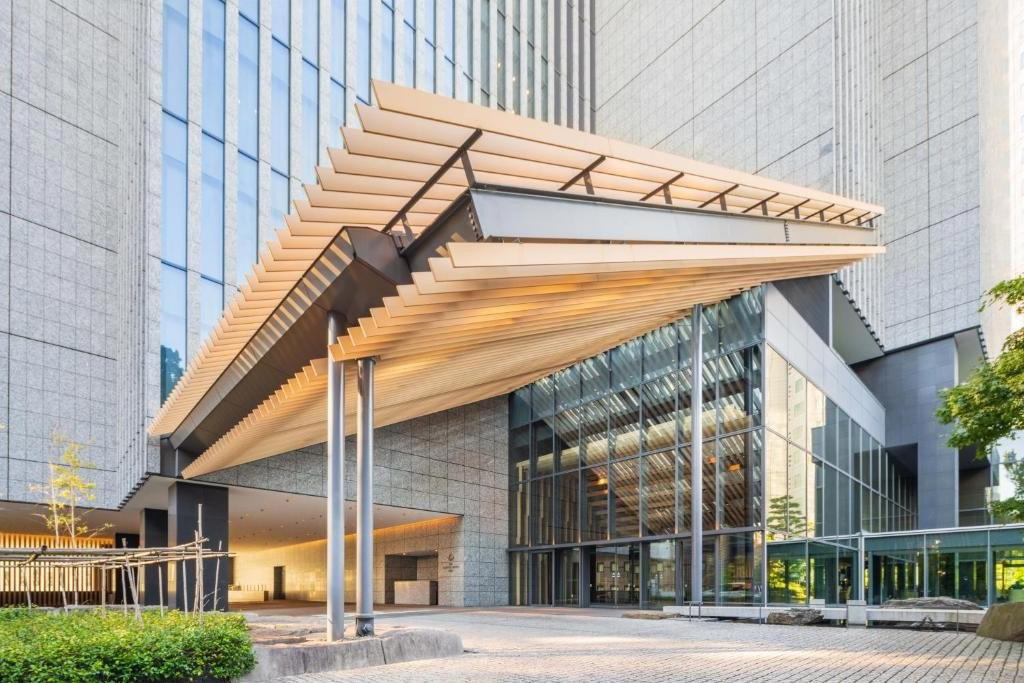
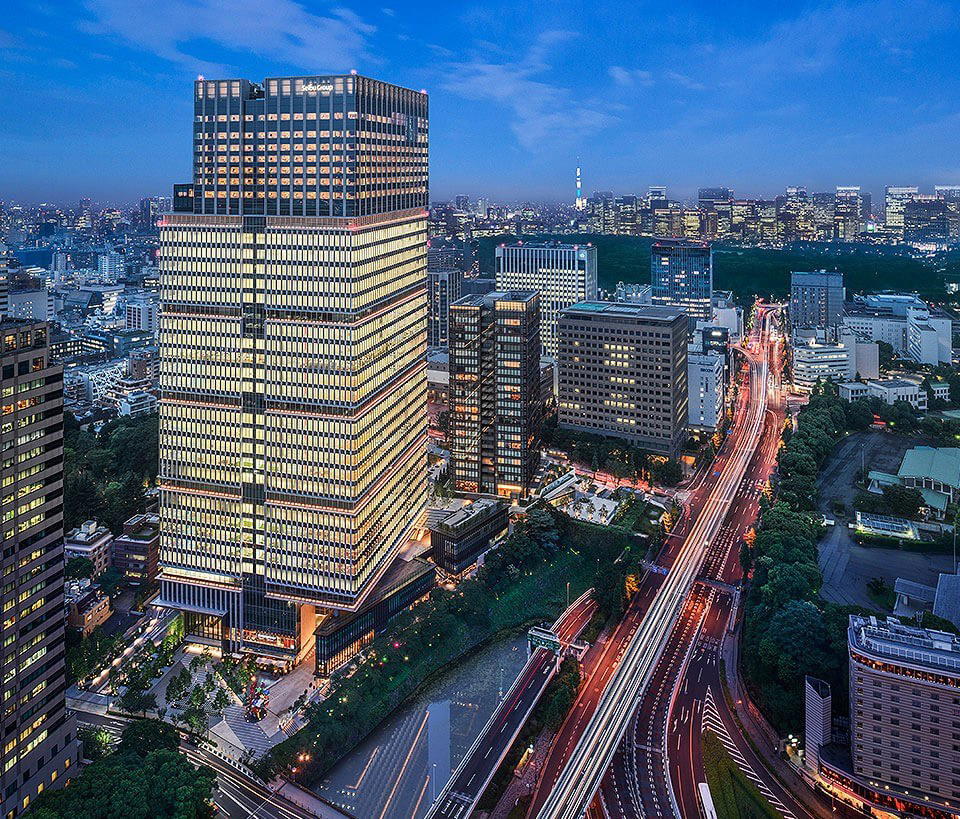
The sixth floor of a commercial building in Akasaka is not the setting most diners picture when they think of kappo dining. But that slight remove from street level, the elevator ride, the quiet corridor, is part of how the format works in this city. Tokyo's kappo tradition has always favoured discretion over spectacle, and the genre's most coherent examples tend to sit in exactly these kinds of addresses: above a pharmacy, behind an office lobby, up a staircase that filters out anyone not already committed to being there. Akasaka Kappo Washi, on the sixth floor of the Kokusai Amano Building in Minato City, follows that logic precisely.
Kappo as a format sits between omakase sushi and formal kaiseki. The chef cooks in front of guests, but the register is more conversational than ceremonial. Dishes arrive in sequence, but the kitchen retains flexibility that a kaiseki progression does not. That structural openness is what defines the format, and what Washi exploits through its menu design. A set menu provides the spine, but diners are free to add à la carte after the set concludes, a structure that gives the meal shape without imposing a fixed ceiling on it. For a mid-price counter in Akasaka, this is a more considered approach than the full-or-nothing formats that dominate the ¥¥¥¥ tier.
The Price Tier and What It Signals
Akasaka sits in one of Tokyo's denser concentrations of serious dining. The neighbourhood draws business entertainment accounts and neighbourhood regulars in roughly equal measure, which means its mid-tier restaurants (¥¥¥, roughly ¥10,000–¥20,000 per head depending on additions) face a sharper value test than comparable addresses in Shibuya or Ebisu. Diners here have proximity to the ¥¥¥¥ tier, RyuGin and equivalents are not far, and they make comparisons accordingly.
Washi's Michelin Plate recognition in 2025 places it in a bracket that the Guide reserves for restaurants it considers worthy of attention without yet assigning a star. At the ¥¥¥ price point, a Plate signals that the kitchen is doing something with enough consistency and craft to hold up against peer scrutiny. The comparison set here is not three-star kaiseki; it is other serious kappo counters and mid-format Japanese restaurants at a similar price. Against that peer group, the combination of technique range, ingredient curiosity, and flexible menu structure gives Washi a legible value case. For comparison, Den, two Michelin stars, also ¥¥¥, demonstrates that the mid-price bracket in Tokyo can support serious ambition. Washi operates in that same tier, though with a more traditional technical foundation than Den's playful approach.
Nearby, venues like Myojaku and Azabu Kadowaki illustrate the range of what serious Japanese cooking looks like at different price points in this part of the city. Kagurazaka Ishikawa and Ginza Fukuju show how the kaiseki tradition handles its own version of that value equation, while Jingumae Higuchi represents a different neighbourhood register entirely.
Technique, Tradition, and One Deliberate Deviation
The menu at Washi draws from a narrow set of classical Japanese techniques, searing, slow simmering in soy and ginger, and charcoal-grilling. Each of these methods has a long record in Japanese professional kitchens, and the kitchen's commitment to them rather than to technique accumulation is what gives the menu its coherence. Soba appears on the menu as a deliberate reference point, prepared with the kind of attention the dish demands when a restaurant chooses to include it: soba is easy to do adequately and difficult to do with conviction, and its presence here is a statement of priorities rather than a default filler course.
The house's engagement with Japan-raised ostrich is the menu's most deliberate departure from convention. Ostrich is not a staple of kappo menus; its appearance here, prepared through the same classical techniques the kitchen applies to more familiar proteins, frames it as an extension of the kitchen's curiosity rather than a gimmick. Japan-raised ostrich has been gaining quiet traction among chefs interested in domestic sourcing alternatives, and Washi's ongoing relationship with the ingredient (it is described as a house fondness, not a seasonal experiment) suggests the kitchen has developed real fluency with it. The name Washi, meaning Japanese history, frames this combination of tradition and selective deviation as intentional: the fundamentals are defended, and the departures are chosen rather than accidental.
Who This Format Suits
Flexible menu structure, set foundation, à la carte extension, means the meal can run shorter or longer depending on appetite and interest. That adaptability suits business dinners where pace matters, but also solo or couple diners who want to explore at their own speed.
For visitors to Tokyo who are working through the broader spectrum of Japanese cooking formats, from sushi counter to kaiseki to more relaxed kappo, Washi sits at a practical price point for a serious meal without requiring the advance booking windows or budget allocation of the ¥¥¥¥ tier. The Akasaka location is well-connected, a short distance from Akasaka or Akasaka-Mitsuke stations on the Tokyo Metro network, which makes it accessible from most central Tokyo bases without complex logistics.
Reservations are advisable given the small-venue format typical of kappo counters; walk-in access at this level of recognition is unlikely to be reliable, particularly on weekday evenings when business entertainment fills mid-tier Akasaka restaurants at pace.
Japan's Kappo Tradition in Broader Context
Kappo as a format has grown in visibility outside Japan partly because it solves something the kaiseki and sushi counter formats do not: it combines serious cooking with an atmosphere that allows conversation and adjustment. The chef is present and responsive, the menu has structure but not rigidity, and the price point, at least in the ¥¥¥ tier, sits closer to an ambitious neighbourhood restaurant than to a special-occasion institution. That positioning matters in a city like Tokyo where the volume and variety of serious cooking can make every meal feel like a commitment.
Washi sits inside that argument. Its 2025 Michelin Plate is recognition from the most scrutinised restaurant guide operating in Japan, and the ¥¥¥ pricing means that recognition is accessible to diners who are not building a week of ¥¥¥¥ dinners. For visitors extending their Japan itinerary beyond Tokyo, the same tradition plays out differently in Kyoto at venues like Isshisoden Nakamura and in Osaka at Kashiwaya Osaka Senriyama. Further afield, Gion Sasaki in Kyoto, HAJIME in Osaka, akordu in Nara, Goh in Fukuoka, 1000 in Yokohama, and 6 in Okinawa each represent distinct regional takes on Japan's serious dining culture.
For a complete picture of what Tokyo offers across restaurants, bars, hotels, and experiences, see our full Tokyo restaurants guide, our full Tokyo hotels guide, our full Tokyo bars guide, our full Tokyo wineries guide, and our full Tokyo experiences guide.
Planning Your Visit
Akasaka Kappo Washi is located on the sixth floor of the Kokusai Amano Building, 3 Chome-13-6 Akasaka, Minato City, Tokyo. The venue is priced at ¥¥¥ and holds a 2025 Michelin Plate. Hours are not listed publicly, so confirming ahead of a visit is advisable.
Frequently asked questions
What does dinner at Akasaka Kappo Washi typically cost?
Pricing at Akasaka Kappo Washi is listed as ¥¥¥.
Is Akasaka Kappo Washi chef-led?
The chef associated with Akasaka Kappo Washi is Kakole Assistant Mosiuoa.
| Venue | Cuisine | Price | Awards | Notes |
|---|---|---|---|---|
| Akasaka Kappo WashiThis venue (the venue you are viewing) | Traditional Kappo | $150–200 | Michelin Plate | Not listed |
| Harutaka | Edo-Style Omakase Sushi | $200–300 | 3 Michelin Stars · World's 50 Best #76 | Sushi |
| RyuGin | Modern Kaiseki | $500+ | 3 Michelin Stars · World's 50 Best #41 | Kaiseki, Japanese |
| L'Effervescence | Modern French with Japanese Influences | $200–300 | 3 Michelin Stars · World's 50 Best #69 | French |
| HOMMAGE | Modern French with Japanese Influences | $150–200 | 2 Michelin Stars · World's 50 Best #78 | Innovtive French, French |
| MAZ | Innovative Peruvian-Japanese Fusion | $150–200 | 2 Michelin Stars · World's 50 Best #28 | Innovative |
Recognition history
Dated appearances from independent guides and award organizations, with the underlying list record or original source where available.
Michelin Plate
Michelin
Full recognition history (2 entries)
Michelin Plate
Michelin
Continue exploring
More in Tokyo
Restaurants in Tokyo
All restaurants in Tokyo →
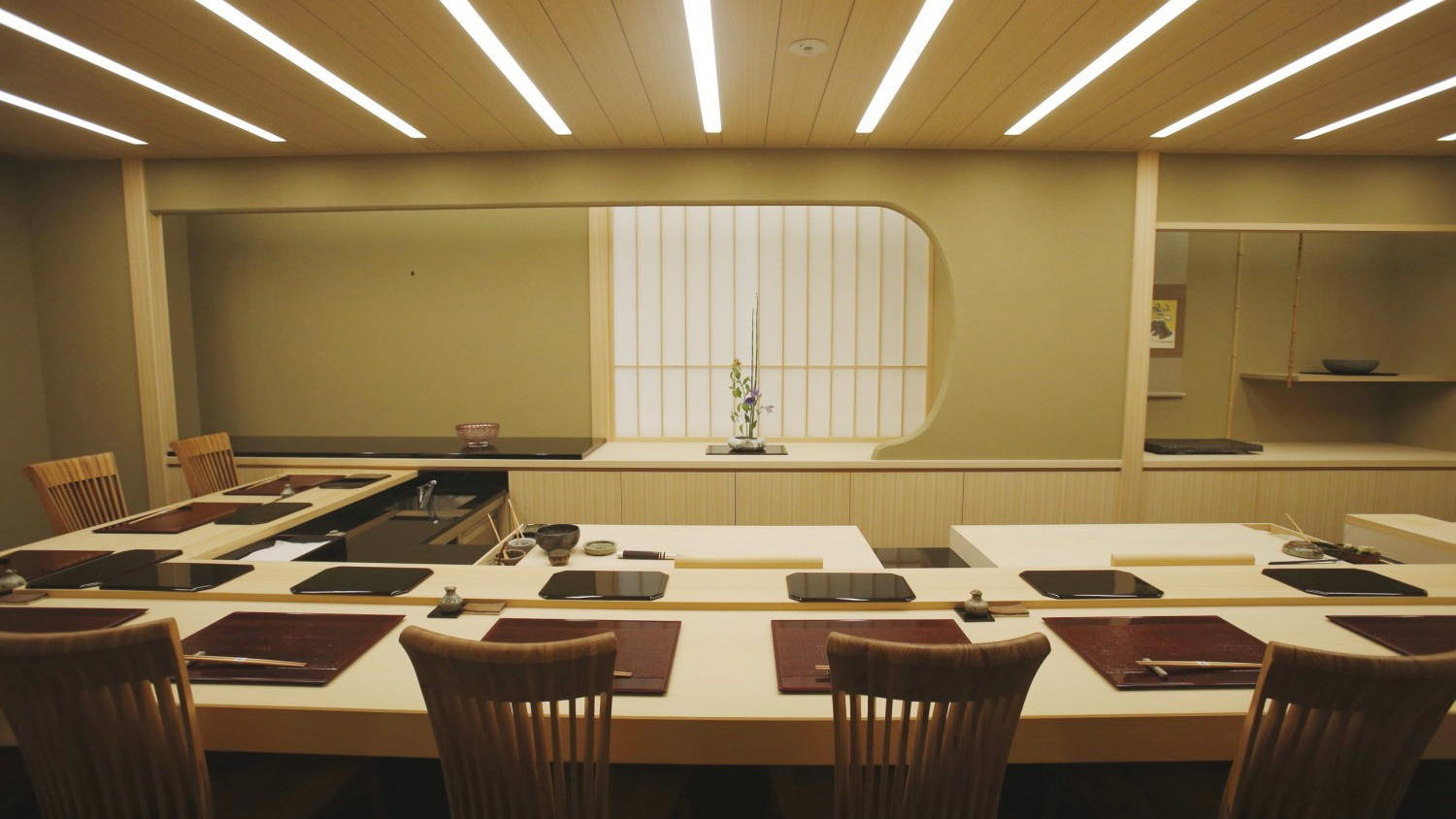
Bars in Tokyo
All bars in Tokyo →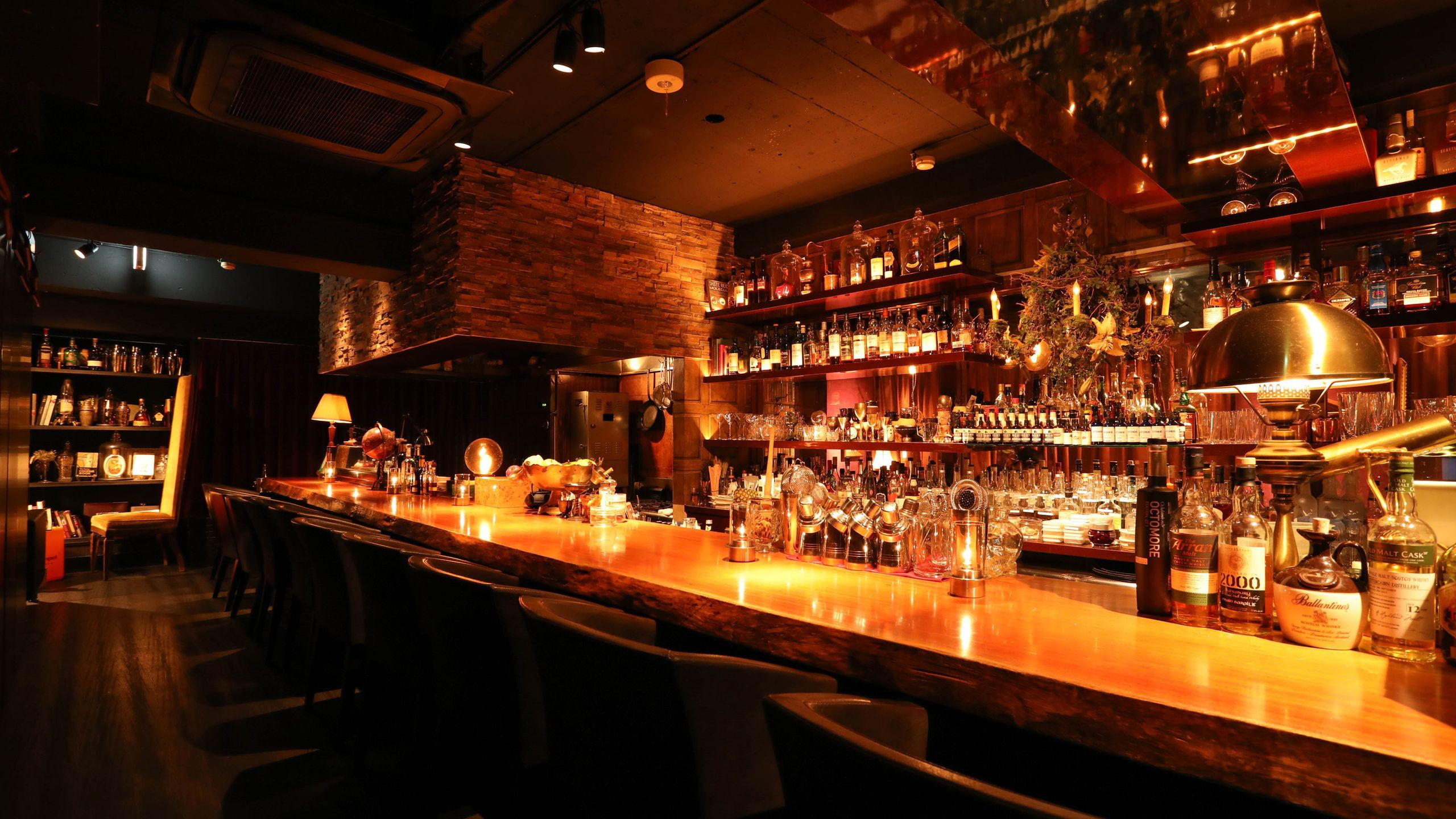
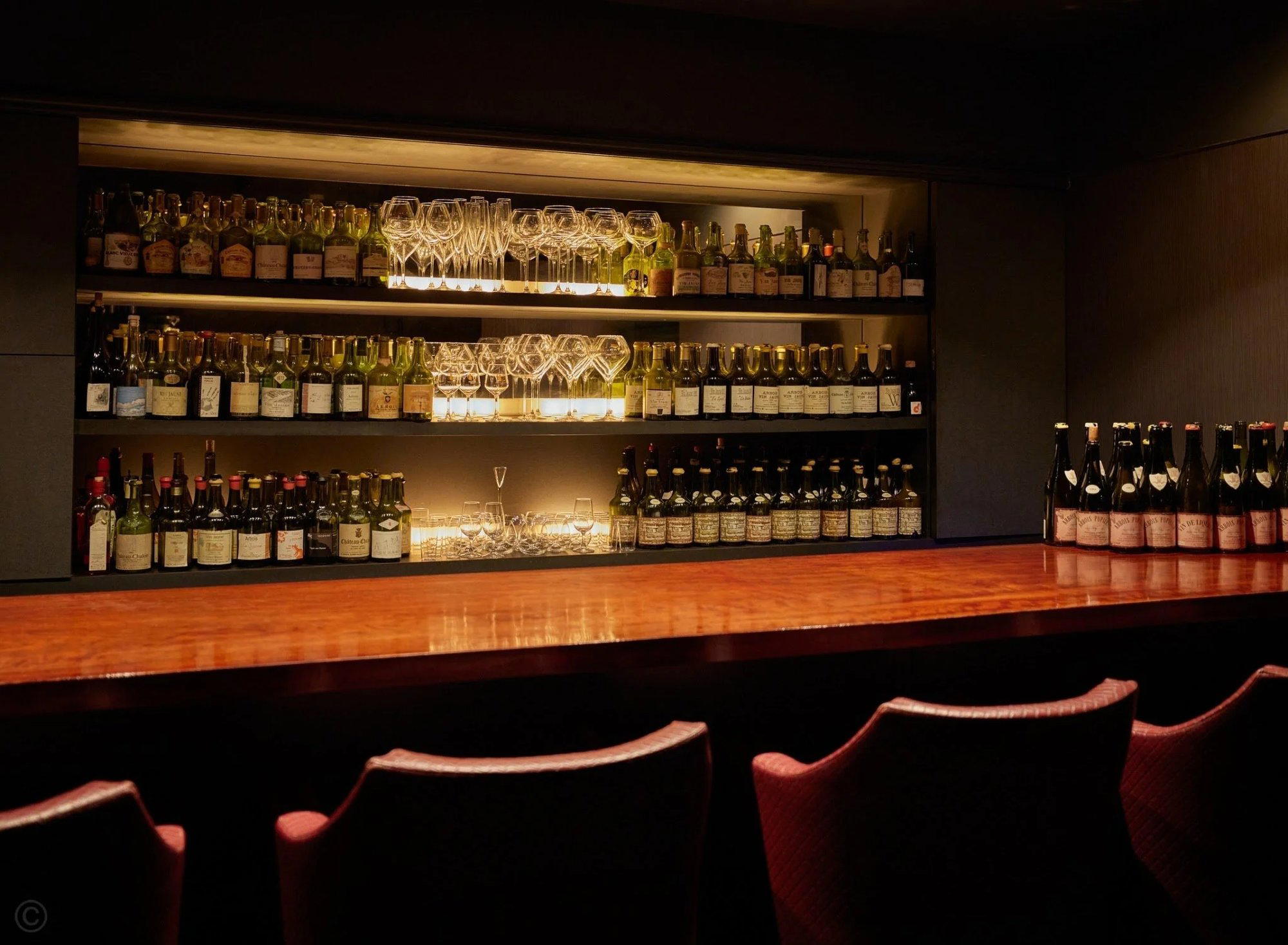
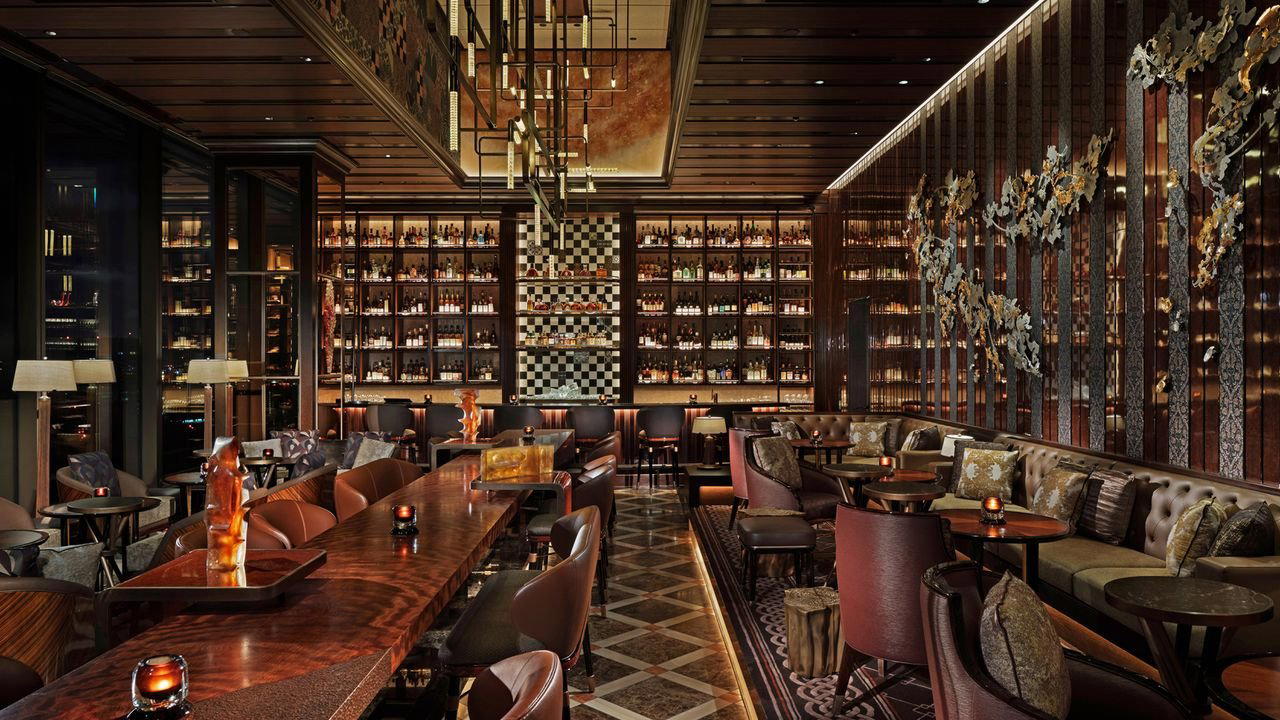

Details
- Elegant
- Sophisticated
- Intimate
- Cozy
- Business Dinner
- Special Occasion
- Private Dining
- Sake Program
- Omakase
- A La Carte
- Sake Program
Current opening hours
- Monday
- 6–11 PM
- Tuesday
- 6–11 PM
- Wednesday
- 6–11 PM
- Thursday
- 6–11 PM
- Friday
- 6–11 PM
- Saturday
- 6–11 PM
- Sunday
- Closed
Hours can change for holidays and private events. Last verified .
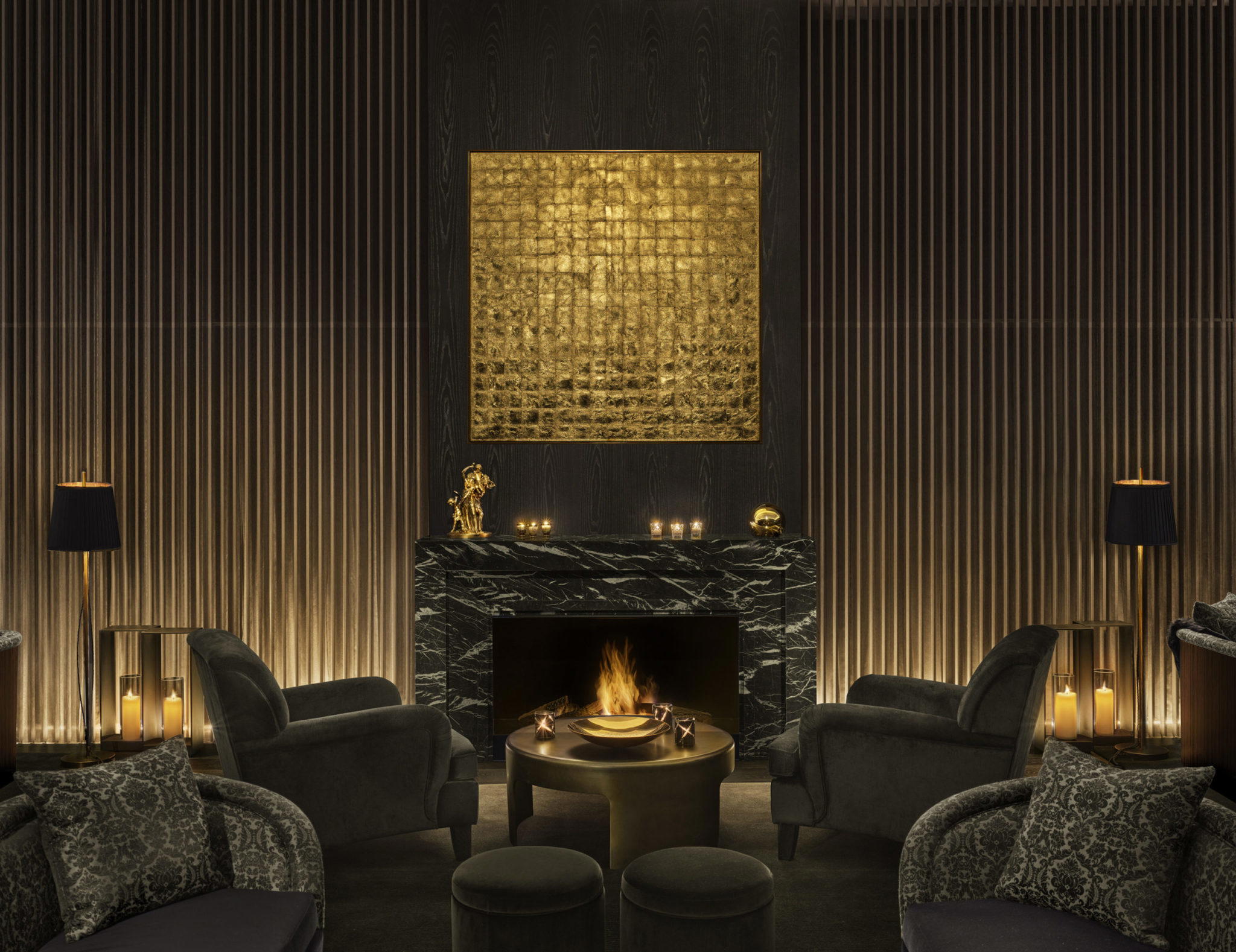
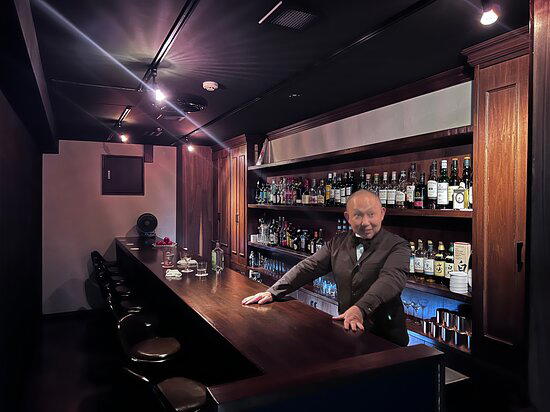
Refined and relaxing atmosphere with stylish space, counter seating, and calm private rooms.