
Kyoto’s polished sweets-cafe tradition is as much about pacing as pastry, and Zen Kasho In Kyoto muromachi honten fits that slower Muromachi rhythm. Selected for Tabelog 100 Cafe WEST 2025, it sits in the city’s serious Japanese-sweets tier: modest spend, compact seating, and a format built around tea, wagashi, and take-out rather than restaurant ceremony.
Pearl is the En Primeur Club membership app — saves, bookings, and concierge access live there. Same editors, same standards.
- Address
- Japan, 〒604-0021 Kyoto, Nakagyo Ward, Takoyakushicho, 271-1
- Phone
- +81 75-241-3300
- Website
- zen-kashoin.com
 Saves & bookings on Pearl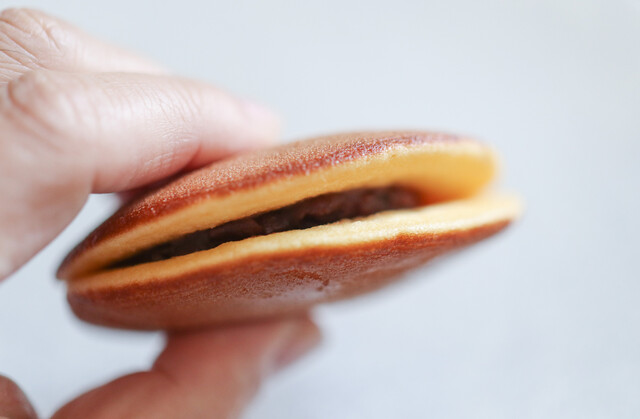
Muromachi gives Kyoto cafe culture a different register from temple-side lanes: less souvenir theatre, more townhouse restraint. Japanese sweets here feel quiet, disciplined, and urban, with the tea room serving as a pause between offices, galleries, and old merchant streets rather than a sightseeing set piece. Zen Kasho In Kyoto muromachi honten is the kind of Kyoto address where room, confectionery counter, and service pace matter as much as the plate.
Kyoto serves sugar many ways: skewered aburi mochi near shrine gates, seasonal namagashi for tea practice, department-store gift boxes, and contemporary cafes treating wagashi with the seriousness other cities reserve for patisserie. This house sits in the latter camp. Its Tabelog 100 Cafe WEST 2025 selection is a trust signal in a category where recognition often trails more photographed kaiseki and sushi rooms. Its 3.61 score also sits in Japanese review culture's competitive middle-high band, where consistency carries weight.
Wagashi as curation, not dessert afterthought
The editorial interest is not a chef biography or dramatic tasting format; it is how Kyoto sweets cafes manage focus. Many city cafes stretch across brunch, cocktails, retail coffee, and laptop traffic. Strong wagashi-led Kyoto rooms make a narrower promise: tea, Japanese confectionery, and a setting calibrated for a short, deliberate stop. That restraint is the point.
Zen Kasho In Kyoto muromachi honten is categorized as a cafe, Japanese traditional sweets shop, and cafe featuring Japanese sweets. That triple identity signals a crossover between sit-down cafe and confectionery retail, with take-out available, not a course-driven restaurant. For travelers allocating Kyoto dining time, it is not competing with yakitori counters such as Torisaki, contemporary dining such as shiro, or innovative rooms such as KOKE. It answers a different question: where does a serious sweets break fit between lunch, shopping, and temple-heavy walking?
A conventional restaurant's wine-list assessment would point to cellar depth and sommelier authorship. Here, the parallel is curation: how tightly the house handles tea-and-sweets pairing culture, presentation, and pacing. Kyoto wagashi tradition treats sweetness as part of a broader service grammar: the drink beside it, room temperature, plate order, and take-away option all shape the experience. Better cafe addresses understand that a sweet is not merely an ending; it can be the reason to sit down.
For a broader Kyoto sweets map, Aburi Mochi Honke Nemoto Kazariya shows the older shrine-adjacent tradition, while .cafe in Osaka offers a Kansai comparison for contemporary cafe pacing outside Kyoto. Those contrasts explain why Muromachi's version feels more composed: less street snack, less coffee-bar improvisation, more confectionery-led structure.
Where Muromachi sits in Kyoto's dining day
Kyoto dining is often planned around anchor meals, but the city rewards secondary stops: tea after a museum, sweets before an early dinner, a quiet counterpoint to Nishiki Market traffic. Nakagyo Ward suits that itinerary because it sits between commercial Kyoto and older craft districts. Karasuma Oike gives access without station-concourse mood, and nearby streets keep a working-city feel that suits a limited-seat cafe.
The venue has 20 seats, compact enough that timing affects comfort. Reservations are unavailable, so treat it as a planned pause with flexibility, not a locked appointment. The spend range is modest by Kyoto standards: lunch JPY 2,000 to JPY 2,999 and dinner JPY 1,000 to JPY 1,999, easy to fold into a day that may already include a higher-cost evening meal. The non-smoking policy, card and electronic payment acceptance, and children-welcome note make it more approachable than many small Kyoto specialty counters.
That accessibility does not make it generic-casual. Kyoto's cafe hierarchy is crowded, and Tabelog's Cafe WEST 2025 list filters rooms that have earned repeated attention in western Japan. The house-restaurant setting and sofa seating shift the mood away from quick-serve confectionery. The format suits travelers wanting Japanese sweets without formal tea ceremony protocols.
It also bridges dining categories. A visitor using Our full Kyoto restaurants guide might pair a sweets stop with nearby casual meals such as 3TOKU6MI Shijo karasuma ten, 551蓬莱, or more design-led Kyoto rooms such as [ki:] and Abbesses. For wider trip architecture, Our full Kyoto hotels guide, Our full Kyoto bars guide, Our full Kyoto wineries guide, and Our full Kyoto experiences guide cover surrounding hospitality decisions.
The critical read: a specialist stop with measured expectations
The right expectation matters. This is not for a long chef-led narrative, multi-course tasting menu, or cellar-driven evening. Its value lies in a narrower Kyoto skill set: Japanese sweets, cafe service, take-out utility, and a room small enough to preserve the pause. In a city where premium dining can become over-scheduled, that modesty has practical appeal.
The comparison set clarifies its role. Flip up! occupies a lower spend bracket for bakery-style eating; Korean Shokudo Iru Goshominami sits in a much higher dinner range; KOKE and shiro serve contemporary and innovative ambitions; Torisaki belongs to the yakitori lane. Zen Kasho In Kyoto muromachi honten is not trying to win those arguments. It belongs to Kyoto's daytime sweets circuit, where selection, atmosphere, and category precision count more than range.
For readers building a Japan itinerary beyond Kyoto, the same category logic applies elsewhere: a meal at -Grilled beef Sukiyaki- KAMAKURA TANUKIAN 鎌倉 たぬき庵 in Kamakura serves a different travel purpose from. 鮪と炭火焼き うお炭 秋葉原店 in Tokyo.know in Kumamoto, (Shoku) Vietnam in Kawasaki, or [Curry Senmon Ten] Maruyama Kyoju. in Sapporo. Outside Japan, Jōdo Saké Bar in Los Angeles and Onigiri Time in Pasadena show how Japanese formats change when removed from home context. Kyoto's advantage is that sweets culture remains embedded in daily rhythm rather than staged as theme.
The concise verdict: use this as a serious Japanese-sweets interlude in central Kyoto, especially when the day needs structure between larger meals. The Tabelog 100 Cafe WEST 2025 selection gives external validation, but the stronger reason to care is category discipline. Kyoto does not need every stop to be grand. Sometimes the sharper editorial choice is the room that knows exactly how much time it should take.
Where It Fits
Comparable venues to anchor price and recognition.
| Venue | Cuisine | Price | Notes |
|---|---|---|---|
| Zen Kasho In Kyoto muromachi hontenThis venue — the venue you are viewing | Traditional Japanese sweets & matcha cafe | $$ | Not listed |
| Rakushaan | Traditional Japanese Warabi Mochi Specialty | $$ | Shichiku |
| Kyoto Curry Seisakusho Kariru | Japanese spice curry house | $$ | Kamigyō |
| Akagakiya | Classic Kyoto Izakaya | $$ | Sakyō |
| SPICE GATE | Japanese-style spice curry & dashi curry café | $$ | Shimogyō |
| GRILL DEMI | Japanese Western-style hamburg steak (yoshoku) | $$ | Nakagyō |
Recognition history
Dated appearances from independent guides and award organizations, with the underlying list record or original source where available.
Tabelog 100 #53 · No. 53
Tabelog · Tabelog 100 - Cafe - WEST - 2025
Continue exploring
More in Kyoto
Restaurants in Kyoto
Browse all →
Bars in Kyoto
Browse all →
Hotels in Kyoto
Browse all →
Wineries in Kyoto
Browse all →
At a Glance
- Quiet
- Classic
- Cozy
- Scenic
- Solo
- Casual Hangout
- After Work
- Garden
- Historic Building
- Design Destination
- Standalone
- Sake Program
- Garden
Current opening hours
- Monday
- Closed
- Tuesday
- 11 AM–6 PM
- Wednesday
- 11 AM–6 PM
- Thursday
- 11 AM–6 PM
- Friday
- 11 AM–6 PM
- Saturday
- 11 AM–6 PM
- Sunday
- 11 AM–6 PM
Hours can change for holidays and private events. Last verified .
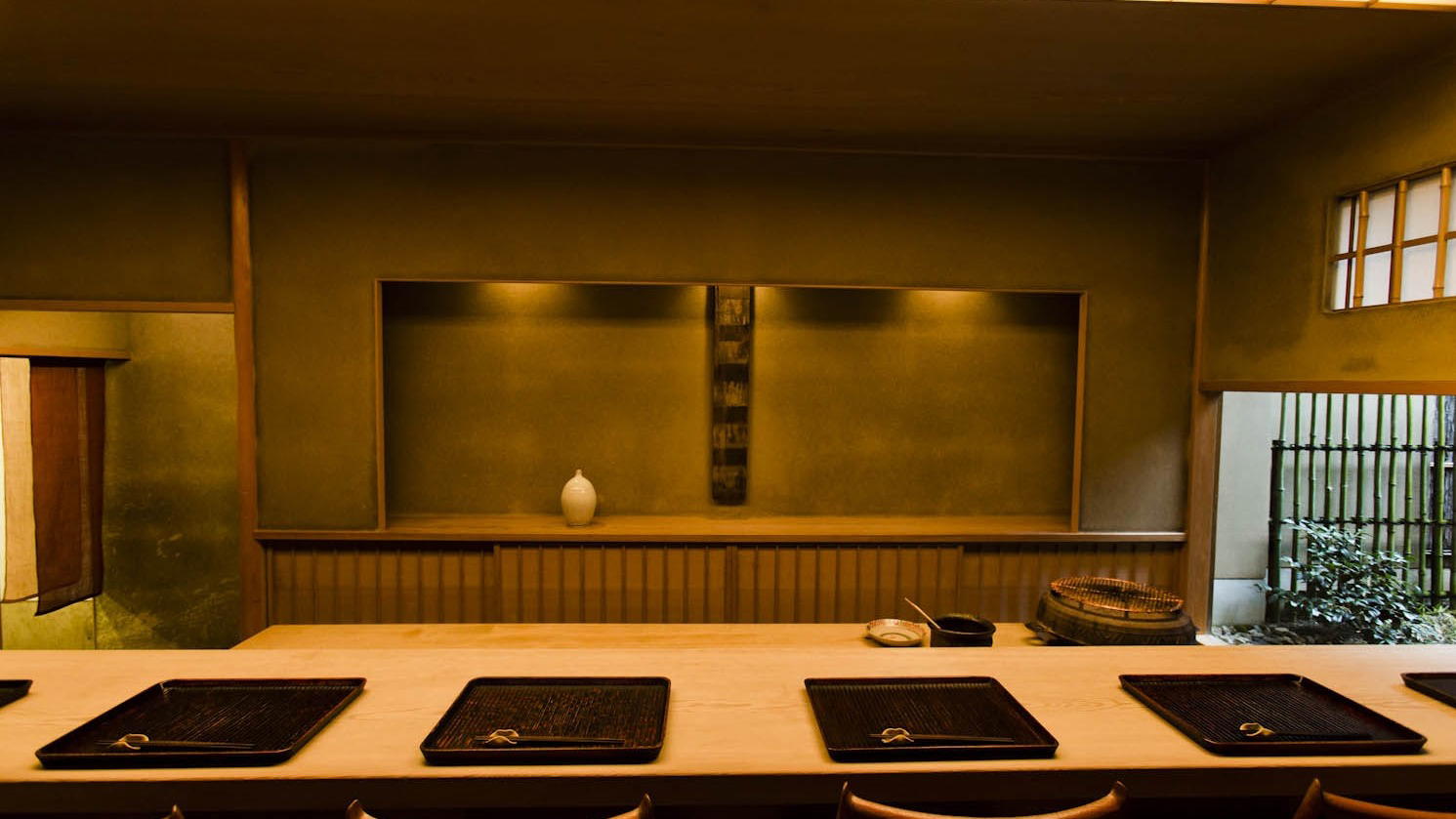
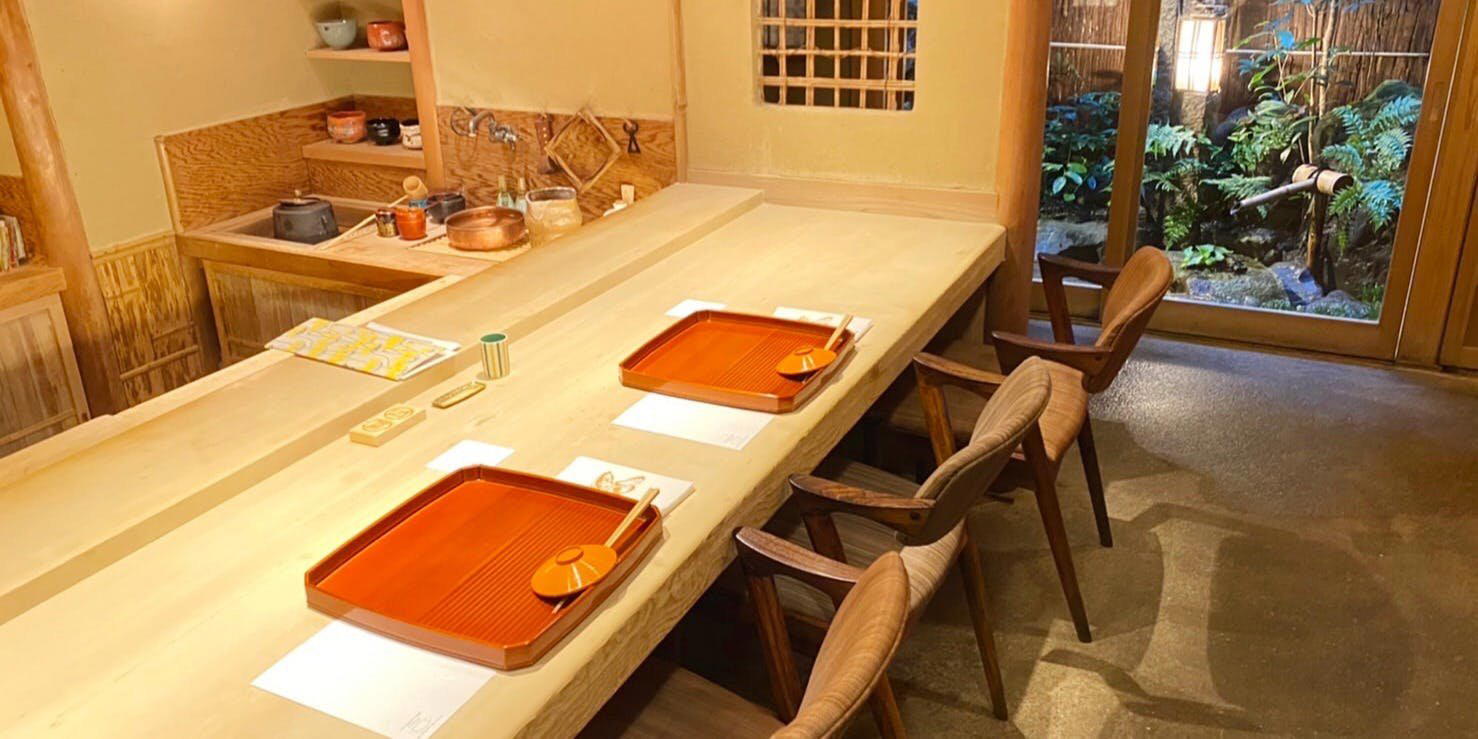
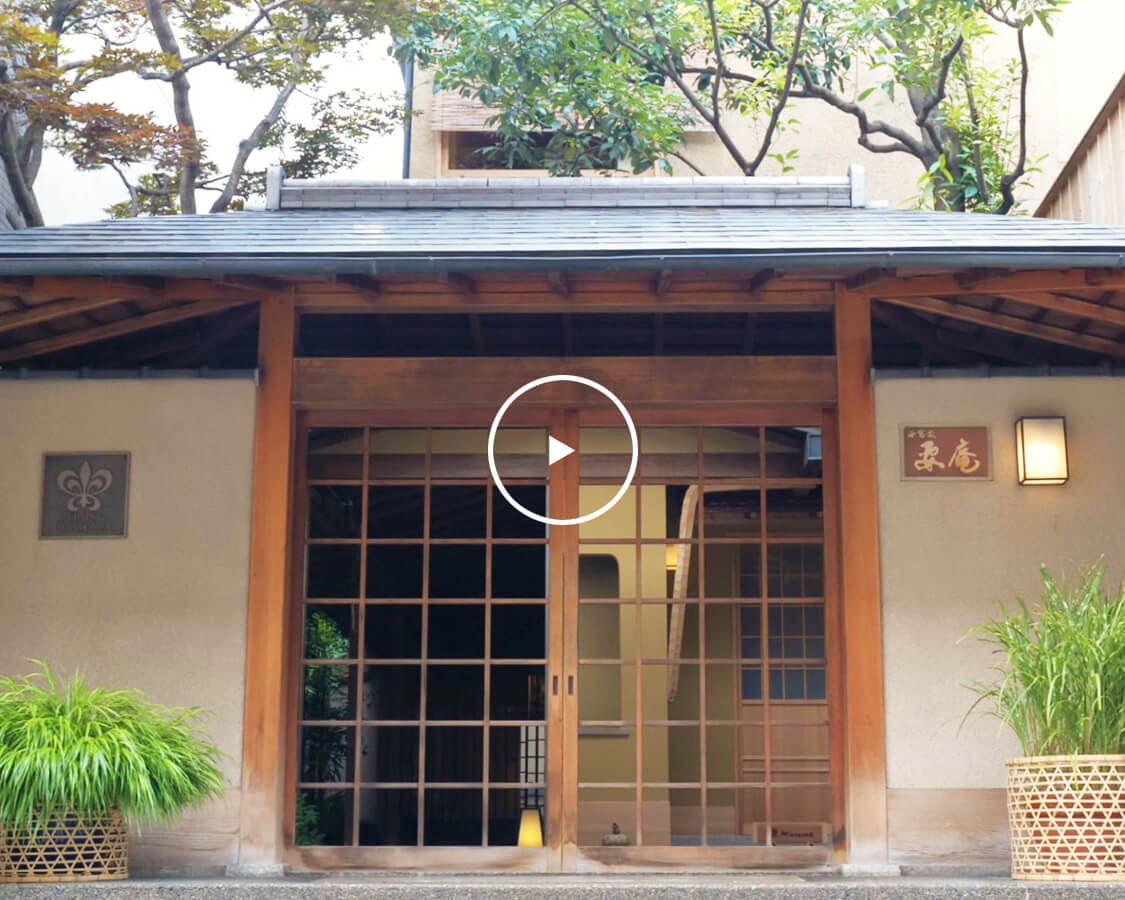
Traditional Kyoto machiya atmosphere with a calm, contemplative feel; softly lit interiors overlooking a courtyard garden create a serene, minimalist space ideal for quietly enjoying Japanese sweets and tea.