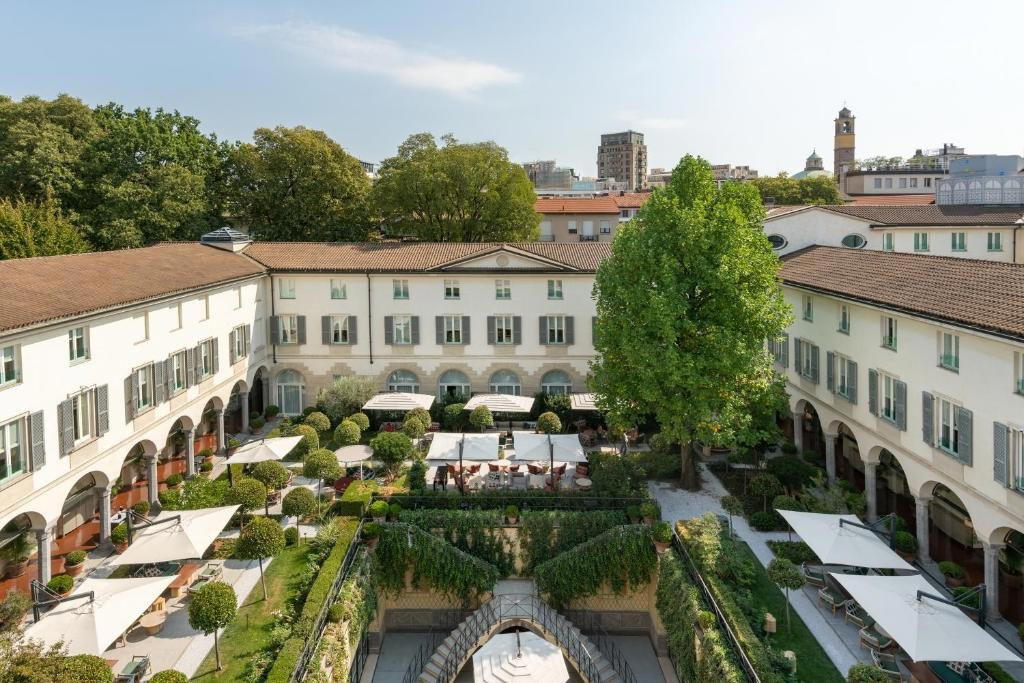
"Lunch at Hostaria Borromei Tucked in an alley near the historic downtown you'll find this small restaurant serving traditional, regional dishes (at a great price especially for the area). With open-air courtyard seating surrounded by vines, it makes for a relaxing lunch. For the and freshest thing on the menu, take advantage of the friendly staff and ask for a recommendation– they'll point you in the right direction. If you're like me and spend the entire day walking until you're ravenous, this is a great place close to the Duomo. Try the stuffed zucchini flowers (one of my favorites in any Italian restaurant)!"
Pearl is the En Primeur Club membership app — saves, bookings, and concierge access live there. Same editors, same standards.
- Address
- Via Borromei, 4, 20123 Milano MI, Italy
- Phone
- +39 02 8645 3760
- Website
- hostariaborromei.com
- Directions
- Get directions
 Saves & bookings on Pearl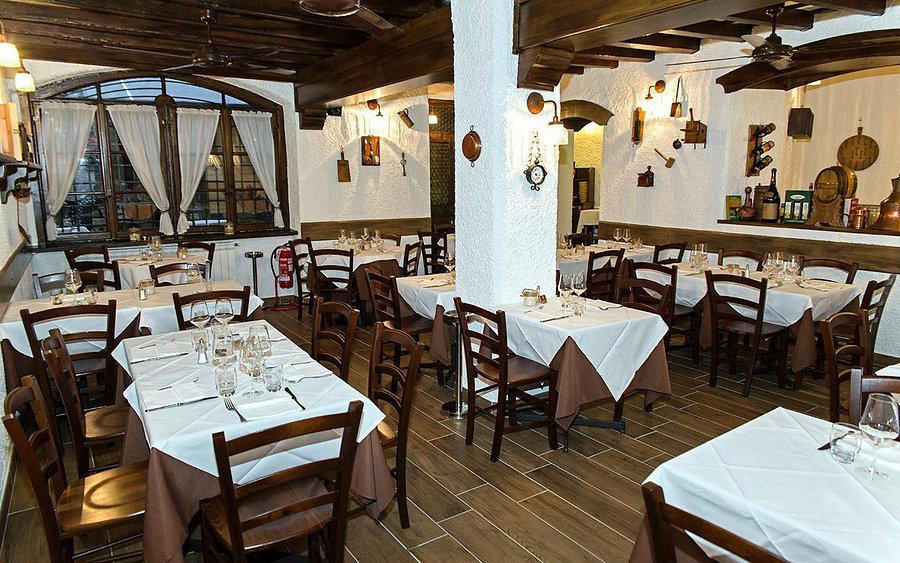
A Street That Holds Its Ground
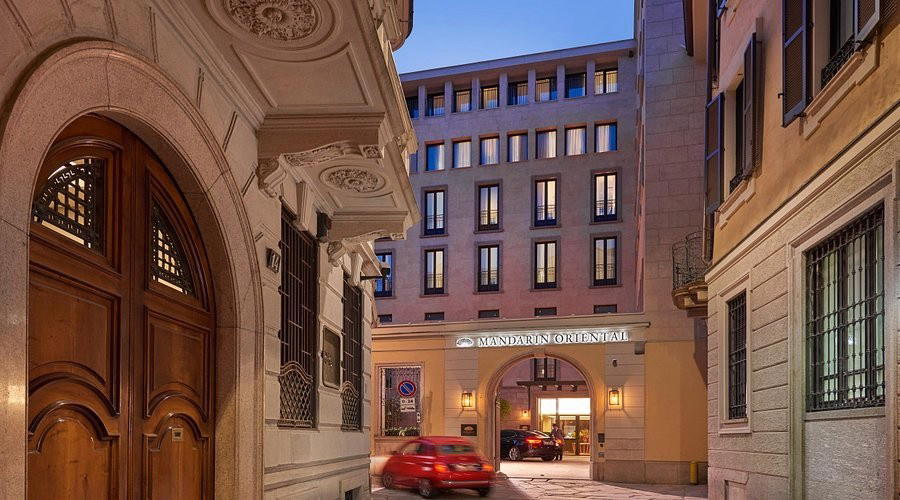
Via Borromei cuts through the financial district of central Milan with the quiet authority of a street that has never needed to announce itself. The buildings here are old money in the Lombard sense: restrained facades, heavy stone archways, and courtyards that reveal themselves only after you have already passed the entrance. Hostaria Borromei occupies this register. Approaching the address, the surrounding context is not one of restaurant rows or tourist circuits but of notarial offices and private banks.
The Ritual Architecture of a Milanese Lunch
In Italy, the dining ritual carries structural weight that menus alone cannot communicate. The meal is not a sequence of courses so much as a negotiated pace between kitchen and table, with the antipasto functioning as a statement of intent and the secondo arriving only when the rhythm of the room has been properly established. Hostaria Borromei, positioned in a neighbourhood defined by commercial schedules and professional appointments, sits within the long tradition of the serious Milanese lunch, a format in which the meal is an extension of working life rather than a departure from it. The pacing here aligns with the cultural expectation that a table taken at one o'clock should not be hurried, but should also not test the patience of people with afternoon obligations.
That mode of dining is different from what you find at the more architecturally theatrical end of Milan's restaurant scene. Venues such as Cracco in Galleria or Enrico Bartolini operate with the tasting-menu logic of evening destination dining, where the sequence is predetermined and the experience is self-contained. The hostaria format belongs to a different lineage, one where the menu is read rather than accepted, and where ordering is itself a form of participation in the meal's structure.
Positioning Within Milan's Trattoria and Osteria Tier
Milan supports a wide range of restaurants operating under the osteria or hostaria designation, and the quality spread within that category is considerable. At the high end of the trattoria tradition, you find places where the cooking is technically serious, the wine list has depth, and the room has the worn-in authority of a space that predates current trends. At the lower end, the same vocabulary serves as aesthetic cover for unremarkable cooking at tourist-facing prices. Hostaria Borromei's location on Via Borromei, in the Piazza Affari catchment area, places it structurally closer to the former category. The neighbourhood does not generate enough passing tourist traffic to sustain a restaurant on that basis alone.
For context on where the formal end of Milan's Italian dining sits, Andrea Aprea and Seta operate at the €€€€ contemporary bracket, with tasting menus and Michelin recognition. Verso Capitaneo occupies a creative middle register. The restaurant, by contrast, belongs to the older vernacular of Italian hospitality, the kind of room where the cooking references regional Italian tradition more directly than it does modern gastronomy.
What the Hostaria Format Asks of the Diner
The etiquette embedded in the hostaria model is worth spelling out, particularly for visitors accustomed to the more managed experience of tasting-menu restaurants. You are expected to order in stages rather than all at once, and to treat the meal as something that is assembled rather than delivered. This is a format that rewards engagement with the menu as a document, including understanding which dishes reflect the kitchen's actual strengths versus which are there to satisfy a range of expectations.
Italy's most celebrated dining institutions, from Osteria Francescana in Modena to Dal Pescatore in Runate, have each built their identity on a clarity of culinary perspective rather than stylistic breadth. That same principle applies at the trattoria level: the leading rooms in this tier succeed because the kitchen knows what it is cooking, not because it covers the widest possible ground. Regionally anchored cooking, prepared with technical competence and served without ceremony, is the model. Enoteca Pinchiorri in Florence represents the apex of the Italian cellar-led format, and Piazza Duomo in Alba shows how regional identity can support serious ambition. The restaurant operates well below those registers in formality and price, but belongs to the same broader cultural commitment to Italian dining as a structured, unhurried ritual.
Planning the Visit
Via Borromei sits within walking distance of the Cordusio metro station and the Duomo catchment area, making it accessible from most central Milan hotels without requiring a car or taxi. The lunch service is the natural entry point given the neighbourhood's professional rhythm, though dinner remains an option for those who want the room at a quieter pitch. Booking ahead is advisable, particularly midweek when the surrounding business district is at its most active. The restaurant recommends reservations by direct contact.
For comparison, Italian restaurants of similar cultural weight in other regions, such as Uliassi in Senigallia, Quattro Passi in Marina del Cantone, or Reale in Castel di Sangro, have developed distinctive regional identities. In Milan itself, rooms operating with serious culinary intent and limited capacity often book well in advance during the fashion and design calendar. The restaurant does not sit in that same demand tier, but arriving without a reservation on a busy weekday lunch is a risk not worth taking.
Style and Standing
Comparable venues nearby, for context on price, style, and recognition.
| Venue | Cuisine | Price | Notes |
|---|---|---|---|
| Hostaria BorromeiThis venue — the venue you are viewing | Traditional Milanese Trattoria | $$$ | Not listed |
| Bianca | Modern Italian Seafood | $$$ | Porta Magenta |
| Ristorante Caruso | Modern Neapolitan-Milanese Bistrot | $$$ | Brera |
| Antica Trattoria della Pesa | Traditional Lombard Trattoria | $$$ | Porta Garibaldi - Porta Nuova |
| La Ca' di Tencitt | Italian Speakeasy Bistro | $$$ | Duomo |
| Costa Sigieri | Sardinian Seafood | $$$ | Pta Romana |
Continue exploring
More in Milan
Restaurants in Milan
Browse all →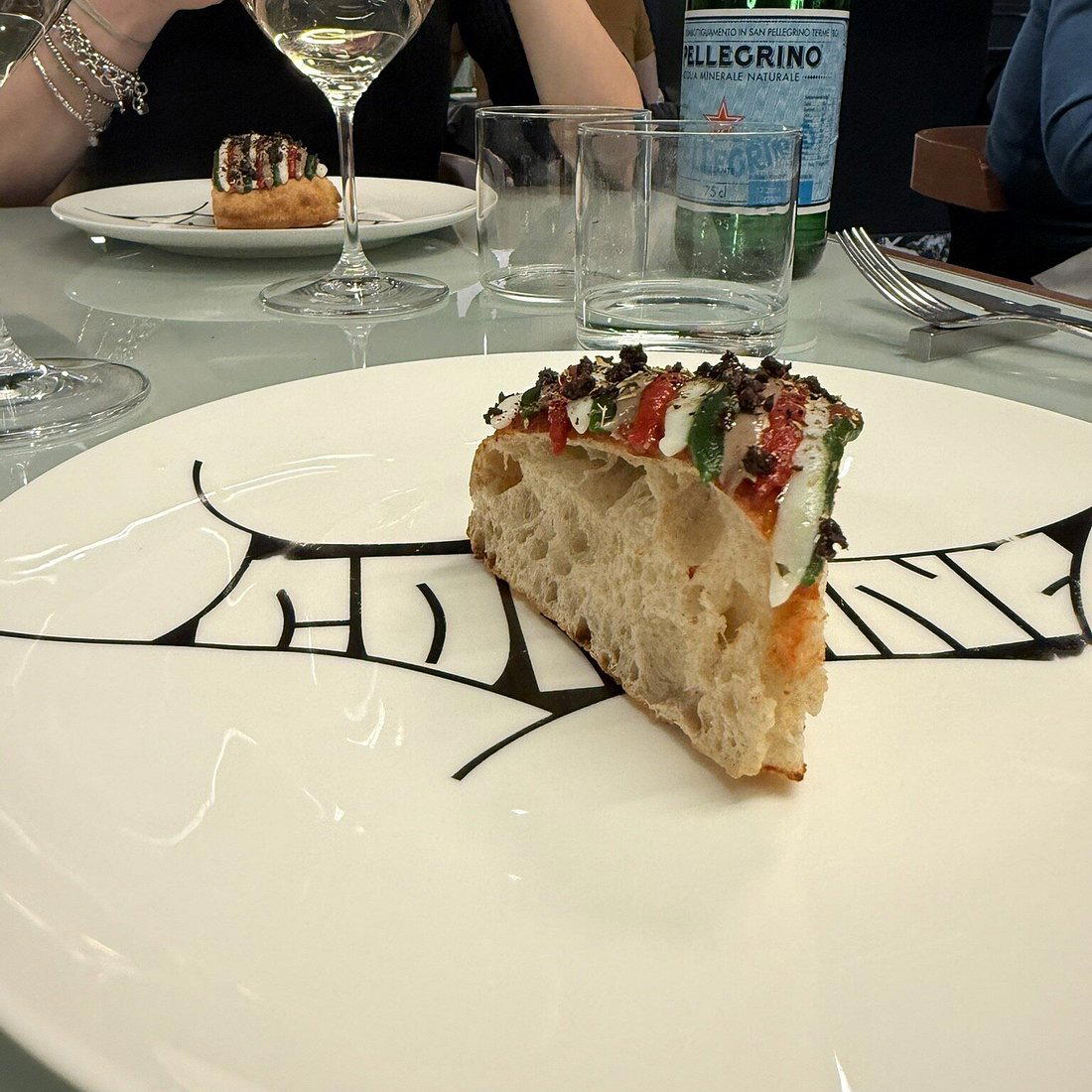
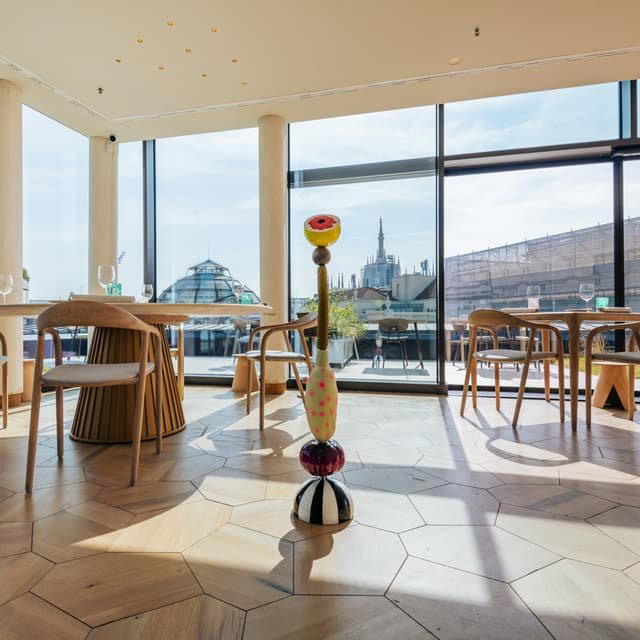
Bars in Milan
Browse all →
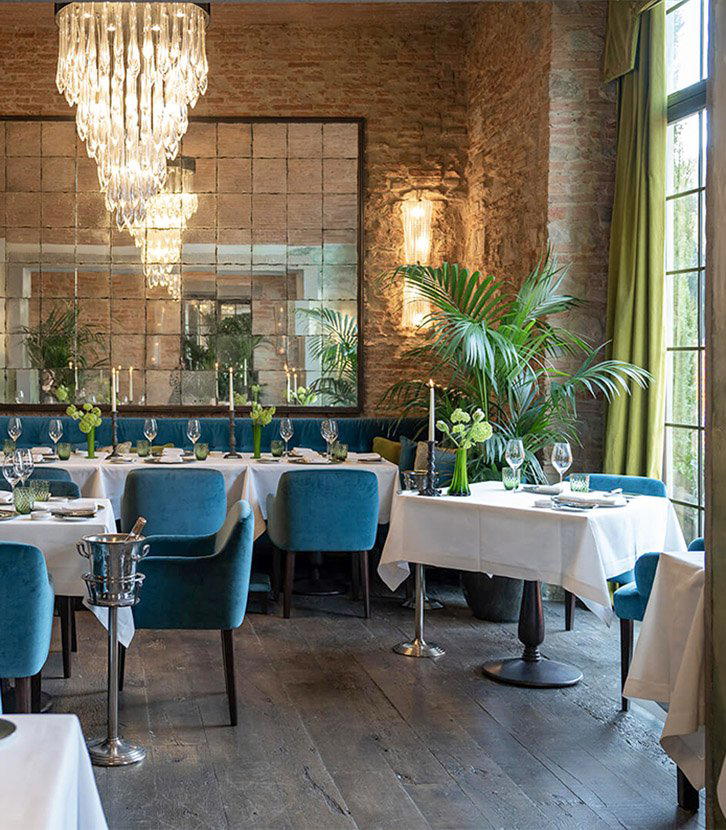
Hotels in Milan
Browse all →
At a Glance
- Classic
- Cozy
- Romantic
- Intimate
- Date Night
- Business Dinner
- Group Dining
- Casual Hangout
- Courtyard
- Garden
- Historic Building
- Standalone
- Extensive Wine List
- Local Sourcing
- Garden
Low-key and elegant with warm, traditional Italian atmosphere; intimate interior garden courtyard surrounded by vines creates a relaxing, romantic setting.